Natural White LED Tail Light Suppliers and Manufacturers
Compare 22 verified suppliers offering Natural White LED Tail Light with varying lead times, certifications, and response speeds. Review product specs like DOT and E-mark compliance before contacting factories in Jiangsu or Guangdong for quotes; review the available evidence before requesting comparable quotations from suitable candidates.
Suppliers List

Changzhou Yamar Equipment Co., Ltd.
- Trading Company,Manufacturer/Factory
- China Jiangsu
- Lead time45 days
- Avg. response≤ 19h
Main productsTrailer, Boat Trailer, Utility Trailer, Box Trailer, Plant Trailer, Motorcycle Trailer, Camper Trailer, ATV Trailer, Jet Ski Trailer, Roof Top Tent
Main marketsSouth America,Eastern Europe,Mid East,North America,Southeast Asia,Oceania,Western Europe,Africa

GUANGZHOU TOPBRIGHT TECHNOLOGY CORP. LIMITED
- Verified by TUVRHEINLAND
- Trading Company
- China Guangdong
- Lead time15 days
- Avg. response≤ 1h
Main productsAutomotive LED Lights, LED Work Light, LED Light Bar, LED Driving Light, LED Work Light Manufacturer / Supplier in China, LED Camping Light Tent LED Flexible Lighting, Emergency Lights, ATV LED Light UTV LED Light SUV LED Light, off-Road LED 4WD Light Truck LED Light, Tractor LED Lights 18W PAR 36 Tractor Lights
Main marketsOthers(foreignTradeCapacity.exportBusinessCapacityMarketOther)

K-Lite (Shanghai) Industrial Co., Ltd.
- Verified by TUVRHEINLAND
- Trading Company
- China Shanghai
- Lead time30 days
- Avg. response≤ 7h
Main productsReflector, Motorcycle LED Lamps, Road Markers, Vehicle Lamps, Trailer LED Lamps, Pedestrian Reflector, Light Guide Strip, Road Stud, Auto Parts, Headlamp
Main marketsSoutheast Asia/ Mideast,East Asia(Japan/ South Korea)

Ningbo Beilun Bonsen Auto Electron Co., Ltd.
- Verified by BV
- Trading Company,Manufacturer/Factory
- China Zhejiang
- Lead time38 days
- Avg. response≤ 7h
Main productsLED Trail Tail Lights, LED Headlights Bulb, Car Wash Machine, Low Pressure Die Casting Machine, Laptop Stand, Seasoning Meat Syringe, Stainless Steel Heating Manifold, Brazed Plate Heat Exchanger
Main marketsSouth America,Eastern Europe,Mid East,North America,Southeast Asia,Eastern Asia,Oceania,Western Europe,Africa

Ningbo Langyan International Trade Co., Ltd.
- Trading Company
- China Zhejiang
- Lead time30 days
- Avg. response≤ 6h
Main productsAuto Motorcycle and Trailer Parts, Tools&Hardware, Outdoors&Promotion Items, Toys, Stationery, Daily Use, Arts & Crafts
Main marketsSouth America,Southeast Asia/ Mideast,Europe,Australia,North America

Guangzhou B-King Auto Electronics Limited
- Verified by TUVRHEINLAND
- Trading Company
- China Guangdong
- Lead time15 days
- Avg. response≤ 10h
Main productsLED Headlight, LED Headlight Bulb, Auto Lights, Car Lights, HID, Car Camera, LED Work Light, Turn Signal Light, LED Fog Light
Main marketsSouth America
Guangzhou Hongbao Automobile Accessories Co., Ltd.
- Verified by TüVRheinland
- Manufacturer, Trading Company
- Lead time10 days
- Avg. response≤ 3h
Main productsSteering Wheel Cover, Car Mats, Car Sunshade, Neck Pillow And Square Pillow, Car Seat Cover
Main marketsMid East(30%), North America(20%), South America(10%)
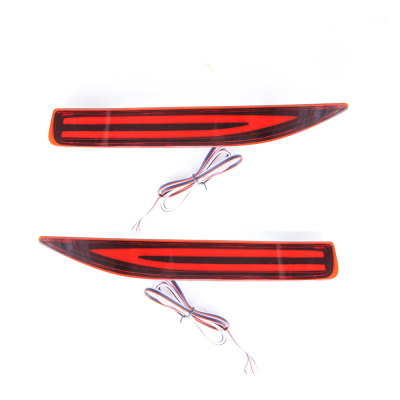
LED Tail Lights Indicator Rear Brake Light Rear Bumper Reflector Tail Lamps
$18.34 - $19.81
MOQ: 20 sets
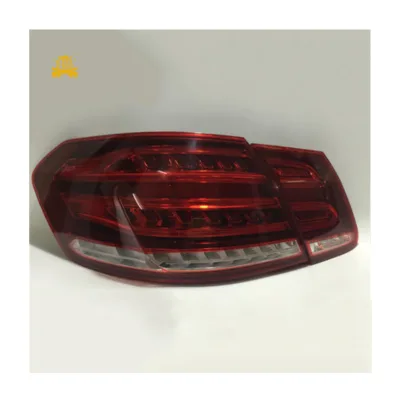
Car Tail Light Assemblies Automotive LED Lighting Tail Lamps for Mercedes Benz
$46.22 - $52.09
MOQ: 100 sets

Shanghai Anma Industry Co., Ltd.
- Trading Company
- China Shanghai
- Lead time30 days
- Avg. response≤ 4h
Main productsCar Accessories, Car Spare Parts, Car Tools, Car Interior Accessories, Car Exterior Accessories, Car Electrical Accessories, Car Lights, Car Mirror, Car Emergency Kits, Car Care Products
Main marketsSouth America,Others(foreignTradeCapacity.exportBusinessCapacityMarketOther),Southeast Asia/ Mideast,Europe,North America

Shanghai Huaqi Industrial Co., Ltd.
- Verified by TUVRHEINLAND
- Trading Company
- China Shanghai
- Lead time15 days
- Avg. response≤ 6h
Main productsCar Mats, Seat Cover, Car Cover, Wiper Blade, Air Compressor, Steering Wheel Cover, Car Lock, Baby Mirror, Car Jack, Racing Seat
Main marketsSouth America,Africa,Southeast Asia/ Mideast,Europe,Australia,North America
T-Bull Electronics Co., Limited
- Verified by SGS
- Trading Company
- China Zhejiang
- Lead time15 days
- Avg. response≤ 5h
Main productsAutomotive Lighting, LED Side Markers, Truck Lights, Trailer Lights, Volvo Truck Lights, Scania Lights, Isuzu Truck Lights, Daf Truck Lights, Automotive Tail Lights, Automotive Headlights
Main marketsEurope

Shenzhen Hongrun Vehicle Parts Co., Ltd.
- Verified by SGS
- Trading Company
- China Guangdong
- Lead time30 days
- Avg. response≤ 25h
Main productsLED Trailer Light, Trailer LED Lamp, Excavator Part, Trailer Spare Part, Air Bag and Air Spring, Volvo Truck Part, Scania Truck Part, Daf Truck Part, Excavator Undercarriage Part, Bulldozer Part
Main marketsSoutheast Asia/ Mideast,Australia
Shanghai Anma Industry Co., Ltd.
- Trading Company
- Lead time旺季: "1 - 1000":31,"1001 - 2000":35,"> 2000":"To be negotiated", 淡季: "1 - 1000":31,"1001 - 2000":35,"> 2000":"To be negotiated"
- Avg. response≤ 4h
Main productsInteriror Accessories,Exterior Accessories,Electrical Accessories,Car Tools,Car Lighting
Guangzhou Fdn Autolighting Company Limited.
- Verified by SGS
- Manufacturer/Factory
- China Guangdong
- Lead time0 days
- Avg. response≤ 2h
Main productsLED COB Work Lights, LED COB Work Pods, LED COB Light Bars, LED COB Tail Lights, LED COB Signal Lights/Warning Lights, LED COB Interior Lights, LED Headlights, LED Motorcycle Lights, LED Fog/Driving Lights, LED Strip Lights/Decaroation Lights


$4.50 - $5.00
MOQ: 500 Pieces
- Verified by SGS
- Trading Company
- China Zhejiang
- Lead time15 days
- Avg. response≤ 18h
Main productsCar Mat, Car Air Freshener, Car Seat Cover, Steering Wheel Cover, Car Phone Holder, Car Roof Tent, Car Sunshade, Jerry Can
Main marketsEurope,Australia


Factory Price 20 * 47mm Decoding LED High-Power Steering Brake Tail Lights
$4.40 - $4.95
MOQ: 300 Pieces


Factory Price Car LED High Brightness Turn Signal Tail Light Rear Stoplight
$2.51 - $2.82
MOQ: 400 Pieces


Changzhou Super Auto Parts Co., Ltd.
- Verified by CTI
- Combined
- China Jiangsu
- Lead time30 days
- Avg. response≤ 4h
Main productsAuto Lamp, Auto Mirror, Auto Parts, Bus Lamp, Bus Mirror, Bus Parts, Truck Light, Truck Mirror, Truck Parts, Bus Light
Main marketsSouth America,Southeast Asia/ Mideast,Europe,Australia

Contact supplier

Contact supplier

- Verified by TUVRHEINLAND
- Combined
- China Zhejiang
- Lead time15 days
- Avg. response≤ 7h
Main productsBody Camera, Body Worn Camera, in-Car Police Camera, Lightbar, Anti-Riot Suit, Docking Station, Vest, Telescopic Light, LED Warning Light Bar, Security Equipment
Main marketsAfrica,Southeast Asia/ Mideast,Europe,North America
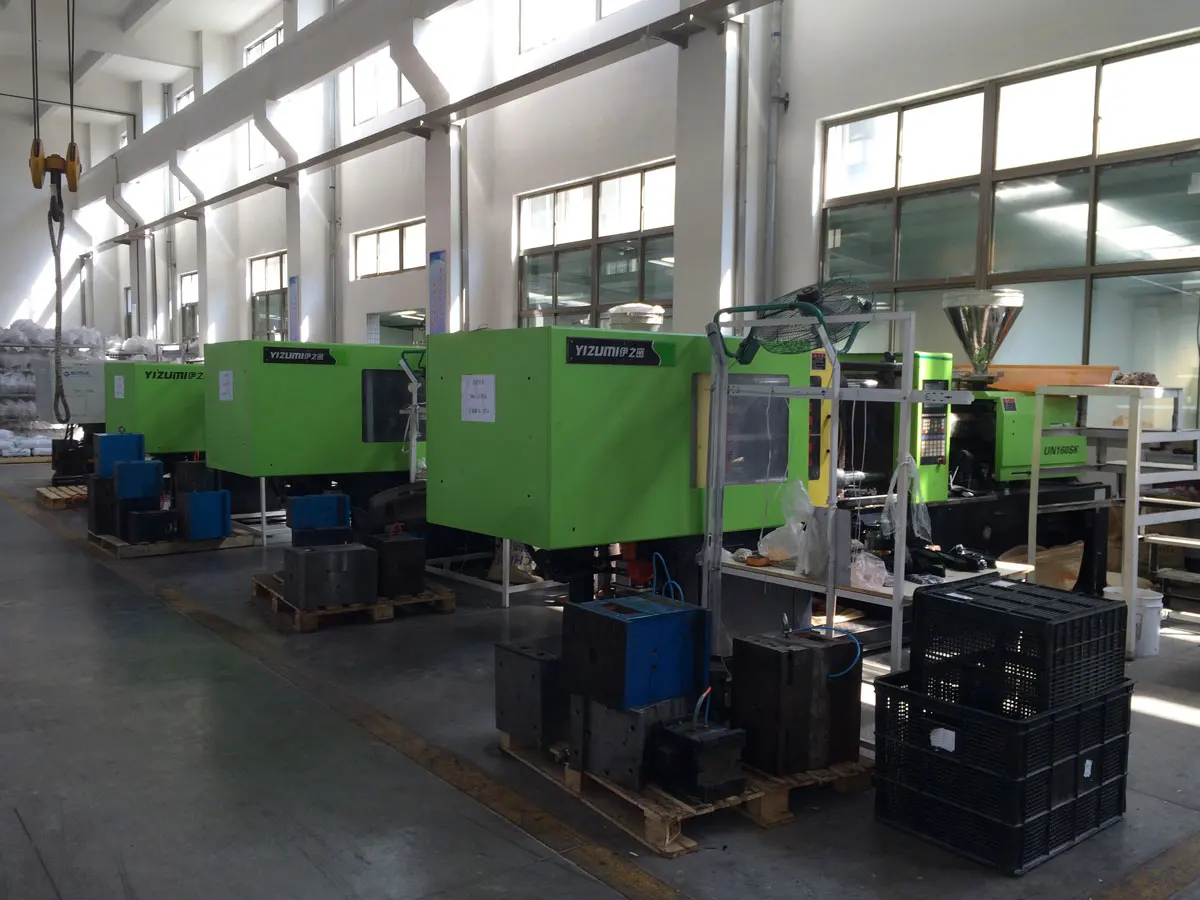
Danyang Hana Auto Parts Co., Ltd.
- Manufacturer, Trading Company
- Jiangsu, China
- Lead time30 days
- Avg. response≤ 6h
Main productsTruck body parts,bus parts,truck lamps,led lamp,trailer light
Main marketsSouth America(15.00%), Domestic Market(13.00%), Eastern Europe(12.00%), Oceania(10.00%), Africa(10.00%), Northern Europe(8.00%), Western Europe(8.00%), Southern Europe(8.00%), Mid East(8.00%), South Asia(3.00%), Southeast Asia(3.00%), Eastern Asia(2.00%)
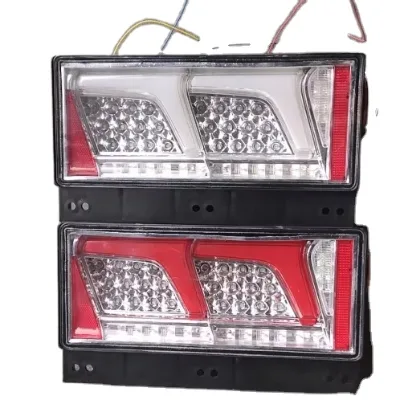
$50.00 - $55.00
MOQ: 10 pieces
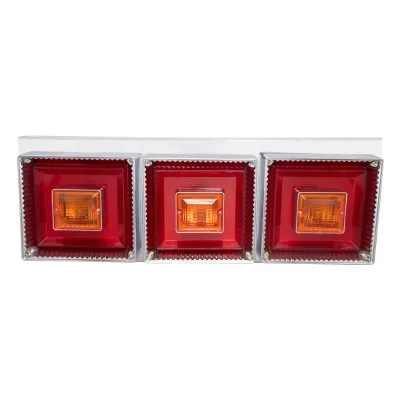
Long Life 12 Months Warranty Truck Bulb Tail Lamp
$15.63 - $23.44
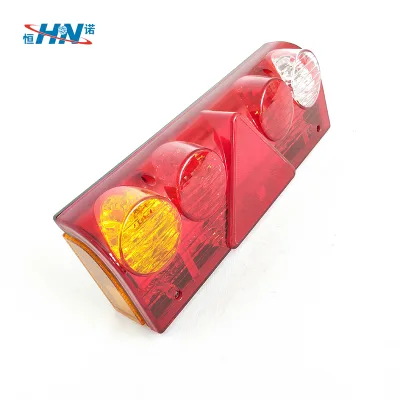
Xiamen Longhuitong Automobile Technology Co., Ltd.
- Verified by TUVRHEINLAND
- Combined
- China Fujian
- Lead time60 days
- Avg. response≤ 2h
Main productsSpecial Truck, Chassis, Bus, Bus Part, Electric Auto Part, Garbage Truck, Pick up, Van, Tricycle, Air Pump Oil Pump Four in One Charging Station V
Main marketsSoutheast Asia/ Mideast
Nanjing Jinshuo Technology Co., Ltd.
- Verified by TUVRHEINLAND
- Trading Company,Manufacturer/Factory
- China Jiangsu
- Lead time15 days
- Avg. response≤ 2h
Main productsLED Whips, LED Light Bar, LED Work Light, LED Headlight, LED Neon Rope, LED Strip Light, LED Module, Auto Parts
Main marketsSouth America,Eastern Europe,Mid East,North America,Southeast Asia,Oceania,Western Europe,Africa

High Quality Waterproof and Durable 24vled Truck Side Light Truck Side Light Five Colors Tail Light
$2.50 - $9.90
MOQ: 10 Pieces

Hangzhou lizhong shengteng Auto Parts Co., Ltd.
- Verified by TUVRHEINLAND
- Trading Company
- China Zhejiang
- Lead time23 days
- Avg. response≤ 9h
Main productsAuto Bumper, Auto Rear Bumper Cover, Auto Rear Mirror, Auto Hood, Auto Head Lamp, Auto Cooling Fan Cover, Auto Radiator
Main marketsSouth America,Eastern Europe,Mid East,North America,Southeast Asia,Eastern Asia,Western Europe

Ningbo Autocare Car Accessory Co., Ltd.
- Trading Company
- China Zhejiang
- Lead time30 days
- Avg. response≤ 5h
Main productsAuto Accessories, Car Accessories, Car Steering Wheel Cover, Steering Wheel Cover, Seat Cushion, Sun Shade
Main marketsSouth America,Africa,Southeast Asia/ Mideast,East Asia(Japan/ South Korea),Europe,Australia,North America

High Quality, Low Price and Small Weight 6LED Side Light 12V/24V/10-30V Truck Tailer Light
$0.50 - $1.00
MOQ: 1000 Pieces

High Quality, Low Price and Small Weight 6LED Side Light 12V/24V/10-30V Truck Tail Light
$0.50 - $1.00
MOQ: 1000 Pieces
Renqiu Xinxuanyi Lighting Manufacturing Co., Ltd.
- Verified by SGS
- Combined
- China Hebei
- Lead time15 days
- Avg. response≤ 6h
Main productsLED Taillight, LED Warning Light, LED Car Lights, LED Truck Taillight, LED Working Lamp, LED Indicator Light, LED Roof Light
Main marketsSoutheast Asia/ Mideast


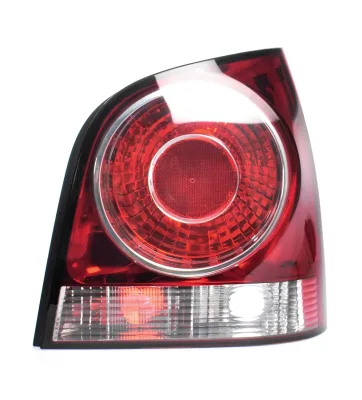


Comprehensive Sourcing Guide
Natural White LED Tail Light Supplier Concentration and Factory Types
The available data indicates that suppliers for trailer lighting components are concentrated in specific Chinese provinces, with Jiangsu and Guangdong emerging as key manufacturing hubs. Fact records show a distinct cluster in Jiangsu, where companies list main products including various trailer types and specific LED lighting units like the 6-inch oval and 4-inch round tail lights. These facilities often operate as a hybrid of trading companies and manufacturers, offering both OEM and ODM capabilities for custom branding. The presence of ISO 9000, ISO 9001, and ISO 14001 certifications in this region suggests a standardized approach to quality management and environmental compliance among these factories. Buyers should verify if a specific supplier's physical address aligns with these known industrial zones to confirm their manufacturing capacity rather than relying solely on trading company status.
In contrast, the Guangdong region presents a different profile, with suppliers focusing heavily on automotive LED lights, work lights, and light bars. These entities are frequently identified as trading companies, yet they maintain verification status from recognized bodies like TÜV Rheinland, indicating a commitment to third-party quality assurance. The product range in this cluster includes specialized items such as the "hamburger" style tail lights and square rear combination lights, which often feature E-mark and CCC certifications. While the Jiangsu cluster emphasizes trailer-specific integration, the Guangdong cluster appears more diversified across general automotive lighting. When evaluating potential partners, buyers must distinguish between these regional specializations to ensure the supplier's core competency matches the specific requirements of Natural White LED Tail Light production, rather than assuming all listed suppliers possess identical manufacturing depth.
How to Verify Natural White LED Tail Light Suppliers
Verification of supplier credibility requires a multi-layered approach that goes beyond basic company registration details. The data highlights that some suppliers hold specific third-party verifications, such as TÜV Rheinland, which serves as a tangible indicator of operational stability and quality control adherence. Buyers should prioritize suppliers who display these external audit results, as they provide an objective measure of the factory's compliance with international standards. Additionally, the presence of system certifications like ISO 9001 and ISO 14001 should be cross-referenced with the supplier's actual production scope. It is crucial to confirm that the listed certifications cover the specific manufacturing processes for LED tail lights, ensuring that the quality management system is not merely a generic corporate credential but is actively applied to the product line in question.
Response time and lead time data offer further insights into a supplier's operational readiness and reliability. The observed response times vary significantly, with some suppliers demonstrating rapid engagement capabilities while others show longer intervals. A supplier with a response time of under one hour may indicate a dedicated sales team or automated systems that facilitate quick communication, which is vital for resolving technical queries regarding natural white LED specifications. Conversely, lead times ranging from 15 to 45 days suggest different production capacities and inventory strategies. Buyers must verify if the quoted lead times are consistent with the supplier's current production load and whether they can accommodate urgent orders. Confirming these metrics through direct inquiry helps establish a realistic timeline for the procurement process and reduces the risk of delays caused by miscommunication or capacity constraints.
What to Compare Across Natural White LED Tail Light Suppliers
When evaluating potential partners, buyers should systematically compare key operational dimensions such as minimum order quantities, pricing structures, and production capabilities. The data reveals a wide range in minimum order requirements, with some suppliers accepting orders as low as one unit, while others enforce a minimum of 50 units. This variance directly impacts the feasibility of small-batch testing versus large-scale procurement. Pricing also fluctuates based on product specifications, with unit costs ranging from approximately five dollars to nearly twenty dollars depending on features like LED count, waterproofing, and certification levels. Buyers must analyze these price points in the context of their specific volume needs and quality requirements to determine the most cost-effective option without compromising on essential performance standards.
Production attributes and customization options are equally critical factors in the comparison process. Suppliers in the dataset offer varying degrees of customization, with some explicitly stating that OEM and ODM services are available. The product specifications indicate differences in voltage compatibility, such as 12V versus 24V systems, and material compositions like ABS plastic housings. Buyers should compare these technical details to ensure the supplier can meet the exact electrical and mechanical requirements of their target market. Furthermore, the availability of certifications like DOT, E-mark, and CCC varies by product model and supplier. A comprehensive comparison should assess whether a supplier can provide the necessary documentation for the specific regions where the natural white LED tail lights will be sold, ensuring regulatory compliance and market access.
Common Natural White LED Tail Light Sourcing Risks
One significant risk in sourcing natural white LED tail lights involves the discrepancy between claimed certifications and actual product compliance. While the data lists certifications such as DOT, E-mark, and CCC, buyers must verify that these apply to the specific model being ordered. Some suppliers may list certifications for a broader product line without guaranteeing that every unit meets the rigorous testing standards required for export markets. The presence of a certification label does not automatically ensure that the specific batch of goods will pass customs inspections or meet local safety regulations. Buyers should request valid test reports and certificates of conformity for the exact product model to mitigate the risk of receiving non-compliant goods that could lead to legal liabilities or product recalls.
Another critical risk relates to the consistency of product quality and the reliability of the supply chain. The variation in lead times, ranging from 15 to 45 days, suggests that production schedules may be subject to fluctuation based on raw material availability or factory workload. If a supplier promises a short lead time but fails to deliver, it can disrupt the buyer's inventory planning and sales cycles. Additionally, the difference in response times indicates varying levels of customer service responsiveness, which can complicate issue resolution if defects arise. Buyers should assess the supplier's track record for meeting delivery deadlines and their ability to communicate effectively during the production process. Establishing clear contractual terms regarding penalties for delays and quality failures is essential to protect against these operational risks.
Natural White LED Tail Light Regional Sourcing and Logistics
The geographic location of suppliers significantly influences logistics costs and delivery timelines. The data identifies Jiangsu and Guangdong as primary sourcing regions, each offering distinct logistical advantages. Jiangsu-based suppliers, often located near major shipping ports, may offer streamlined export processes for trailer-specific components, potentially reducing inland transportation costs. In contrast, Guangdong suppliers, known for their extensive manufacturing ecosystems, might provide faster access to a broader range of electronic components, which could expedite production for complex LED assemblies. Buyers should evaluate the proximity of the supplier to their destination port to estimate freight costs accurately. Understanding the specific location of the factory allows for better planning of shipping routes and selection of appropriate freight forwarders who are familiar with the local infrastructure.
Logistics planning must also account for the packaging standards and shipping configurations provided by the supplier. The data indicates that products are often packed in boxes or cartons with specific quantities per unit, such as 40 or 50 pieces per carton. These packaging details are crucial for calculating container load efficiency and optimizing shipping costs. Buyers should verify the dimensions and weight of the packaged goods to ensure they fit within standard shipping containers without incurring excessive volumetric weight charges. Additionally, the supplier's ability to provide neutral packing or custom branding on the packaging can impact the final retail presentation. Coordinating with the supplier on packaging requirements early in the process ensures that the goods arrive in optimal condition and are ready for immediate distribution upon arrival at the destination.
Natural White LED Tail Light Commercial Terms and Order Planning
Commercial terms and order planning are pivotal for managing the financial and operational aspects of the procurement process. The data shows a range of pricing models, with minimum prices starting around five dollars and maximums reaching nearly twenty dollars per unit. Buyers must negotiate clear pricing structures that account for volume discounts, currency fluctuations, and potential changes in raw material costs. It is essential to establish a fixed price agreement for the duration of the order to avoid unexpected cost increases. Additionally, the minimum order quantity (MOQ) varies significantly, with some suppliers requiring as few as one unit while others demand 50 units. Buyers should align their order volume with the supplier's MOQ to maximize cost efficiency while maintaining flexibility for future orders.
Payment terms and warranty provisions are also critical components of the commercial agreement. The data indicates that some products come with a two-year warranty, which provides a safety net for buyers against premature failures. However, the specific terms of this warranty, including coverage scope and claim procedures, must be clearly defined in the contract. Buyers should also verify the supplier's policy on escrow services or other payment protection mechanisms to ensure funds are only released upon satisfactory delivery. Planning for lead times, which can range from 15 to 45 days, requires accurate forecasting to maintain inventory levels. By integrating these commercial terms into a comprehensive order plan, buyers can mitigate financial risks and ensure a smooth transaction from initial inquiry to final delivery.
FAQs
What does a Natural White LED Tail Light actually mean?
A Natural White LED Tail Light emits light in roughly the neutral white range, around 5000 to 6000K colour temperature, rather than warm yellow or cool blue tones. Listings on this page include a rear lamp specified at 6000K with cool white LEDs, so check the stated colour temperature before ordering to match your fleet's lighting.
What certifications should a Natural White LED Tail Light have?
Look for DOT, E-mark, and CCC certification depending on your market. Several LED tail lights listed here carry CCC and E-mark approval, and some also show DOT. Certification affects legal road use and customs clearance, so request copies of the certificates and confirm they apply to the exact model and voltage you plan to buy.
What is the typical MOQ for LED trailer tail lights?
MOQs vary widely by supplier and product. One listing on this page shows an MOQ of 50 pieces for a 6-inch oval LED tail light, while another round tail light lists an MOQ of 1 piece. Confirm the MOQ for your chosen model directly, since mixed-function or 24V variants may carry different requirements.
What do LED tail lights for trailers typically cost?
Prices on this page range from about $5 to $8 for a 4-inch round LED tail light, $10 to $13 for a 24V red and amber unit, and up to roughly $20 for a three-panel rectangular rear lamp. Final pricing depends on quantity, customization, and certification, so request quotations for your exact configuration.
What lead times should I expect when sourcing LED tail lights?
Lead times on this page range from 15 days to 45 days depending on the supplier. Faster turnarounds generally apply to stocked standard models, while customized voltages, colours, or branded packing add production time. Ask suppliers to confirm lead time for your order quantity and whether sampling happens before mass production.
Can I get customization on LED trailer tail lights?
Yes, customization is marked as available on the LED tail light listings shown here, and suppliers list OEM and ODM capability among their services. Common options include housing colour, lens pattern, voltage configuration, and neutral or branded packing. Request samples before committing, and confirm customization fees, tooling costs, and any effect on lead time in writing.
Are LED tail lights available in both 12V and 24V?
Yes. Listings on this page include 12V oval and round tail lights as well as 24V and 12/24V combination lamps for trucks and trailers. Verify your vehicle or trailer electrical system before ordering, because using a light at the wrong voltage can cause dim output or premature failure. Multi-voltage models reduce this risk for mixed fleets.
What materials and durability features should I check?
Most tail lights here use ABS housings, with some listings describing waterproof and shock-resistant construction and a claimed life span around 100,000 hours. Ask for the ingress protection rating, confirm warranty terms since some products list a two-year warranty, and request sample units to test sealing and vibration performance in your real operating conditions.