Neodymium Magnetic Push Pins Suppliers and Manufacturers
Explore 16 verified suppliers of Neodymium Magnetic Push Pins in China Zhejiang. Compare response times, lead times, certifications like ISO 9001 and SGS, and product grades such as N35. Contact suppliers directly to request custom sizes and pricing; review the available evidence before requesting comparable quotations from suitable candidates.
Suppliers List

Hangzhou Yangyi Magnetics Co., Ltd.
- Verified by TUVRHEINLAND
- Manufacturer/Factory
- China Zhejiang
- Lead time23 days
- Avg. response≤ 6h
Main productsPermanent Magnet, Neodymium Magnet, Pot Magnet, AlNiCo Magnet, Hook Magnet, Magnetic Name Badge, Rubber Coated Magnet, Ferrite Magnet, Magnetic Bar, Rubber Magnet
Main marketsSouth America,Mid East,North America,Southeast Asia,Eastern Asia,Oceania,Western Europe,Africa


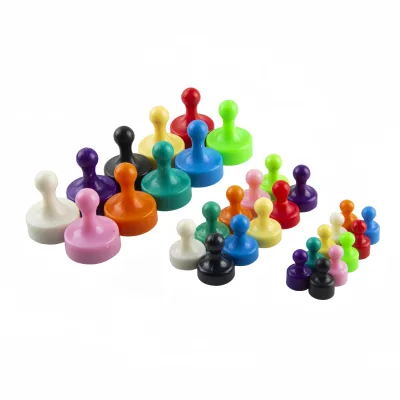
Colorful Small Magnetic Push Pins Neodymium Push Pins Magnet for Whiteboard
$0.01 - $0.10
MOQ: 100 Pieces

Ningbo Bestway Magnet Co., Ltd.
- Verified by BV
- Manufacturer/Factory
- China Zhejiang
- Lead time23 days
- Avg. response≤ 4h
Main productsSintered NdFeB Magnet, Permanent Magnet, Neodymium Magnet, Rare Earth Magnet, Magnet for Motors, Rotor Magnets
Main marketsSouth America,Eastern Europe,Mid East,North America,Southeast Asia,Eastern Asia,Oceania,Western Europe,Africa
Hangzhou Hs Magnetics Co., Ltd.
- Manufacturer, Trading Company
- Zhejiang, China
- Lead time20 days
- Avg. response≤ 7h
Main productsMagnet
Main marketsWestern Europe(30.00%), North America(30.00%), Southeast Asia(20.00%), Mid East(10.00%), Southern Europe(3.00%), Northern Europe(3.00%), Africa(3.00%), South America(1.00%)
Dongguan Meitian Technology Limited
- Verified by SGS Group
- Manufacturer, Trading Company
- Lead time10 days
- Avg. response≤ 2h
Main productsMagnet, Magnetic Materials, Neodymium Magnet, NdFeB Magnet, Permanent Magnet
Main marketsNorth America(25%), Mid East(15%), Northern Europe(10%)
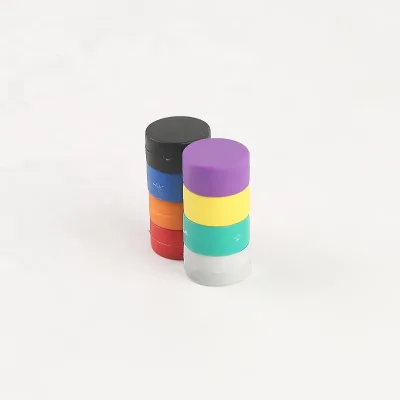
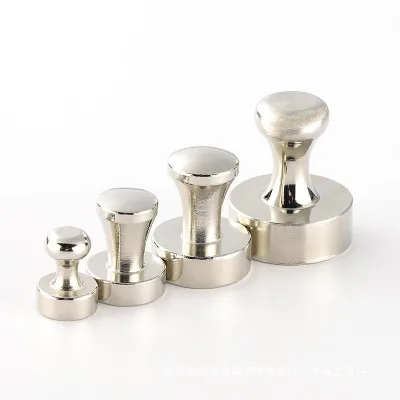
Strong Neodymium Magnetic Push Pin Thumbtack/Largest Neodymium Magnet/Neodymium Magnet Pushpin
Contact supplier
MOQ: 1000

Ningbo Jinshuo Magnet Technology Co., Ltd.
- Trading Company
- China Zhejiang
- Lead time30 days
- Avg. response≤ 24h
Main productsNeodymium Magnet, Permanent Magnet, Magnetic Assemblies, Magnetic Filter System, Rubber Coated Pot Magnet, Precast Magnet, Magnetic Motor, Flexible Magnet, Ferrite Magnet, AlNiCo Magnet
Main marketsSoutheast Asia/ Mideast,Europe,North America

- Verified by TUVRHEINLAND
- Manufacturer/Factory
- China Zhejiang
- Lead time15 days
- Avg. response≤ 9h
Main productsNeodymium Magnet, Ferrite Magnet, Rubber Magnet, AlNiCo Magnet, Fridget Magnet, Keyring, Keychain, Magnet Sticker, Wood Magnet, Magnet Toy
Main marketsSouth America,Mid East,North America,Eastern Asia,Western Europe
- Verified by SGS Group
- Manufacturer, Trading Company
- Lead time7 days
- Avg. response≤ 3h
Main productsNeodymium Magnet
Main marketsNorth America(30%), Western Europe(22%), Oceania(6%)
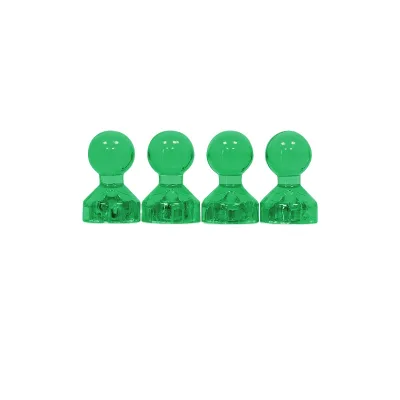
2024 Neodymium Magnetic Push Pins Colorful Plastic Coated Pushpins with High-Grade Magnetic Material
$0.01 - $0.65
MOQ: 200 Minimum
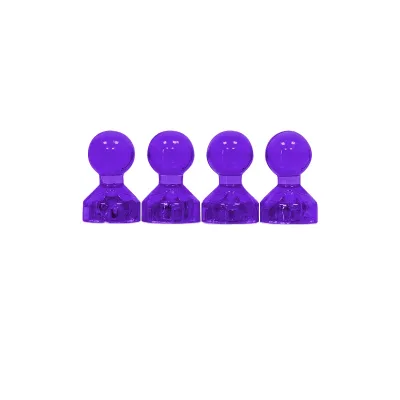
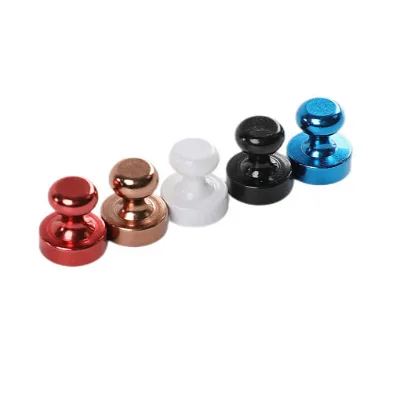
Strong Neodymium Magnet Office Pushpin Conical Magnetic Pushpin for Efficient Use
$0.01 - $0.65
MOQ: 200 Minimum
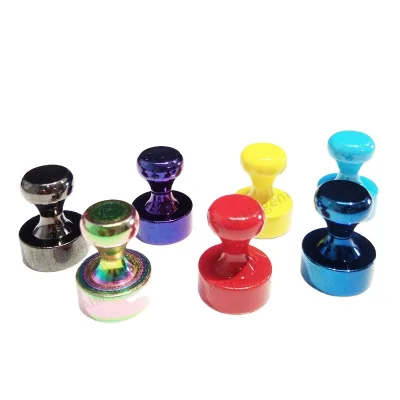
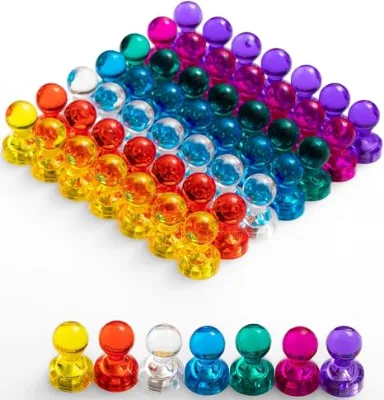
Magnetic Pushpins With 7 Different Colors of Crystal Plastic Casing for Home Office
$0.02 - $0.05
MOQ: 200
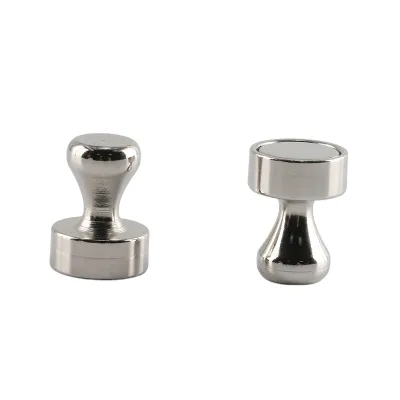
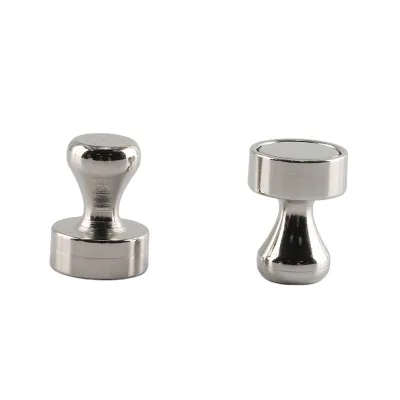
$0.09 - $1.65
MOQ: 1000 Minimum
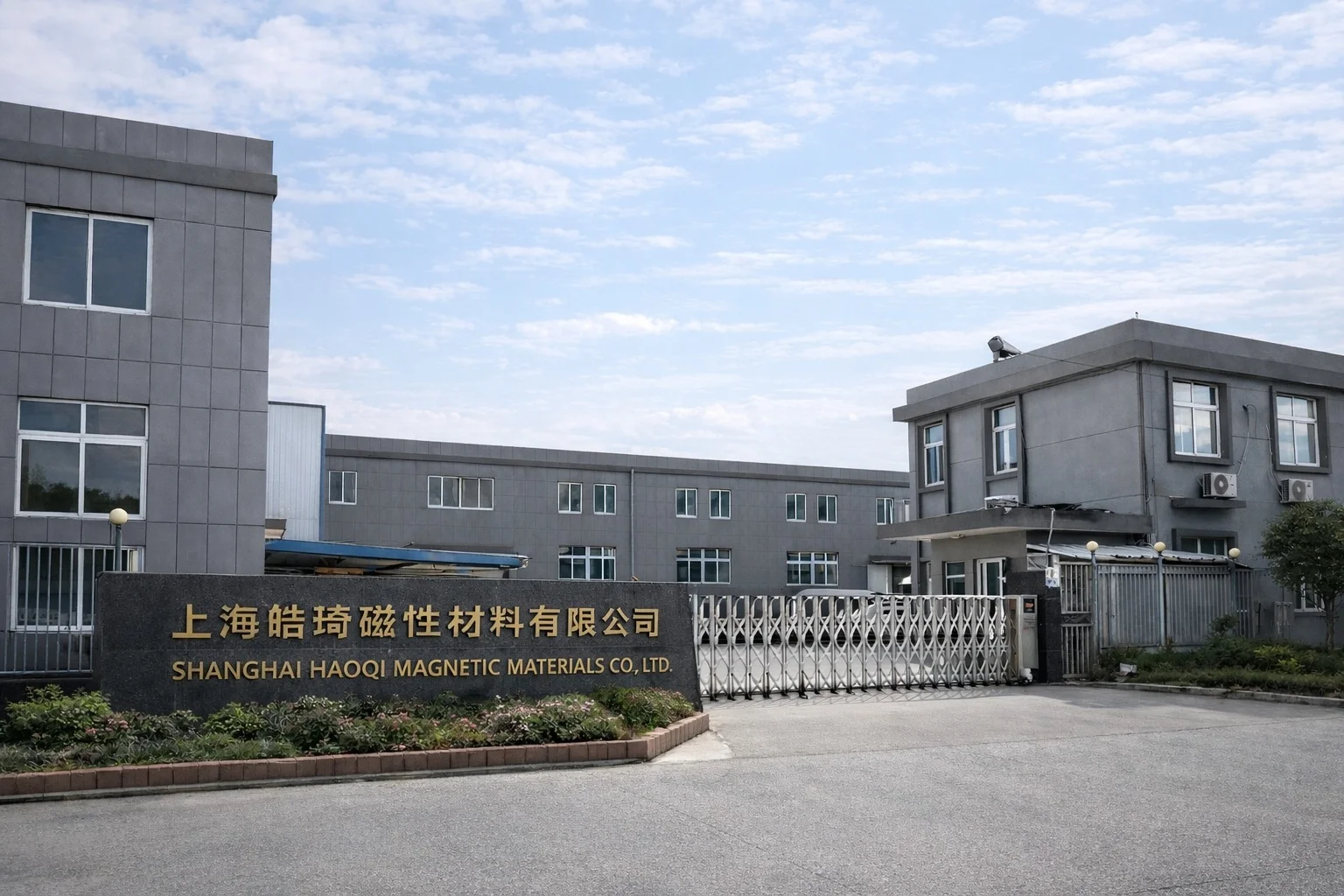
Shanghai Haoqi Magnetic Materials Co., Ltd.
- Manufacturer, Trading Company
- Shanghai, China
- Lead time10 days
- Avg. response≤ 5h
Main productsNeodymium Magnet,Fishing Magnet,Magnet Hook,Rubber Magnet,Magnetic Filte
Main marketsDomestic Market(30.00%), North America(25.00%), Western Europe(8.00%), Eastern Europe(5.00%), Southern Europe(5.00%), Oceania(5.00%), Northern Europe(5.00%), Mid East(4.00%), Eastern Asia(4.00%), South Asia(2.00%), South America(2.00%), Southeast Asia(2.00%), Central America(2.00%), Africa(1.00%)

- Verified by SGS
- Combined
- China Zhejiang
- Lead time15 days
- Avg. response≤ 5h
Main productsShuttering Magnet, Fishing Magnet, Gun Magnet, Magnetic Sweeper, Magnetic Hook, Rubber Coated Magnet, Magnetic Filter, Pot Magnet, Office Magnet, Magnetic Tools
Main marketsDomestic

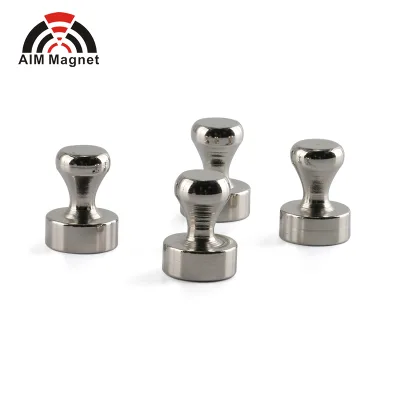
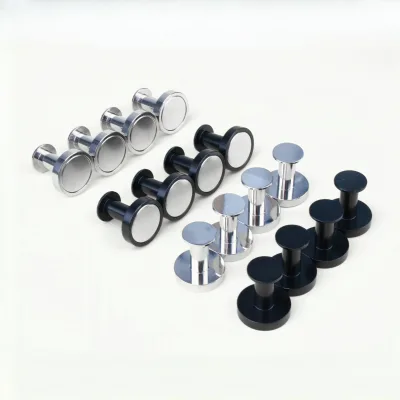
Wholesale Magnetic Holder Black Magnet Plastic Coated Neodymium Magnet Metal Push Pins
$0.29 - $2.60
MOQ: 10 pieces

Magnetic Pin Push Office Use Fridge Magnet Magnetic Push Pin Neodymium Magnet Thumbtack
$0.29 - $2.60
MOQ: 10 pieces


Xiamen Balin New Materials Co., Ltd.
- Verified by SGS
- Trading Company
- China Fujian
- Lead time30 days
- Avg. response≤ 2h
Main productsMagnet, Neodymium Magnet, Ferrite Magnet, Rubber Magnet, Magnetic Assembly, Ferrite Core, AlNiCo Magnet, SmCo Magnet, Magnetic Toy, Magnetic Materials
Main marketsDomestic,Europe,North America

Balin High Performance Customized Super Strong N35 Neodymium Strong Magnetic Push Pins
$0.05 - $0.70
MOQ: 100 Pieces

Balin Cheap Price Hot Sale Limited Time Offer Factory Price Steel Strong Neodymium Magnetic Push Pin
$0.05 - $0.70
MOQ: 100 Pieces

Balin Suppliers Kitchen Neodymium Push Pin Type Magnet Push Pin Magnetic Board for Kitchen
$0.05 - $0.70
MOQ: 100 Pieces

Balin Cheap Price China Manufacture Industry Super Strong Permanent Neodymium Push Pin Magnet
$0.05 - $0.70
MOQ: 100 Pieces
Hefei Zhanyu Technology Co., Ltd.
- Manufacturer, Trading Company
- Anhui, China
- Lead time0 days
- Avg. response≤ 2h
Main productsNeodymium Magnet,Rubber Magnet,Pot Magnet,Motor,linear actuator
Main marketsSouth America(18.00%), Southeast Asia(14.00%), Southern Europe(11.00%), North America(11.00%), South Asia(9.00%), Western Europe(7.00%), Central America(5.00%), Oceania(5.00%), Eastern Asia(5.00%), Eastern Europe(5.00%), Northern Europe(4.00%), Mid East(3.00%), Africa(3.00%)
- Manufacturer, Trading Company
- Lead time旺季: "1 - 100000":10,"> 100000":"To be negotiated", 淡季: "1 - 100000":10,"> 100000":"To be negotiated"
- Avg. response≤ 5h
Main productsNeodymium Magnet
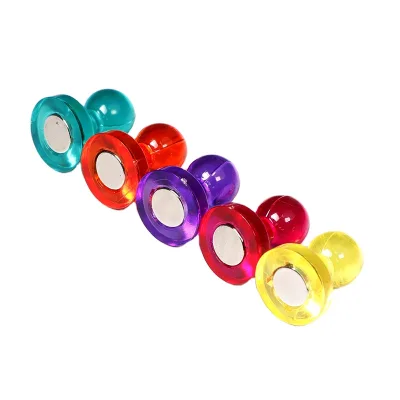
Magnetic Push Pins 7 Colorful Thumbtack Plastic Strong Pushpin Magnets
$0.01 - $0.65
MOQ: 1000 Minimum

- Verified by BV
- Manufacturer/Factory
- China Fujian
- Lead time15 days
- Avg. response≤ 25h
Main productsWater Bottle, Kitchen Ware, Shoes, Plastic Product, Bag, Toy
Main marketsSouth America,Eastern Europe,Mid East,North America,Southeast Asia,Eastern Asia,Oceania,Western Europe,Africa
Ningbo Fokli Magnetics Co., Ltd.
- Manufacturer
- Zhejiang, China
- Lead time30 days
- Avg. response≤ 8h
Main productsneodumium magnet,magnetic hook,fishing magnet,pot magnet,magnet push pins
Main marketsNorth America(50.00%), Eastern Europe(30.00%), Eastern Asia(20.00%)
- Manufacturer, Trading Company
- Hong Kong S.A.R.
- Lead time7 days
- Avg. response≤ 1h
Main productsneodymium magnet
Main marketsNorth America(30.00%), South America(30.00%), Eastern Europe(20.00%), Eastern Asia(10.00%), Mid East(5.00%), Western Europe(5.00%)

Ningbo Hollan Stationery Co., Ltd.
- Trading Company
- Zhejiang, China
- Lead time30 days
- Avg. response≤ 13h
Main productsStationery,Office Suppliers
Main marketsSouth America(25.00%), North America(21.00%), Africa(15.00%), Western Europe(7.00%), Oceania(6.00%), Mid East(5.00%), Eastern Europe(5.00%), Northern Europe(4.00%), Central America(3.00%), Eastern Asia(3.00%), South Asia(2.00%), Southern Europe(2.00%), Southeast Asia(2.00%)
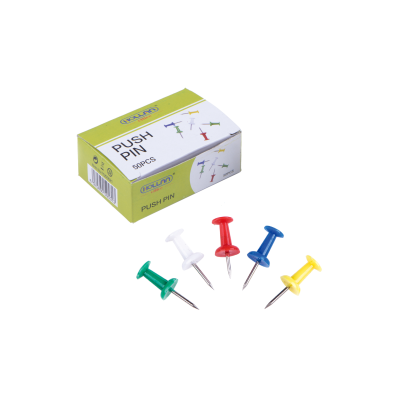
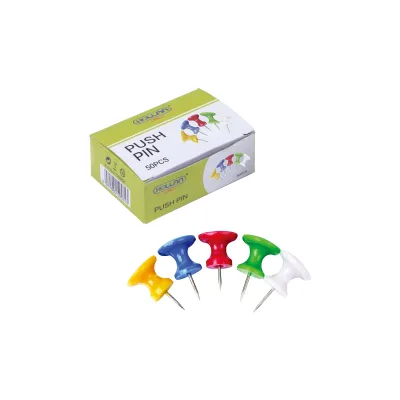
Contact supplier


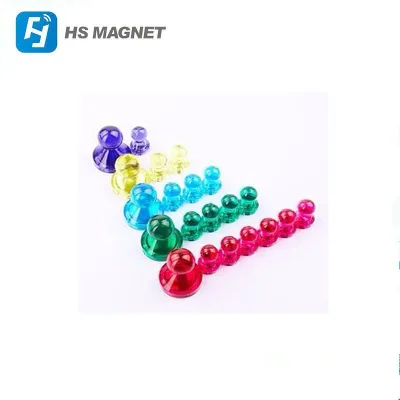
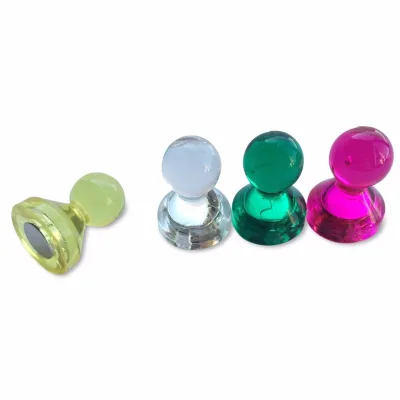




Comprehensive Sourcing Guide
Neodymium Magnetic Push Pins Supplier Concentration and Factory Types
Sourcing results for this category point to Zhejiang Province in China as a documented origin, with several manufacturers listing Neodymium Magnetic Push Pins among their main products alongside permanent magnets, pot magnets, ferrite magnets and magnetic assemblies. Because the location appears in verified supplier data, buyers can reasonably treat Zhejiang as a manufacturing cluster for push pin magnets and related NdFeB assemblies. Concentration matters because a dense cluster typically means multiple factories share tooling, coating and plating subcontractors, which shortens sampling cycles and supports customized sizes, colors and packaging. However, concentration also means listings can look similar, so buyers should distinguish true factories from assemblers or packers of bought-in magnets.
Supplier types in the results include manufacturers and factories with OEM capability, some offering own-brand lines alongside OEM and ODM work. Factory-type sellers often control sintering, cutting, coating and assembly in-house or through close partners, while trading-style sellers may aggregate output from several workshops. Review the main-products list: a supplier whose catalog spans magnetic name badges, hook magnets, rubber-coated magnets and magnetic bars is more likely a genuine magnet producer than one listing only push pins. Buyers should also check whether product listings state customization as available, since push pins are frequently ordered in custom colors, plating and pack formats. Where cluster origin is unclear, ask candidates to state their production address, workshop scope and which processes are subcontracted.
How to Verify Neodymium Magnetic Push Pins Suppliers
Verification should start with the credentials actually displayed on the platform listing. In the current results, suppliers show ISO 9001 system certification, and one carries TS 16949 alongside ISO 9001, which indicates automotive-grade quality management. Verification badges from third-party inspection bodies such as TÜV Rheinland and Bureau Veritas appear in the data and signal that company registration and premises were audited by an independent party. Treat these as screening signals rather than proof of push pin quality; an ISO certificate confirms process discipline, not magnetic strength or coating adhesion. Always request the certificate number and issue date and confirm scope covers your product line.
Product-level evidence adds a second layer. Listings in the results cite SGS certification on individual items, CE and RoSH marks on plastic-housed pins, and EN71 test standards referenced for colorful push pins, which matters if pins will be sold into consumer or toy-adjacent channels. Ask each candidate to name the exact standard and provide the report, since certification claims on listings are not documents. Additional verification steps include a video or live walkthrough of the plating line and assembly area, a business-license check against the registered name, and a pre-shipment inspection clause for first orders. Response behavior is also a verification signal: one supplier responds in roughly three hours and another in about five, and slow or evasive answers during sampling usually predict worse communication after payment.
What to Compare Across Neodymium Magnetic Push Pins Suppliers
Build a comparison table using only the attributes suppliers actually display. In the current data, comparable dimensions include lead time (one manufacturer lists around 23 days, while a product line states a delivery date of 15–25 days), MOQ (which ranges from 100 pieces on one listing to 1,000 pieces on another), and response time (approximately 3.24 versus 5.14 hours across two suppliers). Establishment year is a commonly displayed attribute on such platforms, but it is not present for every supplier here, so only use it where shown and otherwise ask candidates directly. Location, verification body, system certification, and main-product breadth complete the core comparison set.
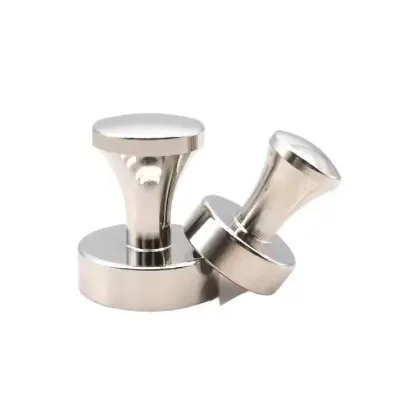
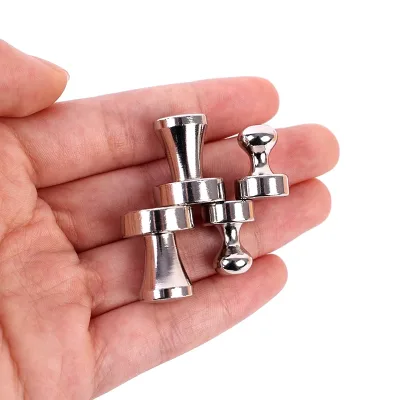
Technical parameters deserve equal weight in the table. Grade N35 sintered NdFeB is cited across several listings, with nickel coating, tolerances from 0.05 mm to 0.1 mm, and cup or cylinder shapes; one metal push pin listing states it holds 16–19 sheets of A4 paper on a whiteboard. Price ranges also vary widely, from about $0.01–5.00 on one listing and $0.10–0.50 on another, up to $10.00 maximum on a customized metal pin, so normalize quotes by size, coating and packaging. Note that price maximums and minimums are listing-level, not guaranteed quotes. Compare whether customization, custom packaging, and delivery by sea, air, or express are offered, and whether the supplier supports own-brand or OEM/ODM work if private labeling matters to you.
Common Neodymium Magnetic Push Pins Sourcing Risks
The most frequent risk is overstated holding force. Push pin performance depends on magnet grade, cup geometry and the steel-cup backing, and one listing's claim of holding 16–19 A4 sheets cannot be generalized to other pins. Require a written holding-force specification measured on a standard steel plate, and test samples yourself on the surface type you actually use, since painted or glass whiteboards hold far less than bare steel. A second risk is plating failure: nickel-coated magnets can chip or corrode, especially at the magnet-to-shell joint, so inspect sample edges and ask about plating thickness.
Compliance risk matters if pins reach consumers. Some listings reference EN71 standards or CE and RoSH marks, but small strong magnets raise swallowing-hazard concerns in many markets, so confirm which standard applies to your destination and obtain the test report rather than relying on the listing badge. Quality consistency is another risk when suppliers mix in-house magnets with bought-in stock; identical-looking pins from different batches can vary in strength. Communication and responsiveness risks show up early—one supplier responds in about three hours, another in about five, and slower replies often worsen after deposit. Finally, packing risk is specific to this category: magnets must ship with iron shielding, as one listing describes with standard export cartons using iron shielding, because unshielded cartons can trigger carrier rejection or damage electronics in transit.
Neodymium Magnetic Push Pins Regional Sourcing and Logistics
The documented cluster evidence places suppliers in Zhejiang Province, China, and product listings repeat Zhejiang as the origin for push pin magnets. Sourcing within one province simplifies consolidation: buyers can compare several factories within a short drive, combine tooling resources, and arrange third-party inspections without long travel. When evaluating candidates, confirm whether the listed Zhejiang address is the production site or a sales office, and ask which coating and assembly steps happen on site versus at subcontractors. If a future search surfaces suppliers without a verified location, buyers should identify clusters by cross-checking registered production addresses, origin fields on product listings, and proximity to known magnet-industry supply chains rather than trusting a city name alone.
Logistics specifics for this category differ from generic magnet shipping. Listings in the results state delivery by sea, by air, or by express, but air freight of magnetic material requires magnetic-leakage testing and shielding, so budget extra time and documentation for air shipments. Standard export cartons with iron shielding are cited in the data and should be written into packing specifications for all orders. Lead times shown include roughly 23 days from one manufacturer and 15–25 days from a product line, but add margin for custom colors or packaging, which can extend tooling and finishing. Sea freight in shielded cartons is usually the economical default for volume orders; confirm carton dimensions, such as the 33x24x15 cm example cited, when calculating container fill and freight cost per thousand pieces.
Neodymium Magnetic Push Pins Commercial Terms and Order Planning
Commercial terms should be settled before sampling concludes. Price evidence in the results spans a wide band: roughly $0.01–5.00 on one listing, $0.10–0.50 on cup-shaped pins, $0.10 maximum on colorful small pins, and up to $10.00 for customized metal push pins. Treat these as ranges, not offers, and request itemized quotes covering magnet grade, coating, shell material, color, packaging and shipping basis. MOQs in the data run from 100 pieces to 1,000 pieces, so match order size to the supplier's threshold and confirm whether custom colors or sizes raise the minimum. Payment protection matters: check whether the platform offers escrow or secure payment, since not every listing displays this, and structure first orders so quality disputes can be resolved before final release of funds.
Order planning should use the displayed lead times as baselines: approximately 23 days from one manufacturer and 15–25 days stated on another product line. Add time for tooling on custom sizes, plating batches and pre-shipment inspection. Plan packaging early, since listings describe vacuum polybags, cartons, custom packages and iron-shielded export cartons, and consumer-facing retail packs add cost and lead time. For repeat business, lock a golden sample with grade, tolerance (typically 0.05–0.1 mm), holding force and coating thickness, and require batch reports. Finally, confirm whether the supplier supports OEM, ODM or own-brand cooperation, as this affects labeling, private packaging and long-term pricing stability.
FAQs
What grades of neodymium are used in magnetic push pins?
Listed push pin products commonly use N35 grade sintered neodymium-iron-boron, which suits whiteboard and office holding tasks. Some suppliers note customization as available, so other grades may be arranged on request. Tolerances around 0.05mm to 0.1mm are stated on product listings. Always confirm the exact grade, coating, and pull force in writing before placing an order.
What is the typical minimum order quantity for magnetic push pins?
Minimum order quantities in the current listings range from 100 pieces for one push pin product to 1,000 pieces for colorful magnetic push pins. Requirements vary by product, size, and customization level, so smaller trial orders may be possible with simpler items. Ask each supplier to confirm the MOQ that applies to your specified size, color, and packaging.
How long does production and delivery usually take?
One listing states a delivery date of 15-25 days, while a supplier-level lead time of 23 days is recorded, so roughly three to four weeks is typical for production. Actual timing depends on order size, customization, and destination. Shipping can be arranged by sea, air, or express according to product listings. Confirm the schedule before paying a deposit.
Are neodymium push pin suppliers verified or certified?
Suppliers in these results hold ISO 9001 system certification, with some also listing TS 16949, and platform verification by TUV Rheinland or Bureau Veritas. Product-level listings mention SGS, CE, RoHS, and EN71 standards. Certification claims should be checked by requesting current certificates directly, since scope and expiry dates matter for buyer-side quality assurance.
Can magnetic push pins be customized in size, color, and packaging?
Yes, customization is marked as available across the listed push pin products. Suppliers state customized sizes, colors made to order, custom packages, and tolerance control down to 0.05mm to 0.1mm. Plastic-coated colorful pins and nickel-coated metal pins are both offered. Provide drawings or samples early, since custom tooling can affect price, MOQ, and lead time.
How strong are these push pins on a whiteboard?
One listing states a metal magnetic push pin holds 16-19 sheets of A4 paper on a white board. Holding power depends on magnet grade, cup or cylinder design, coating thickness, and surface condition of the board. For heavy stacks of paper, choose larger cup-shaped pins and request a sample to test actual pull force before committing to volume.
What price range should buyers expect for magnetic push pins?
Listed unit prices range from about $0.01 to $10.00 depending on the product. Simple colorful plastic push pins sit near $0.10 to $0.20, nickel cup pins around $0.10 to $0.50, and larger customized metal pins higher. Price rises with size, coating, color options, and packaging. Request quotations against your exact specification for accurate comparison.
Where are the suppliers of Neodymium Magnetic Push Pins located?
The suppliers in these results are manufacturers based in Zhejiang, China, a region known for permanent magnet production. Their main products include neodymium magnets, pot magnets, ferrite magnets, and magnetic assemblies, so push pins fit within a broader magnet manufacturing capability. Confirm factory address, export experience, and shipping arrangements directly when shortlisting candidates.