Taiwan Magnetic Memo Board Suppliers and Manufacturers
Source 25 Taiwan Magnetic Memo Board suppliers from Guangdong, China. Compare response times, lead times, MOQs, and certifications like BSCI and ISO9001. Verify factory capabilities and request samples to evaluate quality and pricing for your procurement needs; review the available evidence before requesting comparable quotations from suitable candidates.
Updated
Suppliers List

Shenzhen Cnl Industrial Co., Ltd.
- Manufacturer, Trading Company
- Guangdong, China
- Lead time13 days
- Avg. response≤ 3h
Main productspromotion product,advertising product,sticky screen cleaner,microfiber cloth,PVC keychain cleaner
Main marketsEastern Europe(12.00%), Western Europe(12.00%), South America(11.00%), Northern Europe(10.00%), Oceania(10.00%), Southern Europe(10.00%), North America(10.00%), Central America(7.00%), Southeast Asia(5.00%), Mid East(4.00%), Eastern Asia(3.00%), South Asia(2.00%), Africa(2.00%), Domestic Market(1.00%)
Jiangmen Banyan Metal Co., Ltd.
- Verified by SGS Group
- Manufacturer, Trading Company
- Lead time30 days
- Avg. response≤ 2h
Main productsKitchen Tools & Storage, Coffee accessories, Bathroom Accessory, Storage Rack & Hooks, Grills and Tools
Main marketsNorth America(25%), Eastern Europe(25%), Western Europe(25%)

NINGBO BOHONGCHUANGYI INTERNATIONAL CO., LTD.
- Trading Company,Manufacturer/Factory
- China Zhejiang
- Lead time30 days
- Avg. response≤ 9h
Main productsWooden Photo Frame, Photo Frame, Wooden Box, PVC Photo Frame, Baby Toy, Plastic Photo Frame, Glass Photo Frame, Polyresin Photo Frame, Wooden Toy, Leather Frame
Main marketsSouth America,Eastern Europe,Mid East,North America,Southeast Asia,Eastern Asia,Oceania,Western Europe,Africa

Shanghai Tongjie Printing Production Co., Ltd.
- Verified by TUVRHEINLAND
- Combined
- China Shanghai
- Lead time15 days
- Avg. response≤ 5h
Main productsBanner, Outdoor Banner, Sticker, Flag, Flatbed Printing, Pull up Banner, Decal, Poster, Digital Printing, Indoor Banner
Main marketsEurope,Australia,North America
Dongguan Aopu Industrial Co., Ltd.
- Verified by SGS Group
- Manufacturer, Trading Company
- Lead time30 days
- Avg. response≤ 4h
Main productsLCD Writing Tablet , Kids Camera, Doodle Board , Educational Device for Kids, Calculator with Writing Tablet
Main marketsNorth America(35%), Eastern Europe(10%), Western Europe(10%)
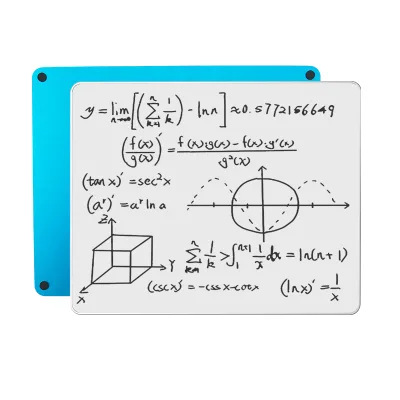
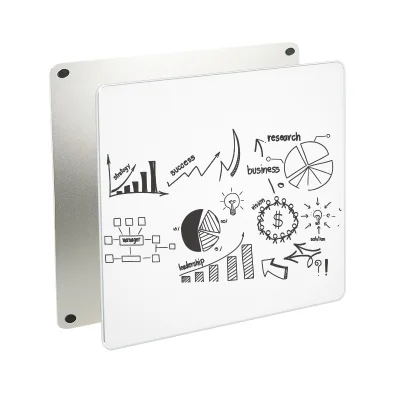
Portable Paperless 13 Inch Magnetic Writing Board Office Meeting Teaching Message Board Memo Pad
$8.1691 - $8.5284
MOQ: 10 pieces
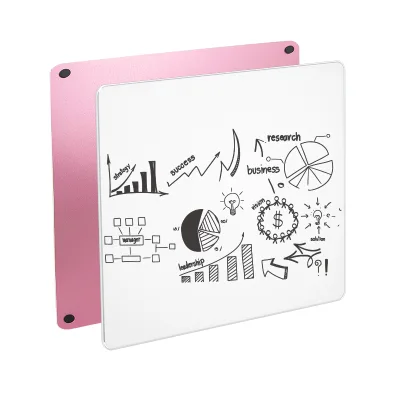
Aluminum Color Fram Magnetic White Board Thin Portable Writing Board Message Pad Partial Erase Board
$8.2081 - $8.5703
MOQ: 10 pieces

Safecare Electro Products Co., Ltd.
- Trading Company
- China Anhui
- Lead time30 days
- Avg. response≤ 10h
Main productsFlexible Rubber Magnet, Neodymium Magnet, Magnetic Tape, Magnetic Strip, Rubber Magnet Sheet, Rubber Magnet Rolls, Ferrite Magnet
Main marketsSouth America,Africa,Southeast Asia/ Mideast,Europe,Australia,North America


Office Printing Mirror Magnetic Mobile Drawing Writing Memo Magnetic White Board
$0.01 - $5.00
MOQ: 1000 Pieces

Multi-Use Smoothly Writing Strong Magnetic Dry Erase White Board for Kids Drawing
$0.01 - $5.00
MOQ: 1000 Pieces

Acrylic Magnetic Dry Erase Board for Fridge Magnetic Weekly Planner Whiteboard
$0.01 - $5.00
MOQ: 1000 Pieces

Magnetic Monthly Calendar Planner Whiteboard Fridge Magnetic Whiteboard
$0.01 - $5.00
MOQ: 1000 Pieces
- Verified by SGS Group
- Trading Company
- Lead time15 days
- Avg. response≤ 3h
Main productsFerrite Magnet, Ndfeb Magnet, Smco Magnet, Rubber Magnet, Ferrite Core
Main marketsWestern Europe(40%), North America(30%), Southern Europe(10%)
Guangzhou Chenbo Art & Craft Company Limited
- Verified by Intertek
- Manufacturer, Trading Company
- Lead time15 days
- Avg. response≤ 3h
Main productsFridge Magnet, Photo Frame, Button Badge, Coaster, Keychain
Main marketsNorth America(50%), Western Europe(20%), Domestic Market(20%)
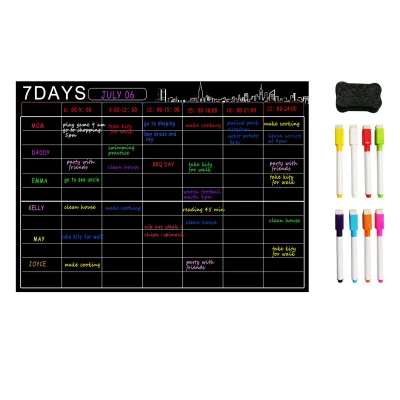
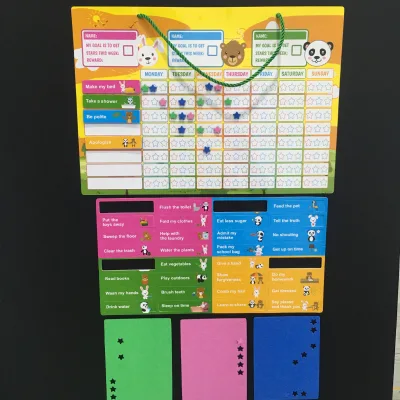
Custom Made Magnetic Ferromagnetic Board and Magnetic Fridge Magnets Puzzle Board
$1.00 - $2.00
MOQ: 200
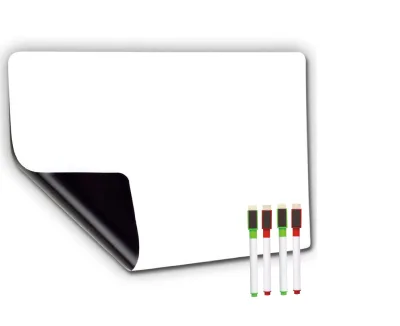

QINGDAO OHSUNG STATIONERY CO., LTD.
- Manufacturer
- China Shandong
- Lead time30 days
- Avg. response≤ 4h
Main productsWhiteboard, Corkboard, Blackboard, Flipchart, Dry Erase Board, Erasable Calendar, Weekly Planner, Monthly Planner, Photo Frame
Main marketsEurope,Australia,North America

Ningbo Tyj Industry and Trade Co., Ltd
- Verified by BV
- Combined
- China Zhejiang
- Lead time30 days
- Avg. response≤ 5h
Main marketsDomestic


Acrylic Magnetic Memo Board Dry Erase Refrigerator Notepad with Strong Magnets
$2.00 - $3.00
MOQ: 100 Pieces

Yiwu Forever Print Paper Products Co., Ltd.
- Verified by SGS Group
- Manufacturer, Trading Company
- Lead time15 days
- Avg. response≤ 2h
Main productsEducational Toys, Children Book, Puzzles, Paper Cards, Coloring Books
Main marketsNorth America(35%), Eastern Asia(15%), Western Europe(15%)

Zhangjiagang Senko Import and Export Co., Ltd.
- Verified by TUVRHEINLAND
- Trading Company
- China Jiangsu
- Lead time30 days
- Avg. response≤ 13h
Main productsWhiteboard, Dry Erase Board, White Board, Blackboard, Flip Chart Board, Writing Steel, Whiteboard Steel, Whiteboard Surface, Ceramic Steel, Porcelain Steel
Main marketsSouth America,Australia,North America


Senko Office Used Memo Magnetic White Board Message Whiteboard Writing
$15.00 - $16.00
MOQ: 100 Pieces
Yiwu Yilan Stationery Co., Ltd.
- Verified by Intertek
- Trading Company
- Lead time15 days
- Avg. response≤ 3h
Main productsNotebook, Pen, Sticky Note, Gift Set, Cups
Main marketsNorth America(40%), Western Europe(30%), Domestic Market(10%)

Honesun Industrial Co., Limited
- Trading Company
- China Zhejiang
- Lead time23 days
- Avg. response≤ 12h
Main productsRubber Magnet, Cylinder Magnet, Magnet, Permanent Magnet, Neodymium Magnet, NdFeB Magnet, Magnetic Toy, Magnetic Ball, Magnetic Name Badge, Neocube
Main marketsSouth America,Eastern Europe,Mid East,North America,Southeast Asia,Eastern Asia,Oceania,Western Europe,Africa

A4 Flexible Fridge Magnetic Whiteboard Memo Reminder Board Pen Eraser Magnet
$0.10 - $10.00
MOQ: 1 Pieces

Changsha Coloring Gifts Co., Ltd.
- Verified by Intertek
- Trading Company
- Lead time15 days
- Avg. response≤ 3h
Main productsFridge Magnet, Playing Card, Card Game, Button Badge
Main marketsNorth America(25%), Eastern Europe(15%), Northern Europe(12%)
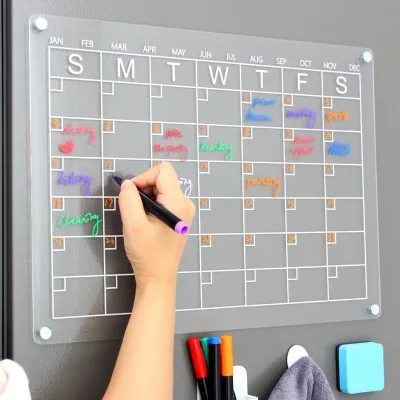
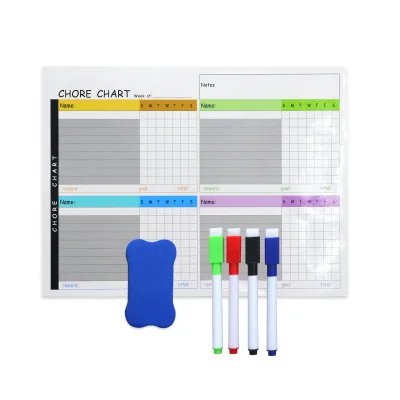
$0.4222 - $0.5659
MOQ: 100 pieces
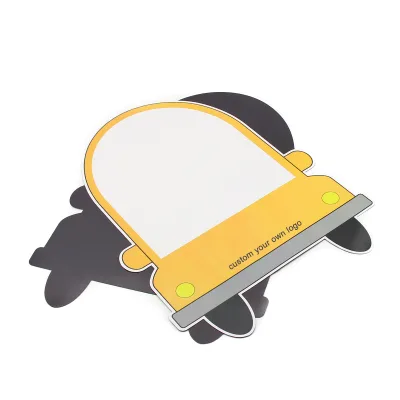
- Trading Company
- Zhejiang, China
- Lead time7 days
- Avg. response≤ 4h
Main productsKeychain,Bottle Opener,Gift,magnet
Main marketsNorth America(15.00%), Central America(10.00%), Western Europe(10.00%), Eastern Europe(10.00%), Southern Europe(10.00%), South America(8.00%), Northern Europe(8.00%), South Asia(5.00%), Southeast Asia(5.00%), Mid East(5.00%), Oceania(4.00%), Africa(3.00%), Eastern Asia(3.00%), Domestic Market(1.00%)
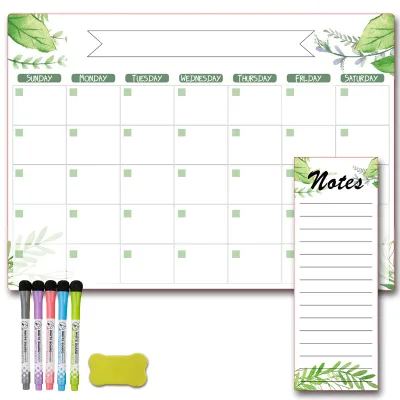
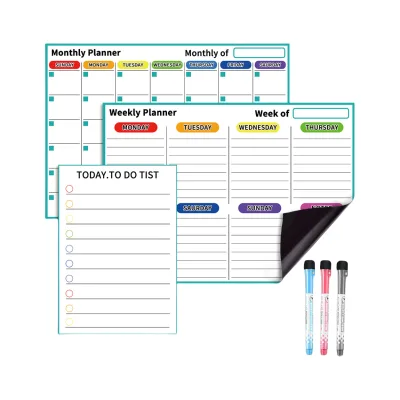
Manufacturers Direct Dry Wipe Calendar Whiteboard Transparent Magnetic Board for Memory
$3.90 - $4.40
MOQ: 30 Minimum
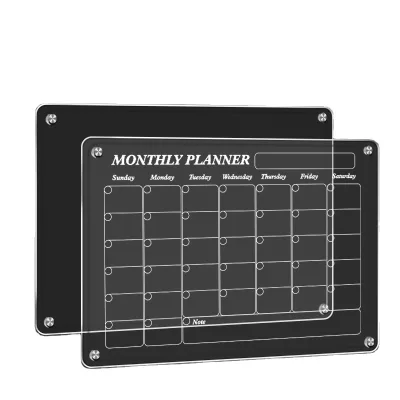
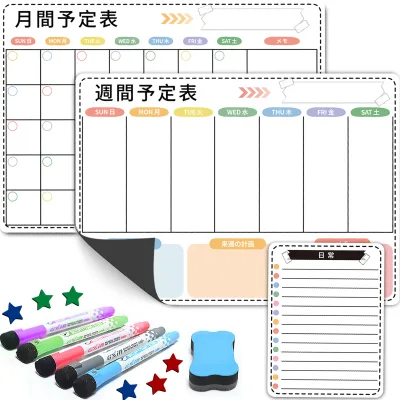
$3.9296 - $4.6227
MOQ: 30 pieces
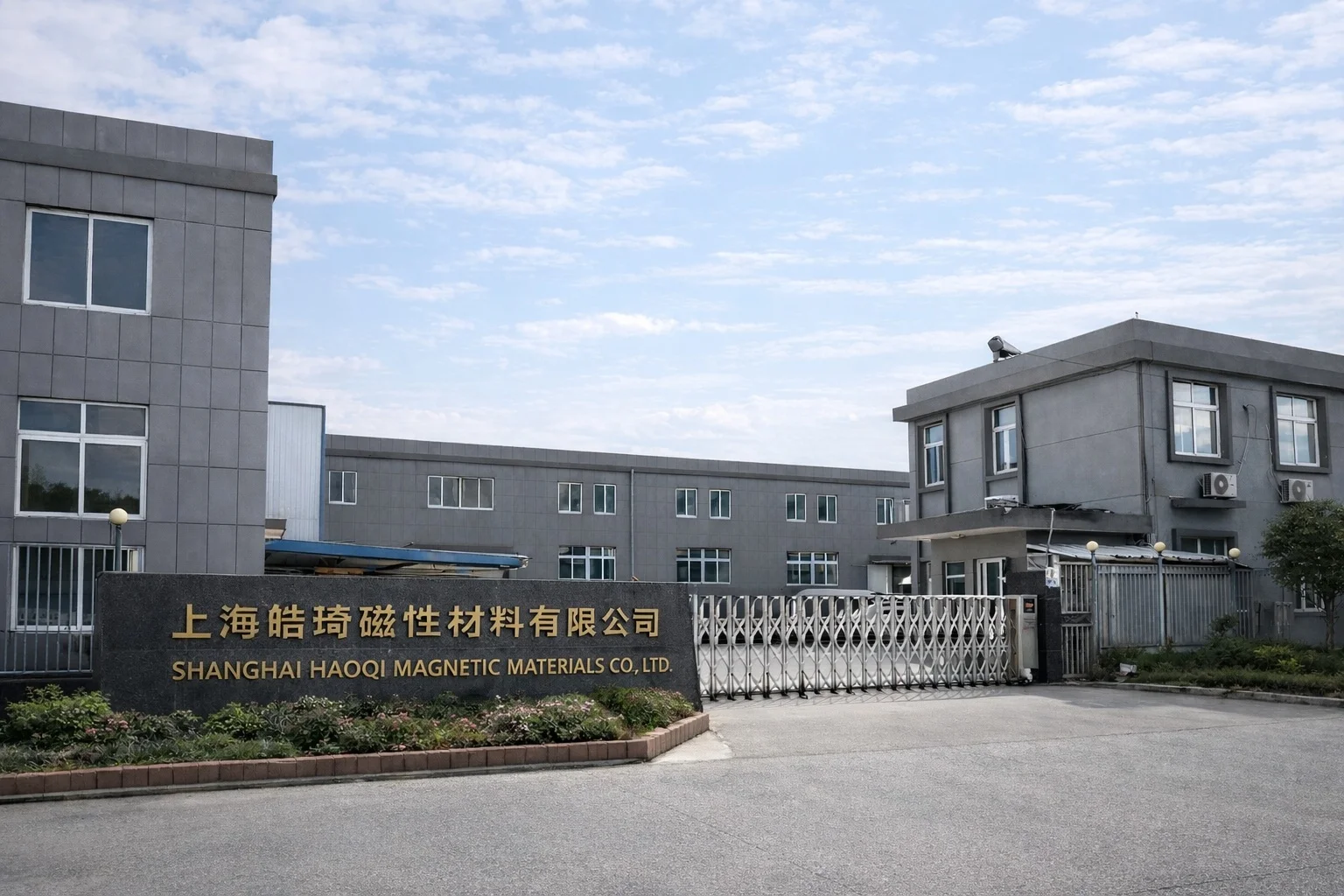
Shanghai Haoqi Magnetic Materials Co., Ltd.
- Manufacturer, Trading Company
- Shanghai, China
- Lead time10 days
- Avg. response≤ 5h
Main productsNeodymium Magnet,Fishing Magnet,Magnet Hook,Rubber Magnet,Magnetic Filte
Main marketsDomestic Market(30.00%), North America(25.00%), Western Europe(8.00%), Eastern Europe(5.00%), Southern Europe(5.00%), Oceania(5.00%), Northern Europe(5.00%), Mid East(4.00%), Eastern Asia(4.00%), South Asia(2.00%), South America(2.00%), Southeast Asia(2.00%), Central America(2.00%), Africa(1.00%)

Ningbo Inmax Cultural Technology Co., Ltd
- Verified by SGS
- Trading Company,Manufacturer/Factory
- China Zhejiang
- Lead time45 days
- Avg. response≤ 3h
Main productsPen, Stationery, Pencils, Ballpoint Pens, Highlighter, Notebook, Marker, Erasers, Rulers, School Stationery
Main marketsSouth America,Eastern Europe,Mid East,North America,Southeast Asia,Eastern Asia,Oceania,Western Europe,Africa

Erasable Plastic Magnetic Message Board with Pen 9*8*1cm School Office Use (SB 38041-2CC-A)
$0.30 - $0.50
MOQ: 3000 Sets

Custom Message Board School Student Stationery Portable Magnetic Blue Red Board (SB 38041-2CC-A)
$0.30 - $0.50
MOQ: 3000 Sets
Dailymag Environmental Technology (Ningbo) Limited
- Verified by TüVRheinland
- Trading Company
- Lead time15 days
- Avg. response≤ 9h
Main productsMagnets, Magnetic Tools & Assemblies, Plastic Sharps Container
Main marketsNorth America(36%), Western Europe(25%), Mid East(8%)

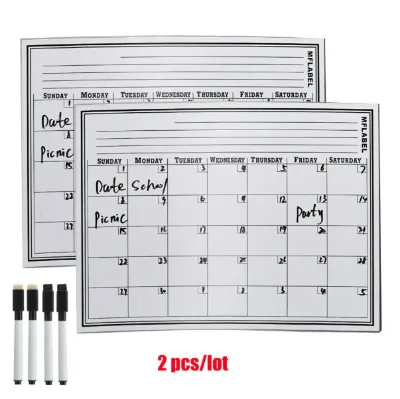
New Style High Quality Flexible Rubber Magnetic Whiteboard for Family, Magnetic Month Plan for Kids
$0.8174 - $1.0225
MOQ: 100 Minimum
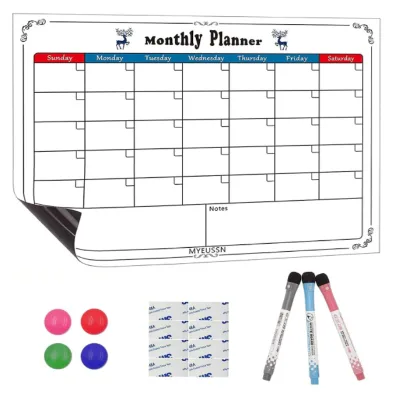
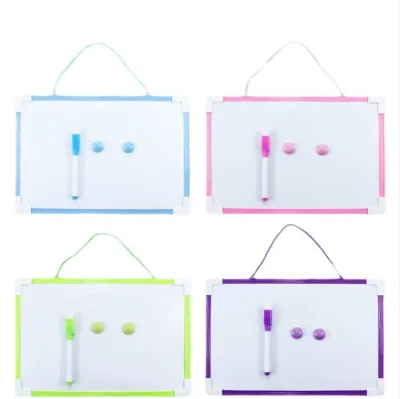
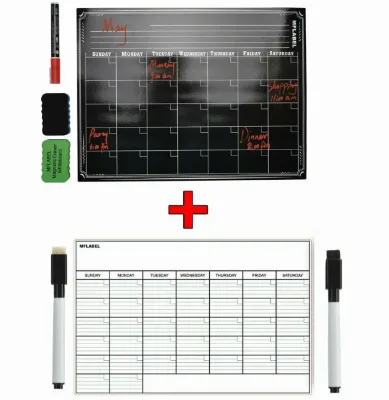
Discounted Price Various Types Custom Fridge Magnet, Magnetic Whiteboard White Board for Fridge
$0.80 - $1.00
MOQ: 100 Minimum
Yiwu Edommy Imp. & Exp. Co., Ltd.
- Trading Company
- Zhejiang, China
- Lead time7 days
- Avg. response≤ 3h
Main productsJewelry,Hair Accessories,Eyewear,Home Storage & Organization,Watch
Main marketsSouthern Europe(13.00%), Eastern Europe(13.00%), Western Europe(11.00%), North America(11.00%), South America(10.00%), South Asia(8.00%), Northern Europe(8.00%), Central America(6.00%), Southeast Asia(5.00%), Eastern Asia(4.00%), Oceania(2.00%), Domestic Market(1.00%), Mid East(1.00%), Africa(1.00%)
Chongqing Seatrend Technology And Development Co., Ltd.
- Manufacturer, Trading Company
- Chongqing, China
- Lead time15 days
- Avg. response≤ 3h
Main productssmart products,air purifier,smart lock,Rubber Magnet,Fridge Magnet
Main marketsDomestic Market(21.44%), Western Europe(14.28%), Mid East(11.61%), Southern Europe(9.46%), North America(9.29%), Northern Europe(6.25%), Eastern Asia(5.36%), Oceania(4.28%), South Asia(4.11%), Africa(3.57%), Southeast Asia(3.39%), Central America(2.86%), South America(2.32%), Eastern Europe(1.78%)

Shenzhen Bao Si Xin Technology Development Co., Ltd.
- Verified by BV
- Combined
- China Guangdong
- Lead time23 days
- Avg. response≤ 5h
Main productsFoam Sticker, Bubble Sticker, Flocking Sticker, Felt Sticker, Tattoo, Non-Residue Sticker, Fridge Magnet, Magnetic Whiteboard, Silicone Sticker, Sticker Book
Main marketsSoutheast Asia/ Mideast,North America

- Verified by TUVRHEINLAND
- Trading Company
- China Hunan
- Lead time15 days
- Avg. response≤ 4h
Main productsPlaying Cards, Game Card, Tarot Cards, Educational Cards, Flash Cards, Board Game, Affirmation Cards, Calendar Printing, Paper Bag Printing, Fridge Magnet
Main marketsAfrica,Southeast Asia/ Mideast,Europe,Australia,North America

$0.08 - $0.11
MOQ: 1000 Pieces

$0.09 - $0.25
MOQ: 1000 Pieces

Removable Dry Erase Board Calendar Magnetic Planner Fridge Magnet for Home
$0.0421 - $0.0982
MOQ: 5000 Pieces

- Verified by SGS
- Trading Company
- China Zhejiang
- Lead time15 days
- Avg. response≤ 19h
Main productsFitness Equipment, Trampoline, Treadmill, Dumbbell, Yoga Mat, Spinning Bike, Jump Rope, Pull up Bar, Gym Rack, Leg Press
Main marketsEurope,Australia

Promotional Black Dry Erase Set Magnetic Boards for Refrigerator Home Decor Stationery
$5.60 - $5.80
MOQ: 300 Pieces

Promotional Magnetic Dry Erase Calendar Board Modern White Frame Home Decor Stationery
$3.00 - $3.20
MOQ: 300 Pieces

Ningbo Gusta Stationery Co., Ltd.
- Verified by BV
- Trading Company
- China Zhejiang
- Lead time30 days
- Avg. response≤ 5h
Main productsPencil Case, Stationery Set, Bag, Toys, Office Supplies, Arts & Crafts, Housewares, Silicone Product, School Bag, Travel Bag
Main marketsEast Asia(Japan/ South Korea),Europe,North America

Dry Erase Magnetic Fridge Whiteboard Monthly Weekly Planner Board OEM Custom Supply
$1.00 - $1.40
MOQ: 1000 Pieces

Acrylic Magnetic Whiteboard Calendar Planner Fridge Sticker Dry Erase Board OEM Custom
$3.49 - $3.69
MOQ: 1000 Pieces
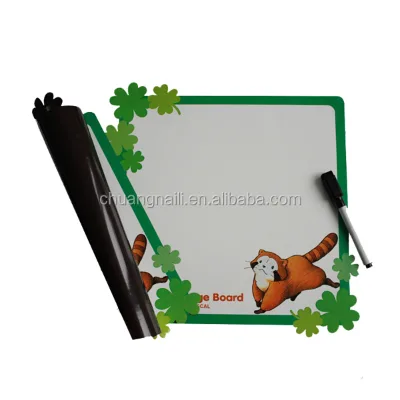
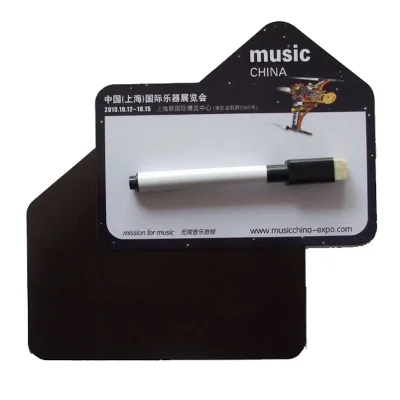
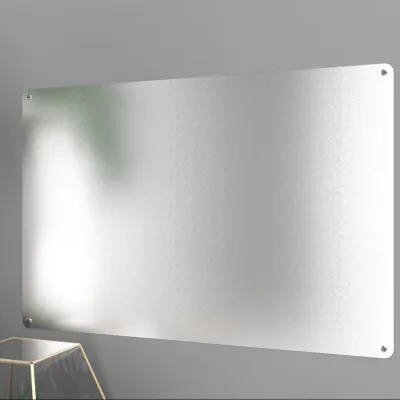
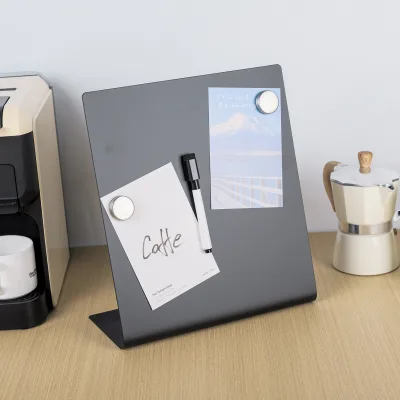
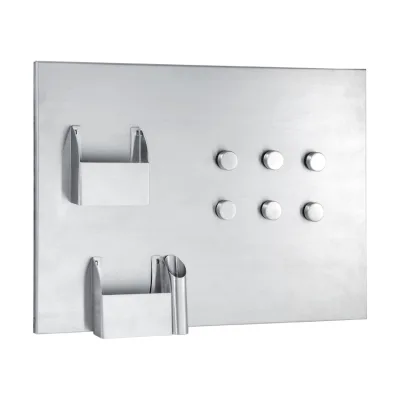


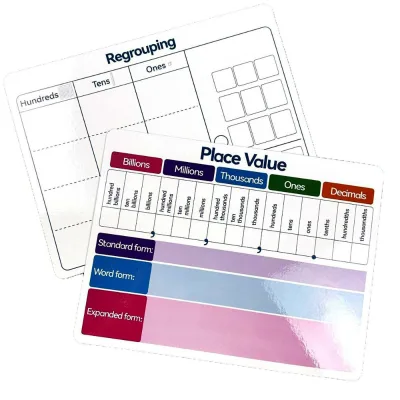




Comprehensive Sourcing Guide
Taiwan Magnetic Memo Board Supplier Concentration and Factory Types
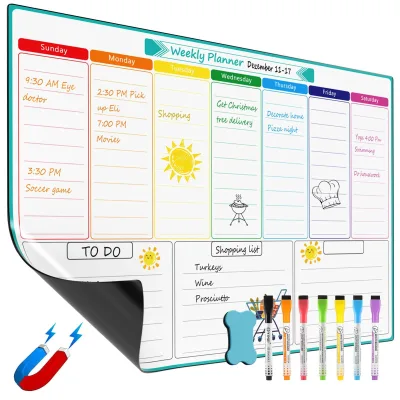
The available data indicates that manufacturers and trading companies operating in this sector are concentrated in Guangdong, China, rather than Taiwan. This geographic concentration suggests that buyers seeking "Taiwan Magnetic Memo Board" products should verify if the listed suppliers are actually based in mainland China while marketing to international markets. The search results confirm a mix of company types, including both direct manufacturers and trading companies, which affects how production is managed and who controls the supply chain. Buyers must distinguish between these entities to understand whether they are dealing with the factory floor or an intermediary.
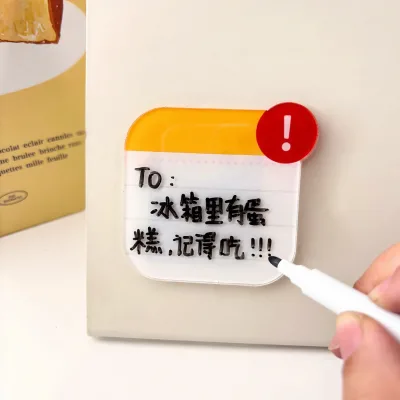
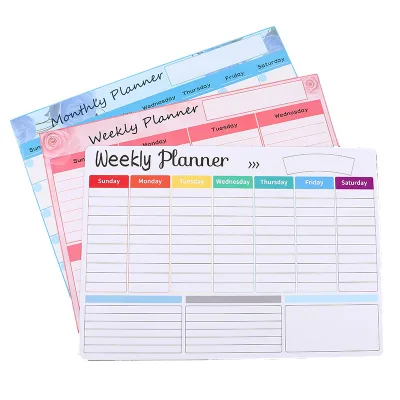
When evaluating the factory types, it is essential to note that the observed suppliers offer a range of capabilities from light customization to full graphic processing. Some entities specialize in promotional items like soft rubber magnets, while others focus on metal dry-erase boards for educational or office use. The presence of both manufacturer and trading company labels implies that buyers should ask specific questions about who holds the inventory and who manages the production schedule. Understanding this distinction is critical for negotiating prices and ensuring that the final product meets the specific design requirements for magnetic memo boards.
How to Verify Taiwan Magnetic Memo Board Suppliers
Verification of suppliers requires a rigorous check of their stated certifications and factory audit results against the provided evidence. The data shows that some suppliers hold certifications such as BSCI, ISO9001, and various safety standards like FDA 21 CFR 175 and LFGB. Buyers should request current audit reports to confirm that these credentials are active and applicable to the specific production lines for magnetic memo boards. It is also necessary to verify if the supplier is verified by third-party groups like SGS Group, as this adds a layer of trust regarding their operational legitimacy and quality control processes.
Response time and lead time are critical metrics for verifying supplier reliability and operational efficiency. The observed data includes response times of 2 to 3 days and lead times ranging from 13 to 30 days depending on the product complexity. Buyers should use these figures as a baseline to assess whether a supplier can meet their specific project deadlines. A supplier claiming a short lead time must be able to demonstrate the capacity to handle sample processing and graphic customization within the stated timeframe. Cross-referencing these operational metrics with the supplier's claimed establishment year and main product focus helps build a comprehensive profile of their reliability.
What to Compare Across Taiwan Magnetic Memo Board Suppliers
Comparing suppliers requires a detailed analysis of their minimum order quantities, pricing structures, and customization capabilities. The evidence reveals that MOQs can vary significantly, with some products requiring 500 pieces while others demand 1000 pieces. Pricing also fluctuates based on material and printing method, with soft rubber magnets listed at lower price points compared to stainless steel boards. Buyers should create a comparison matrix that includes these specific variables to identify which suppliers offer the most favorable terms for their specific order volume and budget constraints.
Material composition and printing techniques are another vital area for comparison across different supplier offerings. The data indicates options ranging from soft rubber magnet with coated paper to metal or stainless steel constructions. Printing methods vary between offset printing and digital printing, which impacts the final color accuracy and durability of the logo. Buyers must evaluate which material and printing combination best suits their intended application, whether for education, home decoration, or promotional activities. Additionally, comparing sample times, which range from 3 to 5 days, helps determine which suppliers can deliver prototypes quickly for approval before mass production begins.
Common Taiwan Magnetic Memo Board Sourcing Risks
One significant risk involves the discrepancy between the search keyword and the actual supplier location. Since the evidence points to Guangdong, China, rather than Taiwan, buyers may face unexpected logistics costs or communication barriers if they assume the products originate from Taiwan. This geographic mismatch can lead to misunderstandings regarding shipping times, import duties, and the overall supply chain transparency. Buyers must explicitly confirm the place of origin for every product to avoid receiving goods from an unexpected region that does not align with their sourcing strategy or brand expectations.
Another risk relates to the variability in product specifications and safety compliance across different suppliers. While some products are certified as non-toxic and eco-friendly, others may lack clear safety documentation for materials like rubber or metal coatings. The presence of diverse certifications like SVHC, RoHS, and EDQM suggests that not all suppliers adhere to the same strict standards. Buyers must verify that the specific batch of magnetic memo boards they order meets the safety regulations required for their target market, especially if the products are intended for children or educational environments where safety is paramount.
Taiwan Magnetic Memo Board Regional Sourcing and Logistics
Logistics planning must account for the fact that the primary manufacturing hub identified is in Guangdong, China, which influences shipping routes and transit times. Buyers should calculate freight costs based on the distance from this specific region to their destination, rather than assuming a shorter transit time from Taiwan. The packaging details, such as single package sizes and gross weights, are essential for accurate freight calculations and container loading optimization. Understanding the physical dimensions of the products, which range from small memo boards to larger wall-mounted units, is crucial for determining the most cost-effective shipping method.
Lead time variability is a key factor in regional logistics planning, as the observed data shows lead times ranging from 13 to 30 days. This variation depends on the complexity of the customization, such as die-cutting shapes or applying specific Pantone colors. Buyers need to build buffer time into their supply chain schedule to accommodate these fluctuations and ensure timely delivery. Coordinating with the supplier to confirm the exact production start date and the estimated shipping date is necessary to manage inventory levels effectively and avoid stockouts during peak promotional seasons or academic cycles.
Taiwan Magnetic Memo Board Commercial Terms and Order Planning
Commercial terms must be carefully negotiated to align with the specific MOQ and pricing tiers observed in the supplier data. With MOQs set at 500 or 1000 pieces, buyers should plan their order volumes to maximize cost efficiency while avoiding excess inventory. The price points, ranging from $0.15 to $8.00 per unit, indicate that volume discounts may be available for larger orders. Buyers should request a detailed price breakdown that includes tooling costs, printing fees, and packaging charges to ensure there are no hidden expenses that could inflate the total landed cost of the magnetic memo boards.
Order planning should also incorporate the sample approval process and the specific customization requirements for the final product. The data indicates that sample times are typically 3 to 5 days, which allows for a relatively quick turnaround for design validation. Buyers should schedule their order planning to include sufficient time for sample review, feedback, and any necessary design iterations before committing to mass production. Confirming the packing methods, such as polybag or blister packing, and ensuring they meet the buyer's branding requirements is also a critical step in finalizing the commercial terms and ensuring the product arrives in perfect condition.
FAQs
Where are these magnetic memo boards manufactured?
The supplied products originate from Guangdong, China. This region is a major hub for manufacturing promotional gifts and office supplies. Buyers should verify specific factory locations during direct communication to ensure alignment with their logistics and sourcing preferences.
What is the minimum order quantity for custom boards?
Minimum order quantities vary by product type. Small promotional magnets require 500 pieces, while larger steel memo boards typically require 1000 pieces. Buyers must confirm the specific MOQ for their chosen model, as customization and material choices can influence these thresholds.
How long does production take for custom orders?
Lead times range from 13 to 30 days depending on the supplier and product complexity. Sample production with custom printing takes 3-5 days. Buyers should confirm exact timelines with the supplier before placing bulk orders to manage inventory planning effectively.
What certifications do the steel memo boards hold?
Steel memo boards often carry BSCI and ISO9001 factory certifications. Some suppliers also hold broader system certifications like RoHS and FDA compliance for related materials. Buyers should request valid certificate copies to verify compliance with their regional safety and quality standards.
What materials are used for magnetic memo boards?
Materials include soft rubber magnets with coated paper for small items, and metal or stainless steel for larger boards. Options range from 0.7mm to 1mm thickness. Buyers can choose based on durability needs, with metal boards offering greater longevity for office use.
What is the price range for these products?
Prices range from $0.15 to $8.00 per unit. Small promotional magnets cost around $0.15 to $0.20, while larger steel boards cost $3.05 to $8.00. Final pricing depends on quantity, customization, and material selection, so buyers should request detailed quotes.
How quickly do suppliers respond to inquiries?
Response times are typically 2 to 3 days. Faster response rates indicate active suppliers ready to handle custom requests. Buyers should prioritize suppliers with quicker response times to ensure efficient communication throughout the sourcing and production process.