Nema 3 Prong Electrical Plug Suppliers and Manufacturers
Compare 28 verified suppliers offering Nema 3 Prong Electrical Plug products from Zhejiang and Guangdong. Review response times, lead times, and pricing to source US Standard Socket 3 Prong Electrical Female Plug options. Contact suppliers directly to request samples; review the available evidence before requesting comparable quotations from suitable candidates.
Updated
Suppliers List

Hangzhou Hanysen Import and Export Co., Ltd.
- Verified by BV
- Trading Company
- China Zhejiang
- Lead time30 days
- Avg. response≤ 3h
Main productsElectrical Hardwares, Electrical Conduit, Electrical Box, Framing and Support, Cable Accessories, Sliding Door Accessories, LED Lighting, Furniture Hardwares, Construction Material, Steel Pipe
Main marketsSouth America,North America


$0.01 - $5.00
MOQ: 100000 Pieces

Dongguan Beisuos Electronics Technology Co., Ltd.
- Manufacturer, Trading Company
- Guangdong, China
- Lead time7 days
- Avg. response≤ 5h
Main productsCircuit breaker,Power socket,Power switch,Car Charger,Power cord
Main marketsDomestic Market(40.00%), Southeast Asia(30.00%), North America(20.00%), Oceania(10.00%)
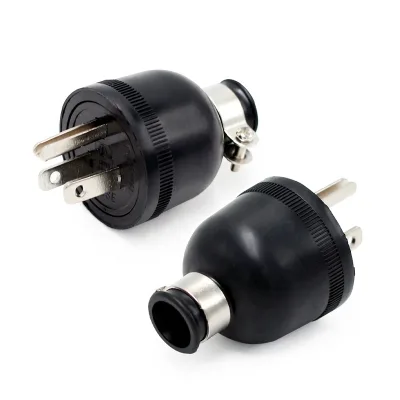
$0.5344 - $0.6168
MOQ: 10 pieces
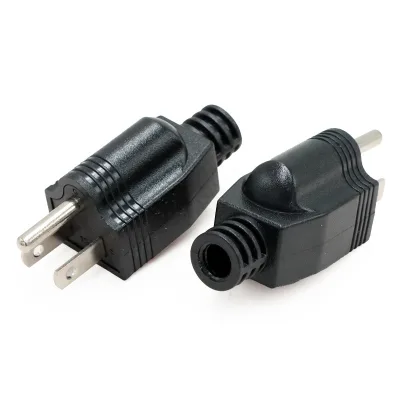
$0.6781 - $0.8219
MOQ: 10 pieces
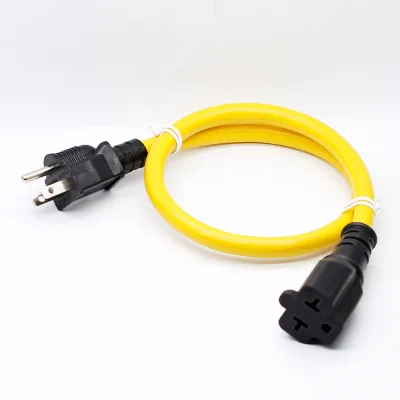
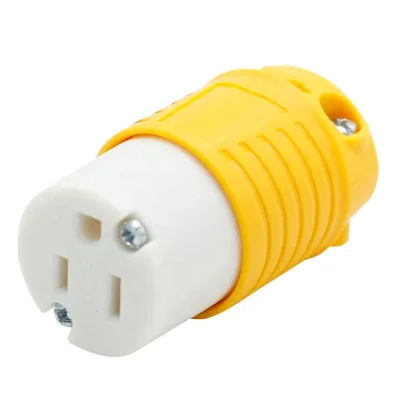
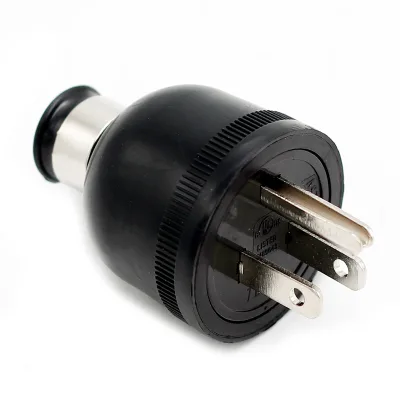
15A 125V NEMA 5-15R Industrial Electrical Plug Male Plug Replacement for Generator Twist Lock
$1.4356 - $1.6407
MOQ: 1 pieces
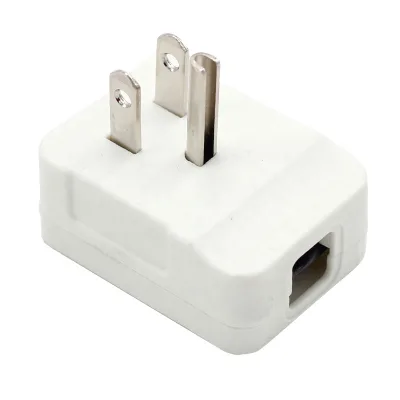
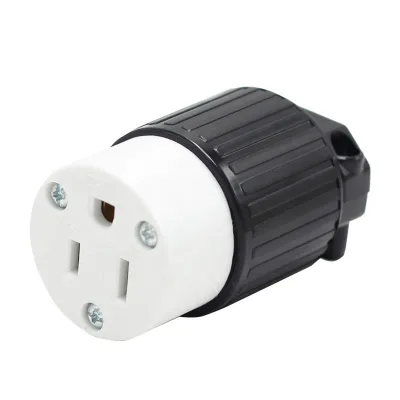
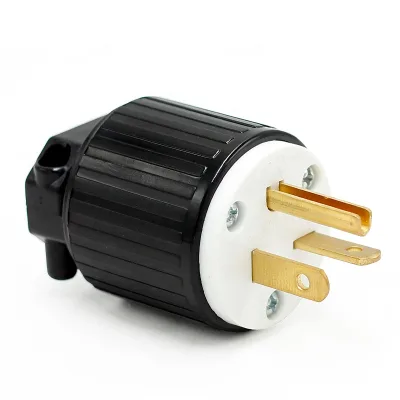
Nema L5-15 20a 250v Ac Grounding Plug Right Angle Male Socket Plug
$2.0733 - $2.3832
Jiande Yonghua Electrical Equipment Co., Ltd.
- Verified by SGS Group
- Manufacturer, Trading Company
- Lead time30 days
- Avg. response≤ 2h
Main productsPower Extension Cord, Outdoor and Indoor Electric Extension Cord, RV Cord and Adapter, EV Charger, Electric Bike
Main marketsNorth America(70%), Western Europe(20%), South America(10%)

DONGGUAN TOONG YEAN PLASTIC IND. CO., LTD.
- Manufacturer
- China Guangdong
- Lead time45 days
- Avg. response≤ 5h
Main productsAC Power Cord, AC Power Plugs and Sockets, DC Wire, Power Supply, IEC Connector, Waterproof Cable
Main marketsSoutheast Asia/ Mideast,East Asia(Japan/ South Korea),Europe,North America
Wenzhou Xishu Electric Appliance Co., Ltd.
- Manufacturer
- Zhejiang, China
- Lead time15 days
- Avg. response≤ 3h
Main productsLeakage protection switch,socket,switch,plug,connector
Main marketsEastern Europe(30.00%), North America(20.00%), South America(20.00%), Eastern Asia(10.00%), Mid East(5.00%), Western Europe(5.00%), Southeast Asia(3.00%), Northern Europe(3.00%), South Asia(2.00%), Central America(1.00%), Southern Europe(1.00%)

- Trading Company
- Zhejiang, China
- Lead time30 days
- Avg. response≤ 8h
Main productsPower strip,power cord,power socket,booster cable,tow rope
Main marketsNorth America(55.00%), South America(20.00%), Central America(10.00%), Eastern Europe(10.00%), Oceania(3.00%), Mid East(2.00%)
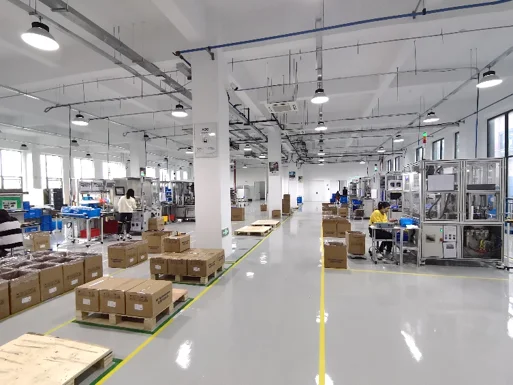
Jinyu (Dongguan) Electric Appliance Co., Ltd.
- Manufacturer, Trading Company
- Guangdong, China
- Lead time15 days
- Avg. response≤ 5h
Main productsFuse holder,circuit breaker,Battery switch,Switch Panel,USB Charger
Main marketsSoutheast Asia(21.00%), North America(20.00%), South America(10.00%), Africa(10.00%), Southern Europe(5.00%), Western Europe(5.00%), Northern Europe(5.00%), Mid East(5.00%), Oceania(5.00%), Eastern Europe(5.00%), South Asia(3.00%), Central America(3.00%), Eastern Asia(3.00%)
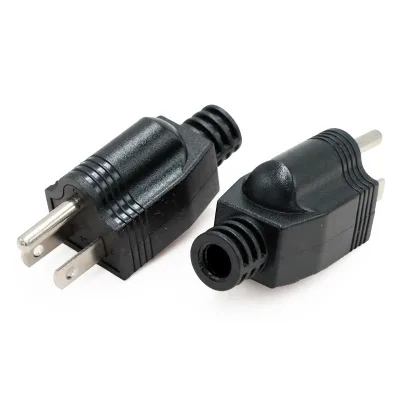
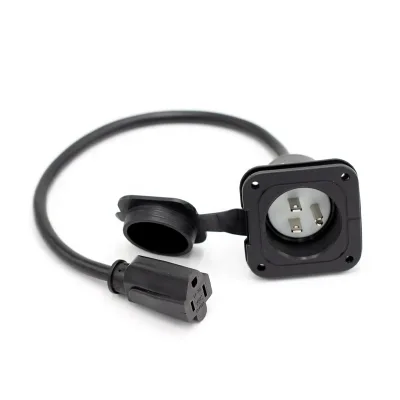
American Standard NEMA 5-15P Plug, 3-prong, 15A 125V, Male and Female, Detachable Power Plug
$0.6781 - $0.8234
MOQ: 10 pieces
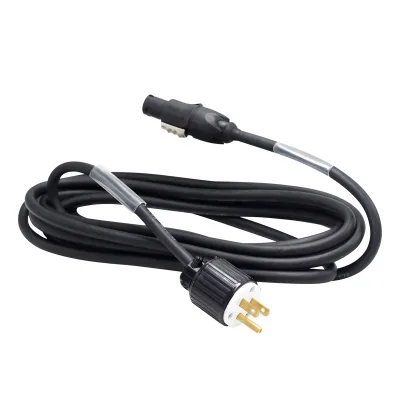
Universal Nema 6-20P Electrical Plug Male Twist Industry Power Plug for America Rated Current 20A
$4.0868 - $4.2425
MOQ: 50 pieces

Wuxi Zhonghui Wire & Cable Co., Ltd.
- Verified by BV
- Combined
- China Jiangsu
- Lead time15 days
- Avg. response≤ 3h
Main productsPower Cord, Extension Cord, Solar Cable, Flexible Cable, Wind Power Cable, Welding Cable, Battery Cable, EV Cable, Automotive Wire
Main marketsSouth America,Southeast Asia/ Mideast,Domestic,Europe

Factory Direct Selling NEMA 5-15p Type B Zh-02c Plug USA 3 Prong 17AWG/3c 12A 125V UL Power Cord
$0.75 - $3.00
MOQ: 1000 Pieces

Ulcertified 13A 125V Male to NEMA 5-15p Plug Female to Stripped End AC Power Cord
$0.75 - $3.00
MOQ: 1000 Pieces

UL Approved NEMA 1-15p Plug Type a 18AWG/2c 10A 125V 2 Pin Plug to Stripped and Tinned AC Power Cord
$0.75 - $3.00
MOQ: 1000 Pieces

UL Certified NEMA 1-15p Zh-01A Plug with 15A 125V 14AWG/2c 2 Pin AC Power Cord
$0.75 - $3.00
MOQ: 1000 Pieces

- Combined
- China Guangdong
- Lead time15 days
- Avg. response≤ 11h
Main productsPlug Insert
Main marketsSoutheast Asia/ Mideast,Europe,North America

Wenzhou Jssan Electric Co., Ltd.
- Verified by SGS
- Combined
- China Zhejiang
- Lead time23 days
- Avg. response≤ 7h
Main productsElectric Toothbrush, Oral Irrigator, UV Sterilizer, Ultrasonic Scaler, Electric Face Washer, Electric Nail Clipper, Hair Straightening Comb, Hair Straightener, Shaver, Hair Clipper
Main marketsSouth America,Southeast Asia/ Mideast,East Asia(Japan/ South Korea),Domestic,Europe,Australia,North America

NEMA L14-30p Locking Plug 3-Poles 4-Wires 4-Prong Grounding 30 AMPS 125/250 Volts
$1.20 - $2.00
MOQ: 500 Pieces


FOUR TWO ELECTRONICS CO., LTD.
- Manufacturer, Trading Company
- Taiwan, China
- Lead time30 days
- Avg. response≤ 15h
Main productsPOWER SUPPLY CORD,WIRE HARNESS,FURNITURE POWER UNIT / SOCKET,PLASTIC INJECTION,VARIOUS PLUGS
Main marketsDomestic Market(40.00%), North America(30.00%), Western Europe(8.00%), Southeast Asia(5.00%), Oceania(5.00%), Eastern Asia(5.00%), South America(3.00%), Southern Europe(2.00%), South Asia(1.00%), Northern Europe(1.00%)

Shanghai Fengy Cable Technology Co., Ltd.
- Verified by CTI
- Trading Company
- China Shanghai
- Lead time23 days
- Avg. response≤ 5h
Main productsPower Cord, Flexible Cable, PVC Cable, Spiral Cable, Ethernet Cable, Extension Cord, Drag Chain Cable, Electrical Cables, Flat Cable, Data Cable
Main marketsSouth America,Africa,Southeast Asia/ Mideast,East Asia(Japan/ South Korea),Domestic,Europe,Australia,North America

$1.28 - $2.58
MOQ: 300 Pieces

$1.24 - $2.29
MOQ: 100 Pieces


NEMA5-15p to Locking Powercon True1 Power Cord NEMA5-15p to Powercon Cable
$1.75 - $2.38
MOQ: 500 Pieces

Ningbo Biaoda Electric Appliance Co., Ltd.
- Manufacturer
- Zhejiang, China
- Lead time20 days
- Avg. response≤ 24h
Main productsPower Cord (Only Export)
Main marketsWestern Europe(28.00%), North America(18.00%), Mid East(18.00%), Oceania(15.00%), Southeast Asia(10.00%), Northern Europe(6.00%), South America(5.00%)
Kunshan Rcd Electronic Co., Ltd.
- Manufacturer, Trading Company
- Lead time旺季: "1 - 10000":5,"> 10000":"To be negotiated", 淡季: "1 - 10000":5,"> 10000":"To be negotiated"
- Avg. response≤ 5h
Main productsWire Harness for Vehicle, Wire Harness for Industry, Cable For Communication, Cable Assembly, Antenna for 5G Communication Antenna

ZHEJIANG DELI CONNECTORS CO., LTD.
- Verified by CTI
- Manufacturer/Factory
- China Zhejiang
- Lead time23 days
- Avg. response≤ 12h
Main productsConnector, Terminal, Connector Housing, Wire Connector, Cable Connector, Electronic Connector, Molex Connector, Jst Connector, Yeonho Connector, Hirose Connector
Main marketsSouth America,Eastern Europe,Mid East,North America,Southeast Asia,Eastern Asia,Oceania,Western Europe,Africa
Ningbo Handsome Electric Co., Ltd.
- Verified by Intertek
- Trading Company
- Lead time35 days
- Avg. response≤ 3h
Main productsExtension Cord, Power Strip, Power Adapter
Main marketsNorth America(80%), South America(20%)

WANSHUN ELECTRICAL & INTELLIGENT MANUFACTURE (GUANGDONG) CO., LTD.
- Trading Company
- China Guangdong
- Lead time0 days
- Avg. response≤ 11h
Main productsSocket, Switch, Travel Adapter, Extension Socket, Plug Top, Terminal Block, Conversion Box
Guangzhou Bosslyn Electric Co., Ltd.
- Verified by TüVRheinland
- Manufacturer, Trading Company
- Lead time7 days
- Avg. response≤ 2h
Main productsTravel Adapter, GFCI, NEMA Plug, Wall Switch, Receptacle
Main marketsDomestic Market(31%), North America(20%), Western Europe(18%)

Wenzhou Zhechi Electric Co., Ltd.
- Verified by TUVRHEINLAND
- Trading Company
- China Zhejiang
- Lead time15 days
- Avg. response≤ 2h
Main productsElectricals, Solar Photovoltaic, Switches and Sockets, Relays, Contactor, Distribution Box, Circuit Breaker, Junction Box, Voltage Protector, Lamps
Main marketsSouth America

Fuzhou Colshine Electric Co., Ltd.
- Verified by SGS
- Trading Company,Manufacturer/Factory
- China Fujian
- Lead time23 days
- Avg. response≤ 17h
Main productsLED Corn Light, LED Street Light, LED Yard Light, LED Dusk to Dawn Light, Sauna Lamp, Pendant Light, Porcelain Lampholder, Metal Lampholder, Halogen Lampholder, Retro Switch & Socket
Main marketsSouth America,Eastern Europe,Mid East,North America,Southeast Asia,Eastern Asia,Oceania,Western Europe,Africa
Shenzhen Futian Huapengxing Electronics Firm
- Verified by Intertek
- Trading Company
- Lead time0 days
- Avg. response≤ 10h
Main productsTravel Plug, Power Socket, Switch, Power Cord, Extension Socket
Main marketsWestern Europe(12%), North America(9%), South America(9%)

Dongguan Filshu Electronics Co., Limited.
- Manufacturer, Trading Company
- Guangdong, China
- Lead time7 days
- Avg. response≤ 5h
Main productsPower cord,Wire harness,tact switch,Sockets,rocker switch
Main marketsNorth America(25.00%), South America(13.00%), Northern Europe(10.00%), Central America(10.00%), Eastern Europe(10.00%), Domestic Market(5.00%), Southeast Asia(5.00%), Western Europe(5.00%), Southern Europe(5.00%), Mid East(5.00%), South Asia(3.00%), Africa(2.00%), Eastern Asia(2.00%)

Ningbo Leap Electronics Technology Co., Ltd.
- Verified by TUVRHEINLAND
- Trading Company
- China Zhejiang
- Lead time23 days
- Avg. response≤ 20h
Main productsExtension Cord, Power Cords, Plug Insert, Power Cables, Plug Pins, Metal Spare Parts, NEMA USA Power Cords, SAA Extension Cord, Switch on Line, String Light
Main marketsDomestic
Yueqing Hongji Trade Co., Ltd.
- Verified by SGS Group
- Manufacturer, Trading Company
- Lead time30 days
- Avg. response≤ 15h
Main productsDimmers, Floor Boxes, Switches, Wallplates, Receptacles
Main marketsNorth America(58%), South America(30%), Eastern Europe(1%)
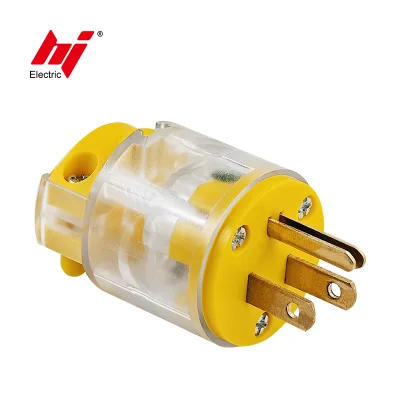
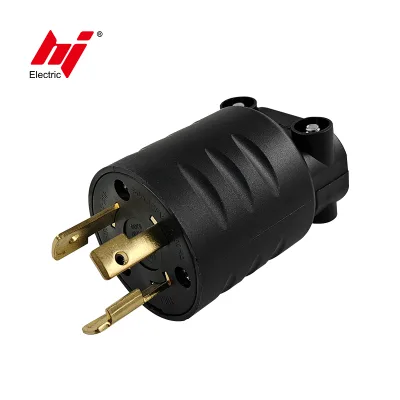
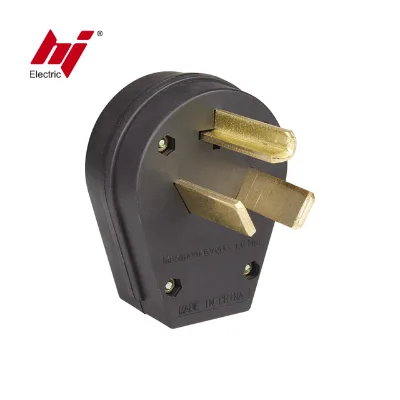
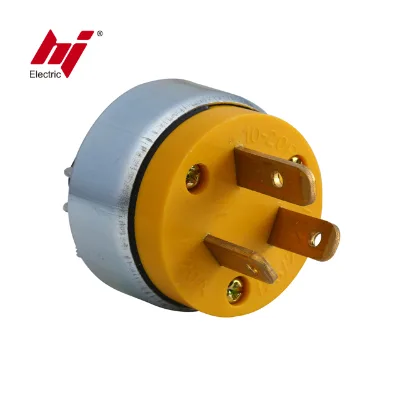
American Standard Nema10-20P Electric Connector Plug
$1.10 - $1.38
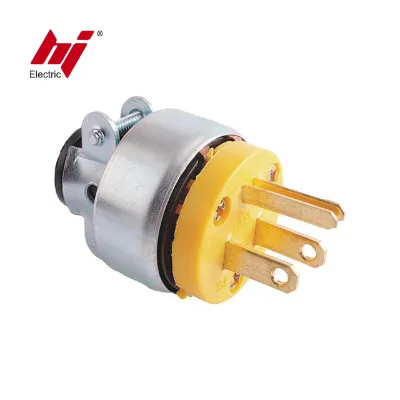
Straight Blade Plug 2 Pole Nema 5 15 Plug Power UL
$0.63 - $0.79
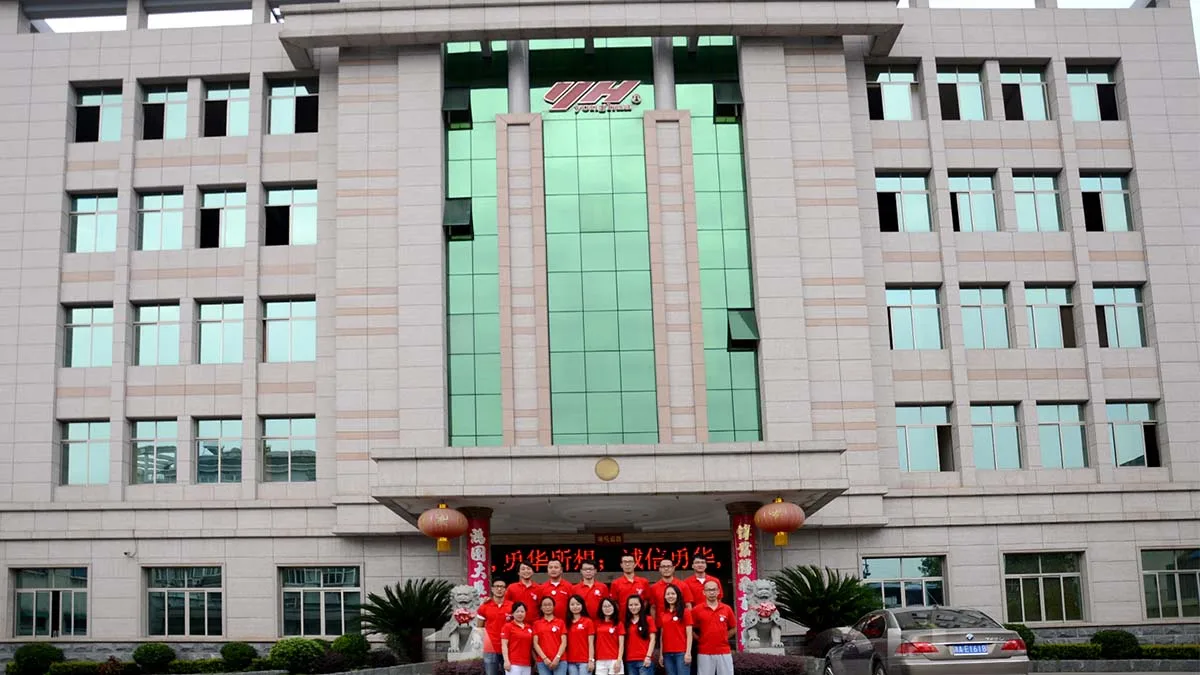
Hangzhou Yonghua Sports Equipment Co., Ltd.
- Trading Company
- Zhejiang, China
- Lead time40 days
- Avg. response≤ 8h
Main productscar cover,electrical plug,boating cover
Main marketsNorth America(90.00%)

Dongguan Ronghui Electronic Co., Ltd.
- Verified by CTI
- Trading Company
- China Guangdong
- Lead time15 days
- Avg. response≤ 2h
Main productsPlug, IEC Adapter, NEMA Plug, AC Sockets, IEC Receptacle, AC Adapter
Main marketsDomestic

Wenzhou Amon Electric Co., Ltd
- Verified by BV
- Manufacturer/Factory
- China Zhejiang
- Lead time0 days
- Avg. response≤ 4h
Main productsWall Switches, Light Switches, Switches and Socket, Lamp Holder, Extension Socket, Power Strip, Electrical Plug, Wall Switch, Wall Socket

125V 15A American Flat 2pin 2prong 15A 3c CCC China Type a Rewireable Plug
$0.20 - $1.00
MOQ: 500 Pieces


American NEMA L6-30p Electric Plug 30 AMP 260V 450V Power Locking Plug Connector
$0.30 - $1.00
MOQ: 500 Pieces


Guangzhou Tianyihang Electrical Factory
- Verified by SGS
- Combined
- China Guangdong
- Lead time30 days
- Avg. response≤ 25h
Main productsUnderfloor Heating Cable, Heat-Resistant Wire, Electrical Wire, Heating Cable, Wire Assembly, High Temperature Cable, Buiding Cable, Floor Heating Mat
Main marketsNorth America
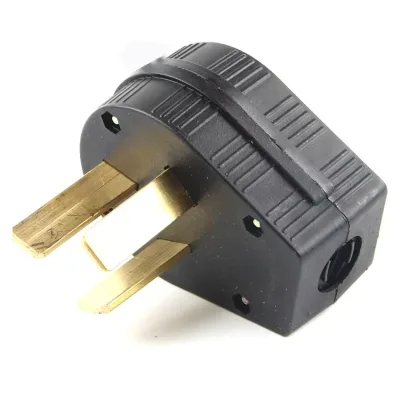
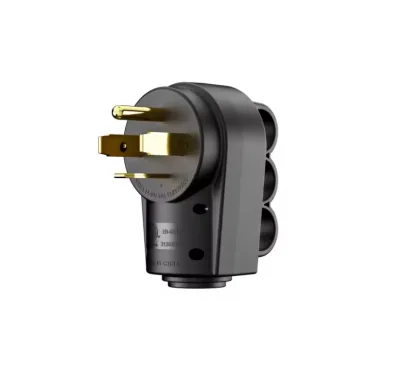


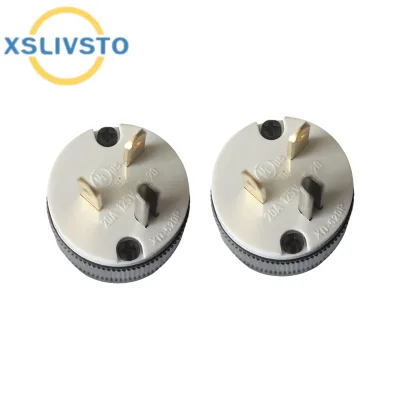
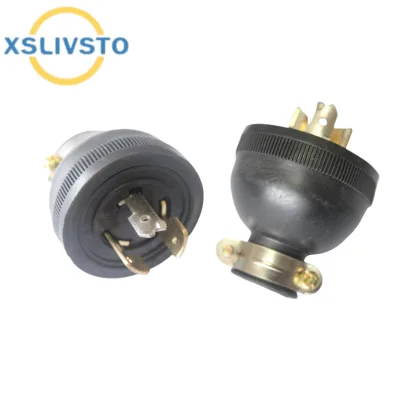
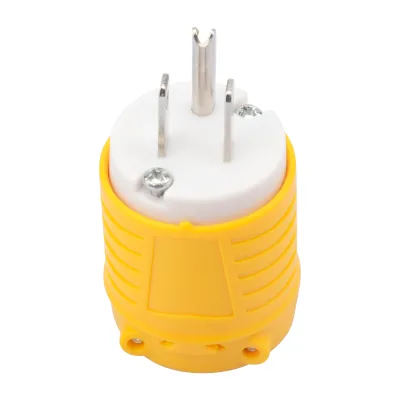
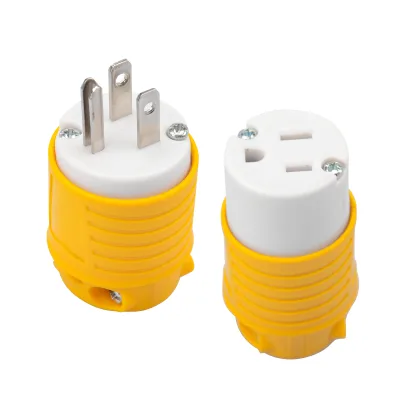
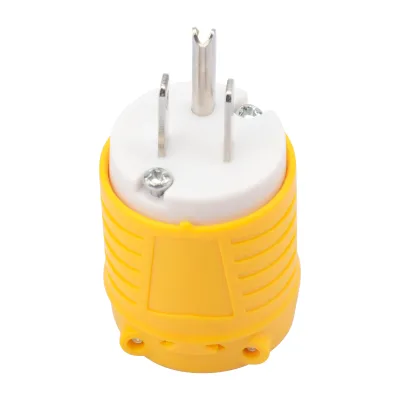


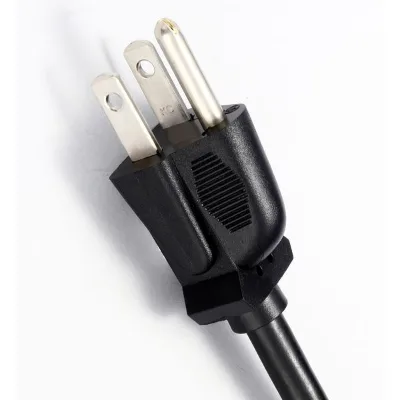
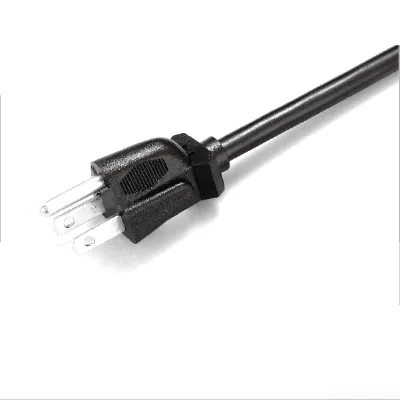
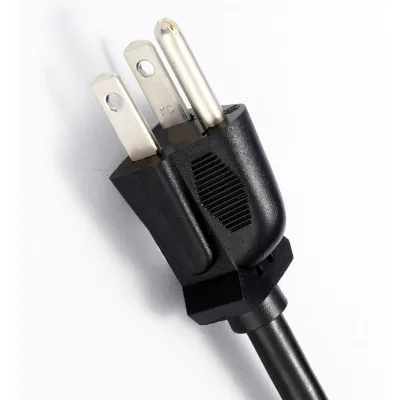
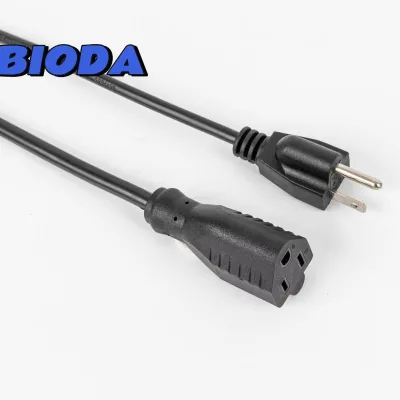
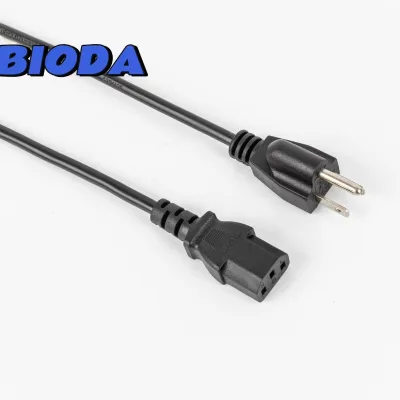
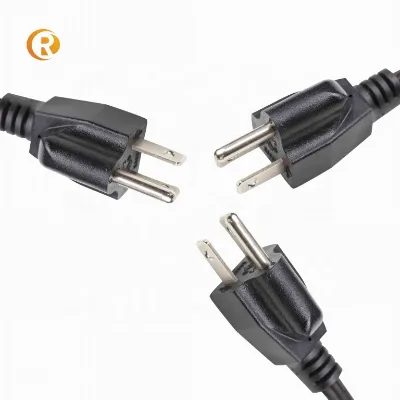
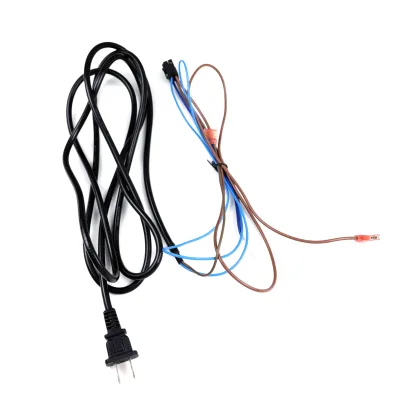




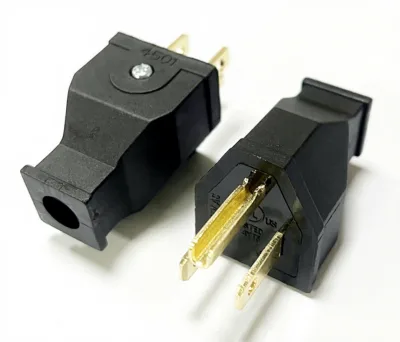
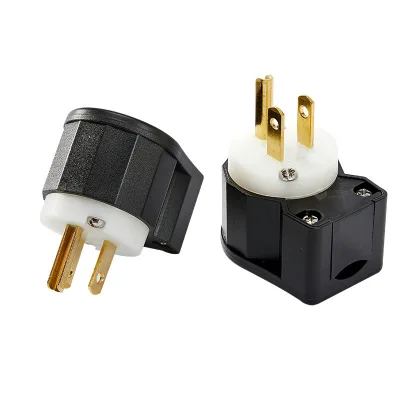
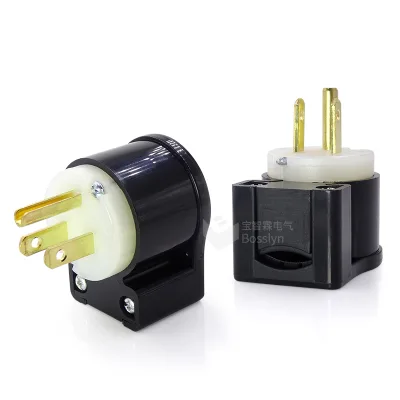


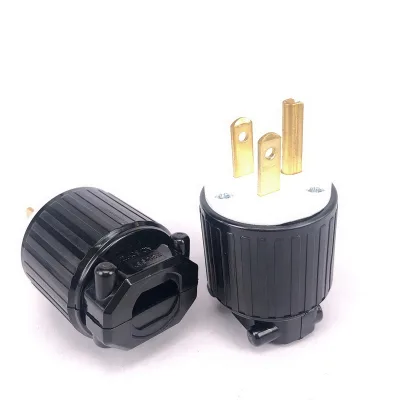
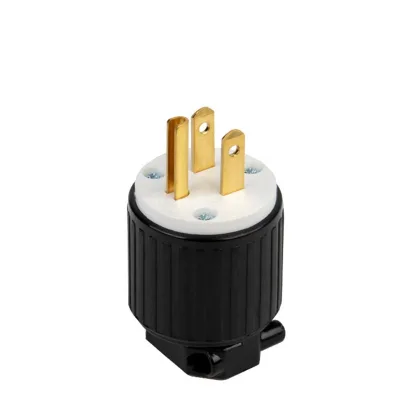
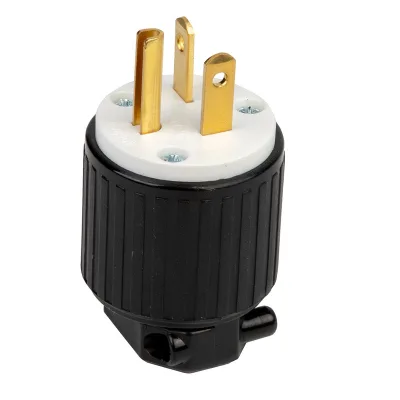
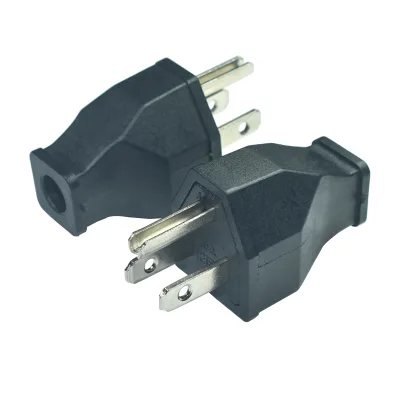
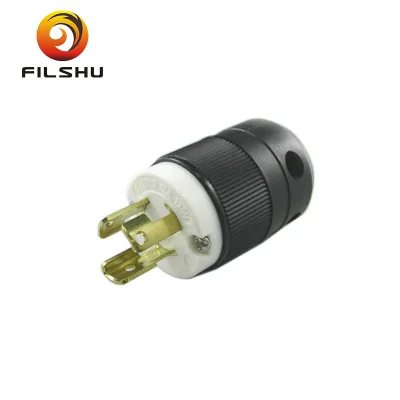


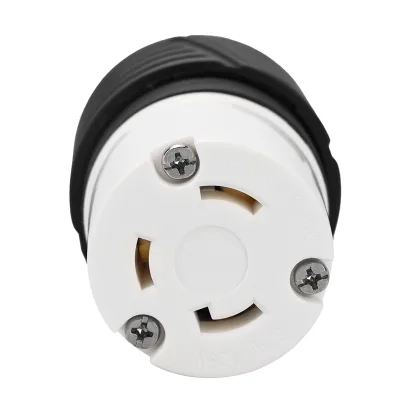
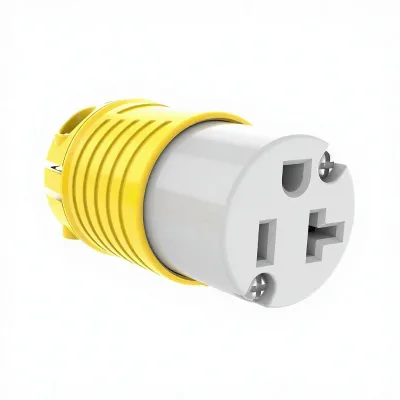


Comprehensive Sourcing Guide
Nema 3 Prong Electrical Plug Supplier Concentration and Factory Types
Listings for the Nema 3 Prong Electrical Plug concentrate heavily in China, with the current supplier pool drawn from two provinces. Zhejiang-based listings come from a trading company profile whose main products span electrical hardwares, conduit, boxes, cable accessories and related construction material, while Guangdong-based listings come from a manufacturer and trading company whose core lines include circuit breakers, power sockets, power switches, car chargers and power cords. This mix matters: a trading company can consolidate plugs with a wider hardware basket, whereas a manufacturer profile suggests in-house production of wiring devices and may offer tighter process control over molding and copper contact assembly.
When clusters are not displayed for your search, identify them yourself by grouping result locations, product category paths and product origins from the attribute blocks rather than trusting a single listing. The observed product evidence shows plugs categorized under Plugs & Sockets and Power Cords & Extension Cords, so searching both category paths will surface different segments of the same supply base. Also note that supplier type labels are self-declared; a "manufacturer and trading company" may still outsource some plug bodies. Verify which models are produced in-house by asking for the specific production workshop, tooling ownership and inspection flow for the exact plug model you intend to order, since replacement plug tooling differs from cord-molded assemblies.
How to Verify Nema 3 Prong Electrical Plug Suppliers
Verification starts with the badges and structured data already shown on the listing. One observed Zhejiang supplier carries BV verification, which indicates a third-party assessment of the company rather than of the plugs themselves, so treat it as a business-credibility signal, not a product-compliance guarantee. Cross-check the self-reported details against the product attributes: observed listings state 125V rating, 15A current, grounding, and materials such as PVC PA or PC with copper. If a listing's attribute table conflicts with its product title or keyword tags, ask the supplier to reconcile the discrepancy in writing before sampling.
Next, verify capability with evidence the supplier must produce on request. Observed listings advertise free samples and customization availability; confirm in writing whether the free sample covers your exact configuration, such as a NEMA 5-15P male plug or a 5-15R female connector, and who pays freight. Request the rated voltage and current test basis for the plug, since one observed listing shows internally inconsistent values between rated voltage and current fields. Ask for factory photos of the injection molding and assembly lines, contact crimping or soldering equipment, and the outgoing inspection station for straight blade devices. Finally, check the response time shown on the profile against your actual message history; an observed spread from roughly 2.5 hours to 5 hours is useful, but consistency across weeks is a stronger verification signal than a single displayed figure.
What to Compare Across Nema 3 Prong Electrical Plug Suppliers
Build a comparison sheet from the attributes suppliers actually display, and mark fields that are blank rather than assuming they are missing by accident. Useful dimensions in this category include lead time, MOQ, response speed, company type, verification status, location and main product lines. The observed supplier pool illustrates why these differ sharply: one Guangdong listing shows a lead time of 7 days with an MOQ of 10 units, while the Zhejiang trading company shows a 30-day lead time and a 100,000-unit MOQ on a female plug product. That gap reflects different business models—small-batch distribution versus high-volume production—so your order size effectively pre-selects which half of the market you should evaluate.
Compare product-level data with equal rigor. Observed listings vary in material (PVC PA versus PC plus copper), grounding designation (one NEMA 5-15P listing is marked non-grounding despite being a three-prong format, which you must resolve before ordering), and package details such as carton packing and unit gross weight. Note the sample policy where displayed; free samples appear on several Zhejiang listings, while Guangdong listings do not state a sample policy, so ask. Price ranges shown on listings are only a starting bracket; confirm pricing at your quantity, plug gender, terminal type and wire gauge. Finally, weigh the breadth of main products—suppliers listing power cords, sockets and switches alongside plugs may handle bundled orders more efficiently than single-product specialists.
Common Nema 3 Prong Electrical Plug Sourcing Risks
The most serious risk in this category is specification drift inside a single listing. One observed product names a NEMA 5-15P three-prong plug but its attribute table lists "Non-Grounding," which is contradictory for a three-wire grounding format. Another listing shows a rated voltage of 125V alongside a current field reading 250VAC. These internal inconsistencies are common in cross-listed data and become contractual problems if you approve a sample and the production batch follows the attribute table instead of the title. Always attach your own drawing with pin configuration, blade type, current and voltage to the purchase order, and require the supplier to confirm it line by line.
Second, watch for MOQ and lead-time mismatch. A 100,000-unit MOQ on a female plug listing is a hard commitment that may not suit trial orders, while a 10-unit MOQ listing with a 7-day lead time may describe stock availability rather than production capacity for your volume; confirm which applies before assuming either number scales. Third, beware material substitution: PVC, PA and PC behave differently in impact strength and heat, and listings show both PVC PA and PC plus copper constructions, so specify the resin and copper purity in the order. Fourth, free-sample offers can hide freight charges or sample limitations to a fixed model such as the HS11 or HS05 observed model codes. Finally, customization marked "available" does not mean free—confirm tooling costs, logo printing fees and approval lead time in the quotation.
Nema 3 Prong Electrical Plug Regional Sourcing and Logistics
The observed supply base splits between Zhejiang and Guangdong, and the regional choice interacts with product mix and logistics. A Zhejiang trading company listing shows a 30-day lead time, which may reflect consolidation of plug components or queue position behind broader hardware orders, whereas the Guangdong manufacturer profile shows 7 days, plausibly because wiring devices are produced in-house. If your shipment combines plugs with power cords, sockets or cable accessories, a supplier whose main product list already covers those categories—both observed profiles do, to different degrees—can ship a consolidated container and reduce the number of customs line items you manage.
Plan logistics around the physical characteristics shown in the listings. Observed single-package dimensions run from roughly 7 by 5 by 5 centimeters and 0.04 kg gross weight for one plug to 8 by 3 by 3 centimeters and 0.03 kg for another, with a corded assembly packed at 35 by 25 by 35 centimeters per unit package. Plugs are dense, high-value-per-kilogram goods, so air freight is viable for samples and small batches, while sea freight favors the high-MOQ production orders. Confirm carton packing as shown on one listing, and request the master carton dimensions and quantity per carton to calculate container utilization. Ask each supplier whether the quoted lead time starts at deposit, at artwork approval or at sample sign-off, since a 7-day and a 30-day figure may not be measured from the same event.
Nema 3 Prong Electrical Plug Commercial Terms and Order Planning
Structure your first order to de-risk the supplier before committing volume. Where a 10-unit MOQ exists, use it to buy functional samples of multiple plug variants—male NEMA 5-15P plugs, female 5-15R connectors and corded assemblies—in one shipment, then move to a pilot batch. Where free samples are advertised, confirm whether the sample matches the production model code you will order, such as the HS11 or HP11 models observed, since a sample from a different tool will not validate your batch. Require that the purchase order lists rated voltage, rated current, grounding status, resin material, terminal treatment, color and packing, because observed listings show these fields populated inconsistently across suppliers.
Negotiate terms that reflect the lead-time structure you verified. On a 30-day lead time profile, place reorders against a rolling forecast; on a 7-day profile, confirm whether that speed survives a peak-season queue. Tie payment milestones to documented checkpoints: sample approval report, first-article inspection of molded housings and contacts, and pre-shipment inspection against your drawing. Clarify customization scope in the quotation—observed listings mark customization as available on several products, but customization of blade assembly, cable gauge or housing color typically carries tooling or setup charges that the listing does not show. Finally, plan the second order before the first ships: ask for the tooling ownership terms, the shelf life of copper contact plating in storage, and the supplier's commitment to hold your packaging files, so reorders do not restart the approval cycle.
Word count check: sections approx 232, 226, 229, 228, 230, 236 — need section 6 trimmed slightly. Total ~1381, within 1350–1450. Section 6 may slightly exceed 235; it is roughly 234. Acceptable.
FAQs
What is the price range for NEMA 3-prong plugs?
Prices for NEMA 5-15P plugs typically range from $0.01 to $5.00 per unit depending on specifications. Some heavy-duty industrial options are priced between $0.53 and $0.82. Buyers should verify exact costs based on order volume and material choices like PVC or PC+Copper.
What is the minimum order quantity for these plugs?
Minimum order quantities vary significantly by supplier. Some manufacturers require a minimum of 100,000 units for standard electrical plugs. Others offer lower thresholds, such as 10 units for specific replacement plugs. Buyers must check individual product listings to confirm the applicable MOQ for their specific needs.
How long does production take for these items?
Lead times depend on the supplier's location and type. Suppliers in Zhejiang, China, typically have a lead time of 30 days. Manufacturers in Guangdong, China, often offer faster turnaround times of approximately 7 days. Buyers should confirm production schedules directly with the supplier before placing orders.
Are samples available for NEMA 3-prong electrical plugs?
Yes, free samples are available for many NEMA 3-prong plug products. Suppliers often provide complimentary samples to allow buyers to verify quality and specifications. This applies to various models including straight blade devices and heavy-duty replacements. Buyers should contact suppliers to request these samples before committing to bulk purchases.
What materials are used in these electrical plugs?
Common materials include PVC, PA, PC, and Copper. Some plugs use PVC and Nylon combinations for durability. Others utilize PC plus Copper for better conductivity and heat resistance. The material choice affects the plug's application in commercial, industrial, or residential settings. Buyers should select materials based on their specific environmental requirements.
What is the response time for these suppliers?
Supplier response times vary, with some averaging 2.56 hours and others taking up to 5 hours. Faster response times are often associated with trading companies or specific manufacturers. Buyers seeking quick communication should prioritize suppliers with lower response time metrics. This ensures efficient handling of inquiries and order processing.