Adjustable Magnetic Gloves Dispenser Suppliers and Manufacturers
Compare 29 Adjustable Magnetic Gloves Dispenser suppliers by location, lead time, and response time. Review product specifications like load capacity and material. Contact verified factories to request samples and confirm pricing details; review the available evidence before requesting comparable quotations from suitable candidates.
Suppliers List
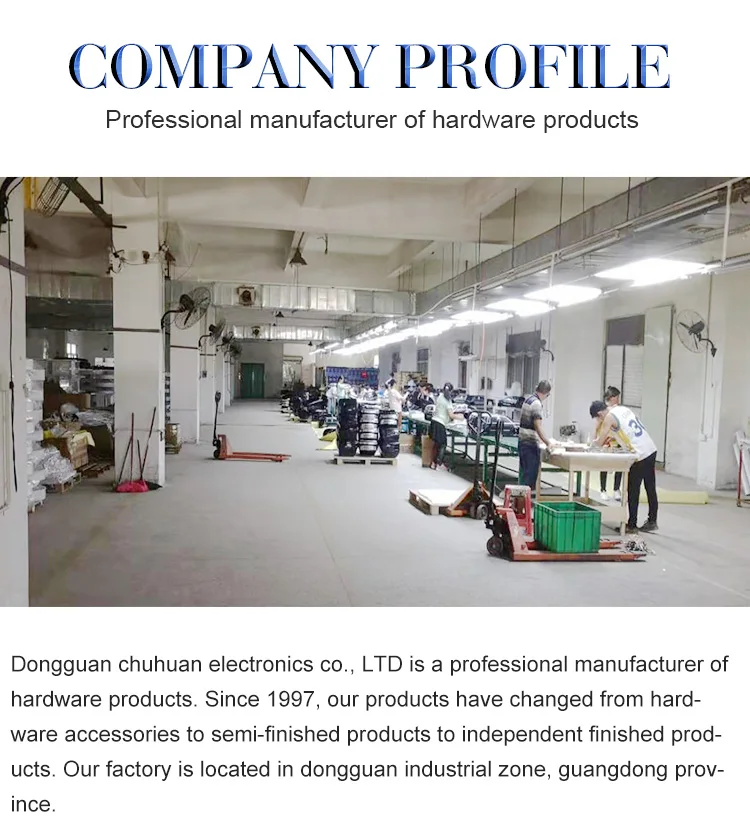
Dongguan Chuhuan Electronics Hardware Co., Ltd.
- Manufacturer, Trading Company
- Guangdong, China
- Lead time20 days
- Avg. response≤ 7h
Main productsStorage Rack,Display Stand,Kitchen Accessories,Hardware Accessories,Metal Stamping Parts
Main marketsNorth America(23.00%), Western Europe(13.00%), Domestic Market(10.00%), Northern Europe(10.00%), Southern Europe(9.00%), Eastern Europe(8.00%), Central America(7.00%), South America(6.00%), South Asia(6.00%), Southeast Asia(2.00%), Eastern Asia(2.00%), Mid East(2.00%), Africa(1.00%), Oceania(1.00%)
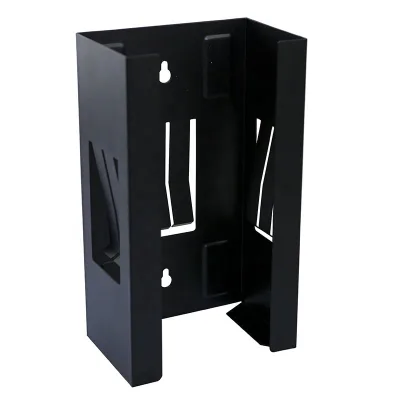
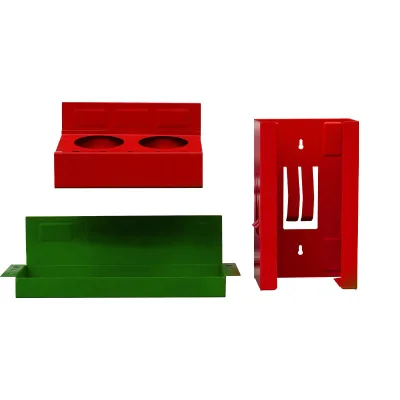
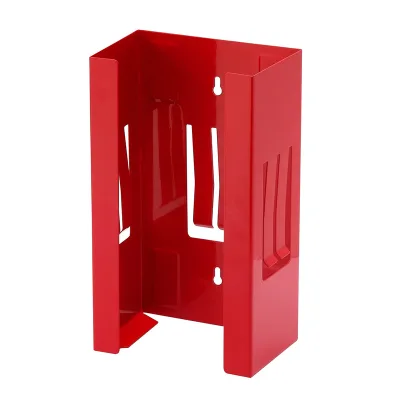
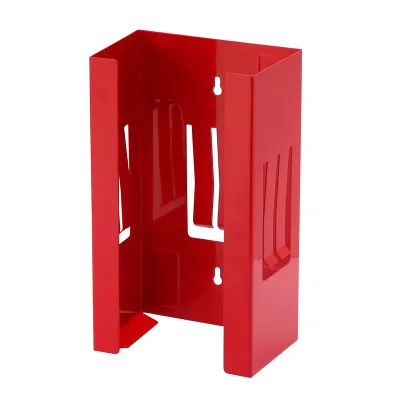
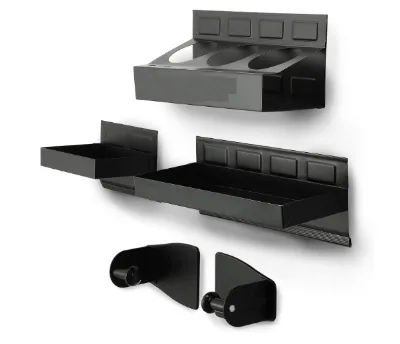
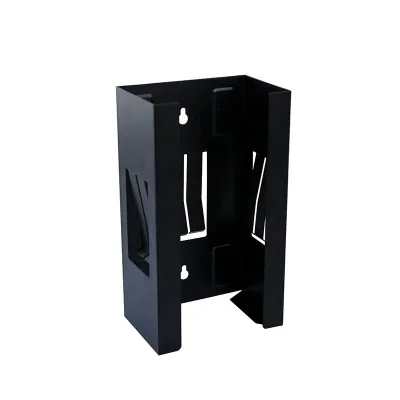
Factory Supply Universal Steel Magnetic Garage Shop Tool Box Glove Tissue Wipes Holder Dispenser
$3.25 - $5.25
MOQ: 2 sets
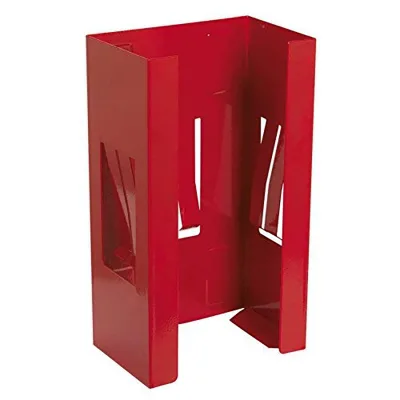
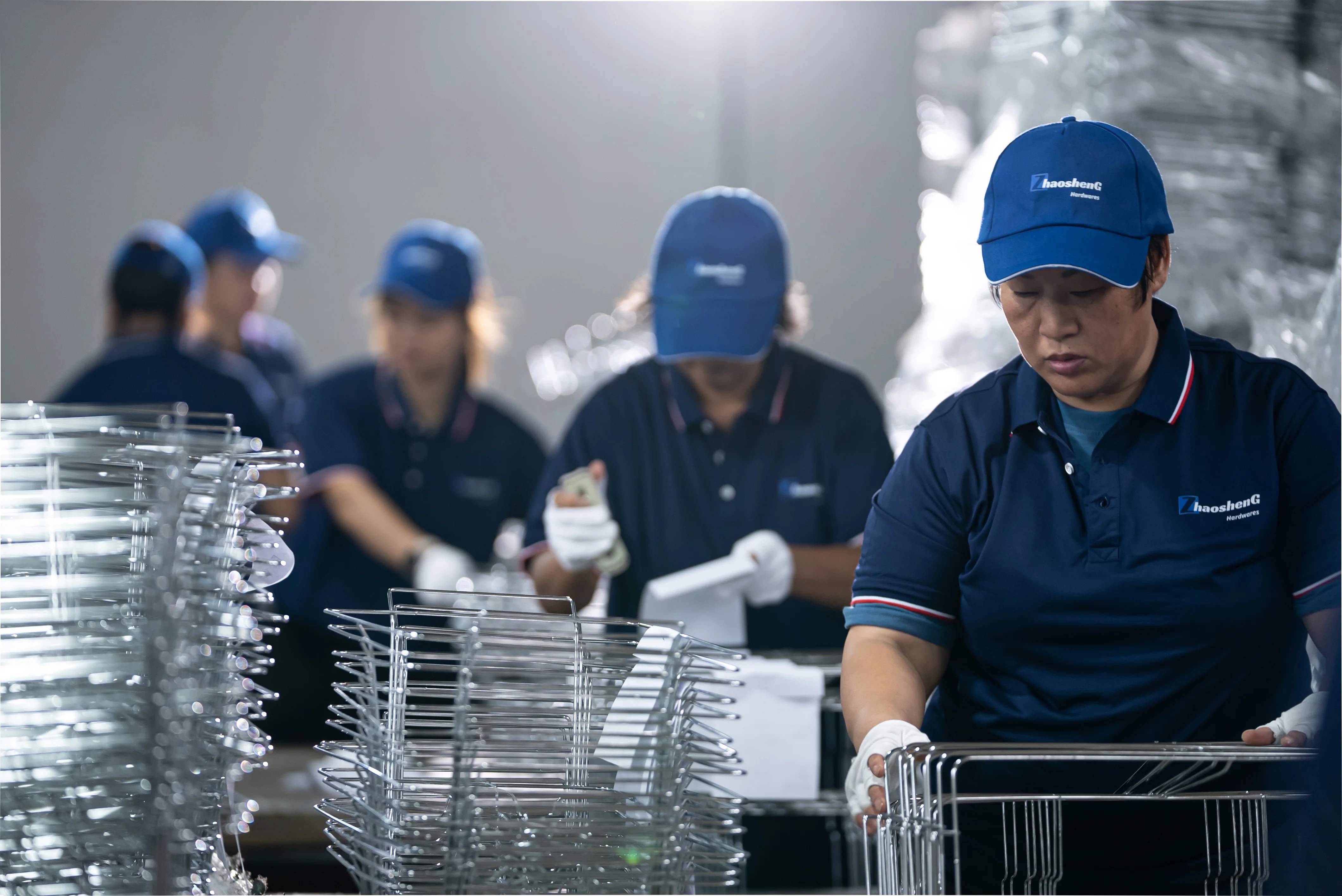
Jiangmen Zhaosheng Hardware Co., Ltd.
- Manufacturer, Trading Company
- Guangdong, China
- Lead time45 days
- Avg. response≤ 2h
Main productsDish Drying Rack,Bathroom Rack,Fruit Baskets,Home Organizer Rack,Fryer Baskets
Main marketsNorth America(50.00%), Domestic Market(20.00%), South America(15.00%), Northern Europe(15.00%)
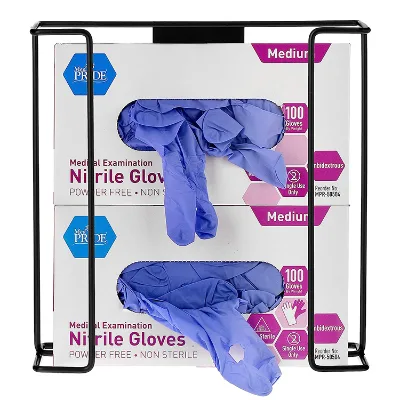
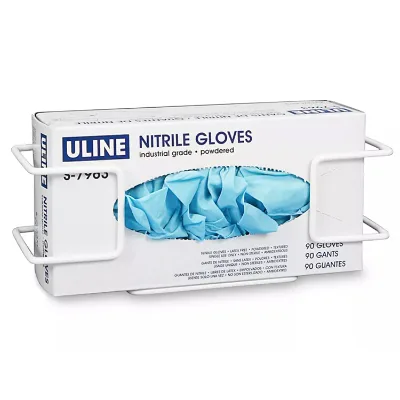
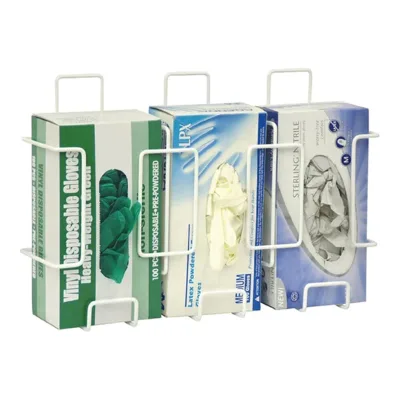
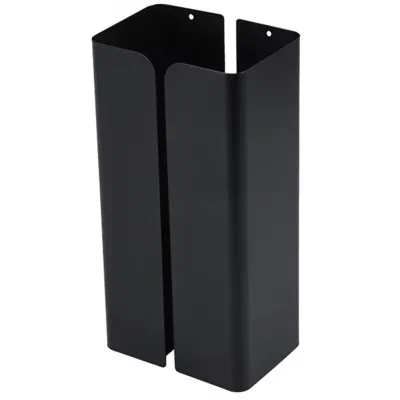
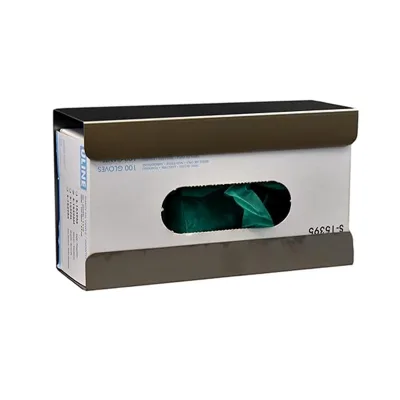
Metal Disposable Hand Gloves Box Holder on the Wall Mount Latex Glove Dispenser
$1.24 - $2.60
MOQ: 500 Minimum
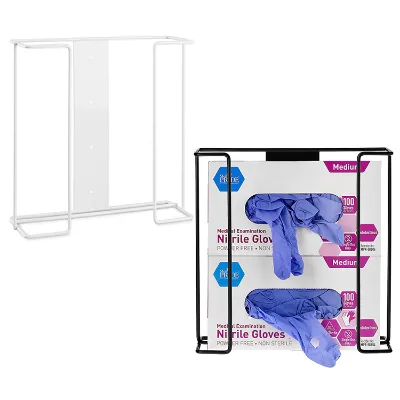
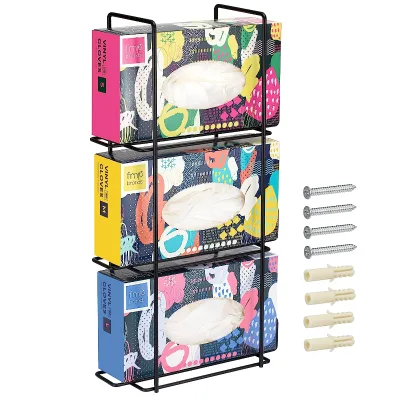
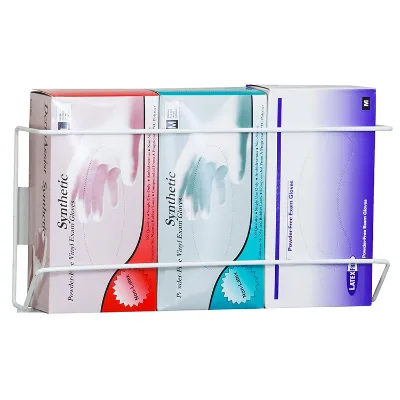
Custom Storage Glove Dispenser Holder
Contact supplier
Dailymag Magnetic Technology (Ningbo) Limited
- Verified by TüVRheinland
- Manufacturer, Trading Company
- Lead time15 days
- Avg. response≤ 6h
Main productsMagnetic Tools, Linear Actuator, Sharps Container, Neodymium Magnets, Magnetic Assembles
Main marketsNorth America(35%), Western Europe(24%), South America(8%)
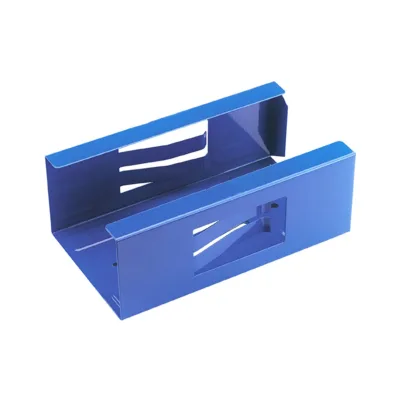
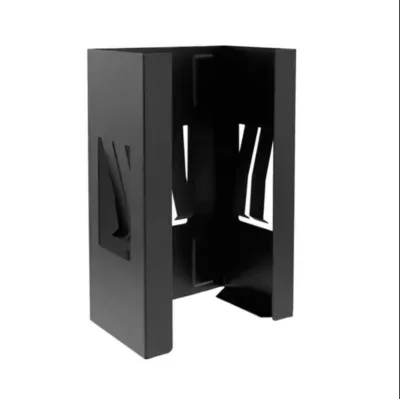
$2.80 - $3.20
MOQ: 500 pieces
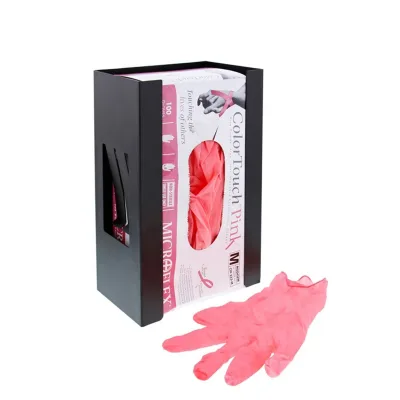
$4.12 - $5.15
MOQ: 2 pieces
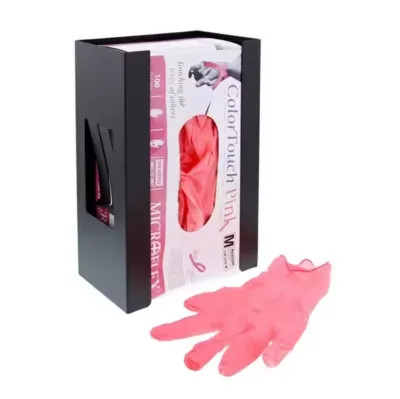
$2.80 - $3.20
MOQ: 500 pieces
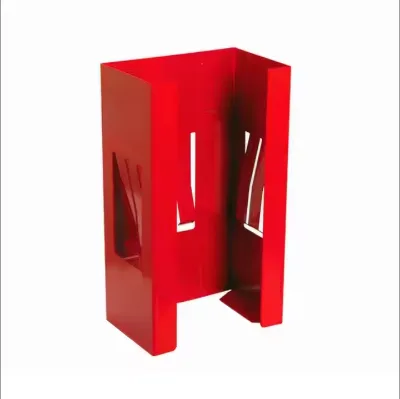
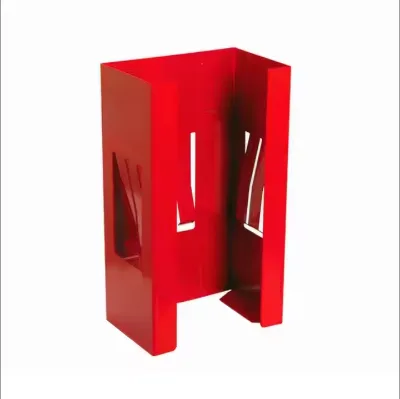
$2.50 - $3.00
MOQ: 500 pieces
Dailymag Environmental Technology (Ningbo) Limited
- Verified by TüVRheinland
- Trading Company
- Lead time15 days
- Avg. response≤ 8h
Main productsMagnets, Magnetic Tools & Assemblies, Plastic Sharps Container
Main marketsNorth America(36%), Western Europe(25%), Mid East(8%)
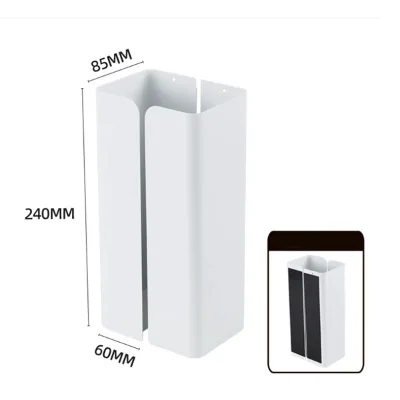
Premium Magnetic Tissue Holder, Adjustable Tissue Dispenser for Refrigerator, Kitchen, Workshops
$3.04 - $4.05
MOQ: 1 Minimum
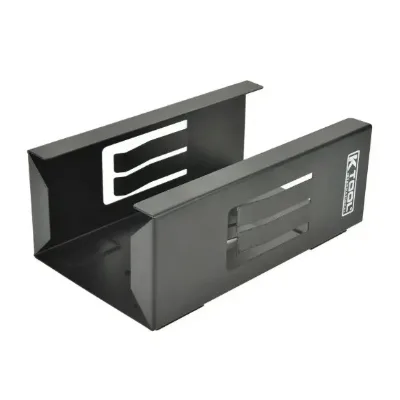
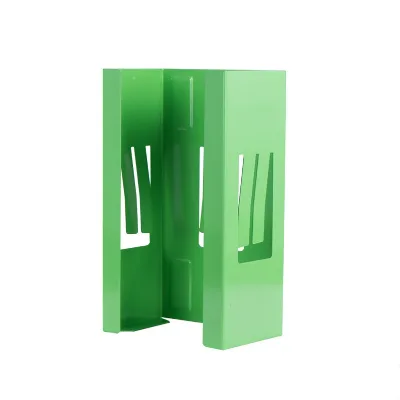
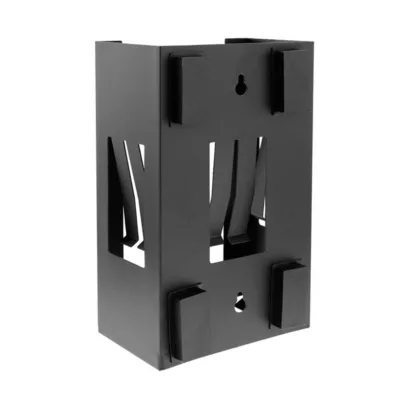
2025 Dailymag Hot Sale Magnetic Glove and Tissue Box Dispenser Holder with Competitive Price
$2.00 - $5.00
MOQ: 10 Minimum
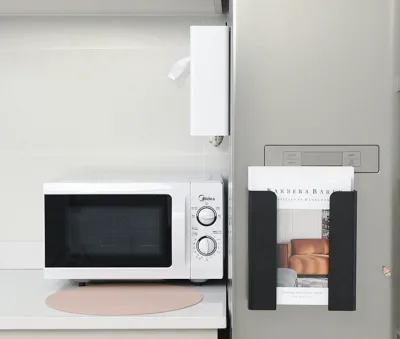
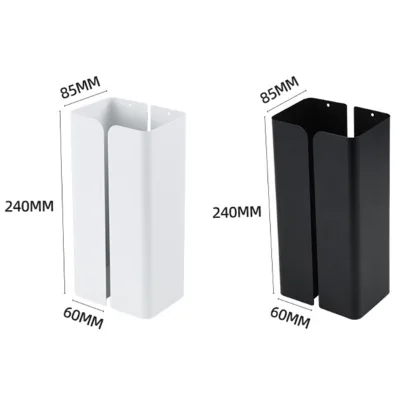
- Trading Company
- China Zhejiang
- Lead time30 days
- Avg. response≤ 11h
Main productsHome Appliance, Cookware Set, Thermos, Home Storage, Furniture, Pet Supplies, Garden Tools, Outdoor Supplies, Baby Supplies, Houesehold Items
Main marketsSouth America,Africa,Southeast Asia/ Mideast,East Asia(Japan/ South Korea),Domestic,Europe,Australia,North America


Double Outlet Bathroom Soap Dispenser Waterproof Hotel Hand Press Gel Dispenser
$1.80
MOQ: 1500 Pieces
Hebei Fitop Technology Co., Ltd.
- Verified by TüVRheinland
- Trading Company
- Lead time45 days
- Avg. response≤ 1h
Main productsDiagnostic Tools, Tire Repair Tools, Vehicle Tools, Car Jacks, Auto Tools
Main marketsNorth America(50%), Eastern Europe(15%), Mid East(10%)
- Verified by TUVRHEINLAND
- Trading Company
- China Anhui
- Lead time45 days
- Avg. response≤ 18h
Main productsEraser, Pencil, Chalk, Paper Clip, Crayon, Stick Pen, Sheet Protector, Punch, Mathematerical Instruments, Pencil Sharpener
Main marketsSouth America,Africa,North America
Jiangsu JDC Medical Devices Co., Ltd.
- Combined
- China Jiangsu
- Lead time30 days
- Avg. response≤ 9h
Main productsStomach Tube, Suction Tube, Nelaton Catheter, Rectal Tube, Infusion Set, Vaginal Speculum, Hmef, Medical Dressing, Medical Consumable
Main marketsSoutheast Asia/ Mideast,East Asia(Japan/ South Korea),Domestic,Europe,North America

- Verified by TUVRHEINLAND
- Trading Company,Manufacturer/Factory
- China Shandong
- Lead time23 days
- Avg. response≤ 10h
Main productsFolding Table, Chiavari Chair, Beer Table, Louis Chair, Bentwood Chair, Cross Back Chair, Stainless Steel Chair, Bamboo Folding Table and Chair
Main marketsSouth America,Eastern Europe,Mid East,North America,Southeast Asia,Eastern Asia,Oceania,Western Europe,Africa

Guangzhou Longgui Intelligent Technology Co., Ltd.
- Verified by BV
- Combined
- China Guangdong
- Lead time30 days
- Avg. response≤ 6h
Main productsCable Cubby, Projector Lift, TV Lift, TV Bracket, Monitor Lift, Pup-up Sockets, Wall Panel, Hotel Socekt, Customrized Goods, Customerized Alumnium or Steel Parts
Main marketsOthers(foreignTradeCapacity.exportBusinessCapacityMarketOther)
- Trading Company
- Shanghai, China
- Lead time0 days
- Avg. response≤ 5h
Main productsDiagnostic Tools,Auto Repair Tools,Oil Pump,Oil Funnel,Test Tools
Main marketsNorth America(50.00%), Western Europe(20.00%), South America(15.00%), Eastern Asia(15.00%)

Ningbo Risen Electronics Technology CO., LTD.
- Verified by SGS
- Trading Company
- China Zhejiang
- Lead time30 days
- Avg. response≤ 4h
Main productsAutomatic Soap Dispenser, Automatic Hand Sanitizer, Sensor Soap Dispenser, Auto Foam Soap Dispenser, Sensor Dustbin, Automatic Dustbin, Touch Free Soap Dispenser, Automatic Foam Dispenser, Auto Soap Dispenser
Main marketsSoutheast Asia/ Mideast,Europe,North America


Motion Sensor Hand Sanitizer Dispenser Touch Free Liquid Soap/Foam Dispenser Desk Mounted
$7.30 - $7.90
MOQ: 1000 Pieces

Ningbo Becol Stationery & Gifts Co., Ltd.
- Verified by BV
- Trading Company
- China Zhejiang
- Lead time23 days
- Avg. response≤ 8h
Main productsPromotion Pen, Ball Pen, Marker Pen, Highlighter, Gel Pen, Cutter Knife, File Folder, Stapler, Scissor, Stamp
Main marketsSouth America,Africa,Southeast Asia/ Mideast,East Asia(Japan/ South Korea),Europe,Australia,North America
Glam Industry (Guangzhou) Co., Ltd.
- Verified by TüVRheinland
- Manufacturer, Trading Company
- Lead time15 days
- Avg. response≤ 5h
Main productsAcrylic Box, Acrylic Display, Acrylic Photo Frame, Acrylic Tray, Acrylic Block
Main marketsNorth America(30%), Oceania(20%), Western Europe(10%)
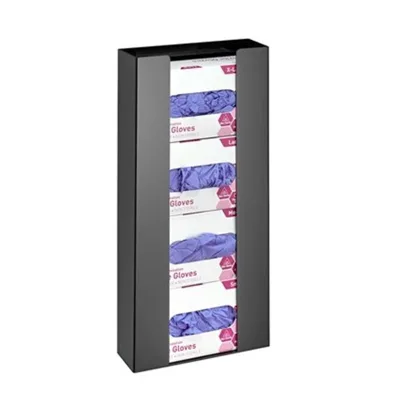
$3.00 - $10.00
MOQ: 100 Minimum
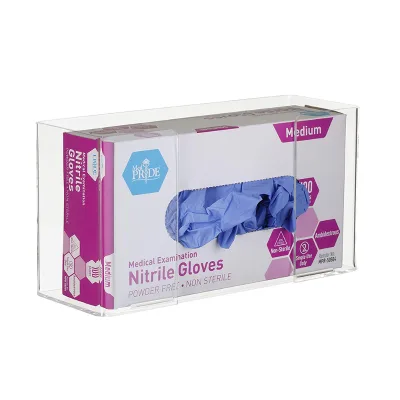
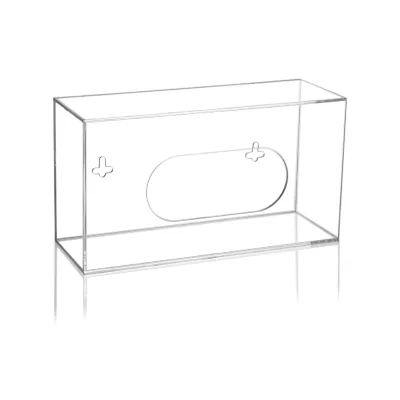
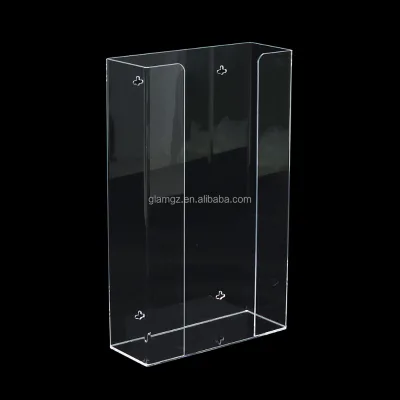
Shandong Blue Sail Health Technology Co., Ltd
- Verified by SGS
- Combined
- China Shandong
- Lead time30 days
- Avg. response≤ 7h
Main productsNitrile Gloves Vinyl Gloves Poly Gloves
Main marketsSouth America,Southeast Asia/ Mideast,Domestic,Europe,North America


High-Quality Disposable Vinyl Gloves - Good Touch, Various Sizes Available
$7.80 - $11.00
MOQ: 100 Boxes


Smooth Multi-Color Vinyl Gloves Disposable Vinyl Gloves for All Kinds of Purpose.
$7.80 - $11.00
MOQ: 100 Boxes
- Trading Company
- Taiwan, China
- Lead time45 days
- Avg. response≤ 3h
Main productsSOAP DISPENSER,PAPER TOWEL DISPENSER,TISSUE PAPER DISPENSER,JUMBO ROLL DISPENSER,STAINLESS STEEL PAPER TOWEL DISPENSER
Main marketsSouthern Europe(20.00%), Oceania(12.00%), Western Europe(12.00%), North America(10.00%), Mid East(10.00%), South America(10.00%), Eastern Europe(8.00%), Domestic Market(5.00%), Northern Europe(5.00%), Southeast Asia(5.00%), Africa(2.00%), South Asia(1.00%)

DONG GUAN YUEKUN ZHICHUANG TECHNOLOGY CO., LTD.
- Verified by SGS
- Combined
- China Guangdong
- Lead time15 days
- Avg. response≤ 7h
Main productsAutoamtic / Manual Soap Dispenser, Aerosol Dispenser, Fan Air Freshener Dispenser, Paper Dispenser, Aroma Diffuser
Main marketsSouth America,Africa,Southeast Asia/ Mideast,East Asia(Japan/ South Korea),Domestic,Europe,Australia,North America


Touchless/Automatic Hand Sanitizer Dispenser/Liquid Soap Dispenser Gel/Liquid/Foam/Spary Pump Nozzle
$0.40 - $0.55
MOQ: 1000 Pieces
Dailymag Magnetic Technology (ningbo) Limited
- Verified by SGS Group
- Trading Company
- Lead time15 days
- Avg. response≤ 14h
Main productsMagnetic Tools; Neodymium Magnets; Magnetic Assembles, Linear Actuator, Sharps Container
Main marketsNorth America(38%), Western Europe(24%), Mid East(8%)
Arrival Technology (Xiamen) Co., Ltd.
- Verified by SGS
- Combined
- China Fujian
- Lead time45 days
- Avg. response≤ 4h
Main marketsSouth America,Southeast Asia/ Mideast,East Asia(Japan/ South Korea),Domestic,Europe,Australia,North America


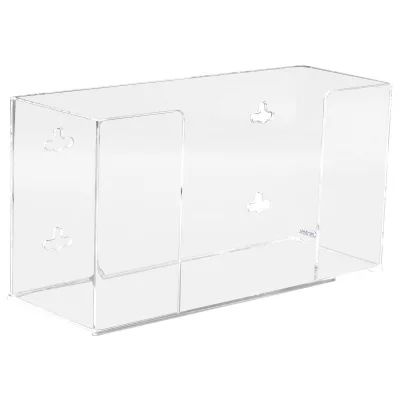
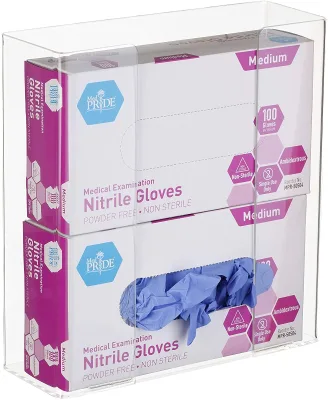
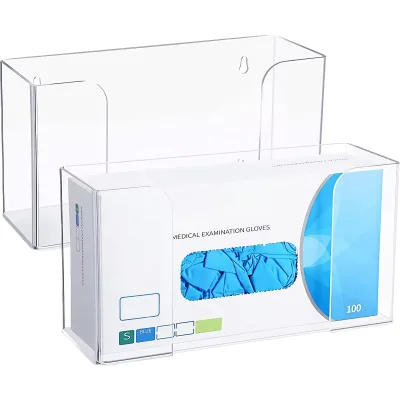
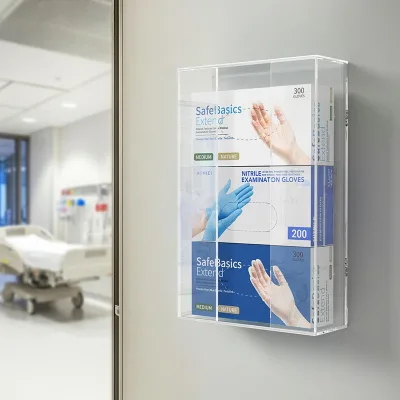
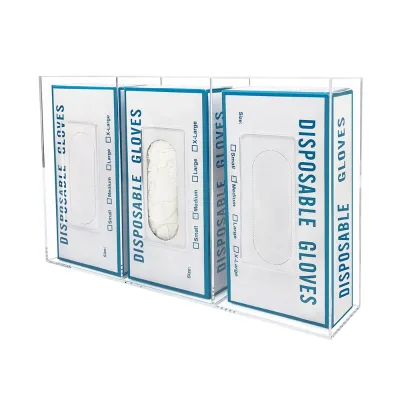
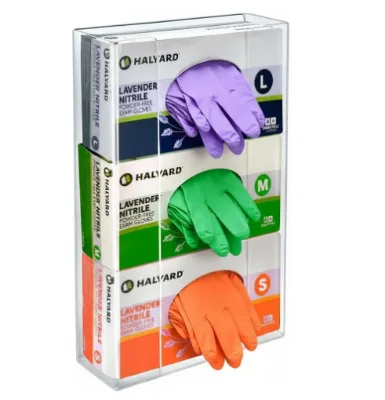
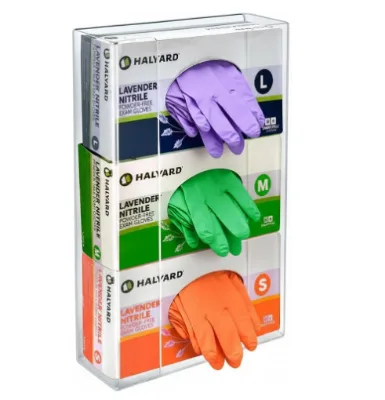
Transparent Acrylic Wall Mount Medical Gloves Dispenser Holder Rack Disposable Gloves Dispenser
$8.28 - $9.80
MOQ: 100 Pieces

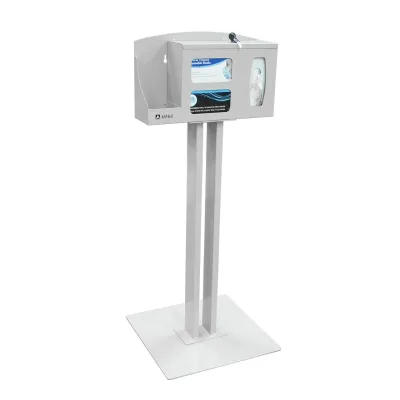
Free Standing Metal Multifunctional Medical Gloves Dispenser Holder Stand Rack
$36.36 - $39.39
MOQ: 100 Pieces
Shenzhen Yuda Crafts Co., Ltd.
- Manufacturer, Trading Company
- Lead time旺季: "1 - 300":31,"> 300":"To be negotiated", 淡季: "1 - 300":31,"> 300":"To be negotiated"
- Avg. response≤ 8h
Main productsMahjong Tiles, Mahjong Rack With Pusher, Mahjong Shuffler Card, Pop Protector, Acrylic Display Rack
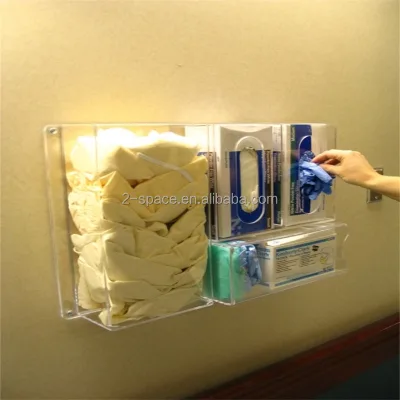
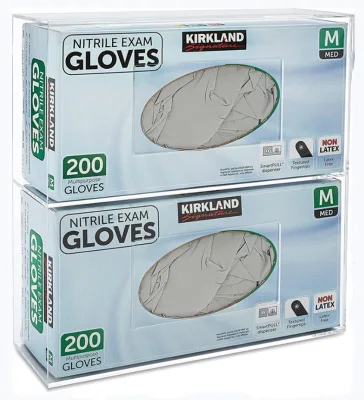
clear Acrylic Wall Mounted Gown Glove Mask Dispenser Glove Box Dispenser
$8.91 - $9.74
MOQ: 300 pieces
$3.99 - $6.04
MOQ: 100 Minimum
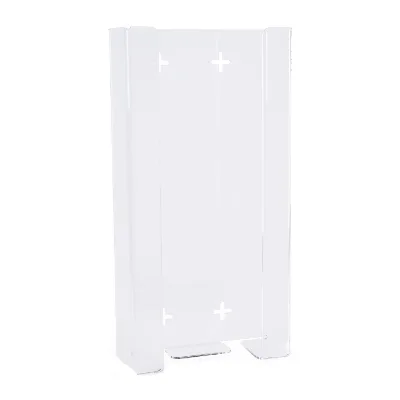
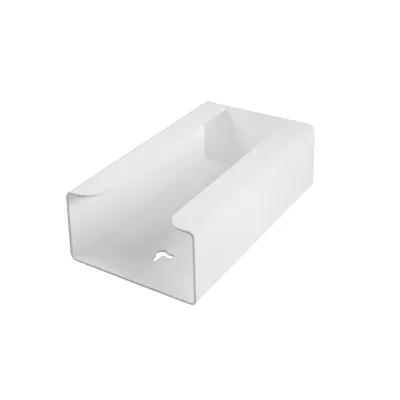
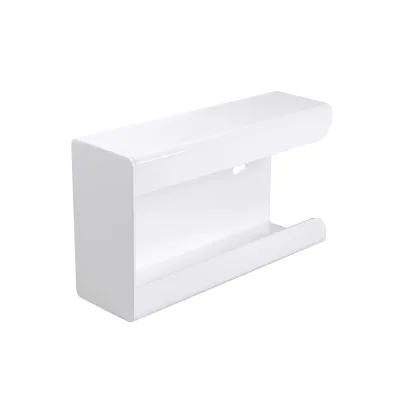
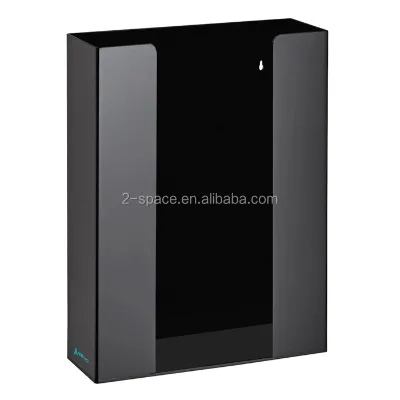
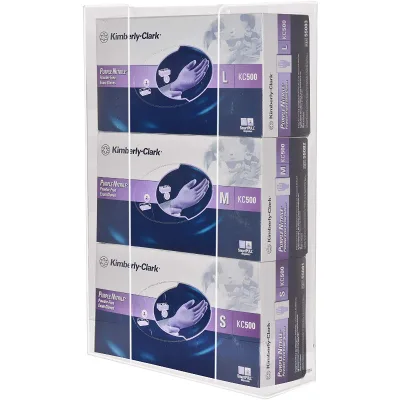
Custom Lucite Side Loading Lab Glove Dispenser Wall Mount Single Pocket Acrylic Medical Glove Box
$2.98 - $3.97
MOQ: 100 pieces
Shenzhen Yingyi Best Gifts Co., Ltd.
- Manufacturer/Factory
- China Guangdong
- Lead time15 days
- Avg. response≤ 11h
Main productsAcrylic Display, Acrylic Bird Feeder, Acrylic Photo Frames, Pokemon Acrylic Case, Acrylic Box, Acrylic Shelf, Acrylic Pet Products, Acrylic Dispenser, Acrylic Shoe Box, Acrylic Display Stand
Main marketsEastern Europe,Mid East,North America,Southeast Asia,Eastern Asia,Oceania,Western Europe,Africa


Custom Size Clear Acrylic Wall Mounted Disposable Mask and Glove Dispenser Box Holder with Lid
$2.00 - $9.00
MOQ: 100 Pieces
Jinhua Weihai Plexiglass Product Co., Ltd.
- Verified by SGS Group
- Manufacturer, Trading Company
- Lead time15 days
- Avg. response≤ 3h
Main productsAcrylic Displays, Acrylic Furniture, Acrylic tray, Photo Frames, Acrylic keychain
Fujian Arrival Plastics Co., Ltd.
- Manufacturer, Trading Company
- fujian, China
- Lead time20 days
- Avg. response≤ 3h
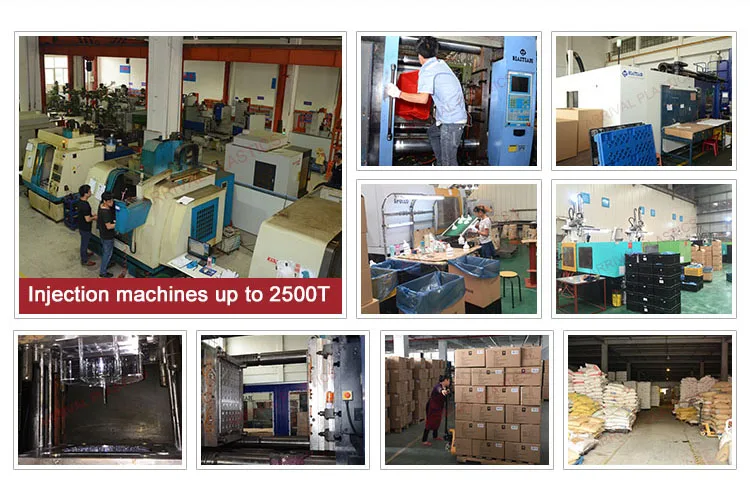
Main productsAcrylic Display, Acrylic Box, Plastic Injection Parts , Acrylic Stand, Acrylic Organizer
Main marketsNorth America(70.00%), Western Europe(8.00%), Southern Europe(7.00%), South America(6.00%), Oceania(2.00%), Eastern Asia(2.00%), Eastern Europe(2.00%), Central America(1.00%), Mid East(1.00%), Southeast Asia(1.00%)

- Trading Company,Manufacturer/Factory
- China Fujian
- Lead time23 days
- Avg. response≤ 2h
Main productsPlastic Pallet, Plastic Step Stool, Safrty Tag, Stencil, Magnet Hook, Hard Hat Rack, Shelving Bracket, Glove Dispenser, Barrier Tape, Acrylic
Main marketsSouth America,North America,Oceania


Custom Glove Clip Retainers for 15g Gloves to Meet Customer Requirements
$0.61 - $0.68
MOQ: 2000 Pieces
Jiangmen Jiechu (hardware) Fittings Co., Ltd.
- Manufacturer, Trading Company
- Guangdong, China
- Lead time30 days
- Avg. response≤ 9h
Main productssheet metal fabrication,metal tube processing,laser cutting,welding,CNC machining
Main marketsEastern Asia(30.00%), Northern Europe(20.00%), Western Europe(20.00%), Southern Europe(20.00%), Eastern Europe(10.00%)

Shenzhen Hongda Rong Technology Co., Ltd.
- Manufacturer, Trading Company
- Guangdong, China
- Lead time20 days
- Avg. response≤ 3h
Main productsAcrylic display case,acrylic display,acrylic rack,acrylic case,acrylic showcase
Main marketsSoutheast Asia(30.00%), Northern Europe(30.00%), North America(20.00%), Eastern Asia(20.00%)
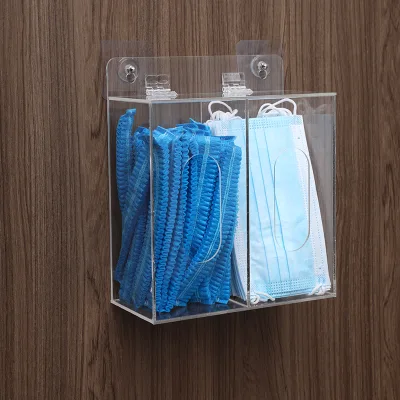
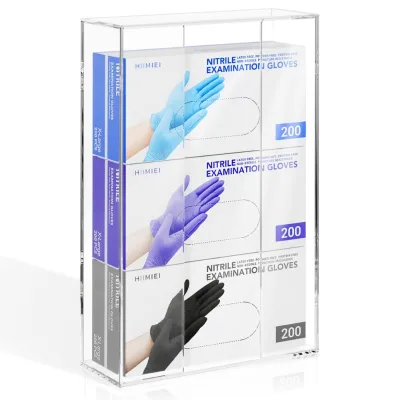
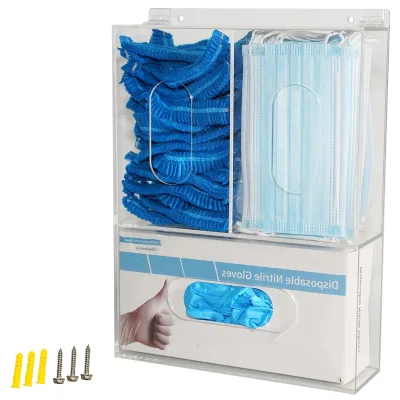
Acrylic Dispenser Box Glove Storage Organizer for Disposable Gloves Face Masks Hats
$5.50 - $6.90
MOQ: 100
Dongguan Hengfeng Plastic Products Co., Ltd.
- Verified by SGS Group
- Manufacturer, Trading Company
- Lead time30 days
- Avg. response≤ 1h
Main productsAcrylic Display Case, Acrylic Display Rack, Acrylic Display Box, Acrylic Decorative, Acrylic Protective Products
Main marketsNorth America(60%), Western Europe(15%), Eastern Europe(5%)
Shenzhen Xianfenglong Industrial Co.,Ltd
- Manufacturer, Trading Company
- Guangdong, China
- Lead time10 days
- Avg. response≤ 4h
Main productsAcrylic Display Stands,Acrylic Photo Frame,Acrylic Award&paperweight,Acrylic Box,Acrylic shop fixtures
Main marketsDomestic Market(41.00%), North America(28.60%), Western Europe(20.00%), Oceania(4.30%), Mid East(4.30%), Southeast Asia(0.90%), Northern Europe(0.90%)
Ningbo Paiaopai Display Co., Ltd
- Verified by TUVRHEINLAND
- Combined
- China Zhejiang
- Lead time30 days
- Avg. response≤ 3h
Main productsMakeup Cosmetic Display Organizer Beauty, Jewelry Display Stand for Necklace Breclet Tray, Counter Display for Retial Store Sunglass, Buffet Display for Cake Dessert Party Stand, Funko Pop Acrylic Box Pokemon Etb Booster Pack, Acrylic Sign Label Price Tag Display Holder Fram, Juice Wine Display Racking Shelf Showcase, Acrylic Floor Display Pop up Display Side Table, House Decoration Display Stand Desktop Vase, Store Display Rack Supermarket Metal Acrylic PVC
Main marketsDomestic,North America






Comprehensive Sourcing Guide
Adjustable Magnetic Gloves Dispenser Supplier Concentration and Factory Types
Suppliers listing adjustable magnetic gloves dispensers on B2B platforms cluster heavily in southern China, and the search results here confirm Guangdong as a documented origin for this product family. The category itself sits at the intersection of two manufacturing traditions: metal fabrication shops that produce stamped and wire-formed racks, and home storage organizations specialists whose main product lines already include storage racks, display stands, kitchen accessories, hardware accessories, and metal stamping parts. When a supplier's main products span these categories, it usually signals in-house bending, welding, powder coating, and magnet-attachment capability rather than outsourced assembly.
Factory types in this category split into manufacturers, trading companies, and hybrid firms that declare both roles on their profile. Hybrids are common in Guangdong and can be useful when you want one contact point across several related products, but you should confirm which operations happen in-house. The magnetic dispenser line itself appears alongside sibling listings such as magnetic tool box holders, glove tissue dispensers, and multi-slot wall-mounted wire dispensers, which tells you the tooling is reusable across SKUs. To identify clusters when no location is displayed, read the place-of-origin field on individual product listings rather than company registration data, check whether several competing sellers cite the same city, and ask each candidate which processes they subcontract. A supplier who admits to outsourcing coating or stamping is not disqualified; a supplier who cannot answer the question is.
How to Verify Adjustable Magnetic Gloves Dispenser Suppliers
Verification starts with matching the company type to your order profile. If a profile lists manufacturer and trading company roles simultaneously, ask directly which parts of an Adjustable Magnetic Gloves Dispenser they produce themselves. For this product the critical in-house capabilities are sheet or wire forming, magnet sourcing and attachment, and surface finishing; a supplier who only assembles bought-in parts can still deliver, but their cost floor and quality control boundaries differ from a fabricator's. Cross-check the main products listed on the profile against the dispenser listings: suppliers whose catalog is dominated by storage racks, kitchen accessories, or hardware stamping parts are plausibly making metal dispensers, whereas a sudden one-product catalog deserves more scrutiny.
Next, verify the product listing details against the company claims. Documented attributes in this category include eco-friendly material declarations, metal construction, dimensional tolerances of better than ±1 mm on one listing and ±5 mm on another, and load ratings around 5 kg. These are supplier-stated values, not third-party test results, so request the underlying specifications in writing and ask whether any independent laboratory has tested the magnet pull force or coating adhesion. Confirm the place of origin on the listing matches the company location, since discrepancies suggest a repackager. Finally, test responsiveness before committing: documented response times in these results range from two hours to seven, and slow pre-sales replies usually worsen after deposit payment. Keep a written record of every specification the supplier confirms.
What to Compare Across Adjustable Magnetic Gloves Dispenser Suppliers
Build a comparison sheet across the attributes the profiles actually display, and leave blanks where data is missing rather than guessing. Useful dimensions here include company type, location, main products, response time, lead time, and the per-product MOQ and price band. The results show meaningful spreads you can use as benchmarks: response times of two hours versus seven, lead times of 20 days versus 45 days, and MOQs from 2 pieces on a magnetic glove box holder up to 500 pieces on wall-mounted dispensers, with one listing accepting single-piece orders. Quoted price bands also vary widely, from roughly USD 1.24–2.66 per unit on standard dispensers to USD 3.25–5.25 on magnetic holders, so normalize quotes to the same configuration before comparing.
Beyond headline numbers, compare structural details that affect landed cost and retail fit: number of tiers (single versus double), color options such as red, black, white, or customized, package dimensions and gross weight, and tolerance classes. Also compare service declarations—sample availability, OEM and ODM acceptance, one-stop solution offerings, and stated supply capacity figures such as thousands of pieces per day—while remembering that a missing attribute on one profile is information, not an error. Two suppliers with identical prices can differ sharply once you weigh the 20-day lead time against the 45-day one, or a 2-piece trial MOQ against a 500-piece commitment that locks your cash into untested inventory.
Common Adjustable Magnetic Gloves Dispenser Sourcing Risks
The most frequent risk in this category is specification drift between the listing and the shipped goods. Listings document tolerance claims as loose as ±5 mm and as tight as ±1 mm; if your dispenser boxes must slide in smoothly against a magnetic backplate, a tolerance swing can make the difference between a working product and returns. Magnet strength is a second drift point: a stated load capacity of 5 kg or less is a supplier claim, and weaker magnets, thinner steel backplates, or partial glue bonding will only surface after installation. Always define an incoming inspection test—pull force, weld integrity, coating thickness—before production, not after.
Commercial risks follow predictable patterns in this category. Low MOQs of 2 pieces invite trial orders, but some suppliers price small runs at a steep premium or quietly raise the MOQ at re-order once tooling is committed. A 45-day lead time combined with sea freight can consume most of a season, so a supplier who appears cheap on unit price may cost you the selling window. Trading companies that repackage another factory's goods create single-point-of-failure risk if the upstream factory is unwilling to deal with you directly. Watch also for ambiguous packing terms: documented options range from poly bags to color boxes to shrink packs, and customized retail packaging added late is a common source of delays. Mitigate by putting every agreed attribute, packing format, tolerance, and test into the purchase contract.
Adjustable Magnetic Gloves Dispenser Regional Sourcing and Logistics
The documented place of origin for these dispensers is Guangdong, China, and one listing further specifies Jiangmen, a city within the Guangdong manufacturing belt. Sourcing within a recognized cluster shortens the sub-supplier chain: magnet suppliers, steel wire stockists, powder coaters, and carton printers are typically within the same region, which compresses both quotation turnaround and engineering changes. If you are scouting beyond the listings on hand, identify clusters by triangulating the place-of-origin fields across many product listings for the same keyword, noting where competing sellers repeatedly cite the same province, then confirm by asking candidates for their factory address and nearest port.
Logistically, the category ships as small, dense cartons—documented single package sizes around 45×35×20 cm and 31×31×14 cm, with gross weights of roughly 2 to 2.5 kg per unit—making it well suited to consolidated sea freight or, for samples and small runs, air courier. Weight tolerance declarations matter for freight planning, since a per-unit variance compounds across a container. Plan around the documented lead times of 20 and 45 days by adding production buffer, booking freight, and destination clearance; the 45-day figure in particular leaves little slack if packaging artwork revisions occur mid-run. If you source from outside a known cluster, expect longer magnet and coating sub-supply legs and ask explicitly where each incoming material ships from. Always confirm Incoterms and who arranges export documentation before comparing final quotes.
Adjustable Magnetic Gloves Dispenser Commercial Terms and Order Planning
Structure your first order to exploit the low documented MOQs rather than fight them. With listings accepting 2-piece, single-piece, and 500-piece minimums across the category, a rational sequence is: buy samples from two or three candidates, run a small paid pilot on the lowest-MOQ supplier, then consolidate volume with the winner while keeping the runner-up warm. Expect unit prices to fall between the documented bands—roughly USD 1.24–2.66 for standard wall dispensers and USD 3.25–5.25 for magnetic holders—only if your volumes justify negotiation; quoting the same drawing to all candidates keeps the comparison honest.
On terms, insist on clarity where the profiles leave gaps. Establishment year and escrow eligibility are standard B2B profile attributes but were not displayed for every supplier here, so verify them on the platform profile and in conversation rather than assuming either. Agree payment structure against milestones—for example, a deposit before production and balance after pre-shipment inspection against your agreed tolerance, magnet pull force, and packing specifications. Use the stated supply capacity figures, such as thousands of pieces per day, only as sanity checks; ask how that capacity is shared with the supplier's other main products like racks and kitchen accessories. Lock re-order terms in writing, including the MOQ, price validity period, and lead time of 20 or 45 days as applicable, and schedule re-orders so the longer lead-time option never becomes your only fallback during peak season.
FAQs
What is a typical MOQ for adjustable magnetic gloves dispensers?
MOQs vary widely by supplier and product design, so confirm the figure before ordering. Some magnetic glove box holder listings show MOQs as low as 2 pieces, while wall-mounted metal glove dispensers commonly start around 500 pieces. Low MOQs usually apply to stock designs, whereas customized sizes, colors, or branding often require larger minimum quantities and longer production schedules.
How long does production usually take for magnetic glove dispensers?
Lead times in current supplier results range from about 20 days to 45 days, so plan your schedule around the longer end. Lead time depends on order quantity, customization level, and whether the item is in stock. Ask each supplier to confirm the production period for your exact specifications, and add extra time for shipping and customs clearance before your target delivery date.
What materials are adjustable magnetic gloves dispensers usually made from?
Listings in this category describe metal and steel construction, including metal wire designs with multiple slots for glove boxes. Metal offers the magnetic mounting strength needed on tool cabinets, garage walls, and shelves. When comparing suppliers, verify the material grade, surface finish, and whether coatings resist rust in humid environments like hospitals, kitchens, or labs before committing to a bulk order.
Can I order custom colors or branding on glove box holders?
Many suppliers on this page advertise OEM and ODM support, with some listings showing colors like red, black, and white plus customized options. Confirm customization scope early: logo printing, packaging, color matching, and dimensional changes may each affect MOQ and unit price. Request a sample with your branding applied so you can evaluate print quality and finish before mass production begins.
What is the price range for magnetic glove box dispensers?
Listed prices in these supplier results span roughly from about 1.24 dollars to 5.25 dollars per piece, depending on design, material, and order quantity. Simple wall-mounted wire dispensers sit at the lower end, while heavier magnetic steel holders cost more. Treat listed prices as starting points and request formal quotations based on your quantity, finish, and packaging requirements.
How quickly do suppliers in this category respond to inquiries?
Response times shown in current results range from about 2 hours to 7 hours, which is relatively fast for B2B sourcing. Still, response speed can vary by time zone and workload, so send a detailed inquiry covering quantity, customization, and delivery terms. Suppliers who reply quickly with complete answers are usually easier to work with throughout production and after-sales support.
Do suppliers offer samples before bulk orders of glove dispensers?
Yes, at least some listings in these results state that samples are available, which is standard practice in this category. Expect to pay a sample fee and shipping cost, though fees are sometimes credited against bulk orders. Before ordering samples, confirm whether the sample will be produced from existing stock or made to your custom specifications, since custom samples take longer to prepare.
Where are these glove dispenser suppliers mainly located?
The suppliers represented in these results are based in Guangdong, China, with some product listings showing a place of origin in Jiangmen. Guangdong is a major manufacturing hub for metal storage and home organization products, which supports competitive pricing and varied designs. Confirm the exact factory address and shipping port with each supplier, since location affects freight cost and transit time.