Oil Paint Brush Suppliers and Manufacturers in China
Compare 20 verified Oil Paint Brush suppliers from Jiangsu and Zhejiang with response times, lead times, and certifications. Review product specs like bristle material and MOQ before contacting factories for samples; review the available evidence before requesting comparable quotations from suitable candidates.
Updated
Suppliers List

JIANG SU XIN KAI GROUP CO., LTD.
- Verified by BV
- Trading Company
- China Jiangsu
- Lead time15 days
- Avg. response≤ 4h
Main productsPaint Brush, Paint Roller, Paint Tools, Hardware
Main marketsAfrica

- Manufacturer, Trading Company
- Zhejiang, China
- Lead time30 days
- Avg. response≤ 2h
Main productsPaint Roller,Paint Brush,Plastering Trowel,Putty Knife,Work Gloves
Main marketsSouth America(50.00%), North America(22.00%), Mid East(20.00%), Africa(4.00%), Domestic Market(2.00%), South Asia(2.00%)

Zhenjiang Jinxing Brush Products Co., Ltd.
- Manufacturer
- China Jiangsu
- Lead time0 days
- Avg. response≤ 11h
Main productsPaint Brush, Bristle, Monofilament, Radiator Brush, Flat Brush, Round Brush, Block Brush
Anhui Haosimai Technology Co., Ltd.
- Verified by Intertek
- Manufacturer, Trading Company
- Lead time7 days
- Avg. response≤ 2h
Main productsCar cleaning brushes, Household cleaning brushes, Solar photovoltaic brushes, Paint brushes
Main marketsDomestic Market(75%), North America(15%), Western Europe(10%)
Dongguan Tianyi Stationery Co., Ltd.
- Verified by TüVRheinland
- Manufacturer, Trading Company
- Lead time10 days
- Avg. response≤ 3h
Main productsAcrylic Marker, Chalk Marker, Fabric Marker, Paint Marker, Heat Erasable Marker
Main marketsNorth America(15%), South America(15%), Domestic Market(15%)
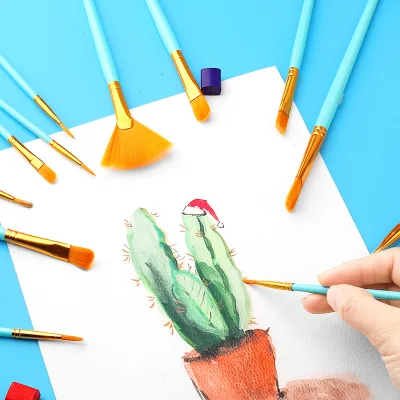
10 Pcs Artist Painting Brushes Oil Watercolor Paintbrush Set Different Size Paintbrush
$0.34 - $0.3595
MOQ: 2 sets
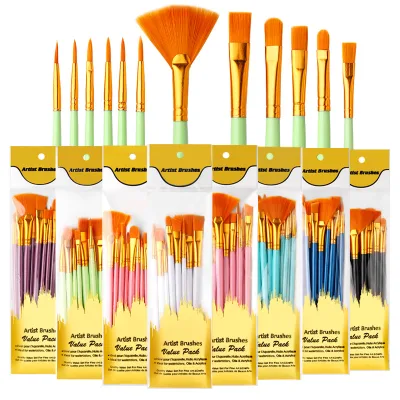
, Nylon Paint Brushes for Acrylic, Basics Paint Brush Set,Oil, Watercolor, 10 Brush Sizes
$0.34 - $0.3595
MOQ: 2 sets

Jiangxi Orange Trading Co., Ltd.
- Trading Company
- Jiangxi Province, China
- Lead time15 days
- Avg. response≤ 1h
Main productsNail Art Brush,Makeup Brush,Paint Artist Brush
Main marketsNorth America(35.00%), South America(20.00%), Western Europe(13.00%), Central America(10.00%), Northern Europe(5.00%), Africa(3.00%), South Asia(2.00%), Southern Europe(2.00%), Oceania(2.00%), Southeast Asia(2.00%), Eastern Europe(2.00%), Eastern Asia(2.00%), Mid East(2.00%)
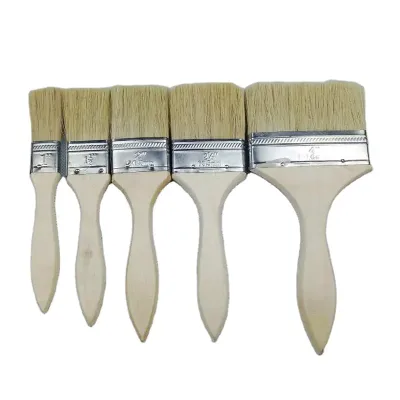
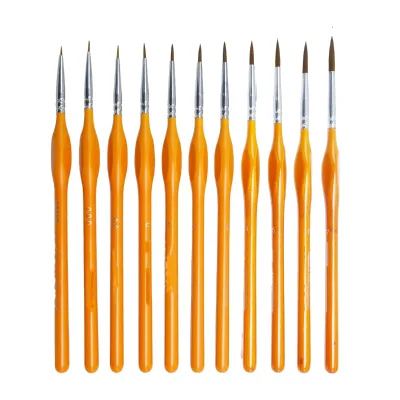
Paint Brush High Quality Paint Brushes Wood OEM Nylon Brush Paint Tools
$0.3206 - $0.4644
MOQ: 300 Minimum
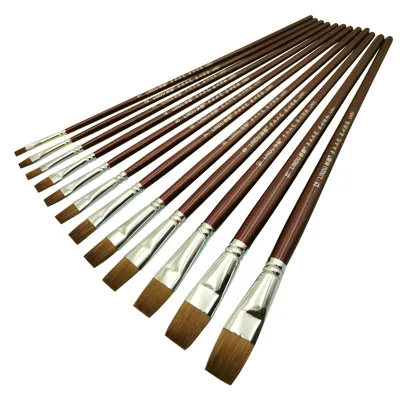
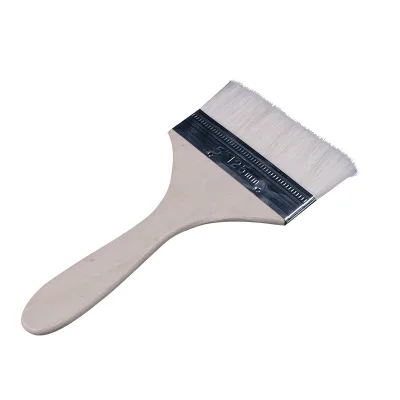
$0.2067 - $0.8239
MOQ: 500 Minimum
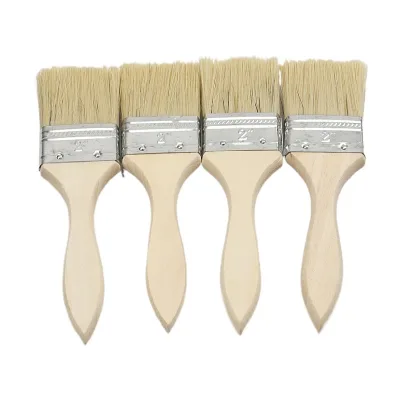
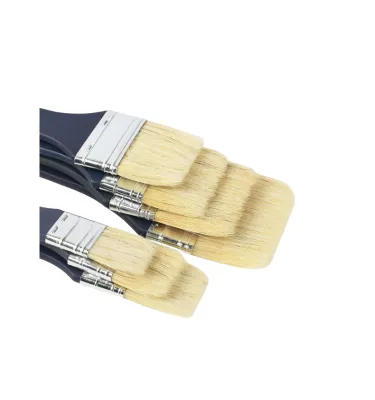
Nanchang Kaiwei Stationery Co., Ltd.
- Manufacturer, Trading Company
- Jiangxi, China
- Lead time0 days
- Avg. response≤ 13h
Main productsPainting Brush, Color Palette, Color Mixing Knife, Clay Tools
Main marketsDomestic Market(50.00%), North America(30.00%), Southeast Asia(20.00%)
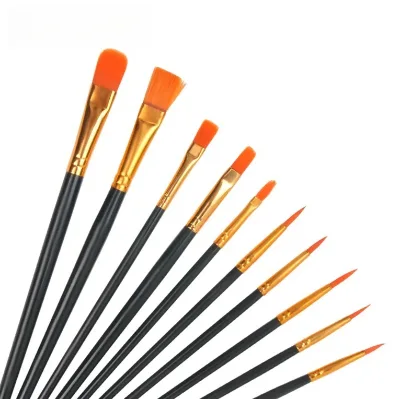
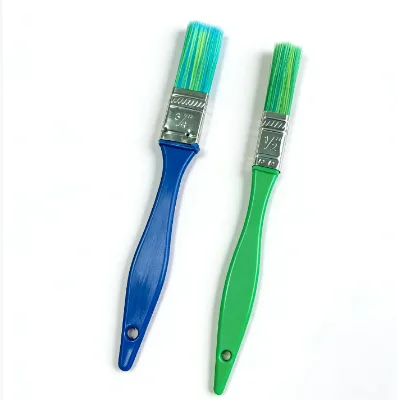
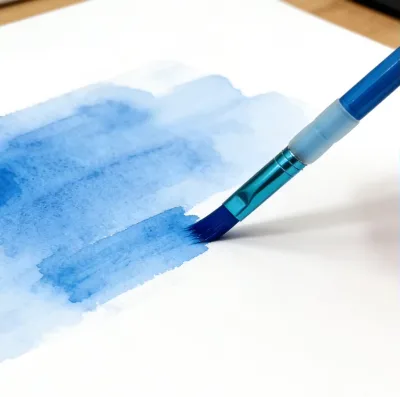
10 Nylon Brushes, Oil Paint Brushes with Wooden Handles
$1.0561 - $1.471
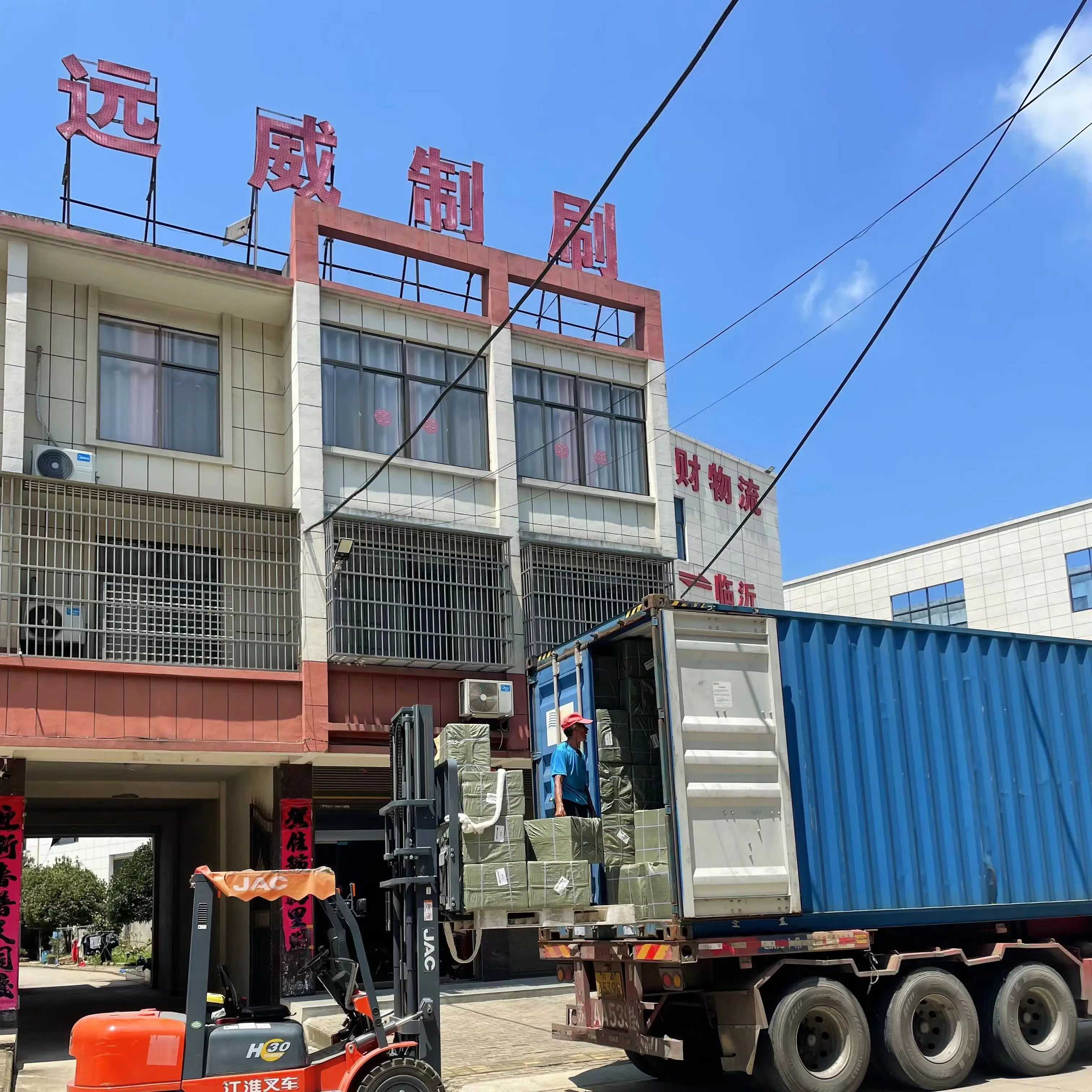
Tongcheng Yuanwei Brush Making Co., Ltd.
- Manufacturer, Trading Company
- Anhui, China
- Lead time30 days
- Avg. response≤ 5h
Main productsPaint Brush/Paint Roller/Wire Brush
Main marketsSoutheast Asia(50.00%), Africa(30.00%), Eastern Europe(20.00%)
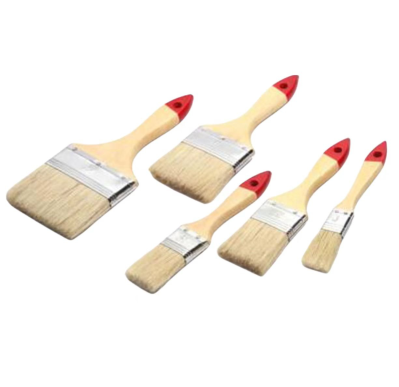
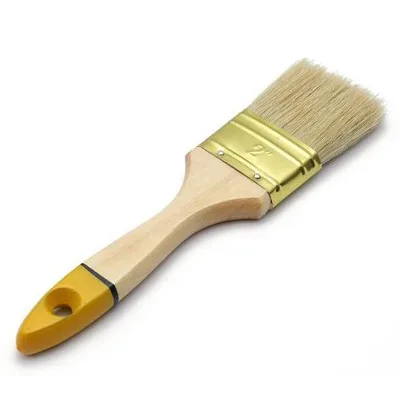
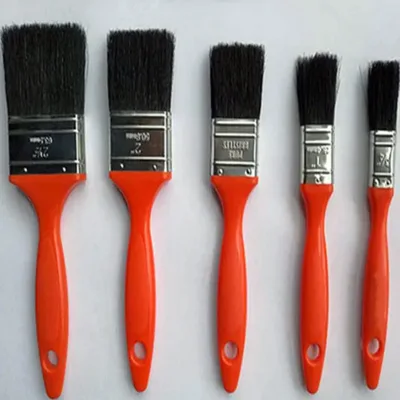
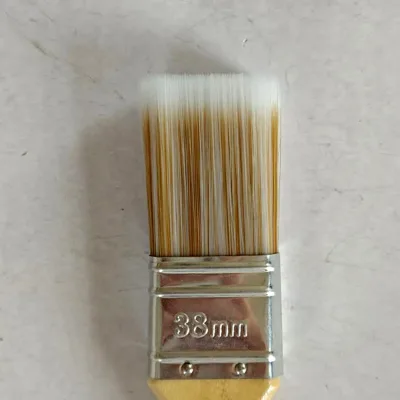
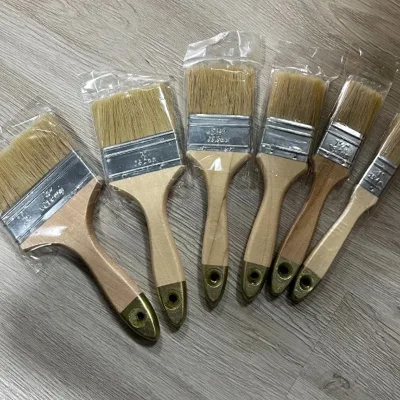
Chinese Manufacturer Supply Natural Painting Tools Flat Paint Brushes Angle Paint Brush
$0.0414 - $0.0724
MOQ: 500 inches
Tongcheng City Dafuhao Brush Making Co., Ltd.
- Manufacturer, Trading Company
- Anhui, China
- Lead time20 days
- Avg. response≤ 4h
Main productsDrill Brush,Cleaning Brush,Car Cleaning Products,Hand Tools,Electric Spin Scrubber
Main marketsNorth America(50.00%), Eastern Europe(10.00%), South America(10.00%), Domestic Market(5.00%), South Asia(5.00%), Southern Europe(5.00%), Northern Europe(5.00%), Eastern Asia(5.00%), Mid East(5.00%)
Danyang Yashi Import And Export Co., Ltd.
- Verified by TüVRheinland
- Manufacturer, Trading Company
- Lead time35 days
- Avg. response≤ 9h
Main productsPaint Brush, Paint Roller, Paint Set, Paint Tray, Hand Tools
Main marketsSouth America(30%), Domestic Market(18%), North America(10%)
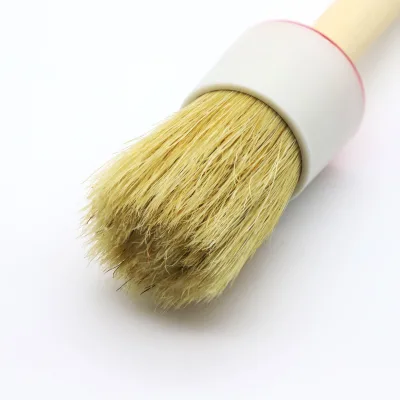
$0.2187 - $0.2607
MOQ: 3600 pieces
JIANGSU ZHIWEI ELECTROMECHANICAL CO., LTD.
- Verified by TüVRheinland
- Manufacturer, Trading Company
- Lead time45 days
- Avg. response≤ 11h
Main productsPaint Brush, Paint Roller, Extension Pole, Paint Tray, Paint Tools
Main marketsDomestic Market(45%), North America(30%), Southeast Asia(5%)

Zhenjiang Brush Factory Co., Ltd.
- Manufacturer, Trading Company
- Jiangsu, China
- Lead time45 days
- Avg. response≤ 9h
Main productspaint brush,paint roller,artist brush,bristle paint brush,wire brush
Main marketsNorth America(60.00%), Western Europe(20.00%), Northern Europe(5.00%), Eastern Europe(5.00%), Mid East(3.00%), South America(3.00%), Southeast Asia(2.00%), Africa(1.00%), Central America(1.00%)
- Trading Company
- Hunan, China
- Lead time30 days
- Avg. response≤ 6h
Main productsTrowel, Paint Brush, Paint Roller, Foam Trowel, All Kinds of Hand Tools
Main marketsEastern Europe(50.00%), Southeast Asia(10.00%), Western Europe(7.00%), Oceania(5.00%), Africa(5.00%), Domestic Market(5.00%), Mid East(5.00%), Eastern Asia(3.00%), North America(3.00%), South America(3.00%), South Asia(1.00%), Southern Europe(1.00%), Central America(1.00%), Northern Europe(1.00%)

Hipex Industrial Products Co., Ltd. Hunan
- Trading Company
- China Hunan
- Lead time23 days
- Avg. response≤ 25h
Main productsTools, Hand Tools, Architectural Hardware & Tools, Hardware & Tools, Decorating Tools
Main marketsSouth America,Others(foreignTradeCapacity.exportBusinessCapacityMarketOther),Europe
NANJING C.PATRICK TRADING CO., LTD
- Trading Company
- Jiangsu, China
- Lead time30 days
- Avg. response≤ 8h
Main productsStretched canvas,wooden easel,Artist painting set,painting brush,piant color
Main marketsWestern Europe(30.00%), Domestic Market(10.00%), Southern Europe(10.00%), North America(10.00%), South America(10.00%), Southeast Asia(5.00%), Central America(5.00%), Eastern Europe(5.00%), South Asia(5.00%), Mid East(5.00%), Eastern Asia(3.00%), Oceania(2.00%)
Jiangxi Luoya Industrial Trade Co., Ltd.
- Trading Company
- Jiangxi, China
- Lead time0 days
- Avg. response≤ 7h
Main productsDifferent Brushes,Artist paint brush set,Nail brushes,Makeup brushes,Chalk brushes
Main marketsNorth America(40.00%), Northern Europe(20.00%), Domestic Market(10.00%), Eastern Europe(10.00%), Western Europe(7.00%), Oceania(5.00%), Southeast Asia(1.00%), South Asia(1.00%), Southern Europe(1.00%), South America(1.00%), Central America(1.00%), Africa(1.00%), Eastern Asia(1.00%), Mid East(1.00%)
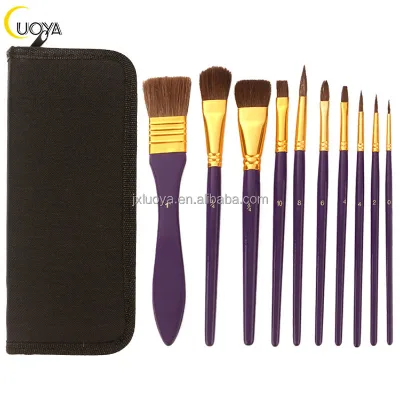
$3.19 - $4.59
MOQ: 50 Minimum
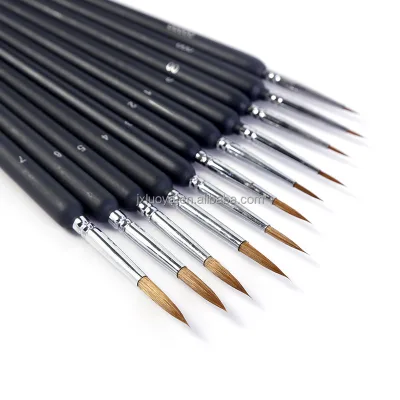
$1.9324 - $2.647
MOQ: 50 Minimum
- Trading Company
- Jiangsu, China
- Lead time30 days
- Avg. response≤ 3h
Main productsPaint Brush,Paint Roller,Paint Tray,Extension Pole
Main marketsWestern Europe(11.11%), Eastern Asia(11.11%), Mid East(11.11%), Oceania(11.11%), Africa(11.11%), Southeast Asia(11.11%), Eastern Europe(11.11%), South America(11.11%), North America(11.11%)
Anhui Shenzhou Brush Industry Co., Ltd.
- Manufacturer, Trading Company
- Anhui, China
- Lead time0 days
- Avg. response≤ 2h
Main productsBrush roller,Disk polishing brush,Seal brush strip,Environmental hygiene brush,Daily cleaning brush
Main marketsSouth Asia(15.00%), Eastern Europe(15.00%), South America(10.00%), Southern Europe(10.00%), Northern Europe(10.00%), Central America(10.00%), Western Europe(10.00%), Southeast Asia(10.00%), North America(10.00%)

ANHUI WINLAS IMPORT AND EXPORT CO., LTD.
- Verified by SGS
- Trading Company,Manufacturer/Factory
- China Anhui
- Lead time30 days
- Avg. response≤ 8h
Main productsPaint Brush, Paint Roller, Abrasive Paper
Main marketsSouth America,Eastern Europe,Mid East,North America,Southeast Asia,Eastern Asia,Oceania,Western Europe,Africa

- Verified by BV
- Trading Company
- China Jiangsu
- Lead time30 days
- Avg. response≤ 19h
Main productsPaint Brush, Paint Roller, Roller Brush, Paint Set, Brush, Roller, Scraper, Artist Brush, Extension Pole, Paint Tools
Main marketsSouth America,Africa,Others(foreignTradeCapacity.exportBusinessCapacityMarketOther),Southeast Asia/ Mideast,Europe,North America




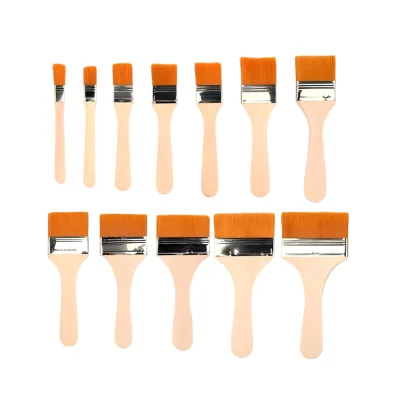
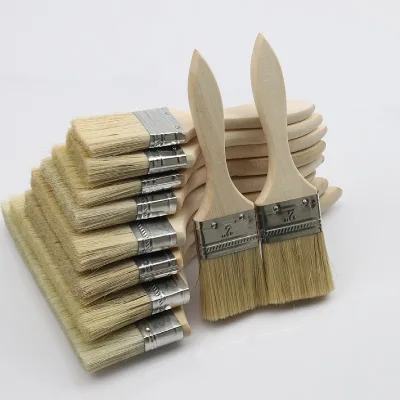
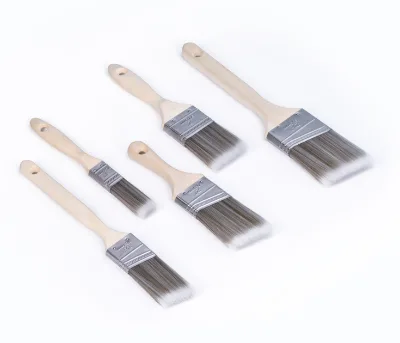
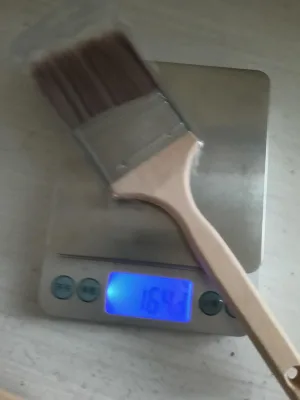




Comprehensive Sourcing Guide
Oil Paint Brush Supplier Concentration and Factory Types
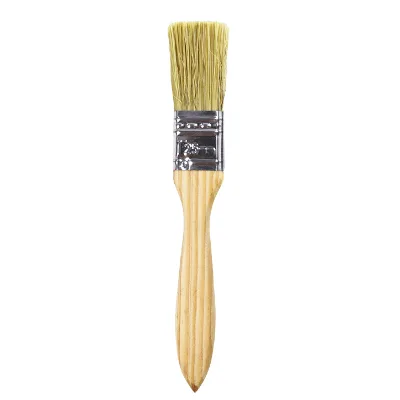
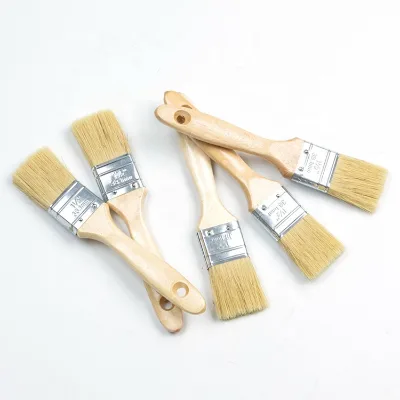
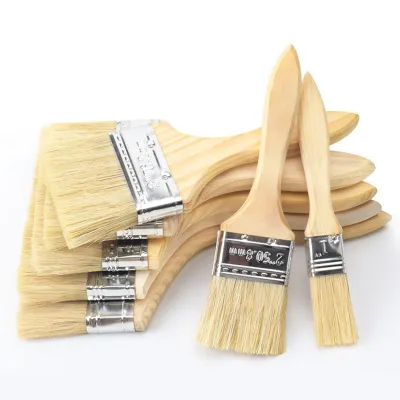
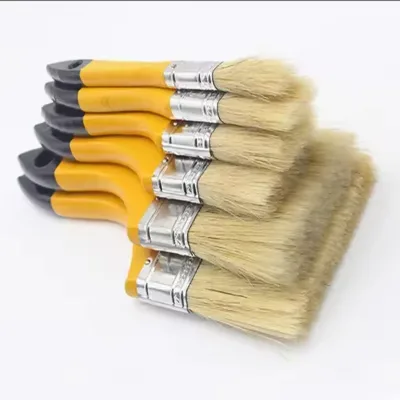
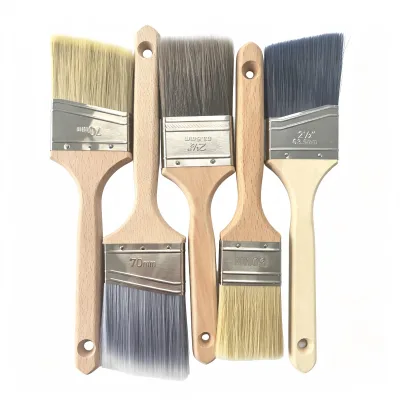
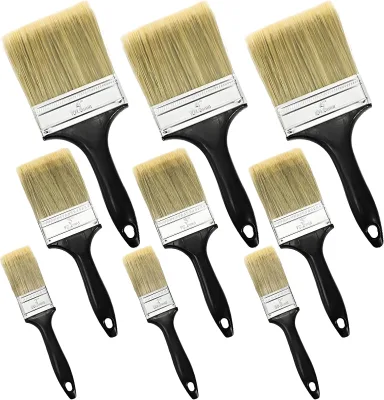
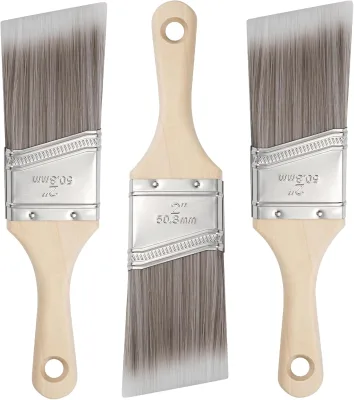
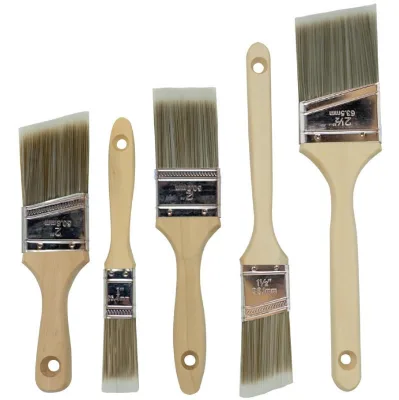
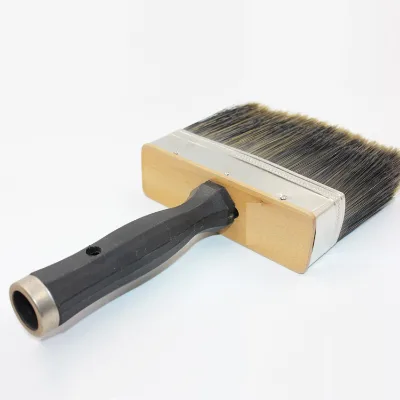
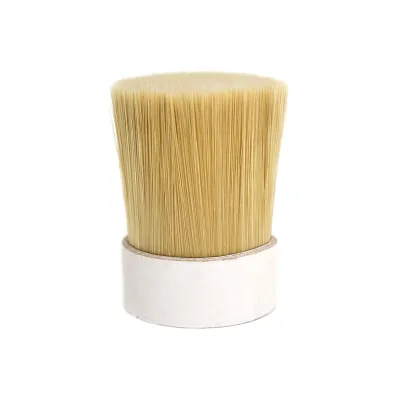
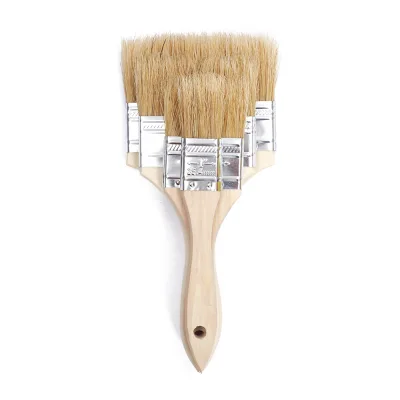
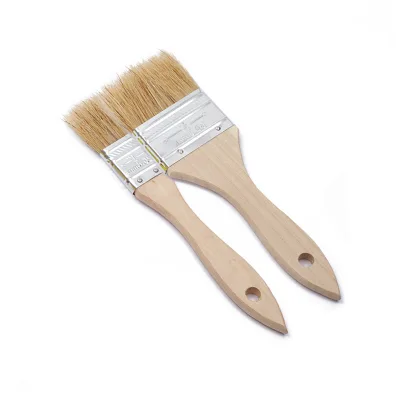
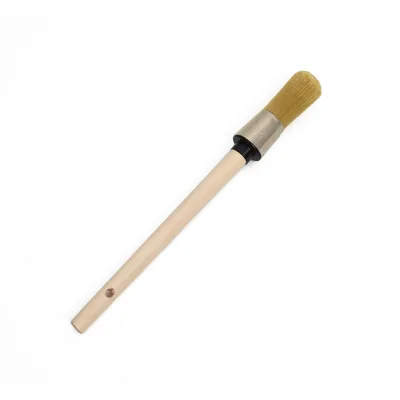
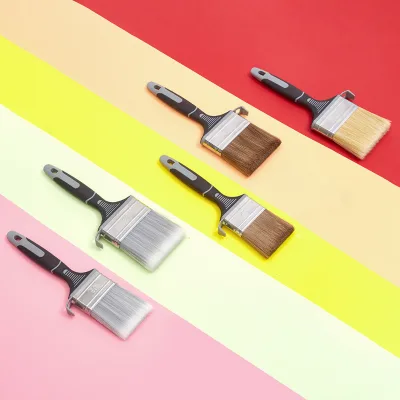
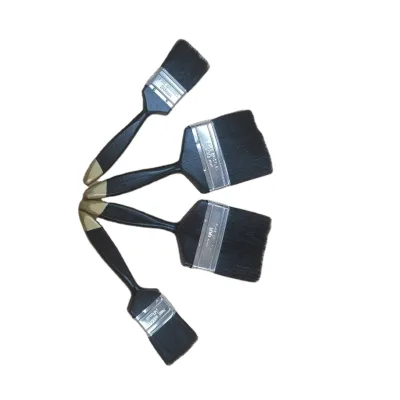
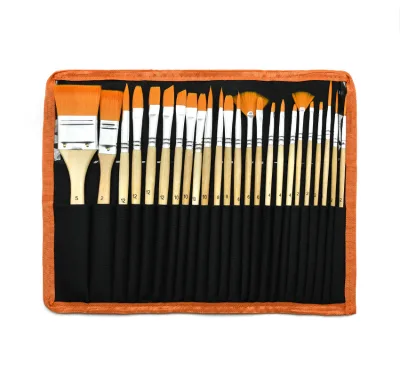
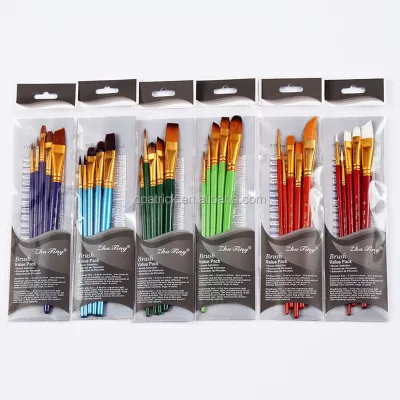
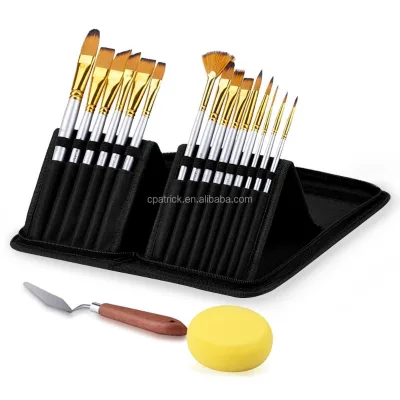
The current supplier landscape for oil paint brushes reveals a distinct geographic concentration in China, with specific manufacturing hubs identified in Jiangsu and Zhejiang provinces. Suppliers located in Jiangsu, such as those originating from Yangzhou, often operate as trading companies that aggregate products from local factories, offering a streamlined interface for international buyers. These entities typically list main products including paint brushes, rollers, and related hardware, indicating a specialized focus within the broader tools and hardware category. In contrast, suppliers based in Zhejiang frequently present themselves as a hybrid of manufacturers and trading companies, suggesting they may have direct control over production lines while also managing export logistics. This dual role can offer buyers greater flexibility in negotiating custom specifications, as the supplier is closer to the actual manufacturing process. Understanding this distinction is crucial for buyers who prioritize direct factory communication versus the convenience of a single-point trading partner. The presence of BV verification on some Jiangsu-based suppliers adds a layer of confidence regarding their business legitimacy, though it does not guarantee production quality. Buyers should carefully review the company type listed for each potential partner to determine if they are seeking a pure manufacturer or a trading intermediary. The concentration in these specific provinces suggests established supply chains for wooden handles, bristle materials, and plastic components, which are essential for producing high-density bristle oil paint brushes and rubber plastic handle variants. This regional clustering facilitates efficient sourcing of raw materials, potentially reducing lead times for standard items. However, buyers must verify if the listed location corresponds to the actual factory or merely a sales office, as this impacts the ability to conduct on-site audits. The diversity in company types across these regions allows for a wide range of service levels, from basic wholesale to full OEM/ODM support.
How to Verify Oil Paint Brush Suppliers
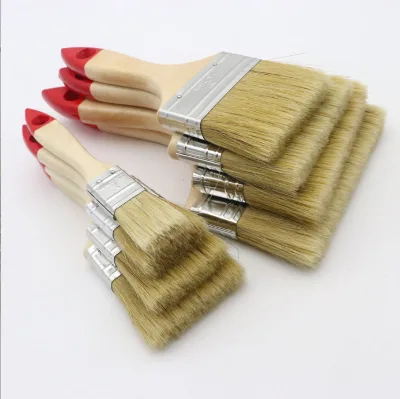
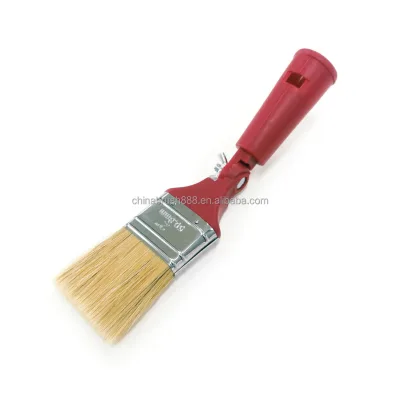
Verifying the credibility and capability of Oil Paint Brush suppliers requires a multi-layered approach that goes beyond simple profile reviews. Buyers should prioritize suppliers who display third-party verification badges, such as BV certification, which indicates that an independent agency has audited the company’s business operations. This verification is a strong initial signal of legitimacy but should be complemented by checking for specific product certifications like SGS or ISO, which are listed for certain models such as the XK-PB-017. These standards suggest that the supplier adheres to recognized quality management systems, which is critical for maintaining consistency in brush density and handle durability. Additionally, buyers must scrutinize the product attributes provided, such as the wire material being bristle or the condition being new, to ensure the specifications match the intended application, whether for textile printing, wooden furniture, or electrical electronics. It is also essential to confirm the customization capabilities, as many suppliers offer OEM, ODM, and OBM services, allowing for tailored logo placement and handle materials. Buyers should request samples to physically assess the bristle quality, such as nylon/polyester blends or pure bristle, and check for any defects in the ferrule attachment. Furthermore, verifying the response time, which can range from 2 to 3.88 hours, provides insight into the supplier’s operational efficiency and customer service readiness. A faster response time often correlates with better communication throughout the order fulfillment process. Buyers should also inquire about the sample policy, noting that some suppliers offer free samples while requiring the customer to pay for freight, which affects the initial cost of evaluation. Ensuring that the supplier’s main products align with the buyer’s needs, such as paint rollers or putty knives, can indicate a broader capability to handle mixed orders. This comprehensive verification process helps mitigate the risk of partnering with unreliable vendors and ensures that the final product meets the required quality standards.
What to Compare Across Oil Paint Brush Suppliers
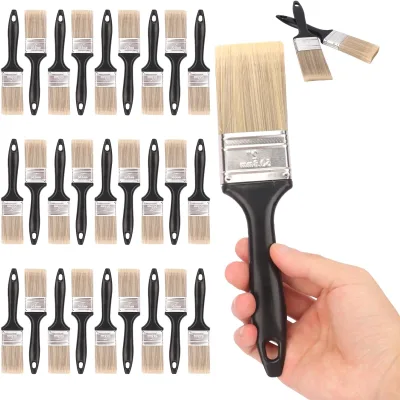
When evaluating multiple suppliers for oil paint brushes, buyers must systematically compare key operational metrics to identify the most suitable partner for their specific needs. One of the most critical factors is the minimum order quantity (MOQ), which varies significantly across different product lines. For instance, high-density bristle oil paint brushes may have an MOQ of 6000 units, while rubber plastic handle variants might require a lower MOQ of 5000 units. This variation allows buyers to tailor their initial orders based on inventory requirements and budget constraints. Another vital comparison point is the lead time, which can range from 15 to 30 days depending on the supplier’s location and production capacity. Suppliers in Jiangsu may offer shorter lead times for standard items, whereas those in Zhejiang might have longer production cycles due to higher demand or more complex customization options. Buyers should also compare the price ranges, which can span from $0.10 to $1.25 per unit, depending on the material quality, handle type, and bristle density. It is important to note that lower prices may correlate with synthetic filaments, while higher prices often reflect natural bristle or premium wooden handles. Response time is another differentiator, with some suppliers responding within 2 hours and others taking up to 3.88 hours, impacting the speed of negotiation and issue resolution. Additionally, buyers should assess the customization options available, such as the ability to customize the handle material, bristle length, and packaging. Suppliers that offer flexible packaging solutions, like PVC bags or custom branding, can add value to the buyer’s retail strategy. The application scope of the brushes, whether for civil, industrial, or specialized uses like textile printing, should also be compared to ensure the product fits the end-market. By meticulously comparing these dimensions, buyers can make informed decisions that balance cost, quality, and service efficiency.
Common Oil Paint Brush Sourcing Risks
Sourcing oil paint brushes from international suppliers involves several inherent risks that buyers must proactively manage to ensure a smooth procurement process. One significant risk is the discrepancy between the advertised product specifications and the actual delivered goods, particularly regarding bristle material and handle durability. Suppliers may list brushes as having pure bristle or nylon/polyester blends, but the actual quality can vary, leading to issues like shedding or poor paint retention. This risk is heightened when dealing with trading companies that may not have direct oversight of the manufacturing process. Another common risk is the inconsistency in lead times, which can delay project timelines and affect inventory management. Suppliers may quote a lead time of 15 days, but actual production could take longer due to raw material shortages or high order volumes. Buyers should also be cautious of hidden costs, such as freight charges for samples or customization fees that are not initially disclosed. Additionally, the risk of intellectual property infringement exists when working with suppliers that offer OEM services, as designs and logos may be shared with other clients. To mitigate these risks, buyers should conduct thorough due diligence, including requesting detailed product samples and verifying certifications. It is also advisable to establish clear communication channels and regular updates during the production process. Buyers should be aware that some suppliers may not have the capacity to handle large orders efficiently, leading to quality control issues. Furthermore, the risk of non-compliance with international standards, such as SGS or ISO, can result in product rejection in certain markets. By identifying these potential pitfalls early, buyers can implement stricter quality assurance measures and contractual safeguards to protect their interests.
Oil Paint Brush Regional Sourcing and Logistics
The geographic location of suppliers plays a pivotal role in determining logistics efficiency and overall sourcing costs for oil paint brushes. Suppliers based in Jiangsu, particularly those in Yangzhou, benefit from established industrial clusters that specialize in tools and hardware, facilitating easier access to raw materials like wood and bristles. This regional concentration can lead to more competitive pricing and faster production cycles for standard items. In contrast, suppliers in Zhejiang often leverage their proximity to major ports and logistics hubs, which can streamline export procedures and reduce shipping times. Buyers should consider the specific advantages of each region when selecting a supplier, as location impacts not only lead times but also the availability of specialized manufacturing capabilities. For instance, Jiangsu suppliers may excel in producing wooden handle brushes, while Zhejiang suppliers might offer more diverse options including rubber plastic handles and paint rollers. The logistics infrastructure in these regions is well-developed, allowing for efficient handling of bulk orders and customized packaging. Buyers should also factor in the potential for combined shipping if they are sourcing multiple product types, such as paint brushes and putty knives, from suppliers with diverse main products. Understanding the regional strengths helps buyers optimize their supply chain and reduce overall procurement costs. Additionally, buyers should be aware of any regional trade policies or tariffs that may affect the final landed cost of the products. By aligning their sourcing strategy with the specific capabilities of each region, buyers can enhance their operational efficiency and ensure timely delivery of goods.
Oil Paint Brush Commercial Terms and Order Planning
Effective order planning for oil paint brushes requires a thorough understanding of commercial terms and the ability to negotiate favorable conditions with suppliers. Buyers should pay close attention to the pricing structure, which can vary widely based on the product type and customization level. For example, high-density bristle brushes may have a price range of $0.20 to $1.25, while simpler chip brushes might cost between $0.10 and $0.13. It is essential to clarify whether the quoted price includes packaging, customization, or other services, as these can significantly impact the total cost. Buyers should also negotiate payment terms that align with their cash flow needs, such as partial upfront payments and balance upon shipment. Additionally, understanding the sample policy is crucial, as some suppliers offer free samples while requiring customers to cover freight costs. This can affect the initial investment in product evaluation. Buyers should also consider the warranty and return policies, ensuring that there are mechanisms in place to address quality issues or defects. Clear communication regarding the customization process, including logo placement and handle specifications, is vital to avoid misunderstandings. Buyers should also plan for potential fluctuations in raw material costs, which can affect pricing over time. By establishing robust commercial terms and maintaining open communication, buyers can mitigate risks and ensure a successful sourcing experience. This proactive approach helps in building long-term relationships with reliable suppliers and securing consistent quality for oil paint brushes.
FAQs
What is the price range for oil paint brushes?
Oil paint brushes are available within a broad price range, typically starting from $0.10 up to $1.25 per unit. The final cost depends on specific materials, handle types, and order volume. Buyers should request quotes for exact pricing based on their customization needs and quantity requirements.
What is the minimum order quantity for these brushes?
Minimum order quantities generally range from 5,000 to 6,000 pieces for standard oil paint brushes. Some suppliers may offer lower MOQs for specific models or customized orders. Buyers should verify the exact MOQ with the supplier before placing an order to ensure it meets their procurement targets.
How long does production take for these brushes?
Production lead times typically range from 15 to 30 days, depending on the supplier and order complexity. Manufacturers in Jiangsu and Zhejiang may have different schedules. Buyers should confirm the exact lead time with the supplier to plan their inventory and shipping logistics effectively.
Are custom logos and packaging available for these brushes?
Yes, customization is available for most oil paint brushes, including logos and packaging. Suppliers offer OEM, ODM, and OBM services to meet specific branding needs. Buyers can choose from various handle materials and bristle types to create a unique product that aligns with their brand identity.
What certifications do these paint brushes have?
Some oil paint brushes are certified with SGS and ISO standards, ensuring quality and safety. Buyers should verify specific certifications with the supplier, as not all products may carry these marks. Certifications are important for meeting regulatory requirements in different markets and ensuring product reliability.
Where are these paint brushes manufactured?
These paint brushes are primarily manufactured in China, specifically in the Jiangsu and Zhejiang provinces. These regions are known for their hardware and tool manufacturing capabilities. Buyers can expect a wide variety of options from suppliers located in these industrial hubs.