Orange Honey Calcite Crystal Spheres Suppliers and Manufacturers
Explore 23 verified suppliers offering Orange Honey Calcite Crystal Spheres with options for light customization and thermal transfer printing. Buyers can compare response times, lead times, and MOQs to source bulk natural healing stones from Jiangsu, China. Review product attributes and pricing to select the right vendor for your needs.
Suppliers List
Donghai County Yuelu Jewelry Co., Ltd.
- Verified by SGS Group
- Trading Company
- Lead time5 days
- Avg. response≤ 4h
Main productsCrystal Sphere/Crystal Tower/Crystal Carving/Crystal Crafts
Main marketsNorth America(35%), Eastern Europe(10%), Oceania(10%)
Donghai Shanhuiju Trading Co., Ltd.
- Verified by Intertek
- Manufacturer, Trading Company
- Lead time15 days
- Avg. response≤ 1h
Main productsCrystal Points, Crystal Hearts, Crystal Spheres, Crystal Skulls, Crystal Carving
Main marketsNorth America(70%), Oceania(10%), Southeast Asia(10%)
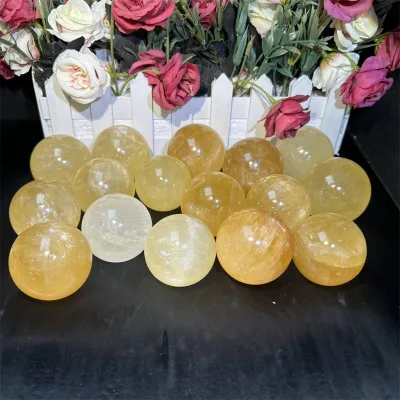
$12.40 - $14.00
MOQ: 1 kilograms
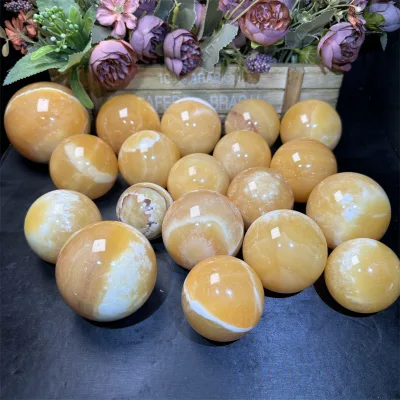
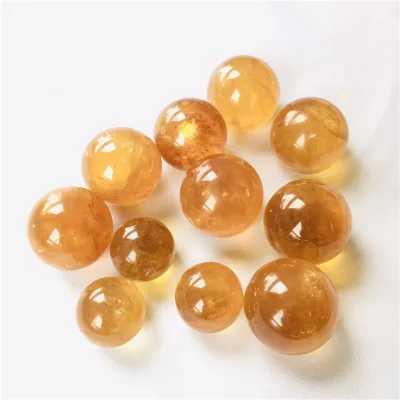
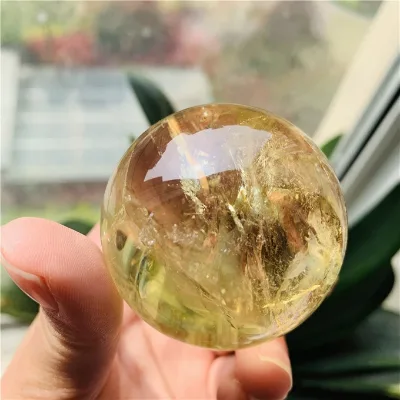
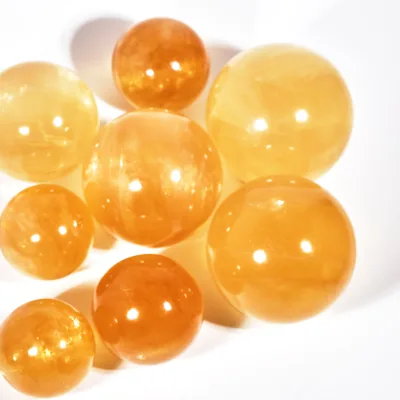
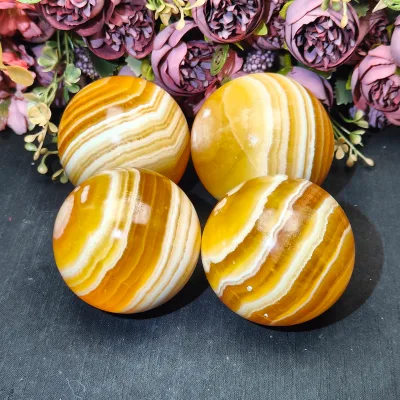
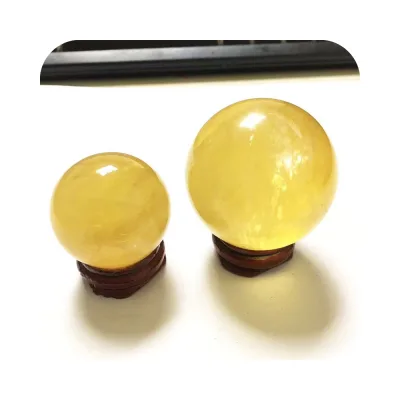
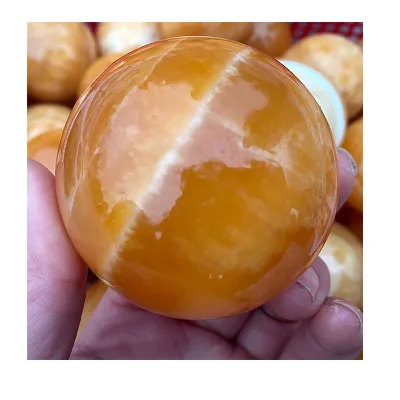
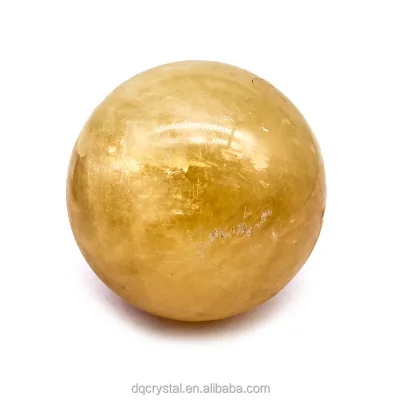
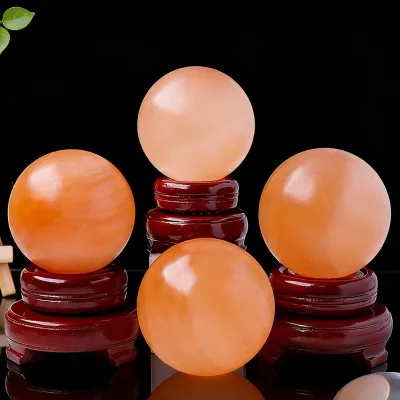
New Arrival Nature Crystal Sphere Healing Stone Fengshui Orange Yellow Calcite Spheres for Sale
$12.81 - $14.47
MOQ: 1 kilograms
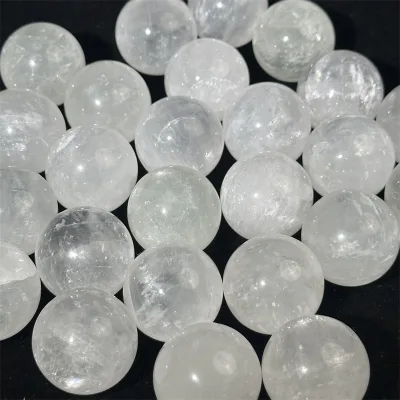
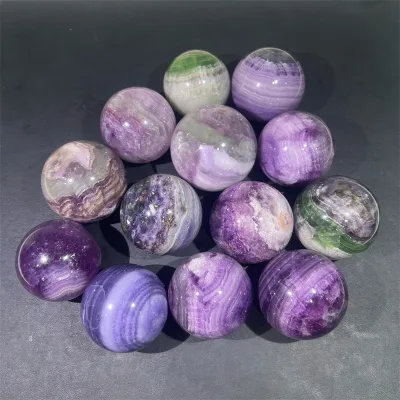
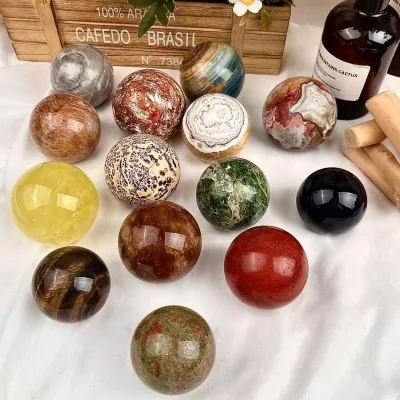
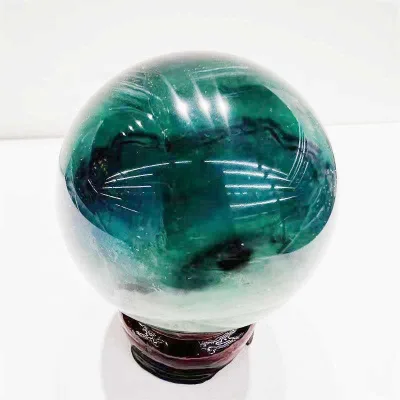
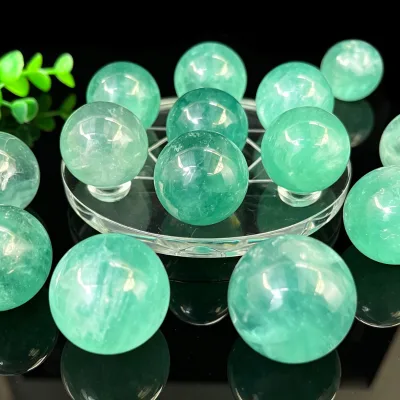
New Products Crystal Craft High Quality Silk Fluorite Sphere for Decoration&Gift
$31.00 - $34.00
MOQ: 1
Donghai Liuxiuli Crystal Factory
- Verified by SGS Group
- Trading Company
- Lead time0 days
- Avg. response≤ 2h
Main productsHealing Crystal Spheres, Feng Shui Weath Crystal, Rose Quartz Tower, Amethyst Geode, Natural Crystal Obelisk
Main marketsDomestic Market(100%)

Donghai Jinuo Crystal Co., Ltd.
- Trading Company
- Jiangsu, China
- Lead time15 days
- Avg. response≤ 9h
Main productsCrystal Point, Crystal Ball, Crystal Massage Wand, Crystal Carving, Crystal Gravel
Main marketsNorth America(59.00%), Western Europe(10.00%), Northern Europe(10.00%), South America(5.00%), Oceania(5.00%), Southeast Asia(3.00%), Southern Europe(2.00%), Eastern Asia(2.00%), Eastern Europe(2.00%), South Asia(1.00%), Mid East(1.00%)
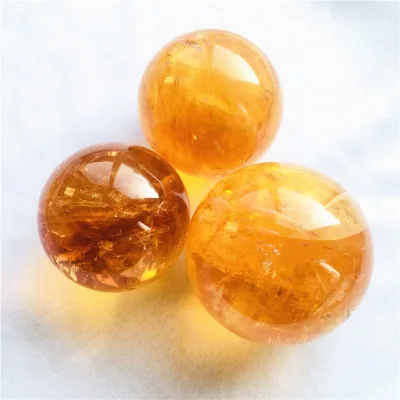
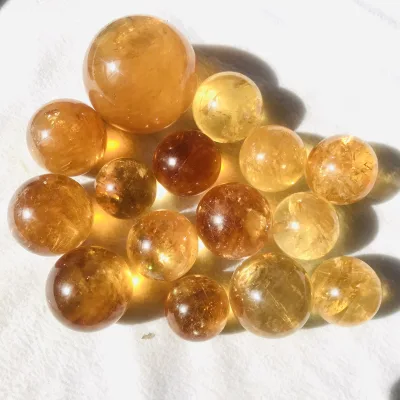
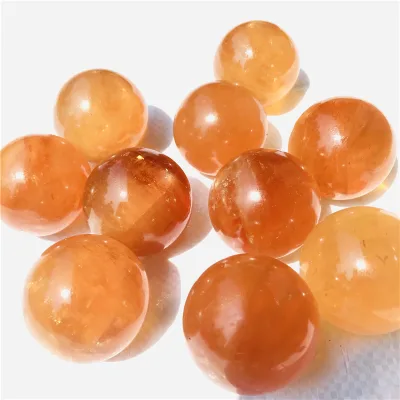
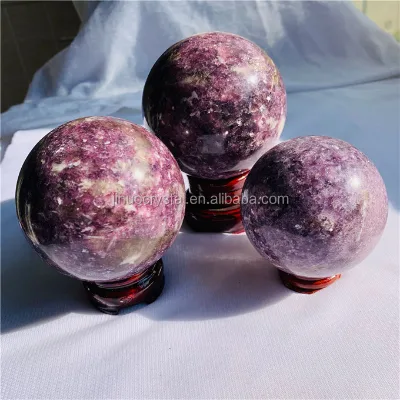
$30.00 - $40.00
MOQ: 1 kilograms
Donghai County Boheng Crystal Jewelry Co., Ltd.
- Verified by SGS Group
- Manufacturer, Trading Company
- Lead time3 days
- Avg. response≤ 1h
Main productsCrystal Water Bottle; Crystal Smoking Pipes; Crystal Point/Crystal Gravel/Crystal Ball
Main marketsNorth America(60%), Oceania(15%), Southeast Asia(10%)
$20.37 - $25.46
MOQ: 1 kilograms
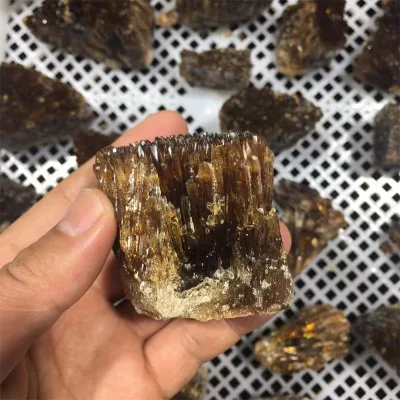
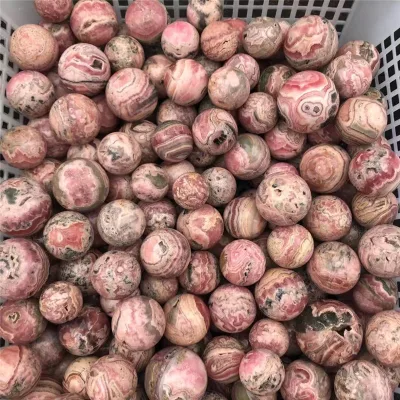
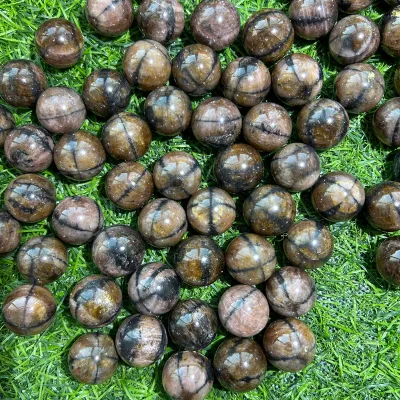
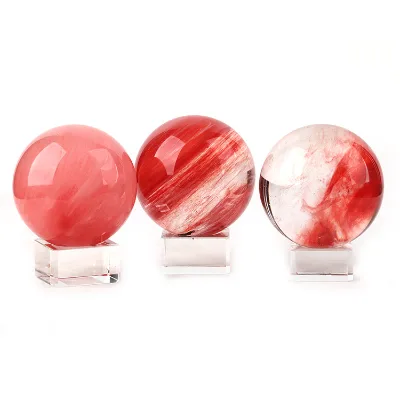
Factory Wholesale Natural Rhodochrosite Sphere Crystal Spheres for Decoration
$377.00 - $437.00
MOQ: 2
Donghai Crown Crystal Crafts Co., Ltd.
- Trading Company
- Jiangsu, China
- Lead time3 days
- Avg. response≤ 4h
Main productsCrystal Points/Crystal Carvings/Crystal Hearts/Crystal Skulls/Crystal Balls
Main marketsEastern Europe(26.00%), North America(18.00%), South America(15.00%), Central America(10.00%), Northern Europe(10.00%), Southeast Asia(10.00%), Southern Europe(6.00%), Western Europe(5.00%)
Donghai Mingtian Jewelry Co., Ltd.
- Verified by Intertek
- Manufacturer, Trading Company
- Lead time20 days
- Avg. response≤ 5h
Main productsCrystal Ball, Crystal Pillar, Crystal Skull
Main marketsNorth America(50%), South America(30%), Eastern Europe(20%)
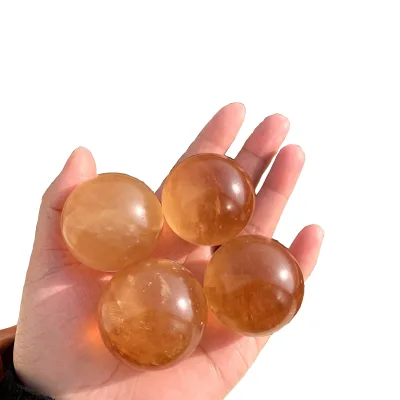
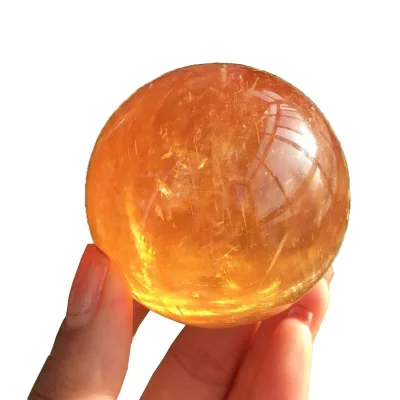
$22.45 - $25.52
MOQ: 1 kilograms
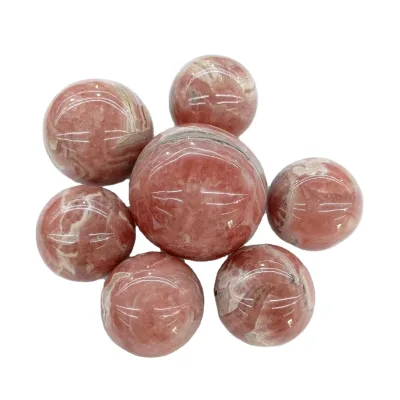
Natural Crystals Ball Good Quality Rhodochrosite Crystal Sphere for Healing Stones
$360.00 - $380.00
MOQ: 1
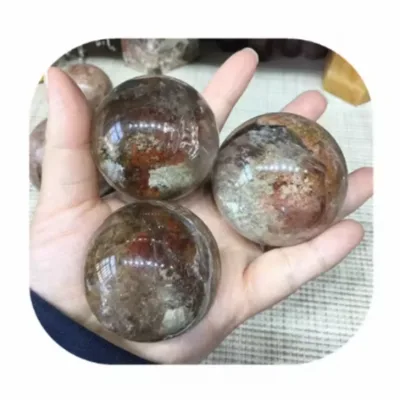
Wholesale Natural Quartz Rock Colorful Peter Stone Crystal Spheres Ball for Healing
$42.00 - $48.00
MOQ: 1
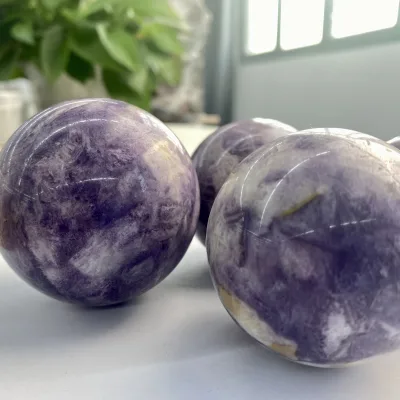
Wholesale Natural Mica Lepidolite Healing Crystal Sphere Lepidolite Crystal Ball for Decoration
$23.39 - $28.48
MOQ: 1 kilograms
Donghai Kindfull Crystal Product Co., Ltd.
- Manufacturer, Trading Company
- Lead time旺季: "1 - 60":30,"> 60":"To be negotiated", 淡季: "1 - 60":30,"> 60":"To be negotiated"
- Avg. response≤ 2h
Main productsCarving/Crystal Points/Crystal Palm/Crystal Sphere/Beauty Tools
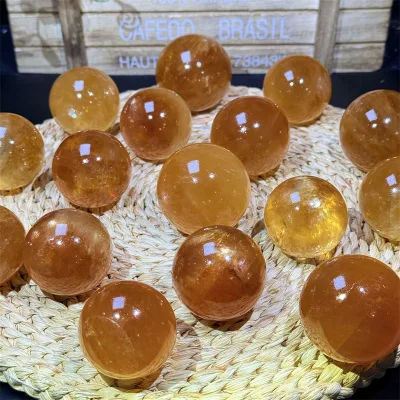
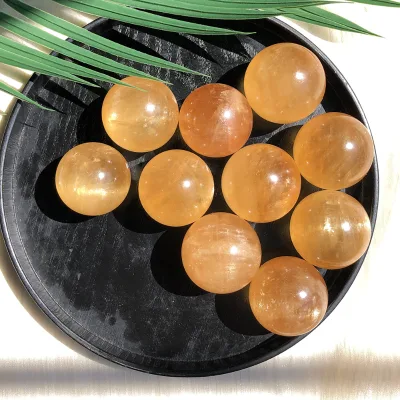
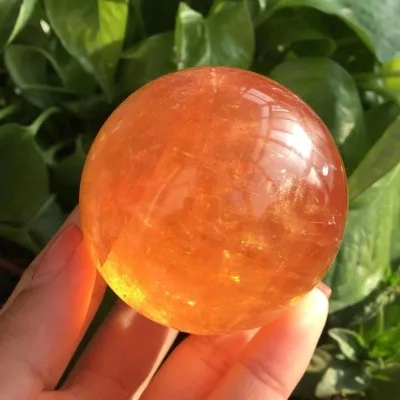
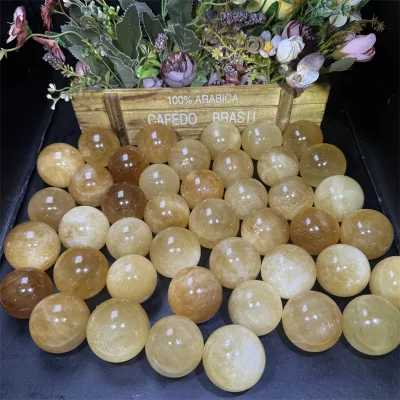
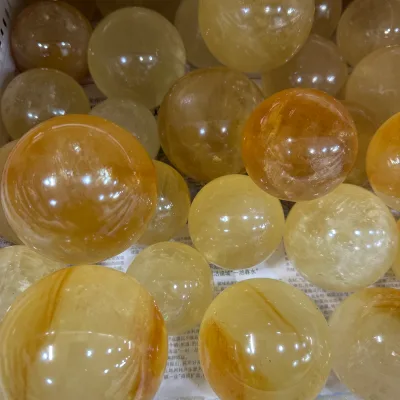
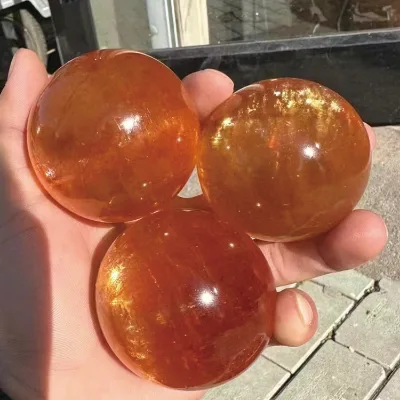
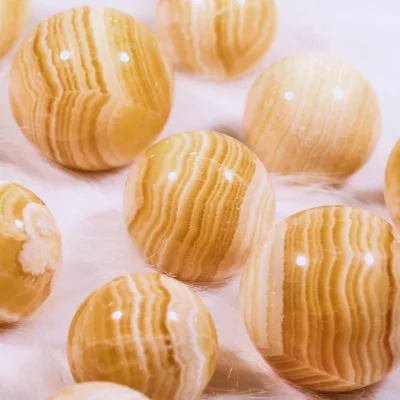
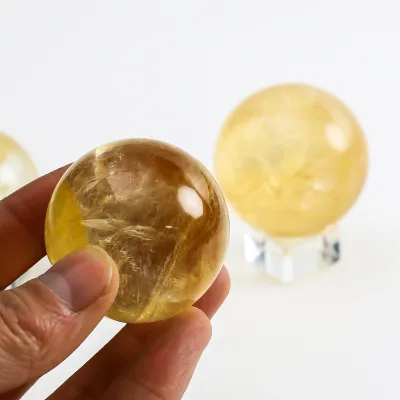
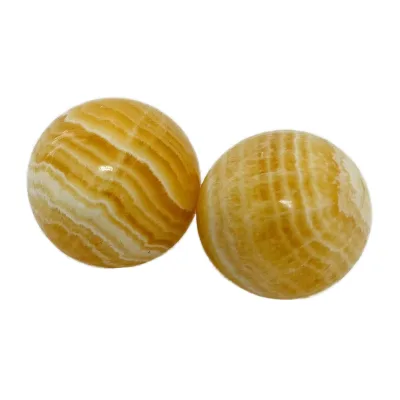
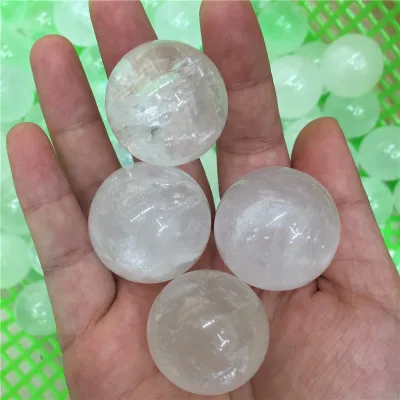
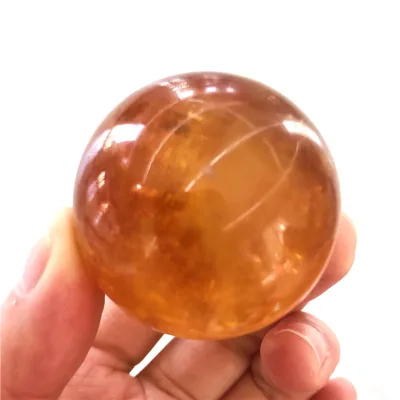
Crystal Stone Sphere Healing Balls Polished Rainbow Honey Calcite Sphere for Sale
$18.90 - $19.90
MOQ: 2
Guangzhou Gui Jing Crafts Co., Ltd
- Verified by TüVRheinland
- Trading Company
- Lead time60 days
- Avg. response≤ 7h
Main productsCrystal Gift Box, Crystal Animals Sphere Point Carving, Crystal Tumble Gravel Stone, Crystal Healing Chakra Pendant, Crystal Tower Tree
Main marketsNorth America(50%), Southeast Asia(20%), Domestic Market(15%)
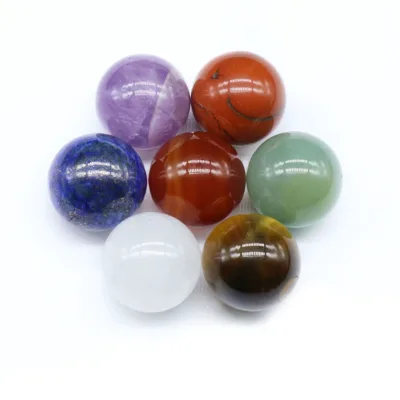
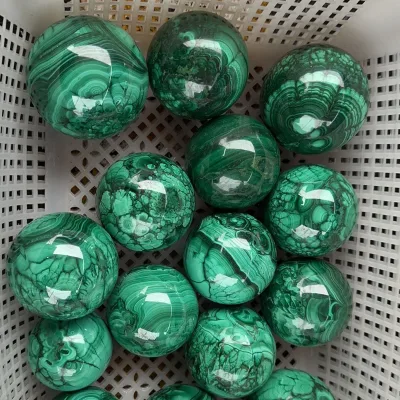
New Natural Green Malachite Spheres 50-80mm Crystal Gemstone Balls for Crystal Crafts Gift
$130.00 - $139.00
MOQ: 1
Donghai County Goucai Jewelry Co., Ltd.
- Trading Company
- Jiangsu, China
- Lead time3 days
- Avg. response≤ 1h
Main productscrystal points,crystal balls,crystal bowls,crystal towers,crystal stones
Main marketsNorth America(45.00%), Eastern Europe(15.00%), South Asia(10.00%), Northern Europe(10.00%), Southeast Asia(10.00%), South America(10.00%)
Donghai Kindfull Crystal Product Co., Ltd.
- Verified by Intertek
- Manufacturer, Trading Company
- Lead time5 days
- Avg. response≤ 2h
Main productsCrystal Heart,Crystal Ornaments,Crystal Point,Crystal Sphere,Raw Stone Specimen
Main marketsWestern Europe(30%), North America(20%), Oceania(20%)
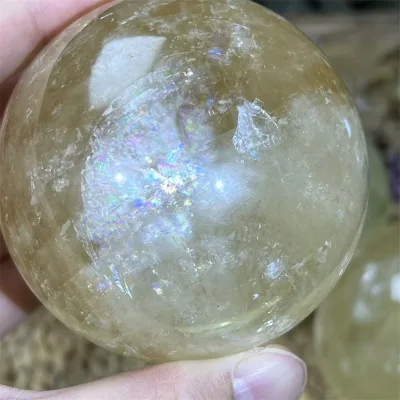
$8.75 - $9.27
MOQ: 5 kilograms
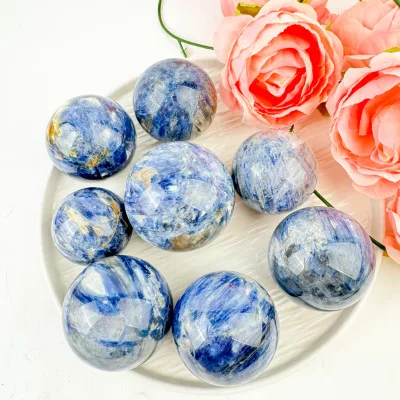
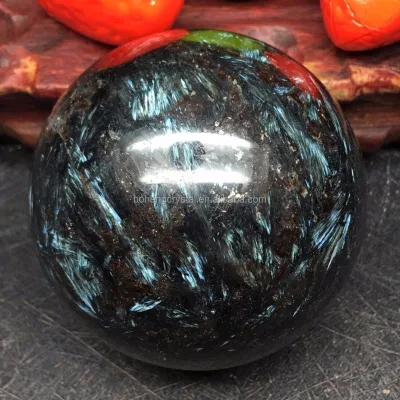
High Quality Natural Blue Calcite Quartz Ball Kyanite Crystal Sphere Celestite Ball for Decoration
$78.50 - $80.00
MOQ: 1 kilograms
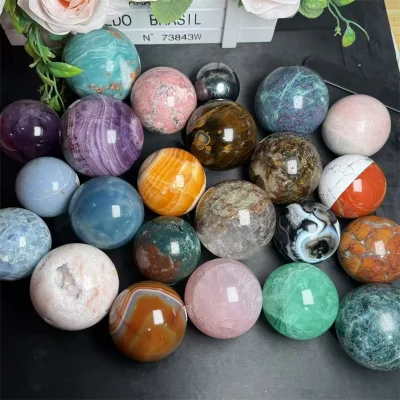
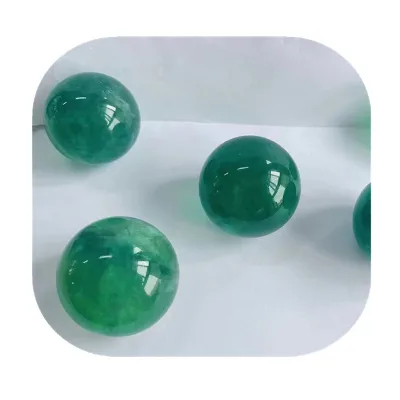
Wholesale Price Crystal Quartz Sphere Green Fluorite Ball Rose Quartz Sphere for Sale
$17.00 - $99.50
MOQ: 1 Minimum
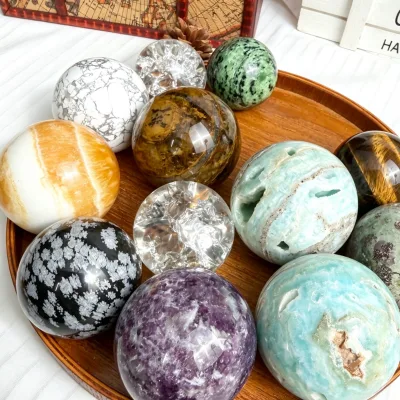

Tianjin Caile Printing Co., Ltd
- Verified by TUVRHEINLAND
- Trading Company
- China Tianjin
- Lead time60 days
Main productsPlanner, Journal, Notebook, Calendar, Box, Diary, PU Leather Binder, Pop up Book, First Aid Kit, Gift Set
Main marketsEurope,Australia,North America

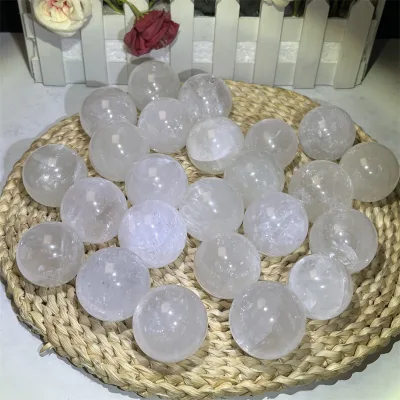
Large Size Healing Crystals Gemstone Natural Yellow Citrine Ball Sphere for Home Decoration
$0.90 - $2.02
MOQ: 10 Pieces

$0.90 - $2.02
MOQ: 10 Pieces

Natural Gemstone Crystals Wholesale Bulk High Quality Natural1.6 Cm 2cm Crystal Sphere
$0.90 - $2.02
MOQ: 10 Pieces
Donghai Kindfull Crystal Product Co., Ltd.
- Manufacturer, Trading Company
- Lead time旺季: "1 - 50":15,"51 - 200":30,"> 200":"To be negotiated", 淡季: "1 - 50":15,"51 - 200":30,"> 200":"To be negotiated"
- Avg. response≤ 2h
Main productsCrystal Angel,Crystal Carving,Crystal Point,Crystal Sphere,Crystal Tumble Stone
$19.00 - $20.00
MOQ: 2 kilograms
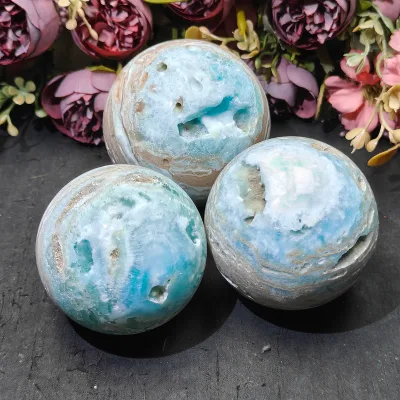
Wholesale Blue Hemimorphite Caribbean Calcite Sphere Healing Quartz Crystal Ball Sphere
$40.00 - $42.00
MOQ: 2 kilograms
Donghai County Dongqing Crystal Products Co., Ltd.
- Manufacturer, Trading Company
- Jiangsu, China
- Lead time15 days
- Avg. response≤ 1h
Main productsCrystal Crafts,crystal ball,crystaltower,skull,agate
Main marketsNorth America(50.00%), Oceania(22.00%), Southeast Asia(7.00%), Domestic Market(4.00%), Eastern Europe(3.00%), South America(3.00%), Central America(2.00%), Western Europe(2.00%), South Asia(2.00%), Mid East(2.00%), Northern Europe(1.00%), Eastern Asia(1.00%), Southern Europe(1.00%)
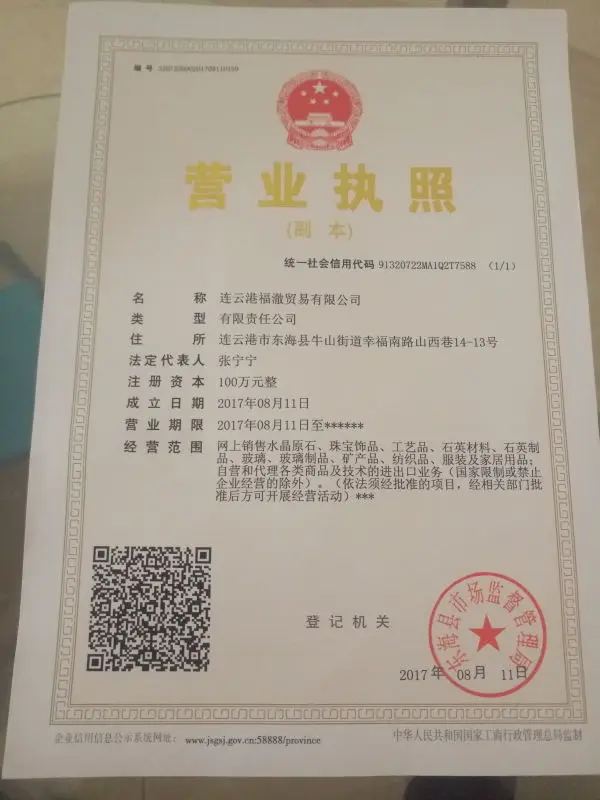
Lianyungang Forfune Trading Co., Ltd.
- Manufacturer, Trading Company
- Jiangsu, China
- Lead time7 days
- Avg. response≤ 1h
Main productsnatural crystal and gemstone spheres,natural crystal gemstone skulls,natural gemstone cartoon pokemon carvings,natural crystal animal carvings,natural crystal and gemstone towers
Main marketsCentral America(20.00%), North America(20.00%), South America(15.00%), Eastern Europe(10.00%), Western Europe(8.00%), Eastern Asia(5.00%), Domestic Market(5.00%), South Asia(5.00%), Northern Europe(4.00%), Southeast Asia(3.00%), Southern Europe(2.00%), Mid East(1.00%), Oceania(1.00%), Africa(1.00%)
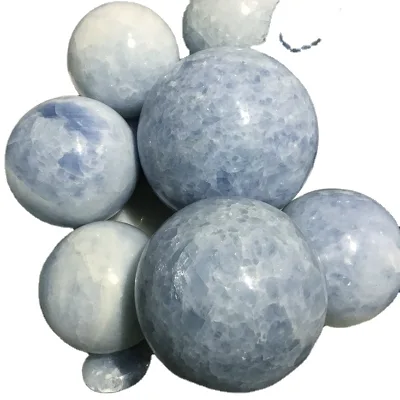
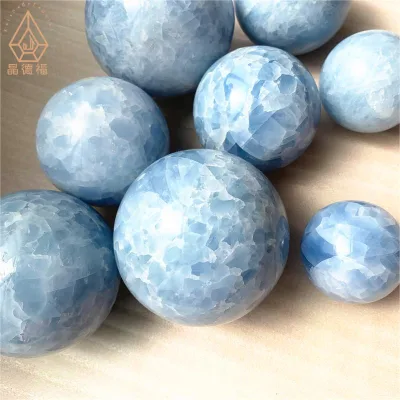
natural healing blue calcite crystal quartz ball blue celestite sphere for sale
$25.00 - $35.00
MOQ: 1
Donghai County Bozhiluan Jewelry Co., Ltd.
- Trading Company
- JiangSu, China
- Lead time0 days
- Avg. response≤ 2h
Main productscrystal point,crystal sphere,crystal carving,minerals,rough
Main marketsSouth America(30.00%), Northern Europe(30.00%), South Asia(20.00%), North America(20.00%)

Yiwu Justsy Imp & Exp Co., Ltd.
- Verified by BV
- Combined
- China Zhejiang
- Lead time30 days
Main productsCrystal Award, Crystal Trophy, China Crystal, Crystal Animal Figurines, Crystal Gift, Crystal Craft, 3D Laser Crystal, Crystal Keychain, Crystal Jewelry, Crystal Wine Stopper
Main marketsAfrica,Southeast Asia/ Mideast,East Asia(Japan/ South Korea),Europe,Australia,North America
Donghai Vardy Crystal Company Limited
- Trading Company
- Jiangsu, China
- Lead time10 days
- Avg. response≤ 2h
Main productscrystal points and wands,crystal spheres,crystal clusters,gemstone carving,mineral specimens
Main marketsWestern Europe(30.00%), North America(25.00%), South America(12.00%), Eastern Europe(12.00%), Northern Europe(11.00%), Oceania(6.00%), Mid East(4.00%)
$30.55 - $38.70
MOQ: 2 kilograms
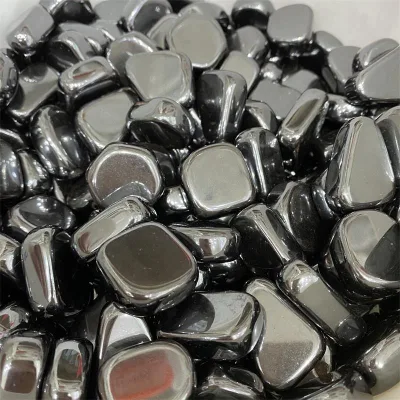
Wholesale Natural Healing Polished Stone Hematite Crystal Tumble Stone Hematite Cube For Gifts
$10.19 - $17.11
MOQ: 1 kilograms
Donghai Hengmei Crystal Co., Ltd.
- Verified by TüVRheinland
- Manufacturer, Trading Company
- Lead time25 days
- Avg. response≤ 4h
Main productsCrystal Crafts, Bulk Tumbled Stones, Black Tourmaline, Chakra Stones, Crystal Raw Stone
Main marketsNorth America(30%), Western Europe(15%), Eastern Europe(10%)
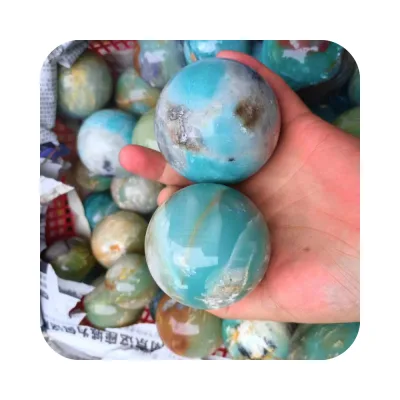
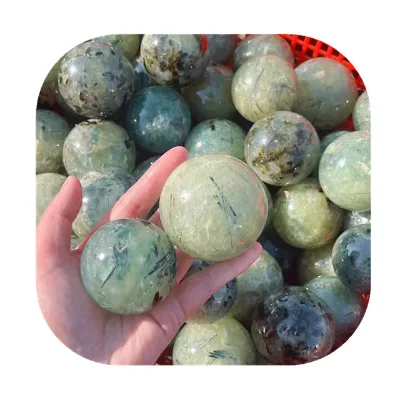
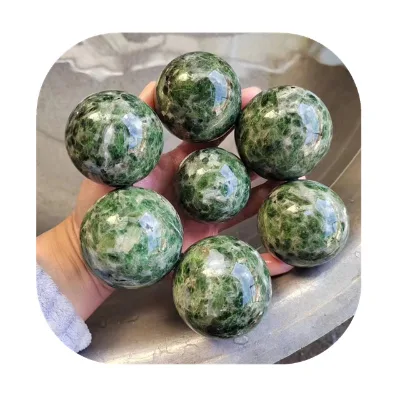
High Grade rare Natural Crystals Healing Balls Wholesale Green Diopside Crystal Spheres for Gift
$53.00 - $56.00
MOQ: 1 kilograms
$11.00 - $18.00
MOQ: 1 kilograms

XIAMEN XINGMIN RUBBER IMPORT AND EXPORT CO.,LTD
- Verified by SGS
- Trading Company
- China Fujian
- Lead time15 days
Main productsEVA, SBR, NBR, IR, Nr
Main marketsEurope
Lianyungang Fream Crystal Products Co., Ltd.
- Manufacturer, Trading Company
- Jiangsu, China
- Lead time12 days
- Avg. response≤ 1h
Main productsCrystal carvings,Crystal towers,Crystal tumbled stones,Crystal specimens,Healing crystal stones
Main marketsNorth America(27.00%), Western Europe(15.00%), Northern Europe(9.00%), Oceania(9.00%), Domestic Market(6.00%), Southeast Asia(5.00%), South Asia(5.00%), Southern Europe(5.00%), Eastern Europe(5.00%), Mid East(5.00%), South America(4.00%), Central America(3.00%), Eastern Asia(2.00%)

Yiwu Hongzhuo Art&crafts Factory
- Manufacturer, Trading Company
- Zhejiang, China
- Lead time30 days
- Avg. response≤ 6h
Main productsCrystal Crafts,Beauty Tools,Massage Tools,Gemstone Carving,Jewelry & Accessories
Main marketsDomestic Market(100.00%)

Humate (Tianjin) International Limited
- Trading Company
- China Tianjin
- Lead time30 days
Main productsFulvic Acid, Humic Acid, Potassium Humate, Sodium Humate, Amino Acid Fertilizer, Ammonium Bicarbonate, EDTA Series, Seaweed Extract Fertilizer, Microelement Fertilizer
Main marketsSouth America,Southeast Asia/ Mideast,Europe


MOQ: 1 Tons
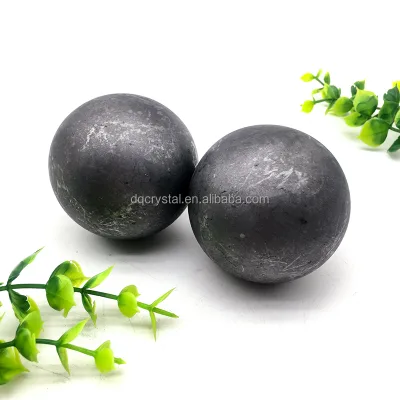
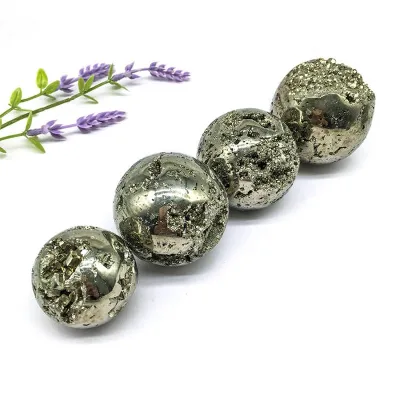
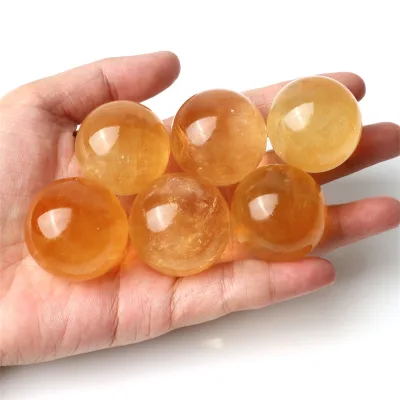
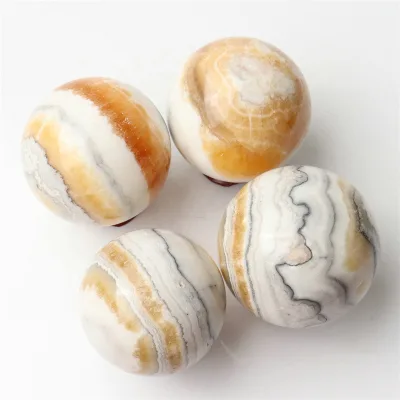
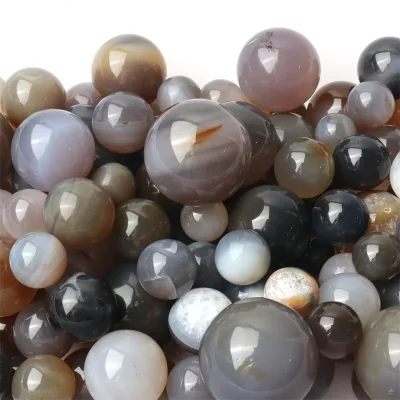
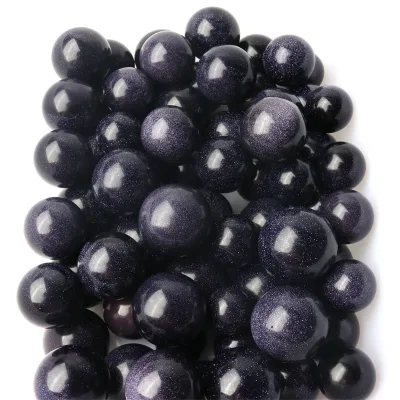


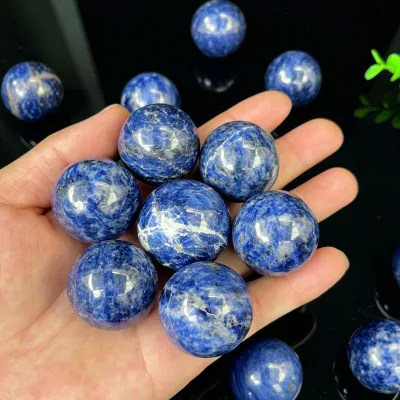
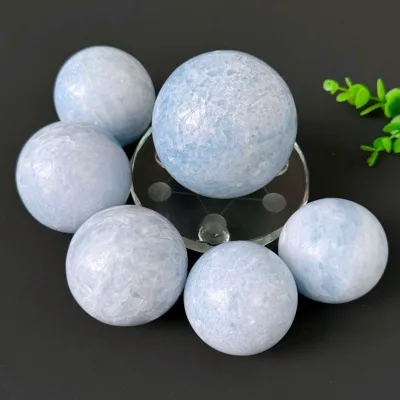
Comprehensive Sourcing Guide
Orange Honey Calcite Crystal Spheres Supplier Concentration and Factory Types
The supplier results for Orange Honey Calcite Crystal Spheres point to a clear concentration: every listed product identifies Jiangsu, China as the place of origin. This matters because it tells buyers that the carving and polishing operations supporting this category are clustered in one province, and that many of the companies selling these spheres online are exporting from the same region rather than sourcing from scattered locations. When a product-level origin appears repeatedly in listing data, it is stronger evidence than a company profile alone, because origin fields are tied to customs-relevant declarations. Buyers should still confirm with each supplier whether the raw honey calcite is mined elsewhere and only processed in Jiangsu, since polishing hubs often import rough stone from multiple provinces or countries.
Supplier types split into two patterns visible in the data: pure trading companies and combined manufacturer-trading companies. Trading companies typically list a broad catalog, such as crystal spheres, towers, carvings, and crafts, and may offer faster response times but rely on partner workshops. Manufacturer-trading companies usually list deeper product families, including points, hearts, skulls, and spheres, suggesting in-house cutting capacity. Neither type is automatically better; a trading company with strong quality control can outperform a factory with weak export handling. The practical step is to ask each candidate which stages—rough selection, cutting, polishing, drilling, and packaging—happen under its own supervision, and to request workshop photos or video calls to validate the answers before sampling.
How to Verify Orange Honey Calcite Crystal Spheres Suppliers
Verification for Orange Honey Calcite Crystal Spheres should start with third-party verification badges shown on the platform. In the current results, one supplier is verified by SGS Group and another by Intertek, which are independent inspection bodies rather than self-declared claims. A verification badge means an on-site or document-level check was performed at some point, but it does not certify product quality, so buyers should ask for the verification scope and date. System certifications also appear in the data, with one supplier listing CE and RoHS; these are electronics-oriented marks, so treat them as a signal of documentation discipline rather than proof of gemstone authenticity. For material claims, request photos under daylight and backlight, and consider independent lab testing on samples for calcite identification if volumes justify the cost.
Beyond badges, verify behavior signals that are harder to fake. Response time is displayed in the results, ranging from around one hour to around four hours; a supplier answering within a business day or less is more likely to handle production issues promptly. Product listings themselves offer evidence: detailed attributes such as model numbers, packaging descriptions, gross weights, and technique fields (polished or carved) indicate an experienced exporter, while thin listings with missing fields suggest a reseller with limited category knowledge. Finally, verify consistency across the listing and your conversations—origin, material names, and brand names should match. Any discrepancy between a profile's stated capabilities and the attributes on its own product pages is a reason to probe further before paying for samples.
What to Compare Across Orange Honey Calcite Crystal Spheres Suppliers
Build a comparison table with dimensions drawn from what suppliers actually display, without assuming every supplier shows every field. Lead time appears in the data at two very different values—five days for one supplier and fifteen for another—so production speed varies widely in this category even before shipping. Response time is another displayed dimension, with listed values of one and four hours; fast replies often predict smoother order management. Company type (trading company versus manufacturer-trading company) tells you who controls production. Verification body (SGS or Intertek in these results) and any system certifications such as CE or RoHS give a compliance snapshot. Main products reveal specialization: a catalog of spheres, towers, skulls, and carvings suggests deeper polishing experience than a generalist gift listing.
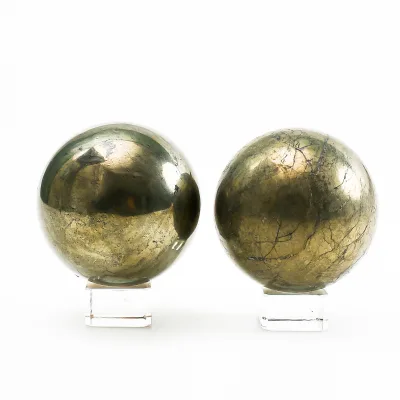
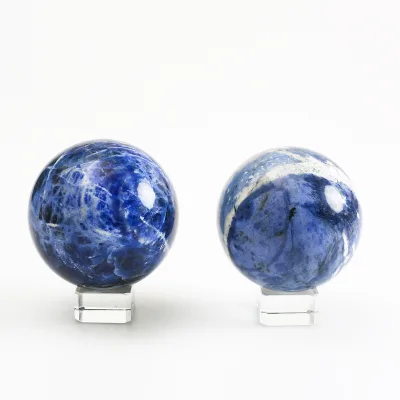
Product-level fields deserve their own comparison rows because they directly affect landed cost and customer experience. The listings show MOQ stated in kilograms (1kg) alongside per-item MOQ fields of one unit, so clarify whether pricing is per piece, per kilogram, or per lot. Displayed price ranges span roughly 13–55 per unit across different sphere types (pyrite, sodalite, honey calcite), so compare within the same material and size band. Note packaging attributes such as carton packing, safe package labels, package dimensions around 10×10×10 cm or 13×10×10 cm, and gross weights near 1.1–1.3 kg, since fragile spheres demand protective packing. Also compare customization options—logo printing, graphic processing, sample processing, and on-demand customization appear as stated capabilities—and weigh them against price and lead time rather than treating them as free.
Common Orange Honey Calcite Crystal Spheres Sourcing Risks
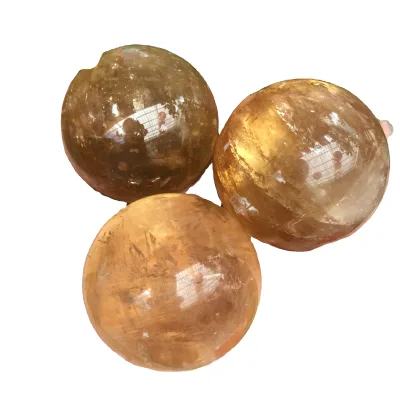
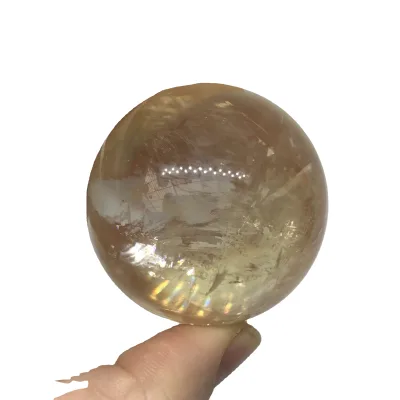
The most common risk with Orange Honey Calcite Crystal Spheres is material substitution or mislabeling. Calcite is soft compared with quartz, and similar-looking orange stones are sometimes sold under overlapping names, as the listings themselves show overlapping terms such as honey calcite, orange quartz, and iceland spar appearing in the same catalogs. Buyers should pin down the exact material name, request close-up photos showing natural banding and inclusions, and ask whether dyed or heat-treated material is ever mixed into batches. A related risk is size ambiguity: at least one listing states "random size" and another "one size," which can mean significant diameter variation between pieces. For retail, random sizing may be acceptable; for gift sets or graded products it is not, so specify diameter ranges and tolerances in writing.
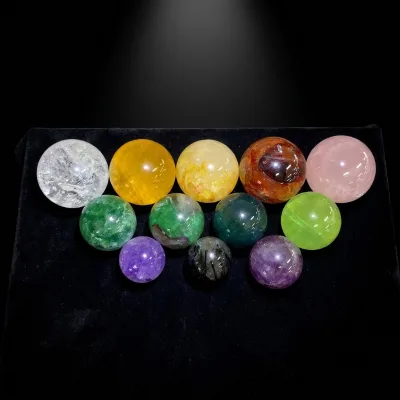
Fulfillment risks follow from the fragility of polished spheres. Gross weights of roughly 1.1–1.3 kg per single package and 10×10×10 cm boxes indicate dense stone in small parcels, which makes transit damage the dominant quality complaint in this category. Confirm packing methods—carton packing and safe package claims appear in the data—plus internal cushioning and drop-test practices before approving production. Mixed listings are another trap: several results bundle multiple materials (amethyst, rose quartz, fluorite, pyrite, jade) into "random mixed" offers, so a supplier's sphere photos may not represent honey calcite inventory depth. Finally, lead-time quotes as short as five days may refer to stock items only; carved or custom-graded orders realistically run longer, and one listed supplier quotes 7–10 workdays delivery plus 15 days lead time, showing how quotes can stack.
Orange Honey Calcite Crystal Spheres Regional Sourcing and Logistics
Because the product listings consistently state Jiangsu, China as the origin, logistics planning for Orange Honey Calcite Crystal Spheres can reasonably center on Chinese export routines. Jiangsu sits within reach of major eastern-coast ports, which supports both sea freight for bulk orders and courier air freight for samples. The listings themselves reference courier channels—DHL, FedEx, UPS, EMS, and TNT appear in shipping attributes—so express sampling is a normal expectation. Single package dimensions of 10×10×10 cm and 13×10×10 cm with unit weights above one kilogram mean shipping cost scales with weight quickly; dimensional weight and actual weight both matter when comparing freight quotes. For bulk sea shipments, ask how cartons are palletized and whether inner foam or molded dividers are used.
Buyers outside China should still verify regional assumptions rather than assume them. If your target market is the EU or UK, ask which origin documentation the supplier provides and whether declared values match your invoice, since customs valuation on mineral products is scrutinized. If sourcing for North America, confirm HS classification practice for polished calcite articles with your broker. Buyers in other regions can use the same cluster logic: search for product listings that state a place of origin, compare which origins recur, and shortlist suppliers located in or near those clusters to shorten inland transit. Keep a fallback source in a second region once volumes grow, because single-cluster dependence exposes you to regional holiday shutdowns, rough-stone supply interruptions, and freight congestion at the dominant ports.
Orange Honey Calcite Crystal Spheres Commercial Terms and Order Planning
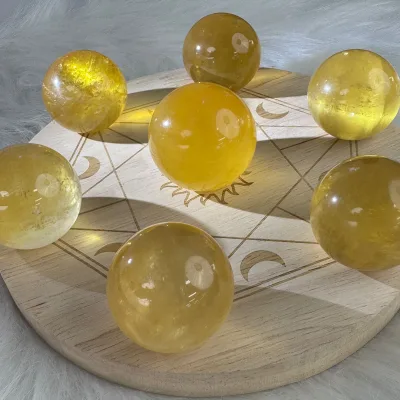
Commercial terms for Orange Honey Calcite Crystal Spheres should be negotiated against the attributes displayed in listings. MOQ data shows two conventions in parallel: 1kg stated in product attributes and a per-item MOQ of one unit on some listings. This suggests small trial orders are feasible, so structure a first order as a sample-plus-small-lot sequence: pay for samples, approve diameter, polish, and color, then scale. Payment methods referenced in the data include credit card, Western Union, and TT; prefer methods with dispute protection for early orders, and never wire large deposits to an unverified account. Price ranges in the results run roughly from 13–20 for pyrite spheres to 24–30 for sodalite and 43–55 for honey calcite items, so material choice drives cost—benchmark honey calcite quotes within that displayed band and ask for itemized pricing by size grade.
Order planning should map to the lead-time and delivery values suppliers display: lead times of five and fifteen days, delivery quoted at 7–10 workdays, and courier shipping via DHL, FedEx, UPS, EMS, or TNT. Build your calendar from the longest quote, not the shortest, and add buffer for re-polishing rejected pieces. Confirm whether customization—customized logos, graphic processing, sample processing, or on-demand work—adds tooling time, since the listed capabilities vary from light customization to full on-demand service. For repeat orders, lock specifications in a specification sheet covering material name, diameter range, polish finish, weight tolerance, carton packing standard, and model numbers (listings show model numbers such as 1016 and dated codes), then require pre-shipment photos against that sheet before balance payment.
Word count check: sections ~230 each, total ≈1380. Within range.
FAQs
What materials and sphere types are these orange honey calcite suppliers offering?
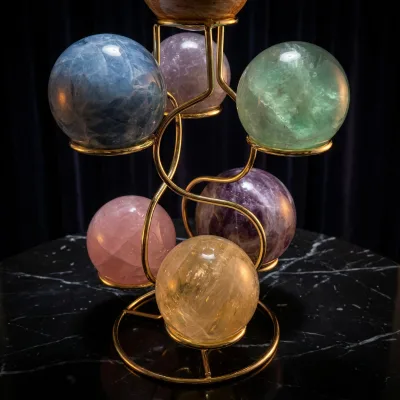
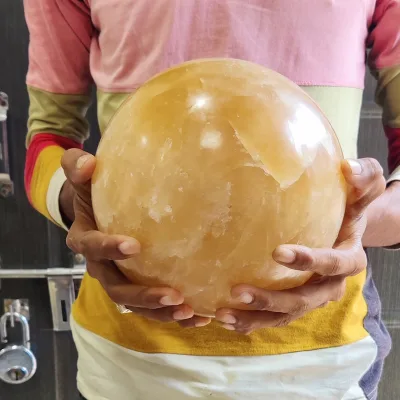
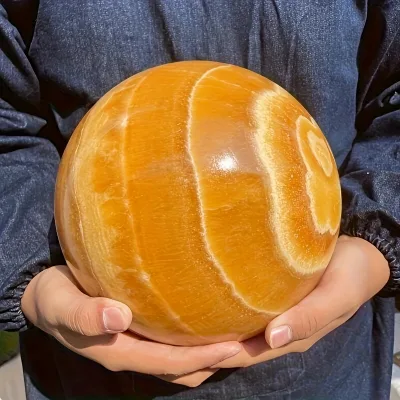
Suppliers on this page mainly offer polished natural honey calcite spheres alongside other crystal spheres such as pyrite, sodalite, quartz, citrine, amethyst and fluorite balls. Most products are carved and polished healing stones sold in bulk, and several suppliers also carry crystal towers, hearts, skulls and other carvings suitable for gift, decor and collection markets.
What is the typical minimum order quantity for honey calcite spheres?
Many listings show a minimum order of 1kg, and some products allow ordering a single unit. Because requirements vary by product and supplier, confirm the exact MOQ for the sphere size and grade you need before ordering. Small trial orders are often possible, but unit pricing usually improves with larger wholesale quantities.
How much do wholesale orange honey calcite spheres cost?
Listed price ranges vary by material and product: pyrite spheres show roughly 13 to 20 dollars, sodalite spheres 24 to 30 dollars, honey calcite balls about 43 to 55 dollars. Prices depend on size, weight, polish quality and order volume, so request current quotations for your specific specifications before comparing suppliers.
How fast can buyers expect samples and production lead times?
One listed product states delivery of 7 to 10 workdays, while supplier profile lead times on this page range from about 5 to 15 days. Sample processing is listed among available customization services. Exact timing depends on order size and customization, so confirm current lead times directly with each supplier before placing an order.
Do these suppliers offer customization such as logos or special packaging?
Yes, at least one supplier lists light customization, sample processing, graphic processing and customized-on-demand services, and a honey calcite sphere listing offers customized logos with thermal transfer printing. Carton packing and safe packaging are mentioned in product details. Discuss logo placement, packaging design and any extra fees with suppliers before confirming your order.
Which verification and certifications do the listed suppliers have?
Suppliers on this page include verified members assessed by SGS Group and Intertek, and one supplier lists CE and RoHS system certifications. Company types range from trading companies to combined manufacturer and trading companies. Verification status and certificates should be confirmed during inquiry, since credentials can differ between individual suppliers and product lines.
How quickly do these suppliers respond to buyer inquiries?
Supplier profile response times on this page range from about 1 to 4 hours. Response speed can vary by time zone, inquiry complexity and season, so send detailed questions about specifications, MOQ and pricing in one message. Fast replies during initial contact often indicate reliable communication throughout sampling and production.
Where are these crystal sphere suppliers located and how are orders shipped?
Product listings show a place of origin in Jiangsu, China. Shipping options mentioned include DHL, FedEx, UPS, EMS and TNT, with carton packing and safe packaging noted in product details. Payments such as credit card, Western Union and TT appear in listings. Confirm shipping costs, duties and delivery terms for your destination with each supplier.