Oral Care Disodium Uridine Monophosphate Suppliers and Manufacturers
Browse 21 suppliers of Oral Care Disodium Uridine Monophosphate and compare them across grounded dimensions such as response time, lead time, purity specifications, MOQ, packaging and company type. Shortlist candidates that match your volume, then request quotes and documentation to verify quality before placing an order.
Suppliers List
- Trading Company
- Lead time旺季: "1 - 25":7,"> 25":"To be negotiated", 淡季: "1 - 25":7,"> 25":"To be negotiated"
- Avg. response≤ 4h
Main productsHyaluronic Acid,NMN,Glutathione,Alpha Arbutin,Kojic Acid
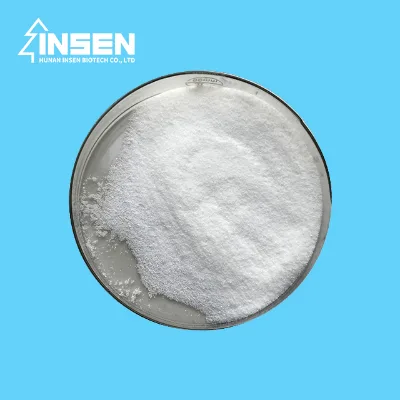
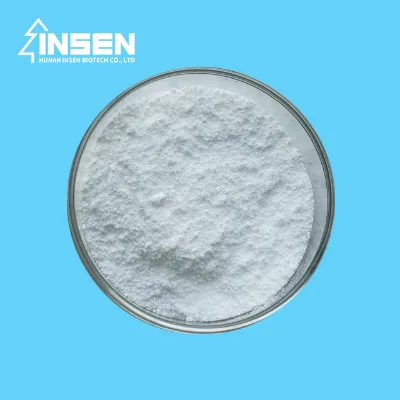
UMP 2NA CAS 3387-36-8 Uridine 5'-monophosphate Disodium Salt
Contact supplier

Henan Eastar Chem. & Tech. Co., Ltd.
- Verified by CTI
- Trading Company
- China Henan
- Lead time15 days
- Avg. response≤ 9h
Main productsSodium Thiosulfate
Main marketsOthers(foreignTradeCapacity.exportBusinessCapacityMarketOther)
Shandong Yurun Chemical Co., Ltd.
- Manufacturer/Factory
- China Shandong
- Lead time15 days
- Avg. response≤ 22h
Main productsAdblue Urea, Sodium Bicarbonate, Calcium Chloride, Magnesium Chloride, Urea Ammonium Nitrate, Ammonium Chloride, Sodium Metabisulphite, Magnesium Sulphate, Urea Formaldehyde, Magnesium Silicate
Main marketsSouth America,Eastern Europe,Mid East,North America,Southeast Asia,Eastern Asia,Oceania,Western Europe,Africa
Shandong Jiurunfa Chemical Technology Co., Ltd
- Verified by CTI
- Trading Company
- China Shandong
- Lead time15 days
- Avg. response≤ 6h
Main marketsDomestic


Pure Disodium Phosphate 12-Hydrate - Essential for Food, Pharma & Water Treatment
$950.00 - $1050.00
MOQ: 20 Tons


Top Quality Sodium Dihydrogen Phosphate – Ideal for Food Additives and Preservatives
$650.00 - $720.00
MOQ: 50 Tons

Disodium Phosphate - The Key Ingredient for Food, Pharma & Industrial Success
$950.00 - $1050.00
MOQ: 20 Tons

- Verified by CTI
- Manufacturer/Factory
- China Hunan
- Lead time15 days
- Avg. response≤ 8h
Main productsVanillyl Butyl Ether, Cetilistat, 2356tetramethylpyrazine, Magnesium L-Threonate, Fullerene, Herbal Extract Plant Extract, Theacrine, Ferulic Acid, Arbutin, L-Glutathione Reduced
Main marketsSouth America,Eastern Europe,Mid East,North America,Southeast Asia,Eastern Asia,Oceania,Western Europe,Africa

Chengdu Dova New Material Co., Ltd.
- Verified by BV
- Trading Company
- China Sichuan
- Lead time15 days
- Avg. response≤ 1h
Main productsNon- Halogen Free Flame Retardants, PTFE Micro Powder, Food Ingredients, Phosphates Flame Retardant, Melamine Flame Retardant, Plastic Additives, Flame Retardant for PP, Flame Retardant for PA
Main marketsSouth America,Africa,Southeast Asia/ Mideast,East Asia(Japan/ South Korea),Domestic,Europe,Australia,North America

Monosodium Phosphate Reliable Ingredient for Toothpaste Formulations Msp
$1200.00 - $1400.00
MOQ: 1 Tons


Pure Powder Disodium Phosphate Anhydrous for Laboratory Applications DSP
$800.00 - $1000.00
MOQ: 1 Tons


- Verified by BV
- Trading Company
- China Liaoning
- Lead time30 days
- Avg. response≤ 3h
Main productsCitric Acid, Xanthan Gum, Vitamin C Ascorbic Acid, Aspartame, Phosphoric Acid, Sodium Benzoate, Msg/Monosodium Glutamate, TCCA, Ringtab Bottle Cap, Beverage Production Line
Main marketsAfrica,Southeast Asia/ Mideast

Lianyungang KANDS Chemical Co., Ltd.
- Trading Company,Manufacturer/Factory
- China Jiangsu
- Lead time15 days
- Avg. response≤ 4h
Main productsSodium Hexametaphosphate, Tetrasodium Pyrophosphate, Sodium Acid Pyrophosphate, Sodium Tripolyphosphate, Monosodium Phosphate, Disodium Phosphate, Trisodium Phosphate, Tricalcium Phosphate, Potassium Chloride, Magnesium Citrate
Main marketsSouth America,Eastern Europe,Mid East,North America,Southeast Asia,Eastern Asia,Oceania,Western Europe,Africa

Ningbo Newrainbow Biochemicals Co., Ltd.
- Trading Company
- China Zhejiang
- Lead time15 days
- Avg. response≤ 4h
Main productsL-Proline, L-Serine, L-Tyrosine
Main marketsSouth America,Europe,North America

Uridine 5' -Monophosphate Disodium Salt CAS 3387-36-8 for Dietary Supplement
$20.00 - $70.00
MOQ: 10 kg

Pharmaceutical High Purity Uridine 5'-Monophosphate Disodium Salt 99% CAS 3387-36-8
$20.00 - $70.00
MOQ: 10 kg
Shanghai Epoch Material Co., Ltd.
- Trading Company
- Shanghai, China
- Lead time5 days
- Avg. response≤ 8h
Main productsRare Earth Materials, Nano Materials, Metal And Its Alloy, Food Ingredients, Iron Oxide
Main marketsDomestic Market(30.00%), Western Europe(15.00%), Eastern Europe(13.00%), Eastern Asia(12.00%), North America(10.00%), Southern Europe(10.00%), Southeast Asia(10.00%)

- Trading Company
- China Henan
- Lead time15 days
- Avg. response≤ 12h
Main productsSodium Gluconate, Magnesium Gluconate, Ammonium Bicarbonate, Potassium Gluconate, Gluconic Acid, Ascorbic Acid, Potassium Sorbate, Citric Acid, Water Reducing Agent, Retarder
Main marketsSouth America,Africa,Southeast Asia/ Mideast,East Asia(Japan/ South Korea),Europe,Australia,North America

Shandong Yifan Chemical Technology Co., Ltd.
- Verified by SGS
- Trading Company,Manufacturer/Factory
- China Shandong
- Lead time0 days
- Avg. response≤ 1h
Main productsChemical, Nmn, Daily Flavor

- Trading Company,Manufacturer/Factory
- China Liaoning
- Lead time15 days
- Avg. response≤ 1h
Main productsSoya Lecithin, Calcium Propionate, Propylene Glycol, Propylene Carbonate, Maltitol, Citric Acid, Gel Wax, Sapp/SHMP/Tspp/STPP/Tkpp, Vitamins
Main marketsSouth America,Eastern Europe,Mid East,North America,Southeast Asia,Eastern Asia,Oceania,Western Europe,Africa

Changzhou Junlin Chemical Co., Ltd.
- Verified by BV
- Trading Company
- China Jiangsu
- Lead time15 days
- Avg. response≤ 14h
Main productsRed Phosphorus, Potassium Pyrophosphate, Phosphorus Pentoxide, Cupric Pyrophosphate, Polyphosphoric Acid, Tripotassium Phosphate Anhydrous, Monopotassium Phosphate, Sodium Pyrophosphate, Sodium Tripoly Phosphate, Monosodium Phosphate
Main marketsAfrica,East Asia(Japan/ South Korea),Europe
Sichuan Sundia Chemical Limited Company
- Verified by SGS
- Trading Company
- China Sichuan
- Lead time30 days
- Avg. response≤ 3h
Main productsSTPP SHMP Tsp Phosphoric Acid Aeo2 Aeo7 SLES
Main marketsSoutheast Asia/ Mideast,Europe


Fine-Quality White Crystals Tooth Cleaning Agent Trisodium Phosphate Dodecahydrate
$500.00 - $600.00
MOQ: 20 Tons


- Verified by SGS
- Trading Company
- China Jiangsu
- Lead time15 days
- Avg. response≤ 5h
Main productsCitric Acid, Erythritol, Acesulfame, Nisin, Sucralose, Aspartame, Potassium Sorbate, Sodium Benzoate, Ascorbic Acid, Xanthan Gum
Main marketsAfrica,Southeast Asia/ Mideast,East Asia(Japan/ South Korea),Europe,Australia,North America

Shandong Jufu Chemical Technology Co., Ltd.
- Verified by BV
- Combined
- China Shandong
- Lead time15 days
- Avg. response≤ 9h
Main productsSodium Lignosulphonate, Calcium Lignosulphonate, Lignin, Sodium Naphthalene Sulfonate Formaldehyde, Sodium Gluconate, Polycarboxylate Superplasticizer, Sodium Polynaphthalene Sulfonate Nno, Fulvic Acid, Concrete Admixtures, Fertilizer Raw Materials
Main marketsSouth America,Africa,Others(foreignTradeCapacity.exportBusinessCapacityMarketOther),Southeast Asia/ Mideast,East Asia(Japan/ South Korea),Domestic,Europe,Australia,North America


Manufacturer Supply Smfp Sodium Monofluorophosphate CAS 10163-15-2 Used as Toothpaste Additives
$560.00 - $600.00
MOQ: 20 Tons

Toothpaste Additives Sodium Monofluorophosphate CAS 10163-15-2 with Bulk Price
$560.00 - $600.00
MOQ: 20 Tons

High Quality CAS 10163-15-2 Sodium Monofluorophosphate for Food Flavours Enhancer
$10.00 - $15.00
MOQ: 500 kg

Dalian Eastland International Trading Co., Ltd.
- Verified by BV
- Trading Company,Manufacturer/Factory,Group Corporation
- China Liaoning
- Lead time23 days
- Avg. response≤ 11h
Main productsLactic Acid, L-Lactic Acid, Buffered Lactic Acid, Sodium Lactate, Chemical Product, Calcium Lactate, Chemical
Main marketsSouth America,Eastern Europe,Mid East,North America,Southeast Asia,Eastern Asia,Oceania,Western Europe,Africa


Food Grade Dipotassium Phosphate in Skin Care Dipotassium Phosphate Safe Dipotassium Phosphate
$70.00 - $500.00
MOQ: 1 kg
Jinan Yudong Trading Co., Ltd.
- Verified by SGS Group
- Manufacturer, Trading Company
- Lead time7 days
- Avg. response≤ 5h
Main productsOrganic Intermediate, Lithium Battery Electrolyte Additives, Cosmetic Product Intermediates and Functional Monomer
Main marketsSoutheast Asia(30%), Eastern Asia(30%), North America(10%)

- Trading Company,Manufacturer/Factory,Other
- China Jiangsu
- Lead time23 days
- Avg. response≤ 10h
Main productsFine Chemical, Nutraceutical, Animal Nutrition, Crop Science, API, Intermediate, Nutrition Supplement, Food Additive, Feed Additive, Reagents
Main marketsSouth America,Eastern Europe,Mid East,North America,Southeast Asia,Eastern Asia,Oceania,Western Europe,Africa

Sodium Fluoro Phosphate CAS 10163-15-2 Sodium Monofluorophosphate Oral Care Products
$1.00 - $2.00
MOQ: 10 Tons


Shandong Chunsheng Chemical Technology Co.,Ltd
- Verified by SGS
- Trading Company
- China Shandong
- Lead time15 days
- Avg. response≤ 2h
Main productsHyaluronic Acid, Vegetable Glycerin, Diisononyl Phthalate, Polyaluminum Chloride, Food Additives, Desiccant, Potassium Sorbate/Preservative, Epoxy Floor Paint, Waterproof Paint, Polyacrylamide
Main marketsDomestic

Food-Grade Sodium Monofluorophosphate for Oral Care Additive Tooth Enamel Strengthening 10163-15-2
$5.00 - $15.00
MOQ: 100 kg




Comprehensive Sourcing Guide
Oral Care Disodium Uridine Monophosphate Supplier Concentration and Factory Types
The current supplier landscape for Oral Care Disodium Uridine Monophosphate reveals a mix of trading companies and manufacturers, with specific facility types influencing product availability and customization. Evidence indicates that some suppliers operate as trading companies, while others function as manufacturers or factories capable of offering OEM and ODM services. This distinction is critical because trading companies often aggregate products from various sources, whereas manufacturers control the production process directly. For instance, one observed supplier lists main products including hyaluronic acid, NMN, and glutathione, suggesting a broader portfolio that may include the target chemical. Another supplier focuses on inorganic salts and phosphate-based additives, indicating a specialized manufacturing capability in related chemical sectors.
Geographic concentration of these suppliers is evident in specific Chinese provinces, with locations such as Hunan, Henan, and Shandong appearing in product origin data. These regions serve as hubs for chemical production, though the exact clustering depends on the specific supplier's facility placement. A supplier located in Hunan, China, offers 2-Deoxy-D-Ribose, while another in Henan provides sodium phosphate products. When evaluating potential partners, buyers should verify if the supplier's stated location aligns with their manufacturing capacity. The presence of a manufacturer in Shandong, certified under ISO 14001 and ISO 9001, suggests a robust infrastructure for large-scale production. Buyers must confirm whether the supplier is a direct factory or a trading entity to ensure accurate lead times and quality control measures are in place for Oral Care Disodium Uridine Monophosphate orders.
How to Verify Oral Care Disodium Uridine Monophosphate Suppliers
Verification of suppliers requires a rigorous check of certifications, response times, and product-specific attributes to ensure reliability. Several suppliers in the current results hold recognized certifications such as ISO 9001, ISO 14001, CE, GMP, and TUV, which are essential for chemical suppliers targeting the oral care market. One supplier explicitly lists CTI verification, while others display RoHS, QS, CIQ, and CCIC certifications. These credentials indicate adherence to international quality and safety standards, which is vital for ingredients used in personal care and oral hygiene products. Buyers should request current certification documents to confirm that the supplier's claims are valid and up to date, rather than relying solely on platform badges.
Response time and communication efficiency are also key indicators of supplier reliability. Data shows response times ranging from 4 hours to over 21 hours, with some suppliers responding within 5 hours. A faster response time often correlates with better customer service and more active inventory management. For example, a supplier with a 4-hour response time may be more agile in handling urgent inquiries compared to one taking 21 hours. Additionally, buyers should verify the supplier's ability to provide detailed product specifications, such as purity levels and appearance. One product listing specifies a purity of 99% for 2-Deoxy-D-Ribose, while another lists a purity of ≥99% for sodium dihydrogen phosphate. Confirming these details ensures the supplier can meet the specific quality requirements for Oral Care Disodium Uridine Monophosphate applications.
What to Compare Across Oral Care Disodium Uridine Monophosphate Suppliers
Comparing suppliers involves analyzing lead times, minimum order quantities, and pricing structures to find the best fit for specific project needs. Lead times vary significantly, with some suppliers offering 7 days for small orders and others requiring up to 15 days or more for larger quantities. One supplier indicates a lead time of 7 days for orders between 1 and 25 units, while another lists a standard lead time of 15 days. Buyers must consider these timelines when planning production schedules, especially if the Oral Care Disodium Uridine Monophosphate is needed for time-sensitive product launches. Additionally, minimum order quantities (MOQ) can range from 1 unit to larger bulk orders, influencing the initial investment required.
Pricing and product attributes are equally important factors in the comparison process. Prices for related chemical products in the current results range from approximately $0.85 to over $300 per unit, depending on the specific chemical and packaging. For instance, sodium phosphate products are listed with a price range of $0.85 to $1.20, while other specialized chemicals may cost significantly more. Buyers should also examine product attributes such as purity, appearance, and usage. One product is described as a white powder with 99% purity, while another is a liquid with specific solubility characteristics. Comparing these details helps buyers identify suppliers who can provide the exact grade and form required for oral care formulations, ensuring consistency and quality in the final product.
Common Oral Care Disodium Uridine Monophosphate Sourcing Risks
Sourcing Oral Care Disodium Uridine Monophosphate carries risks related to product consistency, certification validity, and supply chain transparency. One significant risk is the potential discrepancy between advertised product specifications and actual delivered goods. While some listings claim high purity levels like 99%, buyers must verify these claims through third-party testing to ensure the chemical meets the required standards for oral care applications. Another risk involves the validity of certifications; although many suppliers list ISO, CE, and GMP certifications, these must be current and applicable to the specific product being sourced. Relying on outdated or generic certifications can lead to compliance issues in the final product.
Supply chain disruptions and lead time variability also pose risks, particularly for buyers with tight production schedules. Some suppliers indicate lead times that are "to be negotiated" for orders exceeding 25 units, which introduces uncertainty into the planning process. Additionally, the reliance on trading companies rather than direct manufacturers can complicate quality control and traceability. If a trading company sources the chemical from multiple factories, inconsistencies in production batches may arise. Buyers should mitigate these risks by establishing clear communication channels, requesting sample testing, and verifying the supplier's ability to maintain consistent quality and delivery schedules. Understanding these risks allows buyers to implement safeguards that protect their supply chain integrity.
Oral Care Disodium Uridine Monophosphate Regional Sourcing and Logistics
Regional sourcing strategies should focus on identifying suppliers in established chemical manufacturing hubs to optimize logistics and reduce costs. Current data points to specific provinces in China, such as Hunan, Henan, and Shandong, as key locations for chemical production. Suppliers in these regions often have access to raw materials and established infrastructure, which can streamline the supply chain. For example, a supplier in Hunan offers 2-Deoxy-D-Ribose, while another in Shandong provides phosphate-based products. Buyers should prioritize suppliers located in these regions to benefit from localized expertise and potentially lower shipping costs. However, the exact location of the manufacturing facility should be confirmed, as trading companies may operate from different addresses than their production sites.
Logistics planning must account for packaging and shipping requirements to ensure the safe delivery of chemical products. Product listings indicate various packaging options, including bags of 25kg, 50kg, and 1000kg, with some suppliers offering customizable packaging solutions. The choice of packaging affects shipping costs and handling requirements, particularly for bulk orders. Buyers should verify the supplier's packaging standards to ensure they meet international shipping regulations and protect the product during transit. Additionally, understanding the supplier's location helps in estimating transit times and calculating total landed costs. By aligning regional sourcing with logistics planning, buyers can minimize delays and ensure a smooth supply chain for Oral Care Disodium Uridine Monophosphate.
Oral Care Disodium Uridine Monophosphate Commercial Terms and Order Planning
Commercial terms and order planning are critical for managing costs and ensuring timely delivery of Oral Care Disodium Uridine Monophosphate. Buyers should negotiate clear terms regarding payment, shipping, and quality guarantees to avoid disputes. Some suppliers offer customizable packaging and order sizes, which can be advantageous for scaling production. For instance, one supplier lists packaging options ranging from 25kg to 1000kg bags, allowing flexibility in order quantities. Buyers must also consider the impact of lead times on their production schedule, as delays can disrupt the entire supply chain. Establishing a clear timeline and confirming the supplier's ability to meet it is essential for successful order planning.
Pricing structures and volume discounts should be carefully evaluated to optimize budget allocation. Current data shows a wide range of prices for related chemical products, from $0.85 to over $300 per unit, depending on the specific chemical and order size. Buyers should request detailed quotes that include all costs, such as shipping, taxes, and handling fees, to get an accurate picture of the total expense. Additionally, understanding the supplier's capacity for customization, such as OEM or ODM services, can provide value-added benefits. By thoroughly reviewing commercial terms and planning orders based on realistic lead times and pricing, buyers can secure a reliable supply of Oral Care Disodium Uridine Monophosphate while maintaining cost efficiency and operational flexibility.
FAQs
What is the minimum order quantity for UMP products?
The minimum order quantity for UMP products is 1 unit. This low threshold allows buyers to test product quality without committing to large volumes. Suppliers offer flexible packaging options to suit small batch needs effectively.
How long does it take to receive UMP orders?
Lead times for UMP orders typically range from 7 days during peak seasons. For quantities exceeding 25 units, the delivery schedule requires direct negotiation with the supplier. Buyers should confirm specific timelines before placing large orders.
What is the price range for Disodium Uridine-5'-monophosphate?
The price for Disodium Uridine-5'-monophosphate ranges from approximately 142.40 to 203.42 per unit. This pricing reflects current market rates for high-purity chemical supplies. Buyers should request updated quotes for bulk purchases to secure better rates.
Are suppliers verified for chemical safety standards?
Some suppliers hold CTI verification and ISO certifications for their chemical processes. These credentials indicate adherence to international safety and quality management standards. Buyers should verify specific certification documents for each product batch before finalizing transactions.
What is the response time for supplier inquiries?
Supplier response times vary, with some replying within 4 hours and others taking up to 21 hours. Quick responses ensure faster order processing and better communication regarding product specifications. Buyers should prioritize suppliers with faster response rates for urgent needs.
Where are the UMP chemical suppliers located?
Suppliers offering UMP products are located in regions such as Hunan, Henan, and Shandong in China. These locations provide access to established chemical manufacturing hubs. Buyers can filter search results by specific province to find local logistics advantages.
What purity levels are available for UMP products?
Available purity levels for UMP products include 99% and 99.0% depending on the specific grade. High purity is essential for oral care applications and pharmaceutical uses. Buyers must specify their required purity standard when requesting product samples or quotes.