Organic Breathable Lyocell Ramie Fabric Suppliers and Manufacturers
Discover 19 verified suppliers offering Organic Breathable Lyocell Ramie Fabric with Oeko-Tex 100 certification and SGS verification. Compare response times, lead times, and product specifications like GSM and width to source the right material for your apparel needs today; review the available evidence before requesting comparable quotations from suitable candidates.
Suppliers List
Guangzhou Jinfang Textile Co., Ltd.
- Verified by SGS Group
- Trading Company
- Lead time0 days
- Avg. response≤ 4h
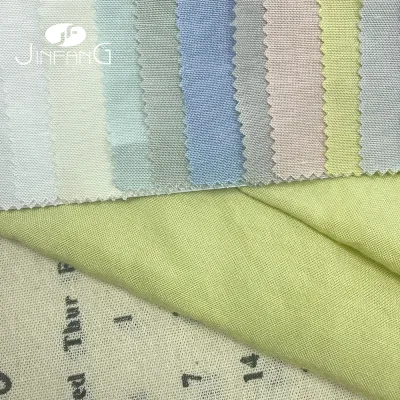
Main productsPure Linen, Pure Ramie, Ramie cotton, Tencel Linen/ Ramie, Linen adhesive
Main marketsDomestic Market(40%), Southeast Asia(20%), North America(10%)

Shaoxing Yewang Textile Co., Ltd.
- Trading Company
- China Zhejiang
- Lead time15 days
- Avg. response≤ 13h
Main productsRayon Print&Dye Fabric, Cotton Print&Dyed Fabric, Polyester Print and Dyed Fabric, Digital Printing Fabric, Nida Fabric and Abaya Fabric, Garment Fabric and Knitted Fabric, Linen Fabric and Hawaii Design Fabric, Velvet Fabric and Cey Fabric, Flano Fabric and Denim Fabric, Woven Fabric
Main marketsOthers(foreignTradeCapacity.exportBusinessCapacityMarketOther),Southeast Asia/ Mideast,East Asia(Japan/ South Korea)


8055 80GSM 55ramie 45tel Ramie Blend Tencel Lyocell Fabric for Summer Women Dress
$3.60 - $3.70
MOQ: 1000 Meters


Jibei Textile (Shaoxing) Co., Ltd.
- Verified by SGS
- Trading Company
- China Zhejiang
- Lead time30 days
- Avg. response≤ 3h
Main productsHigh-End Clothing Fabrics, Printed Fabrics, Homefabrics, Functional Fabric
Main marketsDomestic

Luxurious Eco-Friendly Lyocell Cotton Fabric for Trendy Women's Apparel
$1.70 - $2.50
MOQ: 1000 Meters

Blended Linum Usitatissimum Lyocell Fabric Soft Silky Skin-Friendly Fabric
$3.50 - $3.95
MOQ: 1000 Meters
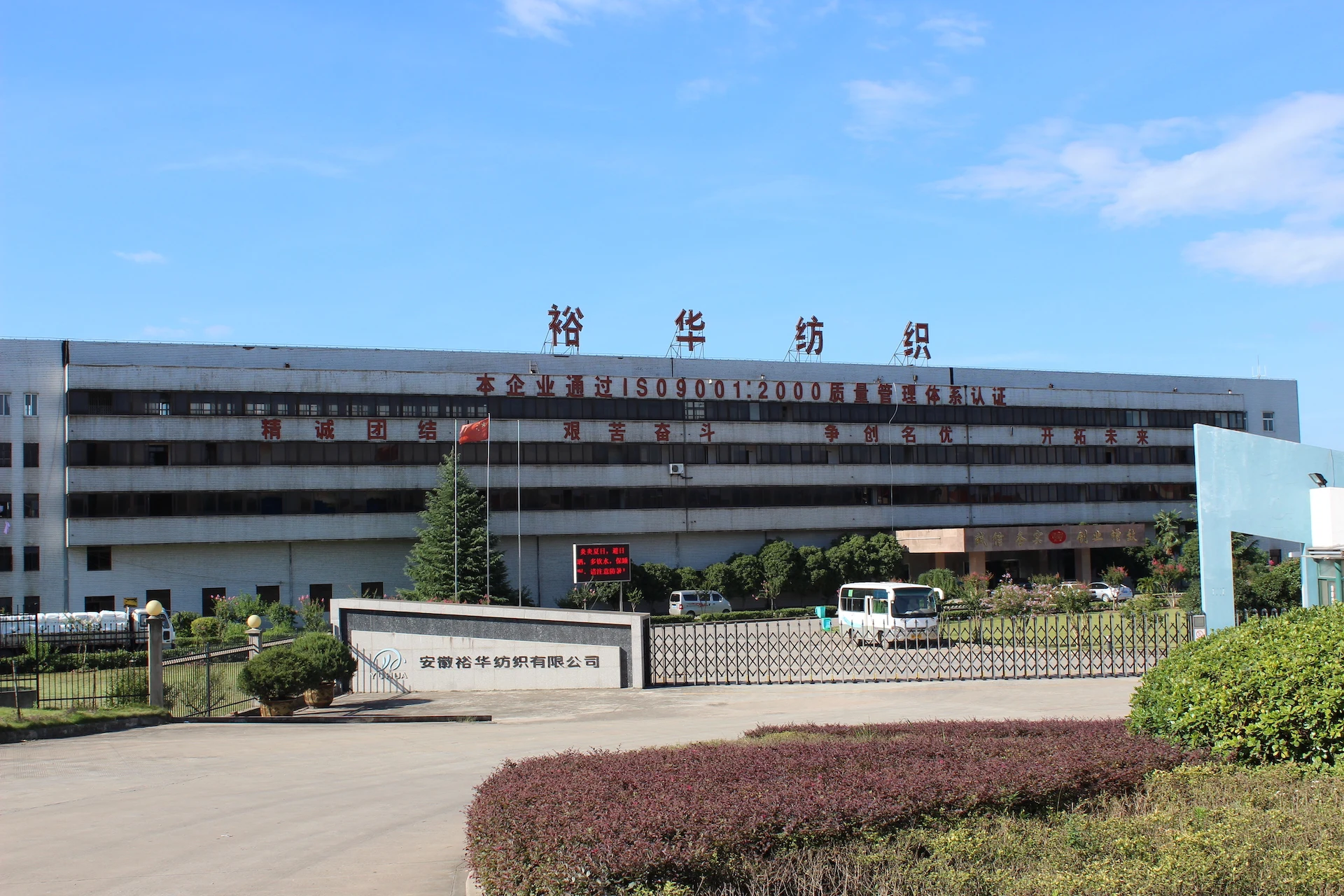
Anhui Yuhua New Materials Co., Ltd.
- Manufacturer, Trading Company
- Anhui, China
- Lead time0 days
- Avg. response≤ 1h
Main productsOther Yarns,Bast Fiber Fabrics,Other Fabrics
Main marketsDomestic Market(85.00%), Southeast Asia(10.00%), Western Europe(2.00%), North America(2.00%), Eastern Asia(1.00%)

Wujiang First Textile Co., Ltd.
- Verified by CTI
- Combined
- China Jiangsu
- Lead time23 days
- Avg. response≤ 7h
Main productsSilk Pillow Silk Pillowcase Silk Bonnet, Silk Garment Silk Pajama Silk Dress, Silk Eye Mask Silk Mask Silk Sleeping Cap, Silk Scarf Silk Hair Band, Silk Fabric Silk Jacquard Fabric, Silk Knitted Silk Jersey Fabric, Viscose Rayon Fabric, Loycell Acetate Curpro Fabric, Polyester Fabric Recycled Fabric, Velvet Fabric Burnout Velour Fabric
Main marketsSouth America,Africa,Southeast Asia/ Mideast,Domestic,Europe,Australia,North America

Custom Eco-Friendly 100% Lyocell Twill Heavy Weight Sustainable Lyocell Fabric for Garment
$9.98 - $11.76
MOQ: 2 Meters

High Grade Quality Most Competitive Price Cupro-Like Lyocell Fabric for Garment Fabric
$7.90 - $9.50
MOQ: 300 Yards

Shaoxing Quanlu Import and Export Co., Ltd.
- Verified by BV
- Trading Company
- China Zhejiang
- Lead time23 days
- Avg. response≤ 6h
Main productsLace Fabric, Mesh Fabric, Print Fabric, Embroidery Fabric, Sequin Fabric, Yoga Fabric, Knitted Fabric
Main marketsSouth America,Eastern Europe,Mid East,North America,Southeast Asia,Eastern Asia,Oceania,Western Europe,Africa

Beijing Fabric Garden Textile Trade Center
- Verified by SGS
- Trading Company
- China Beijing
- Lead time30 days
- Avg. response≤ 19h
Main productsYarn Dye Jacquard Woven Fabric, Bamboo Tencel Modal Fabric, Flame Retardant Nano Functional Fabric, Knit Jersey Fabric, Wool Silk Fabric, Organic Cotton Fabric, Cotton Bamboo Viscose T/R T/C Yarn, Bonded Fabric Para-Aramid, Denim Fabric Modacrylic Yarn, Linen Ramie Hemp Fabric
Main marketsSouth America,Europe,North America

Jiayi Times (Shenzhen) Technology Co., Ltd.
- Verified by BV
- Trading Company
- China Guangdong
- Lead time15 days
- Avg. response≤ 18h
Main productsAction Camera
Main marketsEurope

Hangzhou Lyson Textile Co., Ltd.
- Verified by CTI
- Trading Company
- China Zhejiang
- Lead time60 days
- Avg. response≤ 4h
Main productsLadies Wear Fabrics
Main marketsDomestic

- Verified by SGS
- Trading Company
- China Jiangsu
- Lead time15 days
- Avg. response≤ 2h
Main productsSilk Fabric, Lyocell Fabric, Viscose Fabric, Linen Fabric, Polyester Fabric, Printed Fabric, Garment Fabric, Dress, Pillowcase, Fitted Sheet
Main marketsDomestic


Easy to Care Long-Lasting Lyocell Wrinkle Lyocell Fabric for Spring Summer
$5.30 - $5.65
MOQ: 1000 Meters

100%Lyocell 2/1 Twill 125grams Per Square Meter Smoth Comfortable Fabric for Garments
$1.90 - $3.50
MOQ: 1000 Meters

Easy to Care Environmental Terylene Wrinkle Lyocell Fabric for Pillowcases
$5.20 - $5.80
MOQ: 1000 Meters


Jinjiang Ruiraner Textile Co., Ltd
- Verified by SGS
- Manufacturer
- China Fujian
- Lead time30 days
- Avg. response≤ 8h
Main productsRecycled Eco-Friendly Fabric, Fluorine-Free Chuny

Eco-Friendly 100% Lyocell Fabric Multiple Color Woven Fabric for Shirts Dresses
$0.70 - $1.00
MOQ: 3000 Meters


Dongguan Xinlang Textile Technology Co., Ltd.
- Verified by BV
- Combined
- China Guangdong
- Lead time15 days
- Avg. response≤ 5h
Main marketsSoutheast Asia/ Mideast,Domestic,Europe,Australia,North America

Suzhou Quality Fiber Technology Co., Ltd.
- Trading Company,Manufacturer/Factory
- China Jiangsu
- Lead time23 days
- Avg. response≤ 2h
Main productsPolyester Fabric, Imitation Silk Fabric for Dress, Nylon Fabric, Spandex Fabric, Tr/Tc Fabric, Linen Fabric, Home Textile, Polyester Material
Main marketsSouth America,Eastern Europe,North America,Southeast Asia,Eastern Asia,Western Europe

High Quality 70%Lyocell 30% Linen Natural Woven Fabric for Garment Textile
$4.70 - $4.99
MOQ: 2000 Meters

Superthin Breathable Chiffon Polyester Viscose Lyocell Dress Fabric for Garment Textile
$2.27 - $2.43
MOQ: 1200 Meters

Chinese Factory High Quality Pure Linen Lyocell Textile Fabric for Shirt Cloth
$3.35 - $3.62
MOQ: 2000 Meters

Nantong Oulai Trading Co., Ltd.
- Verified by SGS
- Combined
- China Jiangsu
- Lead time23 days
- Avg. response≤ 1h
Main productsHome Textile Fabric, Cotton Fabric, Tencel Fabric, Washed Cotton, Double-Layer Yarn Fabric, Polyester Fabric, Nylon Fabric, Knitted Fabric, Woven Fabric, Jacquard Fabric
Main marketsSoutheast Asia/ Mideast,Australia


Ready to Ship Sustainable Solid Color 100% Lyocell Fabric for Summer Using
$1.58 - $2.28
MOQ: 50 Pieces

- Trading Company
- Jiangsu, China
- Lead time7 days
- Avg. response≤ 3h
Main productsSilk Scarf,Silk fabric,Silk Pillowcase,Silk eye mask,Silk Scrunchies
Main marketsNorthern Europe(15.00%), Western Europe(15.00%), Southern Europe(15.00%), North America(15.00%), Eastern Asia(10.00%), Southeast Asia(5.00%), Central America(5.00%), Eastern Europe(5.00%), South Asia(5.00%), South America(5.00%), Mid East(3.00%), Africa(2.00%)
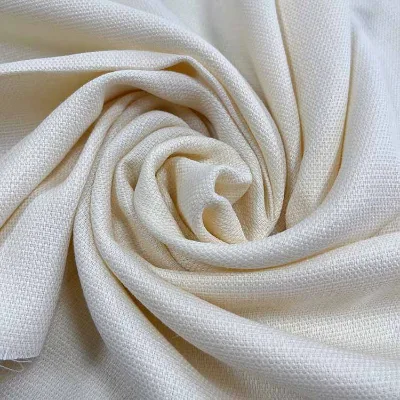
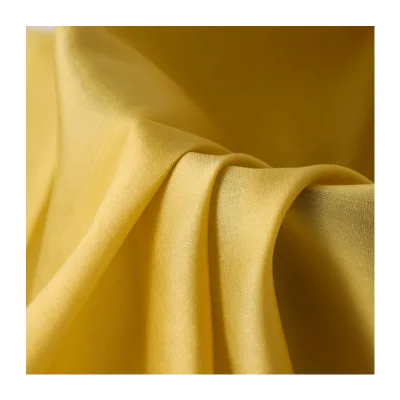
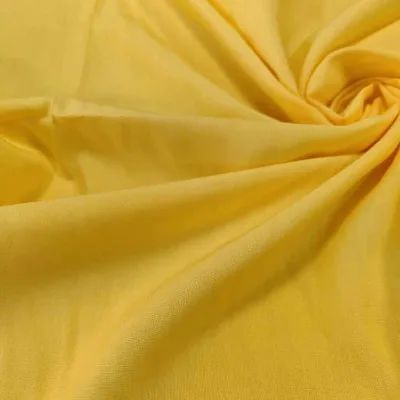
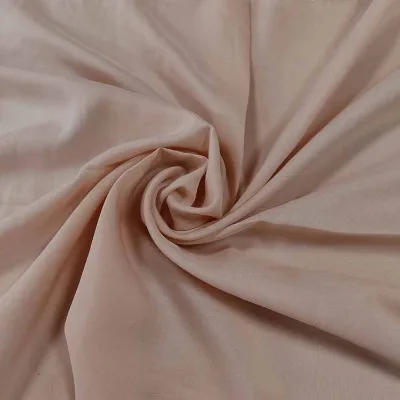
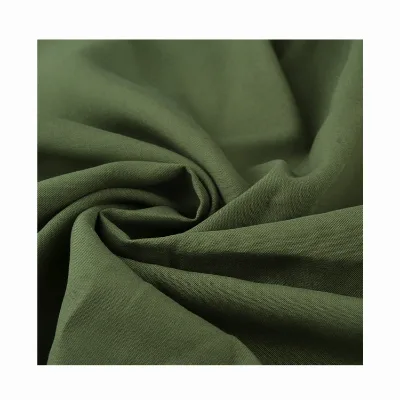
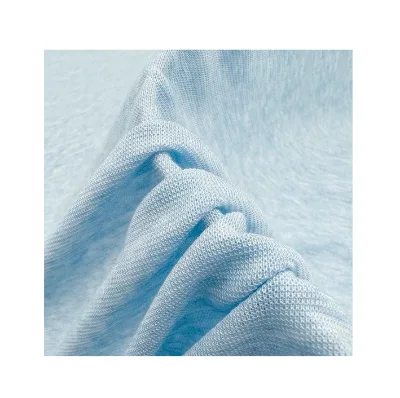
Lyocell Wool Blend Fabric Jersey Wool Shirt Fabric
$6.35 - $7.78

Shanghai Fartex Import and Export Company Limited
- Verified by TUVRHEINLAND
- Trading Company
- China Shanghai
- Lead time15 days
- Avg. response≤ 18h
Main productsfabric
Main marketsAfrica


Cheap Price Lyocell Knitted Fabric Rayon Fabric for Clothes Making 165GSM
$2.10 - $2.30
MOQ: 1000 Yards


DEZHOU JUNXIANG TEXTILES CO., LTD.
- Trading Company
- China Shandong
- Lead time15 days
- Avg. response≤ 4h
Main productsUniform Fabric, Pocketing Fabric, Shirt Fabric, Greige Fabric, Polyester Cotton Fabric, Polyester Viscose Fabric, Spandex Fabric, Cotton Fabric, Garment Fabric, Functional Textiles
Main marketsSouth America,Africa,Southeast Asia/ Mideast,East Asia(Japan/ South Korea),Domestic,Europe,Australia,North America

100%Lyocell 21X21 120X64 Twill Shining Trousers Suit Fabric Lyocell Fabric
$2.00 - $2.40
MOQ: 5000 Meters


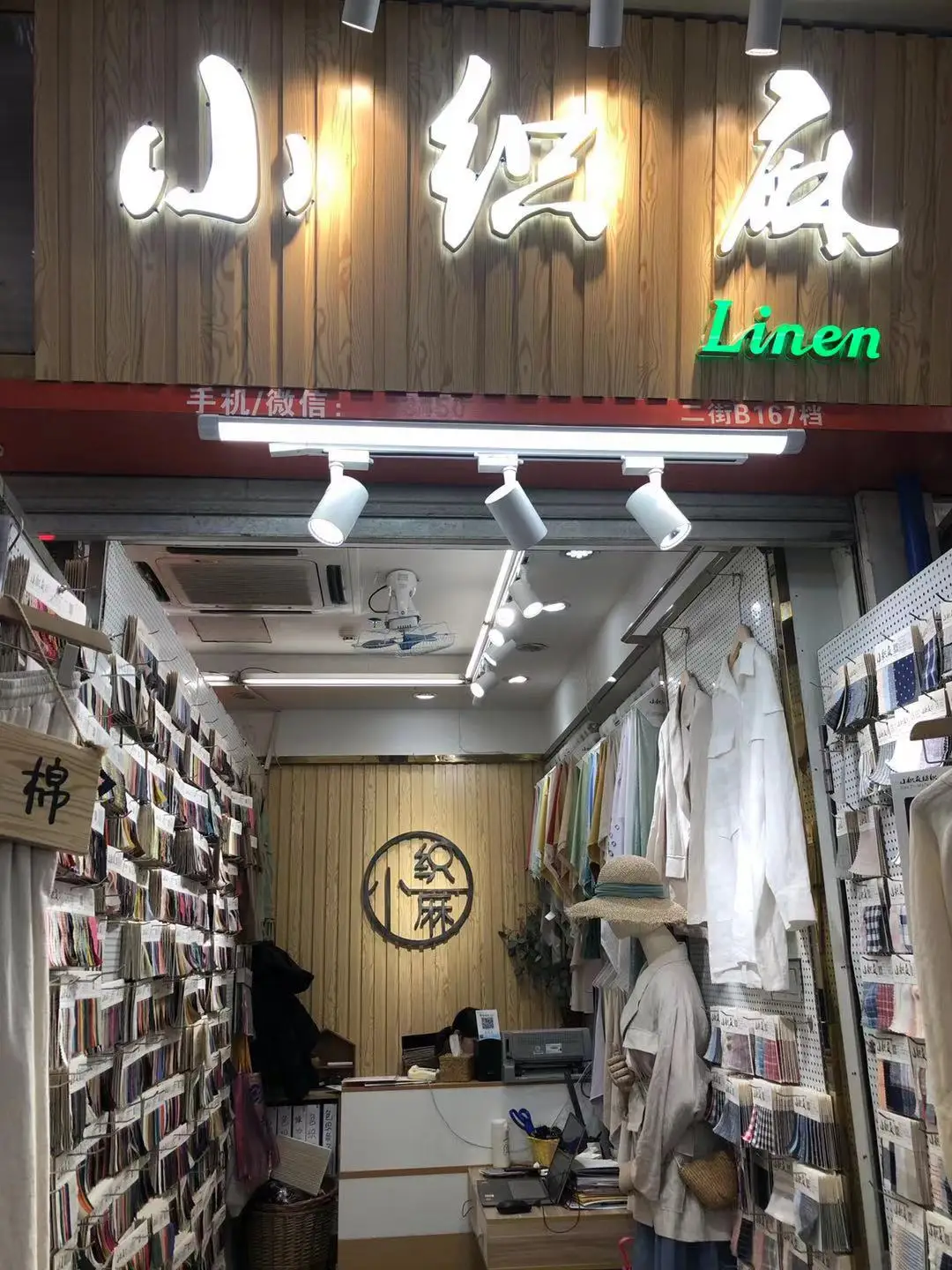
Guangzhou Xiaozhima Textile Co., Ltd.
- Manufacturer, Trading Company
- Guangdong, China
- Lead time10 days
- Avg. response≤ 5h
Main productsLinen fabric,Cotton fabric,Linen cotton fabric,Tencel fabric,Corduroy fabric
Main marketsDomestic Market(39.00%), South America(10.00%), Central America(7.00%), South Asia(6.00%), Oceania(6.00%), Western Europe(5.00%), Eastern Europe(5.00%), North America(5.00%), Southern Europe(4.00%), Northern Europe(4.00%), Eastern Asia(3.00%), Mid East(3.00%), Africa(2.00%), Southeast Asia(1.00%)
Nantong Dora Home Textile Co., Ltd.
- Manufacturer, Trading Company
- Jiangsu, China
- Lead time30 days
- Avg. response≤ 4h
Main productsBed cover,quilt,comforter,fitted sheet,pillow
Main marketsMid East(80.00%), Southeast Asia(10.00%), Eastern Europe(5.00%), South America(2.00%), Western Europe(1.00%), North America(1.00%), Africa(1.00%)
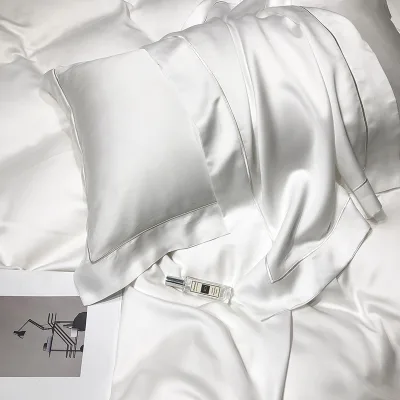
High Quality Customized Solid Lyocell Fiber Fabric 60s 250cm Width Satin Pure Lyocell Fiber Fabric
$3.50 - $3.70
MOQ: 3 meters


Comprehensive Sourcing Guide
Organic Breathable Lyocell Ramie Fabric Supplier Concentration and Factory Types
Current data indicates a mix of trading companies and manufacturers operating within the Organic Breathable Lyocell Ramie Fabric sector, with specific entities identified as trading companies offering diverse textile portfolios. Some suppliers list main products including pure linen, pure ramie, and blends like ramie cotton or tencel linen, while others focus on rayon print and dye fabrics alongside digital printing options. This variation suggests that buyers may encounter both specialized producers and generalist traders depending on the specific supplier profile. The presence of trading companies implies a potential layer of intermediation, which can affect direct factory access and pricing structures for specialized blends.
Geographic concentration is a critical factor for sourcing efficiency, with verified facts pointing to operations in Guangdong, China, and Zhejiang, China. One specific product origin is listed as Guangdong, while another location is explicitly noted as China Zhejiang. These regions are known textile hubs, but the data does not confirm a single dominant cluster for this specific blend. Buyers should verify the exact factory location for each supplier to understand logistics implications. If a supplier claims a location not supported by the provided product evidence, such as a specific city outside these provinces, that claim requires independent verification before proceeding with any order or contract negotiation.
How to Verify Organic Breathable Lyocell Ramie Fabric Suppliers
Verification of supplier credentials is essential when sourcing Organic Breathable Lyocell Ramie Fabric to ensure product authenticity and operational reliability. Several suppliers in the current results hold Oeko-Tex 100 certification, a standard that confirms the absence of harmful substances in the textile, which is crucial for organic claims. Additionally, some entities have undergone verification by SGS Group, providing an external audit of their business status. However, not all suppliers display these specific credentials; some list "Others" for system certification or lack explicit verification badges. Buyers must check the specific certification documents for each vendor rather than assuming all listed suppliers meet the same safety standards.
Response time and verification status are also key indicators of supplier reliability and communication efficiency. The data shows response times varying significantly, with some suppliers responding in approximately 4 hours, while others take nearly 13 hours or more. A faster response time often correlates with better customer service and more active account management. Furthermore, the presence of an SGS verification badge adds a layer of trust regarding the company's legitimacy. Buyers should prioritize suppliers with both verified status and rapid response times, as these factors reduce the risk of communication breakdowns during the critical sampling and production phases.
What to Compare Across Organic Breathable Lyocell Ramie Fabric Suppliers
When evaluating potential partners, buyers should compare lead times, minimum order quantities (MOQ), and pricing structures to align with their production schedules and budget constraints. Lead times in the observed data range from zero days for in-stock items to thirty days for custom production runs. This variance highlights the importance of distinguishing between ready-to-ship inventory and made-to-order goods. Similarly, MOQs differ substantially, with some suppliers requiring as few as two units, while others demand orders of 1000 units or more. Understanding these thresholds is vital for small-batch buyers versus large-scale manufacturers seeking volume discounts.
Pricing and product specifications provide another critical dimension for comparison. Unit prices for lyocell ramie blends can vary from approximately $2.80 to over $7.70 depending on the specific fabric weight, width, and finish. For instance, a lightweight 150gsm fabric may have a different price point than a medium-weight 235gsm option. Buyers must also compare technical attributes such as width, which ranges from 43 inches to 150cm, and yarn counts like 21S. Comparing these detailed specifications ensures that the selected fabric meets the exact design requirements for garments like dresses, shirts, or home textiles, preventing costly mismatches between the ordered material and the intended application.
Common Organic Breathable Lyocell Ramie Fabric Sourcing Risks
One significant risk in sourcing Organic Breathable Lyocell Ramie Fabric involves the discrepancy between claimed material composition and actual product specifications. While some products are explicitly labeled as 55% ramie and 45% lyocell, others may have different blend ratios or lack clear material breakdowns in their public listings. Buyers must request detailed material test reports to confirm the fiber content, as mislabeling can lead to compliance issues and customer dissatisfaction. Additionally, the "organic" claim requires careful scrutiny, as not all suppliers provide evidence of organic certification beyond general eco-friendly marketing terms.
Another risk relates to supply consistency and the ability to fulfill orders within the stated lead times. While some suppliers offer in-stock items with immediate availability, others have lead times extending up to thirty days. If a buyer relies on a supplier with a long lead time without a buffer, production delays can occur. Furthermore, the availability of customization options varies; some suppliers offer customization while others do not. Buyers should verify the customization capabilities and the associated costs before placing an order, as the inability to customize or the unexpected delay in production can disrupt the entire supply chain and impact delivery schedules to end customers.
Organic Breathable Lyocell Ramie Fabric Regional Sourcing and Logistics
Logistics planning must account for the specific geographic origins of the suppliers, which are currently identified as Guangdong and Zhejiang in China. These regions are major textile manufacturing hubs, but the distance from the port of shipment to the buyer's destination will influence shipping costs and transit times. Buyers should confirm the specific port of loading for each supplier, as Guangdong and Zhejiang may utilize different ports such as Shenzhen, Guangzhou, or Ningbo. Understanding the logistics network helps in calculating the total landed cost and estimating the arrival date of the goods accurately.
Packaging and handling standards also play a role in regional logistics and product integrity. Product evidence indicates specific packaging dimensions, such as 30x20x5 cm or 35x30x5 cm, and packing methods like plastic bag packaging with outer layers. These details are crucial for calculating freight volume and ensuring the fabric arrives without damage. Buyers should verify if the packaging meets their specific storage requirements or if additional protective measures are needed during transit. Additionally, the single gross weight of packages, such as 0.800 kg or 75g, affects shipping calculations and should be factored into the overall logistics budget to avoid unexpected charges or delays.
Organic Breathable Lyocell Ramie Fabric Commercial Terms and Order Planning
Commercial terms, including payment methods and escrow services, are fundamental to securing a safe transaction when sourcing Organic Breathable Lyocell Ramie Fabric. While the current data does not explicitly detail escrow availability for every supplier, buyers should inquire about secure payment options to protect their funds until the goods are delivered as specified. The presence of verified suppliers like those with SGS verification often correlates with more robust commercial terms, but this is not guaranteed. Buyers must explicitly confirm the payment terms, such as deposit percentages and balance due dates, before finalizing any agreement to mitigate financial risk.
Order planning requires a clear understanding of the supply type, whether items are in-stock or made-to-order, and the associated production capacity. Some suppliers offer in-stock items, allowing for immediate shipment, while others operate on an ODM or OEM basis with longer lead times. Buyers should assess their inventory needs against the supplier's capacity to determine the optimal ordering strategy. For instance, a supplier with a 30-day lead time may require advance planning for seasonal collections, whereas an in-stock supplier can support urgent restocking needs. Aligning order quantities with the supplier's MOQ and lead time ensures a smooth procurement process and minimizes the risk of stockouts or overstocking.
FAQs
What is the price range for Organic Breathable Lyocell Ramie Fabric?
Prices for this fabric typically range from approximately $2.80 to $7.70 per unit depending on the specific blend and weight. For instance, a 55% ramie and 45% lyocell plain fabric is listed around $4.02 to $4.17, while a 100% tencel denim variant costs about $2.80 to $2.90. Higher-end twill options may reach $7.50 to $7.70.
What are the minimum order quantities for these fabrics?
Minimum order quantities vary significantly by supplier and product type. Some suppliers offer low MOQs starting at just 2 units for in-stock items, making them suitable for sampling or small batches. Conversely, other suppliers require a minimum order of 1000 units for specific woven tencel or lyocell denim fabrics, which is better suited for larger production runs.
How fast do suppliers typically respond to inquiries?
Response times for these suppliers vary, with some providing very quick replies within 2.51 hours. Other suppliers may take approximately 4 hours or up to 12.94 hours to respond to initial inquiries. Buyers seeking rapid communication should prioritize suppliers with lower response time metrics to ensure efficient project management and timely order processing.
What certifications are available for these fabrics?
Several suppliers offer fabrics certified under the Oeko-Tex 100 standard, ensuring the materials are free from harmful substances. Additionally, some suppliers hold SGS verification for their business operations. Buyers requiring specific eco-friendly or safety certifications should verify the exact documentation provided by the supplier, as some listings may only indicate general certification categories.
Where are these fabrics manufactured?
These fabrics are primarily manufactured in China, with specific production hubs located in Guangdong and Zhejiang provinces. Buyers can find suppliers originating from Shaoxing and other regions within these provinces. The place of origin is consistently listed as China for the various lyocell and ramie blends available on the platform.
What are the typical lead times for production?
Lead times for these fabrics vary by supplier, with some offering immediate availability for in-stock items. Other suppliers indicate lead times of 15 days or up to 30 days for production. Buyers should confirm the specific lead time with the supplier, as it depends on whether the item is in stock or requires custom manufacturing.