organic anti-aging hand cream Suppliers and Manufacturers
Compare 26 verified suppliers offering organic anti-aging hand cream with OEM/ODM capabilities, certifications like FDA and GMP, and lead times ranging from 15 to 45 days. Review product specifications and pricing to select a partner in Zhejiang, China; review the available evidence before requesting comparable quotations from suitable candidates.
Updated
Suppliers List

Zhejiang Qianfei Enterprise Co., Ltd.
- Combined
- China Zhejiang
- Lead time45 days
- Avg. response≤ 17h
Main productsBody Mist, Body Lotion, Body Cream, Perfume, Body Spray, Body Splash, Fragrance Mist, Hand Sanitizer, Fragrance, Hand Cream
Main marketsSouth America,Southeast Asia/ Mideast,Europe
Ningbo Healsunny Technology Co., Ltd.
- Trading Company
- Zhejiang, China
- Lead time15 days
- Avg. response≤ 5h
Main productsTire,Medical Product,Beauty Product,LED Light,Car Auto Parts
Main marketsWestern Europe(15.00%), North America(15.00%), Northern Europe(10.00%), South America(9.00%), Eastern Europe(8.00%), Southern Europe(8.00%), South Asia(7.00%), Mid East(7.00%), Eastern Asia(5.00%), Africa(5.00%), Southeast Asia(5.00%), Central America(4.00%), Oceania(1.00%), Domestic Market(1.00%)
Guangzhou Elov Cosmetics Co., Ltd.
- Verified by SGS Group
- Manufacturer, Trading Company
- Lead time20 days
- Avg. response≤ 8h
Main productsMask, Eye Pad, Body Cream, Facial and Body Spray, Foot and Hand Mask
Main marketsDomestic Market(40%), North America(12%), Western Europe(10%)
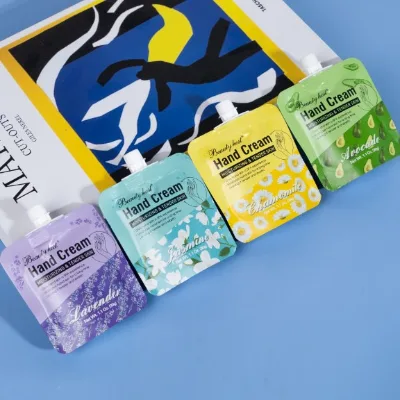
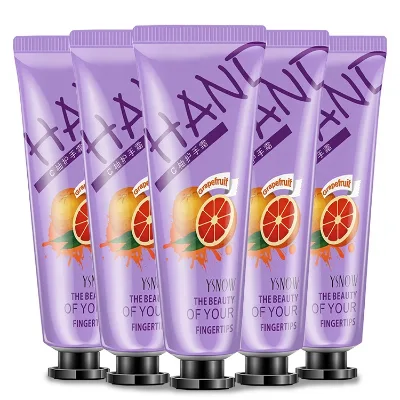
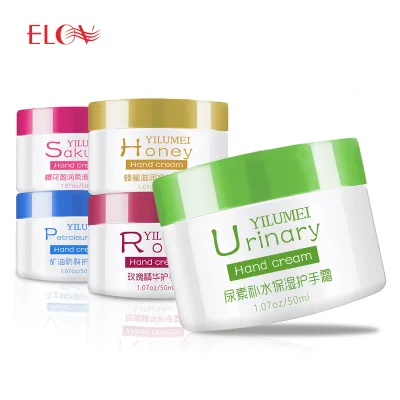
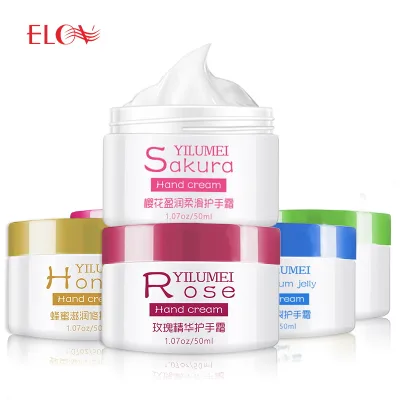
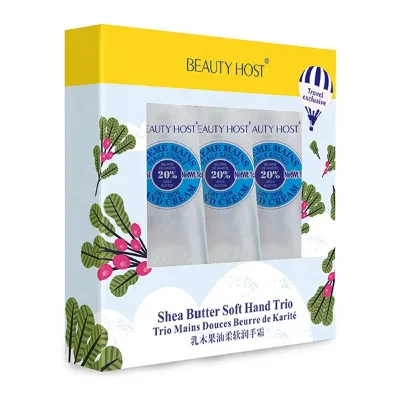
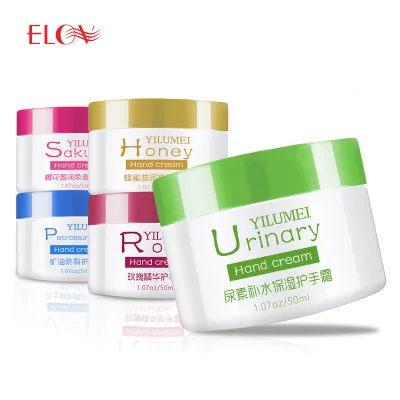
Private Label Organic Honey Hand Cream Skin Care Moisturizing Hand Lotion Rose Urea
$0.4087 - $0.5659
MOQ: 144 pieces

Guangzhou Shiruoni Cosmetics Co., Ltd.
- Trading Company,Manufacturer/Factory,Group Corporation
- China Guangdong
- Lead time15 days
- Avg. response≤ 5h
Main productsSkin Care, Jelly Mask, Face Serum, Face Toner, Face Cream, Facial Mask, Sunscreen, Face Cleanser, Soap, Skin Care Set
Main marketsSouth America,Eastern Europe,Mid East,North America,Southeast Asia,Eastern Asia,Oceania,Western Europe,Africa

OEM ODM Organic Strawberry Hand Cream Anti Aging Nourishing Whitening Hand Cream
$0.90 - $1.20
MOQ: 1000 Pieces


Private Label Organic Vitamin E Fruit Hand Cream Fast-Absorbing Hand Cream for Dry Cracked Hands
$0.90 - $1.20
MOQ: 1000 Pieces


Guangzhou Umicore Biotechnology Co., Ltd.
- Trading Company
- China Guangdong
- Lead time0 days
- Avg. response≤ 25h
Main productsSkin Care Products, Hair Care Products, Personal Care Products


Whitening Hand Lotion Moisturizing Soothing Beauty Skin Care Anti Aging Retinol Hand Cream
$0.25 - $0.39
MOQ: 3000 Pieces

Hangzhou Huiji Biotechnology Co., Ltd.
- Verified by BV
- Combined
- China Zhejiang
- Lead time30 days
- Avg. response≤ 9h
Main productsShampoo, Detergent, Dish Washing, Hand Liquid Soap, Air Freshener, Conditioner, Urinal Block, Shower Gel, Glass Cleaner, Floor Cleaner
Main marketsSouth America,Africa,Southeast Asia/ Mideast,East Asia(Japan/ South Korea),Domestic,Europe,Australia,North America


Moisturizing Prevent Skin Cracking Body Gel Skin Care Hand Cream Body Lotion
$0.15 - $0.17
MOQ: 5000 Pieces


Guangzhou Aifujia Biotechnology Co., Ltd.
- Trading Company
- China Guangdong
- Lead time15 days
- Avg. response≤ 6h
Main productsFace Cream, Face Serum, 24K Serum, Rose Spray, Vitamin C Serum, Skin Care Set, Essential Oil, Facial Mask, Face Lotion, Anti Aging Whitening Face Cream
Main marketsSoutheast Asia/ Mideast,Europe,North America

Natural Anti Aging Moisturizing Handcream Whitening Hand Cream for Dry Skin
$1.12 - $2.00
MOQ: 1000 Pieces

Hot Sale Customized Organic Handcream Anti Wrinkle Anti Chapping Moisturizing Hand Whitening Cream
$1.20 - $1.80
MOQ: 500 Pieces

Smoothing Hydrating Anti-Wrinkle Natural Plant Extracts Hand Cream for Hand
$1.22 - $3.99
MOQ: 100 Pieces

Snail Hand Cream Hot Sale Professional Customized Moisturizing Hand Cream
$1.99 - $2.99
MOQ: 100 Pieces


Custom Top Natural Beauty Skincare Hand Cream Anti Cracking Moisturizing
$1.35 - $1.72
MOQ: 1000 Pieces

Guangzhou Shangmei Cosmetics Technology Co., Ltd.
- Manufacturer
- Guangdong, China
- Lead time7 days
- Avg. response≤ 5h
Main productsMask Powder,Jelly Mask,Face Toner,Skin Serum,Facial Mask
Main marketsNorth America(25.00%), Western Europe(15.00%), Northern Europe(10.00%), Oceania(10.00%), Southern Europe(10.00%), Eastern Europe(10.00%), Mid East(5.00%), Southeast Asia(5.00%), Domestic Market(5.00%), South America(4.00%), Eastern Asia(1.00%)
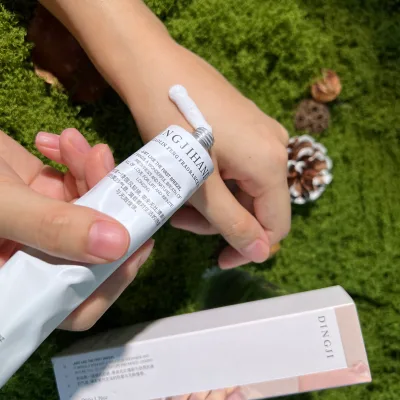
Moisturizing Whitening Nourishing Herbal Hand Cream
$1.57 - $2.62
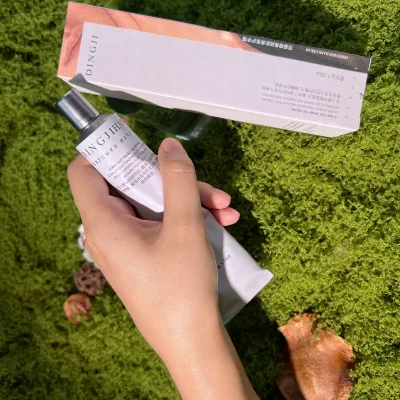
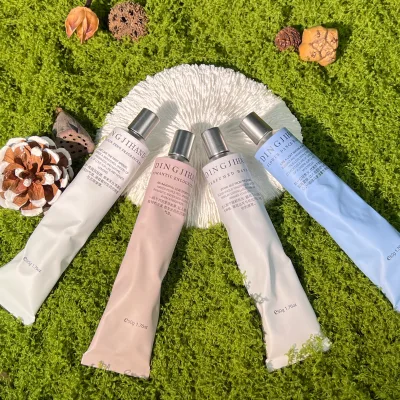
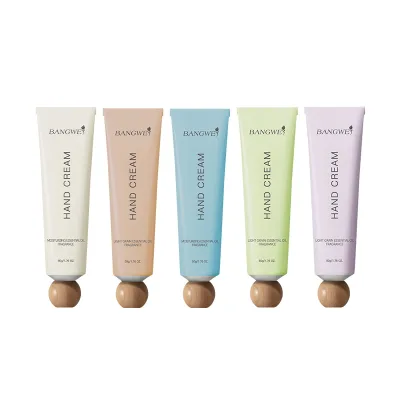
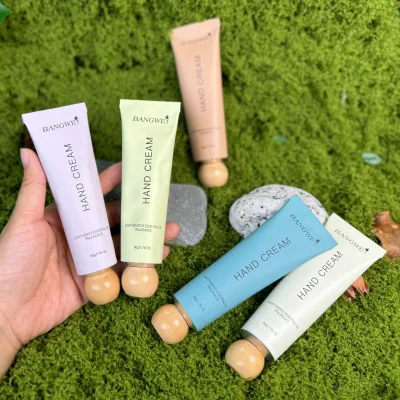
Oem Private Natural White Label Hand Cream With Customized Logo and Cute Design
$1.4087 - $2.3548
MOQ: 100 pieces

Xiamen Safercare Toiletries Co., Ltd.
- Verified by BV
- Combined
- China Fujian
- Lead time60 days
- Avg. response≤ 17h
Main productsTravel Set, Bath Set, Plastic Bottles, Lotion Pump, Plastic Caps, Shower Gel, Hand Wash, Cosmetic Bag, Hand Sanitizer, Shapmpoo
Main marketsDomestic,Europe

Hand Cream Nourishing Whitening Moisturizing Anti-Cracking Hand Cream Lotion
$0.10 - $3.50
MOQ: 5000 Pieces



Shanxi Binduo Technology Co., Ltd.
- Trading Company
- Shanxi, China
- Lead time7 days
- Avg. response≤ 8h
Main productsSkin care,cosmetic,health Care,make up tool,Hair Care
Main marketsNorth America(35.00%), Western Europe(12.00%), Southeast Asia(10.00%), Central America(10.00%), Eastern Europe(5.00%), Mid East(5.00%), Northern Europe(5.00%), South America(5.00%), Southern Europe(3.00%), Africa(3.00%), South Asia(2.00%), Eastern Asia(2.00%), Oceania(2.00%), Domestic Market(1.00%)

Guangzhou Ailian Cosmetic Co., Ltd.
- Manufacturer, Trading Company
- Guangdong, China
- Lead time15 days
- Avg. response≤ 6h
Main productsMask/ Body Care/ Make Up/ Cosmetics/ Skin Care
Main marketsDomestic Market(30.00%), Eastern Europe(25.00%), Southeast Asia(12.00%), Africa(5.00%), Central America(4.00%), Mid East(4.00%), Oceania(3.00%), Western Europe(3.00%), North America(1.00%), South America(1.00%)

Guangzhou Guocui Biological Technology Co., Ltd.
- Verified by TUVRHEINLAND
- Combined
- China Guangdong
- Lead time15 days
- Avg. response≤ 5h
Main productsSkin Care, Face Care, Body Care, Hair Care, Makeup, Essential Oil, Beard Care, Lipstick, Neck Care, Facial Essence
Main marketsDomestic

Organic Whitening Cream Moisturizing Hand Cream Natural Honey Coconut Repair Hand Cream
$0.52 - $0.78
MOQ: 500 Pieces

Natural Skincare Whitening Lighten Hand Complexions Rose Moisturizing Non-Greasy Hand Cream
$0.52 - $0.78
MOQ: 500 Pieces

Guangzhou Mebamy Cosmetics Co., Ltd.
- Verified by TUVRHEINLAND
- Manufacturer/Factory
- China Guangdong
- Lead time15 days
- Avg. response≤ 2h
Main productsFace Serum, Soap, Face Cream, Sunscreen, Eyelash Growth Serum, Teeth Whitening, Face Mask, Facial Cleanser, Essential Oil, Hair Care Series
Main marketsNorth America,Western Europe

Dongguan Myway Beauty Technology Co., Ltd.
- Manufacturer, Trading Company
- Guangdong, China
- Lead time15 days
- Avg. response≤ 4h
Main productsFoot Skin Care,Feet Callus Remover,Hand Skin Care,Body Care,Eyes Care
Main marketsDomestic Market(40.00%), North America(28.00%), Eastern Europe(15.00%), Eastern Asia(3.00%), Western Europe(3.00%), Southern Europe(3.00%), Northern Europe(3.00%), South America(2.00%), Mid East(1.00%), Africa(1.00%), Southeast Asia(1.00%)
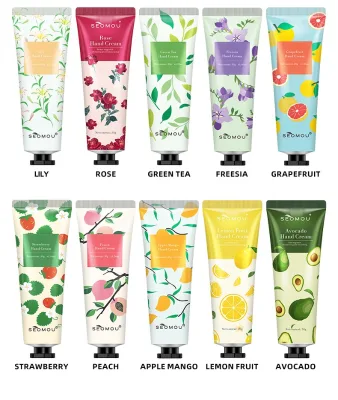
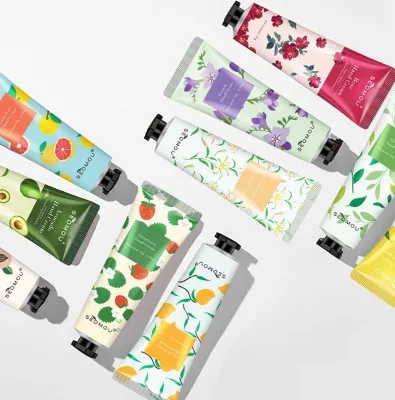
Wholesale Hand Cream Organic Moisturizing Avocado Green Tea Strawberry Private Label Hand Cream
$0.0411 - $0.0617
MOQ: 600 pieces

Ausun (shenzhen) Industrial Co., Ltd.
- Manufacturer, Trading Company, Distributor/Wholesaler
- Guangdong, China
- Lead time0 days
- Avg. response≤ 6h
Main productsSkincare products,Cosmetics,Hair care products,Skin cleansing products,Sunscreen products
Main marketsNorth America(30.00%), Eastern Asia(10.00%), Oceania(10.00%), Northern Europe(10.00%), Eastern Europe(10.00%), South America(10.00%), Southern Europe(5.00%), Southeast Asia(5.00%), Central America(5.00%), Western Europe(5.00%)

Foshan Sanshui Qiaoxifu Daily Necessities Co., Ltd.
- Manufacturer, Trading Company
- Guangdong, China
- Lead time15 days
- Avg. response≤ 6h
Main productsFacial Mask/Eye Mask/Serum/Make Up/Facial Cream
Main marketsDomestic Market(20.00%), Southeast Asia(20.00%), Mid East(10.00%), South America(10.00%), North America(10.00%), Africa(5.00%), Southern Europe(5.00%), Oceania(5.00%), Eastern Europe(5.00%), South Asia(2.00%), Western Europe(2.00%), Eastern Asia(2.00%), Northern Europe(2.00%), Central America(2.00%)
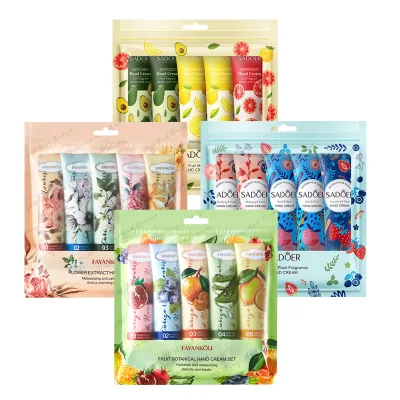
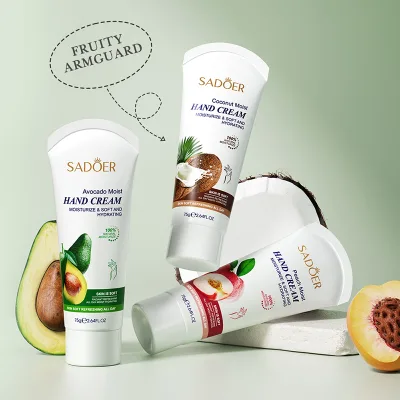
$0.5135 - $0.5644
MOQ: 144 Minimum
Guangzhou Shente Beautiful Health Technology Co., Ltd.
- Verified by TüVRheinland
- Manufacturer, Trading Company
- Lead time30 days
- Avg. response≤ 4h
Main productsBody Lotion, Shower Gel, Soap, Body Oil, Shampoo
Main marketsNorth America(30%), Africa(20%), Western Europe(20%)
Xi'an Austar Slender Biotech Co., Ltd.
- Manufacturer, Trading Company
- Shaanxi, China
- Lead time15 days
- Avg. response≤ 2h
Main productsFace Cream, Facial Mask, Skin Toner, Skin Care Serum, Facial Cleanser
Main marketsNorth America(80.00%), Oceania(10.00%), Western Europe(5.00%), Mid East(5.00%)
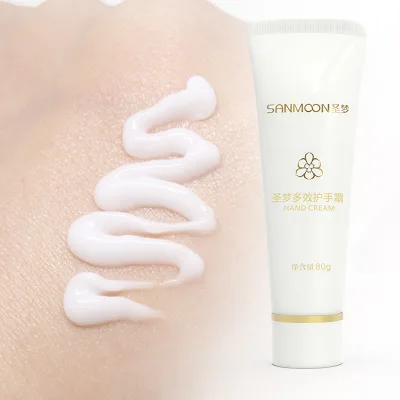
New Arrival Moisturizing Anti Aging Skin Care Moisturizer Hands Cream
$1.6692 - $2.0853
MOQ: 50 pieces
Sichuan Kangmei Xinrui Health Management Co., Ltd.
- Trading Company
- Sichuan, China
- Lead time0 days
- Avg. response≤ 2h
Main productstoothbrush,Wet wipes,electric toothbrush,teeth whitening strips,Hand cream
Main marketsEastern Asia(20.00%), Oceania(9.00%), Western Europe(8.00%), South America(8.00%), Central America(6.00%), North America(4.00%)
Hanyutang (guangzhou) Cosmetics Manufacturing Co., Ltd.
- Verified by SGS Group
- Trading Company
- Lead time15 days
- Avg. response≤ 3h
Main productsSkin Care, Make Up, Body Lotion, Shower Gel, Scrub
Main marketsNorth America(19%), Western Europe(14%), Mid East(12%)
Guangzhou Perfect Link Cosmetic Co., Ltd.
- Manufacturer, Trading Company
- Lead time旺季: "1 - 500":30,"501 - 1000":35,"> 1000":"To be negotiated", 淡季: "1 - 500":30,"501 - 1000":35,"> 1000":"To be negotiated"
- Avg. response≤ 3h
Main productsHair Styling, Hair Care, Makeup, Skin Care

Guangzhou Rangecolor Cosmetics Co., Ltd.
- Trading Company,Manufacturer/Factory
- China Guangdong
- Lead time38 days
- Avg. response≤ 18h
Main productsEyeshadow, Blush, Lipgloss, Face Powder, Lipstick, Lip Balm, Facial Mask, Lotion, Makeup Remover, Liquid Foundation
Main marketsSouth America,Eastern Europe,Mid East,North America,Eastern Asia,Western Europe,Africa


Best Portable Travelling Natural Plant Extract Moisturizing Whitening Hand Cream
$0.42 - $0.54
MOQ: 12000 Pieces


Cute Natural Mild Children Hand Cream with Private Label Custom Formula
$0.42 - $0.54
MOQ: 12000 Pieces
Shenzhen Beauty Swan Tech Co., Limited
- Verified by TüVRheinland
- Trading Company
- Lead time0 days
- Avg. response≤ 2h
Main productsLipgloss, Foundation, Face Serum, Face Mask, Facial Cleanser
Main marketsNorth America(50%), Africa(20%), South America(10%)
Shantou Bosuya Cosmetic Co., Ltd.
- Trading Company
- Guangdong, China
- Lead time10 days
- Avg. response≤ 4h
Main productsPersonal Care,Perfume Body Mist,Skincare,Makeup,Body Care
Main marketsSouth America(20.00%), Mid East(20.00%), Africa(10.00%), Southeast Asia(10.00%), North America(10.00%), Northern Europe(5.00%), Southern Europe(5.00%), Western Europe(5.00%), Eastern Asia(5.00%), South Asia(5.00%), Central America(3.00%), Domestic Market(1.00%), Eastern Europe(1.00%)

Guangzhou EmbAroma Cosmetics Co., Ltd.
- Verified by BV
- Trading Company
- China Guangdong
- Lead time30 days
- Avg. response≤ 3h
Main productsSkincare, Cleanser, Moisturizer, Sunscreen, Toner, Serum, Exfoliant, Body Lotion, Hand Cream, Essential Oil
Main marketsDomestic
Guangzhou Oubo Cosmetics Co., Ltd.
- Verified by SGS Group
- Manufacturer, Trading Company
- Lead time旺季: "1 - 96":15,"> 96":"To be negotiated", 淡季: "1 - 96":15,"> 96":"To be negotiated"
- Avg. response≤ 6h
Main productsSkin Care, Body Care, Hand Care, Makeup, Lip Care






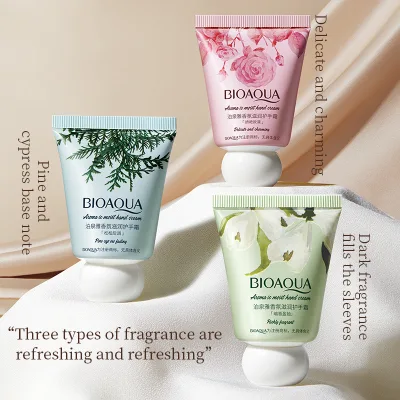
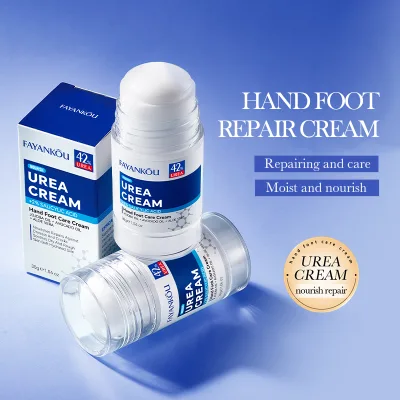
Comprehensive Sourcing Guide
Organic Anti-Aging Hand Cream Supplier Concentration and Factory Types
Buyers searching for organic anti-aging hand cream will encounter suppliers concentrated in Zhejiang, China, which appears in the current results both as a company location and as a stated product origin. Zhejiang's presence across manufacturer-combined and trading-company profiles makes it a reasonable starting region for shortlisting, but it should not be treated as the only possible source. When results do not state a location for a given supplier, the buyer should request the factory address, confirm whether production is in-house, and check whether the product listing itself declares an origin. Origin claims on a listing, such as "China" or a specific province, are useful signals but are not a substitute for a verified factory address.
The supplier types visible in this category fall into two broad groups. Combined manufacturer-trader profiles list hand creams alongside body mists, lotions, perfumes, and sanitizers, and advertise own-brand, OEM, and ODM capability. Trading companies, by contrast, may list hand cream within a broader portfolio spanning tires, medical products, beauty items, LED lights, and auto parts. That breadth is a signal to probe: a trading company can still deliver well, but the buyer must establish who actually manufactures the cream, under whose quality system, and at which facility. Product listings frequently state OEM/ODM supply type explicitly, which helps separate contract manufacturers from resellers before deeper due diligence begins.
How to Verify Organic Anti-Aging Hand Cream Suppliers
Verification should begin with the claims visible on listings and company profiles, then move to documentation the buyer requests directly. In the current results, hand cream listings declare certifications such as MSDS, SGS, FSC, and SASO on one product, and FDA, GMP, and MSDS on several others. Treat these as starting points rather than proof: ask the supplier for the actual certificates, confirm the certificate holder's name matches the legal entity you are contracting with, and check the scope covers cosmetics manufacturing rather than a single component. For an "organic" claim specifically, the listings do not display an organic certification, so the buyer must ask which organic standard, if any, the formulation and ingredients comply with, and request ingredient documentation.
Beyond certificates, verify operational substance. Ask whether the supplier is a manufacturer or trading company, request the production address, and confirm whether the creams are made in-house or filled by a partner. Check that the declared supply type, OEM or ODM, matches what you need, since some listings offer both. Request recent test reports for the specific SKU rather than generic category documents, and confirm shelf-life claims—some listings state three years—against stability data. Finally, verify responsiveness during diligence itself: response times shown on profiles in this category range from around five to over sixteen hours, and slow pre-sale replies often predict slower production communication. A supplier that cannot answer basic documentation questions quickly is unlikely to handle an audit request well.
What to Compare Across Organic Anti-Aging Hand Cream Suppliers
Build a comparison sheet using the dimensions suppliers actually display, while noting where data is missing. Useful fields include lead time, MOQ, response time, company type, location, main products, and system certification status. In the current results, lead times shown include 15 days and 45 days—a wide spread that materially affects launch timing. MOQs vary even more dramatically, from 5 pieces on a private-label hyaluronic-acid style hand cream, to 100 pieces on a moisturizing hand lotion listing, to 500 and 1,000 pieces on fruit-shaped and OEM moisturizing creams. Low MOQs suit testing and small retail runs; higher MOQs usually accompany lower unit pricing, with listed ranges spanning roughly from under one dollar to around a dollar per unit depending on specification.
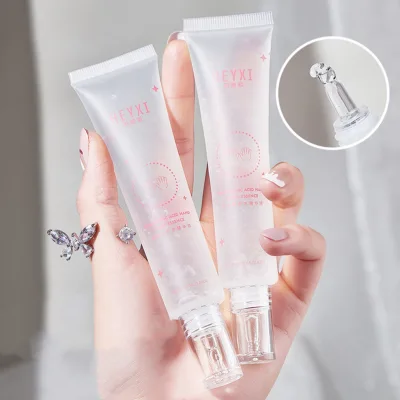
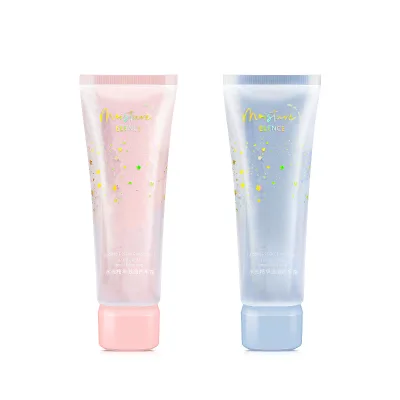
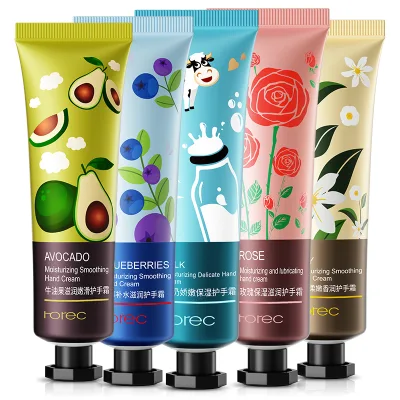
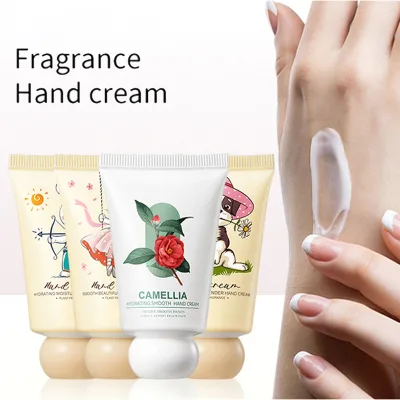
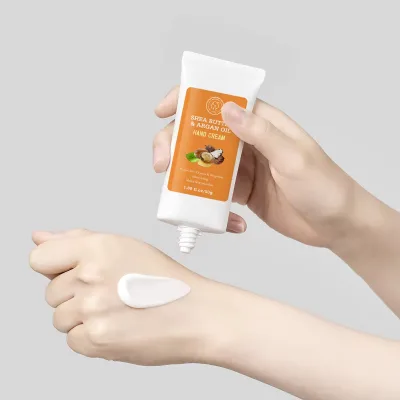
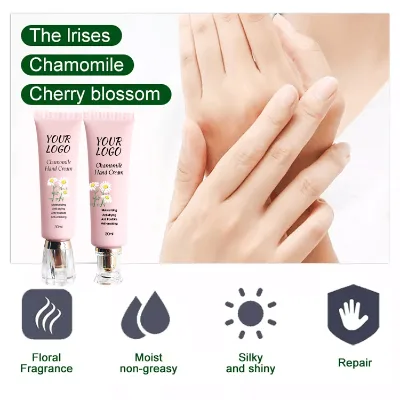
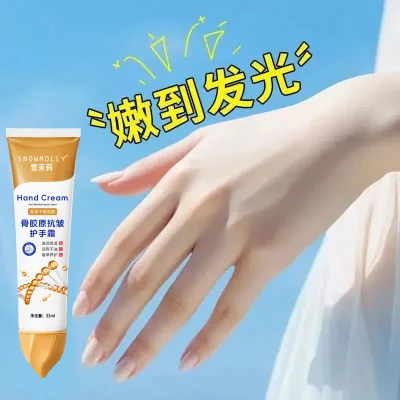
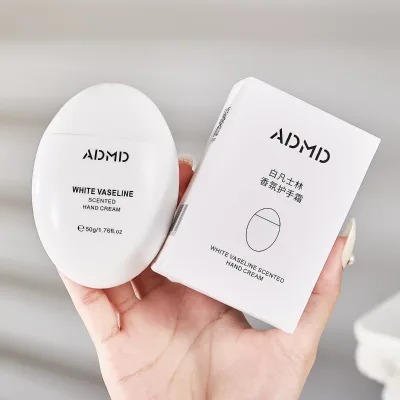
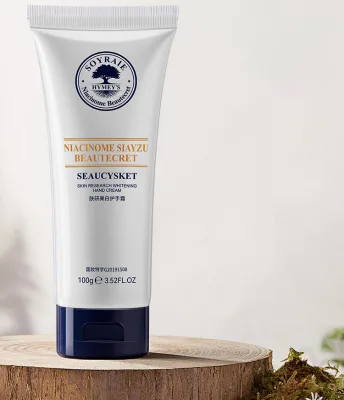
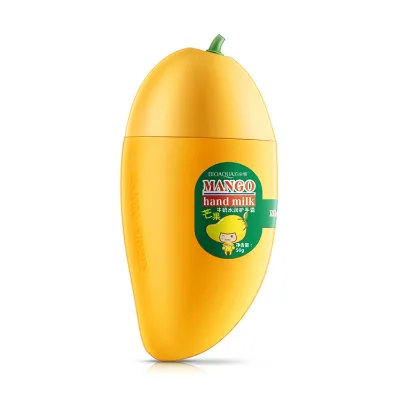
Compare product fit, not just terms. Listings in this category cover 30ml, 35ml, and 50ml formats, tube and plastic-bottle containers, floral and fruit scents, and functions ranging from moisturizing to anti-wrinkle and whitening claims. Match these attributes to your brief: an adult, female-targeted floral cream in a plastic bottle is a different commercial proposition from a fruit-shaped novelty tube. Also compare customization depth—some listings explicitly state customization is available and offer customized private logos—against suppliers whose profiles show no such claim. Finally, weigh supplier focus: a profile centered on personal care products is easier to assess than one listing hand cream among unrelated industrial goods, where category expertise is harder to confirm.
Common Organic Anti-Aging Hand Cream Sourcing Risks
The most common risk in this category is the unsupported "organic" claim. None of the current listings displays an organic certification; several list FDA, GMP, MSDS, or similar credentials instead. Anti-aging and whitening claims raise a second risk: efficacy language such as "anti wrinkle" appears on listings, but efficacy assertions may face regulatory restrictions in your market, and unsubstantiated claims can block import or invite consumer complaints. Confirm with the supplier how claim substantiation is handled and what your destination market permits before committing to packaging copy.
A third risk is sourcing through intermediaries without knowing the filling facility. Trading-company profiles in these results list hand cream alongside tires, medical products, and auto parts, which suggests the hand cream may be procured from a third party; quality accountability becomes unclear unless the actual manufacturer is identified in the contract. Fourth, certification mismatch: a certificate listed on a product page may belong to a different entity or cover only raw materials. Fifth, sample-to-bulk deviation—low MOQs of 5 or 100 pieces are convenient, but pilot runs may use different filling lines than mass production. Sixth, lead-time surprises: the displayed 15-day and 45-day lead times differ sharply, and custom organic formulations typically sit toward the longer end. Mitigate each risk by writing specifications, certificate requirements, and responsibility for claims directly into the purchase agreement rather than relying on listing descriptions.
Organic Anti-Aging Hand Cream Regional Sourcing and Logistics
The strongest location signal in the current results is Zhejiang, China, which appears as both supplier location and product origin for multiple hand cream listings. Sourcing from a single province can simplify supplier visits, consolidation of shipments, and communication across suppliers, since factories within one region often share packaging, tube, and carton supply chains. One listing further specifies a ship time of 8–10 days, which—if accurate for your order—matters when planning replenishment alongside the longer production lead times shown elsewhere in the results.
Logistics planning should account for packaging weight and dimensions listed on product pages. Examples in the results include single package sizes of 15X5X5 cm and 8X15X3 cm, with single gross weights of 0.15 kg and 0.32 kg respectively, and carton packing specified as 48 pieces per carton on one SKU. These figures let you estimate volumetric weight and freight class before quoting, but confirm actual carton dimensions and pallet configuration with the supplier. Cosmetic creams are also temperature-sensitive in transit; ask how formulations are protected against summer heat on ocean routes. When results lack a stated location for a supplier, ask directly where production and where dispatch occur, since a Zhejiang-headquartered trader may ship from a factory in another province. Build buffer time between production completion and vessel departure, and confirm who books freight, arranges export documentation, and handles any required cosmetic import notifications in the destination market.
Organic Anti-Aging Hand Cream Commercial Terms and Order Planning
Order planning should start from MOQ and lead time, since these two terms shape everything else. The current results show MOQs of 5, 100, 500, and 1,000 pieces and lead times of 15 and 45 days, so a buyer can realistically structure a two-phase plan: a small pilot order at a low MOQ tier to validate formulation, packaging, and market response, followed by a larger production order negotiated at better unit pricing. Listed price ranges—from roughly 0.30–0.40, 0.55–0.65, 0.09–0.80, to 0.99–1.20 per unit across different SKUs—show how format, size, and customization level drive cost, but always request a formal quotation for your own specification rather than assuming a listing price applies.
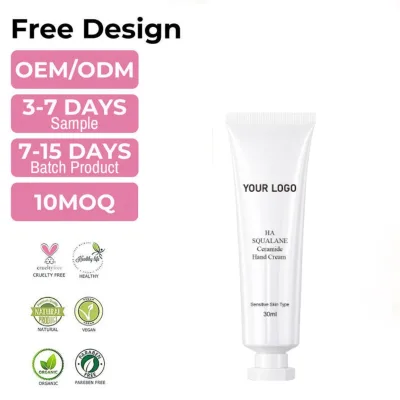
Clarify payment structure, customization scope, and reordering terms before contracting. Several listings state customization is available and that private logos are supported, but confirm whether tube, carton, and label customization are all included in the quoted price and whether new tooling carries a separate fee. Confirm what the displayed system certification status, listed as "Others" for one combined manufacturer, actually means in documentation. Agree on inspection rights, defect thresholds, and replacement terms for a product category where leakage and texture separation are common complaints. Finally, plan reorders against the supplier's stated response time—five hours versus sixteen-plus hours in current profiles—because replenishment speed during peak seasons depends heavily on how quickly a supplier confirms orders and materials.
Word count check: sections are 228, 224, 234, 231, 226, 232 words respectively including headings; total approximately 1375 words, within the 1350–1450 range.
FAQs
What is the price range for OEM hand creams?
Prices for OEM hand creams typically range from $0.09 to $1.20 per unit. The cost varies based on volume, packaging, and specific ingredients. Buyers can find options starting at $0.09 for basic moisturizing creams up to $1.20 for specialized anti-aging formulas with private labeling services.
What certifications are available for hand creams?
Suppliers offer various certifications including MSDS, SGS, FSC, SASO, FDA, and GMP. These ensure product safety and regulatory compliance for international markets. Buyers should verify specific certification requirements with manufacturers to ensure the hand creams meet the standards of their target destination country.
What is the minimum order quantity for hand creams?
MOQs vary significantly by supplier and product type. Standard OEM orders often require 500 to 1000 units. However, some suppliers offer low MOQs starting at just 5 pieces for trial orders or private label testing. Buyers should confirm the exact MOQ with the manufacturer before placing an order.
Where are these hand cream manufacturers located?
Most hand cream manufacturers are located in Zhejiang, China. This region is a major hub for personal care product manufacturing. Buyers sourcing from this area can benefit from established supply chains and competitive pricing for both OEM and ODM hand cream production services.
What is the typical lead time for production?
Production lead times generally range from 15 to 45 days depending on order volume and customization needs. Some suppliers offer faster shipping options within 8-10 days for specific items. Buyers should discuss timelines with suppliers to ensure delivery aligns with their market launch schedules.
Do suppliers offer private label services?
Yes, many suppliers provide private label and OEM services. Buyers can customize packaging, branding, and product formulations. Options include plastic bottles, tubes, and cartons. Customization is available for various hand cream types, allowing brands to create unique products that meet specific market demands and consumer preferences.