Patchwork Knitted Swimming Clothes Set Suppliers and Manufacturers
Source a Patchwork Knitted Swimming Clothes Set from 27 verified suppliers. Compare key dimensions such as location, lead time, MOQ, and response time to find the right partner. Review product details and contact suppliers directly to initiate your sourcing process.
Suppliers List
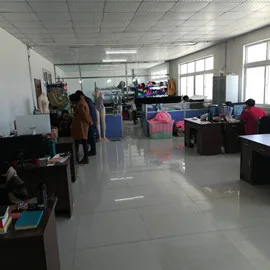
Shenyang Crazybuy Import And Export Co., Ltd.
- Trading Company
- Liaoning, China
- Lead time7 days
- Avg. response≤ 3h
Main productsYogawear,Bikini,Beachwear,Sportswear,Swimwear
Main marketsCentral America(100.00%), Western Europe(100.00%), Northern Europe(100.00%), Eastern Asia(100.00%), Southern Europe(100.00%), Mid East(100.00%), Africa(100.00%), Southeast Asia(100.00%), Domestic Market(100.00%), South Asia(100.00%), North America(95.00%), Eastern Europe(3.00%), Oceania(1.00%), South America(1.00%)
GUANGZHOU CHIYI TRADING LIMITED
- Verified by SGS Group
- Manufacturer, Trading Company
- Lead time0 days
Main productsYoga Wear, Swim Wear, Board Shorts, Sport Wear
Main marketsNorth America(60%), Eastern Europe(20%), South America(10%)
LA VEI Electronic Commerce Co.,Ltd
- Trading Company
- fujian, China
- Lead time0 days
- Avg. response≤ 7h
Main productscushion,socks,cap,pillow,blanket
Main marketsNorth America(30.00%), Western Europe(20.00%), Southern Europe(20.00%), Eastern Europe(20.00%), Oceania(10.00%)
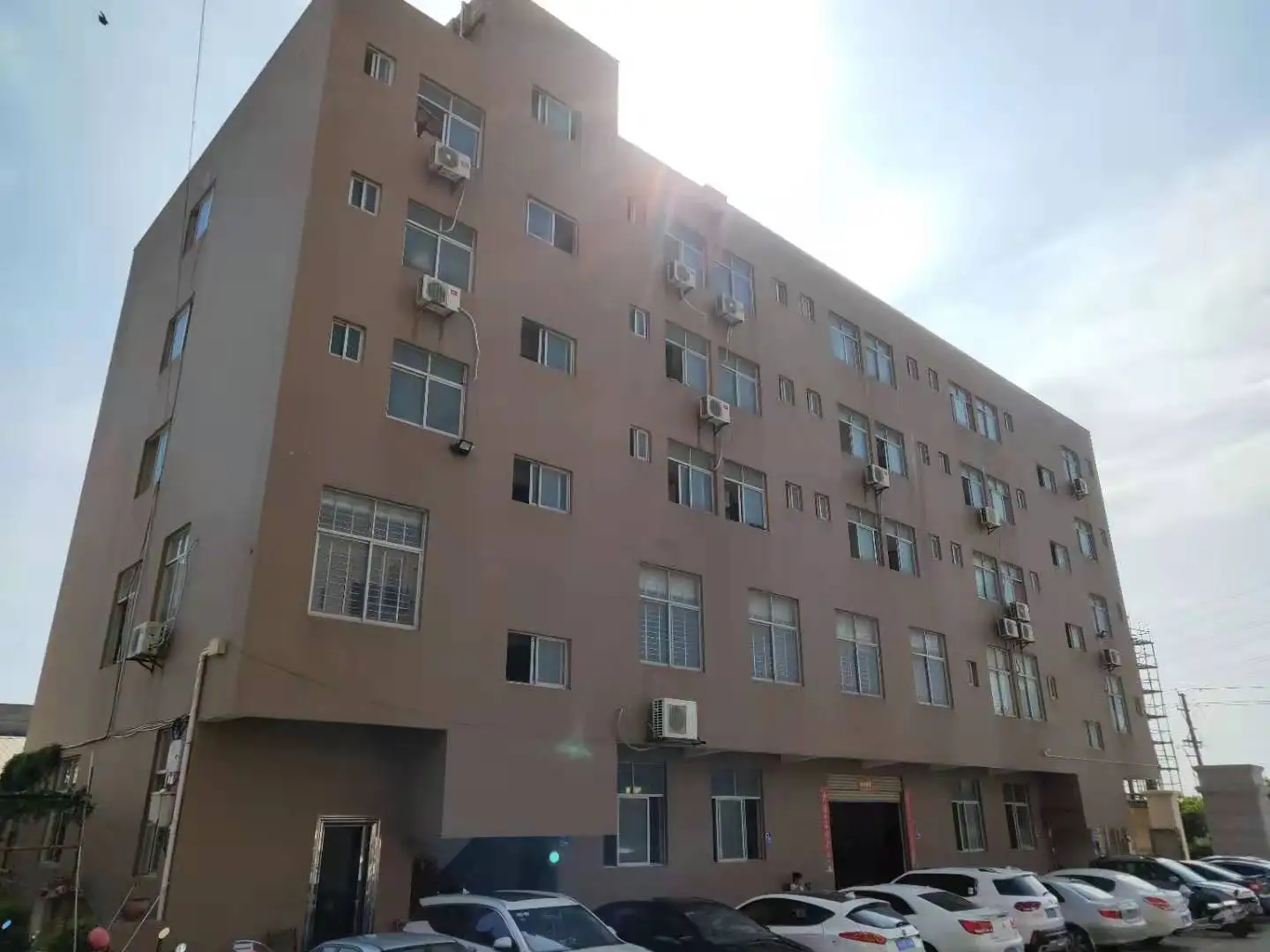
Quanzhou Aiguli Tiantian Garment Co., Ltd.
- Manufacturer, Trading Company
- Fujian, China
- Lead time0 days
- Avg. response≤ 3h
Main productsGirls swimwears,Boys swimwears,Windbreaker Jacket,ladies swimwea,mens beach shorts
Main marketsNorth America(25.00%), Eastern Europe(20.00%), South America(15.00%), Northern Europe(10.00%), Central America(9.00%), Oceania(8.00%), Southern Europe(6.00%), Western Europe(5.00%), Africa(2.00%)

Shanghai Hexuan Baby Products Co., Ltd.
- Verified by SGS
- Trading Company
- China Shanghai
- Lead time15 days
- Avg. response≤ 6h
Main productsBaby Wear Baby Cloth Diaper Bibs Baby Rompers
Main marketsSouth America,Africa,Southeast Asia/ Mideast,East Asia(Japan/ South Korea),Europe,Australia,North America
Guangzhou Jinfeng Textile Technology Co., Ltd.
- Verified by Intertek
- Trading Company
- Lead time7 days
Main productsUnderwear, Casual Dresses, Yoga Sets, Women's Tank Tops, Swimwear
Main marketsNorth America(40%), Western Europe(20%), Eastern Europe(20%)

Hanzhou (Guangzhou) Garment Manufacturing Co., Ltd.
- Verified by SGS
- Combined
- China Guangdong
- Lead time15 days
- Avg. response≤ 4h
Main productsSoccer Jersey, Yoga, Gym Clothing, Swimming Wear, Sport Suit, Short, Football Jersey
Main marketsNorth America
- Trading Company
- Zhejiang, China
- Lead time20 days
- Avg. response≤ 2h
Main productsCap, Gift Set, Stationery Gifts, Beauty Tools, Bag
Main marketsSouth America(18.00%), North America(18.00%), Western Europe(16.00%), Central America(12.00%), Eastern Europe(10.00%), Africa(5.00%), Northern Europe(5.00%), Mid East(5.00%), Southeast Asia(5.00%), South Asia(3.00%), Eastern Asia(2.00%), Oceania(1.00%)
Fuzhou Taijiang Kakalai Trading Co., Ltd.
- Verified by TUVRHEINLAND
- Trading Company
- China Fujian
- Lead time30 days
- Avg. response≤ 2h
Main productsLady Swimwear
Main marketsEurope

One-Shoulder Ruched Two-Piece Swimsuit High Waist Solid-Color Beachwear Set
$7.88 - $8.88
MOQ: 100 Sets

Two-Piece Swimsuit Set Long Sleeve Print Sporty Swimwear with High Waist Shorts
$6.18 - $10.88
MOQ: 100 Sets


Pink Marble Print Ring Detail Bikini Set with Cover-up Skirt Three-Piece Swimwear
$6.16 - $8.68
MOQ: 100 Sets

Blue Floral Ruffled Swimsuit Three-Piece Bikini Set with Skirt Lady Swimwear
$8.66 - $10.88
MOQ: 100 Sets

Bright Color Two-Piece Bikini Set with Extra Cover-up Three-Piece Swimsuit
$6.66 - $7.66
MOQ: 100 Sets

Fuzhou Tengchuan International Trading Co., Ltd.
- Verified by BV
- Trading Company
- China Fujian
- Lead time23 days
- Avg. response≤ 6h
Main productsBikini, Baseball Cap, Can Cooler, Perfume Bottle, Car Air Freshener, Lazy Bag, Umbrella, T-Shirt, Scarf, Beach Towel
Main marketsSouth America,Africa,Southeast Asia/ Mideast,East Asia(Japan/ South Korea),Europe,Australia,North America

Women Swimming Bathing Suits Custom Two Piece Bikini Set Swimsuit for Summer
$4.59 - $6.59
MOQ: 2 Sets


- Verified by CTI
- Trading Company,Manufacturer/Factory
- China Fujian
- Lead time90 days
- Avg. response≤ 13h
Main productsOutdoor Jackets, Swimwear, Gym Wear, Sport Pants, Beach Shorts, Puffer Jackets, Workwear, Yoga Wear, Kid's Clothes, Sweater
Main marketsSouth America,Eastern Europe,Mid East,North America,Southeast Asia,Eastern Asia,Western Europe,Africa


Women's 3 Piece Zebra Striped Bikini Swimsuit Set & Beach Skirt Set Bathing Suit
$3.50 - $4.00
MOQ: 1000 Pieces

Shenzhen Bu Qing Yun Garment Co., Ltd.
- Verified by TüVRheinland
- Trading Company
- Lead time15 days
Main productsSwimwear, Beachwear, Sportswear, Sleepwear, Fashion Dress
Main marketsNorth America(50%), Western Europe(25%), South America(5%)

Efirsty Enterprise (Anhui) Co., Ltd.
- Verified by TUVRHEINLAND
- Trading Company
- China Anhui
- Lead time30 days
- Avg. response≤ 6h
Main productsLeggings Yoga Pants Swimwear, Swimsuit
Main marketsSouth America,Southeast Asia/ Mideast,East Asia(Japan/ South Korea),Europe,Australia,North America
Guangzhou Forever Young Sportwear Co., Ltd.
- Verified by TüVRheinland
- Manufacturer, Trading Company
- Lead time20 days
Main productsSwimwear, Yogawear
Main marketsNorth America(50%), Oceania(30%), Eastern Europe(10%)
Shenzhen Zhaohua Apparel Co., Ltd.
- Verified by SGS
- Manufacturer
- China Guangdong
- Lead time15 days
- Avg. response≤ 20h
Main productsWomen's Clothing, Women's Dresses, Women's Shirt, Women's Hoodie/Sweatshirt, Women's Pants, Man's Clothing, Man's Pants, Man's

Sexy Hot Metal Ring Connected Beach Mesh Skirt One-Piece Swimsuit Set Swimsuit Set
$5.93 - $7.43
MOQ: 100 Pieces


Terry Cloth Sexy High-End Halter-Neck Bikini Two-Piece Swimsuit Dress Set
$5.93 - $7.43
MOQ: 100 Pieces


Silver Glitter Sexy Halter Neck Solid-Color Laced Backless Swimsuit Set Swimsuit Set
$4.66 - $6.16
MOQ: 100 Pieces


- Verified by CTI
- Trading Company
- China Anhui
- Lead time23 days
- Avg. response≤ 1h
Main productsFurniture, Home Furniture
Main marketsSoutheast Asia/ Mideast

Hangzhou Sunra Fashion Co., Ltd.
- Verified by CTI
- Trading Company
- China Zhejiang
- Lead time30 days
- Avg. response≤ 10h
Main productsBest Swimwear & Cover up Manufacturers China, Cheap Swimwear Manufacturers China, Swimwear&Wetsuits Manufacturers in Chian, Top Swimwear Manufacturers in China, OEM&ODM Swimwear Manufacturers Factory China, Custom Swimsuit & Cover up Factory, Wholesale Beach Cover up China, Women's Swimwear Wholesale Supplier, Wholesale Girls Swimwear
Main marketsEurope,North America

- Verified by BV
- Manufacturer/Factory
- China Fujian
- Lead time30 days
- Avg. response≤ 9h
Main productsSeamless Activewear Manufacturer, Private Label Yoga Set, Sports Bra & Leggings OEM, Seamless Yoga Sets, High Waist Leggings, Sports Bra Sets, Men's Activewear, Swimwear OEM
Main marketsSouth America,Eastern Europe,Mid East,North America,Southeast Asia,Eastern Asia,Oceania,Western Europe,Africa


New One-Piece Swimsuit Patchwork Dry Faster Bikini Women's Cross Background Beach Set
$4.90 - $7.30
MOQ: 1 PCS

Hot Sale Beachwear Printed Swimsuit Dress Set for Women Sexy One-Piece Swimsuit
$5.00 - $15.00
MOQ: 3 piece/pieces

Times Chensheng (Xiamen) Trading Co., Ltd.
- Trading Company,Manufacturer/Factory
- China Fujian
- Lead time45 days
- Avg. response≤ 15h
Main productsJacket, Beach Shorts, Hoodies, Sports Wear, T-Shirt, Kids Wear, Casual Shorts, Swimming Wear, Sweater, Sport Bar
Main marketsSouth America,Eastern Europe,Mid East,North America,Southeast Asia,Eastern Asia,Oceania,Western Europe,Africa


Summer Beach Wear Knitted Swimsuit Crochet Bikini Swimwear Women Bathing Suit
$2.80 - $3.20
MOQ: 1200 Pieces

Lady Swimming Beach Wear Crochet Knitted Bikini Tank Top Women Sexy Bikini Sets
$2.80 - $3.20
MOQ: 1200 Pieces

Floral Backless Suitable Swimsuit Swimwear Bathing Suit Clothings Sets for Girl
$5.80 - $6.60
MOQ: 500 Sets

FUJIAN KLAIT IMP. & EXP. CO., LTD.
- Verified by TUVRHEINLAND
- Trading Company
- China Fujian
- Lead time23 days
- Avg. response≤ 7h
Main productsBikini, Swimwear, Swimsuit, Beachwear, Children Swimwear, Sport Fitness, Bikini Set, Lady Swimwear, Boardshort, Boy Swimwear
Main marketsEurope,North America

- Trading Company,Manufacturer/Factory
- China Guangdong
- Lead time45 days
- Avg. response≤ 9h
Main productsSwimwear, Beachwear, Active Wear, Yoga Wear, Board Short, Swimsuit, Bathing Suit, Bikini
Main marketsSouth America,Eastern Europe,North America,Southeast Asia,Eastern Asia,Oceania,Western Europe

Women One Piece Black Swimming Clothes Bathing Swimwear Beachwear Swim Suits
$6.99 - $15.00
MOQ: 2 Pieces


Women′ S New Designs Tankini and Swim Shorts Swimming Wear Swimsuits Sets for Summer
$8.50 - $10.00
MOQ: 2 Pieces


Summer Beach Women High Waist Two Piece Swimsuit Swimwear Bikini Set with Flower Print
$6.99 - $12.00
MOQ: 100 Pieces


GUANGZHOU HUMLISUN IMP & EXP CO.,LTD.
- Verified by SGS
- Trading Company
- China Guangdong
- Lead time30 days
- Avg. response≤ 13h
Main productsSwimwear, Sports Wear, Bikini, Tracksuit, Yoga Suit, Cover up, Women Dresses, Beachwear
Main marketsSouth America,Others(foreignTradeCapacity.exportBusinessCapacityMarketOther),Southeast Asia/ Mideast,Europe,North America


$10.40 - $14.40
MOQ: 1 Pieces

shanghai jspeed industry co.,ltd
- Trading Company
- China Shanghai
- Lead time60 days
- Avg. response≤ 9h
Main productsSwimwear, Underwear, Sportswear, Socks, Dress, Skirt, Pants, Shorts, Textile
Main marketsSouth America,Southeast Asia/ Mideast,Domestic,Europe,Australia,North America

Shanghai Jspeed Industry Co., Ltd.
- Verified by BV
- Trading Company
- China Shanghai
- Lead time60 days
- Avg. response≤ 3h
Main productsMen/Women Swimwear, Underwear, Bra, Socks, Men/Women Pants, Men/Women Jackets, Dress, Sportwear, Skirt, Shirt
Main marketsEurope
Lu'an Tianer Garment Co., Ltd.
- Verified by SGS
- Combined
- China Anhui
- Lead time15 days
- Avg. response≤ 6h
Main marketsSoutheast Asia/ Mideast,Europe,Australia


Women's Triangle Bathing Suit Set with Logo Customization for Pool Swimming
$6.66 - $7.72
MOQ: 1 Pieces

Shijiazhuang Cool Apparel Co., Ltd.
- Verified by BV
- Combined
- China Hebei
- Lead time23 days
- Avg. response≤ 5h
Main productsBaby Cloth, Baby Romper, Baby Bib, Baby Onesie, Baby Pajamas, T-Shirts, Polo Shirts, Pajamas, Baby Sleeping Bag, Baby Hats
Main marketsSouth America,Africa,Southeast Asia/ Mideast,East Asia(Japan/ South Korea),Domestic,Europe,Australia,North America
Jinjiang Qiaowen Clothing Co., Ltd.
- Verified by CTI
- Trading Company,Manufacturer/Factory
- China Fujian
- Lead time15 days
- Avg. response≤ 2h
Main productsSwimwear, Sportswear, Jacket, Yoga Wear, Bicycle Wear, Coat, Gym Wear, Tshirt, Underwear, Bikini
Main marketsSouth America,Eastern Europe,Mid East,North America,Southeast Asia,Eastern Asia,Oceania,Western Europe,Africa


Women's One-Piece Swimsuit with Cover up Wholesale of Beach Vacation Swimwear Sets
$8.68 - $10.33
MOQ: 1 Sets

Bikini Swimsuit Set for Women 2026 Summer Fashion Swim Skirt Swimwear Wholesale
$8.89 - $10.48
MOQ: 1 Sets



Comprehensive Sourcing Guide
Patchwork Knitted Swimming Clothes Set Supplier Concentration and Factory Types
Identifying the geographic concentration of manufacturers for patchwork knitted swimming clothes sets requires analyzing the origin data provided in supplier profiles. While specific cluster names are not always explicitly labeled, buyers should look for consistent place-of-origin fields in product attributes. For instance, listings may indicate origins such as Guangdong or Xingcheng, China, which suggests regional manufacturing hubs. These locations often house specialized textile facilities capable of handling complex knitted structures. By mapping these data points, buyers can distinguish between general apparel zones and specialized swimwear districts. This geographic intelligence helps in planning factory visits or virtual audits, ensuring that the selected supplier is located in an area with established supply chains for stretch fabrics and intricate knitting patterns.
The distinction between factory types is equally critical for this product category. Supplier profiles often list company types such as "Manufacturer" or "Trading Company," sometimes both. A pure manufacturer typically offers deeper control over the knitting process, which is essential for patchwork designs that require precise tension and alignment. In contrast, trading companies may aggregate products from multiple factories, offering broader variety but potentially less direct oversight on technical specifications. Buyers should verify the actual production capability by requesting factory videos or third-party audit reports. Understanding whether the supplier is a direct producer or an intermediary affects negotiation leverage, quality control consistency, and the ability to implement custom design changes. This structural understanding prevents misalignment between the buyer’s technical requirements and the supplier’s operational reality.
How to Verify Patchwork Knitted Swimming Clothes Set Suppliers
Verification begins with cross-referencing the supplier’s claimed capabilities against verifiable third-party assessments. Look for verification badges from recognized inspection groups, such as SGS, which indicate that the supplier has undergone independent audits. These audits often cover production capacity, quality management systems, and compliance with international standards. However, a badge alone is insufficient; buyers must request the specific scope of the audit to ensure it covers knitted swimwear production. Additionally, check the supplier’s response time metrics, which are often displayed in search results. A response time of three days or less suggests active engagement and operational efficiency. Combining third-party verification with real-time responsiveness provides a robust baseline for trust before committing to larger orders.
Beyond digital badges, physical verification of product samples is non-negotiable for patchwork knitted items. Request samples that demonstrate the specific knitting techniques, such as seamless joins or contrast binding, which are common in this category. Inspect the samples for needle detection, a safety feature often listed in product attributes, to ensure compliance with safety standards. Verify the material composition, such as Spandex/Polyester or Polyester/Nylon blends, by requesting lab test reports. These reports confirm the fabric’s stretch recovery, colorfastness, and UV resistance, which are critical for swimwear. By combining digital verification with physical sample testing, buyers can mitigate the risk of receiving products that do not match the advertised specifications. This dual-layer verification process ensures that the supplier’s claims are substantiated by tangible evidence.
What to Compare Across Patchwork Knitted Swimming Clothes Set Suppliers
When comparing suppliers, focus on lead time and minimum order quantity (MOQ) as primary differentiators. Lead times vary significantly, with some suppliers offering zero-day lead times for stock items and others requiring seven days for custom production. For patchwork knitted sets, which involve complex assembly, a longer lead time may be necessary for quality assurance. MOQs also differ; some suppliers accept orders as low as one piece for sampling, while others require 50 sets for bulk production. Buyers should align these metrics with their inventory strategy. A low MOQ is beneficial for testing new designs, whereas a higher MOQ may offer better unit pricing for established lines. Comparing these logistical parameters helps in selecting a supplier that matches the buyer’s production scale and timeline requirements.
Response speed and product range are additional critical comparison points. Suppliers with faster response times, such as three days, are often more agile in handling custom requests and design modifications. Examine the main products listed by each supplier to ensure they specialize in swimwear and beachwear, rather than general apparel. Specialization often correlates with higher technical proficiency in knitting and patchwork techniques. Additionally, review the available size ranges, which may include standard sizes like S, M, L, XL, or extended sizes like 2XS to 3XL. A broader size range indicates the supplier’s capability to handle diverse market demands. By comparing these operational and product-specific attributes, buyers can identify suppliers that offer the best balance of speed, flexibility, and technical expertise for their specific needs.
Common Patchwork Knitted Swimming Clothes Set Sourcing Risks
One significant risk in sourcing patchwork knitted swimming clothes sets is the inconsistency in knitting tension and alignment. Patchwork designs require precise matching of fabric pieces, and any deviation can result in visible seams or uneven stretch. Buyers should request detailed quality control plans that specify inspection points for seam integrity and fabric alignment. Another risk is material substitution, where suppliers may use lower-grade fabrics to reduce costs. Verify the material composition through lab tests to ensure the use of high-quality Spandex or Nylon blends. Additionally, check for features like anti-UV and quick-dry properties, which are often claimed but not always verified. By proactively addressing these technical risks, buyers can prevent quality issues that could lead to customer complaints and returns.
Logistical and communication risks also pose challenges in this category. Delays in sample approval can extend the overall lead time, impacting market entry timing. Establish clear communication protocols and set strict deadlines for sample feedback. Furthermore, ensure that the supplier has a reliable logistics partner to handle international shipping, especially for bulky items like swimwear sets. Check the single package size and gross weight to estimate shipping costs accurately. Miscommunication regarding packaging requirements can lead to damaged goods or incorrect labeling. By anticipating these logistical hurdles and establishing clear protocols, buyers can mitigate the impact of potential delays and ensure smooth delivery. Regular check-ins and transparent reporting from the supplier are essential for maintaining control over the sourcing process.
Patchwork Knitted Swimming Clothes Set Regional Sourcing and Logistics
Regional sourcing for patchwork knitted swimming clothes sets often centers on coastal areas with strong textile industries. While specific cluster names are not always provided, product attributes may list origins such as Guangdong or Xingcheng, China. These regions benefit from proximity to raw material suppliers and shipping ports, reducing transit times and costs. Buyers should consider the distance between the supplier’s location and the nearest port when planning logistics. Proximity to ports can significantly reduce inland transportation costs and improve delivery reliability. Additionally, regional suppliers may have established relationships with local logistics providers, offering more competitive shipping rates. Understanding the regional context helps in optimizing the supply chain and reducing overall procurement costs.
Logistics planning must account for the specific characteristics of knitted swimwear. These items are lightweight but bulky, requiring efficient packaging to maximize container space. Check the single package size and gross weight to calculate the volume and weight-based shipping costs. Suppliers often provide details on packing methods, such as polybag packaging, which can affect the final shipping dimensions. Buyers should negotiate Incoterms that align with their risk tolerance and logistical capabilities. For example, FOB terms shift the risk to the buyer once the goods are on board, while CIF terms include insurance and freight. By carefully selecting the appropriate Incoterms and optimizing packaging, buyers can enhance the efficiency and cost-effectiveness of their logistics operations.
Patchwork Knitted Swimming Clothes Set Commercial Terms and Order Planning
Commercial terms for patchwork knitted swimming clothes sets should be structured to protect both parties while ensuring flexibility. Payment terms, such as T/T (Telegraphic Transfer), are common in this industry. Buyers should negotiate a deposit percentage that reflects the supplier’s confidence in the order and the buyer’s creditworthiness. For new suppliers, a higher deposit may be required, while established relationships may allow for more favorable terms. Additionally, consider using escrow services to secure payments until the goods are inspected and approved. This reduces the risk of non-delivery or quality issues. Clear payment milestones, tied to production stages such as sample approval and pre-shipment inspection, provide additional security for both parties.
Order planning should align with the supplier’s production capacity and lead times. For patchwork knitted sets, which involve complex assembly, buyers should allow sufficient time for sample development and approval. Establish a detailed production schedule that includes milestones for fabric procurement, knitting, assembly, and quality control. Regular updates from the supplier are essential for monitoring progress and addressing any issues promptly. Additionally, plan for potential delays by building buffer time into the schedule. By structuring commercial terms and order planning with these considerations, buyers can ensure a smooth and efficient sourcing process. This approach minimizes risks and maximizes the likelihood of receiving high-quality products on time.
FAQs
What is the price range for knitted swimming clothes sets?
Prices for knitted swimming clothes sets typically range from $3.50 to $13.50 per unit. This variation depends on specific material choices, such as spandex blends or polyester nylon mixes, and the complexity of the design. Buyers should check individual product listings for exact pricing tiers based on order volume and customization requirements.
What is the minimum order quantity for these sets?
The minimum order quantity varies by supplier, with some accepting just one piece while others require fifty sets. Buyers seeking small batches can find suppliers with an MOQ of one, whereas those planning larger wholesale orders should look for suppliers requiring fifty sets to ensure cost-effective production and shipping arrangements.
How long does production take for custom orders?
Standard lead times for production are generally around seven days, though some suppliers offer zero-day turnaround for specific stock items. Sample orders are also supported with a seven-day lead time. Buyers should confirm specific production schedules with the supplier to ensure timely delivery for their particular order requirements.
Are these suppliers verified for quality assurance?
Yes, several suppliers are verified by SGS Group, indicating a level of quality assurance and reliability. This verification helps buyers trust the manufacturing standards and product consistency. Buyers should look for the SGS verification badge when selecting a supplier to ensure they are working with a trusted and audited manufacturer.
What materials are commonly used in these sets?
Common materials include spandex, polyester, nylon, and chiffon, often blended for stretch and durability. Some sets use soft stretch fabrics or eco-friendly materials. Buyers can choose from various fabric weights and weaving methods, such as knitted or woven, depending on their desired fit, comfort, and aesthetic for the swimming clothes.
Can I get custom designs and logos?
Yes, many suppliers offer OEM and ODM services, allowing for custom designs, logos, and labels. Buyers can request specific patterns, colors, and fit types, including plus sizes. Customization options typically include digital printing, heat-transfer printing, and contrast binding, ensuring the final product matches your brand identity and specific design requirements.