Patchwork Denim Bag Suppliers and Manufacturers in China
Explore 28 verified Patchwork Denim Bag suppliers and manufacturers offering OEM and ODM services. Compare locations in Beijing and Guangdong, response times, lead times, and certifications like ISO 9001. Contact suppliers directly to request quotes for custom orders; review the available evidence before requesting comparable quotations from suitable candidates.
Suppliers List

Beijing Weicai Printing Co., Ltd.
- Manufacturer/Factory
- China Beijing
- Lead time38 days
- Avg. response≤ 5h
Main productsNotebook, Charging Notebook, Planner, PU Leather Notebook, Customized Gift Box, Toy, Office Gift Set, Luggage, Bags
Main marketsSouth America,Eastern Europe,Mid East,North America,Southeast Asia,Eastern Asia,Oceania,Western Europe,Africa

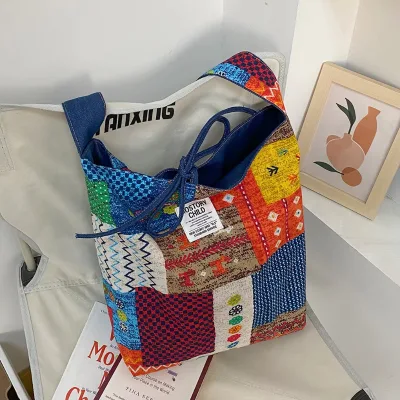
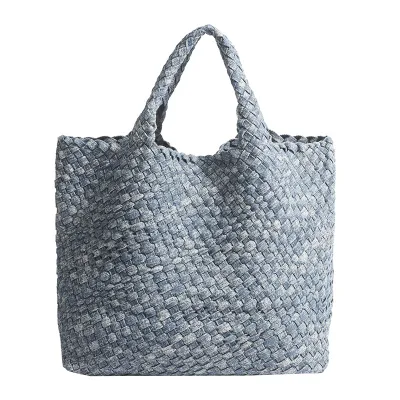
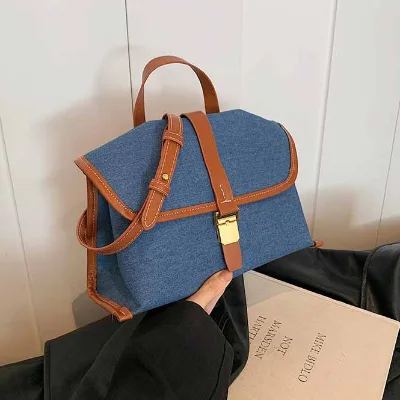
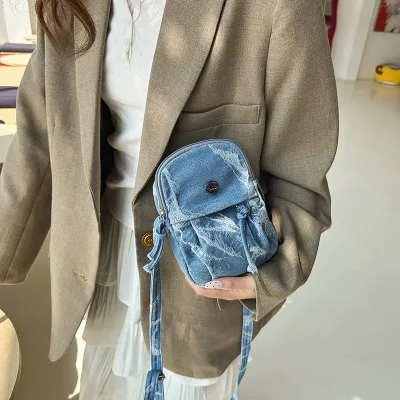
New Reversible Denim Bag, Ethnic Patchwork, Boho Shoulder & Crossbody Bags
$3.80 - $4.10
MOQ: 300 Pieces


Guangzhou Kaicheng Garment Co., Ltd.
- Trading Company
- Guangdong, China
- Lead time12 days
- Avg. response≤ 3h
Main productsCowboy Clothing,Men's Clothing,Women's Clothing
Main marketsNorth America(40.00%), Southeast Asia(10.00%), Eastern Europe(10.00%), South America(10.00%), Southern Europe(5.00%), Domestic Market(5.00%), Mid East(5.00%), Oceania(5.00%), Western Europe(4.00%), Northern Europe(4.00%), Eastern Asia(2.00%)
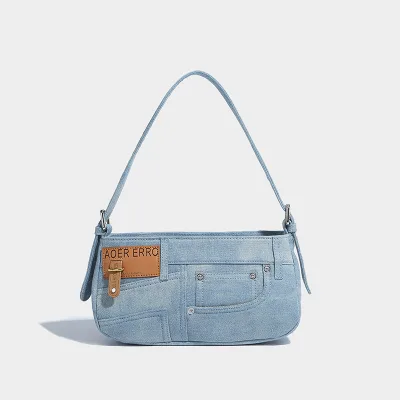
$11.71 - $14.65
MOQ: 50 units
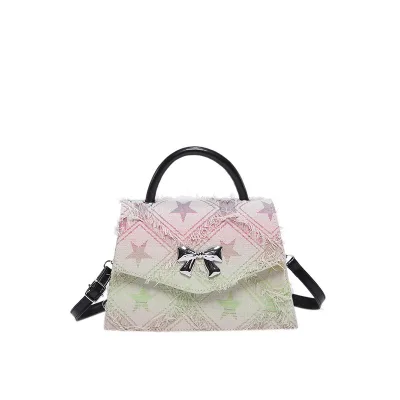
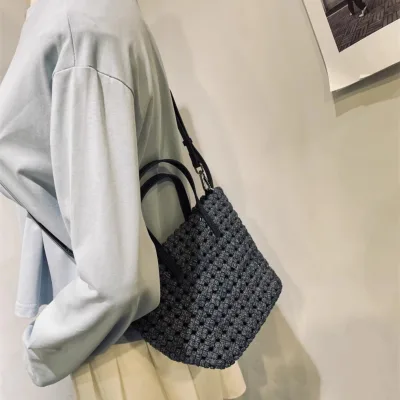
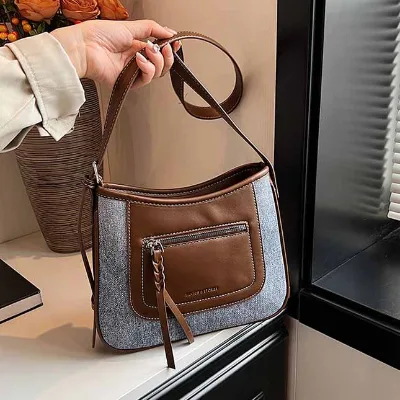
Vintage Star Personality Small Square Bag New Denim Plaid Textured Single Shoulder Crossbody Handbag
$2.90 - $3.62
MOQ: 50 pieces
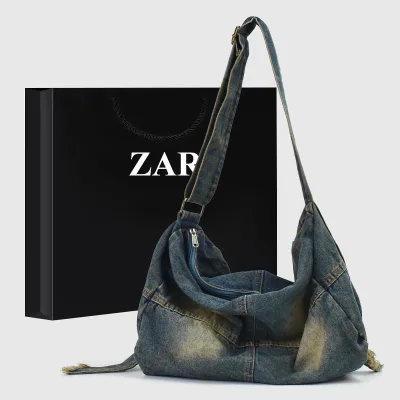
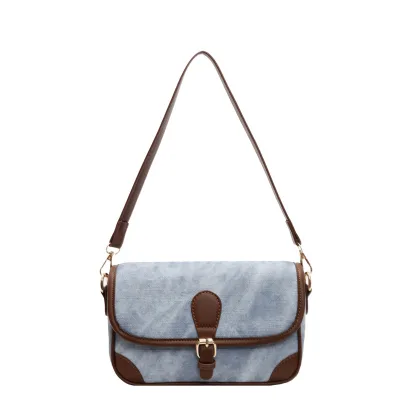
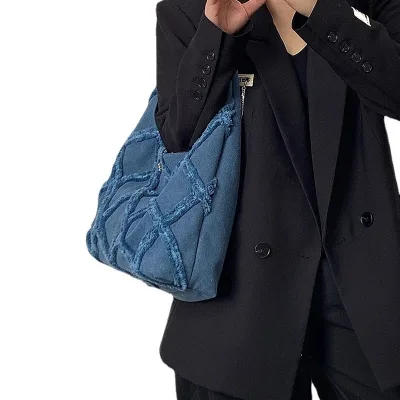
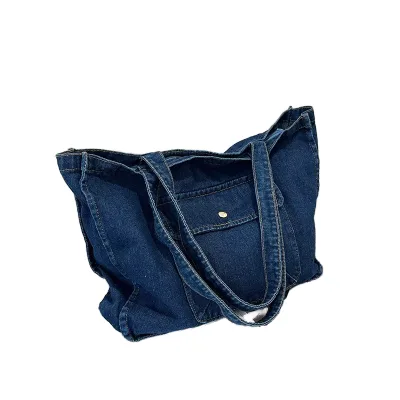
Women's Large Capacity Denim Tote Bag with Zip Closure Versatile for Commuting Studying Shopping
$5.83 - $7.28
MOQ: 50 pieces
- Trading Company
- Zhejiang, China
- Lead time0 days
- Avg. response≤ 4h
Main productsBag,Clothing,Accessory,Festival Product,OEM servise
Main marketsNorth America(60.00%), South America(10.00%), Eastern Europe(10.00%), Southeast Asia(10.00%), South Asia(10.00%)
Guangzhou Hehong Industrial Co., Ltd.
- Verified by SGS
- Combined
- China Guangdong
- Lead time23 days
- Avg. response≤ 17h
Main productsHandbag, Backpack, Diaper Bag, Laptop Bag, Evening Bag, Wallet
Main marketsEurope
Shanghai Tuanjue Trading Co., Ltd.
- Trading Company
- China Shanghai
- Lead time0 days
- Avg. response≤ 25h
Main productsLadies' Bag
Shenzhen Kingstar Technology Co., Ltd.
- Manufacturer, Trading Company
- Lead time旺季: "1 - 5000":35,"> 5000":"To be negotiated", 淡季: "1 - 5000":35,"> 5000":"To be negotiated"
- Avg. response≤ 2h
Main productsCosmetic Bags, Tote Shopping Bags, Backpack, Cooler Bags, Waist Bag
- Verified by TUVRHEINLAND
- Trading Company
- China Guangdong
- Lead time30 days
- Avg. response≤ 6h
Main productsLady Handbag, Men's Bag, Household Supplies, Kitchenware, Fashion Shoes, Lady's Boots, Lighting, Fashion Jewelry, Toys, Clothing
Main marketsSoutheast Asia/ Mideast,Europe

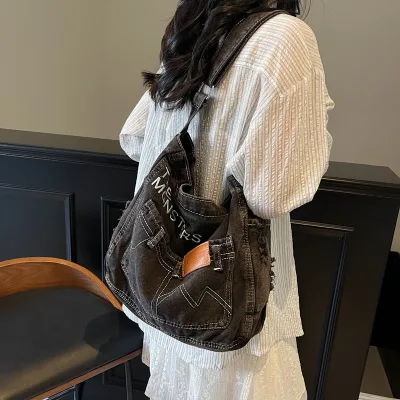
Denim Fabric Letters Embroidery Tote Bag Tassel Pendant Women Shoulder Bag
$8.01 - $8.43
MOQ: 100 Pieces


WeIVan (Hangzhou) International Import and Export Trading Co., Ltd.
- Verified by SGS
- Trading Company
- China Zhejiang
- Lead time23 days
- Avg. response≤ 3h
Main productsBag, Suitcase, Outdoor Bag, Backpack Bag, Acrylic Products
Main marketsEurope


Casual Style Denim Tote Bag Lightweight Classic Retro Travel Shopper Shoulder Handbag
$5.40 - $5.80
MOQ: 100 Pieces
Sichuan Pandaman Trading Co., Ltd
- Verified by BV
- Trading Company
- China Sichuan
- Lead time23 days
- Avg. response≤ 8h
Main productsShoes, Bag, Sandals, Clogs, Boots, Heels, Sneakers, Slippers, Wallet
Main marketsSouth America,Southeast Asia/ Mideast,Europe,Australia,North America


Fade-Resistant Denim Material Horizontal Square Hand Embroidery Padded Tote Bag
$33.00 - $37.00
MOQ: 2 Pieces

Fashionable Design 15cm Length Denim Material Horizontal Square Hand Medium Tote Bag
$33.00 - $37.00
MOQ: 2 Pieces
Guangzhou Muxi Leather Co., Ltd.
- Verified by TUVRHEINLAND
- Combined
- China Guangdong
- Lead time15 days
- Avg. response≤ 10h
Main marketsDomestic


$7.60 - $9.60
MOQ: 50 Pieces
Dingxing Huahui Bag Manufacture Co., Ltd.
- Verified by TüVRheinland
- Manufacturer, Trading Company
- Lead time12 days
- Avg. response≤ 5h
Main productsBackapck, Canvas Bag, Nylon Bag, Laptop Bag, Cosmetic Bag
Main marketsNorth America(50%), Eastern Europe(20%), Eastern Asia(10%)
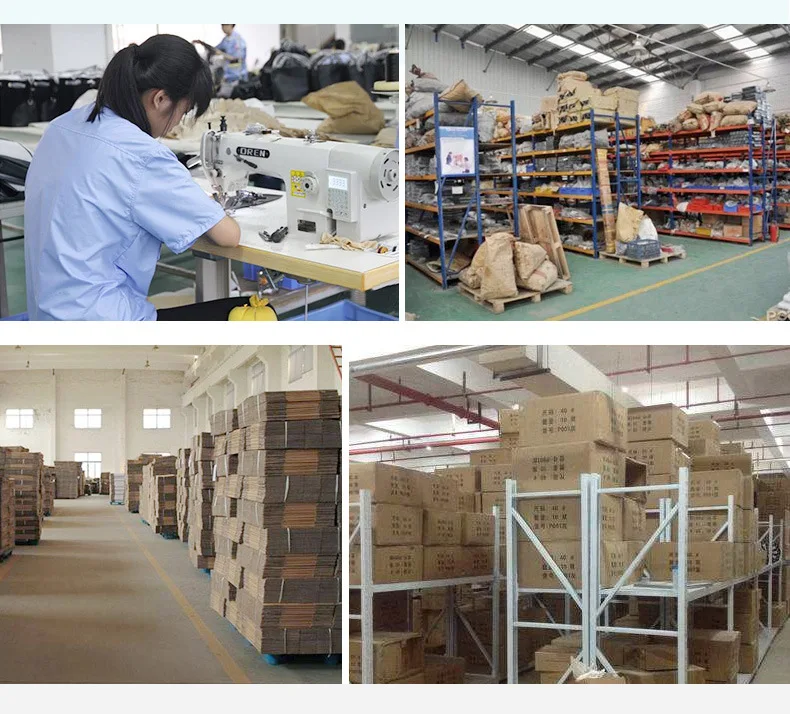
Dingxing Yuncheng Bag Manufacture Co., Ltd.
- Manufacturer, Trading Company
- Hebei, China
- Lead time12 days
- Avg. response≤ 6h
Main productscosmetic bag,backpack,handle bag,laptop bag,canvas bag
Main marketsSouth America(60.00%), North America(20.00%), Eastern Asia(10.00%), Mid East(10.00%)

Jiaxing Layo Imp. & Exp. Group Co., Ltd.
- Verified by BV
- Manufacturer/Factory,Group Corporation
- China Zhejiang
- Lead time45 days
- Avg. response≤ 2h
Main productsJacket, Bag, Suit, Trench Coat, Wool Coat, Dress, Sweater, Faux Leather, Backpack, Duffle Bag
Main marketsSouth America,Eastern Europe,Mid East,North America,Southeast Asia,Eastern Asia,Oceania,Western Europe,Africa


Classical Carry Jeans Canvas Bag Shoulder Denim Bag Shopping Tote Bags Handbag
$5.00 - $10.00
MOQ: 500 Pieces

Guangzhou Master Young Co., Ltd.
- Verified by TUVRHEINLAND
- Trading Company,Manufacturer/Factory
- China Guangdong
- Lead time23 days
- Avg. response≤ 6h
Main productsWomen Handbag, PU Leather Handbag, Backpack, Men Wallet, Genuine Leather Bags, Laptop Bags, Denim Bags, Party Bags, Leisure Backpack, Fashion Bags
Main marketsSouth America,Eastern Europe,Mid East,North America,Southeast Asia,Eastern Asia,Oceania,Western Europe


Factory Wholesale OEM Printed Soft Washable Vintage Jeans Denim Women Handbags Shoulder Tote Bags
$5.80 - $7.00
MOQ: 20 Pieces


Factory Wholesale Casual Simple High-Capacity Denim One-Shoulder Tote Bag
$5.60 - $6.60
MOQ: 20 Pieces

Fuzhou Haomin Imp. & Exp. Co., Ltd.
- Verified by SGS
- Manufacturer/Factory
- China Fujian
- Lead time23 days
- Avg. response≤ 4h
Main productsBackpacks, Beach Bags, School Bags, Shopping Bags, Canvas Bags, Sports Bags, Cosmetic Bags, Pet Bags, Cotton Bag, Travel Bag
Main marketsSouth America,Eastern Europe,Mid East,North America,Southeast Asia,Eastern Asia,Oceania,Western Europe,Africa
Baoding Naxiang Bags Manufacturing Co., Ltd.
- Verified by SGS Group
- Manufacturer, Trading Company
- Lead time0 days
- Avg. response≤ 2h
Main productsWomen Tote Bag, Women's Shoulder Bags, Ita Bag, Pickleball/Padel Bag, Travel Sports Bag
Main marketsNorth America(60%), Western Europe(20%), Mid East(15%)
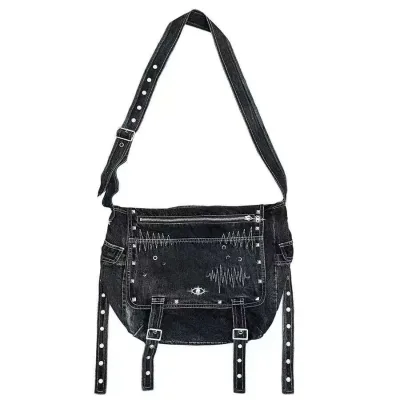
$10.50 - $14.50
MOQ: 100 pieces
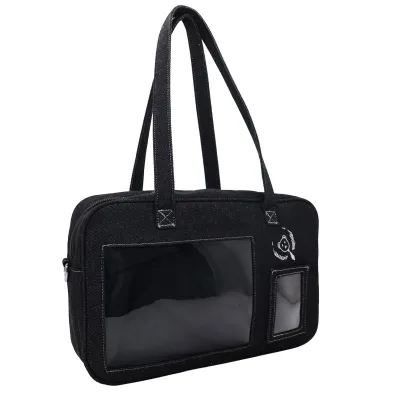
2025 Custom Fashion Black Color Denim Tote Bag & Crossbody Bag for Women Jean Garment Bag
$13.00 - $15.00
MOQ: 100 pieces

Guangzhou CF Leather Co., Ltd.
- Verified by SGS
- Combined
- China Guangdong
- Lead time30 days
- Avg. response≤ 21h
Main productsBag, Luxury Handbag, Women Handbag, Handbag
Main marketsAfrica,Domestic,Europe
Yiwu Zhengshang International Trade Co., Ltd.
- Trading Company
- China Zhejiang
- Lead time0 days
- Avg. response≤ 16h

$5.14 - $6.23
MOQ: 2 Pieces


$5.81 - $6.62
MOQ: 1 Pieces
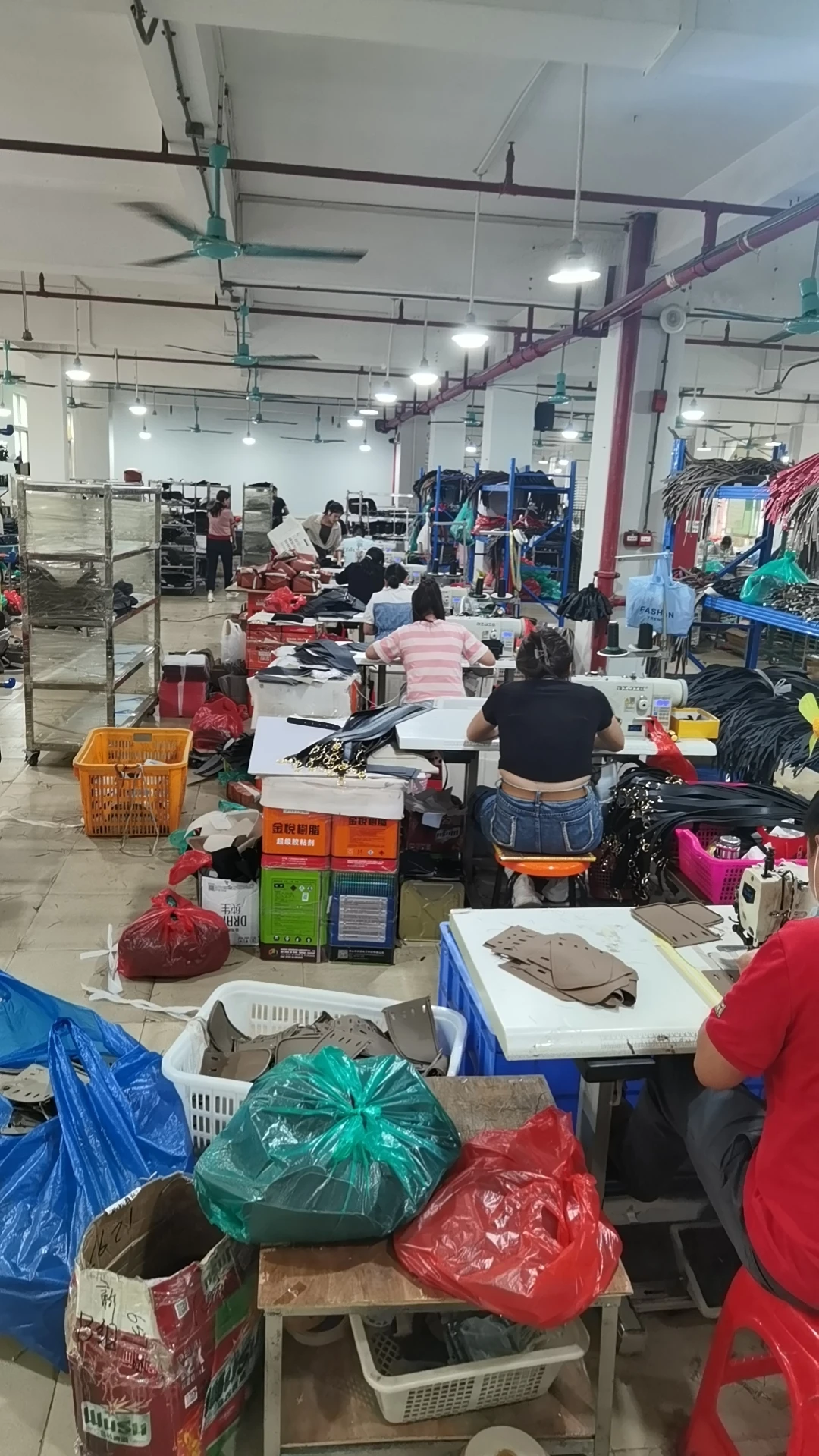
Guangzhou Caihong Leather Goods Co., Ltd.
- Manufacturer, Trading Company
- Guangdong, China
- Lead time0 days
- Avg. response≤ 3h
Main productsWoven bag,Handmade bag,wallet,fashio bag,messenger bag
Main marketsSouth Asia(10.00%), Western Europe(10.00%), Eastern Asia(10.00%), Mid East(10.00%), Eastern Europe(10.00%), North America(10.00%)
Xiamen Daysun Industrial Co., Ltd.
- Verified by SGS
- Trading Company
- China Fujian
- Lead time30 days
- Avg. response≤ 4h
Main productsBackpack, Travel Bag, Sports Bag, Laptop Bag, Shopping Bag, Cosmetic Bag, Cooler Bag, RPET Bag, Clothing, Neoprene Case
Main marketsEurope,Australia,North America

2026 New Vintage Washed Denim Tote Bag Retro Large Capacity Shoulder Bag Commuter Shopping Bag
$7.38 - $8.48
MOQ: 500 Pieces

2026 New Canvas & Denim Bag Fashion Shoulder Crossbody Bag Large Capacity Commute Pillow Bag
$7.99 - $9.99
MOQ: 500 Pieces

Shijiazhuang Dongcang Trading Co., Ltd.
- Verified by SGS
- Trading Company,Manufacturer/Factory
- China Hebei
- Lead time15 days
- Avg. response≤ 10h
Main productsHandbag, Shoulder Bag, Shoes, Clothes, Jewelry, Swimwear, Sunglasses
Main marketsSouth America,Eastern Europe,Mid East,North America,Southeast Asia,Eastern Asia,Oceania,Western Europe,Africa
Henan Zihao Cosmetic Bag Co., Ltd.
- Verified by Intertek
- Manufacturer, Trading Company
- Lead time25 days
- Avg. response≤ 2h
Main productsHandbag, Ice Bag, Backpack, Phone Bag, Cosmetic Bag
- Trading Company
- Hebei, China
- Lead time10 days
- Avg. response≤ 4h
Main productsschool bag,women bag,shoulder bag,backpack,underarm bag
Main marketsMid East(20.00%), South Asia(18.00%), Africa(15.00%), Central America(11.00%), Southeast Asia(10.00%), South America(5.00%), Northern Europe(5.00%), Southern Europe(4.00%), Eastern Asia(4.00%), Domestic Market(3.00%), Western Europe(2.00%), Eastern Europe(1.00%), North America(1.00%), Oceania(1.00%)
Shenzhen Longgang District Pinghu Street Jinxiu Haoxuan International Trade Store
- Manufacturer, Trading Company, Distributor/Wholesaler
- Guangdong, China
- Lead time0 days
- Avg. response≤ 6h
Main productsWomen Bag,Wallet,Backpack,Men bag,Crossbody sling Bag
Main marketsNorth America(40.00%), South America(25.00%), Southern Europe(20.00%), Western Europe(10.00%), Eastern Europe(3.00%), Northern Europe(2.00%)

Guangzhou Modicci Fashion Co., Limited
- Verified by SGS
- Trading Company,Manufacturer/Factory
- China Guangdong
- Lead time45 days
- Avg. response≤ 19h
Main productsHandbag, Backpack, Crossbody, Wallet, Clutch, Purse, Keyring, Jewellery Box, Card Holder, Laptop Backpack
Main marketsSouth America,Eastern Europe,Mid East,North America,Southeast Asia,Eastern Asia,Oceania,Western Europe,Africa

Plaid Denim Fabric Handbag Fashion Women High Capacity Single Shoulder Bag Crossbody Bag (MFN7789)
$6.00 - $10.00
MOQ: 200 Pieces

Casual Simple High-Capacity Denim One-Shoulder Tote Bag Big Bag Female New Style
$6.00 - $10.00
MOQ: 200 Pieces

$6.00 - $10.00
MOQ: 200 Pieces

Large-Capacity Denim Canvas Bag, Female Bag, New One-Shoulder Portable Fairy Tote Bag
$6.00 - $10.00
MOQ: 200 Pieces

$6.00 - $10.00
MOQ: 200 Pieces
Yangzhou Bozhiyue Import and Export Trading Co., Ltd.
- Verified by SGS
- Trading Company
- China Jiangsu
- Lead time15 days
- Avg. response≤ 7h
Main productsLuxury Handbag, Sling Bag, Tote Bag, Shopping Bag, Canvas Bag, Garment Bag
Main marketsEurope

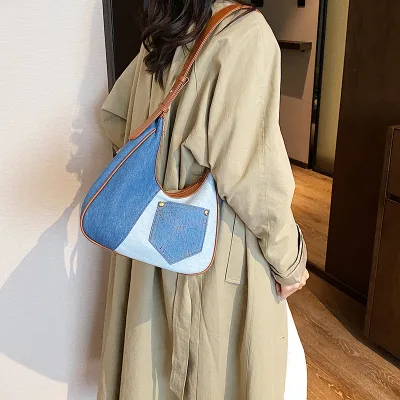
Stylish Pants Pocket 2024 Cross-Border New High-End Texture Denim Shoulder Crossbody Handbag
$22.45 - $25.90
MOQ: 5 pieces

Fashion Korean Denim Canvas Bag Single Shoulder Crossbody Handbag for Women
$5.10 - $5.90
MOQ: 5 pieces


- Verified by TüVRheinland
- Trading Company
- Lead time25 days
- Avg. response≤ 1h
Main productsTote Bag, Drawstring Bags, Beach Bag, Backpack, Travel Bag
Main marketsNorth America(55%), Western Europe(10%), Southern Europe(5%)

Jinjiang Jiaxing Supply Management Co., Ltd.
- Verified by TUVRHEINLAND
- Trading Company
- China Fujian
- Lead time30 days
- Avg. response≤ 1h
Main productsEVA Clogs, Flip Flop, Shoe Charms, Shopping Bags, Wristbands, Gifts, Promotional Gifts, Slipper, Sport Cap, Ball
Main marketsNorth America








Comprehensive Sourcing Guide
Patchwork Denim Bag Supplier Concentration and Factory Types
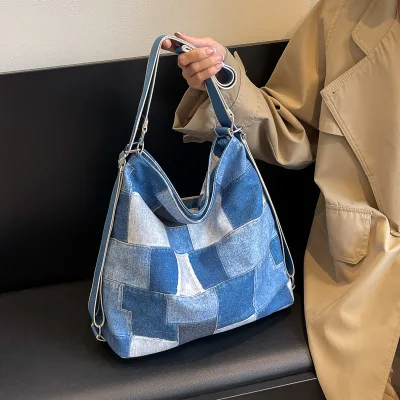
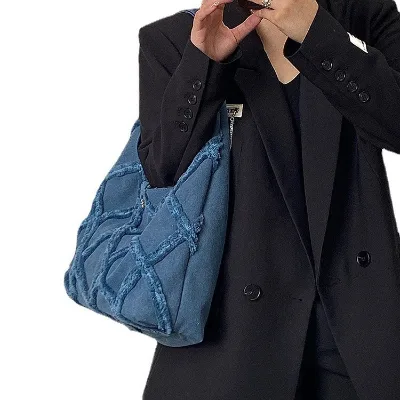
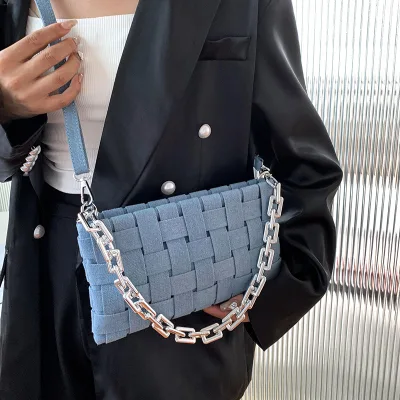
Current data indicates that manufacturers of patchwork denim bags are concentrated in specific regions, with Beijing and Guangdong, China, appearing as verified locations for active suppliers. These hubs host a mix of company types, including both Manufacturer/Factory entities and Trading Companies, each offering distinct operational models for buyers. The Manufacturer/Factory profile is associated with capabilities in OEM and ODM services, suggesting a direct production line capable of handling custom designs and large-scale manufacturing runs. In contrast, Trading Companies listed in the results focus on sourcing and distribution, often managing a broader portfolio that includes cowboy clothing and general apparel alongside bag products.
Buyers must distinguish between these entity types when evaluating potential partners, as the factory type dictates the level of control over the production process and the flexibility for customization. A Manufacturer/Factory typically provides direct access to the production floor, which can be critical for implementing specific patchwork techniques or denim treatments. Conversely, a Trading Company may offer a wider variety of finished goods but might rely on external factories for actual production. The presence of ISO 9001 and ISO 14001 certifications among some suppliers indicates a commitment to quality management and environmental standards, though these credentials are not universal across all listed entities.
How to Verify Patchwork Denim Bag Suppliers
Verification of Patchwork Denim Bag suppliers requires a rigorous check of the provided product evidence and company credentials to ensure authenticity and capability. Buyers should scrutinize the detailed product attributes listed in supplier profiles, such as the specific material composition, which often includes denim, canvas, or polyester linings, and the closure types like zippers or lace-ups. The presence of customization options, such as logo printing or specific dimensions like 25183.2cm, serves as a tangible indicator of a supplier's ability to meet bespoke requirements. It is essential to confirm that the stated attributes, including gender specifications and waterproof ratings, align with the buyer's target market needs before proceeding.
Beyond product details, buyers must validate the response times and lead times provided in the supplier data to gauge operational efficiency. A response time of approximately 4.19 hours or 3 hours suggests a level of responsiveness that can facilitate smoother communication during the sourcing process. However, lead times vary significantly, with some suppliers indicating a 38-day production window while others offer a 12-day turnaround. This discrepancy highlights the need to verify current capacity and production schedules directly with the supplier. Additionally, checking for established certifications like ISO standards provides a baseline for quality assurance, but buyers should request recent audit reports to confirm that these standards are actively maintained rather than merely claimed.
What to Compare Across Patchwork Denim Bag Suppliers
When comparing suppliers, buyers should prioritize key operational metrics such as minimum order quantities (MOQ), pricing structures, and production lead times to determine the best fit for their business model. The data reveals a wide range of MOQs, from as low as 100 units to 300 units, which directly impacts the initial investment required for a new product line. Pricing also varies considerably, with some items listed between $1.30 and $1.59, while others range from $3.80 to $4.10, and premium styles reaching up to $14.65. These price points are influenced by factors such as material quality, complexity of the patchwork design, and the inclusion of additional features like embroidery or specific linings.
In addition to cost and volume, the scope of main products offered by each supplier provides insight into their specialization and potential for future collaboration. Some suppliers focus exclusively on bags and luggage, while others maintain a broader catalog that includes office gift sets, toys, or clothing. This diversification can be advantageous for buyers seeking a single source for multiple product categories, but it may also indicate a lack of deep specialization in denim bag manufacturing. Buyers should also evaluate the specific product attributes, such as the hardness of the material, the type of strap, and the pattern style, to ensure the supplier can deliver the exact aesthetic and functional requirements of the Patchwork Denim Bag design.
Common Patchwork Denim Bag Sourcing Risks
One significant risk in sourcing patchwork denim bags is the inconsistency in product attributes and material quality, which can lead to discrepancies between samples and bulk orders. The product evidence shows variations in waterproof ratings, with some items marked as non-waterproof while others have no specific rating, and care instructions ranging from "do not wash" to unspecified guidelines. These inconsistencies can result in customer dissatisfaction if the final product does not meet the expected durability or maintenance standards. Furthermore, the complexity of patchwork designs, which often involve multiple fabric types and intricate stitching, increases the likelihood of production errors if the supplier lacks the necessary technical expertise or quality control measures.
Another critical risk involves the reliability of lead times and the potential for delays in shipping and delivery. While some suppliers list a lead time of 12 days, others indicate a 38-day production window, creating uncertainty in supply chain planning. This variability can be exacerbated by external factors such as raw material shortages or logistical bottlenecks, particularly if the supplier is located in a region with frequent disruptions. Buyers must also be cautious of suppliers who do not clearly disclose their response times or who provide vague information about their production capacity. Without clear communication channels and realistic timelines, the risk of missed deadlines and inventory shortages increases, potentially disrupting the buyer's sales cycle and market positioning.
Patchwork Denim Bag Regional Sourcing and Logistics
Regional sourcing decisions for patchwork denim bags are heavily influenced by the geographic location of the suppliers, with Beijing and Guangdong, China, emerging as primary hubs in the current data. Suppliers in these regions offer distinct logistical advantages, such as proximity to major ports and established manufacturing infrastructure, which can streamline the shipping process. However, the specific location of a supplier impacts the lead time and shipping costs, as goods originating from different provinces may face varying transit times and customs procedures. Buyers should verify the exact place of origin for each product, as this information is critical for calculating accurate delivery schedules and estimating total landed costs.
Logistics planning must also account for the packaging standards and shipping methods specified by the supplier, such as carton shipping, which is noted in several product attributes. The dimensions of the product, such as 25183.2cm or 24166.5, directly affect the volume of cargo and the number of units that can be shipped per container, influencing overall freight expenses. Additionally, the nature of the product, including its weight and fragility, may require special handling or protective packaging to prevent damage during transit. Buyers should confirm that the supplier's packaging practices align with their own requirements for product protection and that the shipping terms clearly define who bears the responsibility for freight costs and insurance.
Patchwork Denim Bag Commercial Terms and Order Planning
Commercial terms for Patchwork Denim Bag orders are defined by a combination of pricing tiers, minimum order quantities, and payment conditions that vary across suppliers. The data indicates that prices can range from $1.30 to $14.65 per unit, depending on the complexity of the design and the materials used, while MOQs typically fall between 100 and 300 units. These terms require careful financial planning to ensure that the order volume aligns with the buyer's budget and sales projections. Buyers should also consider the potential for price fluctuations based on order size, as some suppliers may offer discounts for larger quantities, which can significantly impact the overall cost per unit.
Order planning must also incorporate the supplier's response time and lead time to ensure timely delivery and inventory management. A response time of 3 to 4.19 hours suggests a level of responsiveness that can facilitate quick decision-making, but the lead time of 12 to 38 days requires advance planning to avoid stockouts. Buyers should establish clear communication protocols with the supplier to track production progress and address any issues that arise during the manufacturing process. Additionally, the availability of customization options, such as logo printing or specific dimensions, should be confirmed early in the planning phase to ensure that the final product meets the buyer's specifications. By carefully managing these commercial terms and planning for potential delays, buyers can mitigate risks and ensure a successful sourcing outcome.
FAQs
What is the price range for patchwork denim bags?
Prices for patchwork denim bags range from 1.30 to 14.65 USD per unit depending on the specific design and customization options. Some basic models start at 1.30 USD while more complex vintage styles can reach 14.65 USD. Buyers should check individual product listings for exact pricing details.
What are the minimum order quantities for these bags?
Minimum order quantities vary significantly between suppliers, ranging from 50 to 300 units per order. Some listings require a minimum of 50 pieces for specific styles, while others mandate 300 units for custom options. Always verify the specific MOQ for the exact bag style you intend to purchase.
Where are these patchwork denim bags manufactured?
These bags are manufactured in China, specifically in locations like Beijing and Guangdong. The product origin is consistently listed as China for all available denim bag styles. Buyers can expect shipping from these specific Chinese regions when placing orders for these items.
How long does it take to receive these bags?
Lead times for patchwork denim bags typically range from 12 to 38 days depending on the supplier and order volume. Some manufacturers offer faster turnaround times of 12 days, while others may require up to 38 days for production and shipping. Confirm the specific lead time with your chosen supplier before ordering.
Are customization options available for these bags?
Yes, customization is available for many Patchwork Denim Bag models, including logo printing and specific design adjustments. Suppliers offer OEM and ODM services to meet unique branding needs. Buyers should confirm specific customization requirements and any associated costs directly with the manufacturer before finalizing the order.
What certifications do the manufacturers hold?
Some manufacturers hold ISO 9001 and ISO 14001 certifications for their quality and environmental management systems. These certifications indicate adherence to international standards for production processes. Buyers should verify if specific suppliers hold these certifications to ensure quality compliance for their business needs.
What is the typical response time for suppliers?
Supplier response times vary, with some manufacturers responding within 3 hours and others taking up to 4.19 hours. Faster response times are often associated with trading companies, while manufacturers may have slightly longer reply windows. Check the specific response time listed for each supplier to gauge communication efficiency.