Patient Immobilization Safety Buckle Suppliers and Manufacturers
Explore 27 verified options for Patient Immobilization Safety Buckle from China and Taiwan. Compare response times, lead times, certifications, and pricing to find suitable partners. Contact suppliers directly to request samples and confirm customization details; review the available evidence before requesting comparable quotations from suitable candidates.
Suppliers List

HANGZHOU WEIZE IMP & EXP CO., LTD.
- Verified by TUVRHEINLAND
- Trading Company
- China Zhejiang
- Lead time30 days
- Avg. response≤ 4h
Main productsProtective Mask
Main marketsAfrica,Southeast Asia/ Mideast,Europe,North America

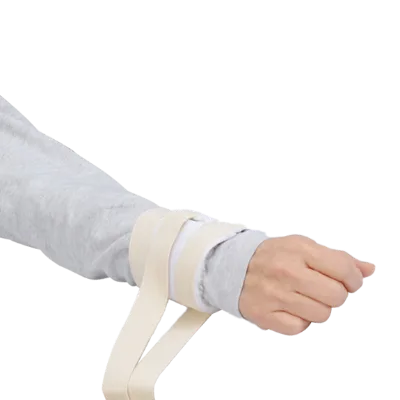
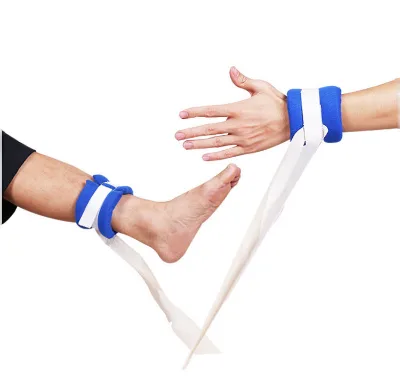
Medical Wrist Ankle Cuffs Adjustable Patient Limb Immobilization Restraint Strap
$0.50 - $0.79
MOQ: 100 Pieces

Medical Wrist Ankle Adjustable Restraint Strap for Patient Limb Immobilization
$0.50 - $0.79
MOQ: 100 Pieces


Medical Wrist and Ankle Limb Restraint Straps with Buckle for Hospital Patients Using on The Bed
$0.59 - $1.09
MOQ: 500 Pieces


- Manufacturer, Trading Company
- Taiwan, China
- Lead time30 days
- Avg. response≤ 1h
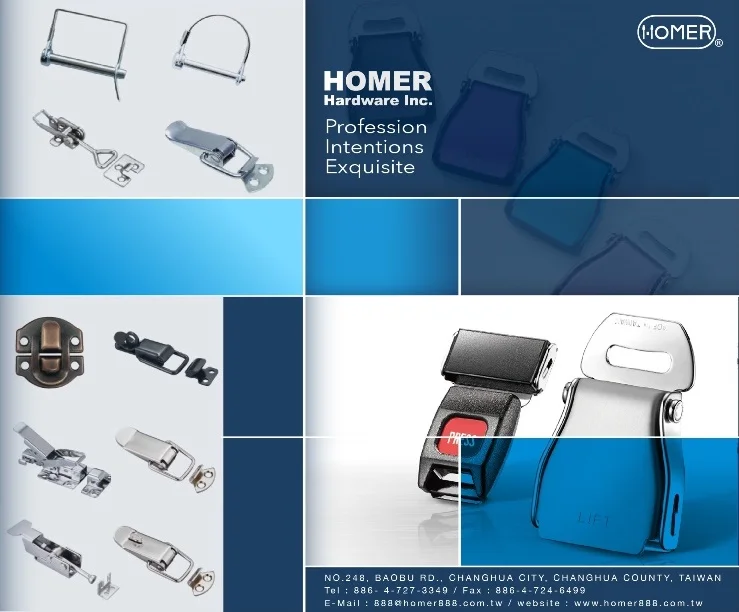
Main productsAuto parts, Furniture Hardware\t\t, Customized Hardware
Main marketsDomestic Market(30.00%), North America(25.00%), Eastern Asia(14.00%), Western Europe(12.00%), Southeast Asia(6.00%), Southern Europe(3.00%), Eastern Europe(3.00%), Oceania(2.00%), Central America(2.00%), Northern Europe(2.00%), South America(1.00%)
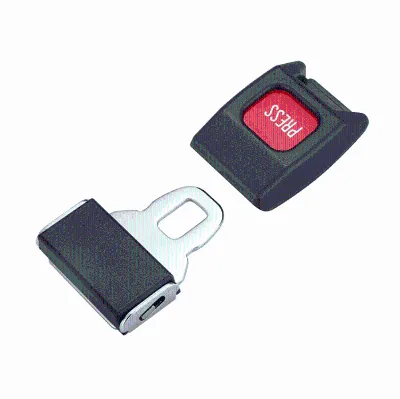
OEM service easy clean durable safety buckle for medical rescue stretcher fastening belts
$1.89 - $2.14
MOQ: 2 sets
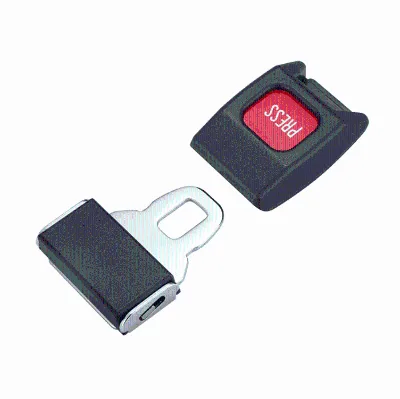
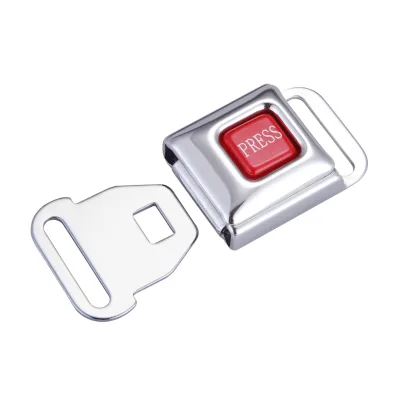
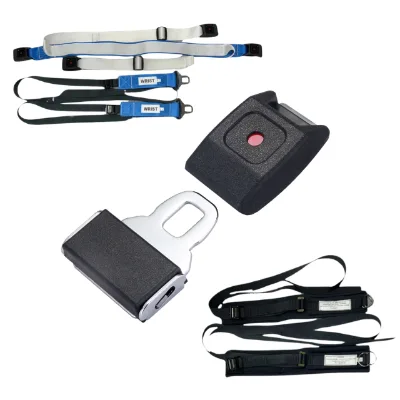
CA-01 Series 1200+kg Tensile Strength Buckle for Medical Patient Securing Systems
$2.15 - $2.66
MOQ: 1 Minimum
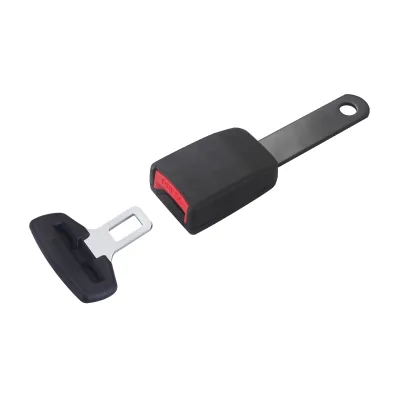
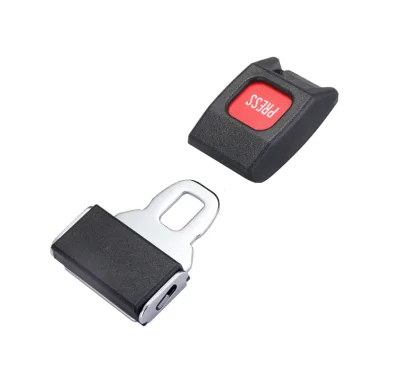
Lightweight acetal safety buckle with reinforced latch for wheelchair and mobility belts
$1.89 - $2.14
MOQ: 50 sets
Guangzhou Libi Dianzishangwu Co., Ltd
- Verified by SGS
- Trading Company
- China Guangdong
- Lead time15 days
- Avg. response≤ 5h
Main productsSegufix, Straitjacket, Magnetic Lock, Magnetic Belt, Medical, Bdsm, Restraint Bondage, Fetish, Kinky, Bed Restraints
Main marketsDomestic,Europe

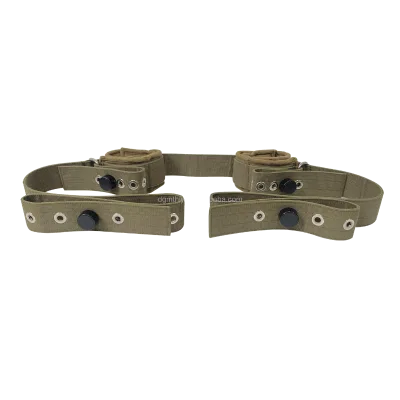
Patient Double Upper Limb Fixed Strap Medical Restraint Safety Belt for Limb Immobilization
$20.57 - $27.43
MOQ: 3 Sets


Medical Shackles Adjustable Wrist Belt Ankle Stabilizer Patient Restraint for Limb Immobilization
$23.14 - $30.85
MOQ: 3 Sets


DSC Xiamen Enterprise Pte Ltd.
- Trading Company
- China Fujian
- Lead time23 days
- Avg. response≤ 2h
Main productsHardware, Accessories, Plastic Buckle, Ribbons, Metal Stamping, Bag Accessories, Promotion Gift, Bag Hardware
Main marketsSouth America,Southeast Asia/ Mideast,East Asia(Japan/ South Korea),Europe,Australia,North America
Henan Yuenai Trading Co., Ltd.
- Trading Company
- Henan, China
- Lead time5 days
- Avg. response≤ 2h
Main productsMedical consumables,safety butterfly needle,Vacuum blood collection,wheelchair,Medical equipment
Main marketsEastern Asia(30.00%), Southeast Asia(20.00%), Western Europe(20.00%), Africa(20.00%), Mid East(10.00%)
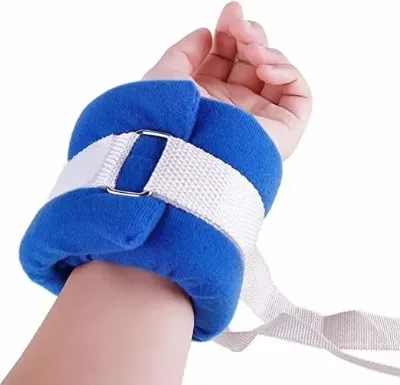
Medical Wrist Ankle Adjustable Restraint Strap for Patient Limb Immobilization
$0.80 - $0.90
MOQ: 10 pieces
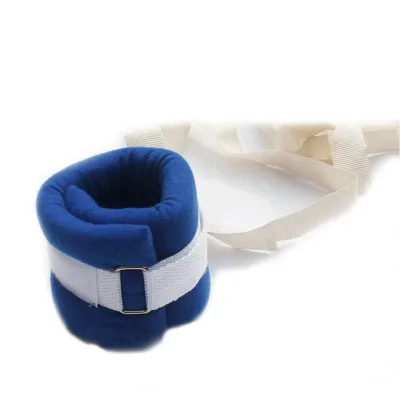
Hospital Patient Medical Limb Constraint Wrist Ankle Foam Restraint Strap Fixed Belt
$0.80 - $0.90
MOQ: 10 pieces
Shandong Yunbian Import and Export Co., Ltd.
- Verified by TUVRHEINLAND
- Combined
- China Shandong
- Lead time15 days
- Avg. response≤ 5h
Main productsClimbing Rope, Pet Safety Rope, Water Rescue Safety Rope, Nylon Rope, Braided Rope, Traction Rope, Fall Protection Safety Belt, Climbing Safety Belt, Industrial Safety Belt, Packing Rope
Main marketsSouth America
Huiyuan Lantian Medical System Co., Ltd.
- Verified by SGS
- Trading Company
- China Sichuan
- Lead time23 days
- Avg. response≤ 4h
Main productsInfusion Set Portable Ultrasound
Main marketsDomestic

Hebei Jiewo Medical Instrument Co., Ltd.
- Trading Company
- Hebei, China
- Lead time5 days
- Avg. response≤ 1h
Main productsmaternity support,lumbar support,tourmaline magnetic,crutch,arm sling
Main marketsNorth America(40.00%), South America(20.00%), Eastern Europe(15.00%), Domestic Market(5.00%)
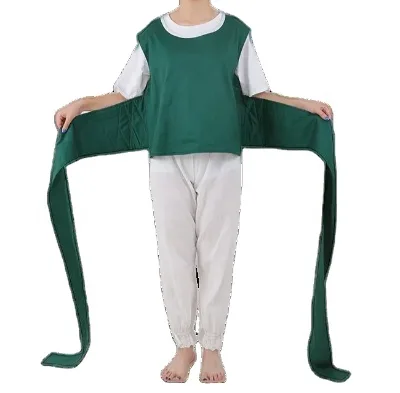
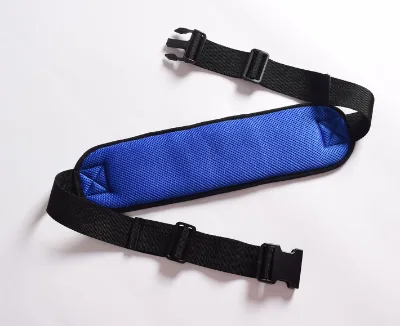
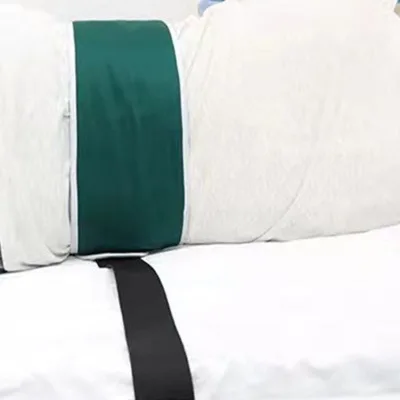
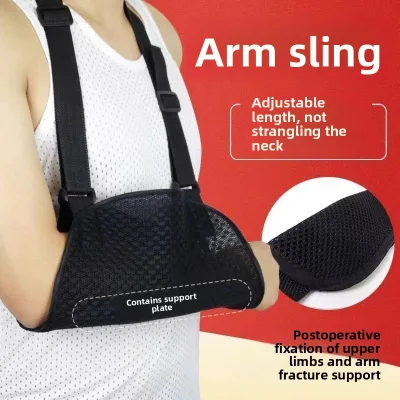
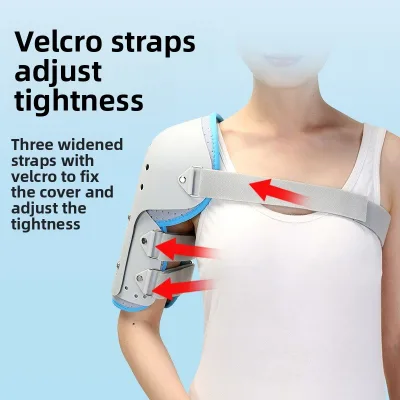
Medical Thickening Twill Cotton Patient Physical Fixing Straps Shoulder Restraints Belt
$7.15 - $9.19
MOQ: 2 pieces
Qingdao Medmount Medical Technology Co., Ltd
- Verified by TUVRHEINLAND
- Trading Company,Manufacturer/Factory
- China Shandong
- Lead time30 days
- Avg. response≤ 3h
Main productsMedical Dressings & Bandages, Medical Protection Products, Injection & Needle Products, Breathing & Anaesthesia Products, Interventional Products, Drainage & Irrigation Products, Laboratory Products, in Vitro Diagnostic Products, First Aid Products, Veterinary & Pet Products
Main marketsEastern Europe,Mid East,North America,Western Europe,Africa

CE/ISO/FDA Approved Medical Rescue Immobilization Stretcher Straps for Spine Board
$3.00 - $10.00
MOQ: 100 Pieces

Medmount High Strength Emergency Patient Rescue Spider Strap with CE/ ISO/ FDA
$3.00 - $12.00
MOQ: 100 Pieces
Hebei Kang Sheng Yuan Sports Goods Co., Ltd.
- Manufacturer, Trading Company
- Lead time旺季: "1 - 100":7,"> 100":"To be negotiated", 淡季: "1 - 100":7,"> 100":"To be negotiated"
- Avg. response≤ 3h
Main productsWaist Support; Back Posture Corrector; Knee Brace; Body Shaper Corset; Hip Resistance Bands
Hangzhou Tuopusi Medical Products Co., Ltd.
- Verified by BV
- Trading Company,Manufacturer/Factory
- China Zhejiang
- Lead time23 days
- Avg. response≤ 9h
Main productsElastic Bandage, Plaster, Medical Tape, First Ait Kit, Non Woven Dressing, Face Mask, Surgical Tape, Emergency Bandage, Emergency Blanket, Tubular Bandage
Main marketsSouth America,Eastern Europe,Mid East,North America,Southeast Asia,Eastern Asia,Oceania,Western Europe,Africa


$0.88 - $1.03
MOQ: 5000 Pieces

- Verified by TUVRHEINLAND
- Trading Company
- China Guangdong
- Lead time60 days
- Avg. response≤ 7h
Main productsElectric Wheelchair, Manual Wheelchair, Sports Wheelchair, Hospital Bed, Crtuches, Walking Aids, Shower Chair, Trailer Mobility Scooter, Commode Wheelchair, Stretcher
Main marketsEurope


Orthopedic Breathable Mesh Forearm Arm Support Sling with Shoulder Immobilizer
$1.90 - $2.90
MOQ: 100 Pieces

JIANG SU XIN KAI GROUP CO., LTD.
- Verified by BV
- Trading Company
- China Jiangsu
- Lead time15 days
- Avg. response≤ 24h
Main productsPaint Brush, Paint Roller, Paint Tools, Hardware
Main marketsAfrica

Durable Safety Harness with Quick-Release Buckles for Easy Wearing in Emergency and Daily Work
$12.00 - $26.00
MOQ: 500 Pieces

Safety Harness with Self-Locking Buckles Prevents Accidental Release During Operation
$12.00 - $26.00
MOQ: 500 Pieces
Baoding Sanji Medical Instrument Technology Co., Ltd.
- Verified by TUVRHEINLAND
- Combined
- China Hebei
- Lead time15 days
- Avg. response≤ 2h
Main productsTourniquet
Main marketsSoutheast Asia/ Mideast,East Asia(Japan/ South Korea),Domestic,Europe,North America
Hengshui Jingkang Medical Device Co., Ltd.
- Manufacturer, Trading Company
- Hebei, China
- Lead time5 days
- Avg. response≤ 5h
Main productsmaternity support,lumbar support,tourmaline magnetic,crutch,arm sling
Main marketsNorth America(40.00%), South America(20.00%), Eastern Europe(15.00%), Domestic Market(5.00%)

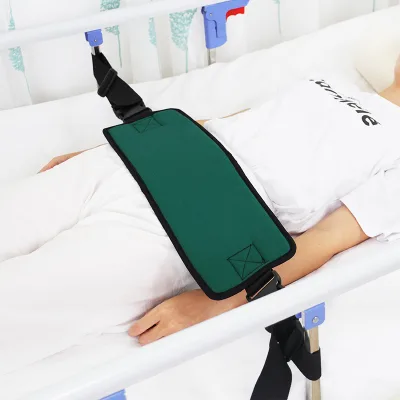
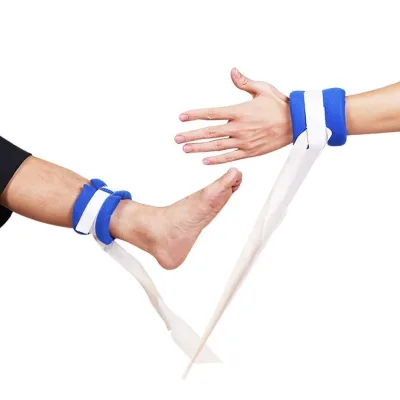
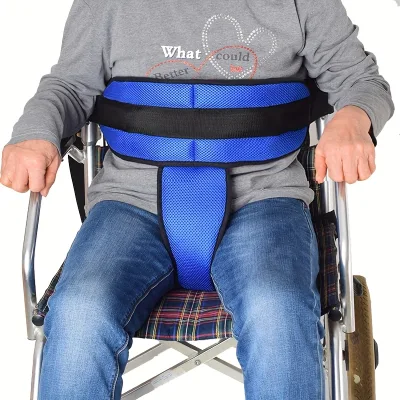
$0.82 - $2.56
MOQ: 200 pieces
Xiamen Xinziyang Industry and Trade Co., Ltd.
- Verified by CTI
- Trading Company
- China Fujian
- Lead time15 days
- Avg. response≤ 22h
Main marketsSoutheast Asia/ Mideast,Domestic,North America

HANGZHOU TOP LIFT INDUSTRIES CO., LTD.
- Trading Company
- China Zhejiang
- Lead time45 days
- Avg. response≤ 4h
Main productsChain Block, Lever Block, Rigging Components, Lifting Sling, Lifting Clamps, Manual Trolley, Chain, Safety Harness
Main marketsSouth America,Africa,Southeast Asia/ Mideast,Europe,Australia

Quick-Release Buckles Adjustable 9kv Dielectric Safety Device Safety Harness
$10.50 - $50.00
MOQ: 500 Pieces


Zhejiang Yuda New Material Technology Co., Ltd.
- Verified by SGS
- Manufacturer
- China Zhejiang
- Lead time15 days
- Avg. response≤ 10h
Main productsWebbing Strap, Ratchet Strap, Safety Belt, Polyester Webbing, Nylon Webbing, Cotton Webbing, Lanyard, Outdoor Straps, Tactical Webbing, Sublimation Webbing Strap

Hangzhou Kebo Orthopedic Rehabilitation Equipment Co.,Ltd
- Verified by SGS
- Combined
- China Zhejiang
- Lead time30 days
- Avg. response≤ 11h
Main productsSpine Orthosis, Orthosis Accessories, Upper Limb Orthosis, Lower Limbs Orthosis
Main marketsSoutheast Asia/ Mideast,Europe

Adjustable Unisex Shoulder Immobilizer Brace for Injury Recovery and Pain Relief
$28.00 - $37.00
MOQ: 1 Pieces

Dongguan Mengtai Nursing Supply Co., Ltd.
- Manufacturer, Trading Company
- Guangdong, China
- Lead time15 days
- Avg. response≤ 3h
Main productsMagnetic Restraint Belt,medical restraint belt,Nursing care product
Main marketsMid East(30.00%), Southeast Asia(30.00%), South Asia(20.00%), Africa(10.00%), Eastern Europe(1.00%), Southern Europe(1.00%), Northern Europe(1.00%), Central America(1.00%), Western Europe(1.00%), Eastern Asia(1.00%), South America(1.00%), Oceania(1.00%), North America(1.00%)

XIAMEN DORRELLA HEALTH TECHNOLOGY CO.,LTD
- Verified by SGS
- Trading Company,Manufacturer/Factory,Group Corporation
- China Fujian
- Lead time23 days
- Avg. response≤ 8h
Main productsOrthotic Brace, Ankle Brace, Arm Brace, Back Brace, Cervical Collar, Finger Splint, Hip Abduction Braces, Hand and Wrist Brace, Post-Op Shoes, Orthopedic Waiking Boot
Main marketsSouth America,Eastern Europe,Mid East,North America,Southeast Asia,Eastern Asia,Oceania,Western Europe,Africa


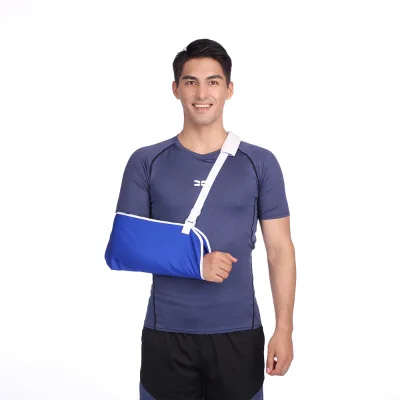
OEM Medical Arm Sling for Arm Support Immobilization Shoulder Support Adjustable Arm Strap
$1.80 - $2.80
MOQ: 10 Sets

Adjustable Breathable Shoulder Immobilizer Arm Support for Fracture Sprain Wrist Arm Strap
$2.90 - $3.60
MOQ: 10 Sets
Hengshui Gangsheng Medical Instruments Co., Ltd.
- Verified by SGS Group
- Manufacturer, Trading Company
- Lead time7 days
- Avg. response≤ 2h
Main productsCervical Collar, Lumbar Back Brace, Posture Corrector, Knee Brace, Arm Sling
Main marketsNorth America(34%), Western Europe(15%), Domestic Market(11%)

Chongqing New World Trading Co., Ltd.
- Trading Company
- China Chongqing
- Lead time15 days
- Avg. response≤ 4h
Main productsFlocked Swab, Pipette Filter Tips, Vtm Kits, Blood Collection Tubes, Face Mask, Pipette Tips, Microscope Slides, Centrifuge Tube, Cryotube, Petri Dish
Main marketsSouth America,Africa,Southeast Asia/ Mideast,East Asia(Japan/ South Korea),Europe,Australia,North America


Medical Supply Hospital Adult Child Consumable Elastic Buckle Tourniquet with CE
$0.30 - $0.50
MOQ: 500 Pieces
Hengshui Runde Medical Instruments Co., Ltd.
- Manufacturer, Trading Company
- Hebei, China
- Lead time10 days
- Avg. response≤ 3h
Main productsBack Brace,Tourniquet,Pregnancy Support Belt,Crutch,Splint
Main marketsEastern Asia(100.00%), North America(50.00%), Western Europe(10.00%), Domestic Market(5.00%), South America(5.00%), Southern Europe(5.00%), Eastern Europe(5.00%), Northern Europe(5.00%), Oceania(4.00%), South Asia(3.00%), Mid East(2.00%), Africa(2.00%), Southeast Asia(2.00%), Central America(2.00%)

Handan Wuxin Medical Devices Co., Ltd.
- Verified by TUVRHEINLAND
- Trading Company
- China Fujian
- Lead time15 days
- Avg. response≤ 2h
Main productsKnee Brace, Back Brace, Neck Brace, Waist Trainer, Body Shaper, Sportswear, Posture Corrector, Sexy Lingerie, Orthopedic Products, Gym Equipment
Main marketsEurope

Shanghai Even Medical Instruments Co., Ltd.
- Verified by BV
- Manufacturer/Factory
- China Shanghai
- Lead time45 days
- Avg. response≤ 5h
Main productsSurgical Suture, Alcohol Pad, Blood Lancet, Spinal Needle, Medicine Envelope, Urine Container, Surgical Blade, Face Mask 3ply, Isolation Gown, Sterile Swab Stick
Main marketsSouth America,Mid East,North America,Western Europe,Africa

PLANET (ANHUI) INTERNATIONAL CO., LTD.
- Verified by BV
- Combined
- China Jiangsu
- Lead time60 days
- Avg. response≤ 1h
Main productsBandage, First Aid Kits, Band Aid, Wound Dressing, Foot Patch, Knee Brace, Knee Support, Knee Pad, Adhesive Tape, Compression Stocks
Main marketsNorth America






Comprehensive Sourcing Guide
Patient Immobilization Safety Buckle Supplier Concentration and Factory Types
When you search for a Patient Immobilization Safety Buckle, the results typically reveal two distinct supplier groups that you must separate early. The first group consists of medical device suppliers offering finished restraint straps and limb immobilization systems, often located in Chinese provinces such as Zhejiang, where one verified supplier lists protective masks as a main product alongside medical restraint straps, operates as a trading company, and holds TUV Rheinland verification with a response time of a few hours. These sellers rarely manufacture buckles themselves; they assemble sourced hardware into soft-goods restraints made from flannel, sponge, cotton webbing, and stainless or plastic buckles. The second group consists of hardware manufacturers, such as a Taiwan-based company producing safety buckles for medical rescue stretcher fastening belts, automotive seat belts, and extreme sports applications, listing ISO 9001:2015, REACH, RoHS, and CP65 certifications and advertising a one-hour response time.
Understanding this split shapes your entire shortlisting process. A trading company can simplify sourcing of complete straps with buckles attached and typically offers customization, but adds a margin and distance from buckle production. A dedicated hardware manufacturer controls buckle metallurgy, tolerances, and fatigue testing but expects you to handle webbing, sewing, and final medical assembly. Decide whether you need the complete restraint assembly or only the buckle component before contacting either type, and ask each candidate directly where the buckle is actually produced.
How to Verify Patient Immobilization Safety Buckle Suppliers
Verification for this category must cover two layers: the medical soft-goods layer and the mechanical hardware layer. Start with the supplier profile attributes that platforms display, such as company type, verification badges, and system certifications. A TUV Rheinland verification badge, for example, indicates a third-party on-site assessment, but you should confirm what the assessment actually covered, because a trading company's verification does not certify the underlying buckle factory. Ask every candidate for the certificate numbers behind claimed marks such as FDA registration, ISO/CE listings, or ISO 9001:2015, and check them in the issuing databases. One Taiwan buckle manufacturer, for instance, lists ISO 9001:2015, REACH, RoHS, and CP65 on a product-level basis; request the underlying documents rather than accepting the label.
The second layer is product-level evidence. Reputable buckle suppliers publish test details you can interrogate: one lists a tensile strength test withstanding 1.5 tons, a 48-hour salt spray test showing no red rust, and 18,000 insertion-and-extraction fatigue cycles. Ask other suppliers to match these benchmarks in writing and to state which internal or third-party lab performed each test. For medical restraint strap suppliers claiming FDA and ISO/CE certification, request the scope documents and confirm the certificates apply to patient restraint products, not a unrelated category. Finally, request samples from both the buckle and the assembled strap so you can verify stitching, adjustability, and buckle engagement yourself before any deposit.
What to Compare Across Patient Immobilization Safety Buckle Suppliers
Build a comparison sheet from the attributes suppliers actually display, and never assume every candidate publishes the same fields. Useful dimensions include lead time, minimum order quantity, response speed, verification status, company type, and stated main products. In current results, for example, lead times range around 30 days for a Zhejiang trading company, while a Taiwan hardware manufacturer advertises a one-hour response time versus roughly three and a half hours for the medical strap supplier. MOQs differ sharply by product form: listed restraint strap items run from 100 to 500 pieces, while a magnetic restraint system lists a 50-piece MOQ at a much higher unit price. Use these spreads to filter candidates against your own volume and timeline.
Beyond logistics attributes, compare engineering substance. For buckles, note webbing-hole dimensions, materials such as S50 carbon steel or ABS plastic, applicable industries, and documented tests for hardness, tensile strength, salt spray, and insertion fatigue. For straps, compare strap length, material, color options, customization availability, packing format, and claimed certifications such as FDA, ISO/CE, CE, or ISO. Price ranges vary enormously in this category, from under one dollar per basic strap to hundreds of dollars per magnetic restraint system, so compare price only after normalizing specifications, materials, and quantity. Score every candidate on the same template so that missing information becomes visible rather than silently weighted in the supplier's favor.
Common Patient Immobilization Safety Buckle Sourcing Risks
The most frequent risk in this category is certificate confusion. Restraint strap suppliers commonly label products with combined marks such as "FDA, ISOCE," while buckle manufacturers list ISO 9001:2015, REACH, RoHS, or CP65, and some profiles show system certifications recorded only as "Others." None of these labels, taken alone, proves the specific buckle you receive meets the mechanical or biocompatibility requirements of your market. Ask for certificate scope, issuing body, and expiry dates in writing, and treat any refusal to share documents as a disqualifying signal rather than a negotiable point.
The second cluster of risks concerns mixed product portfolios and role mismatch. A supplier whose main products include auto parts, furniture hardware, and customized hardware may be competent at buckles yet unfamiliar with medical-device documentation expectations, while a trading company selling masks alongside restraints may lack any factory relationship for the buckle itself. Confirm who physically manufactures each component and who bears responsibility for a field failure. Third, watch for test claims without provenance: a listed 1.5-ton tensile figure or 18,000-cycle fatigue rating means little without a test report naming the method and lab. Fourth, packing and labeling details such as "1 PC/OPP bag" may not satisfy your regulatory or retail requirements; confirm packaging specifications before production. Finally, customs and clinical-use liability differ by destination, so define who handles compliance documentation for the importing market early in negotiations.
Patient Immobilization Safety Buckle Regional Sourcing and Logistics
The evidence on this page points to two sourcing regions with clearly different roles. Zhejiang, China appears as the base for a verified trading company supplying adjustable medical restraint straps with buckles, indicating that southern-eastern China functions as a practical cluster for the assembled soft-goods side of this category. Taiwan, China appears as the base for a manufacturer and trading company producing safety buckles for medical rescue stretchers, automotive seat belts, aviation, and extreme sports, with certifications including ISO 9001:2015, REACH, RoHS, and CP65. Cross-strait sourcing is therefore realistic: hardware from Taiwan, assembly from mainland China, or dual sourcing to hedge each side.
For logistics planning, use the displayed data conservatively. A 30-day lead time from the Zhejiang strap supplier is a planning anchor, not a guarantee, and buckle tooling, custom colors, or certification paperwork can extend it. Small items pack densely, so freight cost per unit is usually minor compared with sea-freight transit time; air freight is realistic for samples and pilot runs. When regional sourcing is unclear for a candidate, identify clusters yourself by asking where the buckle is stamped or molded, where webbing is woven, and where final sewing occurs, then map the shipping legs. Confirm export documentation experience for medical goods, since some factories shipping hardware have never prepared the declarations your market's import authorities require.
Patient Immobilization Safety Buckle Commercial Terms and Order Planning
Order planning should begin with the MOQ structure visible in this category, because it varies by product form rather than by supplier quality alone. Listed restraint straps carry MOQs of 100 and 500 pieces at unit prices spanning roughly half a dollar to just over a dollar, while a magnetic restraint system lists 50 pieces minimum with unit prices from the mid-tens to low hundreds of dollars. Match the product form to your real demand before negotiating price, and remember that customization is advertised as available on multiple listed items, which may carry its own minimums and tooling implications.
Structure commercial terms around the risks identified earlier. Tie deposit release to documented evidence: approved golden samples, certificate copies with scope statements, and test reports for tensile, salt spray, hardness, and fatigue where applicable. Confirm whether an escrow or platform-protected payment option is offered, and verify its coverage rules yourself, since payment protection varies by listing and account status rather than by category. Plan the timeline backward from your launch date using the 30-day production lead time as a baseline, adding sample iterations, custom tooling for any non-standard buckle, and inspection time. Clarify packing specifications in writing, since listed formats such as one piece per OPP bag or boxed carton configurations may not match your regulatory labeling needs. Finally, define re-order terms and price validity now, because buckle steel and webbing input costs can shift between your pilot order and scale production.
FAQs
What certifications do the restraint straps have?
Many products list FDA and ISO certifications, with some also showing CE marks. Specific models like HG-YSD and GH-04-YSD1 include these standards. Always verify the exact certification documents for your specific order requirements before purchasing.
What is the minimum order quantity for these items?
Minimum order quantities vary significantly by product type. Some basic straps require only 100 units, while others with magnetic features or specific buckles may need 500 units. Check the specific product listing to confirm the exact MOQ for your needs.
How long does it take to ship these products?
Lead times for these medical restraint straps are typically around 30 days from order confirmation. Some suppliers may offer faster response times, but the standard production window remains consistent. Confirm the exact delivery schedule with the supplier before finalizing the order.
Are customization options available for these straps?
Yes, customization is available for many restraint strap models. Suppliers offer options for custom colors, strap lengths, and specific material compositions like flannel or cotton webbing. Contact the supplier directly to discuss your specific customization requirements and any associated costs.
What materials are used to make these restraint straps?
Common materials include flannel with sponge, cotton webbing, and stainless steel buckles. Some products use bounded fabric combined with plastic buckles for durability. The choice of material affects comfort and suitability for different patient immobilization scenarios in hospital settings.
Where are these medical restraint products manufactured?
Most of these products originate from China, specifically Zhejiang province. Some suppliers are located in Taiwan, China, offering different manufacturing capabilities. Verify the place of origin on the product page to ensure it meets your sourcing preferences and regulatory requirements.
What is the price range for these restraint straps?
Prices vary widely based on material and features, ranging from approximately 0.50 to 460.00 per unit. Basic fabric straps are cheaper, while magnetic or specialized restraint systems cost more. The final price depends on the quantity ordered and specific customization requests.