Peal Fragrance Soft Wax Suppliers and Manufacturers
Compare 16 verified suppliers offering Peal Fragrance Soft Wax with details on location, lead times, and certifications. Review response times and MOQs to select the right partner for your needs; review the available evidence before requesting comparable quotations from suitable candidates.
Suppliers List

Jiangmen Xinwei Cosmetics Co., Ltd.
- Manufacturer/Factory
- China Guangdong
- Lead time45 days
- Avg. response≤ 5h
Main productsParaffin Wax, Depilatory Wax, Hard Wax, Wet Wipes, Neck Paper, Waxing Paper Roll, Cosmetics Products
Main marketsEastern Europe,Mid East,North America,Southeast Asia,Eastern Asia,Africa

Chemact (Liaoning) Petrochemicals Ltd.
- Manufacturer/Factory
- China Liaoning
- Lead time0 days
- Avg. response≤ 20h
Main productsParaffin Wax, Wax, Fully Refined Paraffin Wax, Semi Refined Paraffin Wax, Candles, White Pillar Candle, Soy Wax

- Verified by TUVRHEINLAND
- Trading Company
- China Hebei
- Lead time30 days
- Avg. response≤ 7h
Main productsSLES 70%, LABSA 96%, SLS/K12, Soap Noodles, HPMC, Titanium Dioxide, Soy Wax, Aos 35% 92%, Monohydrous/Anhydrous Citric Acid, Petroleum Jelly
Main marketsSoutheast Asia/ Mideast


Supply Scented Candle Wax Pure Natural Soywax / Soybean Wax / Soy Wax / Vegetable Wax Flakes
$1800.00 - $2300.00
MOQ: 1 Tons

Wholesale Price Scented Oils for Candles Oil Fragrances for Candle Fragrance Oils for Candles Making
$250.00 - $1000.00
MOQ: 1000 kg


Green Scent Biotech Company Ltd.
- Manufacturer, Trading Company
- Guangdong, China
- Lead time15 days
- Avg. response≤ 2h
Main productsScent Oil, Scent Diffuser, Perfume Oil, Essential Oil
Main marketsDomestic Market(30.00%), North America(20.00%), Mid East(15.00%), Southeast Asia(13.00%), South America(12.00%), Oceania(10.00%)
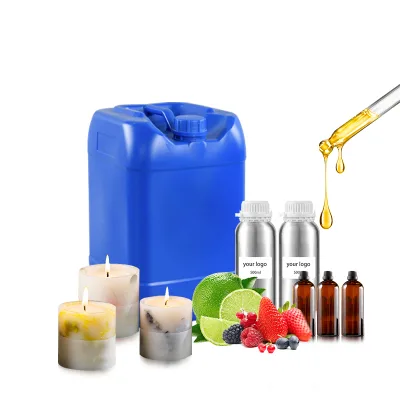
Fragrance Oils High Concentrated Long Lasting Green Apple Fragrance Oils for Candle Wax Soy Wax
$20.47 - $40.93
MOQ: 5 Minimum


Hebei Guanlian New Material Co. , Ltd.
- Verified by BV
- Trading Company
- China Hebei
- Lead time15 days
- Avg. response≤ 2h
Main productsCandle Wax, Soy Wax, Gel Wax, Coconut Wax, Scented Candles, Art Candles, Pillar Candles, Candle Accessories, Candle Containers
Main marketsOthers(foreignTradeCapacity.exportBusinessCapacityMarketOther),Southeast Asia/ Mideast
Hebei Koufeng Technology Co., Ltd.
- Manufacturer, Trading Company
- Hebei, China
- Lead time0 days
- Avg. response≤ 3h
Main productsfragrance oil,perfume oil,Soap noodle / soap base,SLES,LABSA
Main marketsOceania(20.00%), North America(20.00%), Western Europe(15.00%), Southeast Asia(10.00%), Eastern Asia(10.00%), Southern Europe(10.00%), Mid East(10.00%), Central America(3.00%), South America(2.00%)
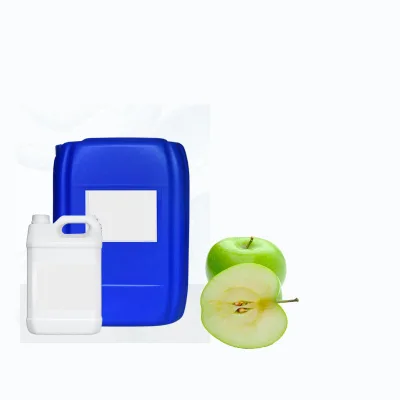
Fragrance Oils High Concentrated Long Lasting Green Apple Fragrance Oils for Candle Wax Soy Wax
$10.00 - $15.00
MOQ: 1 kilograms
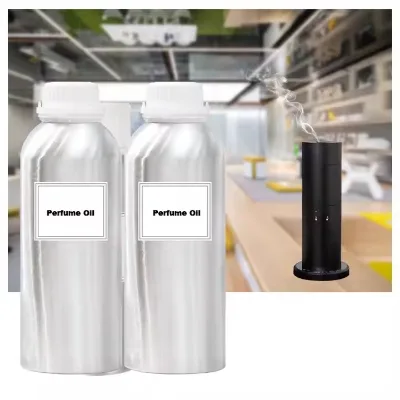
Spot Floral and Fruity Fragrance Is Suitable for Fragrance Perfume and Cosmetics Essence
$12.34 - $51.41
MOQ: 1 Minimum

Qingdao Art Fortune Imp/Exp Co., Ltd.
- Verified by TUVRHEINLAND
- Trading Company
- China Shandong
- Lead time30 days
- Avg. response≤ 4h
Main productsScented Candle, Reed Diffuser, Glass Jar Candle, Flameless LED Wax Candle, Candle and Home Fragrance, Tealight Candle, Candle Holder, Candle Gift Set, Handmade Pillar Candle, Tin Candle
Main marketsAfrica

Guangzhou Silversands Aromatic Limited Company
- Verified by TUVRHEINLAND
- Combined
- China Guangdong
- Lead time15 days
- Avg. response≤ 5h
Main productsFragrance, Fragrance Oil, Essential Oil, Perfume Oil
Main marketsSoutheast Asia/ Mideast

Shijiazhuang Tabo Candles Sales Co., Ltd.
- Verified by BV
- Combined
- China Hebei
- Lead time15 days
- Avg. response≤ 6h
Main productsCandle
Main marketsSoutheast Asia/ Mideast,East Asia(Japan/ South Korea),Europe,Australia,North America

Hangzhou Wiseway Technology Co., Ltd
- Verified by TUVRHEINLAND
- Trading Company
- China Zhejiang
- Lead time15 days
- Avg. response≤ 3h
Main productsFood Flavor, Fragrance Oil, Essential Oil, Perfume Oil, Food Additives, Aroma, E-Cigarettes Flavor, Bakery Flavor, Beverage Flavor, Customized Fragrance
Main marketsAfrica,Southeast Asia/ Mideast,Europe,North America

- Combined
- China Zhejiang
- Lead time30 days
- Avg. response≤ 16h
Main productsInkjet Canvas, Stretcher Bar, Art Materials, Stretched Canvas, Artist Brush, Palette, Drawing, Easel, Rules, Pencil
Main marketsSouth America,Africa,Southeast Asia/ Mideast,East Asia(Japan/ South Korea),Domestic,Europe,Australia,North America

Gel Wax Glass Candle Jelly Scented Candles Glass Cup Aromatherapy Candles
$1.94 - $2.14
MOQ: 500 Pieces


Outstanding Design & Manufacture Co., Ltd.
- Verified by BV
- Combined
- China Shanghai
- Lead time30 days
- Avg. response≤ 10h
Main productsScented Candle, Reed Diffuser, Car Air Freshener, Aroma Diffuser, Incense Gift Set, Scented Sachet, Oil Burner, Fragrance Oil, Essential Oil, Fragrance Lamp
Main marketsEurope,Australia,North America


$3.80 - $10.00
MOQ: 50 Pieces


Fragranced Small Candle in Coloured Glass with Silk Printing Customized Logoand 100% Paraffin Wax
$2.50 - $5.60
MOQ: 1000 Pieces
Guangzhou Ruifeng Flavor & Fragrance Co., Ltd.
- Verified by Intertek
- Manufacturer, Trading Company
- Lead time0 days
- Avg. response≤ 3h
Main productsLaundry Detergent Fragrance, Fabric Softener Fragrance, Perfume Fragrance, Aromatherapy Fragrance
Main marketsNorth America(30%), Africa(15%), Southeast Asia(10%)
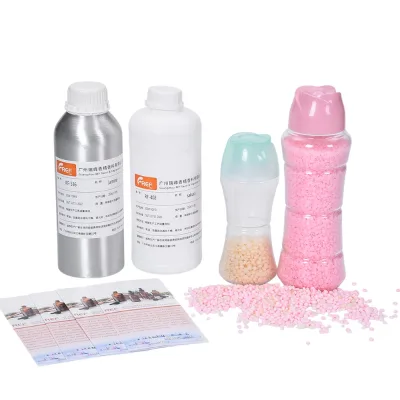
$3.07 - $6.14
MOQ: 5 kilometers
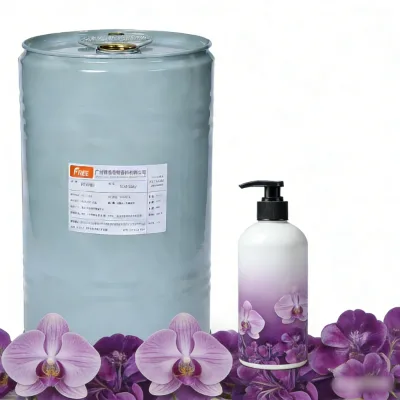
$6.14 - $9.72
MOQ: 5 kilometers
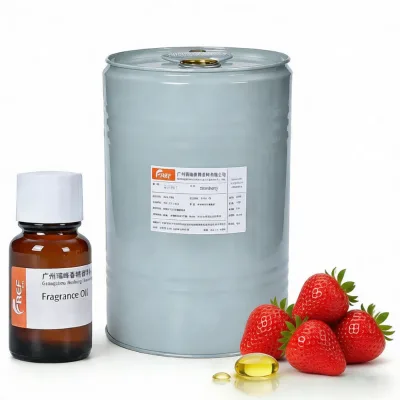

Jiangmen Xinwei Paper Co., Ltd.
- Verified by TUVRHEINLAND
- Manufacturer/Factory
- China Guangdong
- Lead time45 days
- Avg. response≤ 5h
Main productsDepilatory Wax, Wax Heater, Parafen Wax, Gloves, Wet Wipes, Disposable Products, Tissue, Hot Towel Machine
Main marketsSouth America,Eastern Europe,Mid East,North America,Southeast Asia,Eastern Asia,Oceania,Western Europe,Africa

Qingdao Huanxi Homeware Co., Ltd
- Verified by SGS
- Trading Company,Manufacturer/Factory
- China Shandong
- Lead time30 days
- Avg. response≤ 5h
Main productsCandle, Scented Candle, Reed Diffuser, Oil Burner, Craft Candle, Candle Holder, Glass Jar Candle, Tin Candle, Sachet Bag, Wax Sachet
Main marketsSouth America,Eastern Europe,North America,Oceania,Western Europe

Multiple Scents Minimalist Charm Car Aromatherapy Scented Soy Wax Tablets
$0.50 - $2.90
MOQ: 500 Pieces

Custom Luxury Candle Personalized Private Label Jar Soy Wax Scented Candles
$0.23 - $2.90
MOQ: 1000 Pieces

Creative Aroma Candle Smokeless Romantic Soy Wax Fragrance Scented Candles
$0.80 - $1.00
MOQ: 1000 Pieces
Zhengzhou Shangxiang Biotech Co., Ltd.
- Trading Company
- Henan, China
- Lead time0 days
- Avg. response≤ 11h
Main productsFood Flavor,Flavor,fragrance,Flavouring Essence,Sweetener
Main marketsAfrica(40.00%), Mid East(20.00%), North America(10.00%), South America(10.00%), Southeast Asia(5.00%), Western Europe(3.00%), Southern Europe(3.00%)


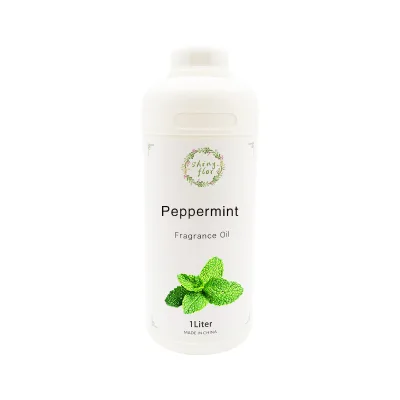
Comprehensive Sourcing Guide
Peal Fragrance Soft Wax Supplier Concentration and Factory Types
Current data indicates that manufacturers of paraffin-based products, including soft wax variants, are concentrated in specific Chinese provinces such as Guangdong, Liaoning, and Hebei. Guangdong suppliers often list diverse product lines including depilatory wax, wet wipes, and cosmetics, suggesting a cluster focused on finished beauty and personal care applications. In contrast, Liaoning facilities appear to specialize in industrial-grade paraffin wax, candle wax, and raw materials for rubber or tire industries, indicating a different manufacturing focus within the same broader chemical sector. Hebei-based entities are identified as trading companies rather than direct factories, often sourcing from various manufacturers to offer a wider range of items like soy wax, SLES, and citric acid alongside paraffin products.
When assessing factory types, buyers should distinguish between direct manufacturers and trading companies based on the company type field. Direct manufacturers typically display OEM and ODM capabilities, allowing for customization of scent, packaging, and formulation, which is critical for branded soft wax products. Trading companies may offer faster access to multiple product categories but might have less control over the production process or specific formulation details. The presence of certifications like BSCI and ISO 9001 among some manufacturers provides a baseline for quality management systems, though these should be verified against specific product batches. Buyers must confirm whether the supplier is the actual production site or an intermediary to ensure accurate communication regarding technical specifications and production capacity.
How to Verify Peal Fragrance Soft Wax Suppliers
Verification begins with examining the specific certifications and system standards listed in the supplier profile, such as BSCI or ISO 9001, which indicate adherence to social compliance and quality management protocols. While some suppliers display verification badges from third-party auditors like TÜV Rheinland, these credentials must be cross-referenced with the specific product being ordered to ensure the certification covers the relevant manufacturing processes. Buyers should request current certificates directly from the supplier rather than relying solely on platform displays, as these documents may expire or apply to different product lines. Additionally, checking the response time metric, which varies significantly from under five hours to nearly twenty hours, can serve as a proxy for operational efficiency and communication reliability.
Beyond certifications, buyers must validate the supplier's ability to meet specific product requirements through sample requests and detailed product attribute analysis. The product evidence shows attributes like melting points, shelf life, and specific functions such as anti-aging or moisturizing, which must align with the buyer's intended use case. For soft wax, verifying the "Customization: Available" status is essential to ensure the supplier can adjust fragrance profiles or packaging sizes. Buyers should also confirm the origin of raw materials, as some products list "China" or specific provinces like Liaoning, which impacts logistics and potential tariffs. A thorough verification process involves requesting test reports for key parameters like needle penetration or oil content to ensure the wax meets industry standards before placing a bulk order.
What to Compare Across Peal Fragrance Soft Wax Suppliers
When comparing suppliers, the primary dimensions to evaluate include lead time, minimum order quantity (MOQ), and response speed, as these factors directly impact supply chain efficiency and cost. Lead times in the observed data range from zero days to forty-five days, with some suppliers offering rapid turnaround while others require extended production windows. MOQs vary widely, with some products requiring as few as twenty units while others demand orders of one ton or five hundred units, necessitating a clear assessment of the buyer's inventory needs. Response times, measured in hours, also differ significantly, with some suppliers replying within four hours and others taking nearly twenty hours, which can affect the speed of negotiation and issue resolution.
Price and product specifications are equally critical comparison points, as the data shows price ranges from approximately one dollar to nearly three dollars per unit depending on the product type and packaging. Buyers should compare the specific product attributes, such as melting points, shelf life, and scent options, to ensure the supplier's offering matches the desired quality standards. For instance, some products list a shelf life of three years, while others specify two years, which influences long-term inventory planning. Additionally, the main products listed by each supplier, ranging from paraffin wax to soy wax and chemical additives, help determine if the supplier can provide a comprehensive solution or if multiple vendors are needed. A detailed comparison matrix should be created to weigh these factors against the buyer's specific operational constraints and budget.
Common Peal Fragrance Soft Wax Sourcing Risks
One significant risk involves the variability in product specifications and the potential for misalignment between the ordered product and the delivered goods. The data indicates that while some products are labeled as "Paraffin Wax," others may be "Gel Wax" or "Soy Wax," and confusion can arise if the supplier does not clearly distinguish between these types. Buyers must ensure that the product keywords and attributes, such as "Solid" or "Transparent," accurately reflect the physical form required for their application. Another risk is the inconsistency in lead times, where some suppliers list zero days while others require forty-five days, potentially causing delays in production schedules if not managed proactively.
Supply chain disruptions and quality control issues also pose risks, particularly when dealing with trading companies that may not have direct oversight of the manufacturing process. The presence of multiple product categories, such as candles, chemicals, and cosmetics, suggests that some suppliers may not specialize exclusively in soft wax, potentially leading to diluted focus on quality. Furthermore, the lack of standardized pricing across different suppliers can lead to unexpected cost increases if the buyer does not negotiate clearly based on volume and specifications. Buyers should also be wary of suppliers who do not provide detailed product evidence, such as melting points or packaging details, as this lack of transparency can result in receiving substandard or incorrect materials.
Peal Fragrance Soft Wax Regional Sourcing and Logistics
Regional sourcing strategies should account for the specific locations of suppliers, which are primarily concentrated in Guangdong, Liaoning, and Hebei provinces in China. Guangdong-based manufacturers often focus on finished beauty products and cosmetics, making them suitable for buyers seeking ready-to-use soft wax with specific scents and packaging. Liaoning suppliers, on the other hand, appear to specialize in industrial-grade paraffin and raw materials, which may be more appropriate for buyers requiring bulk quantities for candle manufacturing or other industrial applications. Hebei-based trading companies offer a broader range of products but may require additional coordination to ensure the specific wax type is sourced correctly.
Logistics planning must consider the varying lead times and shipping requirements associated with different regions. Suppliers in Guangdong may offer faster response times and shorter lead times for customized orders, while those in Liaoning might have longer production cycles due to the nature of their industrial focus. Buyers should also evaluate the packaging details, such as carton sizes and weights, to optimize shipping costs and ensure efficient handling. For instance, some products are packed in bags with specific quantities per box, while others use containers for bulk shipments. Understanding these regional differences allows buyers to select suppliers that align with their logistical capabilities and delivery timelines, minimizing the risk of delays and ensuring a smooth supply chain operation.
Peal Fragrance Soft Wax Commercial Terms and Order Planning
Commercial terms and order planning require careful attention to pricing structures, MOQs, and payment conditions to ensure financial viability and operational stability. The observed data shows price ranges from one to three dollars per unit, with MOQs varying from twenty units to one ton, necessitating a clear understanding of the buyer's volume requirements. Buyers should negotiate based on these variables, seeking volume discounts where possible and ensuring that the MOQ aligns with their inventory capacity. Additionally, the lead times, which range from zero to forty-five days, must be factored into the order planning process to avoid stockouts and ensure timely delivery.
Order planning should also include a detailed review of product attributes and customization options to ensure the final product meets all specifications. Suppliers offering OEM and ODM capabilities allow for tailored solutions, but buyers must provide clear instructions regarding scent, packaging, and formulation. The availability of samples, as indicated in some product listings, should be utilized to validate quality before committing to large orders. Furthermore, buyers should verify the shelf life and storage requirements of the product to prevent degradation during transit and storage. By integrating these commercial and operational details into a comprehensive order plan, buyers can mitigate risks and establish a reliable supply chain for Peal Fragrance Soft Wax.
FAQs
What is the price range for paraffin wax products?
The price range for paraffin wax products is between $1.08 and $1.28 per unit. This pricing applies to various skin care and spa formulations. Buyers should verify specific costs based on order volume and customization requirements. Prices may vary for industrial-grade wax or bulk orders exceeding standard minimums.
What is the minimum order quantity for paraffin wax?
The minimum order quantity varies by product type. Some skin care paraffin wax items require a minimum of 36 units, while others require 500 units. Industrial solid paraffin wax has a minimum order of 20 units. Gel wax for candles requires a minimum order of 1000 units or one ton.
Where are these paraffin wax suppliers located?
Suppliers are located in China, specifically in Guangdong, Liaoning, and Hebei provinces. Guangdong manufacturers focus on skin care and spa products. Liaoning suppliers provide industrial solid paraffin wax. Hebei suppliers offer gel wax and soy wax options for candle making and DIY applications.
What certifications do the suppliers hold?
Some manufacturers hold BSCI and ISO 9001 system certifications. Trading companies may have TUVRHEINLAND verification. Buyers should request specific certificates like COA or MSDS for chemical safety. Certifications ensure quality standards for skin care and industrial applications.
What is the typical lead time for orders?
Lead times vary by supplier and product. Some manufacturers have a lead time of 45 days. Others may have a lead time of 30 days. Some suppliers list a lead time of zero days, indicating immediate availability. Buyers should confirm delivery schedules with the supplier before placing orders.
Can suppliers provide OEM or ODM services?
Yes, many manufacturers offer OEM and ODM customization services. Customization is available for skin care paraffin wax and industrial wax products. Buyers can request specific scents, packaging, or formulations. This allows for branded products tailored to specific market needs.