Plant Fiber Compressed Coconut Brick Suppliers and Manufacturers
Explore 12 verified options for Plant Fiber Compressed Coconut Brick with details on location, lead times, and certifications. Compare response times, MOQs, and prices to find the right partner for your gardening needs; review the available evidence before requesting comparable quotations from suitable candidates.
Suppliers List
CHINAWHY INTERNATIONAL LIMITED
- Trading Company
- Hong Kong S.A.R.
- Lead time30 days
- Avg. response≤ 18h
Main productsCoco Coir, Coconut Coir, Coco Chip, Coir Doormats, Coir Door Mats
Main marketsNorth America(50.00%), Western Europe(20.00%), Southern Europe(10.00%), Northern Europe(10.00%), Eastern Asia(10.00%)
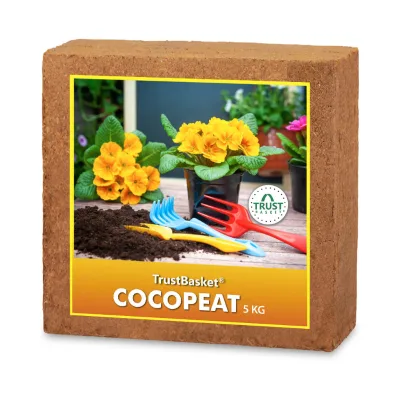
Bulk Wholesale Compressed Treated Coconut Shell Husk Peat Coconut Fiber Brick
$2.96 - $10.09
MOQ: 200 Minimum
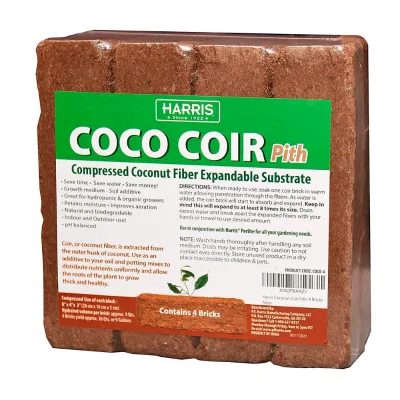
Wholesale Grow Medium Brick Soil Compress Coconut Peat Cocoa Grow Coco Coir Block
$2.97 - $10.14
MOQ: 200 Minimum

Shijiazhuang Huabang Mineral Products Co., Ltd.
- Verified by BV
- Combined
- China Hebei
- Lead time15 days
- Avg. response≤ 3h
Main productsMica, Kaolin, Bentonite, Talc, Graphite Powder, Iron Oxide Pigment, Cenosphere, Diatomite Powder, Calcium Carbonate
Main marketsSouth America,Africa,Others(foreignTradeCapacity.exportBusinessCapacityMarketOther),Southeast Asia/ Mideast,East Asia(Japan/ South Korea),Domestic,Europe,Australia,North America


Compressed Coconut Coir Brick for Orchid Potting Mushroom Growing Bonsai Grow Seedlings
$494.00 - $496.00
MOQ: 10 Tons

Soilless Culture Worm Culture Coconut Bran Fiber Coconut Shell Brick Garden Series
$3.70 - $4.00
MOQ: 2 Pieces


Hebei Runhuabang New Material Technology Co., Ltd.
- Verified by TUVRHEINLAND
- Combined
- China Hebei
- Lead time15 days
- Avg. response≤ 3h
Main productsDiatomite Powder, Talc Powder, Tourmaline, Color Sand
Main marketsSouth America,Southeast Asia/ Mideast,East Asia(Japan/ South Korea),Europe,Australia,North America


Coconut Coir Brick for Orchids Succulent Plants Potted Plant Vegetable Gardening
$466.00 - $473.00
MOQ: 6 Tons

Premium Coconut Coir Bricks for Sustainable Flower and Vegetable Gardening
$490.00 - $620.00
MOQ: 1 Tons

Anyang Bainer Agricultural Technology Co., Ltd.
- Verified by Intertek
- Trading Company
- Lead time7 days
- Avg. response≤ 2h
Main productsGreen House, Hydroponic Planting System, Seedbed, Irrigation system
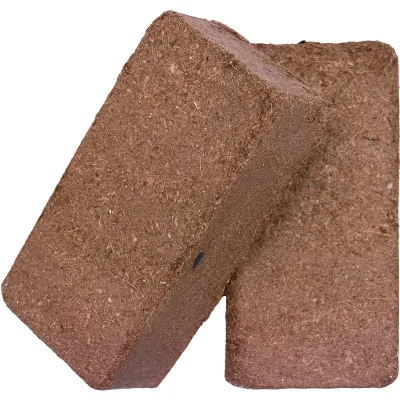
Coconut Bricks with 100% Natural Organic Coconut Peat Fiber Sold at Low Prices
$0.24 - $0.26
MOQ: 20 pieces
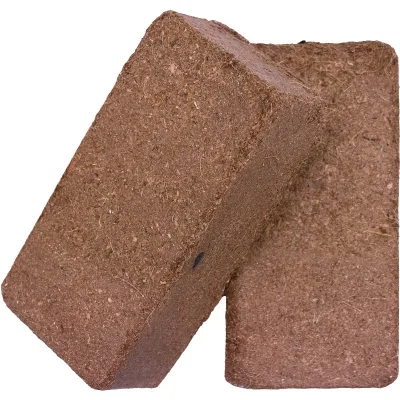
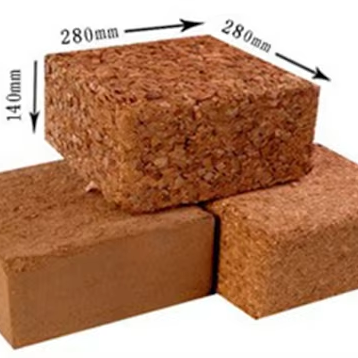
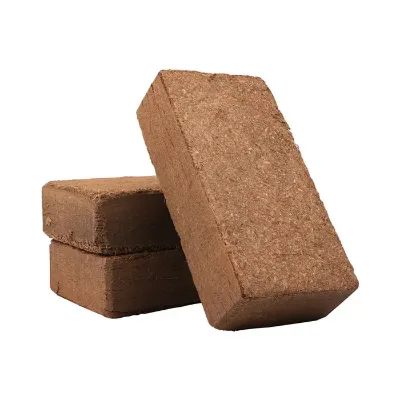
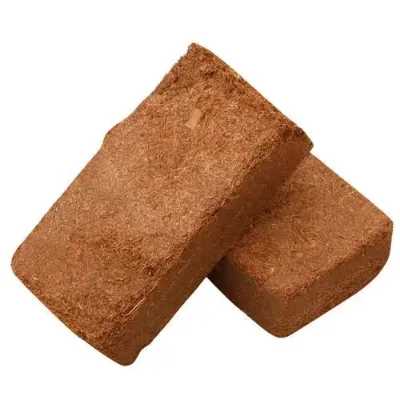
Block Shaped Coconut Coir Brick for Greenhouses,High Quality Coconut Peat Bricks
$0.24 - $0.26
MOQ: 20 pieces
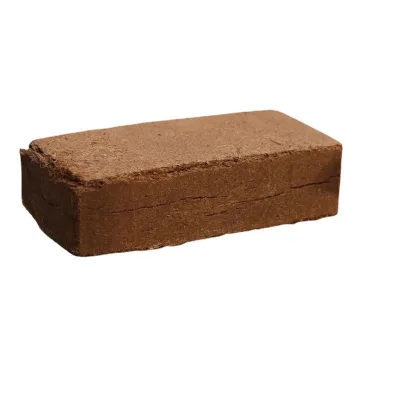

Lingshou Jiaqi Mineral Processing Factory
- Manufacturer
- Hebei, China
- Lead time10 days
- Avg. response≤ 3h
Main productsTourmaline Powder/Ball,Diatomite,Gypsum Powder,Hydrated Lime,Ceramic Ball
Main marketsEastern Asia(50.00%), Africa(20.00%), Southeast Asia(20.00%), Eastern Europe(10.00%)
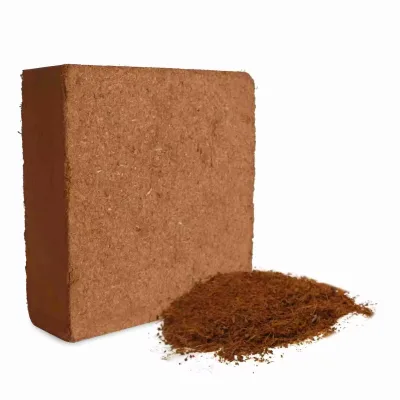
4-5kg Cocopeat Block for Garden Plant Planning Wholesale Coconut Coir Bricks
$130.00 - $350.00
MOQ: 25 tons

Hebei Hezhen Industrial Co., Ltd.
- Verified by SGS
- Combined
- China Hebei
- Lead time15 days
- Avg. response≤ 2h
Main productsIron Oxide Pigment, Diatomite, Silica Powder, Bentonite Powder, Talc Powder, Kaolin Clay, Tourmaline Powder
Main marketsSouth America,Southeast Asia/ Mideast,Europe

Vegetable Soil Nutrient-Rich Coconut Soil, Coconut Powder Brick 4.5 Kg Large Coconut Brick
$750.00 - $760.00
MOQ: 1 Tons

Coconut Brick Manufacturer Compressed Coconut Coir Fibre for Soilless Cultivation Substrate
$750.00 - $760.00
MOQ: 1 Tons

Coconut Brick Soil Specially for Growing Flowers and Vegetables Coarse Coconut Husk
$750.00 - $760.00
MOQ: 1 Tons

Wholesale Succulent Flower Seedling Soil Coconut Coir Bricks Low-Salt Coconut Bricks for Flower
$750.00 - $760.00
MOQ: 1 Tons

Coco Peat Bricks for Gardening Flowers Seedlings Plant Cultivation Substrate Coco Peat
$750.00 - $760.00
MOQ: 1 Tons

Imported Small Coconut Brick Flower Seedling Base Vegetable Nutrient Soil Low-Salt Coconut Brick
$750.00 - $760.00
MOQ: 1 Tons

Zhengzhou Shuliy Machinery Co., Ltd.
- Verified by SGS
- Trading Company,Manufacturer/Factory
- China Henan
- Lead time0 days
- Avg. response≤ 5h
Main productsPacking Machinery, Food Processing Machinery, Agriculture Processing Machinery, Wood Processing Machinery, Plastic Processing Machinery, Charcoal Processing Machinery, Baler Machinery, Recycling Machinery, Metal Processing Machinery


5 Kg Coir Coconut Fiber Press Brick Machine Coco Peat Block Making Machine
$9800.00 - $11400.00
MOQ: 1 Pieces
- Trading Company
- Zhejiang, China
- Lead time30 days
- Avg. response≤ 10h
Main productscoco coir,coco peat,coir doormats,doormats,sublimation blanks
Main marketsNorth America(60.00%), Western Europe(20.00%), Eastern Asia(10.00%), Domestic Market(10.00%)

Hebei Zhexin International Trading Co., Ltd.
- Manufacturer, Trading Company
- Hebei, China
- Lead time15 days
- Avg. response≤ 2h
Main productsburlap jute ribbon roll,drawstring gift bag,jute&cotton fabrics,jute fiber felt,poly mesh flower wreath
Main marketsNorth America(50.00%), Southeast Asia(10.00%), South Asia(10.00%), Western Europe(10.00%), Northern Europe(5.00%), Eastern Europe(5.00%), Eastern Asia(3.00%), Southern Europe(3.00%), Mid East(2.00%), South America(2.00%)
Tianjin Hedong District Chenyongchen E-Commerce Studio
- Trading Company
- Tianjin, China
- Lead time7 days
- Avg. response≤ 2h
Main productsSkin cleansing soap,Hair Soap,Pet Soap
Main marketsNorth America(30.00%), South America(20.00%), Northern Europe(20.00%), Domestic Market(20.00%), Africa(10.00%)

Jiaxing Wangzu Industrial Co., Ltd.
- Verified by TUVRHEINLAND
- Combined
- China Zhejiang
- Lead time15 days
- Avg. response≤ 1h
Main productsplastic formwork
Main marketsDomestic

Shandong Hitech Material Co., Ltd.
- Verified by SGS
- Trading Company,Manufacturer/Factory
- China Shandong
- Lead time23 days
- Avg. response≤ 16h
Main productsRefractory, Nickel Alloy, Refractory Castable, Refractory Bricks, Precast Shape Refractory, Inconel, Incoloy, Monel, Hastelloy, Refractory Monolithic
Main marketsSouth America,Eastern Europe,North America,Southeast Asia,Eastern Asia,Western Europe,Africa



Comprehensive Sourcing Guide
Plant Fiber Compressed Coconut Brick Supplier Concentration and Factory Types
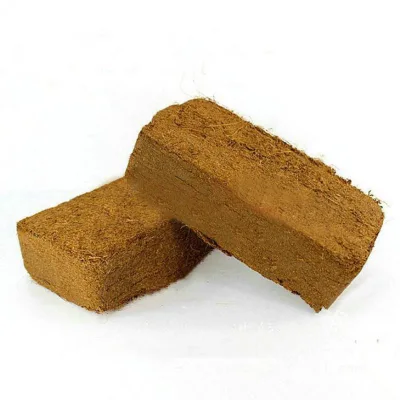
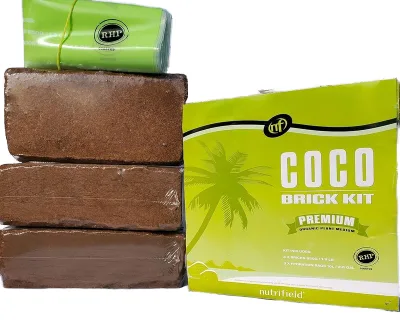
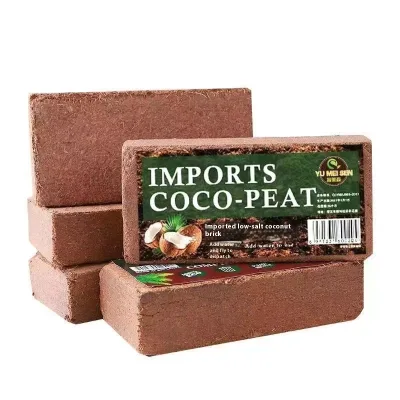
Current data indicates a mix of trading companies and combined entities operating within the Plant Fiber Compressed Coconut Brick sector, with specific operational hubs identified in Hong Kong S.A.R. and China Hebei. Some suppliers list their primary output as coconut coir, coco chips, and door mats, while others focus on broader mineral and chemical products alongside agricultural substrates. The presence of a trading company structure suggests these entities may aggregate goods from various production sources rather than owning the manufacturing facilities directly. Buyers should note that some listings originate from Hainan, China, while others indicate origins in India or general Chinese manufacturing zones, requiring careful verification of the actual production site.
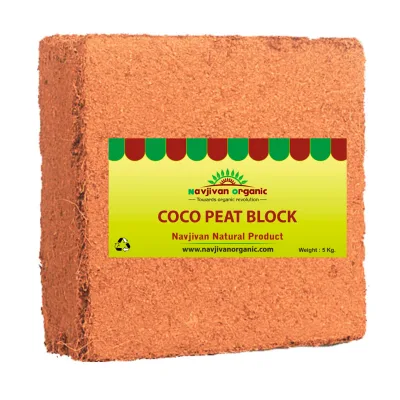
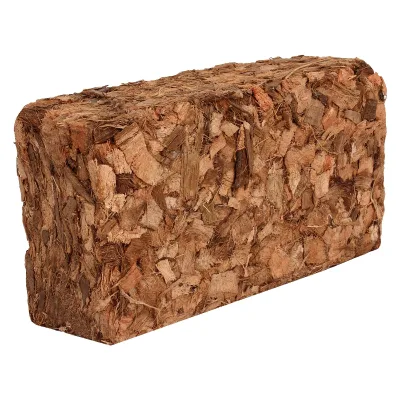
Factory types vary significantly, with some suppliers offering ODM and OEM capabilities alongside their own brands, indicating a capacity for customization and private labeling. The supply chain structure often involves a combination of raw material sourcing from agricultural waste and manure, processed into bricks with specific dimensions like 30x30x14 cm or 20x10x5 cm. When evaluating concentration, buyers must distinguish between suppliers who are purely trading intermediaries and those with direct manufacturing control or strong factory partnerships. The diversity in main products, ranging from pure coconut peat to mixed mineral powders, implies that a single supplier might not specialize exclusively in this category, necessitating a review of their specific product lines to ensure alignment with sourcing needs.
How to Verify Plant Fiber Compressed Coconut Brick Suppliers
Verification of suppliers in this category requires a rigorous check of audit certifications and business credentials, as specific data points like BSCI audits and ISO9001:2015 certificates appear in available records. Buyers should prioritize suppliers who display these specific audit results, as they provide evidence of adherence to social compliance and quality management standards. The presence of BV verification status on certain profiles offers an additional layer of confidence regarding the legitimacy of the business entity. However, not all suppliers will display these credentials, so the absence of a visible badge does not automatically disqualify a vendor but does require deeper due diligence.
Response times and verification status serve as critical indicators of supplier reliability and operational efficiency. Data shows response times ranging from approximately 2.41 hours to 18 hours, which can significantly impact the speed of negotiation and order processing. A faster response time often correlates with a more active sales team and better communication channels, which is vital for resolving technical queries about brick composition or shipping logistics. Buyers should also verify the "Ready To Ship" status and check for specific product attributes like washing processes or chemical neutrality, ensuring the supplier can provide the exact specifications required for horticultural or soilless cultivation applications.
What to Compare Across Plant Fiber Compressed Coconut Brick Suppliers
Comparing suppliers requires a detailed analysis of lead times, minimum order quantities, and pricing structures, as these variables differ widely across the market. Lead times observed in the data range from 15 days to 30 days, with some suppliers offering delivery windows of 7 to 15 days for specific items. Minimum order quantities vary from as low as 1 kilogram to 200 pieces or even 1 ton, depending on the supplier's packaging and shipping strategy. Buyers must align these thresholds with their inventory requirements and cash flow capabilities, noting that some suppliers offer bulk palletized options while others cater to smaller, single-item orders.
Pricing and supply ability are equally critical comparison points, with unit prices fluctuating based on volume and specific product attributes. Price ranges observed span from approximately $2.95 to over $800 per unit, reflecting differences in packaging, weight, and origin. Supply abilities, such as 100,000 pieces per month, indicate the capacity to handle large-scale orders without significant delays. Buyers should also compare the physical specifications, including weight per brick (e.g., 4.5 to 5 kg) and package dimensions, to ensure compatibility with their storage and shipping logistics. The variation in selling units and packaging details, such as bale, box, or pallet configurations, further influences the total landed cost and operational efficiency.
Common Plant Fiber Compressed Coconut Brick Sourcing Risks
One significant risk involves the discrepancy between the stated place of origin and the actual manufacturing location, as some listings indicate Hainan or India while others suggest general Chinese origins. This ambiguity can lead to complications regarding import duties, quality consistency, and supply chain transparency. Buyers must verify the specific port of dispatch, such as Ningbo or Tianjin, to understand the logistical route and potential transit times. Relying solely on the listed origin without cross-referencing shipping terms can result in unexpected costs or delays if the goods are not actually sourced from the claimed region.
Another risk pertains to the consistency of product specifications, particularly regarding chemical characteristics and physical dimensions. While some products are described as chemically neutral and suitable for fruit, flowers, and vegetables, others may have different pH levels or impurities if not properly washed or treated. The variation in washing processes, such as triple washing, and the presence of dust-free claims require verification to ensure the product meets the strict standards of soilless culture or orchid potting. Additionally, the validity of certifications like ISO or BSCI must be confirmed directly with the issuing bodies, as these credentials can be misused or outdated if not actively maintained by the supplier.
Plant Fiber Compressed Coconut Brick Regional Sourcing and Logistics
Regional sourcing strategies must account for the diverse ports of dispatch and shipping terms available, such as CIF or T/T payment methods linked to specific locations. Ports like Ningbo, Los Angeles, and Tianjin serve as key departure points, influencing the final delivery timeline and freight costs. Buyers should evaluate the proximity of these ports to their destination to optimize logistics and reduce transit risks. The availability of ready-to-ship items can further expedite the process, allowing for faster fulfillment compared to goods that require production lead times. Understanding the specific port of departure is essential for accurate freight calculation and customs clearance planning.
Logistics planning also involves assessing the packaging and palletization standards to ensure safe transport of the compressed bricks. Products are often packed in bales, boxes, or on pallets with specific dimensions like 110x110x240 cm, which affects container loading efficiency. Buyers need to confirm the single gross weight and package size to calculate the total volume and weight for shipping quotes. The variation in packing details, such as 1 ton per pallet versus single item units, requires careful coordination with freight forwarders to maximize space utilization. Proper logistics planning ensures that the fragile nature of the compressed bricks is maintained during transit, preventing damage and ensuring the product arrives in optimal condition for planting.
Plant Fiber Compressed Coconut Brick Commercial Terms and Order Planning
Commercial terms and order planning are heavily influenced by the payment methods and shipping conditions agreed upon with the supplier. Terms like T/T and CIF are common, requiring buyers to understand the financial implications of each. Payment terms often dictate the timing of fund transfers relative to production milestones or shipment dates, impacting cash flow management. Buyers should negotiate clear terms that protect their interests while ensuring the supplier has the necessary capital to fulfill the order. The flexibility of payment options can vary, so it is crucial to align these terms with the buyer's internal financial policies and risk tolerance.
Order planning must also consider the supply ability and production capacity to avoid bottlenecks during peak demand periods. Suppliers with high supply abilities, such as 100,000 pieces per month, can accommodate large orders, but buyers should still confirm lead times to ensure timely delivery. The model numbers and specific product attributes, such as the CW0023 or HB-5682CR codes, help in tracking inventory and ensuring consistency across multiple orders. Buyers should plan for potential variations in raw material availability, as agricultural waste and manure sources can fluctuate. A robust order planning strategy includes buffer stock and clear communication channels to manage any unforeseen changes in production or logistics.
FAQs
What is the typical lead time for compressed coconut bricks?
The typical lead time for compressed coconut bricks is 30 days based on current supplier data. Some suppliers offer faster delivery with a 15-day lead time. Buyers should verify specific timelines with the trading company before placing an order to ensure timely arrival.
What is the minimum order quantity for these bricks?
Minimum order quantities vary significantly among suppliers. Some require a minimum of 200 pieces, while others accept orders as low as 1 kilogram. A few suppliers list a minimum of 1 ton for bulk shipments. Always check the specific product listing for the exact MOQ.
Where are these coconut coir bricks typically manufactured?
Manufacturing locations include Hainan, China, and India. Some suppliers are based in Hong Kong S.A.R. or Hebei, China. The place of origin is clearly stated in product attributes, so buyers should verify the specific origin listed for the brick they intend to purchase.
Do these bricks come with any safety certifications?
Yes, many products carry BSCI audit certification and ISO standards. Some listings also mention Reach and CP65 test results. Buyers should confirm the specific certification status for the product model they select to ensure compliance with their local safety regulations.
What is the price range for wholesale coconut bricks?
Prices range from approximately 2.96 to 10.13 per unit for smaller packages. Bulk pricing can reach up to 844.25 per ton depending on the supplier and specifications. The final cost depends on the quantity ordered and the specific product model selected from the available listings.
How quickly do suppliers typically respond to inquiries?
Response times vary, with some suppliers replying within 2.41 hours. Others may take up to 18 hours to respond to initial inquiries. Buyers should expect a range of response speeds and may need to follow up with suppliers who have longer response times to secure a quote.
What are the standard dimensions of these compressed bricks?
Standard dimensions often include 30x30x14 cm or 30x30x10 cm. Some suppliers offer sizes like 20x10x5 cm for specific applications. The exact size is listed in the product attributes, so buyers should verify the dimensions match their planting or potting requirements before purchasing.