Pizza Pan Suppliers and Manufacturers for Wholesale Sourcing
Browse 22 verified Pizza Pan suppliers and compare them by location, lead time, response time, company type, and product specifications such as material, size, coating, and packaging. Request quotes or samples from shortlisted manufacturers to confirm pricing and MOQ before placing your order.
Suppliers List

Guangdong Tangshihoa Industry and Trade Co., Ltd.
- Verified by TUVRHEINLAND
- Combined
- China Guangdong
- Lead time23 days
- Avg. response≤ 8h
Main productsCake Decoration
Main marketsSoutheast Asia/ Mideast
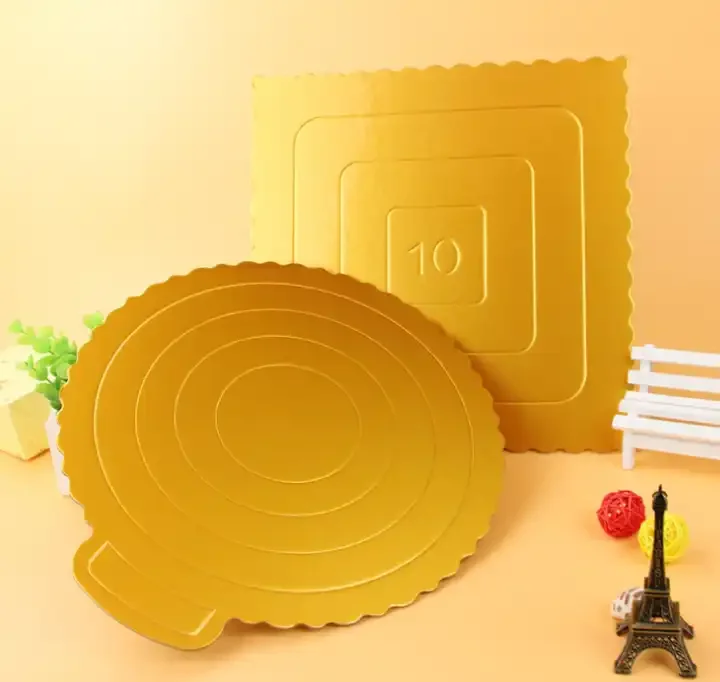
Yiwu Riyuan Goods Trading Co.,Ltd.
- Trading Company
- Zhejiang, China
- Lead time15 days
- Avg. response≤ 4h
Main productsCake Decorating Supplies,cake board,Cake topper,Cake Tools,Baking & Pastry Tools
Main marketsNorth America(20.00%), Southeast Asia(19.00%), South America(16.00%), Western Europe(12.00%), Northern Europe(5.00%), Southern Europe(5.00%), Oceania(5.00%), Eastern Europe(5.00%), Eastern Asia(3.00%), South Asia(3.00%), Africa(3.00%), Central America(2.00%), Mid East(2.00%)

Hebei Cookwin Kitchen Products Co., Ltd.
- Verified by BV
- Trading Company,Manufacturer/Factory
- China Hebei
- Lead time30 days
- Avg. response≤ 2h
Main productsCast Iron Cookware, Cast Iron Casserole, Cast Iron Frypan, Cast Iron Skillet, Cast Iron Dutch Oven, Cast Iron Griddle, Cast Iron Fondue, Cast Iron Wok, Cast Iron Teapot, Cast Iron Pipe and Fitting
Main marketsSouth America,Eastern Europe,Mid East,North America,Southeast Asia,Eastern Asia,Oceania,Western Europe,Africa


Healthy Vegetable Oil or Enamel Nonstick Cast Iron Pizza Pan Pealla Pan
Contact supplier
MOQ: 500 Pieces
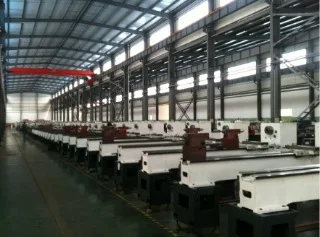
Suzhou Sunrise Technologies Ltd.
- Trading Company
- Jiangsu, China
- Lead time15 days
- Avg. response≤ 3h
Main productsTumblers, Bartender Kits, Lunch Box, Pizza Peel, BBQ Tools
Main marketsNorth America(50.00%), Western Europe(15.00%), South America(10.00%), Southern Europe(5.00%), Northern Europe(5.00%), Eastern Europe(5.00%), Southeast Asia(5.00%), Oceania(3.00%), Eastern Asia(2.00%)
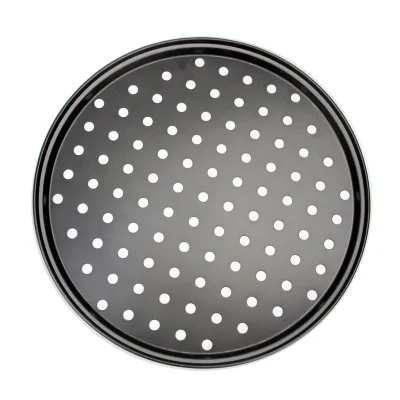
Non Stick Carbon Steel Pizza Pans With Holes, Perforated Round Tray Pizza Pan
$1.42 - $2.00
MOQ: 500 pieces
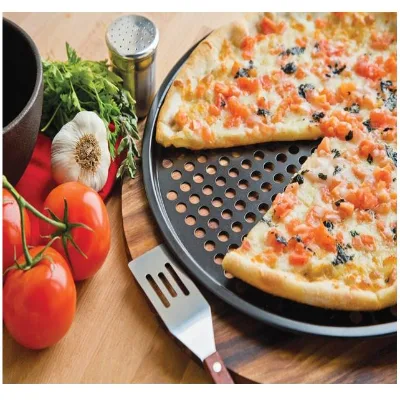

Guangzhou Nantian Sources Co., Ltd.
- Manufacturer/Factory
- China Guangdong
- Lead time15 days
- Avg. response≤ 5h
Main productsKitchen Equipment, Kitchenware, Food Machine, Kitchen Appliance, Glassware, Food Machinery, Bakery Equipment, Dinnerware, Kitchen Utensils, Food Processor
Main marketsSouth America,Mid East,Southeast Asia,Eastern Asia,Oceania,Africa

Hebei Bigking Cookware Co., Ltd.
- Manufacturer/Factory
- China Hebei
- Lead time23 days
- Avg. response≤ 16h
Main productsCast Iron Cookware, Cast Iron Dutch Oven, Cast Iron Skillet, Cast Iron Grill Pan, Cast Iron Casserole, Cast Iron Oven Dish, BBQ, Fondue Set, Teapot, Frying Pan
Main marketsSouth America,Eastern Europe,North America,Western Europe
Yongkang Guangxiao Trade Co., Ltd.
- Verified by Intertek
- Trading Company
- Lead time45 days
- Avg. response≤ 8h
Main productsBakeware Set, Cookware Set, Pan, Wok, Pot
Main marketsNorth America(20%), Western Europe(20%), Eastern Europe(20%)
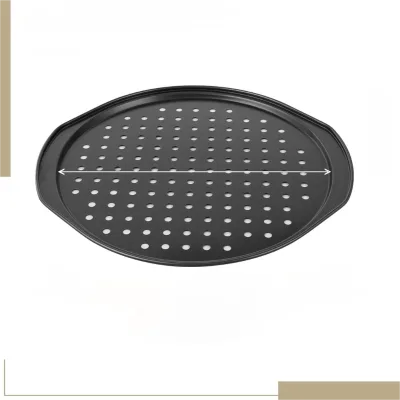
$0.96 - $1.29
MOQ: 10 Minimum

Wuxi Hongbei Bakeware Co., Ltd.
- Verified by SGS
- Trading Company,Manufacturer/Factory
- China Jiangsu
- Lead time23 days
- Avg. response≤ 5h
Main productsSheet Pan, Hamburger Bun Pan, Loaf Pan, Baguette Pan, Bakery Trolley, Pizza Pan, Cake Mold, Cooling Rack, Bakery Machine, Convection Oven
Main marketsSouth America,Eastern Europe,North America,Western Europe


16" Pizza Pan with Lid Custom Large Size Non-Stick Aluminum Baking Tray
$10.50 - $11.00
MOQ: 500 Pieces
Zhejiang Century Home Product Co., Ltd.
- Verified by TüVRheinland
- Manufacturer, Trading Company
- Lead time30 days
- Avg. response≤ 8h
Main productsDiecasting Cookware, Forged Cookware, Moka, Coffee Maker, Press Cookware
Main marketsDomestic Market(31%), Western Europe(29%), Oceania(11%)

Guangzhou Bakestar Machinery Co.,Ltd
- Combined
- China Guangdong
- Lead time15 days
- Avg. response≤ 25h
Main productsBaking Ovens, Bakery Equipments, Bakery Machines, Rotary Ovens, Moulders, Bread Machine, Pizza Oven, Pita Bread Machine, Tunnel Ovens, Baking Oven
Main marketsDomestic

Guangzhou Tastyforge Commercial Equipment Co. Ltd.
- Verified by CTI
- Trading Company
- China Guangdong
- Lead time60 days
- Avg. response≤ 3h
Main marketsDomestic

Shenzhen Tsingbuy Industry Company Limited
- Trading Company
- China Guangdong
- Lead time23 days
- Avg. response≤ 11h
Main productsBaking Pan, Sheet Pan, Baguette Pan, Loaf Bread Pan, Cupcake Pan, Muffin Pan, Cake Pan, Pizza Tray, Bakery Trolley, Industrial Baking Tray
Main marketsSouth America,Eastern Europe,Mid East,North America,Southeast Asia,Eastern Asia,Oceania,Western Europe,Africa


Best Quality Food Safe Non Stick Aluminium Round Shallow Pizza Baking Pan Pie Pastry Food Baking Pan
$2.00 - $6.00
MOQ: 100 Pieces

Juchang(Nanjing) Mechanical Co., Ltd.
- Verified by BV
- Trading Company
- China Jiangsu
- Lead time30 days
- Avg. response≤ 8h
Main productsPizza Peel, Pizza Screen, Pizza Pan, Pizza Stone, Pizza Cutter, Pizza Oven Brush, Cookie Sheet, Baguette Pan, Silicone Oven Mitts, Silicone Baking Mat
Main marketsSouth America,Southeast Asia/ Mideast,Europe,Australia,North America
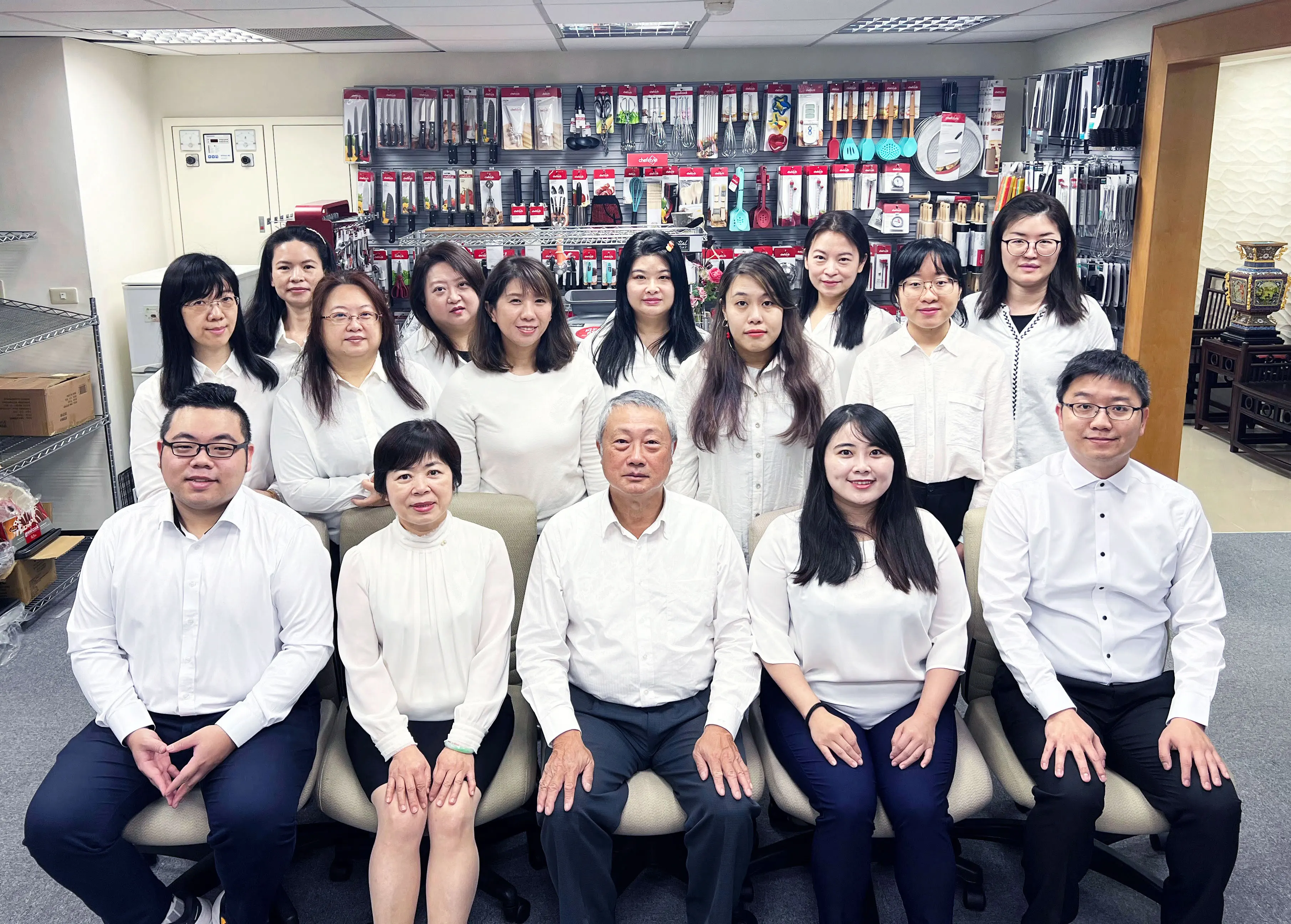
INTERCONTINENTAL MARKETING SERVICES FAR EAST CO., LTD.
- Trading Company
- Taiwan, China
- Lead time40 days
- Avg. response≤ 9h
Main productsCooking Tools & Gadgets,Knives & Cutting Board,Fruit Tools & Vegetable Tools,Baking Tools & Bakeware,Kitchen Organization
Main marketsNorth America(40.50%), Southern Europe(15.50%), Western Europe(15.50%), Mid East(6.50%), South America(6.00%), Eastern Europe(5.50%), Eastern Asia(5.50%), Southeast Asia(5.00%)

New Life Tec Houseware Co., Ltd.
- Trading Company
- Jiangsu, China
- Lead time30 days
- Avg. response≤ 3h
Main productsBakeware,Kitchenware,Coffee tools,Drinkware,Small accessories
Main marketsNorth America(65.00%), Domestic Market(5.00%), Southern Europe(5.00%), Northern Europe(5.00%), Western Europe(5.00%), Mid East(5.00%), Eastern Europe(5.00%), South America(5.00%)

Eagle Catering Equipment Co., Ltd.
- Manufacturer/Factory
- China Guangdong
- Lead time30 days
- Avg. response≤ 8h
Main productsTrolleys, Gastronorm Containers, Table, Shelves, Sink, Barrier Post, Cookware, Buffetware, Barware, Kitchen Utensils
Main marketsSouth America,Eastern Europe,Mid East,North America,Southeast Asia,Eastern Asia,Oceania,Western Europe,Africa
- Verified by SGS Group
- Trading Company
- Lead time20 days
- Avg. response≤ 10h
Main productsKitchenware, Coffee French Maker, Plastic Bento Box, Bamboo Wooden Kitchen Items, Ceramic & Glass Products
Main marketsNorthern Europe(20%), South Asia(20%), North America(10%)
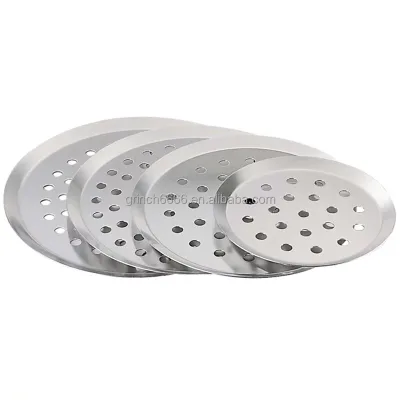
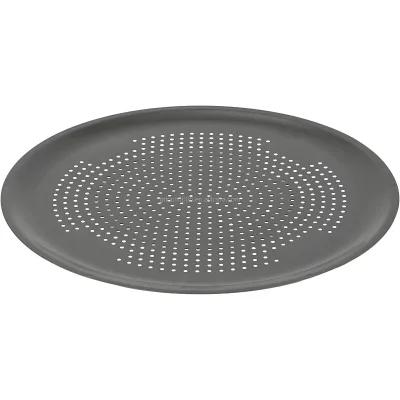
OEM Perforated Pizza Pan 24 cm Pizzablech with holes perforated aluminium pizza pan
$1.02 - $2.04
MOQ: 1 pieces
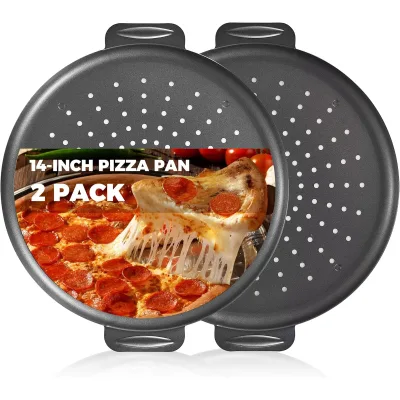
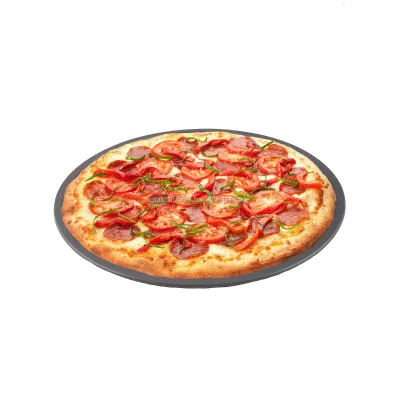
Pizza Pan Commercial 15.75" Insulated Nonstick Carbon Steel Pizza Pan with Holes
$3.88 - $9.98
MOQ: 1000

JF Sheet Metal Technology Co., Ltd.
- Trading Company
- China Jiangsu
- Lead time23 days
- Avg. response≤ 23h
Main productsIndustrial and Commercial Bakeware Products, Commercial Paper Baking Molds and Paper Baking C, Internal and External Floating Roof Tank Seals
Main marketsSouth America,Eastern Europe,Mid East,North America,Southeast Asia,Eastern Asia,Oceania,Western Europe,Africa
Liaocheng Haman Metal Material Co., Ltd.
- Verified by SGS Group
- Trading Company
- Lead time15 days
- Avg. response≤ 2h
Main productsMetal Screen, Metal Planter, Garden Edge, Metal Fence, Metal Bins Cover
Main marketsNorth America(50%), Oceania(12%), Northern Europe(10%)
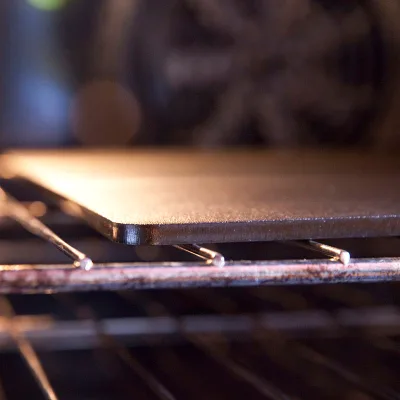
$12.00 - $25.00
MOQ: 500 pieces
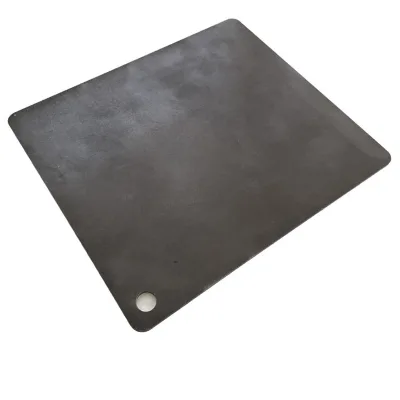
$13.90 - $25.00
MOQ: 100 pieces

Jiangmen Goodman Cleaning Supplies Co., Ltd.
- Verified by TUVRHEINLAND
- Combined
- China Guangdong
- Lead time15 days
- Avg. response≤ 11h
Main productsFood Pan, Food Basket Tray, Storage Box, Cleaning Bucket, Trash Can
Main marketsEurope,North America


$7.90 - $9.30
MOQ: 600 pieces


Xingtai Huaiyang Enamel Co., Ltd
- Verified by SGS
- Trading Company
- China Hebei
- Lead time30 days
- Avg. response≤ 2h
Main productsCast Iron Cookware, Enamel Casserole, Cast Iron Dutch Oven, Cast Iron Skillet, Cast Iron Casserole, Cast Iron Fry Pan, Cast Iron Fondue Set, Cast Iron Pissa Pan, Cast Iron Pot, CAS Iron Griddle
Main marketsDomestic


Hot Sale Preseasoned 30/33/35cm Round Pizza Pan Nonstick Cast Iron Skillet Pizza Frying Pan
$3.99 - $7.99
MOQ: 500 Pieces
Xinhua Food Machinery Plant In Huaiyang County
- Verified by Intertek
- Manufacturer, Trading Company
- Lead time5 days
- Avg. response≤ 3h
Main productsBaking Tray
Main marketsNorth America(30%), South America(30%), Southeast Asia(20%)









Comprehensive Sourcing Guide
Pizza Pan Supplier Concentration and Factory Types
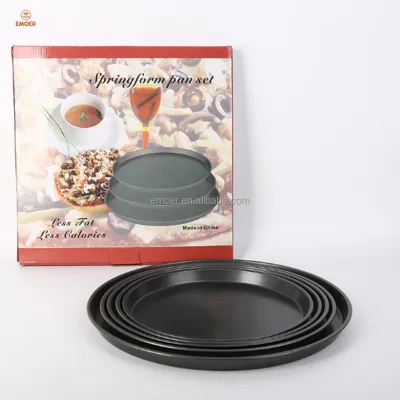
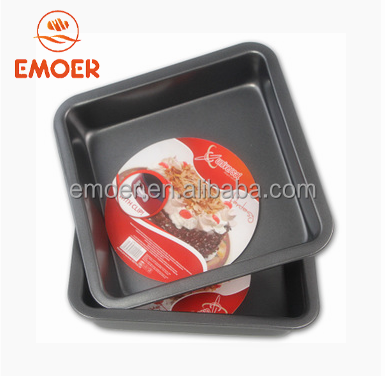
Pizza Pan sourcing in China is concentrated in a small number of provinces, and the supplier results for this category clearly reflect that pattern. Guangdong appears as the origin for a range of carbon steel baking pans and pizza molds, including round pans with perforated crusts, multi-size non-stick pans, and loaf-style cake molds that share production tooling with pizza bakeware. Zhejiang also appears, associated with a trading company listing non-stick pizza pans in square and round formats under its own brand. These two provinces are commonly cited origins in this category, so buyers screening suppliers should expect most quotations to originate from Guangdong or Zhejiang and should treat any claim of production elsewhere as something to verify directly with the factory.
Supplier types in this category fall into two visible groups. One Guangdong listing is classified as a combined manufacturer and trader, which typically means in-house production plus export handling, and that listing also carries an own-brand R&D designation. A Zhejiang listing is classified as a pure trading company with a broad cake-decorating product range, suggesting aggregation from multiple factories. Neither structure is inherently better: combined suppliers may offer tighter process control on carbon steel pressing and coating, while traders may offer wider size assortments and lower friction on mixed orders. Buyers should map each candidate to its type early, because sampling behavior, customization depth, and accountability for coating defects differ between the two.
How to Verify Pizza Pan Suppliers
Verification should begin with the credentials actually displayed in search results rather than assumptions. In this category, one Guangdong supplier shows third-party verification by TÜV Rheinland, while its system certification field is explicitly nil, meaning no management-system certificate such as a quality standard is shown. Other listings display no verification or certification data at all. Buyers should read these fields literally: a TÜV Rheinland business verification confirms audited company identity, not product compliance, and an empty certification field is not proof of a missing certificate—it is proof that nothing is confirmed. Ask each candidate for its food-contact material declarations for carbon steel and non-stick coatings, and confirm in writing which certificates exist and which do not.
Beyond paperwork, verify the operational signals that the listings expose. Response time is displayed for some suppliers—roughly seven hours for the Guangdong combined supplier and four hours for the Zhejiang trader—which gives a baseline for communication reliability before any payment. Product-level details are equally verifiable: listed models such as a 10 cm carbon steel pan or a 29 cm perforated Pizza Pan can be cross-checked against actual samples. For trading companies, request the underlying factory name for the pans, because a Zhejiang trader listing carbon steel bakeware may source from a Guangdong plant. A low-cost sample order, placed under the same model numbers quoted, remains the most reliable verification step before committing to production volume.
What to Compare Across Pizza Pan Suppliers
Build the comparison around the attributes actually shown on listings, and do not assume every supplier displays the same ones. Lead time is visible for two candidates in this set: 23 days for the Guangdong combined supplier and 15 days for the Zhejiang trading company, a meaningful eight-day gap for seasonal restocking. MOQ varies widely even within one category, from 30 pieces on a carbon steel pizza mold, 50 on a 10 cm Pizza Pan, and 100 on a perforated 12-inch pan, up to 300 pieces on a Zhejiang non-stick pan and 500 pieces stated on its custom square model. Price bands also differ by material finish and size, running roughly from USD 0.67–0.77 on small pans to USD 1.08–1.72 on larger or double-handled models.
Response speed is the second dimension worth tabulating, since four-hour versus seven-hour response times compound over a multi-round negotiation. Main products provide a third signal: a supplier whose catalog centers on cake decoration supplies will handle pizza pans differently from one whose catalog is bakeware itself. Note also what is missing. Establishment year, escrow availability, and third-party certification are not displayed consistently across these listings, so treat those fields as gaps to fill through direct questions rather than assuming a value. Score each supplier on the dimensions it actually discloses, record the undisclosed ones as open items, and weigh disclosed lead time and MOQ heavily because they directly shape order planning.
Common Pizza Pan Sourcing Risks
The most frequent risk in this category is coating failure on non-stick carbon steel pans. Listings advertise non-stick coatings on multiple models, but none of the displayed data includes coating test results, and the only certification field shown is nil on one verified supplier. Scratching, flaking, or uneven coating across a batch will not appear in factory photos, so buyers should specify coating thickness expectations, request adhesion test evidence, and inspect samples from a production run rather than golden samples. Carbon steel also rusts if packaging traps moisture; most listings specify cardboard box packing, which offers limited humidity protection for sea freight to humid destinations.
Secondary risks cluster around specification drift and mixed sourcing. Several Guangdong listings share keyword sets mentioning stainless steel, pumpkin molds, and injection molds while the product attributes state carbon steel—evidence that keyword-heavy listings can blur material boundaries, so confirm material in the contract, not the title. Trading companies introduce an additional layer: a Zhejiang trader with a cake-decorating catalog may source pans from third-party factories, complicating defect accountability. Also watch MOQ flexibility claims—an advertised 500-piece MOQ on a custom square pan versus 30 pieces on a mold means minimums swing sharply between standard and customized items. Finally, listing dimensions such as 2217.53.4 cm or 29x1.5 cm should be verified with calipers on received samples, since a few millimeters off affects stacking and carton counts.
Pizza Pan Regional Sourcing and Logistics
Both provinces represented in these results—Guangdong and Zhejiang—are coastal, which shapes logistics planning favorably. Guangdong origins typically feed ports in the Pearl River Delta with dense sailings to Europe, Africa, South America, and Southeast Asia, the exact main sales regions listed on several of the carbon steel Pizza Pan listings. Zhejiang origins similarly sit near major Ningbo-area export infrastructure. Because both clusters are established for bakeware, freight forwarders will generally be familiar with carton dimensions and stacking for pressed steel pans, and consolidated shipments mixing cake molds and pizza pans are routine. Buyers should nonetheless confirm the actual loading port with each supplier, since a Zhejiang trading company may ship goods produced in Guangdong through either province's ports.
Volume and weight economics deserve attention at the quoting stage. These pans are light but bulky; one listing states a packing standard of 0.011 CBM per unit, and others give carton-relevant dimensions such as 37331.8 cm for a double-handled tray. At MOQs of 30 to 500 pieces, air freight is feasible for samples and urgent top-ups, while sea LCL becomes economical only at higher volumes. The displayed lead times—15 days from the Zhejiang trader and 23 days from the Guangdong combined supplier—should be treated as production time only; add inland transit, booking, and sailing time when building a delivery calendar, and confirm whether lead time quoted applies to peak season.
Pizza Pan Commercial Terms and Order Planning
Commercial terms in this category are visible enough to plan around. Listed price ranges span roughly USD 0.67 to USD 1.72 per piece depending on size, coating, and handles, with several single-price listings (USD 0.69, 0.80, 1.08, 1.16) indicating firm quotes rather than ranges. MOQs range from 30 to 500 pieces across the displayed products. Order planning should therefore start by matching MOQ to your sell-through: a 100-piece MOQ on a perforated 12-inch pan suits market testing, while a 500-piece MOQ on a custom square pan only makes sense once a size is proven. Payment terms, escrow availability, and establishment year are not consistently displayed in these results, so negotiate and document them explicitly rather than assuming platform defaults.
Practical sequencing: request quotations against specific model numbers—for example, the 10 cm carbon steel pan or the 22.5 cm square non-stick model—so pricing is comparable across suppliers. Confirm sample cost and sample lead time in writing; one Zhejiang listing states samples in 5–7 days, which is a useful benchmark to ask other candidates to match. Tie payment milestones to inspection of the finished batch, focusing on coating condition and carton integrity. Finally, reconcile the quoted production lead time (15 or 23 days on displayed listings) with your reorder cycle, add freight time, and set safety stock accordingly—bakeware demand spikes seasonally, and an eight-day lead-time difference materially affects how late you can place a restock order.
FAQs
What is the price range for carbon steel pizza pans?
Carbon steel pizza pans are available from $0.69 to $1.72 per unit. Prices vary based on specific dimensions, coating types, and order volume. Buyers can find options starting at $0.69 for basic models up to $1.72 for specialized double-handled designs with perforated crusts.
What are the minimum order quantities for pizza pans?
Minimum order quantities typically range from 30 to 500 pieces. Some suppliers require a minimum of 30 units for specific cake molds, while others set the threshold at 50 or 100 pieces. Custom square pans may require a minimum of 500 pieces for production.
Where are these pizza pans manufactured?
Manufacturing locations are primarily in Guangdong and Zhejiang, China. Guangdong suppliers produce carbon steel baking pans and molds, while Zhejiang suppliers offer eco-friendly metal pans. Both regions provide verified suppliers with established production capabilities for various baking tools and bakeware.
How long does production take for pizza pans?
Lead times generally range from 15 to 23 days. Suppliers in Zhejiang often report a 15-day lead time, while Guangdong-based manufacturers may require up to 23 days. Sample production can be completed within 5 to 7 days for quick evaluation.
What materials are used for non-stick pizza pans?
Most non-stick pizza pans are made from carbon steel or metal. These materials provide durability and even heat distribution. The pans often feature a non-stick coating to prevent food adhesion. Some products are marketed as eco-friendly and stocked for immediate shipment.
Are suppliers verified for quality assurance?
Yes, suppliers are verified by TÜV Rheinland. This verification ensures that the manufacturing processes and product quality meet specific international standards. Buyers can rely on these verified credentials when sourcing bakeware and pizza pans from Chinese manufacturers for wholesale or retail distribution.