Placemat Coaster Suppliers and Manufacturers in China
Compare 28 verified suppliers offering Placemat Coaster products from Fujian, Guangdong, and Zhejiang. Review response times, lead times, certifications, and pricing to select a partner. Contact suppliers directly to request samples and confirm customization options; review the available evidence before requesting comparable quotations from suitable candidates.
Suppliers List

- Verified by TUVRHEINLAND
- Combined
- China Fujian
- Lead time15 days
- Avg. response≤ 21h
Main productsFridge Magnet, Decorative Hook, Metal Plaque, Wood Plaque, Wooden Photo Frame, Wood Chalkboard, Book Mark, Linen Painting, Canvas Box, Cup Coasters
Main marketsSouth America,Africa,Southeast Asia/ Mideast,East Asia(Japan/ South Korea),Europe,Australia,North America
DONGGUAN HUI TAI TONG TECHNOLOGY CO., LIMITED
- Manufacturer/Factory
- China Guangdong
- Lead time23 days
- Avg. response≤ 5h
Main productsPlastic Toy, Children Toy, Educational Toy, Action Figure, PVC Figure, Promotional Gift, Sport Figure
Main marketsNorth America,Eastern Asia,Western Europe

- Verified by TUVRHEINLAND
- Manufacturer/Factory
- China Zhejiang
- Lead time15 days
- Avg. response≤ 9h
Main productsNeodymium Magnet, Ferrite Magnet, Rubber Magnet, AlNiCo Magnet, Fridget Magnet, Keyring, Keychain, Magnet Sticker, Wood Magnet, Magnet Toy
Main marketsSouth America,Mid East,North America,Eastern Asia,Western Europe

Dongguan Tengjia Plastic & Hardware Co., Ltd.
- Verified by TUVRHEINLAND
- Manufacturer
- China Guangdong
- Lead time30 days
- Avg. response≤ 15h
Main productsPVC Tablecloth, PVC Table Cloth, Tablecloth, Nonwoven Tablecloth, Flannel Tablecloth, PEVA Tablecloth, Placemat, Place Mat, PVC Placemat, Polyester Tablecloth
Main marketsDomestic


Placemat for Dining Table PVC Plastic Hollow Coaster Pads Bowl Mats Home Decor
$2.14 - $3.25
MOQ: 3000 Pieces

Eco-Friendly Placemats Insulation Table Mats Coasters Suitable for Kitchen Household Products
$0.45 - $0.53
MOQ: 30 PCS

Dining Table Placemat, Hollow Flower Table Mat Cup Plate Pad Coaster Anti-Skid
$0.35 - $0.50
MOQ: 3000 Pieces


- Verified by BV
- Manufacturer/Factory
- China Fujian
- Lead time15 days
- Avg. response≤ 25h
Main productsWater Bottle, Kitchen Ware, Shoes, Plastic Product, Bag, Toy
Main marketsSouth America,Eastern Europe,Mid East,North America,Southeast Asia,Eastern Asia,Oceania,Western Europe,Africa

Zhongshan Artigifts Premium Metal & Plastic Co., Ltd.
- Verified by BV
- Combined
- China Guangdong
- Lead time15 days
- Avg. response≤ 3h
Main productsPin, Key Chain, Label, Coin, Lanyard, Purse Hanger, PVC Key Holder, Button Badge, Trolley Coin, Medal
Main marketsSouth America,Africa,Others(foreignTradeCapacity.exportBusinessCapacityMarketOther),Southeast Asia/ Mideast,East Asia(Japan/ South Korea),Europe,Australia,North America

Xiamen Le Young Imp. & Exp. Co., Ltd
- Verified by BV
- Trading Company,Manufacturer/Factory
- China Fujian
- Lead time23 days
- Avg. response≤ 3h
Main productsLeather Folder, Trave Wallet, Leather Notebook, Leather Compendium, Leather Portfolio, Leather Diary, Leather Journal, Hotel Supply, Leather Card Holder, Leather Wallet
Main marketsSouth America,Eastern Europe,Mid East,North America,Southeast Asia,Eastern Asia,Oceania,Western Europe,Africa

Environmentally Anti-Slip Decor Luxury PU Mats Placemats Table Placemat and Coaster
$1.48 - $4.52
MOQ: 200 Pieces


Leather Round Placemat and Coaster Sets Coffee Mats Kitchen Table Dining Mats
$3.25 - $4.99
MOQ: 300 Sets

Black PU Leather Drink Coasters Round Cup Mat Pad for Home and Kitchen Use
$0.95 - $6.99
MOQ: 10 Pieces
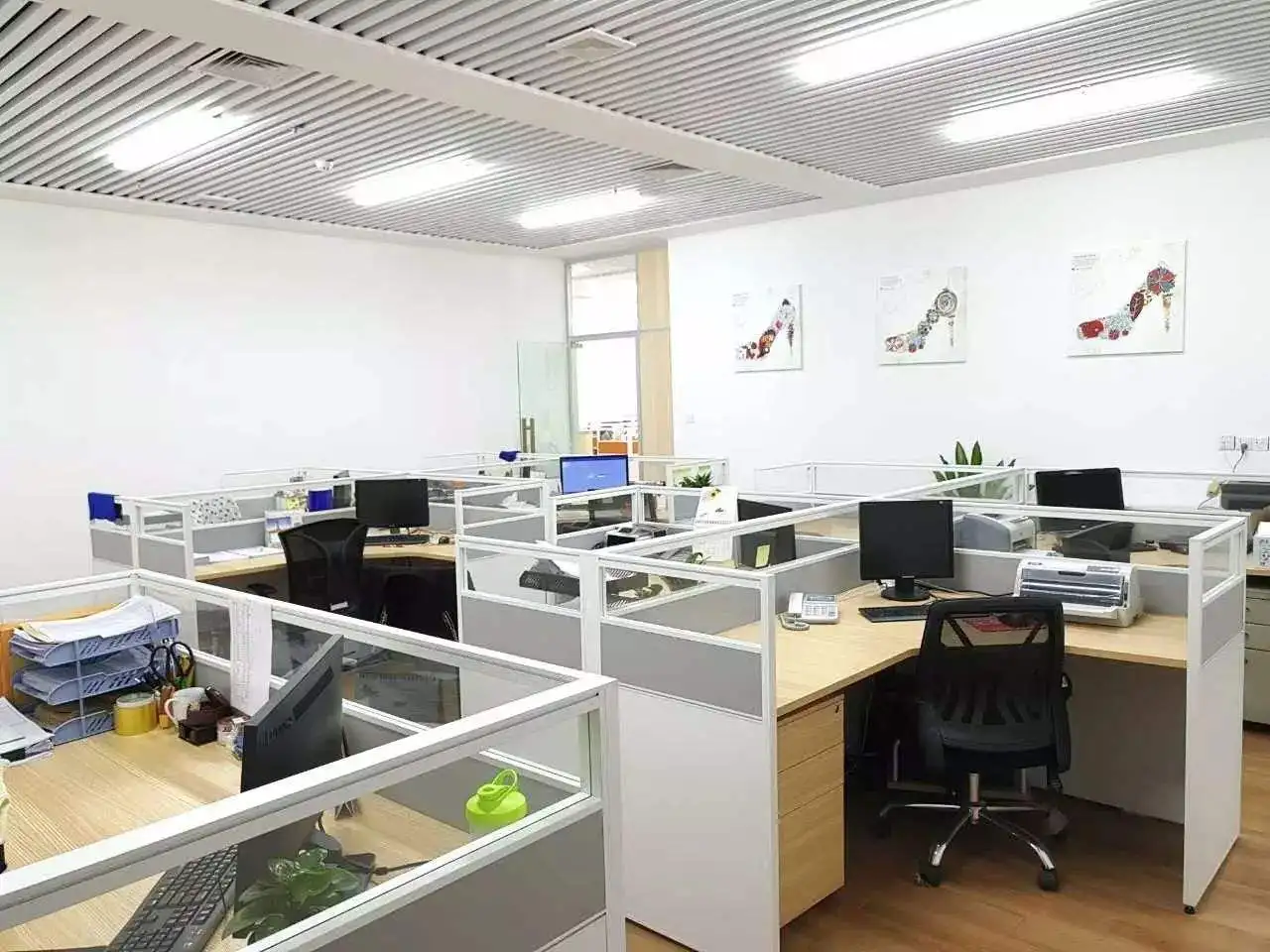
Guangzhou Giftway Crafts Co., Ltd.
- Manufacturer
- Guangdong, China
- Lead time7 days
- Avg. response≤ 1h
Main productsMagnetic products,Coaster and mouse pad,Soft PVC and silicone products,Tinplate products,Eva and Paper products
Main marketsNorth America(35.00%), Domestic Market(16.00%), Western Europe(8.00%), Southeast Asia(7.00%), Northern Europe(6.00%), Mid East(6.00%), Southern Europe(5.00%), Oceania(3.00%), South America(3.00%), Eastern Europe(3.00%), Eastern Asia(3.00%), Central America(2.00%), Africa(2.00%), South Asia(1.00%)
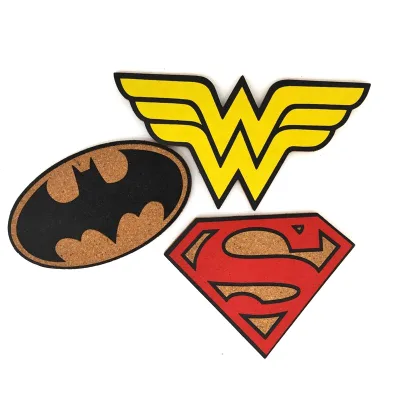
Custom logo Printing Full Color Irregular Cork coaster and Placemats for Dinner
$0.05 - $0.10
MOQ: 500
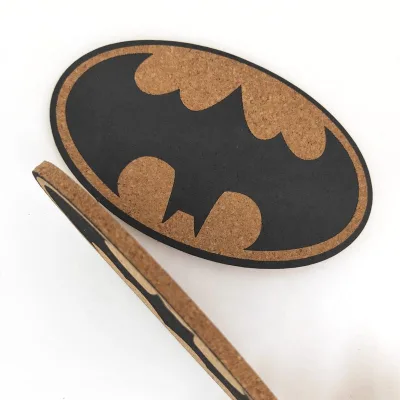
Custom Cheap Irregular Cork coaster and Personalized Placemat for Promotion Gifts
$0.05 - $0.10
MOQ: 500 pieces
Beijing Ulike Technology Co., Ltd.
- Trading Company,Manufacturer/Factory
- China Beijing
- Lead time23 days
- Avg. response≤ 7h
Main productsHome Storage, Laundry and Kitchen Products
Main marketsSouth America,Mid East,North America,Southeast Asia,Eastern Asia,Western Europe

$0.64 - $0.70
MOQ: 3000 Pieces

OEM Promotion Absorbent Felt Table Placemat Coaster Sets for Coffee Cups Drinks Unique Design
$0.18 - $0.25
MOQ: 5000 Sets

Quanzhou Changyi Crafts Gifts Limited
- Verified by TUVRHEINLAND
- Manufacturer/Factory
- China Fujian
- Lead time23 days
- Avg. response≤ 7h
Main productsBallpoint Pen, Silicone Bracelet, Name Card Holder, Luggage Tag, Gift Set, Mobile Phone Accessory, Passport Cover, Ceramic Coaster, Gift Bag, Gift Box
Main marketsSouth America,Mid East,North America,Southeast Asia,Eastern Asia,Oceania,Western Europe,Africa


Hot Sale Creative Ceramic Pot Mats Waterproof Placemats Ceramic Pot Holder with Rope
$0.35 - $0.46
MOQ: 100 Pieces

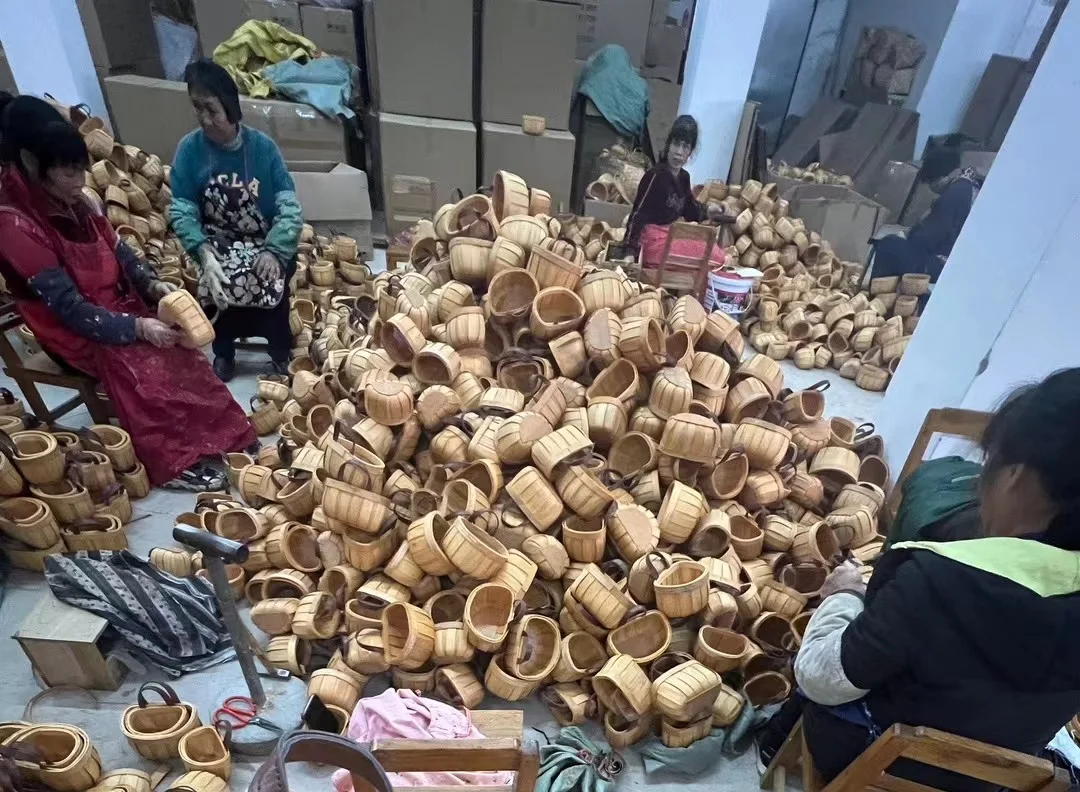
Nanning Holame Home Tech Co., Ltd.
- Manufacturer, Trading Company
- Guangxi, China
- Lead time30 days
- Avg. response≤ 2h
Main productsGift Baskets,Rattan Products,Bamboo Products,Wood Products,Kitchenware
Main marketsNorth America(50.00%), Western Europe(10.00%), Oceania(10.00%), Southern Europe(9.00%), Africa(8.00%), Mid East(6.00%), Northern Europe(5.00%), Eastern Europe(2.00%)
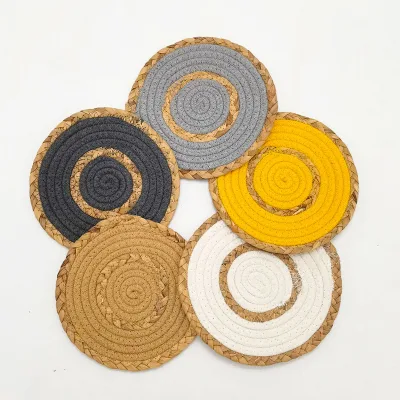
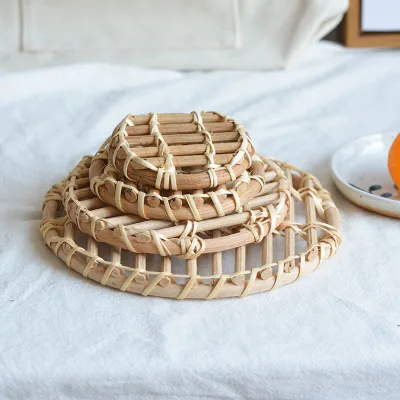
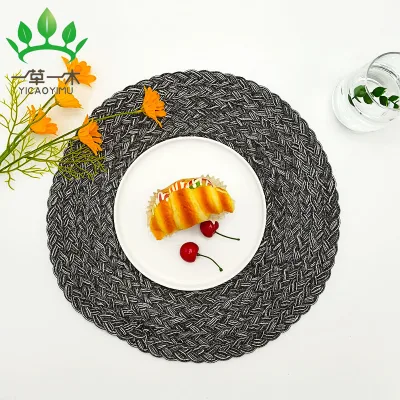
High Quality Creative Design Natural Eco-friendly Handmade Rattan Placemat for Cup Coffee Tea
$1.72 - $4.79
MOQ: 50 Minimum
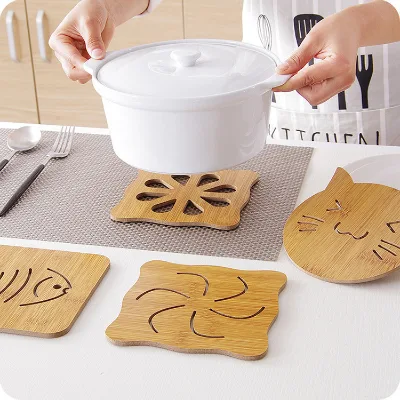
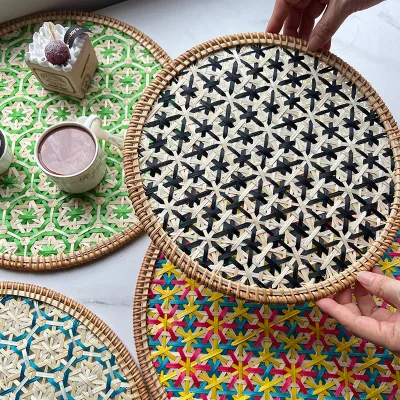

Bei Mei Ti Home Supplies (Shenzhen) Co., Ltd
- Verified by BV
- Manufacturer/Factory
- China Guangdong
- Lead time38 days
- Avg. response≤ 7h
Main productsLeather Mat, Baby Play Mats, Dogs Mats, Home Mats, Placemats, Mouse Pads, Kitchen Mats
Main marketsSouth America,Eastern Europe,Mid East,North America,Southeast Asia,Eastern Asia,Oceania,Western Europe,Africa

Quzhou Indeed Household Co., Ltd.
- Trading Company
- Zhejiang, China
- Lead time35 days
- Avg. response≤ 16h
Main productsCurtains,Placemats,Straw bag,Straw hat,Throw pillow
Main marketsNorthern Europe(70.00%), North America(10.00%), Central America(5.00%), Western Europe(5.00%), South America(5.00%), Southeast Asia(5.00%)

Xiamen Flying Silicone Rubber Co., Ltd.
- Verified by TUVRHEINLAND
- Trading Company,Manufacturer/Factory
- China Fujian
- Lead time23 days
- Avg. response≤ 11h
Main productsSilicone Rubber Auto Parts, Silicone Rubber Keypad, Silicone Rubber Gasket, Silicone Rubber O-Ring, Silicone Rubber Valve, Silicone Rubber Kitchenware, Plastic Injection Parts, Silicone Rubber Gifts, Silicone Medical Accessories, LSR Baby Care
Main marketsSouth America,Eastern Europe,North America,Southeast Asia,Western Europe

Heat-Resistant Silicone Coaster Slip Anti-Hot Pad Pot Holder Table Placemat
$0.54 - $0.87
MOQ: 1000 Pieces

- Verified by TUVRHEINLAND
- Trading Company
- China Zhejiang
- Lead time15 days
- Avg. response≤ 11h
Main productsGraphite Material, Daily Use, Light Industry, Textile, Plastic Raw Material, Outdoor Supplies
Main marketsSouth America,Europe,North America

Waterproof Non-Slip Washable Placemats Coasters for Home Kitchen Restaurant and Hotel
$0.40 - $0.60
MOQ: 100 Pieces

Wipe Clean Food Safe Dining Table Mats Plate Coasters Placemats for Dining Room
$2.00 - $2.80
MOQ: 100 Pieces
Fu Zhou Sheng Leaf Import And Export Co., Ltd.
- Verified by SGS Group
- Manufacturer, Trading Company
- Lead time30 days
- Avg. response≤ 3h
Main productsPVC Rubber Products, Silicone Products, Coaster, Keychain, Promotional Gift Products
Nanning Lanshige Home Furnishing Technology Co., Ltd.
- Trading Company
- Guangxi, China
- Lead time7 days
- Avg. response≤ 4h
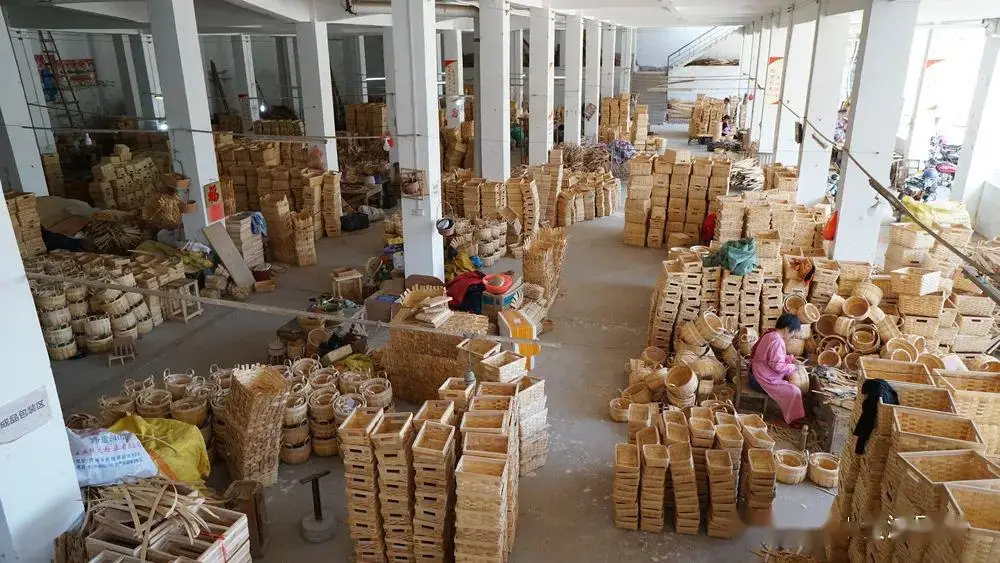
Main productsStorage Box,seaweed basket,woodchip basket,bamboo basket,storage basket
Main marketsNorth America(35.00%), Western Europe(30.00%), Eastern Europe(20.00%), Domestic Market(5.00%), Mid East(5.00%), South America(2.00%), Southeast Asia(2.00%), Africa(1.00%)
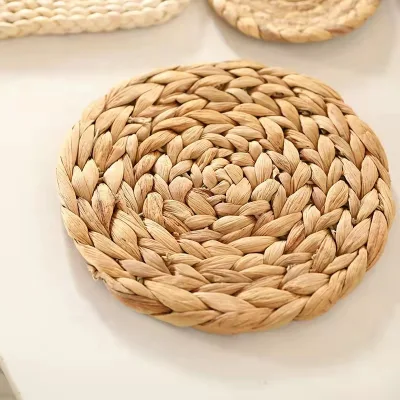
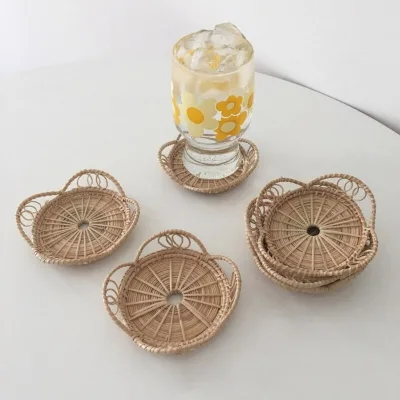
Rattan Flower Decorative Placemats Rattan coaster for Drink Wholesale for Tablewarre
$1.25 - $2.35
MOQ: 100 pieces
Qingdao Rainbow Textile Co. Ltd
- Verified by TUVRHEINLAND
- Trading Company,Manufacturer/Factory
- China Shandong
- Lead time60 days
- Avg. response≤ 7h
Main productsTablecloth, Table Runner, Napkin, Placemat, Tablecloth Fabric, Aluminium Foil Tapes
Main marketsSouth America,Eastern Europe,Mid East,North America,Western Europe

Zhongshan Xinyuan Silicone Rubber Co. Ltd
- Verified by TUVRHEINLAND
- Combined
- China Guangdong
- Lead time15 days
- Avg. response≤ 2h
Main productsSilicone Mold, Silicone Ice Cube Tray, Silicone Wristband, Silicone Tea Infuser, Silicone Bakeware, Silicone Keychain, Silicone Cup Coaster, Silicone Bag
Main marketsSouth America,Southeast Asia/ Mideast,Domestic,Europe,North America


Food Grade Flower Silicone Meal Table Mat Pad Cup Coaster Kitchen Placemat
$0.10 - $5.00
MOQ: 500 Pieces


- Verified by BV
- Trading Company
- China Guangdong
- Lead time30 days
- Avg. response≤ 8h
Main productsPromotional Gift, USB Flash Drive, Power Bank, Towel, Umbrella, Drink Bottle, Key Ring, Note Book, Trampoline Socks, Plush Toy
Main marketsSouth America,Southeast Asia/ Mideast,Europe,Australia,North America

Zhongshan Mingxin Silicone Manufactory
- Verified by SGS
- Combined
- China Guangdong
- Lead time15 days
- Avg. response≤ 6h
Main productsSilicone Kitchenware, Silicone Keypaid, Silicone Bracelet, Silicone Wristband, Silicone Ashtray, Silicone Tube, Silicone Watch, Silicone Rubber, Silicone Sex Doll, Silicone Mold
Main marketsEurope,North America


Customized Silicone Pot Cup Bowl Coaster Placemat Kitchenware Promotion Gift
$1.05 - $1.35
MOQ: 1000 Pieces


NINGBO EAST ISLAND IMPORT & EXPORT CO., LTD.
- Trading Company
- China Zhejiang
- Lead time30 days
- Avg. response≤ 16h
Main productsPromotion Gift, Umbrella, Charger Plate, Plastic Tray, Picnic Blanket, Manicure Set, Mirror, Pill Box
Main marketsSouth America,Europe,North America


Merry Christmas Holiday Seasonal Party Supplies Home Table Mat Decoration Placemat
$0.50 - $0.55
MOQ: 3000 Pieces

Nangong Huizhong Felt Products Co., Ltd.
- Verified by SGS Group
- Manufacturer, Trading Company
- Lead time30 days
- Avg. response≤ 2h
Main productsFelt, Felt Bags, Wool Felt, Felt Pads, Industrial Felt
Main marketsNorth America(30%), Central America(10%), Domestic Market(10%)

Shaoxing City Xinlan Textile CO., LTD.
- Verified by TUVRHEINLAND
- Combined
- China Zhejiang
- Lead time23 days
- Avg. response≤ 2h
Main productsHome Textile, Curtain, Cushion Cover, Shower Curtain, Macrame Handmade Products, Curtain Fabric, Tablecloth, Placemat, Blankets, Bedding
Main marketsNorth America
- Verified by SGS Group
- Trading Company
- Lead time20 days
- Avg. response≤ 2h
Main productsFridge Magnets, Bottle Opener, Keyrings, Erase planner, Button Badge, Button Pin, Tin Sign, Aluminium Plate, Coaster, Silicone Wristband, Paper Bag, Paper Box, Notebook, Calendars, Books, Playing Cards, Playing Cards, Poker Cards, Game Cards, Board Game
Main marketsNorth America(21%), Western Europe(13%), Southeast Asia(10%)
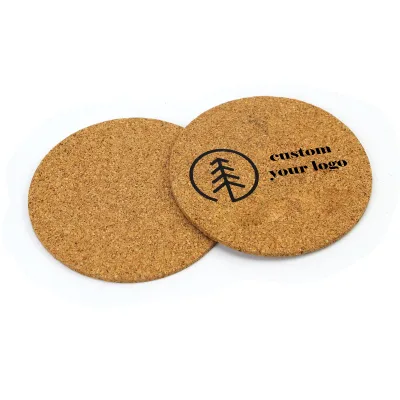
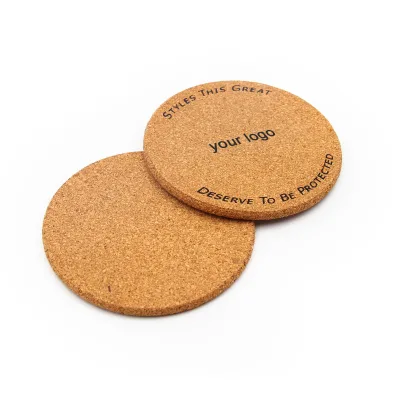
Wholesale Round Coffee Sublimation Blanks Coasters Cork Placemats Custom Cork Coaster
$0.07 - $0.23
MOQ: 1000 pieces
- Verified by SGS Group
- Manufacturer, Trading Company
- Lead time15 days
- Avg. response≤ 3h
Main productsNeedle Punched Felt, Wool Felt, Felt Sheet, Felt Coaster, Felt Bags
Main marketsDomestic Market(40%), North America(9%), Eastern Europe(8%)

Hangzhou Textile Fabric Co., Ltd.
- Manufacturer
- Zhejiang, China
- Lead time45 days
- Avg. response≤ 1h
Main productswoven vinyl placemat,pvc rug,pvc curtains,textile fabrics,table runner
Main marketsDomestic Market(40.00%), North America(40.00%), Eastern Europe(20.00%)
- Verified by SGS
- Trading Company,Manufacturer/Factory
- China Shaanxi
- Lead time23 days
- Avg. response≤ 9h
Main productsCork Sheets, Cork Rolls, Cork Granules, Yoga Cork, Cork Stoppers, Cork Placemats, Cork Coasters, Cork Sticks, Cork Mats, Cork Wall Panels








Comprehensive Sourcing Guide
Placemat Coaster Supplier Concentration and Factory Types
Current data indicates a concentration of manufacturing activity in China, specifically within the Fujian and Guangdong provinces, alongside significant presence in Zhejiang. Suppliers in Fujian often list main products including wood plaques, wooden photo frames, and various cork or wood-based coasters, suggesting a regional specialization in natural material processing. In contrast, suppliers located in Guangdong frequently focus on plastic toys, action figures, and silicone-based table mats, indicating a cluster strength in injection molding and synthetic material fabrication. Buyers should verify the specific factory location against the product material, as a supplier claiming to be a manufacturer of cork coasters but located in a region known for plastic toys may require further validation of their actual production capabilities.
The company types observed range from combined trading entities to dedicated manufacturers and factories. Some suppliers are identified as combined entities capable of offering both OEM and ODM services, which allows for flexibility in customizing product models like the cc5007 or JHC1006 series. Other suppliers are explicitly classified as manufacturers or factories, often holding certifications such as BSCI, ISO 9001, or SEDEX, which signals a direct control over the production line. When evaluating a supplier, buyers must distinguish between a trading company that aggregates goods from multiple sources and a factory that owns the machinery for producing silicone pads or wooden mats. This distinction is critical for understanding who controls the quality assurance process and who is responsible for resolving production defects.
How to Verify Placemat Coaster Suppliers
Verification of supplier credibility relies heavily on checking for third-party audit reports and specific system certifications rather than relying solely on self-declared claims. In the current dataset, some suppliers display verification from TUVRHEINLAND, while others list comprehensive system certifications including BSCI, ISO 9001, ISO 14001, GMP, and QC 080000. Buyers should request to see the actual audit certificates for these standards to confirm that the supplier's factory floor meets international safety and management requirements. The presence of certifications like CE and RoHS on product specifications further indicates that the items have undergone testing for chemical safety and environmental compliance, which is essential for products intended for food contact or home decoration.
Response time and verification status are also key indicators of a supplier's operational reliability and engagement level. Data shows response times varying significantly, with some suppliers responding in under five hours while others take over twenty hours. A supplier with a response time of 4.36 hours suggests a dedicated sales team ready to address inquiries, whereas a longer response time might indicate a smaller operation or a lack of immediate staffing. Buyers should verify if the supplier is marked as verified by a recognized body and check if their main product list aligns with the specific item being sourced. If a supplier claims to specialize in neodymium magnets but lists placemats as a secondary item, the buyer should inquire about the depth of their experience in the specific category to ensure quality consistency.
What to Compare Across Placemat Coaster Suppliers
When comparing suppliers, buyers must analyze the specific product attributes, including material composition, dimensions, and customization options. The available data reveals products made from solid wood, cork, and silicone, with diameters ranging from 90mm to customized sizes. Some listings specify a minimum order quantity (MOQ) of 500 pieces, while others allow orders as low as 100 pieces, and some list the MOQ simply as "PCS" without a defined number. Buyers should compare the price ranges, which vary from $0.19 to $0.59 per unit depending on the material and printing requirements. It is essential to verify if the price includes logo printing, as some products are listed with "Without Logo Printing" while others explicitly offer "Custom" logo options.
Lead time and production capacity are critical factors that differ significantly between suppliers and directly impact order planning. Observed lead times range from 15 days to 30 days, with some suppliers offering ODM and OEM capabilities while others may have limited capacity. A supplier with a 15-day lead time may be better suited for urgent orders, whereas a 30-day lead time might require earlier planning and larger inventory buffers. Buyers should also compare the packaging standards, such as "100PCS/Polybag" versus "Carton" or "Gift Bag," as this affects shipping costs and product protection. Additionally, the availability of samples and the ability to accept OEM requests should be confirmed, as these factors determine the flexibility of the supply chain for custom branding needs.
Common Placemat Coaster Sourcing Risks
One significant risk involves the discrepancy between the claimed material and the actual product specifications provided in the listing. For instance, a product might be described as a "Wood Plaque" or "Cork Coaster" but the attributes list "Solid Wood" or "Cork" without clear differentiation on the grade or treatment. Buyers must verify the material composition to ensure it meets their specific insulation or durability requirements, as some listings indicate "Insulation" characteristics while others focus on "Antiskid" properties. If the product attributes are vague or missing critical details like the specific model number or standard dimensions, the buyer risks receiving a product that does not fit their intended use case, such as a coaster that is too small for a standard cup.
Another risk is the inconsistency in minimum order quantities and the potential for hidden costs related to customization. While some suppliers list an MOQ of 100 pieces, others require 500 or 1000 units, which can strain cash flow for smaller buyers. Furthermore, the availability of logo printing varies, with some products explicitly stating "Without Logo Printing" while others offer "Custom" options. Buyers must confirm if the cost of logo printing is included in the unit price or if it is an additional charge that could inflate the total cost. There is also the risk of relying on suppliers with high response times, which can delay the resolution of quality issues or the approval of samples, potentially leading to production delays and missed market windows.
Placemat Coaster Regional Sourcing and Logistics
Sourcing from China offers distinct advantages based on regional specialization, with Fujian, Guangdong, and Zhejiang emerging as key hubs for different material types. Fujian suppliers often focus on wood and cork products, leveraging local resources for natural material processing, while Guangdong suppliers are more likely to specialize in silicone and plastic injection molding. Zhejiang appears to be a center for magnet and rubber-based products, with suppliers offering customized sizes and specific certifications like ISO and CE. Buyers should align their material requirements with these regional strengths to ensure access to high-quality raw materials and specialized manufacturing expertise. Understanding these clusters helps in predicting the typical lead times and quality standards associated with each region.
Logistics planning must account for the varying lead times and packaging standards observed across different suppliers. With lead times ranging from 15 to 30 days, buyers need to factor in production time plus shipping duration to ensure timely delivery. Packaging varies from simple polybags to cartons or gift bags, which influences the volume and weight of the shipment. Buyers should verify the origin location, such as Fuzhou or Zhejiang, to calculate accurate freight costs and transit times. Additionally, the availability of samples and the ability to customize product models like GS6221 or JHC1004 should be considered when planning the logistics of a trial order versus a full production run. Proper logistics planning ensures that the supply chain remains efficient and responsive to market demands.
Placemat Coaster Commercial Terms and Order Planning
Commercial terms regarding pricing and payment structures vary widely, with unit prices ranging from $0.19 to $0.59 depending on the material and customization level. Buyers must carefully review the price ranges to understand if the quoted price includes all costs or if there are additional fees for tooling, logo printing, or special packaging. Some suppliers list prices with a minimum order quantity of 500 pieces, while others allow for smaller orders of 100 pieces, which affects the total investment required. It is crucial to confirm whether the price is fixed or subject to fluctuation based on raw material costs, especially for products made from wood or cork, which can be sensitive to market changes.
Order planning requires a clear understanding of the supplier's capacity and response capabilities to avoid bottlenecks. Suppliers with response times under five hours are generally more reliable for quick decision-making and sample approval, whereas those with longer response times may require more lead time for communication. Buyers should also verify the supplier's ability to handle OEM and ODM requests, as this impacts the customization process and the final product design. Establishing a clear timeline that accounts for the 15 to 30-day lead times observed is essential for maintaining inventory levels and meeting customer demand. By aligning commercial terms with realistic production schedules, buyers can mitigate risks and ensure a smooth procurement process.
FAQs
What is the typical lead time for placemat coasters?
Manufacturers generally require 15 to 30 days for production. Specific timelines depend on order volume and customization complexity. Buyers should confirm exact dates with suppliers before placing orders to ensure timely delivery for their specific project requirements.
What are the common materials used for coasters?
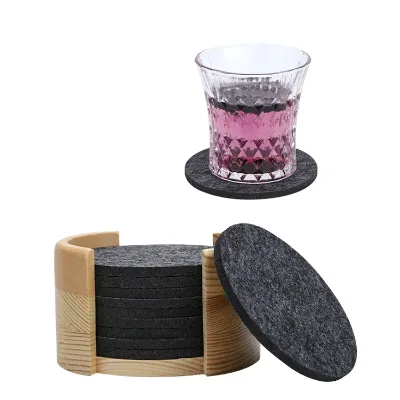
Suppliers offer options including solid wood, cork, and silicone. Wood and cork provide natural insulation, while silicone offers antiskid properties. Material choice impacts durability and aesthetic appeal, allowing buyers to select the best fit for their target market needs.
Is customization available for branded placemat coasters?
Yes, most suppliers support OEM and ODM services. Buyers can request custom logos, sizes, and shapes. Some providers offer printing options, while others allow full design customization. Minimum order quantities usually apply for these personalized manufacturing services.
What certifications do coaster suppliers typically hold?
Many manufacturers hold ISO 9001, BSCI, and SEDEX certifications. Some also possess ISO 14001 or RoHS compliance for specific materials. These credentials verify quality management and ethical production standards, helping buyers ensure their supply chain meets international regulatory requirements.
What is the typical price range for coasters?
Prices generally range from $0.19 to $0.59 per unit. Costs vary based on material, quantity, and customization level. Bulk orders often secure lower unit prices. Buyers should request detailed quotes to understand total costs including packaging and shipping fees.
What are the minimum order quantities for coasters?
MOQs typically start at 100 pieces for customized items. Standard products may require 500 or 1000 units. Lower MOQs are available for basic stock items. Buyers should verify specific requirements with suppliers to align with their inventory and budget constraints.