Portable Cast Iron Wood-burning Stove Suppliers and Manufacturers
Source a Portable Cast Iron Wood-burning Stove from 21 verified suppliers in China. Compare key dimensions including ISO certifications, lead times, and MOQs to find the right partner. Contact suppliers directly to request quotes and verify production capabilities; review the available evidence before requesting comparable quotations from suitable candidates.
Suppliers List

- Combined
- China Guangdong
- Lead time23 days
- Avg. response≤ 22h
Main productsMetal Stamping Parts, Stamping Parts, Metal Sheet Parts, CNC Parts, Metal Spare Parts, Turning Parts, CNC Machining Parts, Laser Cutting Metal Parts, Metal Brackets, Pressed Parts
Main marketsSoutheast Asia/ Mideast,East Asia(Japan/ South Korea),Europe,Australia,North America


High Quality Outside Stainless Steel BBQ Stove Wood Burning Portable Stove
$7.50 - $8.50
MOQ: 1 Pieces


Qingdao Chifine Machinery Co., Ltd.
- Verified by BV
- Manufacturer/Factory,Group Corporation
- China Shandong
- Lead time45 days
- Avg. response≤ 16h
Main productsCasting, Sand Casting, Precision Casting, Steel Casting, Iron Casting, Aluminum Casting, Die Casting, Forging Part, Forging, Cast Iron
Main marketsSouth America,Eastern Europe,Mid East,North America,Southeast Asia,Eastern Asia,Oceania,Western Europe,Africa


High Quality Camping Stove Cast Iron Gas Burner Double Burner Camp Stove
$0.10 - $20.00
MOQ: 100 Pieces


Qingdao Vold Machinery Manufacturer Co., Ltd.
- Combined
- China Shandong
- Lead time30 days
- Avg. response≤ 5h
Main productsPedal Go Kart, Kids Balance Bike, Kids Tricycle, Kids Mini Digger, Fire Ring, BBQ
Main marketsEurope,North America

Zhenjiang Trumy Industrial Co., Ltd.
- Trading Company,Manufacturer/Factory
- China Jiangsu
- Lead time30 days
- Avg. response≤ 22h
Main productsFurniture Hardware, Door Hardware, Fastener, Building Material, Bathroom Accessory, Kitchen Accessory, BBQ Grills&Outdoor Cooking, Fire Pit&Fire Place, Outdoor Furniture, Toilet Partitions Accessories
Main marketsSouth America,Eastern Europe,Mid East,North America,Southeast Asia,Eastern Asia,Oceania,Western Europe,Africa

Qingdao Xingfu Energy Equipment Co., Ltd.
- Verified by SGS
- Manufacturer/Factory,Group Corporation
- China Shandong
- Lead time23 days
- Avg. response≤ 3h
Main productsBiomass Steam Generator, Biomass Steam Boiler, Oil Gas Fired Steam Boiler, Coal Fired Steam Boiler, Waste Heat Recovery Boiler, Biomass Burners, Waste Tyre Pyrolysis System, Waste Oil Distillation System, Thermal Oil Boiler, Electric Steam Boiler
Main marketsSouth America,Eastern Europe,Mid East,North America,Southeast Asia,Eastern Asia,Oceania,Western Europe,Africa

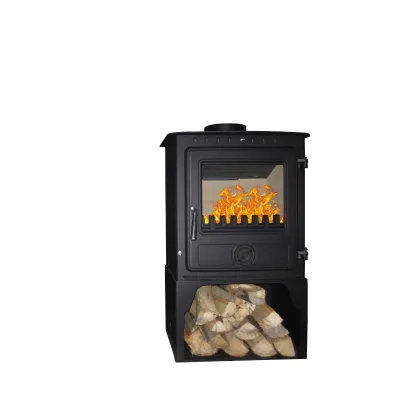
Air Circulation Cast Iron Stove for Wood and Pellet Clean Burning Fireplace
$310.00 - $360.00
MOQ: 1 Pieces

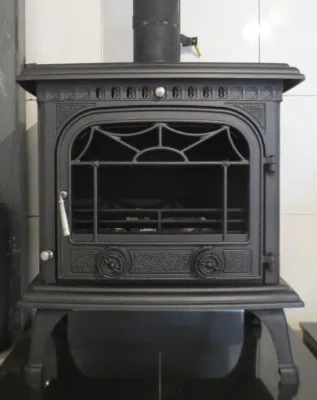
Modern Design Cast Iron Stove for Clean Burning in Small Home Fireplace
$655.00 - $705.00
MOQ: 1 Pieces


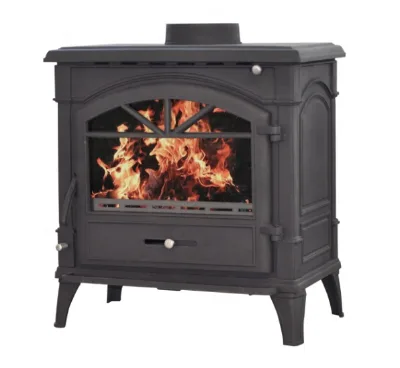
Outdoor Indoor Cook High Efficiency Cast Iron Wood Burning Cooking Stove
$375.00 - $495.00
MOQ: 1 Sets

Guangdong Zhongxi Electric Co., Ltd.
- Verified by BV
- Manufacturer/Factory
- China Guangdong
- Lead time23 days
- Avg. response≤ 9h
Main productsRange Hood, Gas Stove, Gas Water Heater, Induction Cooker, Infrared Cooker, Gas Hobs, Freestanding Stove
Main marketsSouth America,Eastern Europe,Mid East,North America,Southeast Asia,Eastern Asia,Oceania,Western Europe,Africa

Jinan Sinopts Energy Technology Inc.
- Verified by BV
- Trading Company
- China Shandong
- Lead time23 days
- Avg. response≤ 11h
Main productsThermostatic Gas Control Valve, Gas Burner Tray, Thermocouple, Spark Electrode, Pilot Burner, Gas Control Valve, Igniter, Magnet Valve, Gas Burner, Timer
Main marketsSouth America,Eastern Europe,Mid East,North America,Southeast Asia,Eastern Asia,Oceania,Western Europe,Africa

Qingyuan Xingxiang Hardware Products Co., Ltd
- Verified by SGS
- Combined
- China Guangdong
- Lead time30 days
- Avg. response≤ 5h
Main productsShower Caddy Shelves, Hanging Hook, Coffee Pod Holder, Tissue Paper Towel Holder, Wire Storage Basket, Mutifunction Storage Rack, Cup Holder, Dish Drying Rack, Office Accessories, Watering Can
Main marketsEurope,North America

China Manufacturer Outdoor Kitchen Cooking Cast Iron Gas Burner Portable Camping Stove
$4.95 - $5.95
MOQ: 50 Pieces

Backpacking Portable Petrol Mini Camping Stove Stainless Steel Camping Gas Stove for Outdoor
$2.80 - $3.85
MOQ: 50 Pieces

Suzhou Tuoshenghe Mechanical and Electrical Technology Co., Ltd.
- Verified by SGS
- Combined
- China Jiangsu
- Lead time15 days
- Avg. response≤ 3h
Main productsCamping Tent, Camping Stove, Alcohol Stove, Camping Table
Main marketsDomestic
Botou Hengsheng Crafts Casting Co., Ltd.
- Verified by SGS Group
- Manufacturer, Trading Company
- Lead time30 days
Main productsCasting Crafts
Main marketsDomestic Market(60%), North America(10%), South America(10%)

Yongkang Luling Industry and Trade Co., Ltd.
- Verified by BV
- Combined
- China Zhejiang
- Lead time30 days
- Avg. response≤ 4h
Main productsOutdoor Stove, Wood Stove, Tent Stove, Camping Stove, Stove, Rocket Stove
Main marketsDomestic

Versatile Carbon Steel Portable Wood Burning Camping Stove for Outdoor Backpacking & Cooking
$64.04 - $77.10
MOQ: 5 Pieces


Shengzhou Huimei International Trade Co., Ltd.
- Verified by TUVRHEINLAND
- Combined
- China Zhejiang
- Lead time30 days
- Avg. response≤ 7h
Main productsWood Stove, Charcoal Stove, Pellet Stove
Main marketsAfrica,Southeast Asia/ Mideast,North America


Hot Sale New Design Outdoor Camping Portable Two Door Wood Charcoal Stove
$34.00 - $45.00
MOQ: 1 pieces


Suzhou Zhuwei Electrical Equipment Co., Ltd.
- Verified by TUVRHEINLAND
- Combined
- China Jiangsu
- Lead time15 days
- Avg. response≤ 9h
Main productsDistribution Box, Metal Enclosure, Electrical Box, Electric Cabinet, Junction Box, Steel Toolbox, Fireplace, Metal Cabinet, Sheet Metal Enclosure, Aluminium Box
Main marketsEurope,North America

Shanxi C-Trying Machinery Equipment Co., Ltd
- Verified by SGS
- Trading Company
- China Shanxi
- Lead time30 days
- Avg. response≤ 2h
Main productsGasoline Generator, Diesel Generator, DC Generator, Gas Generator, Permanent Magnet Generator, Submersible Mixer, Centrifugal Fan, Solar Generator, Solar Panel, Generator Parts
Main marketsAfrica


Portable Multi Outdoor Cookerpicnic Wood Fire Stove Wood Burning Smokeless Stove
$209.00 - $219.00
MOQ: 1 Pieces


WOR-BIZ INDUSTRIAL PRODUCT CO., LIMITED (ANHUI)
- Verified by BV
- Trading Company
- China Anhui
- Lead time30 days
- Avg. response≤ 3h
Main productsRough in Plumbing, Gas Fuel Piping, Commercial Cooking, Water Heater Part
Main marketsSoutheast Asia/ Mideast,Europe,North America
- Verified by TUVRHEINLAND
- Trading Company
- China Zhejiang
- Lead time30 days
- Avg. response≤ 10h
Main productsSports and Outdoor
Main marketsSoutheast Asia/ Mideast,Europe

- Verified by TUVRHEINLAND
- Trading Company,Manufacturer/Factory
- China Zhejiang
- Lead time23 days
- Avg. response≤ 6h
Main productsKitchenwares, Homewares, Kitchen Gadgets, Kitchen Utensils, Kitchen Accessories, Home Organizations, Kitchen Tools
Main marketsSouth America,Eastern Europe,Mid East,North America,Southeast Asia,Eastern Asia,Oceania,Western Europe,Africa
Jinan Chaowan Furnace Technology Co., Ltd.
- Verified by CTI
- Manufacturer/Factory
- China Shandong
- Lead time0 days
- Avg. response≤ 3h
Shenzhen Dioo Sauna Equipment Co., Ltd.
- Verified by SGS
- Combined
- China Guangdong
- Lead time15 days
- Avg. response≤ 3h
Main productsSteam Bath Generator, Sauna Heater, Halogenerator, Pool Heater, Swimming Pool, Sauna Rooms, Sauna Accessories, Ice Bath Tubs, Other Sauna Equipment
Main marketsSouth America,Africa,Southeast Asia/ Mideast,East Asia(Japan/ South Korea),Europe,Australia,North America

Modern Outdoor Camping Wood Burning Stove for Cooking Drying Heating Meeting Various Outdoor Needs
$59.00 - $71.00
MOQ: 10 sets

Xuzhou Best Arts & Crafts Co., Ltd.
- Verified by SGS Group
- Manufacturer, Trading Company
- Jiangsu, China
- Lead time30 days
- Avg. response≤ 5h
Main productsEcodesign Ready Stove, Wood Stove, Insert Stove, Cast Iron Stove, Fireplace
Main marketsNorthern Europe(40%), Western Europe(20%), North America(15%)

Qingdao Otia Industry and Trade Co., Ltd.
- Verified by SGS
- Trading Company,Manufacturer/Factory
- China Shandong
- Lead time105 days
- Avg. response≤ 5h
Main productsFolding Wagon, Garden Cart, Shopping Cart, Wheel Barrow, Aluminum Storage Box, Wheels
Main marketsSouth America,Eastern Europe,Mid East,Eastern Asia,Western Europe,Africa






Comprehensive Sourcing Guide
Portable Cast Iron Wood-burning Stove Supplier Concentration and Factory Types
The current supplier landscape for Portable Cast Iron Wood-burning Stove components reveals a distinct geographic and structural concentration within China. Data indicates that manufacturing capabilities are heavily clustered in specific provinces, with Guangdong and Shandong emerging as primary hubs for this category. Suppliers in Guangdong, particularly those based in Shenzhen, often operate as combined entities that blend trading services with manufacturing oversight. These firms typically specialize in metal stamping, CNC machining, and laser cutting, allowing them to produce stainless steel variants and intricate metal brackets for camping accessories. In contrast, suppliers located in Shandong, such as those in Qingdao, are predominantly identified as manufacturer factories or group corporations. These entities focus on heavy industrial processes like sand casting, precision casting, and die casting, which are essential for producing the durable cast iron burners and high-pressure stove bodies required for robust outdoor cooking equipment. This regional split suggests that buyers seeking lightweight, portable stainless steel units may find more agile OEM/ODM partners in the south, while those requiring heavy-duty cast iron construction should look toward the northern industrial bases.
Understanding the company type is critical for aligning your sourcing strategy with your product requirements. The observed supplier types range from combined trading and manufacturing firms to pure manufacturer factories and group corporations. Combined companies often offer greater flexibility in customization and lower minimum order quantities, making them suitable for startups or brands testing new portable stove designs. They may source raw materials from various foundries and assemble final products in their own facilities. On the other hand, manufacturer factories and group corporations provide direct access to casting lines and heavy machinery. These suppliers are better equipped to handle large-volume orders for cast iron components, offering economies of scale that trading companies cannot match. When evaluating potential partners, buyers should verify whether the supplier’s primary business model aligns with the material and complexity of the Portable Cast Iron Wood-burning Stove they intend to procure. A mismatch between supplier type and product needs can lead to higher costs, longer lead times, or compromised quality control.
How to Verify Portable Cast Iron Wood-burning Stove Suppliers
Verification of suppliers requires a multi-layered approach that goes beyond simple profile reviews. Buyers must prioritize suppliers who hold recognized system certifications, as these indicate a baseline commitment to quality management and environmental standards. For instance, some observed suppliers possess ISO9001:2015 and ISO14001:2015 certificates, which are crucial for ensuring consistent manufacturing processes and responsible waste management in metalworking facilities. Additionally, specific product certifications such as CE and RoHS are frequently listed for portable camping stoves, signaling compliance with international safety and environmental regulations. Buyers should request copies of these certificates and verify their validity through the issuing bodies. Furthermore, third-party verification badges, such as BV (Bureau Veritas) verification, provide an additional layer of trust by confirming the supplier’s legal existence and operational capabilities. This is particularly important for cast iron manufacturers, where the integrity of the casting process directly impacts product safety and durability.
Beyond certifications, buyers should assess the supplier’s response time and communication efficiency as indicators of their operational maturity. Data shows that response times can vary significantly, with some suppliers responding within approximately 15 to 21 hours. A faster response time often correlates with a more organized sales and technical support team, which is vital for resolving issues related to custom designs or production delays. Buyers should also inquire about the supplier’s quality control procedures, including the use of professional QC teams and test equipment. For cast iron products, specific checks on surface roughness, material composition, and structural integrity are essential. Suppliers that explicitly mention CNC machining capabilities alongside casting processes demonstrate a higher level of technical proficiency, allowing for tighter tolerances in burner components. By combining certification checks, verification badges, and communication assessments, buyers can build a robust profile of a supplier’s reliability before committing to any orders.
What to Compare Across Portable Cast Iron Wood-burning Stove Suppliers
When comparing suppliers, lead time and minimum order quantity (MOQ) are two of the most critical operational metrics. The observed data indicates a wide range in lead times, with some suppliers offering production cycles as short as 23 days, while others, particularly those specializing in complex casting, may require up to 45 days. This variance is largely driven by the manufacturing method; stamping and assembly processes are generally faster than thermal gravity casting or sand casting, which require mold preparation and cooling periods. Similarly, MOQs vary significantly, with some suppliers accepting orders as low as one piece for prototype testing, while others require minimums of 100 or more units for cast iron components. Buyers must align these metrics with their inventory strategy and sales forecasts. For new product launches, suppliers with low MOQs and moderate lead times are preferable, whereas established brands with steady demand may benefit from the cost efficiencies of higher MOQs and longer production cycles.
Another key dimension for comparison is the range of main products and customization capabilities. Suppliers listing metal stamping, CNC parts, and laser cutting alongside casting services offer a broader scope for integrated solutions. This is particularly relevant for portable stoves that combine cast iron burners with stainless steel bodies or aluminum frames. Buyers should evaluate whether the supplier can handle the entire assembly process or if they only provide specific components. Additionally, the availability of OEM and ODM services is a significant differentiator. Suppliers that offer both allow buyers to choose between custom branding and leveraging existing designs. Price ranges also vary, with some products listed between $6.50 and $7.50, while others range from $4.41 to $10.00. However, price should not be the sole determinant; buyers must consider the total cost of ownership, including shipping, tariffs, and potential rework costs due to quality issues. A comprehensive comparison should weigh lead time, MOQ, customization options, and price together to identify the most suitable partner.
Common Portable Cast Iron Wood-burning Stove Sourcing Risks
One of the primary risks in sourcing Portable Cast Iron Wood-burning Stove components is the inconsistency in material quality and casting defects. Cast iron is prone to issues such as porosity, cracks, and uneven surface roughness if the thermal gravity casting process is not tightly controlled. Buyers must be vigilant about suppliers who do not provide detailed specifications for surface treatment, such as sand blasting, or who lack clear quality control protocols. Without rigorous inspection, these defects can lead to product failures in the field, resulting in costly returns and damage to brand reputation. Additionally, the risk of miscommunication regarding customization requirements is high, especially when dealing with combined suppliers who may outsource certain steps. If the supplier does not have direct control over the casting foundry, there is a greater chance of deviations from the agreed-upon design or material specifications. Buyers should insist on pre-production samples and detailed technical drawings to mitigate these risks.
Another significant risk is the discrepancy between quoted prices and final costs, often driven by hidden fees or currency fluctuations. While some suppliers list low unit prices, these may not include packaging, shipping, or tooling costs for custom molds. For cast iron products, mold creation can be expensive and time-consuming, and suppliers may not always disclose these upfront. Furthermore, the risk of delayed shipments is prevalent, particularly for suppliers with longer lead times or those experiencing capacity constraints. Buyers should verify the supplier’s supply ability, such as the stated capacity of 30,000 pieces per month, to ensure they can meet peak demand periods. Additionally, the lack of standardized packaging can lead to damage during transit, especially for fragile cast iron components. Buyers should specify packing requirements, such as palletization or individual cloth bag packaging, to protect the products. By proactively addressing these risks through clear contracts and regular communication, buyers can safeguard their supply chain.
Portable Cast Iron Wood-burning Stove Regional Sourcing and Logistics
Sourcing from China involves navigating distinct regional logistics advantages and challenges. Suppliers in Guangdong, particularly in Shenzhen, benefit from proximity to major ports like Yantian and Shekou, which facilitates faster export times for lightweight, high-volume items such as stainless steel camping accessories. This region’s mature supply chain ecosystem allows for efficient sourcing of raw materials and components, reducing overall production lead times. In contrast, suppliers in Shandong, such as those in Qingdao, are located near the Qingdao Port, a major hub for heavy industrial exports. This location is advantageous for shipping heavy cast iron products, as it reduces inland transportation costs and simplifies logistics for bulky items. Buyers should consider the weight and volume of their products when selecting a region, as shipping costs can significantly impact the final landed cost. For portable stoves, which may vary in weight from lightweight stainless steel models to heavy cast iron units, choosing the right regional supplier can optimize logistics efficiency.
Logistics planning must also account for the specific packaging requirements of cast iron products. Due to their weight and fragility, cast iron stoves require robust packaging to prevent damage during transit. Suppliers often use pallets or reinforced cartons, but buyers should verify the packing standards to ensure they meet international shipping requirements. Additionally, buyers should consider the impact of seasonal demand on logistics capacity. Peak seasons, such as the pre-holiday period, can lead to port congestion and increased shipping rates. By understanding the regional strengths of Guangdong and Shandong, buyers can make informed decisions about which suppliers to engage based on their product type and logistics needs. For example, buyers seeking rapid turnaround for small batches may prefer Guangdong suppliers, while those requiring large volumes of cast iron components may benefit from Shandong’s industrial infrastructure. Aligning regional sourcing with logistics strategy is key to maintaining a competitive edge in the portable stove market.
Portable Cast Iron Wood-burning Stove Commercial Terms and Order Planning
Commercial terms and order planning are essential for managing cash flow and inventory effectively. Buyers should negotiate clear payment terms, such as a deposit followed by balance payment upon shipment, to balance risk and cash flow. For new suppliers, using escrow services can provide an additional layer of security, ensuring that funds are only released upon satisfactory delivery. Lead time management is also crucial, as delays can disrupt sales cycles and customer satisfaction. Buyers should establish a buffer in their planning to account for potential production delays, especially for cast iron products with longer lead times. Additionally, buyers should plan for tooling and mold costs, which are one-time expenses that can be amortized over the production run. For suppliers offering OEM services, these costs may be waived for large orders, providing an opportunity to reduce upfront investment.
Order planning should also consider the supplier’s capacity and scalability. Buyers should assess whether the supplier can handle volume increases without compromising quality or lead times. For instance, suppliers with a stated supply ability of 30,000 pieces per month may have the capacity to scale up during peak seasons. Buyers should communicate their forecasted demand early to allow the supplier to prepare raw materials and production schedules. Furthermore, buyers should plan for after-sales support, including warranty terms and spare parts availability. For portable stoves, having access to replacement parts like burners or grates can enhance customer satisfaction and reduce return rates. By integrating commercial terms, lead time management, and capacity planning into their sourcing strategy, buyers can build a resilient and efficient supply chain for Portable Cast Iron Wood-burning Stove products.
FAQs
What is the minimum order quantity for portable wood burning stoves?
The minimum order quantity varies by product type. For portable camping stoves, the MOQ is typically 1 piece, allowing for small trial orders. However, for cast iron gas stove burners, the MOQ is set at 100 pieces. Buyers should check specific product listings to confirm the exact threshold before placing an order.
What certifications are available for these portable stoves?
Portable camping stoves commonly hold CE and RoHS certifications, ensuring compliance with safety and environmental standards. Cast iron burner components may also feature ISO 9001 and CE marks. These certifications verify product quality and manufacturing standards, providing assurance for international buyers regarding material safety and operational reliability in outdoor or kitchen settings.
How long does production take for these items?
Lead times differ based on the product category. Portable camping stoves generally have a lead time of 23 days. In contrast, cast iron burner components require approximately 45 days for production. Buyers should account for these timelines when planning inventory, as manufacturing complexity and material casting processes influence the final delivery schedule significantly.
Where are these suppliers located?
Suppliers for these products are primarily located in China. Specific manufacturing hubs include Guangdong province, particularly Shenzhen, and Shandong province, notably Qingdao. These regions are known for metal stamping, casting, and machining capabilities, offering diverse sourcing options for both lightweight portable units and heavy-duty cast iron components.
What is the price range for portable wood burning stoves?
Prices vary significantly based on material and design. Portable camping stoves typically range from $4.41 to $8.50 per unit. Cast iron burner components are priced between $0.10 and $10.00 per piece. These ranges reflect differences in customization, metal type, and manufacturing complexity, allowing buyers to select options that fit their budget constraints.
Do suppliers offer OEM and ODM services?
Yes, many suppliers provide both OEM and ODM services. Combined companies and manufacturer factories in Guangdong and Shandong offer custom branding and design capabilities. This allows buyers to create unique product lines or adapt existing designs to meet specific market requirements, ensuring brand differentiation and tailored solutions for diverse customer needs.