Portable Colorful Seam Ripper Suppliers and Manufacturers
Source 28 verified suppliers for Portable Colorful Seam Ripper tools. Compare key dimensions including location, lead time, MOQ, and response time to find the right partner. Contact suppliers directly to request quotes and verify product specifications; review the available evidence before requesting comparable quotations from suitable candidates.
Suppliers List
Chaozhou Bailiful Trading Company Limited
- Trading Company
- Guangdong, China
- Lead time15 days
- Avg. response≤ 3h
Main productsLeather tools,hand tools,hardware tools,Crafts
Main marketsEastern Europe(20.00%), South America(20.00%), North America(20.00%), Central America(10.00%), Africa(10.00%), Southeast Asia(10.00%), South Asia(5.00%), Mid East(5.00%)
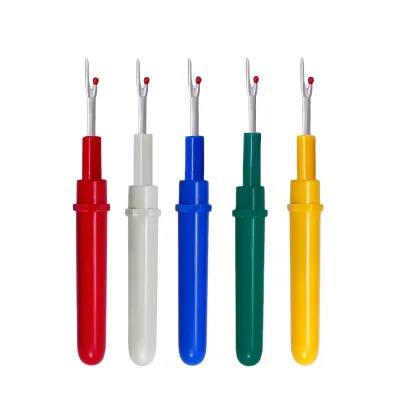

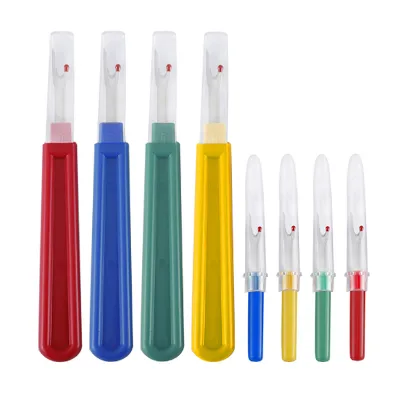
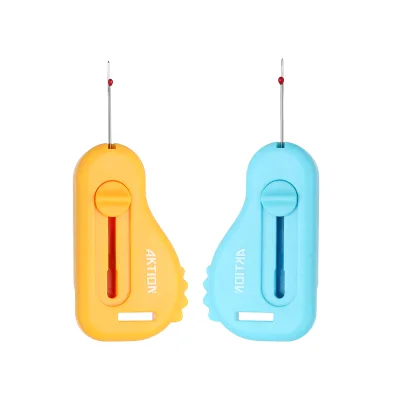
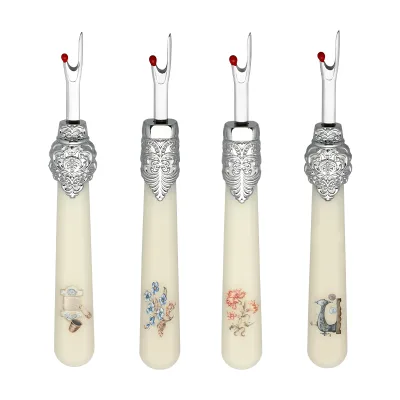
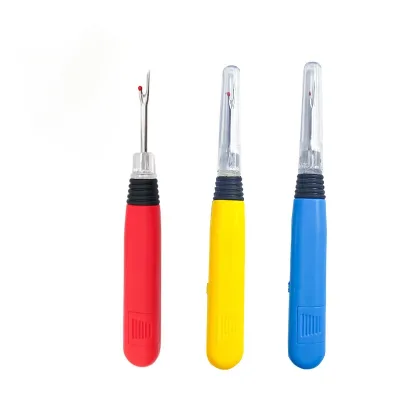
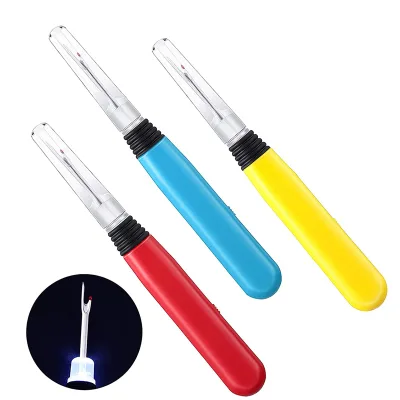
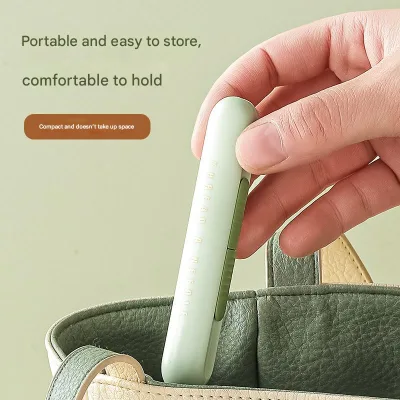
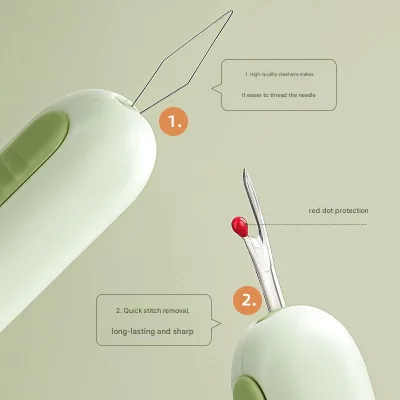
Household Multifunctional Handmade DIY Seam Ripper Sewing Accessories Sewing Tools with LED Light
$1.32 - $1.37
MOQ: 5 Minimum
Suzhou Toryin Trading Co., Ltd.
- Trading Company
- Jiangsu, China
- Lead time30 days
- Avg. response≤ 4h
Main productsHand Tools,Car Tools,Outdoor Tools,Garden Tools,Kitchen Tools
Main marketsSouth America(21.00%), North America(18.00%), Western Europe(8.00%), Eastern Europe(8.00%), Southern Europe(7.00%), Domestic Market(7.00%), Central America(5.00%), Southeast Asia(5.00%), Northern Europe(5.00%), Africa(5.00%), South Asia(3.00%), Eastern Asia(3.00%), Mid East(3.00%), Oceania(2.00%)
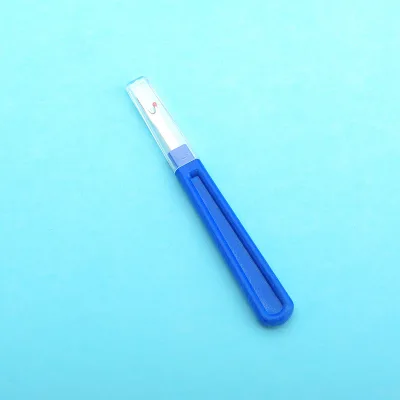
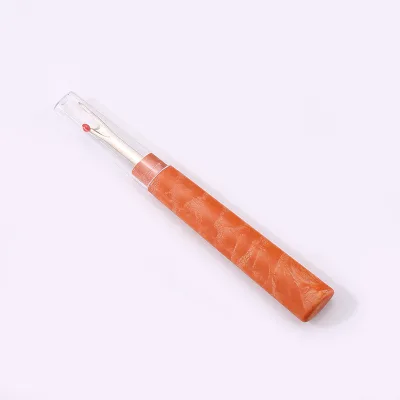
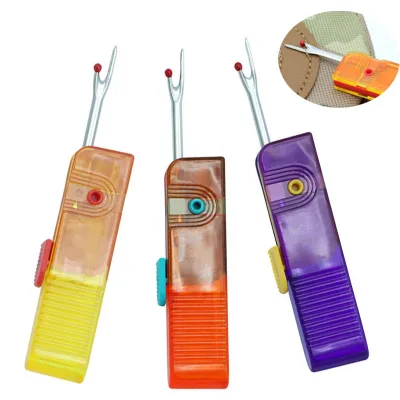
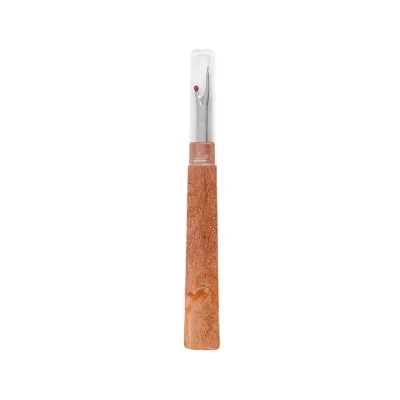
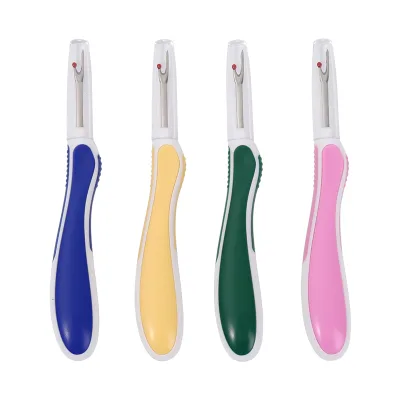
Ergonomic Grip Seam Ripper for Sewing Crafting and Removing Embroidery Hems and Seams
$0.18 - $0.30
MOQ: 50 sets
Chaozhou Fromoce Trading Company Limited
- Trading Company
- Guangdong, China
- Lead time10 days
- Avg. response≤ 4h
Main productshardware tools,hand tools,leather tools,Jewelry tools
Main marketsEastern Europe(20.00%), South America(20.00%), North America(20.00%), Western Europe(20.00%), Africa(10.00%), Mid East(5.00%), Central America(5.00%)
Yiwu Lumiao Electronic Commerce Co., Ltd.
- Trading Company
- Zhejiang, China
- Lead time0 days
- Avg. response≤ 7h
Main productsYarn,Yarn winder,Crochet Hook,Safety Eyes,Flower Stem Sticks
Main marketsNorth America(32.00%), Southeast Asia(30.00%), Western Europe(10.00%), Northern Europe(5.00%), Eastern Europe(5.00%), Domestic Market(2.00%), Africa(2.00%), South America(2.00%), South Asia(2.00%), Southern Europe(2.00%), Central America(2.00%), Eastern Asia(2.00%), Mid East(2.00%), Oceania(2.00%)
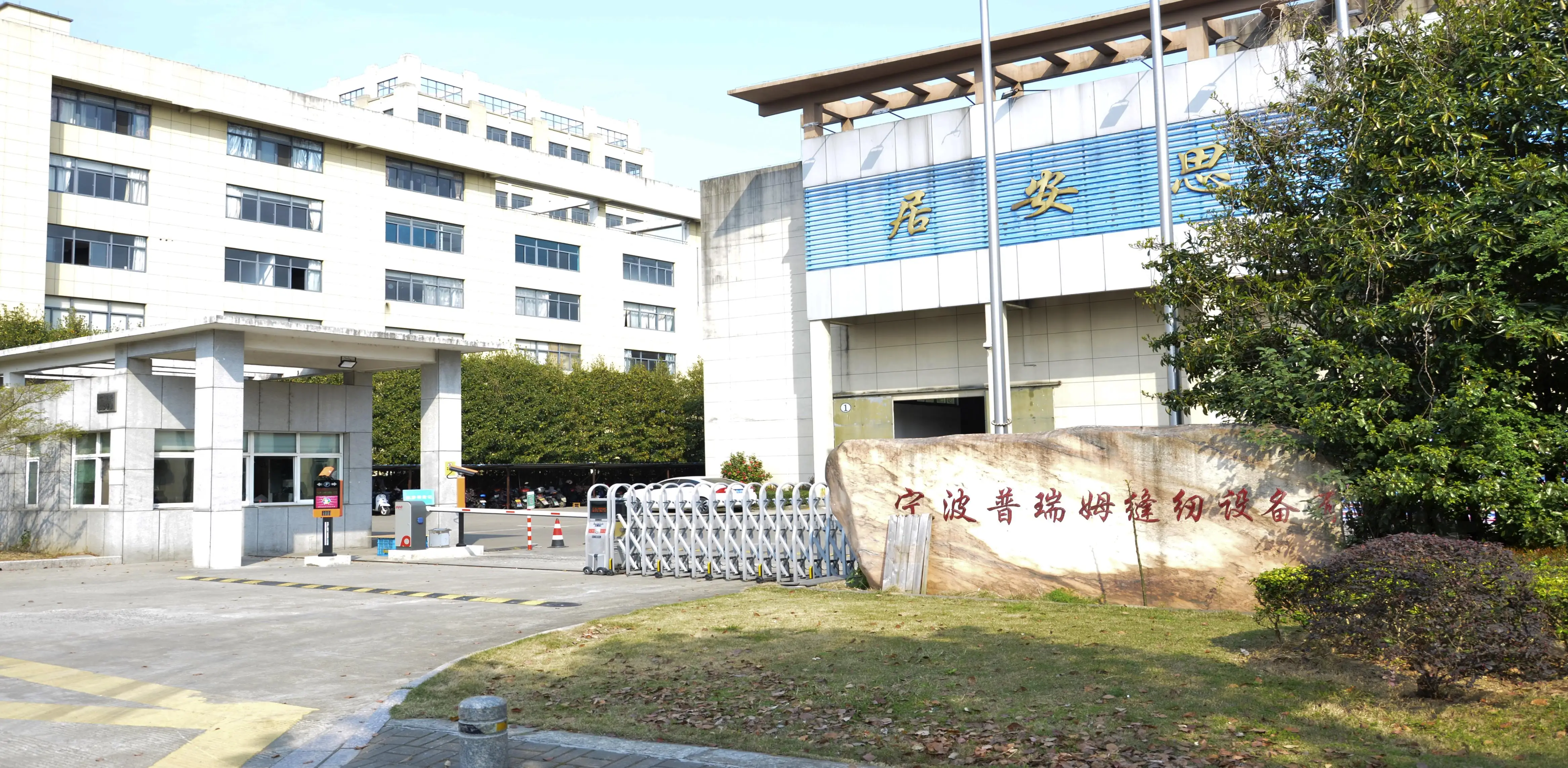
Ningbo Puruimu Sewing Equipment Co.,ltd.
- Trading Company
- Zhejiang, China
- Lead time0 days
- Avg. response≤ 2h
Main productscross-stitch products,knitting products,sewing products,quilting products,thread products
Main marketsWestern Europe(15.00%), Southeast Asia(15.00%), North America(15.00%), Domestic Market(10.00%), Mid East(10.00%), South America(10.00%), Northern Europe(5.00%), Eastern Europe(5.00%), Southern Europe(5.00%), Africa(5.00%), Oceania(3.00%), Eastern Asia(2.00%)

Ningbo Alatex Textiles Co., Limited
- Trading Company
- China Zhejiang
- Lead time15 days
Main productsTag Pin, Tag Gun, String Hang Tag, String Seal, String Tag, Seal Tag, Tag Fastener, Plastic Staple Pin Roll, Garment Accessories, Sewing Accessories
Main marketsSouth America,Africa,Southeast Asia/ Mideast,East Asia(Japan/ South Korea),Europe,Australia,North America

Ningbo Sunshine Import & Export Co., Ltd.
- Combined
- China Zhejiang
- Lead time30 days
Main productsGarment Accessories, Haberdashery Items, Tailoring Accessories, Hook and Loop, Sewing Notions, Cotton Tape, PP Webbing, Satin Ribbon, Rat Tail, Knitting Tools
Main marketsSouth America,Southeast Asia/ Mideast,Europe
Jinhua Chuangyijia Network Technology Co., Ltd
- Trading Company
- Zhejiang, China
- Lead time7 days
- Avg. response≤ 7h
Main productsSewing Machine Parts,Sewing Machine Bobbins,Sewing Awl Kit,Wall Hanging Crafts
Main marketsNorth America(40.00%), Domestic Market(20.00%), Western Europe(20.00%), Eastern Asia(20.00%)
Yangzhou Jianyong Pins Factory
- Manufacturer, Trading Company
- Jiangsu, China
- Lead time0 days
- Avg. response≤ 2h
Main productspearl head pins,glass pins,safety pins,push pins,sewing kits
Main marketsEastern Europe(54.00%), Eastern Asia(20.00%), South America(20.00%), North America(5.00%), Northern Europe(1.00%)
$0.17 - $0.19
MOQ: 20 pieces
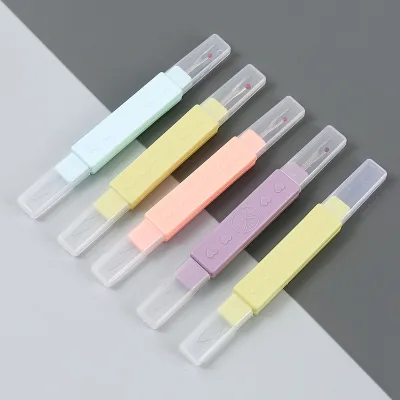
Jinhua Jinxiang Trading Co., Ltd.
- Verified by TüVRheinland
- Trading Company
- Lead time15 days
- Avg. response≤ 2h
Main productsHome Handmade Sewing Accessories
Main marketsNorth America(50%), Western Europe(30%), South America(20%)
- Trading Company
- Zhejiang, China
- Lead time15 days
- Avg. response≤ 3h
Main productsSewing notions,Needlework,cross stitch accessory,Knitting tools,embroidery scissors
Main marketsNorth America(60.00%), Northern Europe(15.00%), Eastern Europe(10.00%), Oceania(10.00%), Western Europe(5.00%)

NINGBO HOBA INTERNATIONAL TRADING CO., LTD.
- Verified by BV
- Trading Company
- China Zhejiang
- Lead time30 days
Main productsThread, Button, Lace Tape, Zipper, Hot Fix Stone, Crystal, Rope, Jewelry Accessory, Ribbon, Reflecting Material
Main marketsSouth America,Africa,Southeast Asia/ Mideast,East Asia(Japan/ South Korea),Europe,Australia,North America
Shijiazhuang Aijia Crafts Co., Ltd.
- Trading Company
- Hebei, China
- Lead time10 days
- Avg. response≤ 1h
Main productsEmbroidery Kit,Punch needle kit,Latch hook kits,Crochet kit,Woven Bag Kit
Main marketsNorth America(20.00%), Oceania(20.00%), South America(15.00%), Eastern Europe(10.00%), Africa(5.00%), Northern Europe(5.00%), Western Europe(5.00%), Eastern Asia(5.00%), Mid East(5.00%), Southern Europe(5.00%), Domestic Market(5.00%)
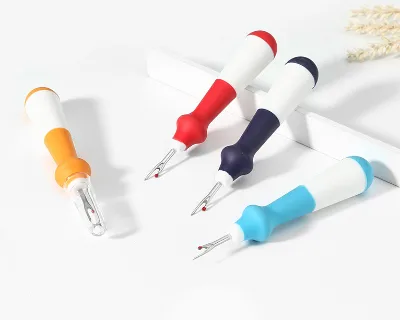
$0.26 - $0.36
MOQ: 100 Minimum
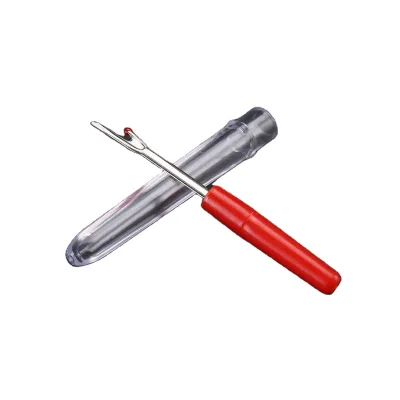
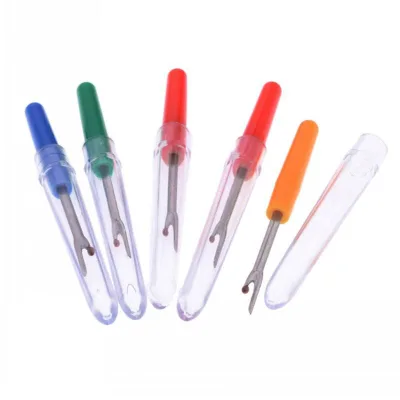
Handy Stitch Ripper ,Thread Unpicker Sewing Tools for Crafting Removing Hems and Seams, Seam Ripper
$0.07 - $0.12
MOQ: 100 pieces
Yiwu Bingqiang Trading Co., Ltd.
- Verified by SGS Group
- Manufacturer, Trading Company
- Lead time15 days
- Avg. response≤ 4h
Main productssewing needle, , safety pin, , scissor, awl, crochet hook, Tailor's chalk
Main marketsDomestic Market(40%), North America(30%), Eastern Europe(10%)
- Trading Company
- Zhejiang, China
- Lead time5 days
- Avg. response≤ 19h
Main productsSewing Machine Parts,Presser Foot,Hook,Needle,bobbin
Main marketsDomestic Market(7.14%), South Asia(7.14%), Southern Europe(7.14%), Northern Europe(7.14%), Central America(7.14%), Western Europe(7.14%), Eastern Asia(7.14%), Mid East(7.14%), Oceania(7.14%), Africa(7.14%), Southeast Asia(7.14%), Eastern Europe(7.14%), South America(7.14%), North America(7.14%)

Wuxi Wonderful Import & Export Co., Ltd.
- Verified by TUVRHEINLAND
- Trading Company
- China Jiangsu
- Lead time30 days
Main productsHome & Garden Products
Main marketsSouth America,Southeast Asia/ Mideast,Europe,Australia,North America

Ningbo Liberty Port Textile Co., Ltd.
- Combined
- China Zhejiang
- Lead time15 days
Main productsSnap Button, Snap Fastener Set, Sewing Notions, Rotary Cutter, Cutting Mat, DIY Crafts, Storage Series, Knitting Needles, Crochet Hook, Zipper
Main marketsSouth America,Southeast Asia/ Mideast,East Asia(Japan/ South Korea),Europe,North America
Xinxiang Hongqi District Huafeiwu Import And Export Trade Co., Ltd.
- Trading Company
- Henan, China
- Lead time0 days
- Avg. response≤ 3h
Main productsHome decor,Kitchenware,Garden Supplies
Main marketsSoutheast Asia(20.00%), Mid East(20.00%), South Asia(20.00%), Africa(10.00%), Eastern Asia(10.00%), Northern Europe(10.00%), Domestic Market(10.00%)
Dongyang Hulu Town Jinlei Joint Distribution Firm
- Trading Company
- Zhejiang, China
- Lead time0 days
- Avg. response≤ 5h
Main productsPresser Foot,Assorted Gauge Sets,Zig Zag Foot,Frilled Tube,Brother
Main marketsSouth Asia(70.00%), Eastern Europe(20.00%), Southeast Asia(10.00%)

HEBEI BEIBU MACHINERY TECHNOLOGY CO., LTD.
- Verified by SGS
- Trading Company
- China Hebei
- Lead time15 days
Main productsGrain Cleaning Machine, Agro Cleaning Machine, Sesame Cleaning Machine, Soybean Cleaning Machine, Oil Making Machine, Soybean Oil Machine, Sesame Oil Machine, Peanut Shelling Machine, Peanut Butter Making Machine, Sesame Peeling Machine
Main marketsSouth America,Africa,Southeast Asia/ Mideast,Europe,North America

Shenzhen Elitime Technology Co., Ltd.
- Manufacturer, Trading Company, Agent
- Guangdong, China
- Lead time15 days
- Avg. response≤ 4h
Main productsFalse eyelashes,Makeup Brushes,Earrings,nacklaces,rings
Main marketsNorth America(16.00%), Eastern Europe(15.00%), South America(12.00%), Southeast Asia(10.00%), Mid East(8.00%), Eastern Asia(8.00%), Africa(8.00%), Western Europe(5.00%), Southern Europe(5.00%), Oceania(4.00%), Central America(4.00%), South Asia(2.00%), Northern Europe(2.00%), Domestic Market(1.00%)
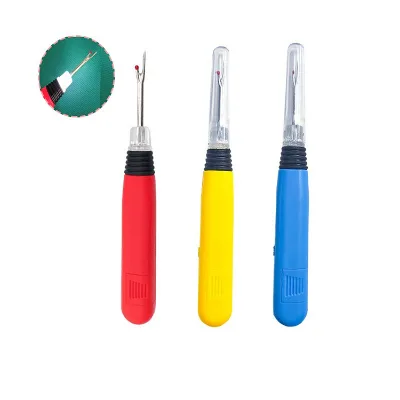
$1.10 - $1.30
MOQ: 20 pieces

Ningbo Sinobest Textile Company Limited
- Trading Company
- China Zhejiang
- Lead time30 days
Main productsSewing Threads, Embroidery Threads, Garments Trimmings, Sewing Accessories, Embroidery Accessories, Tailor's Materials
Main marketsSouth America,Europe,North America

- Manufacturer, Trading Company
- Shanghai, China
- Lead time20 days
- Avg. response≤ 4h
Main productsFabric Marker,Fashion Design Ruler,Patchwork Quilting Ruler,Sew Accessories,Pilot Supplies
Main marketsWestern Europe(20.00%), Eastern Asia(20.00%), South America(20.00%), North America(20.00%)
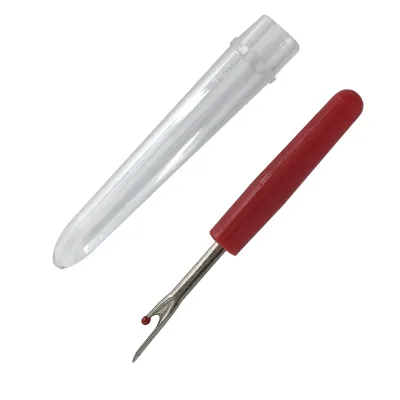
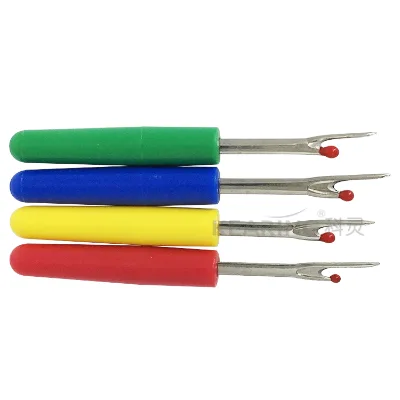
Best Sell High-Quality Seam Ripper Sewing Tools Sewing Supplies Wholesale for Tailors #SR110
$0.16 - $0.33
MOQ: 2 pieces

TAIZHOU FOXSEW SEWING MACHINE CO., LTD.
- Trading Company,Manufacturer/Factory
- China Zhejiang
- Lead time23 days
Main productsSpecial Sewing Machine, Heavy Duty Sewing Machine, Programmable Pattern Sewing Machine, Mattress Sewing Machine, Shoes Sewing Machine, Zigzag Sewing Machine, Carpet Sewing Machine, Industrial Sewing Machine, Cutting Machine, Tape Cutting Machine
Main marketsSouth America,Eastern Europe,Mid East,North America,Southeast Asia,Eastern Asia,Oceania,Western Europe,Africa

Lanxi Sange Industry Co., Ltd.
- Verified by TUVRHEINLAND
- Trading Company
- China Zhejiang
- Lead time15 days
Main productsLace, Lace Fabric, Cotton Lace, Chemical Lace, Fringe Tassel, Tassel Fringe, Garment Accessories, Chainette Fringe, Embroidery Lace, Crochet Lace
Main marketsSouth America,Africa,Others(foreignTradeCapacity.exportBusinessCapacityMarketOther),Southeast Asia/ Mideast,Europe,North America

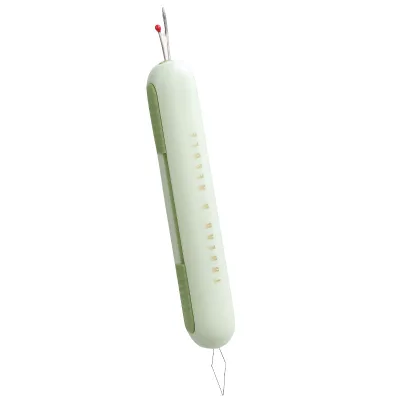
Double Head Needle Threader Stitch Ripper Seam Threader Iron Wire DIY Sewing
$0.13 - $0.50
MOQ: 2 Pieces

Shenzhen Pinzwin Tech Co., Ltd.
- Manufacturer, Distributor/Wholesaler
- Guangdong, China
- Lead time5 days
- Avg. response≤ 1h
Main productsTool Storage Bag,Manicure Tool Set,Beauty Accessories,Sewing Kit,Pedicure Tool Set
Main marketsNorth America(40.00%), Eastern Europe(20.00%), South America(20.00%), Western Europe(10.00%), Domestic Market(5.00%), Mid East(3.00%), Oceania(2.00%)

XIAMEN ZHENG LIMING METALLURGICAL MACHINERY CO., LTD.
- Verified by TUVRHEINLAND
- Combined
- China Fujian
- Lead time45 days
Main productsRoll Forming Machine, PU Sandwich Panel Production Line, Steel Framing System Production Line
Main marketsSouth America,Africa,Southeast Asia/ Mideast,East Asia(Japan/ South Korea),Domestic,Europe,Australia,North America

Yingkou Northern Steel Drum Manufacturing Equipment Technology Co., Ltd.
- Combined
- China Liaoning
- Lead time180 days
Main productsSteel Drum Making Machine, Steel Drum Production Line, Steel Drum Making Equipment, Drum Machine, 55 Gallon Drum Equipment, Automatic Welding Machine, Seaming Machine, Steel Barrel Machine, Barrel Making Equipment, Barrel Production Line
Main marketsSouth America,Southeast Asia/ Mideast,Domestic


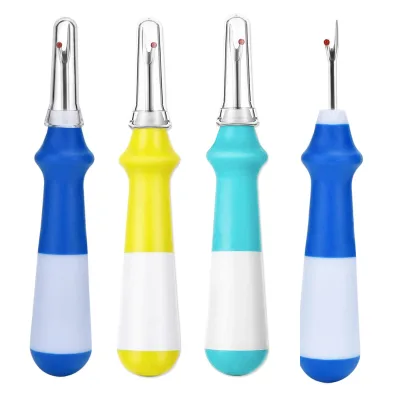
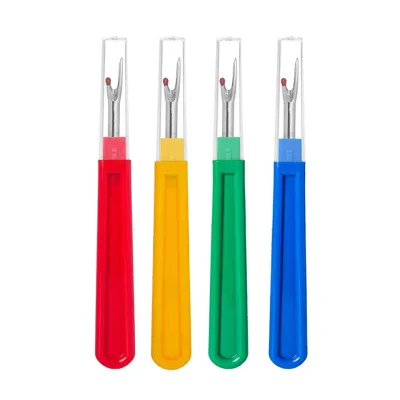
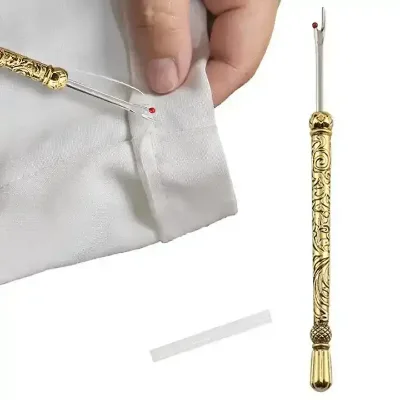
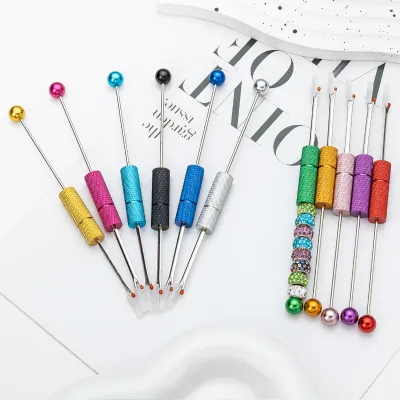








Comprehensive Sourcing Guide
Portable Colorful Seam Ripper Supplier Concentration and Factory Types
Current data indicates that suppliers for Portable Colorful Seam Ripper tools are concentrated in specific Chinese provinces, with Guangdong and Jiangsu appearing as primary locations for these manufacturers. In Guangdong, the supply chain often involves trading companies that aggregate products like leather tools and hardware, while Jiangsu-based entities frequently list hand tools and outdoor equipment as their main product categories. These regional clusters suggest that buyers should expect a mix of direct factories and trading firms depending on the specific province identified in the search results. The presence of trading companies in these areas implies that some suppliers may not manufacture the items in-house but instead source them from other facilities within the same region to fulfill orders.
When evaluating the factory types, buyers must distinguish between pure manufacturers and trading companies based on the company type field provided in the supplier profile. A trading company typically offers a broader range of products, such as crafts and household sundries, whereas a factory might focus more narrowly on specific tooling like seam rippers or sewing accessories. The evidence shows that some suppliers list main products including leather tools and hardware, which suggests a diversified manufacturing capability. Buyers should verify if the supplier's primary business aligns with the specific production of portable seam rippers rather than relying solely on the availability of related items in their catalog.
How to Verify Portable Colorful Seam Ripper Suppliers
Verification of Portable Colorful Seam Ripper suppliers requires a careful examination of the response time and lead time metrics provided in the supplier profile. A response time of three days or four days indicates the speed at which a supplier communicates, which is a critical factor for maintaining project timelines. Buyers should prioritize suppliers with faster response times to ensure that inquiries regarding product specifications, such as size or color options, are addressed promptly. Additionally, the lead time, which can range from fifteen to thirty days, serves as a key indicator of the supplier's production capacity and logistical efficiency. A shorter lead time often suggests a more streamlined operation, while a longer lead time may indicate higher demand or more complex manufacturing processes.
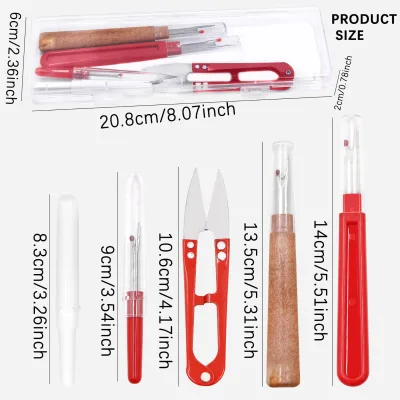
Beyond response and lead times, buyers must scrutinize the product evidence to confirm that the supplier can meet specific quality and customization requirements. The product attributes often include details like material composition, such as plastic or resin, and specific dimensions like 6.7cm or 14cm lengths. Buyers should verify that the listed attributes match their exact needs, particularly regarding color options which can range from standard white to multi-colored sets. It is also essential to check the brand name and model number fields to ensure the supplier has a track record of producing consistent items. If the evidence shows a lack of specific brand names or generic descriptions, buyers should request samples to validate the quality before committing to a larger order.
What to Compare Across Portable Colorful Seam Ripper Suppliers
Comparing suppliers involves analyzing the minimum order quantity (MOQ) and price ranges to determine the best fit for the buyer's budget and volume needs. The data shows that MOQs can vary significantly, with some suppliers requiring as few as five pieces while others demand 50 or even 200 pieces. This variation allows buyers to select suppliers that align with their inventory strategy, whether they are looking for small trial batches or large-scale procurement. Price comparisons should also consider the minimum and maximum price points, which can range from approximately $0.11 to $1.43 per unit depending on the product features and packaging. Buyers must calculate the total cost of ownership, including shipping, to ensure the unit price remains competitive.
In addition to cost and volume, buyers should compare the main products and company types to assess the supplier's specialization and reliability. Suppliers listing main products like hand tools, car tools, or garden tools may have broader expertise but might not specialize in sewing accessories. Conversely, suppliers focusing on needlework and household sundries might offer more specialized seam ripper products. The company type, whether a trading company or a manufacturer, also influences the comparison, as trading companies might offer more flexibility in sourcing different items. Buyers should create a comparison matrix that includes these dimensions to make an informed decision based on their specific sourcing requirements and risk tolerance.
Common Portable Colorful Seam Ripper Sourcing Risks
One significant risk in sourcing Portable Colorful Seam Ripper tools is the potential mismatch between the advertised product attributes and the actual delivered goods. The product evidence often lists specific sizes, colors, and materials, but without physical verification, there is a risk that the final shipment may differ from the description. For instance, a supplier might list a product as having a plastic handle, but the actual material could vary in quality or durability. Buyers should mitigate this risk by requesting detailed product photos or samples that clearly show the color variations and material texture before placing a large order. This step ensures that the product meets the expected standards for the intended market.
Another risk involves the reliability of the supplier's lead time and response capabilities, which can impact the overall supply chain efficiency. If a supplier promises a lead time of fifteen days but consistently delivers later, it can disrupt production schedules and inventory planning. The response time is also a critical indicator of how quickly a supplier can address issues or changes in the order. Buyers should be cautious of suppliers with longer response times or inconsistent lead times, as these can signal underlying operational challenges. To manage this risk, buyers should establish clear communication channels and set realistic expectations regarding delivery dates and order modifications.
Portable Colorful Seam Ripper Regional Sourcing and Logistics
Regional sourcing for Portable Colorful Seam Ripper tools is heavily influenced by the location of the suppliers, with Guangdong and Jiangsu being the primary hubs identified in the current data. Suppliers in Guangdong often have access to a robust logistics network, which can facilitate faster shipping and better handling of international orders. In contrast, suppliers in Jiangsu may have different logistical advantages, such as proximity to major ports or specialized transportation routes. Buyers should consider the location of the supplier when planning their logistics strategy, as the distance and shipping methods can significantly impact the total cost and delivery time. Understanding the regional strengths of each location helps in selecting the most efficient supply chain partner.
Logistics planning also requires attention to the packaging and weight specifications provided in the product evidence. The data indicates that single package sizes can vary, with some items weighing as little as 17 grams while others are heavier due to additional components like LED lights or multiple pieces in a set. These factors influence the shipping volume and cost, which buyers must account for in their budgeting. Buyers should verify the single package size and weight to ensure that the shipping method chosen is appropriate for the product dimensions. Additionally, understanding the place of origin helps in navigating customs regulations and import duties, which can vary by region and affect the final landed cost of the goods.
Portable Colorful Seam Ripper Commercial Terms and Order Planning
Commercial terms for Portable Colorful Seam Ripper orders often include specific details about payment methods, shipping terms, and customization options. The product evidence shows that some suppliers offer OEM and ODM services, allowing buyers to customize the product with their own branding or design specifications. This flexibility is crucial for buyers looking to create a unique product line or private label. Buyers should clarify the terms of customization, including any additional costs or minimum order quantities required for custom orders. Understanding these commercial terms helps in negotiating favorable conditions and ensuring that the supplier can meet the buyer's specific branding needs.
Order planning must also consider the establishment year and the overall stability of the supplier, although this information is not always explicitly provided in the current data. Buyers should look for indicators of supplier longevity, such as a long history of positive transactions or a consistent track record in the market. The response time and lead time metrics serve as proxies for the supplier's operational stability, with faster response times often correlating with more reliable operations. Buyers should plan their orders well in advance to accommodate the lead times and ensure that they have sufficient inventory to meet market demand. By carefully planning the order timeline and understanding the commercial terms, buyers can minimize risks and ensure a smooth procurement process.
FAQs
What is the price range for portable seam rippers?
Portable seam ripper prices typically range from $0.11 to $1.43 per unit. Basic plastic models start around $0.11 with a minimum order of five pieces. More complex resin or LED-equipped tools cost approximately $1.27 to $1.43. Prices vary based on material quality, handle design, and included accessories like threaders or magnets.
What are the minimum order quantities for these tools?
Minimum order quantities vary significantly by product type. Simple plastic seam rippers often require a low MOQ of just five pieces. Standard sets may require fifty units. Some suppliers offer bulk options with an MOQ of two hundred pieces. Buyers should check specific product listings to confirm the exact minimum quantity required for their order size.
Where are these seam ripper suppliers located?
Suppliers for portable seam rippers are primarily located in Guangdong and Jiangsu provinces in China. Some products originate from Anhui province. These regions are known for manufacturing hand tools and hardware. Buyers can filter search results by these specific locations to find suppliers with established manufacturing capabilities and logistics networks in these areas.
How long does production take for these items?
Production lead times generally range from fifteen to thirty days. Some suppliers offer faster turnaround times for standard items. Buyers should confirm specific lead times with the supplier before placing an order. Rush orders may incur additional costs. Planning for a thirty-day lead time ensures timely delivery for larger bulk orders or custom manufacturing requirements.
What materials are used for the handles?
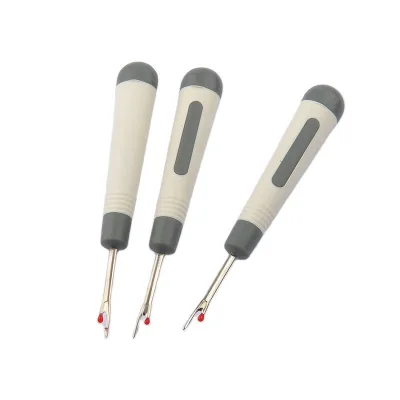
Handles are commonly made from plastic, resin, or foldable plastic materials. Some models feature resin handles for durability and comfort. Others use standard plastic for cost-effectiveness. Materials are selected based on the intended use, whether for household sewing or industrial applications. Buyers can choose based on preferred grip feel and aesthetic design options.
Can I get custom branding on these tools?
Many suppliers offer OEM and ODM customization services for seam rippers. Buyers can request custom branding, packaging, or specific color options. Some products explicitly support custom logo printing or unique handle designs. Minimum order quantities may apply for custom orders. Buyers should contact suppliers directly to discuss specific branding requirements and associated costs.
What colors are available for these seam rippers?
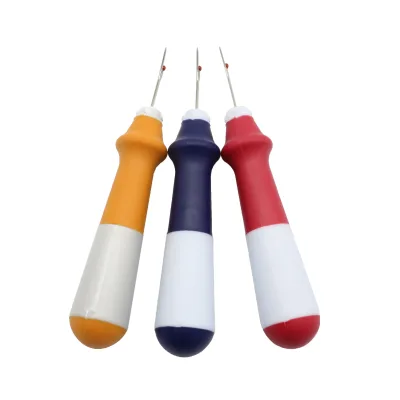
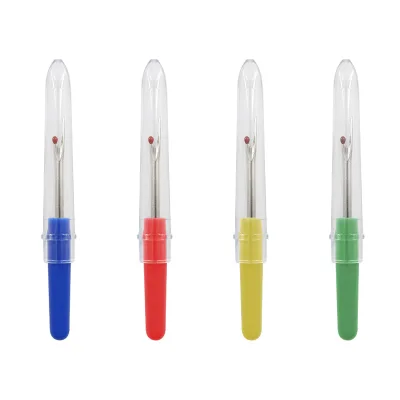
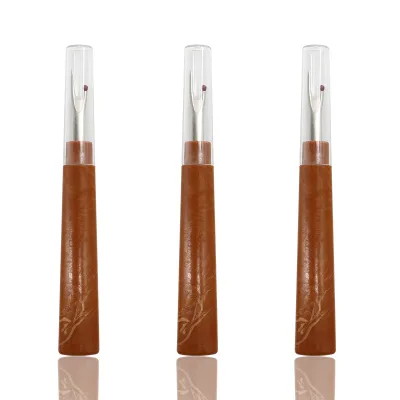
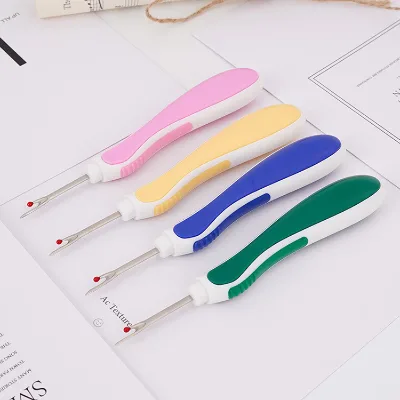
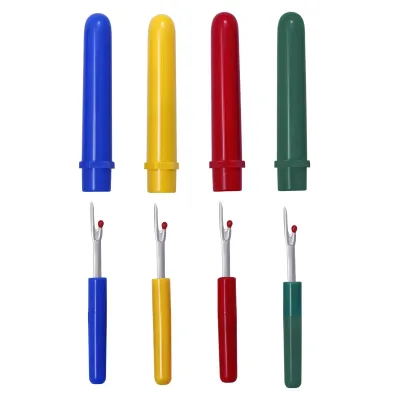
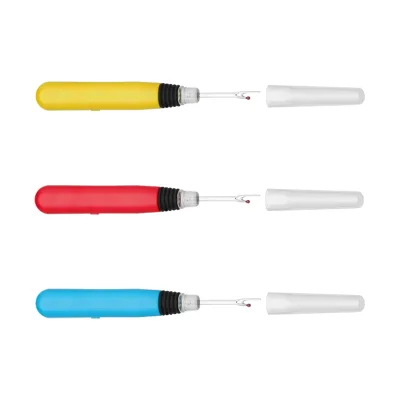
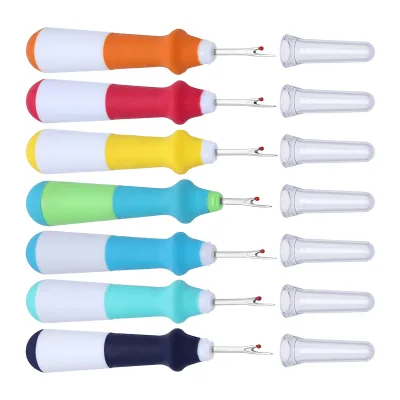
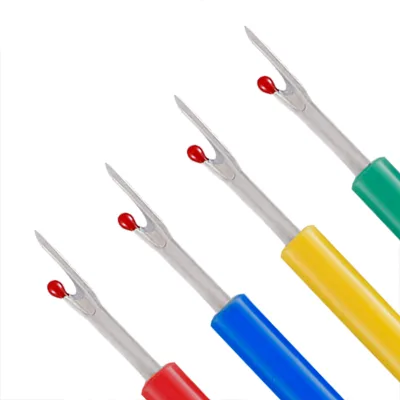
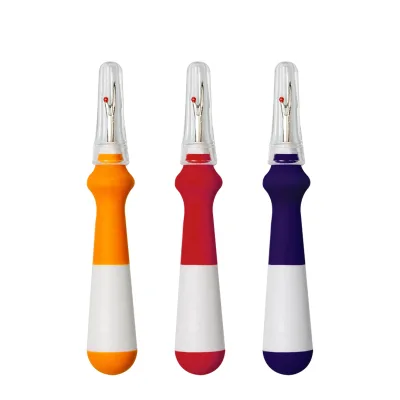
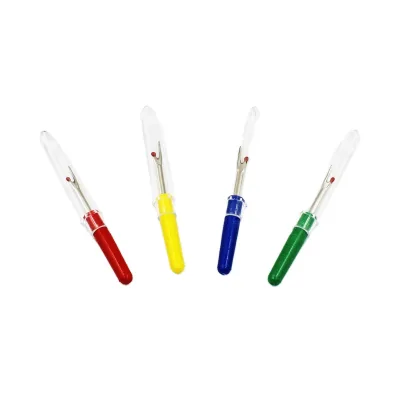
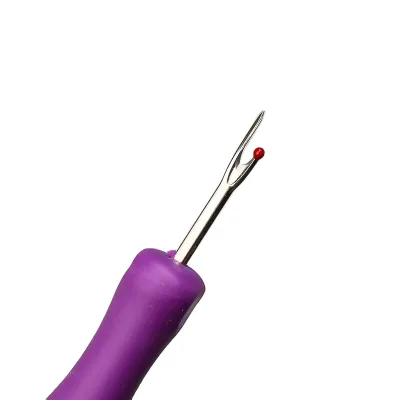
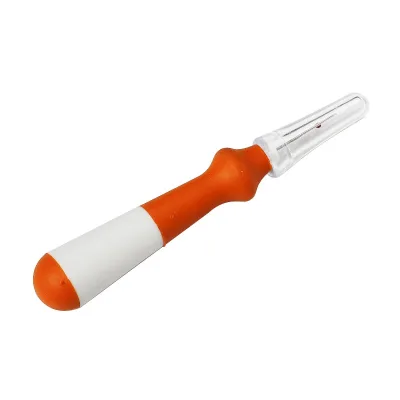
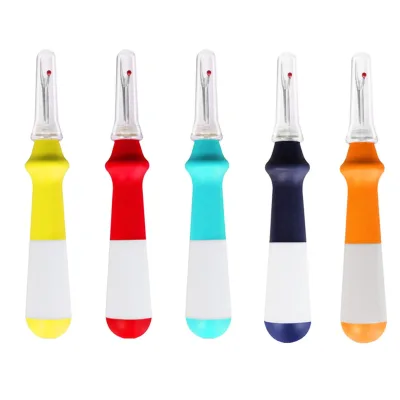
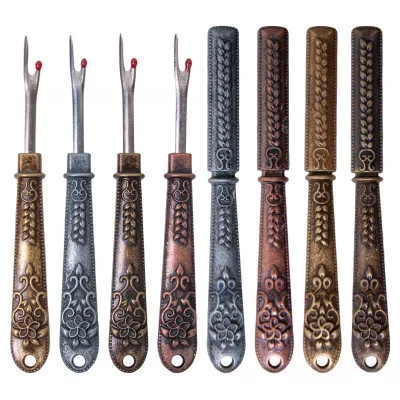
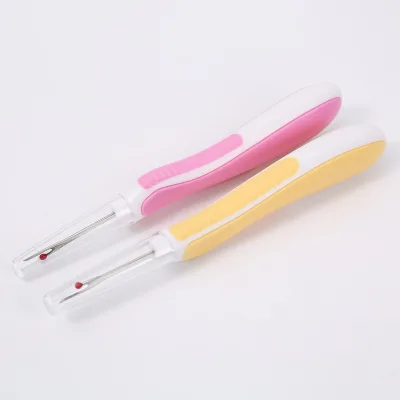
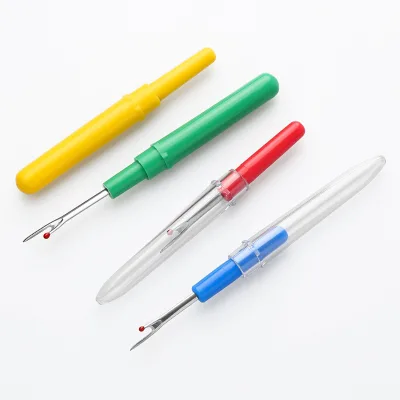
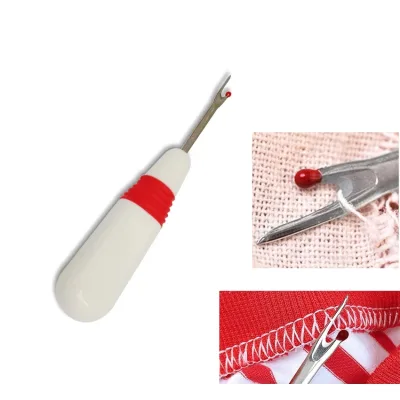
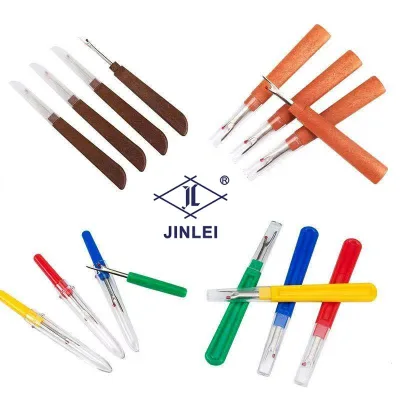
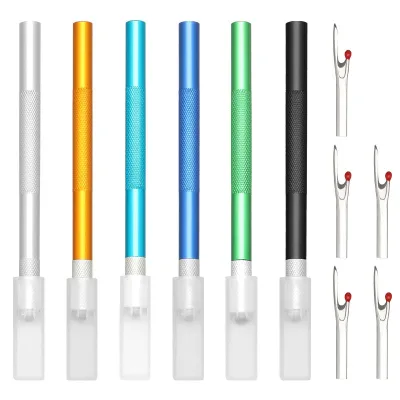
Portable seam rippers are available in various colors including white, red, blue, yellow, green, and brown. Some models offer multi-color combinations or specific color schemes like blue and yellow. Resin handles may feature floral patterns or solid colors. Buyers can select colors based on aesthetic preferences or branding requirements. Custom color options may be available for larger orders.