Pure Silver Cosmetic Grade Sequins Suppliers and Manufacturers
Compare 20 verified suppliers offering Pure Silver Cosmetic Grade Sequins with details on location, lead times, and certifications. Review product specifications and response times to select a partner, then request samples for verification; review the available evidence before requesting comparable quotations from suitable candidates.
Updated
Suppliers List

Guangzhou fulfill garment accessories ltd
- Verified by Intertek
- Trading Company
- Guangdong, China
- Lead time25 days
- Avg. response≤ 2h
Main productsApparel & Garments, Knitted & Woven Fabric, Lace Trim Fabric, Garment Packaging Kit, Embroidered Patch
Main marketsWestern Europe(16.00%), Eastern Asia(16.00%), Mid East(16.00%), South America(16.00%), North America(16.00%), Domestic Market(4.00%), Oceania(2.00%), South Asia(2.00%), Southern Europe(2.00%), Northern Europe(2.00%), Central America(2.00%), Africa(2.00%), Southeast Asia(2.00%), Eastern Europe(2.00%)
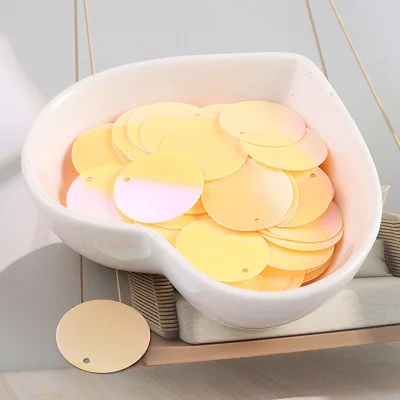
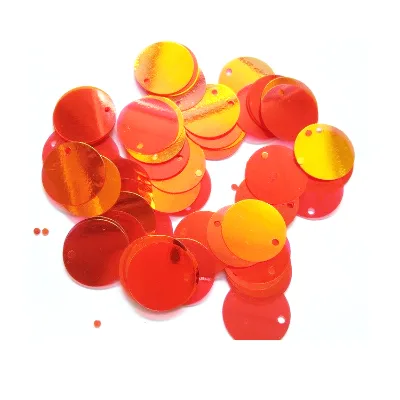
6mm-50mm Round Sequins Garment Sequins
$2.30 - $10.00
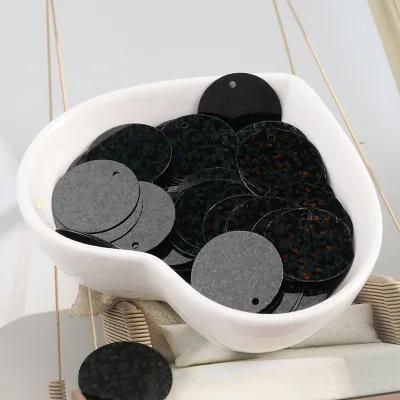
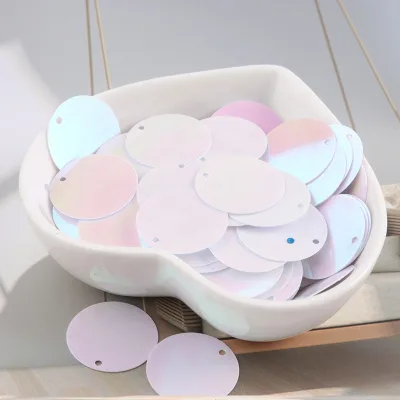
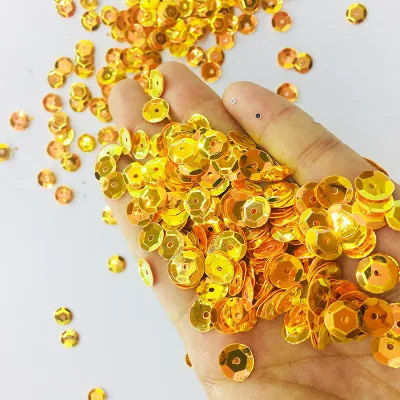
Mixed Color Low MOQ Sequins PET Material Loose Sequin for Dress/wedding
$6.6661 - $10.2545
MOQ: 1 kilograms
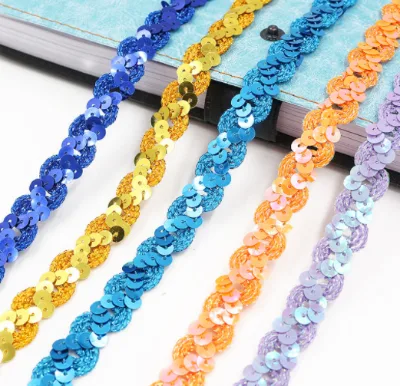
1.5CM Wide Wave Sequins Strip Beads With Performance Clothing Sequins Lace for Sequin Dress
$0.1542 - $0.3084
MOQ: 30 yards

Brilliant Ocean Trading (Yiwu) Co., Ltd.
- Trading Company
- China Zhejiang
- Lead time30 days
- Avg. response≤ 19h
Main productsCloth Accessories, Glitter Powder, Hand Bag, Jewelry Accessories, Metallic Yarn, Hardware, Party Supplies, Extension Socket, Shopping Bag, Plush Toy
Main marketsSouth America,Southeast Asia/ Mideast

- Verified by SGS
- Combined
- China Jiangsu
- Lead time15 days
- Avg. response≤ 6h
Main productsPearl Pigments, Pearlescent Pigments, Aluminium Pigments, Mica Powders, Chameleon Pigments, Glitters, Thermochromic Pigments, Fluorescent Pigments, Glow in Dark Powders, Photochromic Pigments
Main marketsEurope,Australia,North America


Shinning Crystal Diamonds Nail Sequins Flash Pigment Dust Manicures Decoration
$10.00 - $100.00
MOQ: 1 kg


Dongguan City Best Craftwork Products Co., Ltd.
- Verified by SGS Group
- Manufacturer, Trading Company
- Lead time12 days
- Avg. response≤ 6h
Main productsGlitter, Glitter Paper, Sequin, Glitter Fabric, Hot Stamping Film
Main marketsNorth America(45%), Domestic Market(30%), Western Europe(20%)
Shenzhen Crystal Magia Garment Accessory Co., Ltd.
- Trading Company
- Guangdong, China
- Lead time4 days
- Avg. response≤ 2h
Main productsrhinestone,acrylic stone,DTF transfer,rhinestone motif,resin stone
Main marketsCentral America(15.00%), Eastern Europe(15.00%), Western Europe(15.00%), North America(15.00%), South America(10.00%), Northern Europe(10.00%), Southeast Asia(5.00%), Oceania(5.00%), Southern Europe(5.00%), Mid East(2.00%), Africa(2.00%)

NINGBO HOBA INTERNATIONAL TRADING CO., LTD.
- Verified by BV
- Trading Company
- China Zhejiang
- Lead time30 days
- Avg. response≤ 3h
Main productsThread, Button, Lace Tape, Zipper, Hot Fix Stone, Crystal, Rope, Jewelry Accessory, Ribbon, Reflecting Material
Main marketsSouth America,Africa,Southeast Asia/ Mideast,East Asia(Japan/ South Korea),Europe,Australia,North America
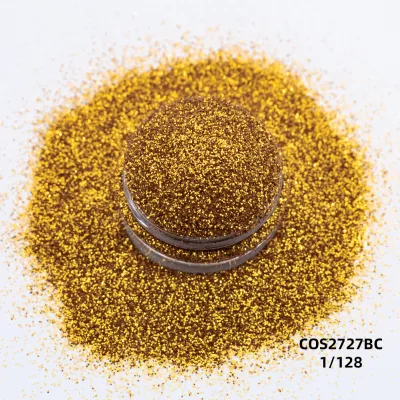
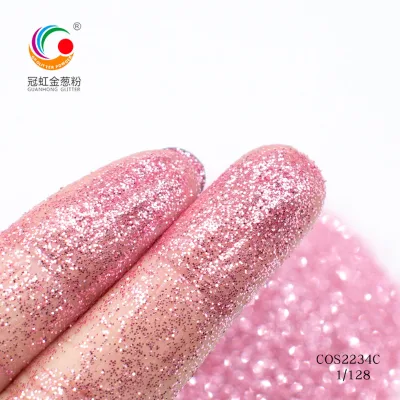
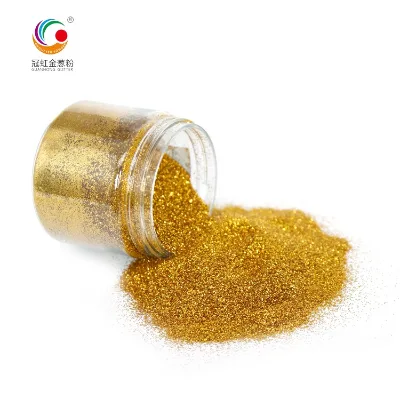
Guangdong Guanhong Glitter Technology Co., Ltd.
- Manufacturer, Trading Company
- Guangdong, China
- Lead time7 days
- Avg. response≤ 2h
Main productsGlitter Powder
Main marketsDomestic Market(80.00%), North America(5.00%), Western Europe(4.00%), South Asia(3.00%), Southeast Asia(3.00%), Eastern Europe(2.00%), South America(1.00%), Oceania(1.00%), Africa(1.00%)
$4.3129 - $20.0164
MOQ: 1 Minimum
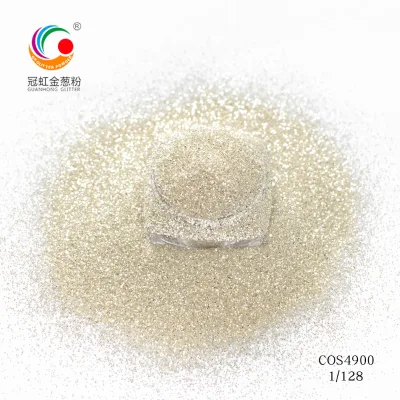
- Verified by SGS Group
- Manufacturer, Trading Company
- Lead time30 days
- Avg. response≤ 2h
Main productsLipstick, Blusher, Mascara, Eye shadow, Anti slip chain for car
Main marketsNorth America(40%), Western Europe(30%), Eastern Europe(20%)

Anhui I-Sourcing International Co., Ltd.
- Verified by CTI
- Trading Company
- China Anhui
- Lead time15 days
- Avg. response≤ 9h
Main productsGlitter Powder, Pearl Pigment, Mica Powder, Pearlescent Pigment, Luminous Pigments, Photochromic Pigment, Thermochromic Pigment, Glow in Dark Pigment, Resin
Main marketsSouth America,Africa,Southeast Asia/ Mideast,East Asia(Japan/ South Korea),Domestic,Europe,Australia,North America

Lanxi Sange Industry Co., Ltd.
- Verified by TUVRHEINLAND
- Trading Company
- China Zhejiang
- Lead time15 days
- Avg. response≤ 17h
Main productsLace, Lace Fabric, Cotton Lace, Chemical Lace, Fringe Tassel, Tassel Fringe, Garment Accessories, Chainette Fringe, Embroidery Lace, Crochet Lace
Main marketsSouth America,Africa,Others(foreignTradeCapacity.exportBusinessCapacityMarketOther),Southeast Asia/ Mideast,Europe,North America


High Quality 17cm 42 Colors Thickness Shiny Paillette Sequins Lace Fringe Tassel for Dress
$1.80 - $2.67
MOQ: 10 Meters

Changzhou Hali Chemical Co., Ltd.
- Trading Company
- Jiangsu, China
- Lead time7 days
- Avg. response≤ 3h
Main productsthermochromoic pigment,chameleon pigment,photochromic pigment,pearl pigment,glow in dark pigment
Main marketsCentral America(22.00%), Domestic Market(10.00%), Mid East(10.00%), South America(10.00%), Southeast Asia(6.00%), Southern Europe(6.00%), South Asia(5.00%), Africa(5.00%), Northern Europe(5.00%), North America(5.00%), Western Europe(5.00%), Eastern Asia(5.00%), Eastern Europe(5.00%), Oceania(1.00%)

Shaoxing Shaoying Import and Export Co., Ltd.
- Verified by SGS
- Combined
- China Zhejiang
- Lead time30 days
- Avg. response≤ 6h
Main productsSequin Fabric, Embroidered Fabric, African-Style Fabrics, Fashionable Fabric, Beaded Fabric, Children's Clothing Fabric, Cotton Fabric with Embroidery, Fashion Trend, Heavy-Duty Fabric, Light and Breathable Arab-Style Fabric
Main marketsOthers(foreignTradeCapacity.exportBusinessCapacityMarketOther),Southeast Asia/ Mideast
Chaozhou City Chaoan Fuyang Daguangming Bead Product Factory
- Manufacturer, Trading Company
- Guangdong, China
- Lead time10 days
- Avg. response≤ 4h
Main productssequins,plastic beads,acrylic beads,imitation pearl,festival decoration
Main marketsNorth America(30.00%), Southern Europe(20.00%), Western Europe(20.00%), Eastern Asia(15.00%), South America(15.00%)
Guangzhou Korlex Information Technology Co., Ltd.
- Verified by Intertek
- Trading Company
- Lead time3 days
- Avg. response≤ 2h
Main productsChameleon Powder, Aurora Powder, Magnetic Powder, Pearl Mica Pigment, Glitter Powder
Main marketsNorth America(30%), Domestic Market(21%), South America(12%)
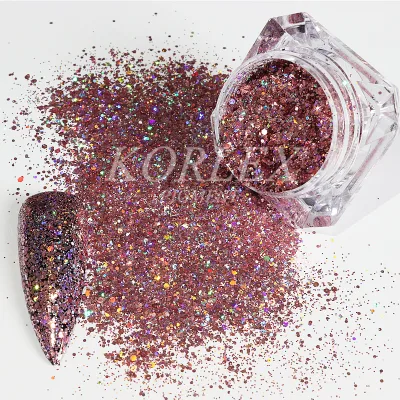
Color Shift Acrylic Clear Powder Chunky Lase Holographic Glitter Craft Sequins
$0.05 - $0.20
MOQ: 1 pieces
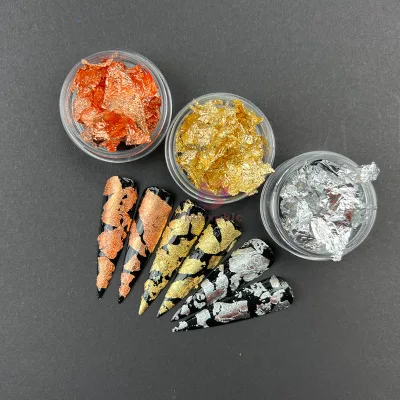
Gold Silver Rose Gold Leaf Sequins Tin Foil Glitter Pigment Platinum Flakes
$0.11 - $0.15
MOQ: 20 pieces
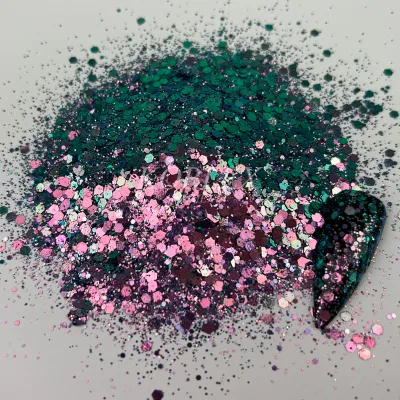
High Quality Bulk Craft Eyeshadow Powder Chameleon Loose Chunky Glitter Sequins
$0.10 - $0.80
MOQ: 1 pieces
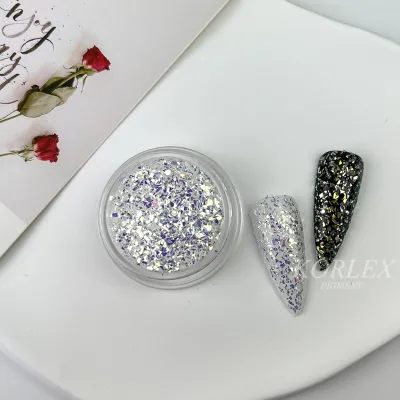
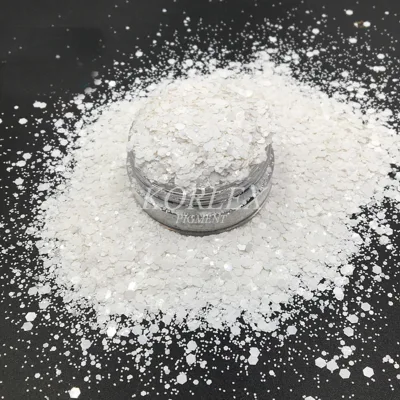
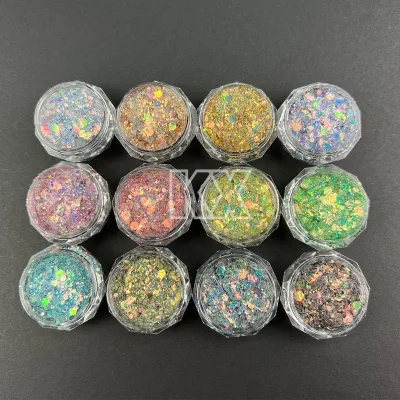
Pearl Iridescent Neon Industrial Fine Diamond Sequins Powder Bulk Craft Glitter Powder
$0.10 - $0.30
MOQ: 1 pieces
Guangzhou Diandian Jewelry Co., Ltd.
- Verified by TüVRheinland
- Trading Company
- Lead time15 days
- Avg. response≤ 2h
Main products3D Three-dimensional Flowers, Lace, Zhangzi Embroidery, Lace Barcode, Heat Transfer Printing
Main marketsNorth America(15%), Mid East(15%), Eastern Asia(15%)
- Verified by TüVRheinland
- Manufacturer, Trading Company
- Lead time14 days
- Avg. response≤ 8h
Main productsPearlescent Pigments, Chameleon Pigments, Mica Powders, Glitters, Cosmetic Oxides And Fillers
Main marketsNorth America(57%), Western Europe(14%), Central America(7%)

Hangzhou Phobor Technology Co., Ltd.
- Combined
- China Zhejiang
- Lead time23 days
- Avg. response≤ 11h
Main productsPearl Pigment
Main marketsSoutheast Asia/ Mideast,Europe,North America

Henan Capitals Industrial Co., Ltd.
- Trading Company
- Henan, China
- Lead time25 days
- Avg. response≤ 4h
Main productspearlescent pigment,loose pigment,mirror pigment,mica powder,beauty makeup
Main marketsWestern Europe(29.00%), North America(20.00%), Mid East(16.00%), Northern Europe(10.00%), Southern Europe(6.00%), Eastern Asia(5.00%), Oceania(5.00%), South America(3.00%), Eastern Europe(3.00%), Southeast Asia(2.00%), Africa(1.00%)

Nanyang Kameleon New Material Technology Co., Ltd.
- Trading Company
- Henan, China
- Lead time15 days
- Avg. response≤ 7h
Main productspearlescent pigment,chameleon pigment,color change pigment,gold pearlescent pigment,color shift pigment
Main marketsNorth America(90.00%)
HANGZHOU TIANKAI NEW MATERIAL CO.,LTD
- Verified by SGS Group
- Trading Company
- Lead time15 days
- Avg. response≤ 7h
Main productsPigment, Dye, Resin, Fluorescent Pigment, Mica Powder
Main marketsNorth America(50%), Mid East(30%), South America(10%)
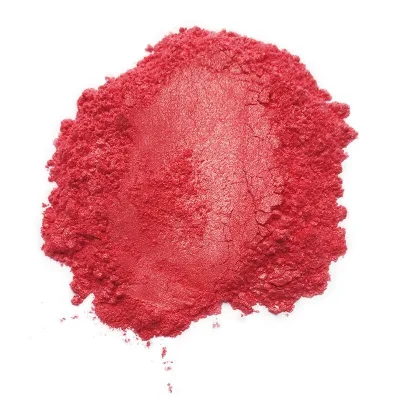
Cosmetic Grade Pearlescent Pigment Used in Lipstick Eyeshadow Nail Polish Pearl Powder
$10.4985 - $94.4817
MOQ: 1 Minimum
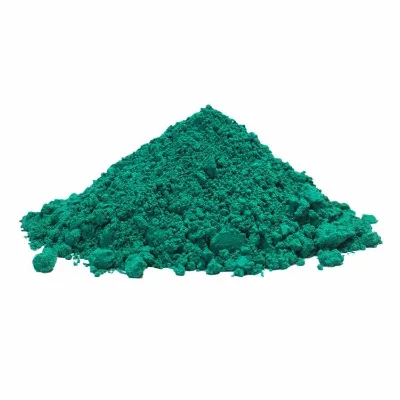
For Eyeshadow Soap Lipstick Cosmetic Pigment Powder Hydrated Chrome Green Pigment
$214.4423 - $265.4989
MOQ: 1 Minimum









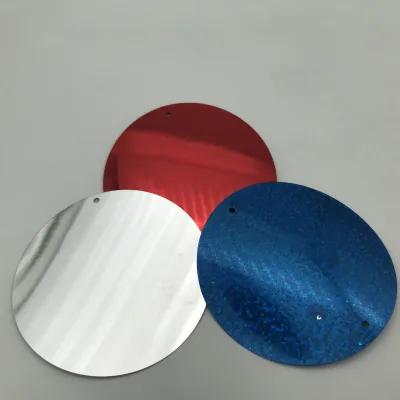
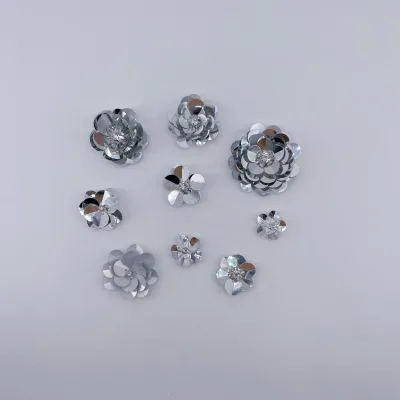
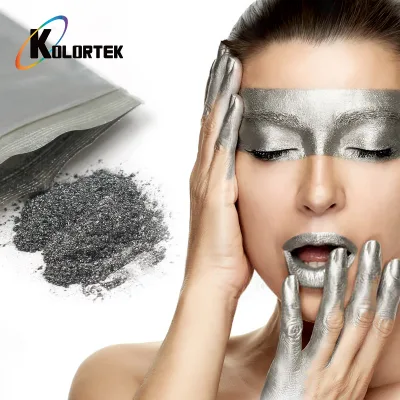
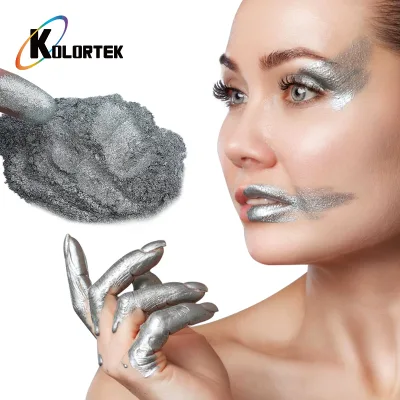


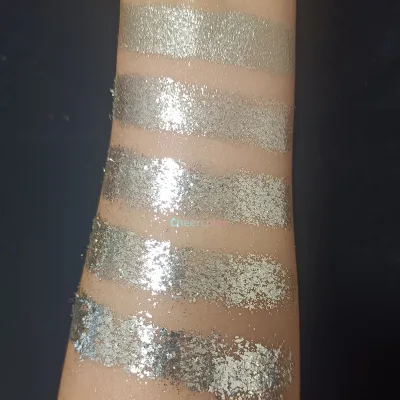
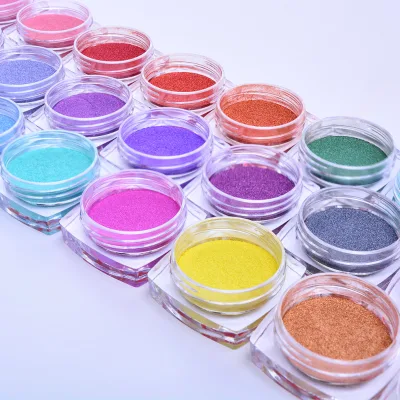
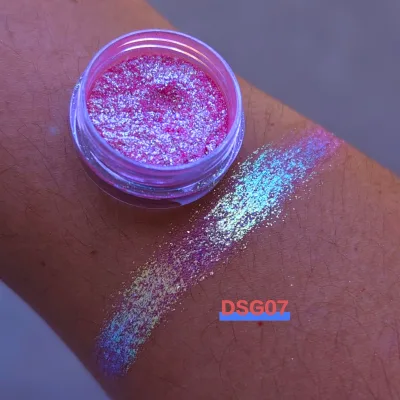
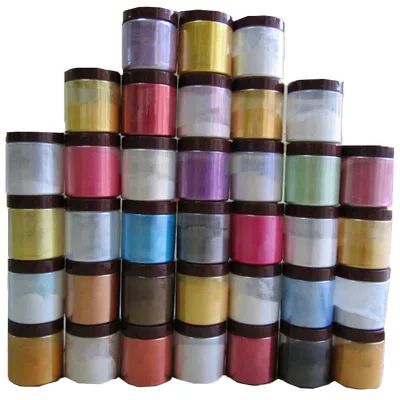
Comprehensive Sourcing Guide
Pure Silver Cosmetic Grade Sequins Supplier Concentration and Factory Types
Current search results indicate a concentration of suppliers in Guangdong, China, with additional presence noted in Zhejiang. These regions host a mix of trading companies and manufacturers specializing in apparel accessories, including sequins, lace trims, and garment packaging kits. The available data confirms that many entities in these clusters operate as trading companies, which often aggregate products from various factories rather than owning production lines directly. Buyers should verify whether a supplier is a direct manufacturer or a trading intermediary by examining their company type designation and main product lists. Some suppliers list broad categories like "Apparel & Garments" and "Knitted & Woven Fabric," suggesting a diversified inventory rather than a specialized focus on cosmetic-grade materials.
When evaluating factory types, it is critical to distinguish between entities that produce the base material and those that simply resell finished goods. The observed supplier profiles include those offering specific product attributes like "PVC/PET" materials and "Heat Resistance," which are relevant for cosmetic applications. However, the presence of "Trading Company" labels suggests that some suppliers may not control the entire production process. Buyers must investigate the supply chain depth to ensure the "Pure Silver Cosmetic Grade" specification is met at the source. Without explicit factory ownership data, the safest approach is to assume a trading model and request detailed production capability statements. This verification step ensures that the supplier can consistently deliver the specific material properties required for high-end cosmetic and garment applications.
How to Verify Pure Silver Cosmetic Grade Sequins Suppliers
Verification of supplier credentials is essential when sourcing specialized materials like cosmetic-grade sequins. The current data shows that some suppliers hold Intertek verification status and possess system certifications such as REACH and Oeko-Tex 100. These certifications are critical indicators of compliance with safety and environmental standards, particularly for products intended for cosmetic or close-contact applications. Buyers should prioritize suppliers who explicitly display these certifications in their profile, as they provide third-party validation of their quality control processes. However, the absence of these specific labels in a supplier's profile does not automatically disqualify them; it simply means the buyer must request proof of compliance directly. Always ask for current certification documents rather than relying solely on profile badges.
Beyond certifications, response time and verification status offer practical insights into supplier reliability. The observed data includes response times ranging from 2 hours to nearly 19 hours, which can indicate the efficiency of the sales team. A faster response time often correlates with better communication channels and a more active sales operation. Additionally, the presence of "is_verified" status by third parties like Intertek adds a layer of trust regarding the supplier's business legitimacy. Buyers should cross-reference these metrics with the supplier's main product list to ensure they specialize in the required items. If a supplier lists "Glitter Powder" or "Jewelry Accessories" alongside sequins, it suggests a broader focus that might dilute their expertise in cosmetic-grade specificities. Direct inquiry about their experience with cosmetic-grade materials is necessary to confirm their capability.
What to Compare Across Pure Silver Cosmetic Grade Sequins Suppliers
Comparing suppliers requires a systematic evaluation of key operational metrics such as lead time, minimum order quantity (MOQ), and pricing structures. The available data reveals significant variation in these areas, with lead times ranging from 15 days to 30 days and MOQs starting as low as 1 unit or as high as 30 yards per color. Buyers must align these figures with their own production schedules and inventory requirements. For instance, a supplier offering a 25-day lead time might be suitable for bulk orders, while one with a 15-day delivery window could be preferable for urgent restocking. It is important to note that not every supplier displays all these attributes, so buyers should actively request this information during the initial inquiry phase to ensure accurate comparisons.
Pricing and product specifications are equally critical factors in the comparison process. The observed price ranges vary widely, with some products listed between $0.15 and $0.30 per unit, while others range from $2.30 to $13.50. These differences often reflect variations in material quality, size, and finish, such as "Laser Large Sequins" versus standard loose sequins. Buyers should compare the specific attributes of the product, including material composition like "PVC/PET" and features like "Eco-Friendly" or "Heat Resistance." Additionally, the availability of samples is a key differentiator; some suppliers explicitly support 7-day sample orders, which allows for quality testing before committing to a larger purchase. By analyzing these dimensions together, buyers can identify suppliers that offer the best balance of cost, speed, and quality for their specific needs.
Common Pure Silver Cosmetic Grade Sequins Sourcing Risks
One significant risk in sourcing cosmetic-grade sequins is the potential mismatch between advertised specifications and actual product quality. While some suppliers list detailed attributes like "Thickness: 0.05mm" and "Material: PVC/PET," others may provide vague descriptions or lack specific technical data. This ambiguity can lead to receiving products that do not meet the strict requirements for cosmetic applications, such as color consistency or safety standards. Buyers must be vigilant in requesting detailed product specifications and test reports to mitigate this risk. Relying solely on marketing keywords like "sparkle" or "glitter" without verifying the underlying material properties can result in substandard goods that fail to meet brand expectations.
Another risk involves the reliability of delivery timelines and the supplier's ability to scale production. The data shows lead times varying from 15 to 30 days, but these figures may not account for potential delays in raw material sourcing or production bottlenecks. Suppliers with a "Trading Company" status might face additional coordination challenges if they rely on multiple factories to fulfill orders. Furthermore, the lack of explicit information regarding establishment years or production capacity in some profiles makes it difficult to assess long-term stability. Buyers should inquire about the supplier's history and capacity to handle large orders to avoid disruptions in their supply chain. Understanding these risks allows buyers to implement contingency plans and select partners with proven track records.
Pure Silver Cosmetic Grade Sequins Regional Sourcing and Logistics
Regional sourcing strategies should focus on the identified manufacturing hubs in Guangdong and Zhejiang, China, where a concentration of relevant suppliers exists. These regions offer logistical advantages due to their proximity to major ports like Guangzhou, which facilitates efficient export operations. The data confirms that some suppliers list "Guangzhou" as their port of dispatch, indicating established shipping routes and infrastructure. Buyers should leverage this geographic concentration to reduce shipping costs and lead times by selecting suppliers located near these key logistics nodes. However, it is crucial to verify the specific port of dispatch for each supplier, as this can impact transit times and customs clearance procedures.
Logistics planning must also consider the packaging and handling requirements of cosmetic-grade sequins. The observed product attributes include specific packaging details such as "pp bag" or "Carton" with defined dimensions like "10X20X10 cm." These details are vital for calculating shipping volumes and ensuring that the products arrive in optimal condition. Buyers should confirm that the packaging is robust enough to prevent damage during transit, especially for delicate items like sequins. Additionally, the single gross weight of products, ranging from 1.000 kg to 2.000 kg, influences freight costs and handling requirements. By understanding these logistical nuances, buyers can optimize their shipping strategies and ensure timely delivery of high-quality materials to their production facilities.
Pure Silver Cosmetic Grade Sequins Commercial Terms and Order Planning
Commercial terms and order planning are pivotal for managing the financial and operational aspects of sourcing cosmetic-grade sequins. The data indicates that suppliers offer varying payment and delivery terms, with some requiring deposits before production begins. For example, one supplier specifies a "15 days upon deposit" delivery time, highlighting the importance of clear payment schedules. Buyers should negotiate terms that align with their cash flow and risk tolerance, ensuring that deposits are protected through escrow services or verified payment methods. Understanding these terms helps in planning the overall budget and timeline for the procurement process, preventing unexpected financial burdens.
Order planning must also account for the minimum order quantities (MOQ) and sample availability. The observed MOQs range from 1 unit to 30 yards per color, offering flexibility for different order sizes. Suppliers that support sample orders, such as those with a "7 days sample order lead time," enable buyers to test product quality before committing to large volumes. This capability is particularly valuable for cosmetic-grade materials where precise specifications are critical. Buyers should incorporate sample testing into their order planning phase to validate the product against their requirements. By carefully managing commercial terms and leveraging sample options, buyers can minimize risks and ensure a smooth transition from sourcing to production.
FAQs
Are the sequins made of pure silver?
The available products are made from PVC or PET materials, not pure silver. They are designed as loose sequins for garments, bags, and shoes. Buyers seeking metallic finishes should look for laser or AB coating options which provide a shiny appearance without using actual silver metal.
What is the minimum order quantity?
Minimum order quantities vary by product type. Some loose sequin items accept an MOQ of just one unit, while sequin strips require thirty yards per color. Buyers should check specific product listings to confirm the exact MOQ requirements before placing an order for bulk purchases.
How long does production take?
Standard lead times for these sequin products are typically around twenty-five to thirty days. Sample orders can often be prepared within seven days. Buyers should confirm specific delivery times with suppliers, as production schedules may vary based on order volume and customization requirements.
Where are the suppliers located?
Suppliers offering these sequin products are primarily located in Guangdong and Zhejiang provinces in China. These regions are known for their textile and garment accessory manufacturing capabilities. Buyers can filter search results by these specific locations to find suppliers with established supply chains.
What certifications do the products have?
Products may carry certifications such as REACH and Oeko-Tex 100 for fabric safety. Some glitter items also hold RoHS and MSDS certifications. Buyers should verify specific certification documents with suppliers to ensure compliance with international safety and environmental standards for their intended use.
What is the price range?
Prices for sequin products range from approximately zero point one five to thirteen point five units of currency per unit. The cost depends on size, material, and quantity. Buyers should request detailed quotes based on their specific size and color requirements to get accurate pricing.