Pure Natural Soy Wax Suppliers and Manufacturers
Discover 13 verified sources for Pure Natural Soy Wax with options from Liaoning and Hebei. Compare response times, lead times, certifications like ISO9001:2015, and product specifications including melting points and oil content. Contact suppliers directly to request samples or bulk pricing.
Suppliers List

Chemact (Liaoning) Petrochemicals Ltd.
- Manufacturer/Factory
- China Liaoning
- Lead time0 days
- Avg. response≤ 21h
Main productsParaffin Wax, Wax, Fully Refined Paraffin Wax, Semi Refined Paraffin Wax, Candles, White Pillar Candle, Soy Wax

Hebei Guanlian New Material Co. , Ltd.
- Verified by BV
- Trading Company
- China Hebei
- Lead time15 days
- Avg. response≤ 2h
Main productsCandle Wax, Soy Wax, Gel Wax, Coconut Wax, Scented Candles, Art Candles, Pillar Candles, Candle Accessories, Candle Containers
Main marketsOthers(foreignTradeCapacity.exportBusinessCapacityMarketOther),Southeast Asia/ Mideast


Natural Pure Soy Candle Wax Soya Wax Bulk Price Soybean Wax for Scented Candle
$2.30 - $2.60
MOQ: 500 kg


100% Natural Pure Soy Wax Soya Wax Bulk Price Soybean Wax for Scented Candle
$2.30 - $2.60
MOQ: 500 kg


Tianjin Wan Kang Biotechnology Co., Ltd.
- Verified by SGS
- Trading Company
- China Tianjin
- Lead time15 days
- Avg. response≤ 3h
Main productsCocoa Product, Whole Milk Powder, Creatine Monohydrate, Xanthan Gum, Whey Protein, L-Carnitine, Kojic Acid, Glycerin, Vitamin, Nicotinamide Mononucleotide
Main marketsOthers(foreignTradeCapacity.exportBusinessCapacityMarketOther)

- Verified by TUVRHEINLAND
- Trading Company
- China Hebei
- Lead time30 days
- Avg. response≤ 7h
Main productsSLES 70%, LABSA 96%, SLS/K12, Soap Noodles, HPMC, Titanium Dioxide, Soy Wax, Aos 35% 92%, Monohydrous/Anhydrous Citric Acid, Petroleum Jelly
Main marketsSoutheast Asia/ Mideast

Supply Scented Candle Wax Pure Natural Soywax / Soybean Wax / Soy Wax / Vegetable Wax Flakes
$1800.00 - $2300.00
MOQ: 1 Tons


Wholesale 100% Natural Soy Wax 464 Golden Soywax with Best Price Candle Making
$2100.00 - $3580.00
MOQ: 1 Tons

Tianjin Chuangjiaguan Biotechnology Co., Ltd.
- Trading Company
- China Tianjin
- Lead time0 days
- Avg. response≤ 7h
Main productsWhey Protein Powder Monohydrate Creatine, Cocoa Butter, Cocoa Powder, Xanthan Gum, Milk Protein, Hydrolyzed Beef Protein, Creatine Anhydrous, Guar Gum, Limonene, Matcha Powder

Tianjin Zhuofeng Biotechnology Co., Ltd.
- Verified by BV
- Trading Company
- China Tianjin
- Lead time15 days
- Avg. response≤ 13h
Main productsFood Additives, Plant Extract, Amino Acid, Nutrient Supplements, Feed Additives, Vitamin, Water Treatment, Coffee Bean/Cacao Beans, Cocoa Butter Cocoa Powder, Plastic Particle
Main marketsSoutheast Asia/ Mideast

Tianjin Dongfang Import and Export Co., Ltd.
- Trading Company
- China Tianjin
- Lead time15 days
- Avg. response≤ 5h
Main productsFood Additive, Medical Intermediate, Nutritional Supplement, Vitamin, Natural Plant Extracts, Amino Acid
Main marketsSoutheast Asia/ Mideast,Europe
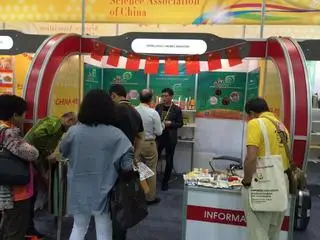
Zhengzhou Cinobee Industry Corp.,ltd
- Trading Company
- Henan, China
- Lead time0 days
- Avg. response≤ 13h
Main productsBeeswax,Rice Bran Wax,Soy Wax,Vegetable Waxes,Natural Wax solution
Main marketsWestern Europe(25.00%), North America(15.00%), Mid East(10.00%), Africa(10.00%), Eastern Europe(10.00%), Northern Europe(9.00%), Oceania(8.00%), Southern Europe(8.00%), South America(5.00%)
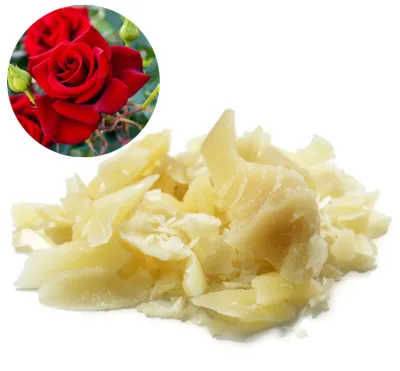
Natural Plant Wax Rose Floral Wax
$68.00 - $75.00


- Trading Company,Manufacturer/Factory
- China Liaoning
- Lead time15 days
- Avg. response≤ 2h
Main productsSoya Lecithin, Calcium Propionate, Propylene Glycol, Propylene Carbonate, Maltitol, Citric Acid, Gel Wax, Sapp/SHMP/Tspp/STPP/Tkpp, Vitamins
Main marketsSouth America,Eastern Europe,Mid East,North America,Southeast Asia,Eastern Asia,Oceania,Western Europe,Africa

Hebei Qiyao Technology Co., Ltd.
- Verified by SGS
- Trading Company
- China Hebei
- Lead time15 days
- Avg. response≤ 9h
Main productsAluminum Sulfate PAC Xanthan Gum Citric Acid, SLES LABSA Cab
Main marketsAfrica

Shanghai Ruizheng Chemical Technology Co.,Ltd
- Verified by SGS
- Combined
- China Shanghai
- Lead time15 days
- Avg. response≤ 5h
Main productsPVC Resin, Potassium Sorbate, Bicyclohomofarnesal, Polyethylene, Tetrachloroethylene, Isopropyl Alcohol, Raw Material Chemical, Caustic Soda Flakes Pearl, Msg, Citric Acid
Main marketsEurope

Tianjin Chemistone Import and Export Co., Ltd.
- Verified by SGS
- Trading Company
- China Tianjin
- Lead time23 days
- Avg. response≤ 12h
Main productsUrea, Rosin, PP Granule, Paraffin Wax, Soy Wax, Monosodium Glutamate (Msg), PQQ, HDPE
Main marketsSouth America,Eastern Europe,Mid East,North America,Southeast Asia,Eastern Asia,Oceania,Western Europe,Africa
Beijing Dongke United Technologies Co., Ltd.
- Verified by TüVRheinland
- Manufacturer, Trading Company
- Lead time5 days
- Avg. response≤ 3h
Main productsParaffin Wax, Soy Wax, PCE Superplasticizer, Electrolyte Solvent
Main marketsNorth America(25%), South America(12%), Southeast Asia(10%)
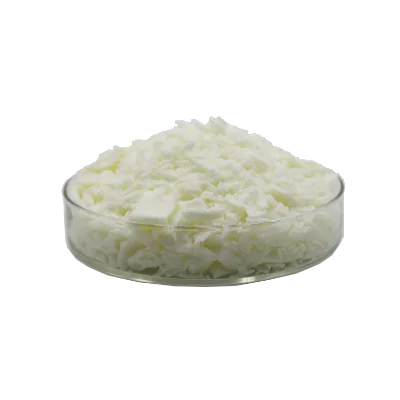
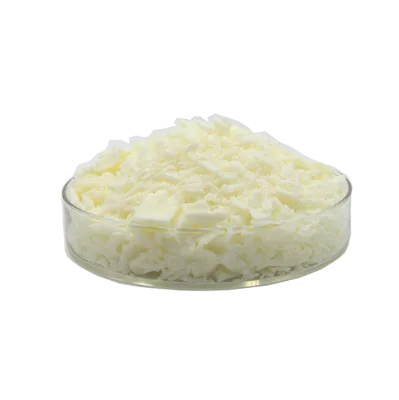
Eco Friendly Soy Candle Wax for Handmade Candle Production Bulk Wholesale
$1500.00 - $2500.00


Comprehensive Sourcing Guide
Pure Natural Soy Wax Supplier Concentration and Factory Types
The current supplier landscape for Pure Natural Soy Wax reveals a distinct concentration of manufacturing activity within specific Chinese provinces, with Liaoning emerging as a verified production hub. Fact-based data indicates that manufacturers in this region specialize in fully refined and semi-refined paraffin wax alongside soy wax flakes, suggesting a localized ecosystem capable of handling both synthetic and vegetable-based wax production. This clustering allows buyers to identify factories that possess the specific infrastructure required for processing soybean wax, as evidenced by product attributes listing Liaoning as the origin for solid flake or particle forms. When evaluating potential partners, buyers should prioritize facilities that explicitly state their location as a manufacturing base rather than a trading office, as this distinction often correlates with direct control over the refining process and raw material sourcing.
Beyond the verified Liaoning cluster, the broader market includes trading companies operating from other regions like Hebei, which may offer a wider variety of candle-related accessories and different wax types such as coconut or gel wax. These trading entities often aggregate products from multiple factories, providing a consolidated source for diverse needs but potentially adding a layer of complexity to quality verification. The company type data shows a mix of manufacturers and trading companies, meaning buyers must carefully distinguish between the two to ensure they are dealing with the actual producer of the soy wax. A manufacturer will typically list specific production capabilities like filling or processing, whereas a trading company might focus on the breadth of their catalog including scented candles and containers. Understanding this structural difference is critical for establishing a direct line of communication regarding production standards and customization options.
How to Verify Pure Natural Soy Wax Suppliers
Verification of Pure Natural Soy Wax suppliers requires a rigorous examination of documented credentials and third-party validation rather than relying solely on product descriptions. One critical verification step involves checking for recognized quality management system certifications, such as the ISO9001:2015 certificate observed in the current supplier pool, which indicates a standardized approach to production and quality control. Additionally, buyers should look for independent verification badges, such as BV verification, which serve as an external audit of the company's business legitimacy and operational capacity. These credentials provide a baseline of trust that the supplier is a legitimate entity capable of fulfilling large-scale orders, distinguishing them from unverified entities that may lack the necessary infrastructure for consistent production.
Beyond certifications, buyers must scrutinize the specific product attributes and test data provided to confirm the "pure natural" claim. Evidence suggests that high-quality soy wax should list specific chemical properties, such as an oil content of 0.001% and a penetration degree of 16mm, alongside features like being 100% pure vegetable wax with no harmful substances. Buyers should request detailed material safety data sheets or lab reports that confirm the absence of synthetic additives, ensuring the product matches the "High Melting Point" or "Natural Soy Wax" specifications. It is also essential to verify the customization capabilities, as some suppliers offer available customization for color or shape, while others may have rigid production lines. Confirming that the supplier can provide samples with these specific attributes before placing a bulk order is a necessary step to validate their claims and ensure the product meets the buyer's exact requirements.
What to Compare Across Pure Natural Soy Wax Suppliers
When comparing suppliers, buyers must analyze a range of operational metrics including lead times, minimum order quantities, and response speeds to determine the best fit for their supply chain. The data shows significant variation in lead times, with some suppliers indicating a zero-day lead time while others specify a 15-day production window, a difference that can drastically impact inventory planning and order fulfillment schedules. Similarly, minimum order quantities (MOQ) vary widely, ranging from a single unit to bulk requirements, allowing buyers to select partners that align with their current volume needs. Response times also differ, with some suppliers demonstrating rapid engagement within 1.19 hours, whereas others may take longer, affecting the efficiency of the negotiation and clarification process.
Price structures and packaging standards are another critical area for comparison, as they directly influence the total cost of ownership and logistics planning. Current market data indicates price ranges for soy wax flakes from approximately $1.00 to $3.50 per unit, with specific bulk pricing tiers visible for larger quantities. Buyers should compare these figures against the packaging specifications, such as 25kg bags or 20kg cartons, to calculate the effective cost per kilogram accurately. Furthermore, the main products offered by each supplier provide insight into their specialization; some focus exclusively on soy wax flakes, while others offer a broader range including paraffin, coconut wax, and finished candles. Evaluating these dimensions together helps buyers identify suppliers who offer the optimal balance of cost, speed, and product specificity for their particular business model.
Common Pure Natural Soy Wax Sourcing Risks
One of the primary risks in sourcing Pure Natural Soy Wax involves the potential discrepancy between marketing claims and actual product composition, particularly regarding the "natural" designation. While some suppliers list ingredients as 100% natural vegetable oil with no other chemicals, others may classify their products as synthesis wax or paraffin blends, which fundamentally alters the product's properties and suitability for specific candle-making applications. Buyers must be vigilant in verifying the classification and ingredient lists to ensure they are purchasing genuine soybean wax rather than a synthetic alternative or a lower-quality blend. This risk is compounded by the lack of standardized testing results in some listings, making it difficult to confirm the purity and chemical stability of the wax without independent laboratory analysis.
Another significant risk relates to supply chain consistency and the reliability of the supplier's production capacity. Variations in lead times and the availability of customization options can lead to delays or the inability to meet specific order requirements, such as custom colors or shapes. If a supplier claims to be a manufacturer but lacks the necessary equipment for specific processing steps like filling or refining, the buyer may face quality inconsistencies or production bottlenecks. Additionally, the reliance on third-party logistics and packaging standards, such as 25kg bags, introduces risks related to product damage or contamination during transit. Buyers should mitigate these risks by establishing clear communication channels and requesting detailed production schedules and quality assurance protocols before committing to large orders.
Pure Natural Soy Wax Regional Sourcing and Logistics
Regional sourcing strategies for Pure Natural Soy Wax are heavily influenced by the geographic concentration of manufacturing facilities, with Liaoning and Hebei identified as key production zones in China. Factories in Liaoning appear to specialize in specific wax types, including fully refined paraffin and soy wax flakes, which suggests a regional expertise that buyers can leverage for consistent quality. When sourcing from these regions, buyers should consider the logistical implications of shipping from inland manufacturing hubs, which may involve different transit times and costs compared to coastal ports. Understanding the specific origin of the product, as indicated by attributes like "prod_origin: Liaoning," helps in planning the supply chain and anticipating potential delays or customs requirements associated with that specific region.
Logistics planning must also account for the packaging standards and shipping units provided by the suppliers, which vary from 25kg bags to 500kg bulk shipments. The choice of packaging, such as woven bags or cartons, affects the efficiency of loading and unloading, as well as the protection of the wax during transit. Buyers should verify the specific packing standards, such as 25kg/bag or 20kg/carton, to ensure compatibility with their storage and handling facilities. Additionally, the response time of the supplier can impact the speed of logistics coordination, with faster responders potentially offering more flexible shipping arrangements. By aligning regional sourcing with logistical capabilities, buyers can optimize their supply chain for efficiency and cost-effectiveness, ensuring that the Pure Natural Soy Wax arrives in optimal condition and on schedule.
Pure Natural Soy Wax Commercial Terms and Order Planning
Commercial terms for Pure Natural Soy Wax orders are defined by a combination of pricing structures, payment conditions, and delivery timelines that vary significantly across suppliers. Current data shows price ranges from $1.00 to $3.50 per unit, with specific bulk pricing tiers that buyers must negotiate based on their order volume. Lead times, ranging from zero days to 15 days, play a crucial role in order planning, as they determine the urgency and scheduling of production runs. Buyers should carefully review these terms to ensure they align with their inventory management strategies and cash flow requirements, negotiating for favorable conditions that minimize financial risk while maintaining supply continuity.
Order planning also requires a detailed assessment of customization options and sample availability, which are critical for ensuring the final product meets specific design and performance criteria. Some suppliers offer available customization for color, shape, and packaging, while others may have limited flexibility. Buyers should request samples to verify the melting point, burning time, and other physical properties before committing to a large order, ensuring that the product performs as expected in their candle-making process. Additionally, the availability of escrow services and verified payment methods can provide an extra layer of security for both parties, protecting against potential disputes over quality or delivery. By thoroughly understanding these commercial terms and planning accordingly, buyers can establish a robust and reliable sourcing relationship for Pure Natural Soy Wax.
FAQs
Where are the soy wax manufacturers located?
Suppliers offering Pure Natural Soy Wax are located in China, specifically in Liaoning and Hebei provinces. These regions host both manufacturers and trading companies specializing in candle wax production and distribution for global markets.
What is the minimum order quantity for soy wax?
The minimum order quantity varies by supplier, with some accepting orders as low as one unit. Other suppliers may require bulk purchases, so buyers should verify specific MOQ requirements before placing an order for candle making materials.
How long does it take to receive the soy wax?
Lead times for Pure Natural Soy Wax range from zero days to fifteen days depending on the supplier. Some vendors offer immediate dispatch, while others require up to two weeks to prepare and ship the bulk wax products to buyers.
What certifications do the soy wax suppliers hold?
Some trading companies in the results hold ISO9001:2015 certification for their quality management systems. Buyers should verify specific certification status for each supplier to ensure compliance with international standards for candle manufacturing and safety requirements.
What is the price range for bulk soy wax?
Prices for Pure Natural Soy Wax range from 1.00 to 3.50 per unit based on product specifications. Specific listings show prices between 1800 and 2500 for certain bulk packages, while others list unit prices starting at 2.30 for wholesale quantities.
How quickly do suppliers respond to inquiries?
Response times for supplier inquiries vary significantly, ranging from approximately 1.19 hours to over 20 hours. Buyers seeking fast communication should prioritize suppliers with shorter response times to ensure efficient negotiation and order processing for their candle projects.
What forms does the soy wax come in?
Pure Natural Soy Wax is available in solid flake, particle, granule, or block forms. Some products are specifically described as flakes or particles suitable for candle making, while others may be packaged in bags or cartons for bulk handling.
Can the soy wax be customized for specific needs?
Customization is available for many Pure Natural Soy Wax products listed by suppliers. Buyers can request specific features or packaging, though availability depends on the manufacturer or trading company capabilities and their current production capacity for custom orders.