PV Grid Inverter Suppliers and Manufacturers in China
Explore 31 verified PV Grid Inverter suppliers offering ISO9001, CE, and RoHS certifications with response times under 5 hours. Compare lead times, pricing, and customization options to source DC/AC inverters from Shandong and Zhejiang factories today; review the available evidence before requesting comparable quotations from suitable candidates.
Updated
Suppliers List

Jinan Deming Power Equipment Co., Ltd
- Verified by BV
- Combined
- China Shandong
- Lead time15 days
- Avg. response≤ 5h
Main productsWind Solar Hybrid Controller, on Grid Inverter, MPPT Solar Charge Controller, Grid-Tie Wind Turbine Inverter, Windmill Generator Controller, Windmill Generator, Hybrid Inverter, Converter, off Grid Inverter, AC Power Source
Main marketsSouth America,Africa,East Asia(Japan/ South Korea),Domestic,Europe,North America


2kw on Grid Single Phase Wind Turbine Inverter Grid Tied Inverter Grid Connected Inveter
$780.00 - $1300.00
MOQ: 1 Pieces

TTN New Energy Technology (Wenzhou) Co., Ltd.
- Verified by TüVRheinland
- Manufacturer, Trading Company
- Lead time15 days
- Avg. response≤ 3h
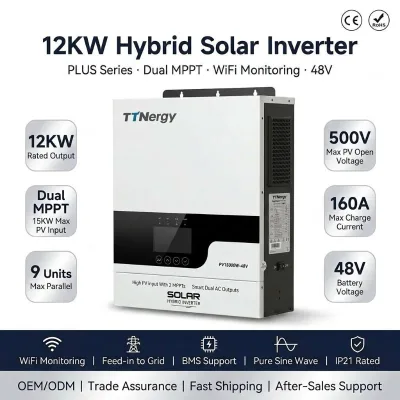
Main productsSolar Energy System, Energy Storage Battery, Solar Inverters, Solar Panels, Hybrid Inverter
Main marketsWestern Europe(18%), North America(16%), South America(12%)

Guangzhou Daopulse Energy Co., Ltd.
- Trading Company,Manufacturer/Factory
- China Guangdong
- Lead time23 days
- Avg. response≤ 6h
Main productsUPS, UPS Power, UPS Power Supply, Uninterruptible Power Supply, Solar Light, Solar Charger, Solar Power System, Lead Acid Battery, Solar Inverter, Solar Panel
Main marketsSouth America,Eastern Europe,Mid East,North America,Southeast Asia,Eastern Asia,Oceania,Western Europe,Africa

Nantong Gamko New Energy Co., Ltd.
- Verified by SGS
- Trading Company,Manufacturer/Factory
- China Jiangsu
- Lead time15 days
- Avg. response≤ 5h
Main productsSolar Panel, Solar System, Solar Inverter, Cable, Solar Bracket, Solar Air Condition, Solar Controller, PV Connector, Solar Refrigerator, Solar Battery
Main marketsEastern Europe,Mid East,Eastern Asia,Western Europe,Africa

Hybrid Three Phase 5 Year Warranty 6kw Solar System PV Inverter on Grid Inverter
$2070.00 - $2381.00
MOQ: 1 Pieces


- Verified by SGS Group
- Trading Company
- Lead time0 days
- Avg. response≤ 23h
Main productsPortable Power Station, Solar Panel, Portable Air Conditioner, Portable Refrigerator
Main marketsNorth America(20%), Eastern Asia(15%), Africa(10%)
$200.00
$380.86
Shenzhen Boli Technology Co, Ltd.
- Verified by TüVRheinland
- Manufacturer, Trading Company
- Lead time10 days
- Avg. response≤ 2h
Main productsLiFePO4 Battery, Lithium Ion Batteries, On-grid/off-grid Solar Generation Kits, Solar Inverter, Solar Panel
Main marketsNorth America(30%), Africa(20%), Southeast Asia(15%)

Shanghai Soaring Industrial Co.,Ltd
- Verified by BV
- Manufacturer/Factory
- China Shanghai
- Lead time23 days
- Avg. response≤ 3h
Main productsSolar Air Conditioner, Solar Inverter, Solar Panel, LiFePO4 Battery, Solar Street Light, off Grid Inverter, on Grid Inverter, Solar Charge Controller, Solar Power System
Main marketsSouth America,Eastern Europe,Mid East,North America,Southeast Asia,Eastern Asia,Oceania,Western Europe,Africa


off Grid Hybrid Solar Inverter Solar Hybrid Inverter off Grid Solar Power System
$400.00 - $540.00
MOQ: 1 Pieces


on Grid PV Module Grid Tie Inverter 20kw Energy Solar Panel System
$10500.00 - $10800.00
MOQ: 1 Pieces

Dezhou Nayu Import and Export Trading Co., Ltd.
- Trading Company,Manufacturer/Factory
- China Shandong
- Lead time0 days
- Avg. response≤ 25h
Main productsSolar Panels, Solar System
Jiaxing Feiya New Energy Co., Ltd.
- Verified by TüVRheinland
- Trading Company
- Lead time20 days
- Avg. response≤ 1h
Main productsLithium Battery, Solar System, Solar Inverter, Solar Panel, EV Charging Station
Main marketsMid East(20%), South Asia(20%), Eastern Europe(10%)
- Verified by Intertek
- Manufacturer, Trading Company
- Lead time30 days
- Avg. response≤ 2h
Main productsEnergy Storage System, Solar Energy System, Power Conversion System, Solar Inverters, Edge Banding
Main marketsWestern Europe(20%), South America(15%), Eastern Europe(15%)

Anhui Haishang Frequency Conversion Technology Co., Ltd.
- Verified by BV
- Combined
- China Anhui
- Lead time15 days
- Avg. response≤ 7h
Main productsVFD, Inverter, Converter
Main marketsSouth America,Southeast Asia/ Mideast,Europe,North America

Smart Grid Inverter for Efficient Solar Energy Utilization and Management
$98.00 - $108.00
MOQ: 1 Pieces

- Verified by Intertek
- Trading Company
- Lead time20 days
- Avg. response≤ 2h
Main productsSolar Panel, Solar Energy System, Solar Inverter, Residential Energy Storage, Commercial Energy Storage
Main marketsEastern Europe(15%), North America(10%), South America(10%)
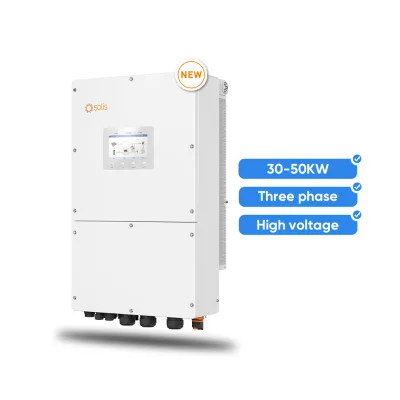
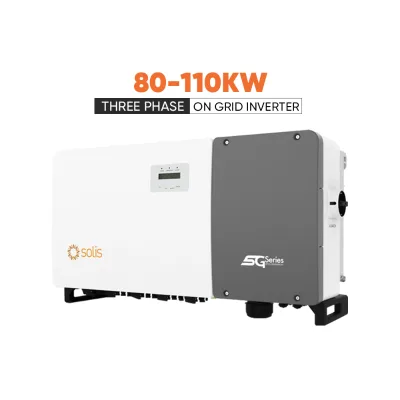
$2959.2047 - $4303.5522
MOQ: 1 pieces
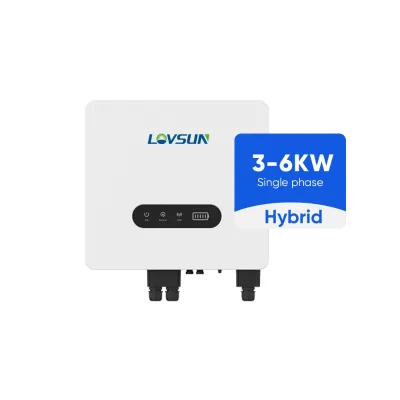
10 Years Warranty Hybrid Inverter 3KW 3.6KW 5KW 6KW for Home Energy Storage System
$654.7558 - $732.6286
MOQ: 1 sets
Guangzhou Anern Energy Technology Co.,ltd.
- Verified by Intertek
- Trading Company
- Lead time10 days
- Avg. response≤ 4h
Main productsSolar Energy System, Solar Inverter, Solar Battery, Solar Panel, Solar Street Light
Main marketsAfrica(26%), South America(18%), Southern Europe(12%)

- Verified by BV
- Manufacturer/Factory
- China Shandong
- Lead time23 days
- Avg. response≤ 4h
Main productsCable, Armor Cable, Electric Cable, Electric Wire, Power Cable, Copper Cable, Wire Cable, Electrical Cable, Solar Cable, Electrical Wire
Main marketsSouth America,Eastern Europe,Mid East,North America,Southeast Asia,Eastern Asia,Oceania,Western Europe,Africa


Solar Energy System Sun Power off-Grid Inverter Solar Power System Inverter
$99.00 - $350.00
MOQ: 20 Pieces

PV System Solar Kits off-Grid Solar System Solar Power System Inverter 4kw
$99.00 - $350.00
MOQ: 20 Pieces
Henan Shuanghan Technology Co., Ltd.
- Trading Company
- Henan, China
- Lead time7 days
- Avg. response≤ 2h
Main productsVariable Frequency Drivers,PV Module,Inverter,Energy Storage System,AC Drive
Main marketsSoutheast Asia(35.00%), Mid East(25.00%), North America(25.00%), Africa(8.00%), Eastern Asia(7.00%)
Ganzhou Jiefeng Technology Co., Ltd.
- Trading Company
- Jiangxi, China
- Lead time0 days
- Avg. response≤ 2h
Main productsSolar Panel, Inverter, Solar System, New Energy Vehicle Charging Station
Main marketsNorth America(50.00%), Africa(25.00%), Western Europe(20.00%), Southern Europe(5.00%)
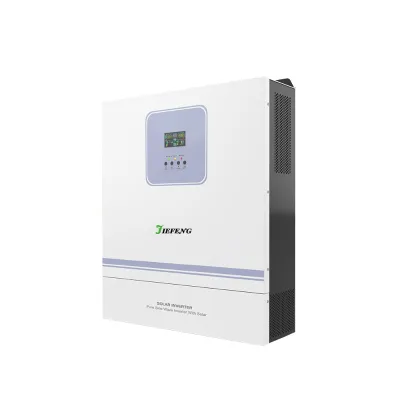
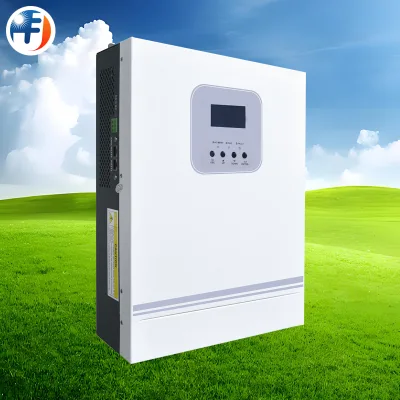
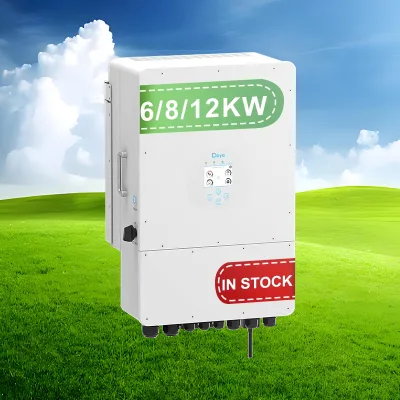
Efficient 7.5kw Photovoltaic Solar Inverter for Must Work Perfectly
$600.00 - $749.00

Shanghai Ckra Lighting Technology Co., Ltd
- Verified by TUVRHEINLAND
- Trading Company
- China Shanghai
- Lead time15 days
- Avg. response≤ 4h
Main productsSolar Battery, Solar Home System, Solar Inverter, Solar Storage System, Energy Storage System, Residential Solar Battery, Hybrid Solar System, on Grid Solar System, off Grid Solar System, Solar Battery Storage
Main marketsOthers(foreignTradeCapacity.exportBusinessCapacityMarketOther),North America

Shanpu Technology (Guangdong) Co., Ltd.
- Verified by BV
- Combined
- China Guangdong
- Lead time15 days
- Avg. response≤ 5h
Main productsUPS, UPS Battery, Inverter, Online UPS, Outdoor Solar Inverter, Offline UPS, Lead Acid Battery, Mini UPS, Solar Inverter, Outdoor Power Station
Main marketsSouth America,Africa,Others(foreignTradeCapacity.exportBusinessCapacityMarketOther),Southeast Asia/ Mideast,Europe,North America
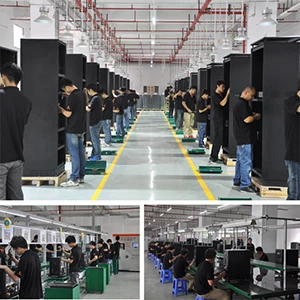
Aerospace Baykee (Guangdong)Technology Co., Ltd.
- Manufacturer, Trading Company
- Guangdong, China
- Lead time15 days
- Avg. response≤ 13h
Main productsSolar Inverters, Lifepo4 Lithium Battery, UPS System, Portable Storage System, Home Energy Storage System
Main marketsDomestic Market(81.00%), Eastern Europe(5.00%), South America(3.00%), South Asia(2.00%), Mid East(2.00%), North America(1.00%), Oceania(1.00%), Southern Europe(1.00%), Eastern Asia(1.00%), Central America(1.00%), Africa(1.00%), Southeast Asia(1.00%)
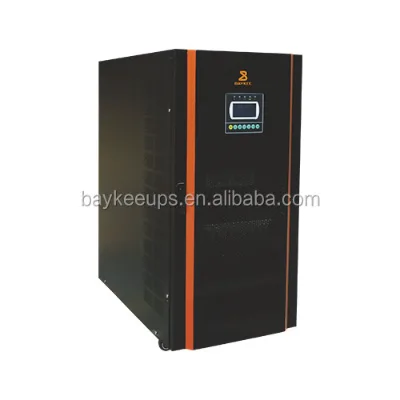
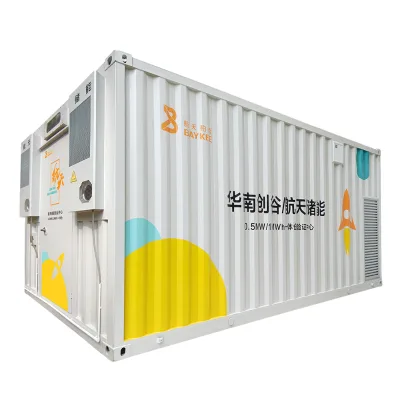
Solar PV Containerized Energy Storage System With Hybrid Inverter System Hybrid Solar Power System
$140000.00 - $190000.00
MOQ: 1 units
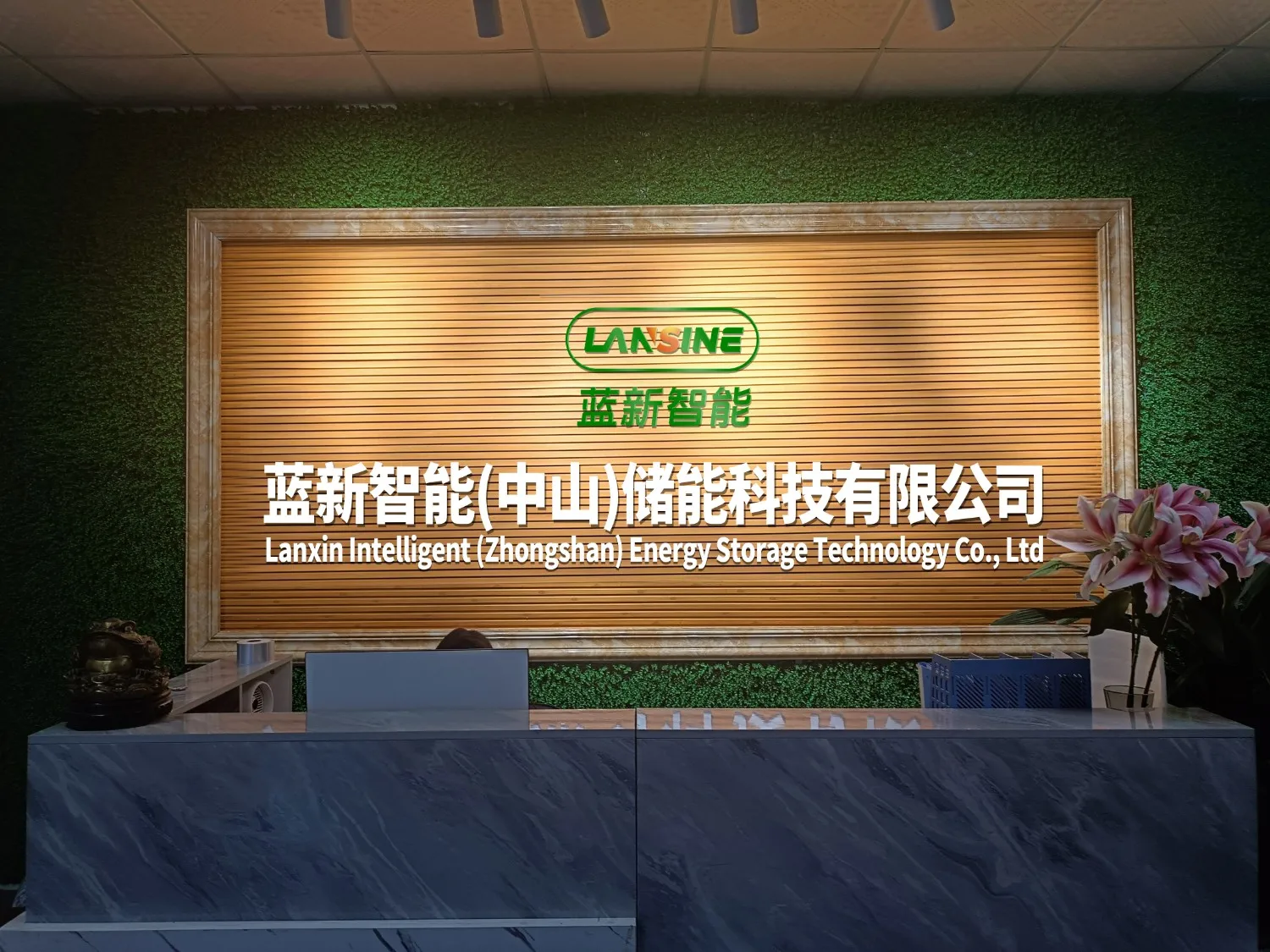
Lansine Intelligent (zhongshan) Energy Storage Technology Co., Ltd.
- Manufacturer
- Guangdong, China
- Lead time30 days
- Avg. response≤ 2h
Main productsPortable solar power station,Energy storage solar power systems,solar power system,solar inverters,solar system home fitting
Main marketsMid East(60.00%), South America(20.00%), South Asia(10.00%), Eastern Europe(10.00%)
- Manufacturer, Trading Company
- Lead time旺季: "1 - 1":15,"> 1":"To be negotiated", 淡季: "1 - 1":15,"> 1":"To be negotiated"
- Avg. response≤ 2h
Main productsLithium Ion Battery, Lifepo4 Battery, Inverter, Solar Power System
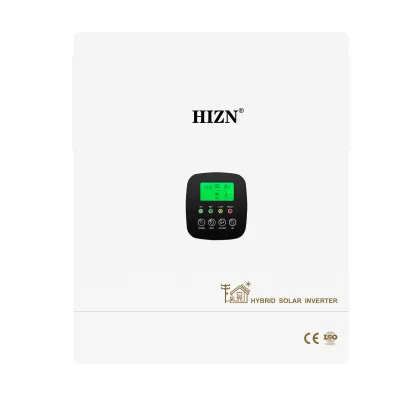
Efficient on Grid 10.3KW 48v Solar Power Inverter Small Size Inverter
$416.1887 - $427.5762
MOQ: 1 pieces
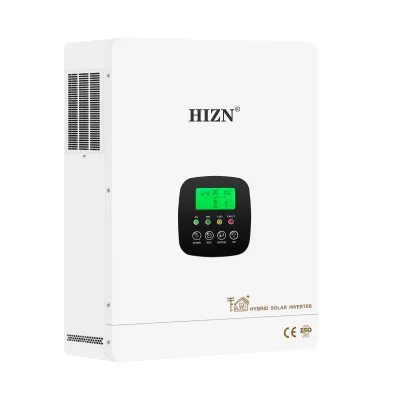
$367.5298 - $378.9174
MOQ: 1 pieces
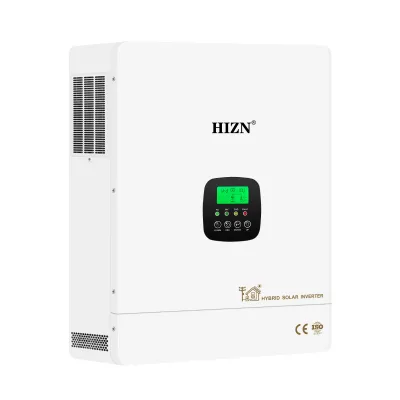
Hybrid Solar Inverter 48V 10.3kw Single Three Phase Off Gird Solar Inverters Parallel Function
$419.6759 - $431.1592
MOQ: 1 pieces
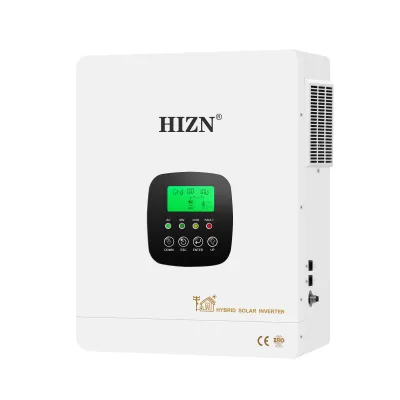
Xi 'an Borick intelligent Technology Co., LTD
- Trading Company
- Shaanxi, China
- Lead time5 days
- Avg. response≤ 2h
Main productsinverter,MPPT controller,Home Energy Storage System,Lithium Battery,Solar Energy Systems
Main marketsEastern Europe(13.50%), Western Europe(12.60%), North America(10.20%), Eastern Asia(8.60%), Southeast Asia(8.00%), Africa(8.00%), Central America(6.00%), Southern Europe(5.70%), Northern Europe(5.60%), Oceania(5.10%), Mid East(5.00%), Domestic Market(4.50%), South America(4.20%), South Asia(3.00%)
Yichun Enten Science And Technology Co., Ltd.
- Verified by SGS Group
- Manufacturer, Trading Company
- Lead time7 days
- Avg. response≤ 7h
Main productsHome Energy Storage, Energy Storage System , Energy Storage Container/BESS, Lithium Battery/Energy Storage Battery
Main marketsAfrica(25%), Eastern Europe(20%), Mid East(20%)

Jinan Xinyuhua Energy Technology Co., Ltd.
- Verified by SGS
- Trading Company,Manufacturer/Factory
- China Shandong
- Lead time15 days
- Avg. response≤ 2h
Main productsStatic Frequency Converter, Solar off Grid Inverter, Voltage and Frequency Stabilizer, AC Power Source, Wind off Grid Inverter, Wind on Grid Inverter, Storage Bi-Directional Inverter, 400Hz Frequency Converter, Test Power Supply, AC to DC Charger
Main marketsSouth America,Eastern Europe,Mid East,North America,Southeast Asia,Eastern Asia,Oceania,Africa

Solar off Grid Inverter with Controller All in One Solar Controller Inverter DC Inverter
$39.90 - $2685.00
MOQ: 2 Pieces

Beijing Aokun Energy Co., Ltd.
- Verified by Intertek
- Trading Company
- Lead time60 days
- Avg. response≤ 2h
Main productsEnergy Storage Batteries, Solar Panels, Wind Turbines, Inverters, Transformers
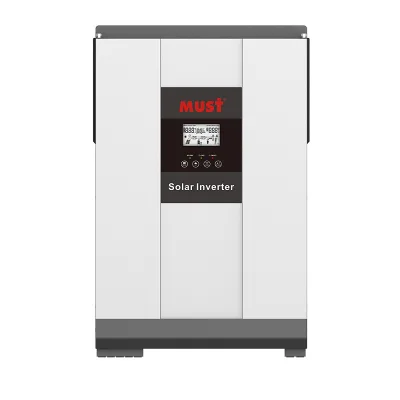
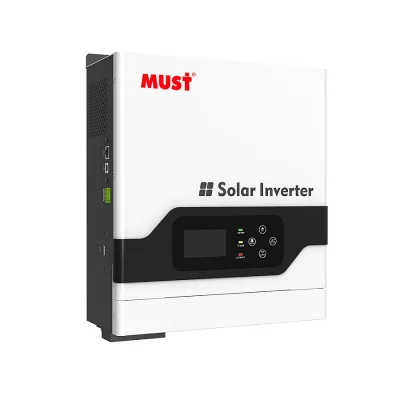
$632.6898 - $844.9468
MOQ: 1 pieces
- Manufacturer, Trading Company
- Lead time旺季: "1 - 1":15,"> 1":"To be negotiated", 淡季: "1 - 1":15,"> 1":"To be negotiated"
- Avg. response≤ 3h
Main productsSolar Panel, Solar Inverter, Solar Battery, Solar System

Guangdong Solarthon Technology Co., Ltd.
- Verified by SGS
- Combined
- China Guangdong
- Lead time15 days
- Avg. response≤ 3h
Main productsSolar Inverter, Solar Power System, Lithium Battery, Solar System, Portable Power Station, Solar Energy System, Solar Panel, Solar Water Pump, PV Combiner Box, Solar Controller
Main marketsAfrica
Anhui Likeminded New Energy Technology Co., Ltd.
- Verified by Intertek
- Trading Company
- Lead time15 days
- Avg. response≤ 20h
Main productsLead-Acid Battery, Lithium Battery, Solar Inverter, Home Energy Storage, Lithium Battery Cell
Main marketsSoutheast Asia(25%), Eastern Europe(20%), North America(10%)
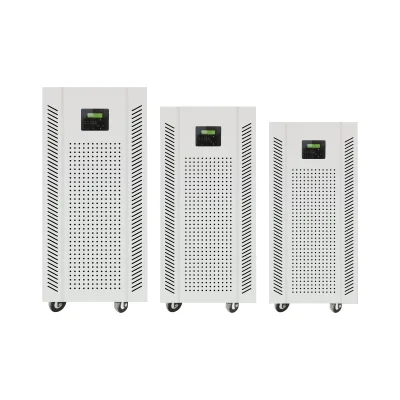
$1198.0522 - $1250.1414
MOQ: 1 pieces
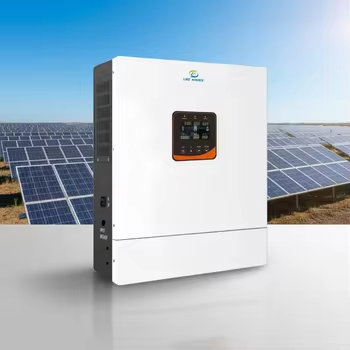
Wuneng Chuangxun (hangzhou) Technology Co., Ltd.
- Verified by SGS Group
- Manufacturer, Trading Company
- Lead time35 days
- Avg. response≤ 2h
Main productsOne-stop Solar Energy Storage System Solution, All-in-one Energy Storage Cabinet, Lithium Battery Pack, Hybrid Inverter, PV
Main marketsNorth America(35%), Western Europe(25%), South America(10%)
Koodsun Energy Technology Co., Ltd.
- Verified by TüVRheinland
- Manufacturer, Trading Company
- Lead time0 days
- Avg. response≤ 2h
Main productsLithium Iron Phosphate Battery, Solar Energy System, BESS, Solar Panel, Solar Inverter
Main marketsAfrica(21%), North America(20%), Eastern Europe(20%)
- Verified by TüVRheinland
- Trading Company
- Lead time7 days
- Avg. response≤ 1h
Main productsSolar System, Solar Panels, Solar Inverter, Lithium Battery, Energy Storage System
Main marketsNorth America(24%), Eastern Europe(11%), South America(10%)




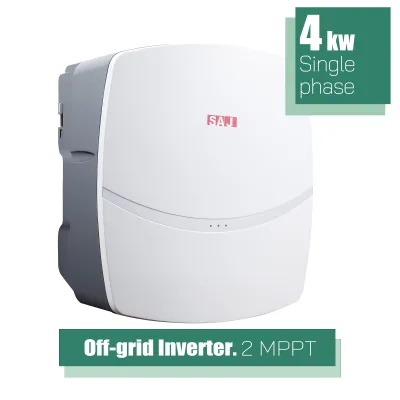
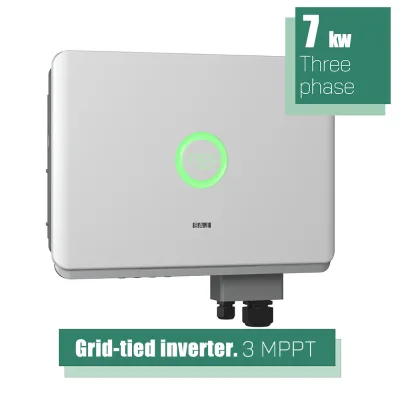




Comprehensive Sourcing Guide
PV Grid Inverter Supplier Concentration and Factory Types
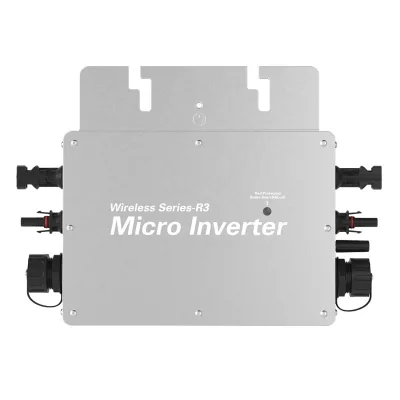
The current supplier landscape for PV grid inverters shows a concentration of manufacturing and trading entities primarily located in China, with specific clusters identified in Shandong and Zhejiang provinces. Fact-based observations indicate that suppliers in Shandong, such as those in Jinan, produce hybrid inverters and wind-solar controllers, while Zhejiang-based manufacturers offer micro-inverters and central inverter solutions. This geographic distribution suggests that buyers should expect a mix of specialized factories and trading companies operating within these regions. The data confirms that many suppliers hold combined company types, functioning as both manufacturers and trading entities to offer broader product ranges including solar panels and energy storage batteries alongside inverters.
When assessing factory types, buyers must distinguish between pure manufacturers and combined entities based on their stated capabilities. Evidence shows that some suppliers possess ODM and OEM capacities with their own brands, while others focus on sample processing and customized graphic design. The presence of specific product lines, such as 200kW energy storage inverters or 12kW hybrid systems, often correlates with the supplier's primary manufacturing focus. However, not every supplier in the results list offers the same depth of production capacity. Buyers should verify whether a supplier's main products align with their specific project needs, as some may specialize in single-phase units while others focus on three-phase industrial solutions.
How to Verify PV Grid Inverter Suppliers
Verification of PV Grid Inverter suppliers relies heavily on third-party audit results and system certifications rather than self-declared claims. The available data indicates that suppliers may hold BV verification or TüVRheinland certification, which serves as a critical indicator of operational legitimacy. Additionally, system certifications such as ISO9001:2015, ISO14001, and ISO45001 are frequently observed, alongside product-specific standards like CE, RoHS, and FCC. Buyers should treat these certifications as essential verification points, ensuring that the specific certificates listed match the product models being sourced. It is crucial to confirm that the certification body is recognized and that the scope of the certificate covers the specific inverter technology required.
Beyond certifications, response times and communication channels provide tangible evidence of supplier reliability. Observed response times vary, with some suppliers demonstrating a 3-hour response window while others show a 4.41-hour average. These metrics can help buyers gauge the operational efficiency of the supplier's sales and technical support teams. Furthermore, the presence of detailed product attributes, such as communication interfaces like RS485, WiFi, or GPRS, indicates a level of technical transparency. Buyers should request proof of these attributes and verify that the listed specifications, such as MPPT voltage ranges or inverter efficiency percentages, are consistent with the supplier's verified profile.
What to Compare Across PV Grid Inverter Suppliers
Comparing suppliers requires a structured analysis of lead times, minimum order quantities, and pricing structures to ensure alignment with project timelines and budgets. The data reveals significant variation in lead times, with some suppliers offering a 15-day turnaround, while others may have different schedules not explicitly detailed in the summary. Minimum order quantities also differ, with some products listed at an MOQ of 1 unit, allowing for small-scale testing, while larger industrial units may have different thresholds. Pricing ranges are equally diverse, with specific models showing minimum prices around $720 and maximums reaching $51,000 depending on power capacity and features. Buyers must map these variables against their specific volume requirements to avoid unexpected costs or delays.
Product specifications and customization options form another critical comparison dimension. Suppliers offer varying levels of customization, with some explicitly stating that customization is available for models like the DMPCS-200KSTL or DMASP-125KTLC. Attributes such as output power, phase type, and circuit topologies must be matched precisely to the grid requirements of the destination country. For instance, some inverters support three-phase output while others are single-phase, and the power source compatibility, whether solar-only or hybrid wind-solar, varies by model. Buyers should create a comparison matrix that lists these technical parameters alongside the supplier's stated capabilities to identify the most suitable partner for their specific application.
Common PV Grid Inverter Sourcing Risks
One significant risk in sourcing PV grid inverters involves the discrepancy between advertised certifications and actual product compliance. While suppliers may list certifications like ISOCE or CE, RoHS, and TUV SUD Mark, buyers must verify that these apply to the specific model being ordered. There is a risk that a supplier might hold a general system certification but lack specific product testing for the exact inverter variant. Additionally, the complexity of communication protocols, such as RS485, WiFi, or GPRS, introduces integration risks if the supplier's documentation is incomplete or if the interface standards do not match the local grid management systems. Buyers should demand detailed technical datasheets and test reports to mitigate these compliance and integration risks.
Another risk pertains to the reliability of lead times and the consistency of product quality across different batches. Although some suppliers list a standard lead time of 15 days, actual delivery can be affected by raw material shortages or production bottlenecks. The variation in packaging, ranging from wooden boxes to cartons, also impacts shipping safety and potential damage during transit. Furthermore, the reliance on third-party verification like BV or TüVRheinland does not guarantee that every unit produced will meet the same standards. Buyers should include strict quality assurance clauses in their contracts and consider requesting pre-shipment inspections to ensure that the physical products match the verified specifications and certifications.
PV Grid Inverter Regional Sourcing and Logistics
Regional sourcing strategies must account for the specific manufacturing hubs identified in the supplier data, particularly in Shandong and Zhejiang provinces. Suppliers in Shandong, such as those in Jinan, often produce large-scale hybrid inverters and wind-solar controllers, while Zhejiang-based factories specialize in micro-inverters and smaller grid-tie units. Buyers should consider the logistical implications of these locations, as shipping from different provinces may involve varying transit times and freight costs. The origin of the product, whether listed as Shandong or Zhejiang, directly influences the supply chain route and the potential for customs delays. Understanding these regional distinctions helps buyers optimize their logistics planning and select suppliers that offer the most efficient shipping routes to their destination.
Logistics planning also involves evaluating the packaging standards and dimensions provided by suppliers to ensure safe transport. The data indicates that products are packed in wooden boxes, wooden cases, or cartons, with specific dimensions and weights listed for each model. For example, some inverters weigh up to 60kg and require wooden cases, while smaller units may be packed in standard cartons. Buyers must calculate the total volume and weight of their order to determine the most cost-effective shipping method, whether by sea or air. Additionally, the origin location affects the availability of local logistics partners and the ease of coordinating pickup and delivery. A thorough understanding of these regional and logistical factors is essential for minimizing transit risks and ensuring timely project completion.
PV Grid Inverter Commercial Terms and Order Planning
Commercial terms for PV Grid Inverter orders must be carefully negotiated to address payment security, delivery schedules, and warranty provisions. The data shows that some suppliers offer escrow services, which provide a layer of financial protection for buyers by holding funds until the order is fulfilled. Lead times, such as the observed 15-day window, should be clearly defined in the purchase agreement, with penalties for delays to ensure accountability. Buyers should also clarify the terms regarding customization, as some suppliers offer ODM and OEM services while others may have limited flexibility. Establishing clear commercial terms early in the negotiation process helps prevent misunderstandings and ensures that both parties are aligned on the project timeline and financial obligations.
Order planning requires a detailed assessment of the supplier's capacity to meet volume demands and technical specifications. The available data indicates that suppliers have varying RD capacities, ranging from sample processing to full-scale customized production. Buyers should verify that the supplier can handle the required order volume within the specified lead time without compromising quality. Additionally, the minimum order quantity of 1 unit for some products allows for flexible ordering, but larger orders may require different terms. Buyers should plan their orders based on the supplier's production capacity and the specific model requirements, ensuring that the supply chain can support the project's scale. Proper order planning minimizes the risk of stockouts and ensures a steady flow of inverters to the installation site.
FAQs
What certifications do the solar inverters hold?
Many listed products carry ISO9001:2015, CE, RoHS, and ISOCE certifications. Some suppliers also provide TUV SUD Mark and FCC compliance. Always verify specific model certificates before purchase to ensure they meet your local grid requirements and safety standards.
What is the typical lead time for delivery?
The observed lead time for these renewable energy products is approximately 15 days. This duration may vary depending on order volume and customization needs. Confirm the exact delivery schedule with the supplier before finalizing your purchase agreement.
Where are these inverters manufactured?
Products originate from manufacturing hubs in China, specifically Shandong and Zhejiang provinces. Some items list Jinan as the specific place of origin. Verify the exact factory location to assess shipping logistics and potential import duties for your region.
What is the minimum order quantity required?
The minimum order quantity for many grid-tied inverters is one unit. This allows buyers to test performance before placing larger orders. Check specific product listings for any variations in MOQ that might apply to customized or bulk purchase scenarios.
How quickly do suppliers typically respond?
Response times for these suppliers average around 3 to 4.41 hours. Fast communication helps clarify technical specifications and pricing details quickly. Expect prompt replies when inquiring about hybrid inverters or energy storage systems from verified manufacturers.
Are these inverters suitable for wind and solar hybrid systems?
Yes, many models support both wind power and solar power sources. They function as active inverters with sine wave output for stable grid connection. Ensure the selected unit matches your specific turbine and panel voltage requirements for optimal hybrid system performance.
What is the price range for a 200kW inverter?
A 200kW energy storage inverter is listed with a price range between 22,200 and 51,000 units of currency. Pricing depends on specific configuration and customization options. Contact suppliers directly for a detailed quote based on your exact power and voltage needs.