Source TUV Solar Carport Mounting System for Commercial, Home, and Industrial Use
Find and compare 30 verified options for the TUV Solar Carport Mounting System. These structures support ground and open field installations with aluminum alloy or stainless steel materials. Buyers can evaluate certifications like CE, TUV, and ISO, alongside features such as quick installation and customizable tilt angles for diverse project needs.
Updated
Key considerations
Products List


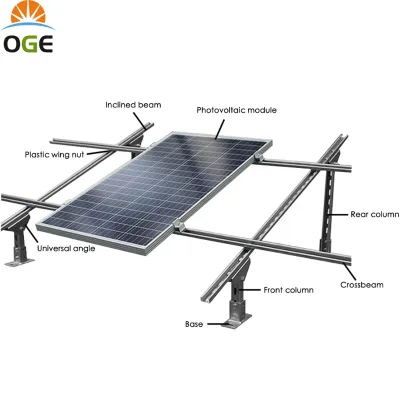
Solar Panel Ground Screw Mounting Bracket Solar Mounting System Carport System
$0.12 - $0.16
MOQ: 1000 watts


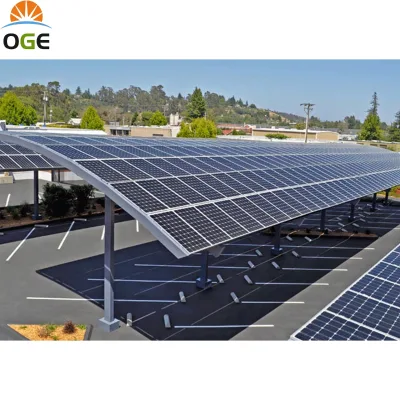
Durable Solar Carport with PV Parking Solar Mounting System Easy Quick Installation
$234.00 - $350.00
MOQ: 20 kilowatts


Comprehensive Sourcing Guide
TUV Solar Carport Mounting System Sourcing Guide
Sourcing a TÜV-certified solar carport mounting system requires careful evaluation of structural integrity and material durability. Buyers must prioritize systems that demonstrate robust wind and snow load capacities, as these factors directly impact long-term safety and performance. The observed market data indicates a wide range of product specifications, with wind load ratings reaching up to 60m/s and snow load capacities around 1.4kn/M². These metrics are critical for ensuring the mounting structure can withstand extreme weather conditions without compromising the integrity of the solar panels or the carport itself.
Procurement teams should also consider the customization options available, as carport designs often need to fit specific architectural or spatial constraints. Many suppliers offer customized tilt angles, such as 10, 15, 20, or 30 degrees, to optimize solar energy generation based on geographic location. Additionally, the availability of different installation sites, including ground or open field setups, provides flexibility for various project types. Understanding these customization capabilities early in the sourcing process helps align technical requirements with budgetary and logistical constraints.
Product Scope and Observed Listing Signals
The current market offers a diverse array of solar carport mounting solutions, ranging from standard aluminum alloy structures to more complex systems incorporating stainless steel components. Observed listings highlight products like the SF-CP-02 and SF-CM-01 models, which cater to different installation needs, from roof support structures to ground brackets. The material composition is a key differentiator, with aluminum alloy being a common choice due to its lightweight and corrosion-resistant properties, while stainless steel offers enhanced durability for harsh environments. Buyers should carefully review the material specifications to ensure compatibility with their project’s environmental conditions.
Pricing and minimum order quantities (MOQ) vary significantly across suppliers, reflecting differences in product complexity and production scale. The observed price range spans from $0.01 to $784, indicating a broad spectrum of product tiers, from individual components to complete system kits. MOQs can range from as low as 1 unit to as high as 30,000,000 units, suggesting that suppliers cater to both small-scale residential projects and large commercial installations. This variability necessitates a clear understanding of project scale to negotiate favorable terms and avoid unnecessary inventory costs.
Technical Specifications to Verify
When evaluating technical specifications, buyers must verify the structural load capacities to ensure the mounting system can support the intended solar array weight. Key parameters include wind load resistance, which should be confirmed against local weather data, and snow load capacity, which is crucial for regions with heavy winter precipitation. The observed data suggests that many systems are rated for wind loads up to 60m/s and snow loads of 1.4kn/M², but these values should be validated for specific project locations. Additionally, the tilt angle options, which can be customized, play a significant role in maximizing energy yield and should be aligned with the site’s solar irradiance patterns.
Installation ease and speed are also critical technical considerations, particularly for large-scale projects where labor costs can be substantial. Many suppliers highlight features such as quick installation and easy assembly, which can reduce on-site labor time and associated expenses. Buyers should inquire about the specific installation methods and required tools to assess the practicality of the mounting system. Furthermore, the working time and operational duration of the system, often cited as 24 hours, indicate the system’s reliability and continuous performance capability, which is essential for maintaining consistent energy production.
Compliance and Safety Documentation
Compliance with international standards is paramount for ensuring the safety and reliability of solar carport mounting systems. Buyers should request documentation for certifications such as CE, ISO, and TÜV, which indicate adherence to rigorous quality and safety protocols. The presence of these certifications suggests that the manufacturer has undergone thorough testing and evaluation processes, providing assurance of product quality. Additionally, buyers should verify if the products meet specific regional standards, such as GB for the Chinese market, to ensure local regulatory compliance.
Safety documentation should also include detailed test reports and performance data, which provide insights into the system’s durability and resistance to environmental stressors. Buyers should ask for evidence of wind tunnel testing or structural analysis reports to validate the claimed load capacities. Furthermore, warranty terms, which often range from 10 to 25 years, serve as an indicator of the manufacturer’s confidence in their product. A comprehensive warranty should cover both material defects and structural integrity, providing long-term protection for the investment.
Cost Drivers and Commercial Terms
Several factors influence the total cost of ownership for solar carport mounting systems, including material costs, manufacturing complexity, and logistics. Aluminum alloy and stainless steel are primary cost drivers, with stainless steel typically commanding a higher price due to its superior durability and corrosion resistance. Buyers should analyze the material composition in relation to the project’s environmental conditions to balance cost and performance. Additionally, customization options, such as specific tilt angles or structural modifications, can increase production costs and should be evaluated against their value-add to the project.
Commercial terms, including payment conditions, shipping methods, and lead times, also play a significant role in the overall procurement cost. Buyers should negotiate favorable payment terms, such as partial upfront payments and balance upon delivery, to mitigate financial risk. Shipping and packaging methods, which may include shrinking film, cartons, or wooden pallets, can impact logistics costs and product protection during transit. Understanding these commercial terms helps in creating a realistic budget and avoiding unexpected expenses during the procurement process.
Supplier Qualification and Quality Control
Supplier qualification is a critical step in ensuring the reliability and consistency of solar carport mounting systems. Buyers should conduct thorough due diligence on potential suppliers, including verifying their business licenses, production capabilities, and quality management systems. Suppliers with ISO certification demonstrate a commitment to standardized processes and continuous improvement, which can lead to higher product quality and consistency. Additionally, buyers should assess the supplier’s experience in the solar mounting industry, including their track record of successful projects and customer satisfaction.
Quality control measures implemented by the supplier are equally important for maintaining product integrity. Buyers should inquire about the supplier’s quality control processes, including incoming material inspections, in-process checks, and final product testing. Suppliers that implement rigorous quality control protocols are more likely to deliver products that meet specified standards and performance requirements. Furthermore, buyers should consider the supplier’s ability to provide post-sales support, including technical assistance and warranty claims handling, to ensure long-term satisfaction with the procurement.
Long-Term Procurement Checks
Long-term procurement success depends on establishing strong relationships with suppliers and implementing effective monitoring mechanisms. Buyers should regularly review supplier performance metrics, including on-time delivery rates, product quality, and responsiveness to issues. Maintaining open communication channels with suppliers facilitates timely resolution of any problems and fosters a collaborative partnership. Additionally, buyers should stay informed about industry trends and technological advancements to ensure their procurement strategies remain competitive and aligned with market developments.
Continuous improvement in procurement processes is essential for optimizing costs and enhancing value. Buyers should periodically reassess their supplier base to identify opportunities for cost savings or quality improvements. This may involve negotiating better terms with existing suppliers or exploring new suppliers with innovative solutions. Furthermore, buyers should document lessons learned from each procurement cycle to refine their sourcing strategies and avoid repeating past mistakes. By adopting a proactive and data-driven approach, buyers can achieve sustainable procurement outcomes and support the long-term success of their solar carport projects.
FAQs
What certifications do these solar carport mounting systems have?
The systems hold CE, ISO, CB, TUV, and GB certifications. These credentials ensure compliance with international safety and quality standards for commercial and industrial installations. Buyers can verify specific documentation for each model to meet local regulatory requirements before procurement.
Can the tilt angle be customized for specific sites?
Yes, customization is available for the tilt angle. Standard options include 10, 15, 20, and 30 degrees, but buyers can request customized angles to optimize solar exposure. This flexibility ensures the structure meets specific site requirements and energy generation goals.
What materials are used in the construction of these brackets?
The brackets are constructed from Aluminum Alloy and Stainless Steel. Some models also use Aluminum and Stainless Steel combinations. These materials provide durability and corrosion resistance, ensuring a long service life of up to 25 years in various environmental conditions.
How quickly can these solar carports be installed?
The systems feature quick and easy installation designs. They are engineered for efficient assembly on ground or open field sites. This streamlined process reduces labor time and costs, allowing for faster project completion and immediate deployment of solar energy infrastructure.
What is the warranty period for these mounting structures?
Warranty terms vary by model, offering either a 10-year guarantee or a 25-year lifetime warranty. Some products provide a 10-year guarantee with a 20-year duration. Buyers should check specific product details to understand the exact coverage and duration provided.
What is the wind and snow load capacity?
The structures are designed to withstand a wind load of 60m/S and a snow load of 1.4kn/M2. These ratings ensure stability and safety in harsh weather conditions. Buyers should verify these specifications against their local environmental data to confirm suitability.