One Hand Safety Suction Bulb Suppliers and Manufacturers
Compare 16 verified suppliers offering one hand safety suction bulbs with varying lead times, certifications, and response speeds. Review product attributes like material and customization options to select a factory that meets your specific medical or laboratory requirements; review the available evidence before requesting comparable quotations from suitable candidates.
Suppliers List

Zhejiang Liquan Biotechnology Co., Ltd.
- Verified by BV
- Manufacturer/Factory
- China Zhejiang
- Lead time23 days
- Avg. response≤ 10h
Main productsSerological Pipette, Pipette, Pipette Tip, Centrifuge Tube, PCR Plate, Petri Dish, Filter Tip, Blood Collection Tube, Medical Device, Test Tube
Main marketsEastern Europe,North America,Western Europe

Ningbo KK-Bioscience Co., Ltd.
- Verified by BV
- Combined
- China Zhejiang
- Lead time30 days
- Avg. response≤ 16h
Main productsDvt Sleeves, Cold Therapy Device, Blood Pressure Bulb, Pressure Infusion Bag
Main marketsSouth America,Africa,Southeast Asia/ Mideast,East Asia(Japan/ South Korea),Europe,Australia,North America

Zhejiang Shuntong Electric Co., Ltd.
- Verified by BV
- Trading Company,Manufacturer/Factory
- China Zhejiang
- Lead time23 days
- Avg. response≤ 5h
Main productsTransformers, Frequency Inverter, Inverter, Voltage Stabilizer, Fan
Main marketsSouth America,Eastern Europe,Mid East,North America,Southeast Asia,Eastern Asia,Oceania,Western Europe,Africa

Ningbo Finer Medical Instruments Co., Limited
- Trading Company,Manufacturer/Factory
- China Zhejiang
- Lead time23 days
- Avg. response≤ 21h
Main productsMedical Consumables, Medical Equipment, Hospital Furniture, Mobility Safety Aid, Daily Living Aid
Main marketsSouth America,Eastern Europe,Mid East,North America,Southeast Asia,Eastern Asia,Oceania,Western Europe,Africa

LIYANG INDUSTRIAL & TRADING DEVELOPING CO., LTD.
- Verified by TUVRHEINLAND
- Trading Company
- China Guangdong
- Lead time30 days
- Avg. response≤ 5h
Main productsSpark Plug, Motrocycle Spare Part, Connecting Rod, Brake Shoes, Brake Pads, Piston, Piston Ring, Bearing, Cylinder Block, Cylinder Kit
Main marketsOthers(foreignTradeCapacity.exportBusinessCapacityMarketOther),Europe

Jiangmen Gepsen Lighting Electric Co., Ltd.
- Combined
- China Guangdong
- Lead time30 days
- Avg. response≤ 3h
Main productsLED Bulb, LED Panel Lamp, LED Strip Light, LED Tube, LED Flood Lamp, LED Ceiling Light, LED Filament /Candle Light, LED Down Light, Energy Saving Light
Main marketsSouth America,Africa,Southeast Asia/ Mideast

Nanchang Micare Medical Equipment Co., Ltd.
- Verified by SGS
- Combined
- China Jiangxi
- Lead time30 days
- Avg. response≤ 3h
Main productsOt Light, Dental Loupes, Surgical Light, Surgical Lamp, Medical Lamp, Medical Bulb, Medical Loupes, Airport Lighting, Halogen Bulb, Medical Equipment
Main marketsSouth America,Africa,Southeast Asia/ Mideast,East Asia(Japan/ South Korea),Domestic,Europe,Australia,North America
Shenzhen Hongtai Auspicious Technology Co., Ltd.
- Manufacturer, Trading Company, Distributor/Wholesaler
- Guangdong, China
- Lead time7 days
- Avg. response≤ 5h
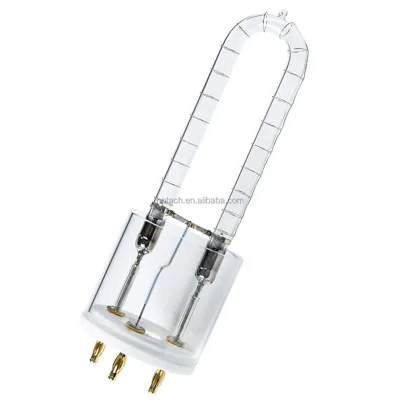
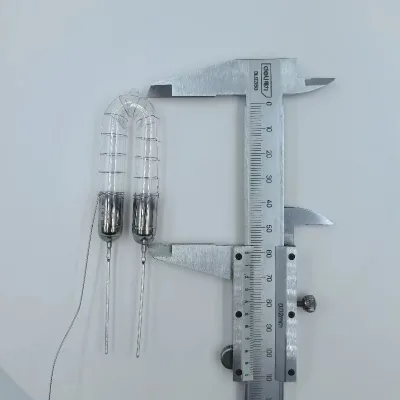
Main productsxenon flash lamp,xenon flash tube,LASER LAMP,IPL lamp,IPL tube
Main marketsEastern Europe(20.0%), Western Europe(20.0%), Eastern Asia(10.0%), Mid East(10.0%), North America(10.0%), Southeast Asia(10.0%), Africa(8.0%)

Jiaxing Sinolamp Electronic Technology Co., Ltd.
- Verified by CTI
- Trading Company,Manufacturer/Factory,Group Corporation
- China Zhejiang
- Lead time23 days
- Avg. response≤ 9h
Main productsLED Bulb Light, LED Panel Light, LED Tube Light, Decorative Lamps, Rechargeable LED Bulb, Smart LED Bulb, Outdoor LED Light, Energy Saving Bulb
Main marketsSouth America,Eastern Europe,Mid East,North America,Southeast Asia,Eastern Asia,Oceania,Western Europe,Africa

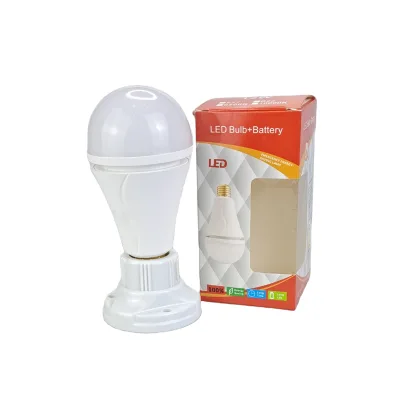
Magnetic Suction Emergency Light Bombillas LED 36W 24W 12W LED Rechargeable Bulb
$1.60 - $2.90
Moq: 5000


Jiangmen Hezhongyi Technology Co., Ltd
- Manufacturer, Trading Company
- guangdong, China
- Lead time7 days
- Avg. response≤ 8h
Main productsLED STRIP LIGHT,POWER SUPPLY,SOLAR SYSTEM,LED COB STRIP,LED MODULES
Main marketsMid East(20.0%), Southeast Asia(16.0%), South America(15.0%), Eastern Asia(10.0%), South Asia(5.0%), Western Europe(5.0%), Eastern Europe(5.0%), North America(5.0%), Oceania(5.0%), Africa(5.0%), Central America(3.0%), Southern Europe(3.0%), Northern Europe(3.0%)
Jiaxing Xinyue Photoelectric Technology Co., Ltd.
- Verified by CTI
- Trading Company
- China Zhejiang
- Lead time15 days
- Avg. response≤ 2h
Main productsLED Panel Light, Solar Fan, Solar LED Strip, Switching Power Supply, LED Moudle
Main marketsSouth America,Africa,Southeast Asia/ Mideast

Hubei LiBaiChang Technology Co., Ltd.
- Verified by CTI
- Manufacturer/Factory
- China Hubei
- Lead time15 days
- Avg. response≤ 3h
Main productsSolar Home System, Outdoor Lighting, Emergency Products, Generators, Solar Panel, Commercial Lighting Light, Solar Inverter, Indoor Light, Solar Fan, Solar Insect Killer Light
Main marketsSouth America,Eastern Europe,Mid East,North America,Southeast Asia,Eastern Asia,Oceania,Western Europe,Africa


7W 9W 12W 15W Emergency Power Outage Battery Operated Rechargeable Light Bulbs
$0.37 - $1.85
Moq: 1000


Portable Emergency E27 Hook 20W Scalable Battery Powered Rechargeable Light Bulbs
$1.37 - $3.87
Moq: 200

Shanghai Lanyou Lighting Co., Ltd.
- Verified by CTI
- Trading Company
- China Anhui
- Lead time15 days
- Avg. response≤ 5h
Main productsLED Channel Letters, Acrylic Signs, Metal Sign Letters, Wayfinding Signs, Outdoor Signage
Main marketsSouth America,Africa,Southeast Asia/ Mideast,East Asia(Japan/ South Korea),Europe,Australia,North America


Wholesale Rechargeable LED Emergency Bulb with Hanging Hook Forcamping Lighting
$2.77 - $3.01
Moq: 1000


Huzhou Lindal Lighting & Electrical Co., Ltd.
- Verified by CTI
- Trading Company,Manufacturer/Factory
- China Zhejiang
- Lead time45 days
- Avg. response≤ 6h
Main productsLED Tri-Proof Light, LED Waterproof Lighting Fixture, LED Panel Light, LED Ceiling Light, LED Bulkhead, LED Emergency Light, LED Tube, LED Bulb, LED Highbay Light
Main marketsSouth America,Eastern Europe,Mid East,North America,Southeast Asia,Eastern Asia,Oceania,Western Europe,Africa

Jinggoal International Limited
- Verified by BV
- Manufacturer/Factory
- China Guangdong
- Lead time23 days
- Avg. response≤ 14h
Main productsGift, Pen, Wall Clock, Travel Adapters, Book Wire Binding & Machine, Lock, Table Lamp, LED, Keychain, Alarm
Main marketsSouth America,Eastern Europe,North America,Southeast Asia,Eastern Asia,Oceania,Western Europe,Africa

Anjue Medical Equipment Co., Ltd.
- Verified by TUVRHEINLAND
- Trading Company
- China Anhui
- Lead time15 days
- Avg. response≤ 15h
Main productsAnesthesia Machine, Ventilator, Medical Sterilization Packaging, Dialysis Machine, Dental Unit, Autoclave, Patient Monitor, Ultrasound Scanner, Hospital Equipmtent, Laboratory Equipment
Main marketsAfrica,Southeast Asia/ Mideast




Comprehensive Sourcing Guide
One Hand Safety Suction Bulb Supplier Concentration and Factory Types
The current supplier landscape for one hand safety suction bulbs shows a distinct concentration of manufacturing activity within China, specifically in the Zhejiang province region. This geographic clustering suggests a mature supply chain ecosystem where raw materials for rubber and plastic components are readily accessible, facilitating efficient production cycles for items like serological pipettes and medical suction devices. Buyers observing this data should prioritize suppliers located in this specific region when seeking manufacturers with established infrastructure for high-volume output. The presence of multiple entities in this area indicates a competitive market where specialized factories likely focus on medical consumables and laboratory equipment, offering a diverse range of product sizes and customization options.
Regarding company structures, the available data reveals a mix of Manufacturer/Factory entities and Combined trading models, alongside some Trading Companies that also operate production facilities. This variation implies that buyers can engage directly with factories for OEM and ODM services or work with combined entities that may offer broader product portfolios including transformers and frequency inverters alongside medical bulbs. It is critical to distinguish between pure manufacturers and trading companies, as the former typically provide more direct control over production timelines and quality assurance processes. Buyers should verify the specific company type listed for each supplier to ensure alignment with their sourcing strategy, whether that involves direct factory engagement for custom rubber bulb specifications or a trading partner for consolidated logistics.
How to Verify One Hand Safety Suction Bulb Suppliers
Verification of supplier credibility relies heavily on checking for third-party validation marks such as BV verification status, which indicates that an independent body has assessed the supplier's business operations. In the current dataset, specific suppliers display BV verification, providing a baseline level of trust regarding their business legitimacy. Buyers must confirm this status directly on the supplier profile before proceeding, as unverified entities lack this external validation. Additionally, system certifications like ISO 9001, ISO 14000, and ISO 14064 are frequently listed, signaling adherence to international quality and environmental management standards. These certifications are particularly relevant for medical and laboratory equipment, where consistency and safety are paramount.
Beyond certifications, buyers should scrutinize the response time metrics provided in supplier profiles, as these figures reflect operational efficiency and communication reliability. The observed data includes response times ranging from approximately 4 hours to nearly 16 hours, with faster responses often correlating with more agile manufacturing or trading operations. A supplier with a response time under five hours may be better equipped to handle urgent inquiries regarding custom bulb designs or urgent order adjustments. Furthermore, checking for specific product attributes like RoHS, CE, and ISO compliance in the product details ensures that the specific suction bulb models meet regulatory requirements for the target market. Buyers should not assume all listed attributes apply to every product but must verify them against the specific item being sourced.
What to Compare Across One Hand Safety Suction Bulb Suppliers
When evaluating potential partners, comparing lead times is essential for aligning production schedules with project deadlines. The data indicates lead times can vary significantly, with some suppliers citing 23 days for general production and others specifying 15 to 25 days depending on quantity. For customized orders, lead times may extend to 15-20 days or more, requiring careful planning to avoid delays. Buyers should also compare Minimum Order Quantities (MOQ), which range from as low as 1 piece for sampling to 5000 pieces for bulk commercial orders. Understanding these thresholds helps determine whether a supplier can accommodate small batch testing or requires large volume commitments that might strain inventory budgets.
Response speed and capacity capabilities are equally critical comparison points for ensuring supply chain resilience. Suppliers with high R&D capacity for OEM and ODM services can better support unique design requirements for suction bulbs, such as specific valve configurations or color customizations. The observed data shows some suppliers offer capacities up to 100,000 pieces per month, which is vital for large-scale procurement needs. Additionally, comparing product attributes like material composition (rubber vs. plastic) and disposal status (disposable vs. reusable) ensures the selected supplier meets specific application requirements for medical or laboratory use. Buyers must cross-reference these dimensions to find a supplier whose operational metrics match their specific volume and quality expectations.
Common One Hand Safety Suction Bulb Sourcing Risks
One significant risk involves the variability in product specifications and certifications across different suppliers. While some listings explicitly state compliance with standards like ISO 13485 or CE, others may only list generic certifications or lack specific medical device approvals. This inconsistency can lead to compliance issues if the sourced bulbs are intended for regulated medical environments. Buyers must rigorously verify that the specific product model they intend to purchase carries the necessary certifications for their region, rather than assuming the supplier's general company certifications apply to every item in their catalog. Failure to do so could result in rejected shipments or regulatory penalties.
Another risk pertains to the reliability of delivery timelines and the potential for production bottlenecks. Although some suppliers advertise short delivery windows of 4-8 working days via express shipping, standard production times often extend to 15-25 days or longer. Relying on optimistic estimates without accounting for potential delays in raw material sourcing or factory scheduling can disrupt downstream operations. Furthermore, the distinction between individual packaging and bulk packaging affects logistics costs and product protection. Buyers should confirm the exact packing specifications, such as 100 pieces per bag or 2000 pieces per carton, to ensure the packaging method aligns with their storage and distribution capabilities, preventing damage or loss during transit.
One Hand Safety Suction Bulb Regional Sourcing and Logistics
The primary sourcing hub for one hand safety suction bulbs is identified as Zhejiang, China, a region known for its robust manufacturing infrastructure for rubber and plastic products. This concentration allows for efficient logistics networks and potentially lower freight costs due to the density of suppliers in the area. Buyers targeting this region should leverage the local expertise in medical device manufacturing, as the cluster likely offers a wide array of complementary products like test tubes and centrifuge tubes. However, buyers must verify the specific factory location within Zhejiang, as proximity to ports can significantly impact shipping efficiency and costs for international orders.
Logistics planning must account for the specific packaging configurations provided by suppliers, which vary from individual paper-plastic packages to bulk cartons containing thousands of units. The data shows packing options like 800 pieces per carton or 2000 pieces per carton, which directly influence container loading efficiency and freight charges. Buyers should calculate the optimal order quantity to maximize container utilization while meeting their MOQ requirements. Additionally, understanding the origin of the product is crucial for customs clearance and tariff calculations. Since the product origin is listed as China, buyers must ensure they have the necessary documentation to comply with import regulations in their destination country, particularly regarding medical device standards and material safety.
One Hand Safety Suction Bulb Commercial Terms and Order Planning
Commercial terms regarding pricing and payment structures vary widely based on order volume and customization levels. The observed price ranges for suction bulbs span from approximately $0.23 to $2.49 per unit, reflecting differences in material quality, size, and certification levels. Buyers should note that lower prices often correlate with higher MOQs, such as 5000 pieces, while smaller sample orders may carry a higher unit cost. It is essential to clarify whether the quoted price includes packaging, shipping, or taxes, as these factors can significantly alter the total landed cost. Buyers must also verify if the supplier offers sample policies, such as free samples within a specific quantity limit, to validate product quality before committing to a large order.
Order planning requires a strategic approach to balancing production capacity with demand forecasts. Suppliers with high monthly capacities, such as 100,000 pieces, can support large-scale projects, but buyers must confirm lead times for custom designs, which may extend beyond standard production windows. The availability of customization services, including color and size options, allows for tailored solutions but requires clear communication of specifications to avoid production errors. Buyers should establish a timeline that accounts for the full production cycle, from design approval to final delivery, ensuring that stock levels are maintained to prevent interruptions in laboratory or medical operations. Clear agreement on delivery terms and quality assurance protocols is vital for a successful long-term partnership.
FAQs
What is the price range for suction bulbs?
Suction bulbs are priced between $0.28 and $2.49 per unit. The cost varies based on material, size, and customization options. Buyers can find basic rubber models at the lower end and specialized medical-grade bulbs at the higher end of this range.
What certifications do these suppliers hold?
Suppliers hold various certifications including ISO 9001, ISO 14001, CE, RoHS, and ISO 13485. These credentials ensure compliance with international quality and safety standards. Buyers should verify specific certificates relevant to their medical or laboratory application requirements before placing orders.
What is the typical lead time for orders?
Lead times generally range from 15 to 30 days depending on order quantity and customization needs. Express delivery options are available for smaller quantities, taking 4-8 working days. Bulk production typically requires 15-25 days, while customized designs may take up to 20 days.
What is the minimum order quantity for these products?
Minimum order quantities vary significantly, starting from 1 piece for some items up to 5000 pieces for others. Standard rubber bulbs often require 2000 pieces, while specialized medical bulbs may have different thresholds. Buyers should check specific product listings for exact MOQ requirements.
Where are these suction bulbs manufactured?
These products are primarily manufactured in China, specifically in the Zhejiang region. Suppliers in this area offer both OEM and ODM services. Buyers can expect consistent quality and competitive pricing from these established manufacturing hubs in China.
Are customization options available for suction bulbs?
Yes, customization is available for color, size, and branding. Suppliers offer options for different colors like red, black, green, and blue. Custom designs and logos can be accommodated, though this may affect lead times. Buyers should contact suppliers directly for specific customization details.