Rechargeable Solar Light Balls Suppliers and Manufacturers
Explore 28 verified suppliers offering Rechargeable Solar Light Balls with customizable features like IP65 ratings and RGB color changes. Compare lead times, certifications, and response times to find the right partner. Contact suppliers directly to request samples or quotes; review the available evidence before requesting comparable quotations from suitable candidates.
Suppliers List
- Verified by Intertek
- Manufacturer, Trading Company
- Lead time20 days
Main productsLED Decorative Lamp, Solar Light, LED Furniture, LED Bar Furniture, LED Light
Main marketsDomestic Market(20%), North America(10%), South America(10%)
Shenzhen Efun Innovation Electronic Technology Co., Ltd.
- Manufacturer, Trading Company
- Guangdong, China
- Lead time25 days
- Avg. response≤ 2h
Main productsLED outdoor furnitures,dancing floor,3D decorative wall panel,Promotional gifts,Souring agent service
Main marketsWestern Europe(28.000000000000004%), North America(15.0%), Mid East(12.0%), Domestic Market(10.0%), Southeast Asia(9.0%), Northern Europe(9.0%), Eastern Asia(5.0%), Southern Europe(4.0%), Eastern Europe(2.0%), South Asia(2.0%), South America(2.0%), Oceania(1.0%), Africa(1.0%)
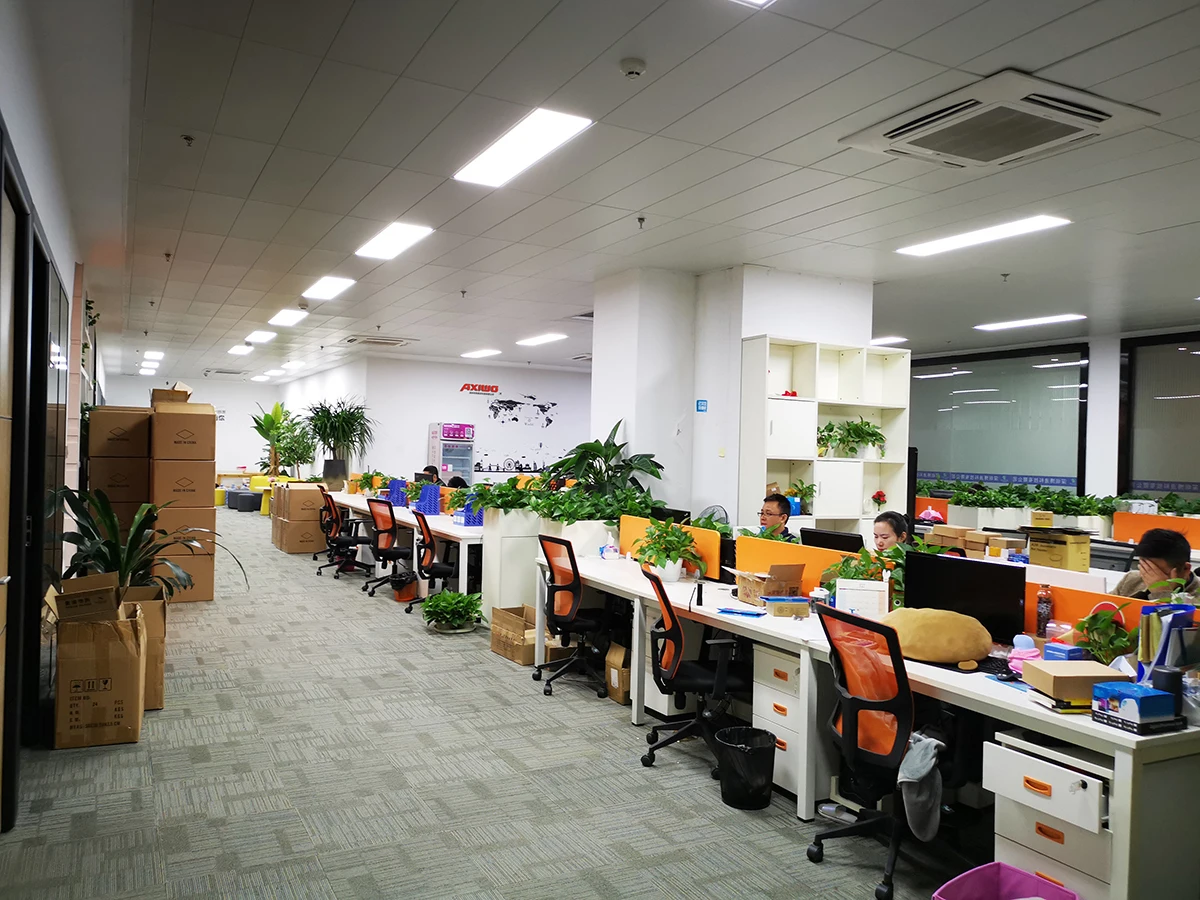
Shenzhen E-Lux Energy Co., Ltd
- Manufacturer
- Guangdong, China
- Lead time5 days
- Avg. response≤ 3h
Main productsled closet light,night light,Glow furniture,Desk lamp,Floor lamp
Main marketsNorth America(30.0%), Western Europe(11.0%), Southern Europe(10.0%), Mid East(10.0%), Northern Europe(10.0%), Southeast Asia(8.0%), Eastern Europe(8.0%), Central America(3.0%), South America(3.0%), South Asia(3.0%), Domestic Market(1.0%), Eastern Asia(1.0%), Africa(1.0%), Oceania(1.0%)
- Trading Company
- Guangdong, China
- Lead time15 days
- Avg. response≤ 3h
Main productsled Halloween mask,sound activated LED bracelet,LED glasses,LED necklace,LED headband
Main marketsNorth America(25.0%), Western Europe(24.0%), South America(18.0%), Eastern Europe(10.0%), Northern Europe(9.0%), Southern Europe(9.0%), Oceania(5.0%)
Shenzhen DSY Electronic Technology Co., Ltd.
- Verified by TüVRheinland
- Manufacturer, Trading Company
- Lead time0 days
- Avg. response≤ 5h
Main productsRGB Tube Light
Main marketsNorth America(40%), Western Europe(30%), Mid East(10%)

Ningbo Weixin Houseware Co., Ltd.
- Trading Company
- China Zhejiang
- Lead time30 days
- Avg. response≤ 9h
Main productsLED Garlands, LED Flood Lights, LED Decoration Lights, LED Night Lights
Main marketsSouth America,Africa,Southeast Asia/ Mideast,Europe,North America
Telesol Energy Company Limited
- Trading Company
- China Guangdong
- Lead time30 days
- Avg. response≤ 5h
Main productsEnergy Storage System, Solar Home System, Hybrid Solar Inverter, Solar Reading Lamp, Solar Radio, Solar Lantern, Solar Torch, LED Lamp
Main marketsAfrica,Southeast Asia/ Mideast,Europe
Dongguan E Smart Live Technology Co., Ltd.
- Manufacturer, Trading Company
- Lead time旺季: "1 - 100":10,"> 100":"To be negotiated", 淡季: "1 - 100":10,"> 100":"To be negotiated"
- Avg. response≤ 2h
Main productsLED Furniture, LED Decoration Light, LED Floor Light, LED Bar Table, LED Dance Floor

Hunan Woolf Technology Co., Ltd.
- Verified by TUVRHEINLAND
- Manufacturer/Factory
- China Hunan
- Lead time23 days
- Avg. response≤ 4h
Main productsLabel Sticker, Package Box, Vial Label, Vial Box, Shampoo Bar, Glass Vials, Plastic Blister Tray, Plastic Insert, Leaflet, Soap Bar
Main marketsSouth America,Eastern Europe,Mid East,North America,Southeast Asia,Eastern Asia,Oceania,Western Europe,Africa

- Manufacturer/Factory
- China Zhejiang
- Lead time23 days
- Avg. response≤ 4h
Main productsSolar Garden Lights, Solar Security Lights, Solar Mosquito Lamp, Solar Grave Lights, Solar Fairy Lights, Mosquito Zapper, Solar Decorative Lanterns, Cemetery Lanterns, Solar Holiday Lights, Solar Street Lights
Main marketsSouth America,Eastern Europe,Mid East,North America,Southeast Asia,Eastern Asia,Oceania,Western Europe,Africa
Dongguan E Smart Live Technology Co., Ltd.
- Manufacturer
- Guangdong, China
- Lead time7 days
- Avg. response≤ 2h
Main productsbar light,Led furniture,Solar led light,led char,led stool
Main marketsWestern Europe(20.0%), Mid East(20.0%), North America(20.0%), South Asia(5.0%), Southern Europe(5.0%), Northern Europe(5.0%), Eastern Europe(5.0%), Eastern Asia(5.0%), South America(5.0%), Africa(5.0%), Southeast Asia(5.0%)

Dongguan Awesome Technology Co., Ltd.
- Manufacturer
- Guangdong, China
- Lead time10 days
- Avg. response≤ 5h
Main productsLED Furniture, LED Table, LED Chair, LED Sofa, LED Light,, LED Flower
Main marketsNorth America(20.0%), South America(15.0%), Mid East(15.0%), Western Europe(10.0%), Eastern Europe(10.0%), Oceania(9.0%), Southern Europe(5.0%), Central America(5.0%), Southeast Asia(5.0%), Eastern Asia(2.0%), Northern Europe(2.0%), South Asia(1.0%), Domestic Market(1.0%)
Shenzhen Power-Solution Ind Co., Limited
- Combined
- China Guangdong
- Lead time23 days
- Avg. response≤ 13h
Main productsSolar Lantern with Mobile Charger, Solar Home Lighting System, Solar Table Reading Lamp, Solar Hanging Lamp, Solar LED Bulb, Solar Lantern with Radio, Solar Lantern with MP3 and Radio, Solar Lighting Kits, Solar System, Solar Camping Lantern
Main marketsSouth America,Africa,Southeast Asia/ Mideast,East Asia(Japan/ South Korea),Australia
Foshan Baicai Electron Co., Ltd.
- Manufacturer, Trading Company
- Guangdong, China
- Lead time3 days
- Avg. response≤ 2h
Main productsLED Furniture,LED Bluetooth Speaker,LED Decorative Light,LED Cube,LED Ball
Main marketsMid East(25.0%), Eastern Europe(15.0%), Northern Europe(15.0%), Western Europe(10.0%), Southern Europe(10.0%), South America(10.0%), Domestic Market(5.0%), North America(5.0%), Southeast Asia(5.0%)

Quanzhou Leader Industry Limited
- Verified by TUVRHEINLAND
- Trading Company
- China Fujian
- Lead time30 days
- Avg. response≤ 18h
Main productsPolyresin Crafts, Metal Crafts, Souvenir Gifts, Snow Globe, Fridge Magnet, Bobble Heads, Resin Figurine, Ceramic Items, Garden Statue Garden Ornament, Ceramic Mug
Main marketsEurope

BSCI Audited Factory Solar Glass Gazing Ball for Solar Light, Garden Light Decor
$6.80 - $6.85
Moq: 800


Ningbo Bone International Trading Co., Ltd.
- Trading Company,Manufacturer/Factory
- China Zhejiang
- Lead time30 days
- Avg. response≤ 3h
Main productsOutdoor Camping Light, Outdoor Flashlight, Outdoor Headlamp, Solar Garden Light Lamp, Solar Festival Christmas Light Lamp, Decoration Light Lamp String, Outdoor Trekking Pole, Warning Light Lamp, Outdoor Running Pole, Outdoor Walking Pole
Main marketsSouth America,Eastern Europe,Mid East,North America,Southeast Asia,Eastern Asia,Oceania
Shenzhen HXY Industrial Co., Ltd.
- Verified by TUVRHEINLAND
- Trading Company
- China Guangdong
- Lead time30 days
- Avg. response≤ 5h
Main productsSolar Power Systems, Solar Home Systems, Solar Lanterns, Solar Fans, Pay as You Go Solar Home Systems, Solar Home Lighting Systems, Solar Freezer, Solar Refrigerator, Solar Flashlight, Solar System
Main marketsDomestic
Dongguan Vionix Smart Tech Co., Ltd
- Verified by SGS
- Trading Company
- China Guangdong
- Lead time15 days
- Avg. response≤ 1h
Main productsPlasma Ball, Air Purifier, Smart Glasses, Smart Watch, Smart Speaker, Smart Tracker, Smart Camera, Night Light, Smart Ring, Smart Earphone
Main marketsDomestic

Large Plasma Ball Lamp Glass Ball with Touch-Sensitive Lightning 15 Inch Plasma Ball
$258.00 - $298.00
Moq: 1


Zhongshan Aoxing Photoelectric Technology Co., Ltd.
- Verified by SGS
- Combined
- China Guangdong
- Lead time30 days
- Avg. response≤ 6h
Main marketsSoutheast Asia/ Mideast

Yueqing Fiy Electric Co., Ltd.
- Verified by TUVRHEINLAND
- Combined
- China Zhejiang
- Lead time23 days
- Avg. response≤ 7h
Main productsIndustry Socket, Industry Plug, Solar String Light, Christmas Decoration, Solar Light, Christmas Lights, Solar LED Light, LED Strip Light, Industry Switch, Tools Switch
Main marketsSoutheast Asia/ Mideast,Domestic,Europe,North America

Quanzhou Jesin Trading Co., Ltd.
- Trading Company
- Fujian, China
- Lead time50 days
- Avg. response≤ 13h
Main productsgarden decoration,Christmas decoration,outdoor solar,home crafts,Holiday gifts
Main marketsNorthern Europe(30.0%), North America(30.0%), Eastern Europe(20.0%), Southern Europe(10.0%), Western Europe(10.0%)
Zhongshan Xingyuan Lighting Co., Ltd.
- Verified by SGS
- Combined
- China Guangdong
- Lead time15 days
- Avg. response≤ 3h
Main productsSolar Garden Light, Christmas Light, Wind Chimes Light, Holiday Lights, Landscape Light, Wall Light, Lawn Light
Main marketsEurope,Australia,North America
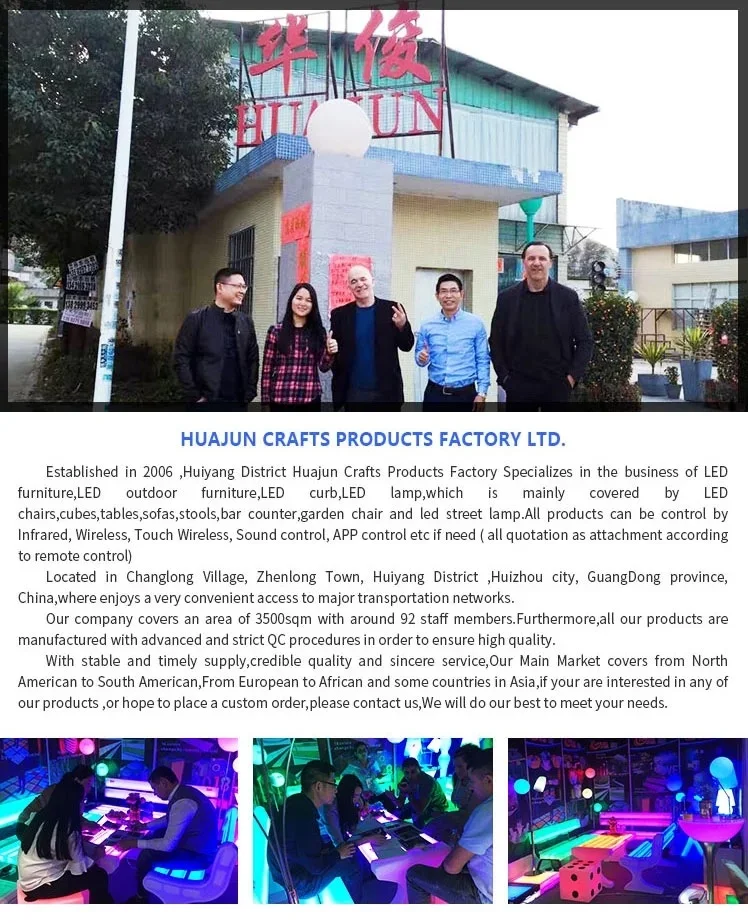
Huizhou City Huiyang District Zhenlong Brave Crafts Products Factory
- Manufacturer
- Guangdong, China
- Lead time20 days
- Avg. response≤ 2h
Main productsDecorative Light, LED Light
Main marketsNorth America(35.0%), Eastern Asia(8.0%), South America(8.0%), Western Europe(8.0%), Southern Europe(8.0%), Southeast Asia(6.0%), Oceania(5.0%), Northern Europe(5.0%), Eastern Europe(5.0%), Mid East(5.0%), Domestic Market(3.0%), South Asia(2.0%), Central America(1.0%), Africa(1.0%)
Evermore Enterprise (Zhejiang) Ltd.
- Verified by SGS Group
- Trading Company
- Lead time45 days
- Avg. response≤ 9h
Main productsLED Lights, LED Neon Lights, Advertising LED Light, Motif Light, Holiday Lighting
Main marketsNorth America(30%), Northern Europe(12%), Southern Europe(12%)
Guangzhou X Lighting Co., Limited
- Verified by SGS
- Combined
- China Guangdong
- Lead time15 days
- Avg. response≤ 4h
Main productsKinetic Lights, Moving Head Lights, LED Moving Head Light, LED Screen Display, Effect Light, LED Dance Floor, Pixel Light, Laser Light, Stage Equipments, Stage Light
Main marketsSouth America,Southeast Asia/ Mideast,East Asia(Japan/ South Korea),Europe,Australia,North America

Zhongshan Grandview Lighting Co., Ltd.
- Combined
- China Guangdong
- Lead time23 days
- Avg. response≤ 7h
Main productsChristmas Lights, Insect Lights, Strip and Rope Lights, Landscape Lights, Artificail Tree Lights, Firework Lights, Wedding Lights, Garden Decoration Lights
Main marketsSouth America,Africa,Southeast Asia/ Mideast,East Asia(Japan/ South Korea),Domestic,Europe,Australia,North America


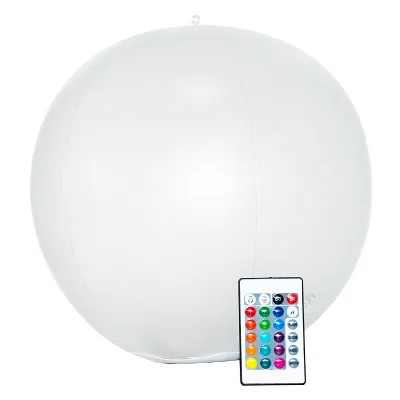
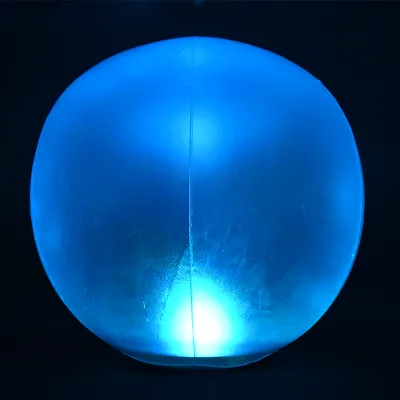
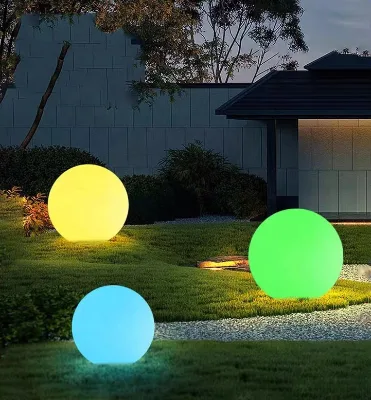
Colour Changing Ball Light Wireless Rechargeable Outdoor Garden Waterproof Ball Light
$10.50 - $10.70
Moq: 10


Portable Outdoor LED Light Round Ball Hanging Lamp Creative Atmosphere Lighting
$12.00 - $12.80
Moq: 10
Shenzhen Bangyuan Furniture Co., Ltd.
- Verified by SGS Group
- Manufacturer, Trading Company
- Lead time10 days
- Avg. response≤ 3h
Main productsLED Commercial Furniture, Indoor & Outdoor Lighting, Led Lights, Landscape Lighting, Decorative Lighting
Main marketsNorth America(60%), South America(7%), Mid East(6%)
Foshan Kaicheng Lighting Co., Ltd.
- Verified by SGS
- Combined
- China Guangdong
- Lead time30 days
- Avg. response≤ 14h
Main productsSolar Light, LED Light, Solar Flood Light, Solar LED Street Light, LED Flood Light, LED High Bay Light, LED Work Light, LED Street Light, Solar Garden Light, LED Solar Street Light
Main marketsSoutheast Asia/ Mideast,Europe
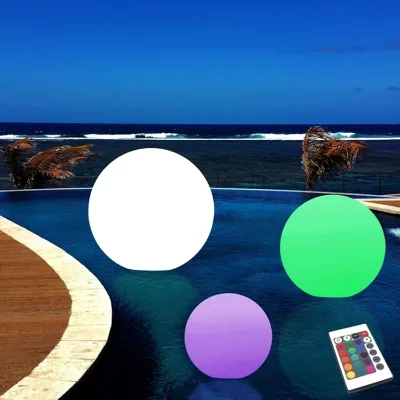
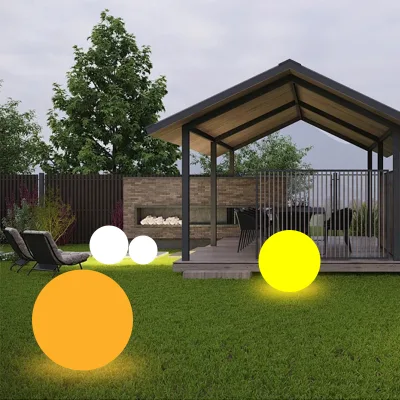
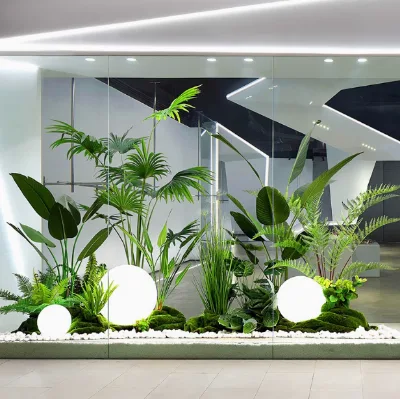
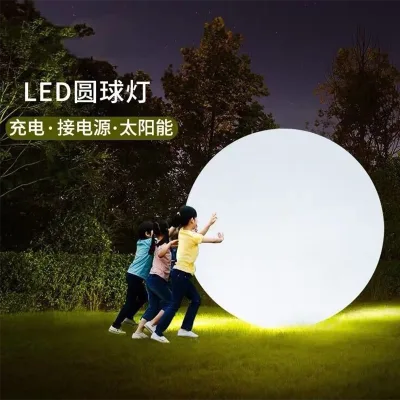
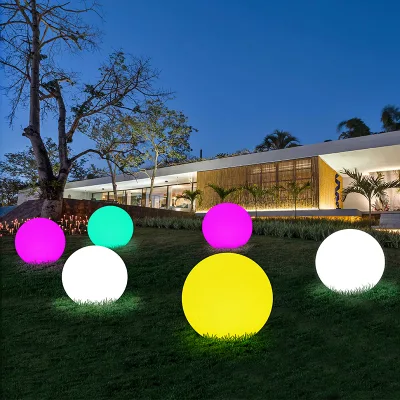
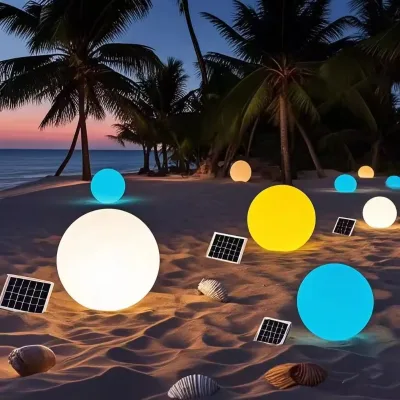
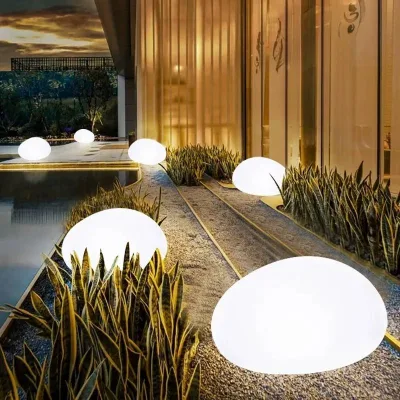
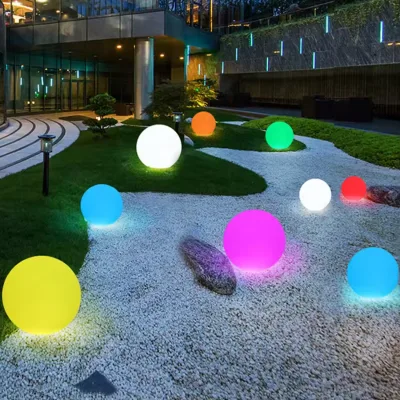
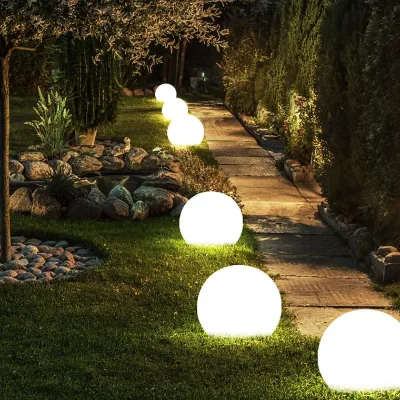
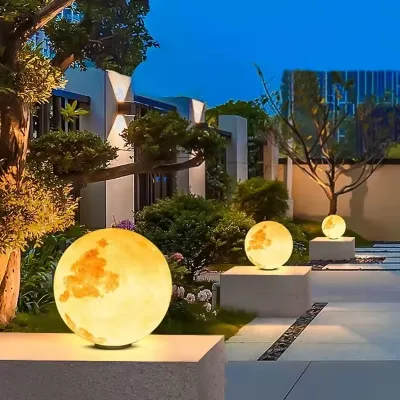
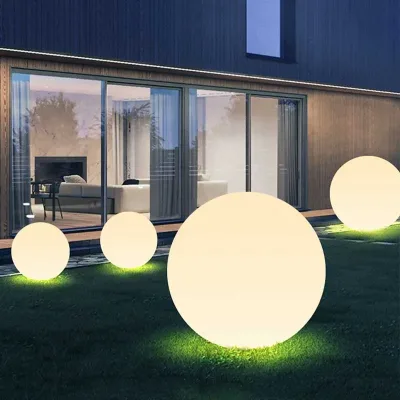
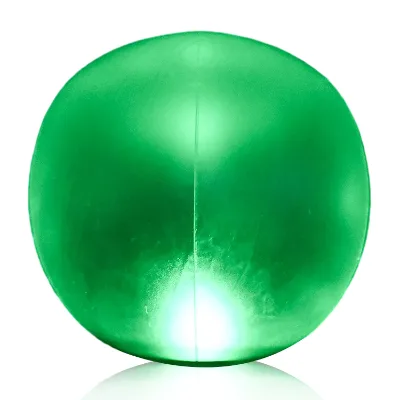


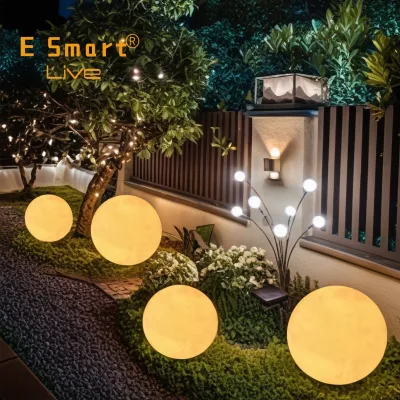
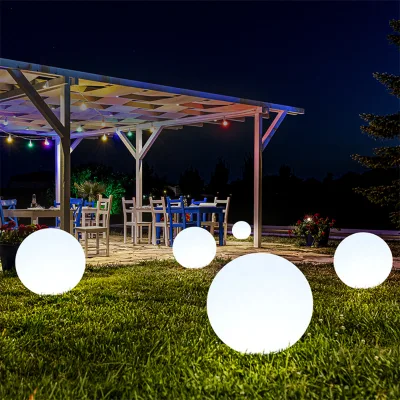
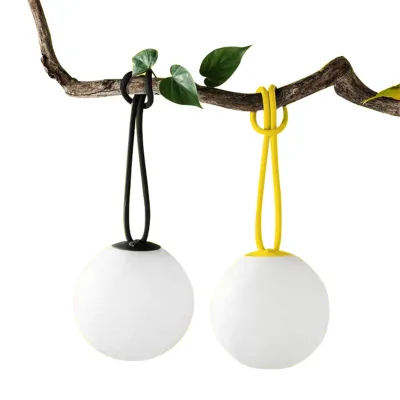
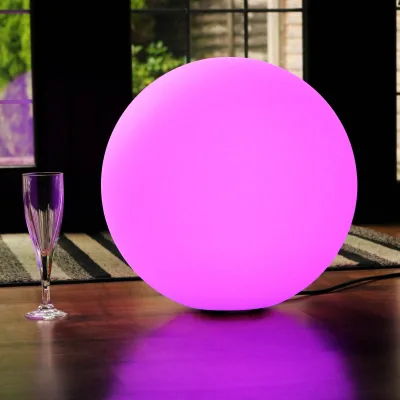


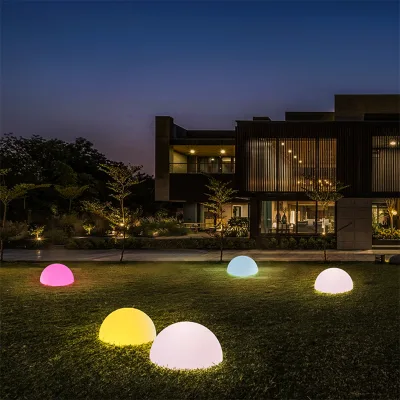
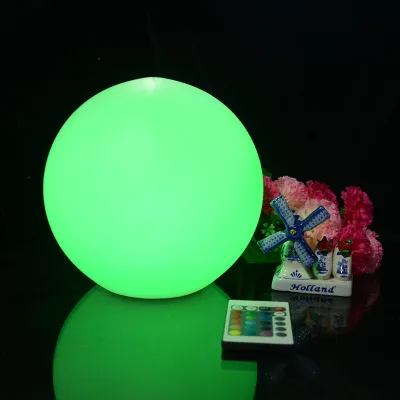
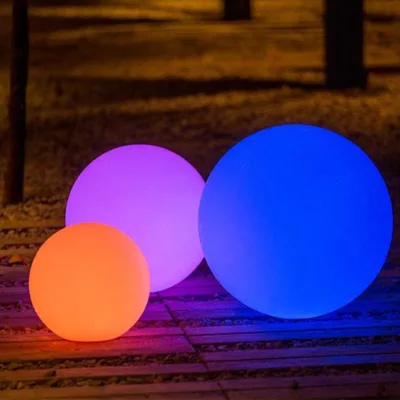
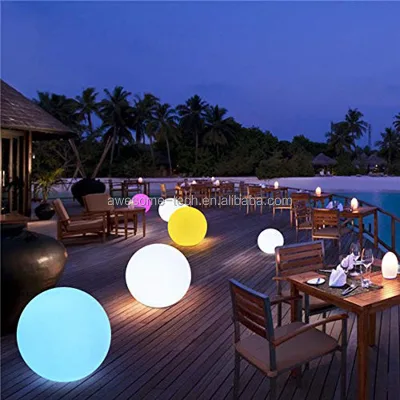
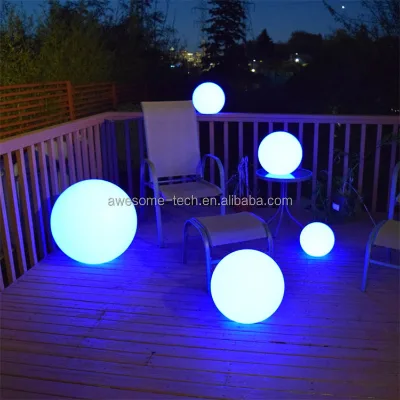
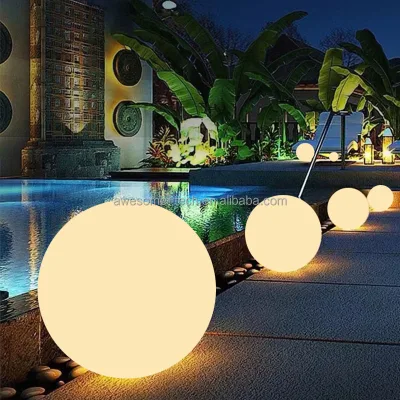
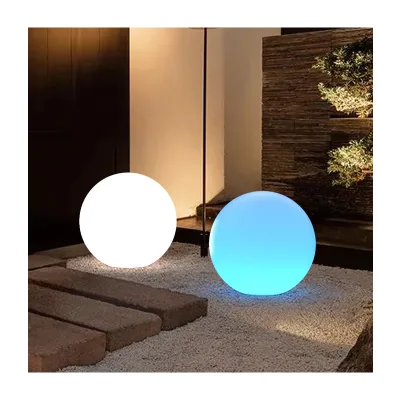
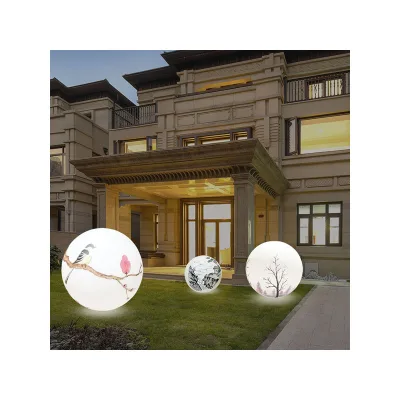
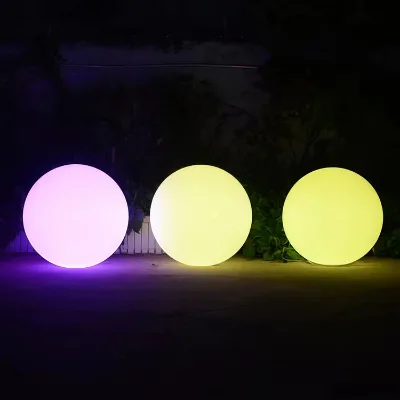


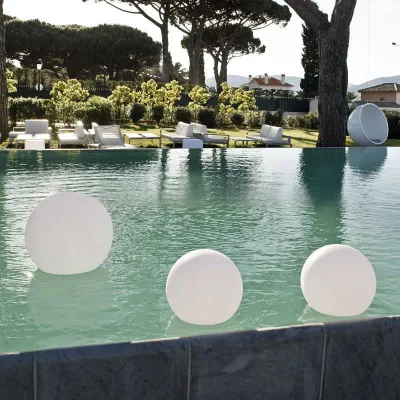
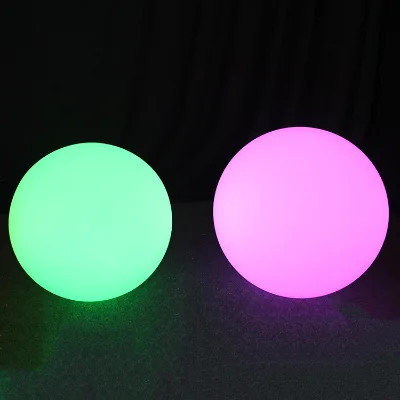
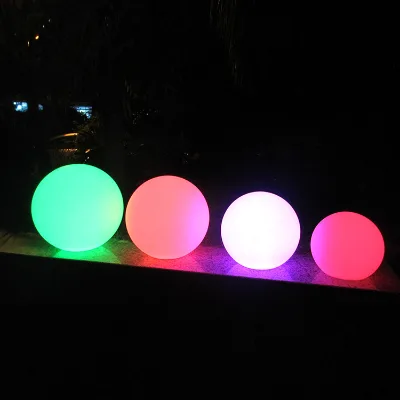
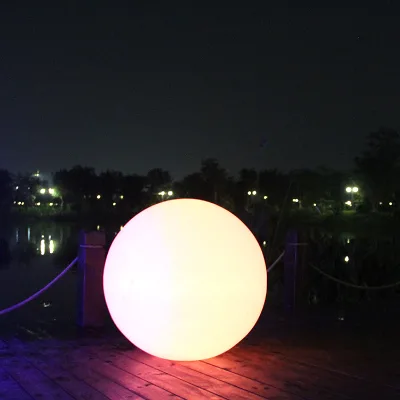


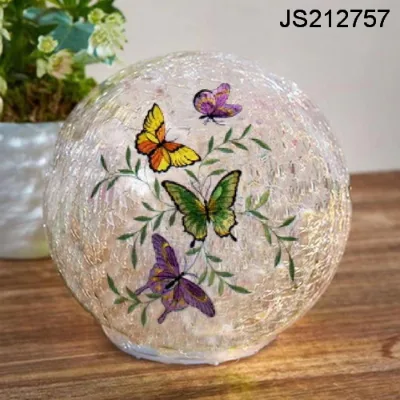
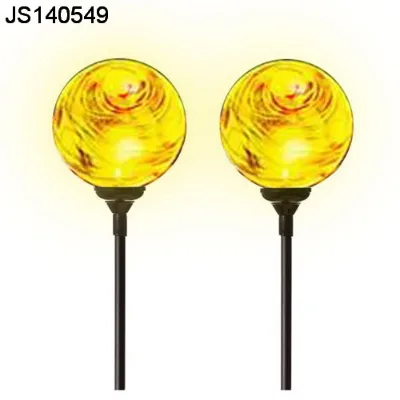


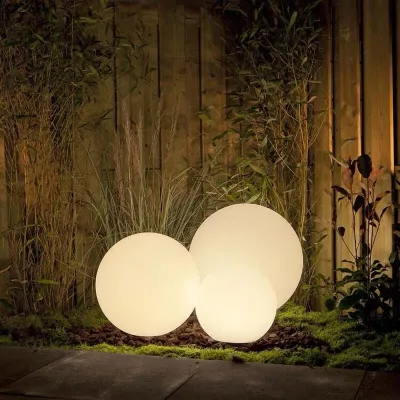
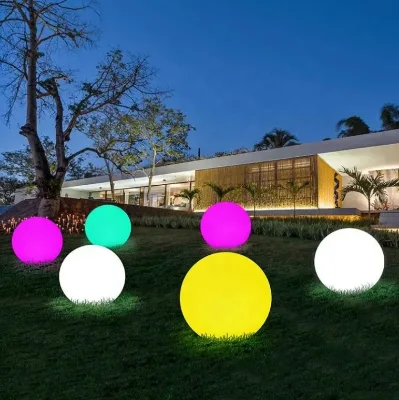
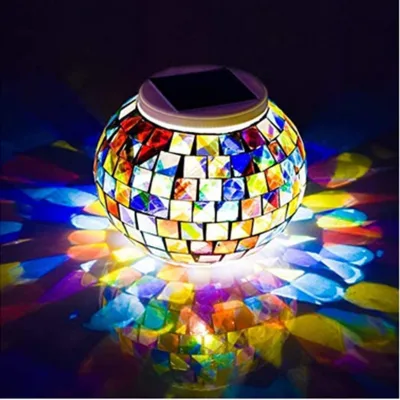
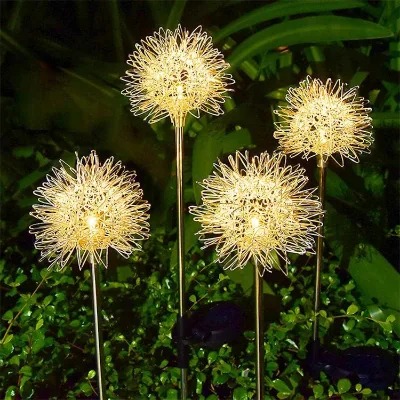


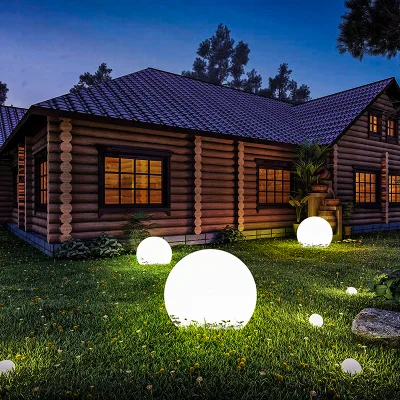
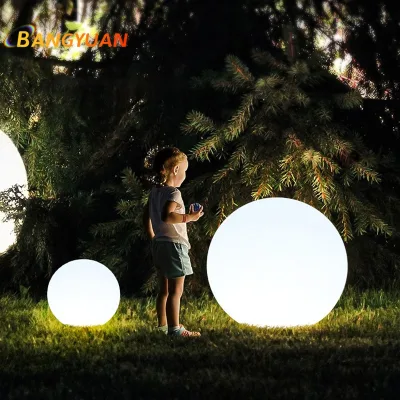
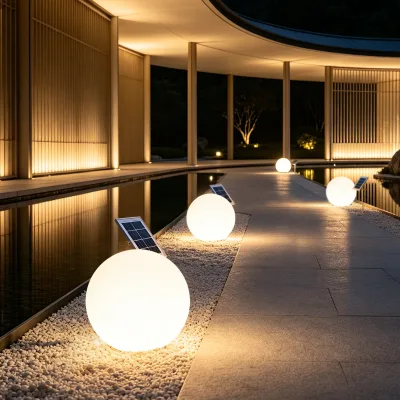


Comprehensive Sourcing Guide
Rechargeable Solar Light Balls Supplier Concentration and Factory Types
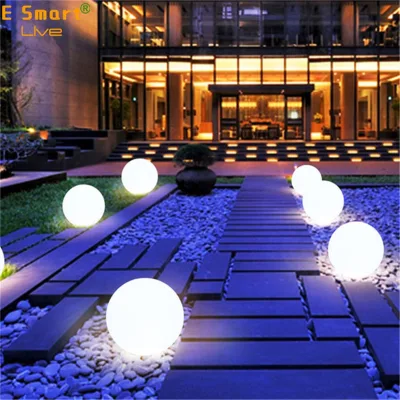
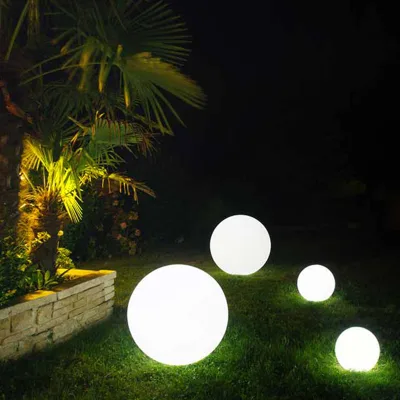
The current supplier landscape for Rechargeable Solar Light Balls reveals a concentration of manufacturing capabilities within Guangdong, China, based on verified product origin data. This region hosts a mix of manufacturers and trading companies that specialize in LED decorative lamps, solar lights, and LED furniture. Buyers should note that the primary production focus often includes rotational moulding techniques for plastic shells, which are essential for creating durable, waterproof ball shapes suitable for outdoor garden and landscape applications. The presence of both direct manufacturers and trading entities suggests a tiered supply chain where some suppliers handle in-house production while others manage logistics and customization services.
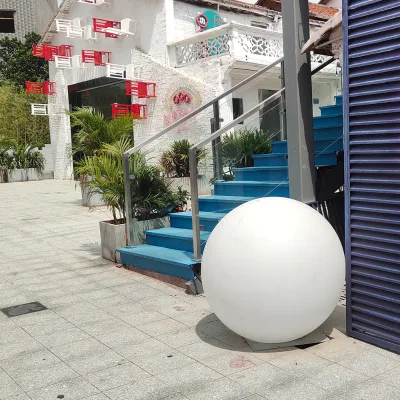
When evaluating the factory types, it is critical to distinguish between entities that offer sample processing and graphic processing capabilities versus those that focus solely on trading. The observed data indicates that many suppliers provide customized on-demand services, allowing for specific design modifications such as size adjustments ranging from 15cm to 100cm in diameter. Buyers must verify if the supplier's main products align with their specific needs, as some focus on holiday lighting while others target everyday garden decoration. Understanding whether a supplier is a manufacturer or a trading company helps in assessing their ability to control quality during the rotational moulding process and their capacity to handle complex lighting solutions like circuitry design and auto CAD layouts.
How to Verify Rechargeable Solar Light Balls Suppliers
Verification of suppliers in this category requires a rigorous check of system certifications and third-party audit results. The available data confirms that many suppliers hold RoHS, EMC, and CE certifications, with some also listing FCC compliance for their electronic components. Buyers should specifically look for Intertek verification status as a marker of reliability, ensuring that the supplier has undergone independent assessment. It is essential to cross-reference these certifications with the specific product attributes, such as the IP65 or IP68 ratings for waterproofing, to ensure the claims match the actual product specifications provided in the listing.
Beyond certifications, buyers must validate the supplier's response time and lead time capabilities to ensure operational readiness. The observed response times can be as fast as two days, while lead times for production typically range between 20 to 25 days. These metrics are crucial for planning inventory and managing customer expectations, especially for custom orders involving specific color temperatures or battery capacities. Buyers should request proof of these timelines and verify that the supplier can consistently meet the stated deadlines. Additionally, checking the warranty periods, which often span 12 months or one year, provides insight into the supplier's confidence in their product durability and after-sales support structure.
What to Compare Across Rechargeable Solar Light Balls Suppliers
Comparing suppliers requires a detailed analysis of their minimum order quantities (MOQ) and pricing structures, which vary significantly across the market. Some suppliers offer low entry barriers with an MOQ of just two units, while others require a minimum of ten units per order. Price ranges also fluctuate, with some listings showing costs as low as $10.00 per unit and others reaching up to $40.90 depending on features like RGB color changing capabilities or specific battery types. Buyers must evaluate whether the lower price point correlates with acceptable quality standards, such as the use of rechargeable Li-ion batteries versus other power sources, and whether the included accessories like remote controls and chargers justify the cost difference.
In addition to cost and volume, buyers should compare the technical specifications and lighting solutions services offered by different vendors. Key differentiators include the LED source type, such as SDM5050, and the color rendering index, which can range from standard values to higher indices like 90 for better color accuracy. Some suppliers provide comprehensive lighting solutions including circuitry design and auto CAD layouts, which is vital for large-scale commercial projects. The battery capacity and charging modes, whether via adaptor or inductive charging, also vary and should be matched against the intended application environment. Evaluating these technical parameters ensures that the selected supplier can meet the specific performance requirements of the project.
Common Rechargeable Solar Light Balls Sourcing Risks
One significant risk in sourcing Rechargeable Solar Light Balls involves the variability in battery performance and charging efficiency. While many products advertise a lifespan of 50,000 hours, the actual operational duration can be affected by the battery type and charging method. Some listings mention a charging time of 4-6 hours with an operational window of 8-12 hours, but buyers must verify if these figures hold true under different weather conditions or usage patterns. Inconsistent battery quality can lead to premature failure, especially in outdoor environments where exposure to elements is constant, making it essential to request detailed test reports on battery cycle life and retention.
Another critical risk is the discrepancy between advertised IP ratings and actual water resistance capabilities. Products are often marketed with IP65 or IP68 ratings, indicating varying degrees of protection against dust and water immersion. However, without independent verification, there is a risk that the sealing processes used during rotational moulding may not be sufficient for long-term outdoor exposure. Buyers should be cautious of claims regarding UV resistance and waterproofing, as these features are vital for maintaining the aesthetic and functional integrity of the light balls. Ensuring that the shell material, typically PE plastic, is of high quality and properly treated is necessary to prevent degradation over time.
Rechargeable Solar Light Balls Regional Sourcing and Logistics
Sourcing from Guangdong, China, offers logistical advantages due to the region's established infrastructure for exporting lighting products. The concentration of manufacturers in this area facilitates efficient supply chain management, with many suppliers offering single package sizes that are optimized for shipping, such as 55x55x55 cm or smaller 10x10x10 cm units. Buyers should consider the single gross weight of the products, which can range from 1.000 kg to 4.000 kg, as this impacts freight costs and handling requirements. Understanding the packaging standards, such as carton packing, helps in planning for safe transport and minimizing damage during transit.
Logistics planning also involves assessing the supplier's ability to handle customized orders and the associated lead times. With lead times ranging from 20 to 25 days, buyers must factor in production schedules and shipping durations to ensure timely delivery. The ability to customize sizes, such as diameters from 15cm to 80cm, adds complexity to the logistics process, requiring careful coordination with the supplier. Buyers should verify the supplier's experience with international shipping and their ability to provide accurate shipping estimates. Additionally, understanding the import regulations and duties for lighting products in the destination country is crucial for calculating the total landed cost and avoiding unexpected delays at customs.
Rechargeable Solar Light Balls Commercial Terms and Order Planning
Commercial terms for Rechargeable Solar Light Balls often include specific warranty periods and support services that buyers must carefully review. Most suppliers offer a warranty of 12 months or one year, which covers defects in materials and workmanship. Buyers should clarify the scope of this warranty, including whether it covers battery replacement or only the LED components. Additionally, the availability of lighting solutions services, such as circuitry design and auto CAD layouts, can be a valuable commercial term for buyers planning large-scale installations. These services often come with specific conditions and may require additional negotiation regarding costs and timelines.
Order planning must account for the selling units and the flexibility of the supplier to handle mixed orders. While some suppliers sell in single items, others may have specific requirements for bulk orders. The input voltage range, typically AC 100V-240V or AC 110V-240V, ensures compatibility with various power grids, but buyers should confirm the specific voltage requirements for their target market. The control methods, such as infrared remote or switch operation, also influence the order planning process, as different markets may have preferences for specific control mechanisms. Buyers should ensure that the supplier can accommodate these variations and provide clear documentation on the operational features to facilitate smooth integration into their projects.
FAQs
What certifications do the solar light balls have?
The products carry CE, RoHS, and FCC certifications to ensure safety and compliance. Some listings also mention EMC standards for electromagnetic compatibility. Buyers should verify specific test reports for each batch to confirm current compliance status before placing large orders.
How long does it take to receive an order?
Lead times for these items typically range from 20 to 25 days depending on the supplier. Customization requests may extend the production schedule slightly. Buyers should confirm the exact delivery window with the manufacturer before finalizing payment terms.
What is the minimum order quantity for these lights?
Minimum order quantities vary between 2 and 10 units per product listing. Some suppliers offer lower MOQs for standard models while customized designs may require higher volumes. Check the specific product page to determine the exact threshold for your selected item.
Are these solar balls waterproof for outdoor use?
Yes, the products feature IP65, IP67, or IP68 ratings for water resistance. This ensures durability in rain and outdoor garden environments. The shell material is typically PE plastic designed to withstand UV exposure and harsh weather conditions effectively.
Can the color of the LED balls be changed?
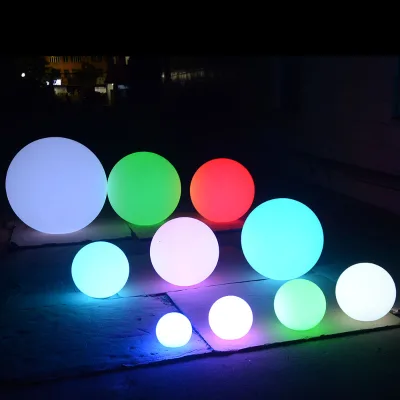
Most models support RGB color changing with up to 16 different color options. Users can control the lighting via remote control or switch operation. Dimming capabilities are also available on many units to adjust brightness levels according to preference.
What is the battery life for these rechargeable lights?
The lifespan of the LED source is up to 50,000 hours. Battery charging typically takes 4 to 6 hours, providing 8 to 12 hours of operation. Some models use rechargeable Li-ion batteries while others may require AAA batteries for specific functions.
Where are these solar light balls manufactured?
All listed products originate from Guangdong, China. This region is a known hub for LED lighting manufacturing and export. Buyers can expect consistent supply chains and established logistics networks for shipping these decorative items to international markets.
Do suppliers offer lighting design services?
Yes, many manufacturers provide lighting and circuitry design services along with auto CAD layout support. This helps buyers visualize the installation in their specific space. Customized on-demand processing is available for unique project requirements and specific application scenarios.