Rechargeable Lithium-Ion Lightsaber Suppliers and Manufacturers
Compare 13 suppliers of Rechargeable Lithium-Ion Lightsaber products by verifying certifications like CE and RoHS, checking lead times, and reviewing MOQs. Request samples to validate the 3000mAh battery performance and blade durability before finalizing your sourcing decision; review the available evidence before requesting comparable quotations from suitable candidates.
Suppliers List
Damien Technology (wuhan) Ltd.
- Verified by Intertek
- Trading Company
- Lead time0 days
Main productsGlow Stick
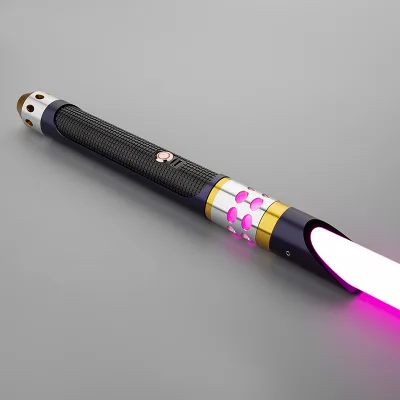
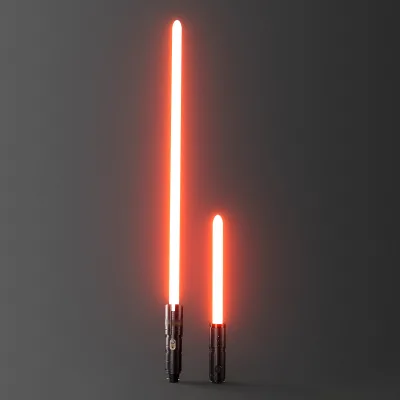
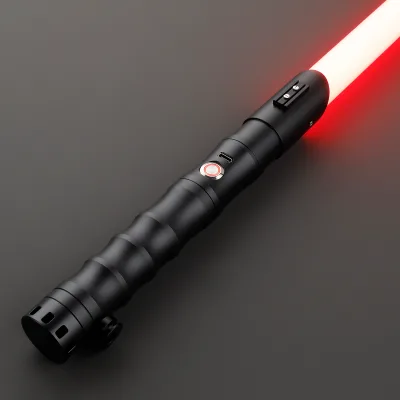
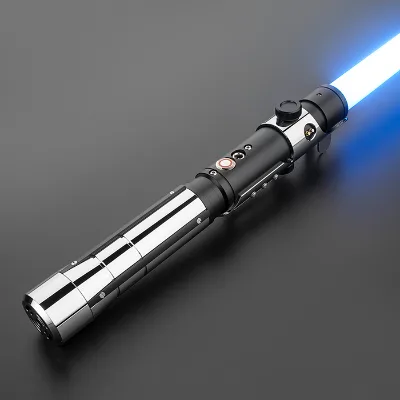
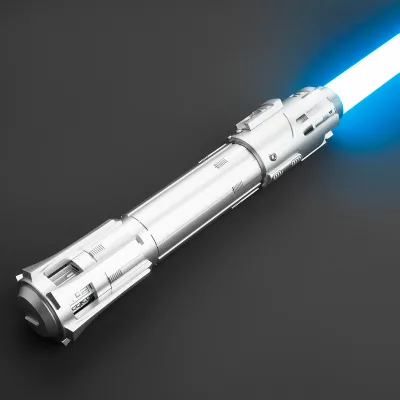
$141.22 - $235.37
MOQ: 15 Minimum


Jiaxing Sinolamp Electronic Technology Co., Ltd.
- Verified by CTI
- Trading Company,Manufacturer/Factory,Group Corporation
- China Zhejiang
- Lead time23 days
- Avg. response≤ 9h
Main productsLED Bulb Light, LED Panel Light, LED Tube Light, Decorative Lamps, Rechargeable LED Bulb, Smart LED Bulb, Outdoor LED Light, Energy Saving Bulb
Main marketsSouth America,Eastern Europe,Mid East,North America,Southeast Asia,Eastern Asia,Oceania,Western Europe,Africa


Hot Sell Lithium Battery 9W Energy Saving Lamp LED Intelligent Emergency Rechargeable
$1.11 - $1.19
MOQ: 5000 Pieces
- Verified by TUVRHEINLAND
- Trading Company
- China Zhejiang
- Lead time15 days
- Avg. response≤ 14h
Main productsLED Solar Light, Festival Lights, Table Lamp, LED Grow Lights, LED Light Strip, Smart Lights, LED Light String, Decorative Light, LED Head Light, LED Professional Lights
Main marketsSouth America,Europe,North America

Waterproof COB White laser Light Battery Rechargeable LED Tactical Torches Flashlight
$7.50 - $9.50
MOQ: 100 Pieces


Shanghai Levah International Trading Co., Ltd.
- Verified by SGS
- Trading Company,Manufacturer/Factory
- China Shanghai
- Lead time45 days
- Avg. response≤ 8h
Main productsVeterinary Continuous Syringe, Veterinary Needles, Veterinary Bandage, Artificial Insemination for Animal, Infrared Heat Lamp, Veterinary Syringe, Veterinary Long Gloves, Electric Fence Insulator, Electric Fence Gate Handle, PVC Tarpaulin
Main marketsSouth America,Eastern Europe,Mid East,North America,Southeast Asia,Eastern Asia,Oceania,Western Europe,Africa

Ningbo Chain-Home Machinery Co., Ltd.
- Trading Company
- China Zhejiang
- Lead time30 days
- Avg. response≤ 18h
Main productsFlashlight, Headlamp, Working Lamp, Sensor Light, Camping Lantern, Keychain Light, Solar Lamp, Bicycle Light, CREE Light, Crank Lamp
Main marketsEast Asia(Japan/ South Korea),Europe,North America

Naccon Power Technology Co., Ltd.
- Verified by BV
- Combined
- China Guangdong
- Lead time23 days
- Avg. response≤ 2h
Main productsBattery, Alkaline Battery Cell, AG/Cr Button Cells, NiMH Battery, Carbon Zinc Batetry, Li-ion Battery, Li -Polymer Rechargeable Battery, Zinc Air Battery, Ultra Alkaline Dry Battery, Rechargeable Battery
Main marketsAfrica,Southeast Asia/ Mideast,East Asia(Japan/ South Korea),Domestic,Europe,Australia,North America

100% Discharge 280mAh Lithium Ion 3.7V Removable Rechargeable Lithium Polymer Battery
$0.50 - $3.00
MOQ: 500 Pieces


3.7V2200mAh 18650/Lithium Ion/Rechargeable/Lithium/Li-ion Battery for Touch LED Flashlight
$1.08 - $1.12
MOQ: 1000 Pieces

Ce SGS 3.7V 850mAh 18350 Rechargeable Battery Lithium Cell for Flashlight Electric Razor Shaver
$0.50 - $1.50
MOQ: 500 Pieces

Li-Polymer 3.7V 1500mAh Rechargeable Battery Best Quality Factory Manufacturer
$1.00 - $3.00
MOQ: 500 Pieces

LINYI POWERSHIBA IMP AND EXP CO., LTD.
- Combined
- China Shandong
- Lead time30 days
- Avg. response≤ 8h
Main productsDry Battery, Heavy Duty Battery, Carbon Zinc Battery, 1.5V Battery, AA Battery, AAA Battery, R6 Battery, R03 Battery, R20 Battery, Alkaline Battery
Main marketsSouth America,Africa,Southeast Asia/ Mideast,East Asia(Japan/ South Korea),Europe,Australia,North America


for Electric Shaver 18650 3.7V 1600mAh Rechargeable Li-ion Battery for Electric Scissors
$0.60 - $0.70
MOQ: 1 Pieces


Dezhou Nayu Import and Export Trading Co., Ltd.
- Trading Company,Manufacturer/Factory
- China Shandong
- Lead time0 days
- Avg. response≤ 4h
Main productsSolar Panels, Solar System
Shenzhen Tuliang Technology Co., Ltd.
- Verified by BV
- Manufacturer/Factory
- China Guangdong
- Lead time23 days
- Avg. response≤ 3h
Main productsLED Flashlight, LED Headlamp, LED Bicycle Light, LED Search Light, LED Camping Light, LED Work Light
Main marketsSouth America,Eastern Europe,Mid East,North America,Southeast Asia,Eastern Asia,Oceania,Western Europe,Africa

Helius Multifunctional Portable COB 4 Light Mode Rechargeable Easy Use LED Torch
$1.30 - $1.77
MOQ: 50 Pieces

Helius Outdoor Green Super Strong Light High Power Rechargeable LED Torch Light Tactical Flashlight
$13.92 - $14.85
MOQ: 10 Pieces
Shenzhen Richlight Technology Co., Ltd.
- Verified by SGS
- Trading Company
- China Guangdong
- Lead time15 days
- Avg. response≤ 7h
Main productsPrimary Battery, Button Battery, Cell Battery, Chargeable Battery, Li/Socl2 Cell, Li/Mno2 Cell, Secondary Lithium Battery
Main marketsOthers(foreignTradeCapacity.exportBusinessCapacityMarketOther),Europe,North America
Shenzhen Huaxunneng Technology Co., Ltd.
- Manufacturer, Trading Company, Distributor/Wholesaler
- Guangdong, China
- Lead time5 days
- Avg. response≤ 10h
Main productsFPV drone kits,Blushless motor,FPV camera,FPV Transmitter&Receiver,Flight Controller
Main marketsNorth America(20.00%), Western Europe(10.00%), Eastern Europe(10.00%), South America(10.00%), Southeast Asia(5.00%), Mid East(5.00%)

Ningbo Qingyang Import and Export Co., Ltd.
- Verified by SGS
- Trading Company
- China Zhejiang
- Lead time45 days
- Avg. response≤ 1h
Main productsLED Lights, Table Lamp, Night Light, Solar Garden Light, LED Sensor Light, LED String Light, Decorative Light, LED Work Light, Camping Lantern, LED Candle
Main marketsEast Asia(Japan/ South Korea),Europe,North America

Compact High-Power Rechargeable LED Flashlight with Adjustable Brightness Settings
$3.98 - $4.30
MOQ: 3000 Pieces

Compact Rechargeable LED Torch Light with Adjustable Brightness Settings
$0.99 - $1.20
MOQ: 3000 Pieces


Guangdong Paili New Energy Co., Ltd.
- Verified by BV
- Combined
- China Guangdong
- Lead time15 days
- Avg. response≤ 2h
Main productsLithium Battery, Polymer Battery, Ni Mh Battery, 18650 Battery, Battery Pack, Lithium Battery Pack, LiFePO4 Battery, Charger, Li Ion Battery, 21700 Battery
Main marketsSouth America,Southeast Asia/ Mideast,Europe,Australia,North America

Special Battery for Flashlights Also Protected by 3.7V 2200mAh Lithium Battery Pack
$1.30 - $1.50
MOQ: 1000 Pieces


Comprehensive Sourcing Guide
Rechargeable Lithium-Ion Lightsaber Supplier Concentration and Factory Types
When sourcing Rechargeable Lithium-Ion Lightsaber products, buyers must first identify the operational nature of the suppliers they encounter. The current supplier pool includes trading companies that aggregate inventory from various manufacturers rather than producing the goods themselves. This distinction is critical because trading companies often offer lower minimum order quantities and faster sample turnaround times, but they may lack direct control over production schedules and quality assurance protocols. Buyers should verify whether a supplier is a direct factory or a trading entity by requesting factory audit reports or video tours of the production floor. Understanding this structural difference helps in negotiating terms, as factories typically have more rigid production lines while traders can mix orders from different sources to meet specific buyer needs.
The geographic concentration of these suppliers often aligns with major manufacturing hubs for electronic toys and novelty items. While specific cluster names should be verified through supplier profiles, many listings indicate origins from Guangdong, China, which is a well-known region for electronics and toy manufacturing. However, not all suppliers in this region are identical in capability. Some may specialize in high-end custom lighting effects, while others focus on mass-produced standard models. Buyers should map out the supplier landscape by filtering for verified manufacturers versus traders to understand the depth of the supply chain. This initial mapping ensures that the buyer is engaging with entities that have the technical capacity to handle the complex electronics involved in rechargeable lightsabers, including battery management systems and LED control boards.
How to Verify Rechargeable Lithium-Ion Lightsaber Suppliers
Verification is the cornerstone of risk mitigation when sourcing electronic toys with lithium batteries. Buyers should prioritize suppliers who hold third-party verification badges from recognized inspection agencies. In the current results, some suppliers display verification by Intertek, a global inspection and certification body. This badge indicates that the supplier’s business license, production capacity, and quality management systems have been independently audited. However, a verification badge alone is not sufficient proof of product safety. Buyers must request specific test reports for the lithium battery cells and the overall device to ensure compliance with international safety standards. The presence of a verification mark should trigger a deeper dive into the supplier’s historical performance and client references.
Beyond third-party badges, buyers should examine the specific certifications listed for the products. The supplier results show references to CE, CPC, and RoHS certifications, which are essential for selling electronic toys in many global markets. For instance, the CE certificate number provided in some product listings allows buyers to cross-reference the certification with official databases to confirm its validity and scope. Additionally, checking for SDS (Safety Data Sheets) is crucial for handling lithium-ion batteries during shipping and storage. Buyers should not rely solely on the supplier’s claim of compliance; instead, they should request original test reports from accredited laboratories. This due diligence process helps prevent the importation of non-compliant goods that could face customs seizures or recall orders, protecting the buyer’s brand reputation and financial investment.
What to Compare Across Rechargeable Lithium-Ion Lightsaber Suppliers
When comparing suppliers, buyers should focus on key operational metrics that directly impact cost and logistics. Minimum Order Quantity (MOQ) is a primary differentiator, with some suppliers listing an MOQ of 15 units, which is relatively low for electronic toys. This low threshold allows for smaller test orders, reducing initial capital risk. However, other suppliers may require higher quantities for custom color or sound font options. Buyers should compare the MOQ against their projected sales volume to determine if the supplier’s terms align with their business model. Additionally, lead time is a critical factor, though some listings show a lead time of zero, which may indicate in-stock items rather than production time. Clarifying whether the lead time refers to shipping or manufacturing is essential for accurate inventory planning.
Price ranges also vary significantly across the supplier pool, with some products priced between $27 and $112, while others exceed $300. This wide variance reflects differences in features, such as the type of LED system, sound font capabilities, and hilt material. Buyers should not compare prices in isolation but should evaluate the value proposition of each price point. For example, a higher-priced lightsaber may include a more durable aluminum alloy hilt and a higher-capacity battery, which could reduce return rates and improve customer satisfaction. Furthermore, buyers should compare the supplier’s response speed and communication efficiency. A supplier that provides detailed technical specifications and quick responses to inquiries is often more reliable for long-term partnerships. By systematically comparing these dimensions, buyers can identify suppliers that offer the best balance of cost, quality, and service for their specific needs.
Common Rechargeable Lithium-Ion Lightsaber Sourcing Risks
Sourcing rechargeable lithium ion lightsabers carries inherent risks related to battery safety and regulatory compliance. Lithium-ion batteries are classified as dangerous goods, which imposes strict requirements for packaging, labeling, and transportation. Buyers must ensure that suppliers adhere to these regulations to avoid shipping delays or rejections by carriers. A common risk is the use of substandard battery cells that may pose fire or explosion hazards. To mitigate this, buyers should request UN38.3 test reports for the batteries, which certify that they have passed safety tests for air transport. Additionally, the presence of a Safety System, such as over-load and over-discharge protection, is a positive indicator of quality, but buyers should verify that these systems are functional through sample testing.
Another significant risk is intellectual property infringement, particularly when the lightsabers feature designs or sound fonts associated with popular franchises. While some suppliers list generic sound fonts, others may use copyrighted characters or phrases, which can lead to legal disputes. Buyers should conduct thorough due diligence to ensure that the products do not infringe on existing trademarks or copyrights. This is especially important for brands that plan to sell in markets with strict IP enforcement. Furthermore, supply chain disruptions can occur if the supplier relies on a single source for critical components like batteries or LED boards. Diversifying the supplier base or maintaining safety stock can help mitigate these risks. By proactively addressing these potential issues, buyers can protect their business from financial losses and reputational damage.
Rechargeable Lithium-Ion Lightsaber Regional Sourcing and Logistics
The regional origin of the suppliers significantly impacts logistics and shipping costs. Many suppliers in the current results indicate a place of origin as Guangdong, China, which is a major export hub for electronics and toys. Sourcing from this region offers the advantage of proximity to major ports, which can reduce shipping times and costs. However, buyers should consider the distance from their final market when planning logistics. For example, shipping from China to North America or Europe may involve longer transit times compared to sourcing from regional distributors. Buyers should factor in these transit times when planning inventory levels to avoid stockouts. Additionally, the use of consolidated shipping can help reduce costs for smaller orders, but it may increase the risk of damage if not properly packaged.
Logistics planning also involves understanding the specific requirements for shipping lithium-ion batteries. Buyers should work with suppliers who provide proper packaging and documentation to ensure compliance with international shipping regulations. This includes using UN-certified packaging and providing the necessary safety data sheets. Failure to comply with these requirements can result in shipment delays or rejections, which can disrupt the supply chain. Furthermore, buyers should consider the impact of seasonal demand on logistics. For example, the holiday season may see increased demand for lightsabers, leading to higher shipping costs and longer transit times. By planning ahead and building buffer stock, buyers can mitigate the impact of these seasonal fluctuations. Effective logistics planning is essential for ensuring that products reach the market on time and in good condition.
Rechargeable Lithium-Ion Lightsaber Commercial Terms and Order Planning
Negotiating commercial terms is a critical step in establishing a successful supplier relationship. Buyers should focus on payment terms, such as the use of escrow services, which provide a layer of protection for both parties. Escrow ensures that the supplier only receives payment after the buyer has confirmed that the goods meet the agreed-upon specifications. This is particularly important for first-time transactions or large orders. Additionally, buyers should negotiate clear terms for quality assurance, including the right to inspect goods before shipment. This can be done through third-party inspection services or by sending a representative to the factory. By establishing clear quality standards and inspection protocols, buyers can reduce the risk of receiving defective products.
Order planning should also consider the flexibility of the supplier to accommodate changes in order quantity or specifications. Some suppliers may offer mixed orders, allowing buyers to combine different models or colors in a single shipment. This flexibility can help buyers test different product variations without committing to large quantities of a single item. Furthermore, buyers should establish a clear communication channel with the supplier for ongoing support and issue resolution. This includes defining response times for inquiries and a process for handling complaints or returns. By building a strong relationship with the supplier based on clear communication and mutual trust, buyers can ensure a smooth and efficient sourcing process. Effective commercial terms and order planning are essential for maximizing the value of the supplier relationship and minimizing risks.
FAQs
What is the typical MOQ for Rechargeable Lithium-Ion Lightsaber orders?
Listed suppliers advertise minimum orders as low as 15 pieces for their rechargeable lightsaber models. MOQ varies by electronics configuration, since base-lit versions are usually easier to stock than Xenopixel or Proffie boards. Confirm the exact MOQ for the board type you want before sampling, and ask whether mixed orders across colors or hilt styles count toward the same minimum.
How much does a Rechargeable Lithium-Ion Lightsaber cost wholesale?
Published price ranges on current listings span roughly 27 to 328 US dollars per unit, depending on the electronics inside the hilt. Entry-level base-lit RGB models sit at the lower end, while Xenopixel and Proffie configurations cost more. Request quotes for your specific board version, battery capacity, and blade spec, since configuration drives most of the price spread.
Which certifications should a Rechargeable Lithium-Ion Lightsaber carry?
Look for EN 71, ASTM F963, BS EN71, CPSIA, RoHS, REACH, CE, CPC, EMC, and SDS documentation, which appear among the certifications held by verified suppliers in this category. Battery-powered toys also need lithium transport documentation for shipping. Ask for the certificate numbers and verify them against the issuing body, and confirm the certificate covers your exact model and board version.
What battery and blade specifications are common on these lightsabers?
Typical listings describe a 3000mAh 18650 3.7V battery inside the hilt, USB charging, and a 92cm polycarbonate blade about 2mm thick with a 1-inch outer diameter. Hilts are usually aluminium alloy 6063, and packages include the hilt, blade, and USB charging cable. Confirm the exact battery cell brand and charging time before placing your order.
Are sample units available before a bulk rechargeable lightsaber order?
Yes, verified suppliers in this category advertise sample processing and customized on demand capability, and some listings note test samples as a topic of concern. Order a sample of the exact board version you plan to buy, test sound fonts, flash on clash, smooth swing, and charging, then use that reference unit to approve the bulk production run.
Where are rechargeable lithium ion lightsabers mainly produced?
Listings for these products consistently show Guangdong, China as the place of origin, which is a common cluster for light-up toys and cosplay electronics. Working with a Guangdong supplier usually shortens component sourcing for LED boards, batteries, and polycarbonate blades. Confirm whether you are dealing with a trading company or a factory, since this affects pricing and production oversight.
What sound and combat features do current lightsaber models offer?
Feature sets commonly include pre-power on, blaster, lock-up, flash on clash, smooth swing, heavy dueling support, infinite color changing, and app control on some boards. Sound fonts advertised include Kylo Ren, Darksaber, Fallen Order, ESB Graflex, Ben Solo, and Sith Rey. Most listings rate the age range at 14 years and up, so confirm target market labeling requirements accordingly.