Rechargeable USB Bike Headlight Suppliers and Manufacturers
Source 29 verified suppliers for Rechargeable USB Bike Headlight products. Compare key dimensions including location, response time, lead time, MOQ, and pricing. Review specifications and certifications to identify suitable partners for your procurement needs; review the available evidence before requesting comparable quotations from suitable candidates.
Suppliers List

NINGBO YICHEN ELECTRIC CO., LTD.
- Trading Company,Manufacturer/Factory
- China Zhejiang
- Lead time0 days
- Avg. response≤ 7h
Main productsLED Flashlight, Head Lamp, Camping Lantern, Solar Flashlight, Rechargeable Flashlight, High Power Flashlight, Keychain Flashlight, LED Tweezer, Xenon Flashlight, Shopping Trolley


Yichen Rechargeable Two-Purpose LED Headlamp Detachable for Bicycle Light Head Light
$4.50 - $5.00
MOQ: 1000 pcs

- Manufacturer, Trading Company, Distributor/Wholesaler
- Guangdong, China
- Lead time30 days
- Avg. response≤ 3h
Main productsoutdoor products,bike accessories,car accessories
Main marketsCentral America(20.00%), North America(20.00%), South America(17.00%), Southeast Asia(10.00%), Southern Europe(8.00%), Eastern Europe(8.00%), Mid East(5.00%), Western Europe(4.00%), Northern Europe(3.00%), Eastern Asia(2.00%), South Asia(2.00%), Africa(1.00%)

Dongguan Blueuniverse Laser Co., Ltd.
- Combined
- China Guangdong
- Lead time15 days
- Avg. response≤ 7h
Main productsLaser Diode, Laser Module, Bicycle Laser Light, White Laser Source
Main marketsSoutheast Asia/ Mideast,Europe,North America

Bike Bicycle Light USB LED Rechargeable Front Back Headlight Lamp Flashlight
$4.50 - $10.00
MOQ: 10 Pieces


Ningbo Bone International Trading Co., Ltd.
- Trading Company,Manufacturer/Factory
- China Zhejiang
- Lead time30 days
- Avg. response≤ 4h
Main productsOutdoor Camping Light, Outdoor Flashlight, Outdoor Headlamp, Solar Garden Light Lamp, Solar Festival Christmas Light Lamp, Decoration Light Lamp String, Outdoor Trekking Pole, Warning Light Lamp, Outdoor Running Pole, Outdoor Walking Pole
Main marketsSouth America,Eastern Europe,Mid East,North America,Southeast Asia,Eastern Asia,Oceania

Bike Front Light USB Rechargeable Cycling Front Lights Bike Accessories Waterproof Bicycle Headlight
$6.71 - $7.31
MOQ: 10 Pieces

$3.89 - $4.49
MOQ: 10 Pieces

Rechargeable Speedometer Bicycle Light Rainproof Waterproof MTB Bike Headlight for Night Riding
$6.36 - $6.96
MOQ: 10 Pieces


- Verified by TUVRHEINLAND
- Trading Company
- China Zhejiang
- Lead time15 days
- Avg. response≤ 13h
Main productsLED Solar Light, Festival Lights, Table Lamp, LED Grow Lights, LED Light Strip, Smart Lights, LED Light String, Decorative Light, LED Head Light, LED Professional Lights
Main marketsSouth America,Europe,North America

5 Light Mode USB Rechargeable Flashlight Cycling Torch Bike Headlight Lamp
$3.20 - $4.70
MOQ: 200 Pieces

Ultra Bright 3 Lighting Modes USB Solar Rechargeable Bike Front Head Light
$3.15 - $3.65
MOQ: 120 Pieces


Waterproof USB Rechargeable Front Headlight T6 or 2*T6 LED Cycling Bike Light
$4.50 - $5.30
MOQ: 200 Pieces

$11.50 - $14.00
MOQ: 50 Pieces

Hangzhou Longwin Industry Limited
- Verified by SGS
- Trading Company,Manufacturer/Factory
- China Zhejiang
- Lead time23 days
- Avg. response≤ 6h
Main productsElectric Bike, Electric Vehicle, Electric Motorcycle, Solar Energy System, Solar Panel, Solar Light, Wind Generator, Lithium Battery, Storage Battery, Car Battery
Main marketsSouth America,Eastern Europe,Mid East,North America,Southeast Asia,Eastern Asia,Oceania,Western Europe,Africa

Waterproof Rechargeable Bike Bicycle Lights Flashlight Headlight Bike Bicycle Front Head Light
$2.43 - $8.97
MOQ: 2 Pieces


Xiamen Seatyle Import & Export Co., Ltd.
- Verified by TUVRHEINLAND
- Trading Company,Manufacturer/Factory
- China Fujian
- Lead time23 days
- Avg. response≤ 3h
Main productsHeadlamp, Flashlight, Camping Light, Solar Light, Outdoor Light, Bike Light, Water Shoes, Chef Shoes, Medical Shoes, Slippers
Main marketsSouth America,Eastern Europe,Mid East,North America,Southeast Asia,Eastern Asia,Oceania,Western Europe,Africa

USB Rechargeable Cycling Lamp Flashlight Headlight Bicycle Accessories Bike Light
$1.29 - $1.49
MOQ: 100 Pieces

Rechargeable Cycling Lamp Flashlight Headlight Bike Accessories Bicycle Light
$1.85 - $2.45
MOQ: 100 Pieces

Super Bright Rechargeable Mountain Bike Headlight USB Waterproof LED Bike Front Light
$3.95 - $4.25
MOQ: 100 Pieces


$1.95 - $2.29
MOQ: 100 Pieces

Waterproof Rechargeable Mountain Bicycle Headlight Bike Front Light with Horn
$6.85 - $7.25
MOQ: 100 Pieces
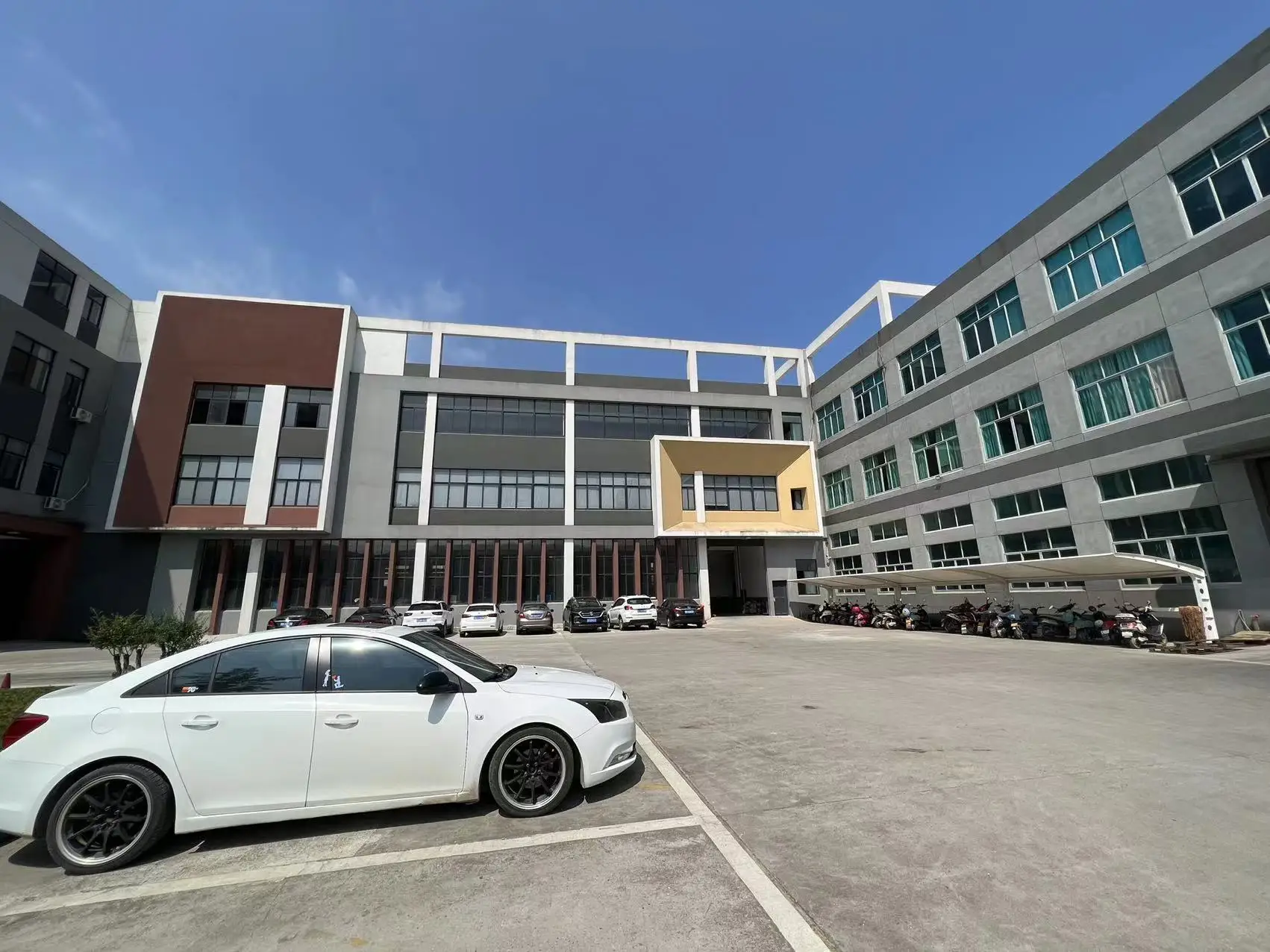
Ninghai Hengqing Electric Appliance Co., Ltd.
- Manufacturer, Trading Company
- Zhengjian, China
- Lead time25 days
- Avg. response≤ 4h
Main productsFlashlights,Headlamps,Camping Lanterns,Solar Lights,Bicycle Lights
Main marketsWestern Europe(40.00%), North America(20.00%), South America(20.00%), Southern Europe(10.00%), South Asia(5.00%), Northern Europe(5.00%)
Anhui Xianwei E-Commerce Co., Ltd
- Verified by TUVRHEINLAND
- Manufacturer/Factory
- China Anhui
- Lead time0 days
- Avg. response≤ 4h
Main productsLamp, Cup, Tent
Main marketsSouth America,Eastern Europe,Mid East,North America,Southeast Asia,Eastern Asia,Oceania,Western Europe,Africa

$0.69 - $1.31
MOQ: 100 Pieces

Bike Accessories USB Rechargeable Bike Front Light 3 Modes Bicycle Light
$0.58 - $1.35
MOQ: 100 Pieces


Ningbo Godeson instrument Technology Co., Ltd.
- Combined
- China Zhejiang
- Lead time30 days
- Avg. response≤ 15h
Main productsTire Pressure Gauge, Tire Tools, Tire Valve Caps, Tire Valve Stem, Tire Tread Gauge, Pressure Gauge, Air Chuck
Main marketsSouth America,Africa,Southeast Asia/ Mideast,East Asia(Japan/ South Korea),Domestic,Europe,Australia,North America

Electric Bicycle Headlight Rechargeable with Louder Speaker Bike Headlight
$1.90 - $2.07
MOQ: 100 Pieces

4 in 1 Waterproof USB Rechargeable LED Fog Light Bike Front Bicycle Headlight
$5.81 - $6.29
MOQ: 1 Pieces

$1.90 - $2.07
MOQ: 100 Pieces

Electric Bicycle Headlight Rechargeable USD Port Bike Headlight & Bike Tail Light
$1.54 - $1.68
MOQ: 100 Pieces

Rechargeable Colorful Bicycle Bike Headlight Light Reviews with 4 Light Mode
$3.36 - $3.65
MOQ: 1 Pieces


Tianjin Zhongyijian Technology Co., Ltd.
- Trading Company,Manufacturer/Factory,Group Corporation
- China Tianjin
- Lead time23 days
- Avg. response≤ 4h
Main productsLED Flashlight, LED Headlamp, Camping Light, Strip, Working Lamp, Bike Light, Indoor Light, Decoration Light, Outdoor Lighting, Custom Neon Sign
Main marketsSouth America,Eastern Europe,Mid East,North America,Southeast Asia,Eastern Asia,Oceania,Western Europe,Africa


New Bike Lights Car Headlights Mountain Riding Lights 2*T6 USB Rechargeable Mini Lamp Flashlight
$3.67 - $4.00
MOQ: 1 Pieces

Bike Bicycle Light USB LED Rechargeable Set Mountain Cycle Front Back Headlight Lamp
$2.10 - $5.00
MOQ: 1 Pieces

1200 Lumens USB Rechargeable Ipx5 Waterproof Rugged Super Bright Bicycle Headlight
$4.78 - $5.00
MOQ: 1 Pieces

$0.93 - $1.20
MOQ: 1 Pieces

$13.00 - $14.00
MOQ: 1 Sets
Yiwu Anke Outdoor Products Co., Ltd.
- Trading Company
- Zhejiang, China
- Lead time10 days
- Avg. response≤ 2h
Main productsBicycle Accessories,Lighting Tools,Bicycle Lights,Bicycle Cushion,Repair Tools
Main marketsOceania(100.00%), Africa(100.00%), Eastern Asia(100.00%), Mid East(100.00%), South Asia(100.00%), Central America(100.00%), Domestic Market(52.00%), Southeast Asia(16.00%), North America(14.00%), South America(6.00%), Western Europe(6.00%), Eastern Europe(3.00%), Northern Europe(2.00%), Southern Europe(1.00%)

Ningbo Brilliant Dragon Electronic Technology Co., Ltd.
- Verified by TUVRHEINLAND
- Manufacturer/Factory
- China Zhejiang
- Lead time105 days
- Avg. response≤ 12h
Main productsLED Light for Indoor, LED Light for Ourside, Auto / Bicycle Accessories, Security Items, Work Light, Electric Appliance, Personal Items
Main marketsSouth America,Eastern Europe,Mid East,North America,Southeast Asia,Eastern Asia,Oceania,Western Europe,Africa

$3.84 - $4.15
MOQ: 500 Pieces

$3.84 - $4.15
MOQ: 500 Pieces

LED Bicycle Light with 4 Flash Modes Cycling Headlamp Bike Rear Front Light
$1.79 - $2.79
MOQ: 500 Pieces

Ningbo Haishu Forcar Imp. & Exp. Co., Ltd.
- Verified by BV
- Trading Company,Manufacturer/Factory
- China Zhejiang
- Lead time45 days
- Avg. response≤ 7h
Main productsCar Wheel Rims, Custom Forged Wheel, Alloy Wheel, Forged Wheel, Offroad Wheel, Beadlock Wheel
Main marketsSouth America,Eastern Europe,Mid East,North America,Southeast Asia,Eastern Asia,Oceania,Western Europe,Africa

Waterproof 2*T6 LED USB Rechargeable Aluminum Bike Headlight with 6 Modes Bicycle Light Lamp
$5.88 - $6.69
MOQ: 200 Pieces


Zoomable T6 LED USB Rechargeable Bicycle Front Lamp Torch Headlight for Ouydoor Using
$3.99 - $4.45
MOQ: 200 Pieces


Ningbo Chain-Home Machinery Co., Ltd.
- Trading Company
- China Zhejiang
- Lead time30 days
- Avg. response≤ 13h
Main productsFlashlight, Headlamp, Working Lamp, Sensor Light, Camping Lantern, Keychain Light, Solar Lamp, Bicycle Light, CREE Light, Crank Lamp
Main marketsEast Asia(Japan/ South Korea),Europe,North America
- Trading Company
- Lead time旺季: "1 - 100":15,"> 100":"To be negotiated", 淡季: "1 - 100":15,"> 100":"To be negotiated"
- Avg. response≤ 2h
Main productsSolar Lights, Flashlight, Bicycle Light, Headlight, Garden Light

Ningbo Qingyang Import and Export Co., Ltd.
- Verified by SGS
- Trading Company
- China Zhejiang
- Lead time45 days
- Avg. response≤ 1h
Main productsLED Lights, Table Lamp, Night Light, Solar Garden Light, LED Sensor Light, LED String Light, Decorative Light, LED Work Light, Camping Lantern, LED Candle
Main marketsEast Asia(Japan/ South Korea),Europe,North America

$1.10 - $1.20
MOQ: 3000 Pieces

USB Rechargeable Headlamp & Bike Light with Motion Induction (1200mAh Battery)
$3.00 - $3.18
MOQ: 5000 Pieces

Ningbo Unique Parts Import & Export Co., Ltd.
- Trading Company
- Zhejiang, China
- Lead time45 days
- Avg. response≤ 5h
Main productsLED vehicle Light,LED motorcycle Light,LED bike light,outdoor lighting,portable lighting
Main marketsNorth America(25.00%), Western Europe(19.00%), Southeast Asia(12.00%), Domestic Market(10.00%), South Asia(10.00%), Oceania(8.00%), Africa(2.00%), Eastern Europe(2.00%), Southern Europe(2.00%), Northern Europe(2.00%), Central America(2.00%), South America(2.00%), Eastern Asia(2.00%), Mid East(2.00%)

Ningbo Jalyn International Trading Co., Ltd.
- Trading Company,Manufacturer/Factory
- China Zhejiang
- Lead time30 days
- Avg. response≤ 21h
Main productsMotorcycle Parts, Motorcycle Accessories, Aftermarket Motorcycle Parts, ATV Parts, Bicycle Parts, Motorcycle Plastic Parts, Motorcycle Mirror, Motorcycle Handle Grips, Motorcycle Engine, Bicycle Accessories
Main marketsSouth America,Eastern Europe,North America,Eastern Asia,Oceania,Western Europe,Africa


Bicycle Parts for Bike Headlight LED Light with USB Rechargeable Aluminium Alloy
$3.38 - $4.99
MOQ: 100 Pieces
Shenzhen Jiaxinjie Technology Co., Ltd.
- Trading Company, Agent, Distributor/Wholesaler
- Guang Dong, China
- Lead time3 days
- Avg. response≤ 6h
Main productsElectronic products,Electronic module,IC Chip,Capacitance & Resistance,Medical equipment
Main marketsDomestic Market(10.00%), South Asia(10.00%), Southern Europe(10.00%), Eastern Europe(10.00%), South America(10.00%), North America(10.00%), Oceania(5.00%), Africa(5.00%), Southeast Asia(5.00%), Northern Europe(5.00%), Central America(5.00%), Western Europe(5.00%), Eastern Asia(5.00%), Mid East(5.00%)
Danyang Zhanyang Metal Products Co., Ltd.
- Trading Company
- Jiangsu, China
- Lead time10 days
- Avg. response≤ 4h
Main productskitchen drainer,home using storing rack,home using storing trolley,corten steel garden fence,barbecue grill
Main marketsEastern Europe(25.00%), South America(20.00%), Central America(10.00%), Mid East(10.00%), North America(10.00%), Southern Europe(5.00%), Western Europe(5.00%), Northern Europe(5.00%), Southeast Asia(5.00%), South Asia(3.00%), Eastern Asia(3.00%), Africa(2.00%)
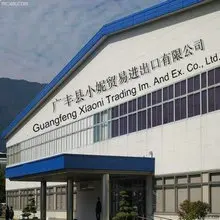
Guangfeng Xiaoni Trading Im. & Ex. Co., Ltd.
- Manufacturer, Trading Company
- Jiangxi, China
- Lead time14 days
- Avg. response≤ 3h
Main productselectric tricycle,electric bicycle and scooty,electric tricycle parts,bicycle and scooty parts
Main marketsWestern Europe(20.00%), Southeast Asia(15.00%), North America(15.00%), Northern Europe(10.00%), Central America(10.00%), Eastern Europe(10.00%), Eastern Asia(10.00%), Africa(10.00%)
- Verified by BV
- Trading Company,Manufacturer/Factory
- China Zhejiang
- Lead time23 days
- Avg. response≤ 5h
Main productsSpiral Slicer, Tent, Hammock, Garden Decoration, Garden Light, Kitchenware, Homeware, Camping, Travel Suitcase, Organizer
Main marketsSouth America,Eastern Europe,Mid East,North America,Southeast Asia,Eastern Asia,Oceania,Western Europe,Africa


Mountain Bike Headlights LED Bike Headlights, USB Charging Lights Ci22796
$3.50 - $4.20
MOQ: 100 Pieces

Dongguan Tangxia Huadi Outdoor Cycling Equipment Factory
- Verified by SGS
- Combined
- China Guangdong
- Lead time15 days
- Avg. response≤ 6h
Main productsBike Part, Mountain Bike/Road Bike Rearview Mirror, Bicycle Umbrella Stand, Road Bike Handlebar Tape, Bicycle/Electric Scooter Phone Mount, Bicycle Computer Mount, Bicycle Water Bottle Holder with Non-Drilling St, Multifunctional Cup Holder, Bicycle Water Bottle Holder
Main marketsDomestic

Bike Lights LED Rechargeable Headlight Cycling Light 2000 Lumens Gradient Bike Light Accessories
$14.30 - $15.80
MOQ: 100 Pieces


Ningbo Breeze Imp. & Exp. Corp., Ltd.
- Trading Company
- China Zhejiang
- Lead time30 days
- Avg. response≤ 13h
Main productsFastener, Roller Bearing, Bolt, Nut, Screw, Bearing, Linear Guide, Ball Screw, Ball Bearing, LED Fleshlight
Main marketsSoutheast Asia/ Mideast,Europe,North America
Nanjing Hiking Star Sports Products Co., Ltd.
- Verified by SGS Group
- Manufacturer, Trading Company
- Lead time7 days
- Avg. response≤ 2h
Main productsBicycle Saddle, Bicycle Frame, Electric Bicycle, Bicycle Accessory
Main marketsNorthern Europe(40%), Southern Europe(30%), North America(20%)
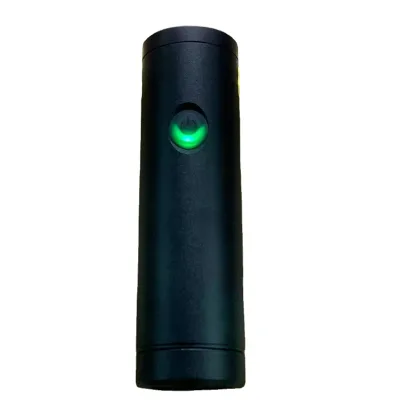
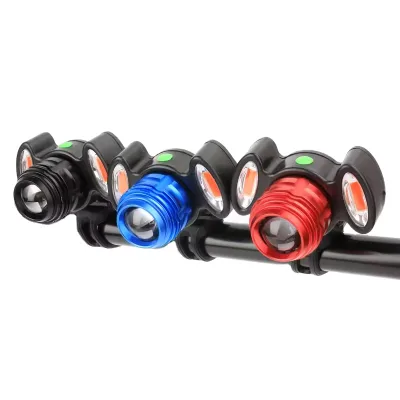
$2.86 - $3.47
MOQ: 50 pieces
- Verified by SGS
- Trading Company
- China Zhejiang
- Lead time15 days
- Avg. response≤ 14h
Main productsTents, BBQ Grill, Folding Table and Chair, Cooler Bag, Outdoor Lamp, Beach Mat, Picnic Blanket, Sleeping Bag, Water Bottle, Hammock
Main marketsEurope,Australia

Bicycle Headlight USB Charging Cycling Light Outdoor Waterproof Bicycle Light
$6.30 - $6.70
MOQ: 1000 Pieces

Bicycle Headlight USB Charging Super Bright Lighting Mountain Bike Equipment
$6.30 - $6.70
MOQ: 1000 Pieces

Changzhou Found Environmental Technology Co., Ltd.
- Verified by BV
- Trading Company
- China Jiangsu
- Lead time23 days
- Avg. response≤ 8h
Main productsElectric Bike Motor, Electric Hub Motor, Electric Bike Conversion Kit, Electric Bike Accessories, Electric Bike
Main marketsSouth America,Others(foreignTradeCapacity.exportBusinessCapacityMarketOther),Southeast Asia/ Mideast,Europe
Jinhua Beite Industry And Trade Co., Ltd.
- Manufacturer
- Zhejiang, China
- Lead time20 days
- Avg. response≤ 4h
Main productsElectric bike,Fat ebike,Folding ebike,Horse carriage,Mobility Scooter
Main marketsWestern Europe(50.00%), North America(20.00%), Mid East(10.00%), Southern Europe(10.00%), Eastern Europe(5.00%), South America(5.00%)




Comprehensive Sourcing Guide
Rechargeable USB Bike Headlight Supplier Concentration and Factory Types
Current data indicates a concentration of suppliers in China, specifically within the Zhejiang and Guangdong provinces. These regions host a mix of trading companies and manufacturers or factories that specialize in outdoor products, bike accessories, and car accessories. The primary product categories observed include LED flashlights, camping lanterns, and various bicycle lights, suggesting a robust supply chain for rechargeable USB bike headlights in these areas. Buyers should verify if a specific supplier operates as a manufacturer or a trading company, as this distinction impacts direct factory access and potential pricing structures.
When evaluating the factory types, note that some entities list themselves as manufacturers while others function as trading companies or distributors. This classification is critical because manufacturers often control the production process directly, whereas trading companies may source from multiple factories. The observed response times vary, with some suppliers showing a response time of 3 hours and others around 6.27 hours, which may correlate with their operational model. Buyers must confirm the actual company type through direct inquiry rather than assuming based on general market trends, ensuring the chosen partner aligns with their specific sourcing needs for bike accessories.
How to Verify Rechargeable USB Bike Headlight Suppliers
Verification begins with scrutinizing product attributes and certifications listed in the supplier results. Several products display certifications such as BSCI, CE, and RoHS, which are essential for market compliance and safety standards. Buyers should request valid certificates for these specific claims, as the presence of a certification label does not guarantee current validity without supporting documentation. Additionally, checking the product origin, such as Ningbo or Guangdong, helps confirm the manufacturing location matches the supplier's stated address, reducing the risk of misrepresentation regarding the source of goods.
Beyond certifications, buyers must validate the physical and functional specifications provided in the product evidence. Attributes like battery type, irradiation distance, and material composition (e.g., ABS or Aluminum) should be cross-referenced with sample testing. For instance, some listings specify a 200-300m irradiation distance or a 900 Lumen brightness, which requires independent verification to ensure accuracy. Response times and lead times are also verification metrics; a supplier claiming a 30-day lead time should be able to provide a detailed production schedule. Always ask for proof of these claims before proceeding with any order to mitigate the risk of receiving substandard or non-compliant products.
What to Compare Across Rechargeable USB Bike Headlight Suppliers
Comparing suppliers requires a detailed analysis of key operational metrics such as Minimum Order Quantity (MOQ), lead times, and pricing structures. The observed data shows significant variation in MOQs, ranging from as low as 1 piece to as high as 3000 pieces. This disparity allows buyers to select partners based on their inventory capacity and budget constraints. Pricing also fluctuates, with some products listed between $3.99 and $8.00, depending on features like battery capacity, light source type, and included certifications. Buyers should create a comparison matrix to evaluate these variables side-by-side to identify the most cost-effective option that meets their volume requirements.
Response time and warranty terms are equally critical factors in the comparison process. Some suppliers demonstrate a rapid response time of 3 hours, while others take over 6 hours, which can impact project timelines and communication efficiency. Warranty periods also differ, with some products offering a 1-year warranty and others providing up to 2 years. These terms reflect the supplier's confidence in their product quality and their commitment to after-sales support. Additionally, the main products offered by each supplier should be reviewed to ensure they specialize in the specific category of rechargeable USB bike headlights rather than offering a broad, unfocused range of unrelated goods.
Common Rechargeable USB Bike Headlight Sourcing Risks
One significant risk involves the discrepancy between advertised specifications and actual product performance. Listings may claim features like "Waterproof" or "Shock-resistant," but without third-party test reports, these claims remain unverified. Buyers face the danger of receiving products that fail under real-world conditions, such as exposure to rain or rough terrain. It is essential to request specific test data for water resistance levels and shock durability before finalizing any agreement. Relying solely on marketing descriptions without empirical evidence can lead to product failures and customer dissatisfaction in the end market.
Another risk pertains to supply chain reliability and lead time consistency. While some suppliers list a lead time of 30 days, others show a lead time of 0, which may indicate a dropshipping model or a lack of inventory control. Inconsistent lead times can disrupt production schedules and delay market entry. Furthermore, the distinction between trading companies and manufacturers can introduce complexity in quality control. If a trading company sources from an unvetted factory, the buyer may have limited recourse for defects. Buyers must establish clear communication channels and define quality control protocols to mitigate these risks effectively.
Rechargeable USB Bike Headlight Regional Sourcing and Logistics
Sourcing from China, particularly Zhejiang and Guangdong, offers access to a dense network of manufacturers and trading companies. These regions are known for their expertise in producing outdoor products and bike accessories, providing a wide selection of rechargeable USB bike headlights. However, logistics from these specific locations require careful planning to manage shipping costs and delivery times. Buyers should verify the exact port of origin, such as Ningbo, to calculate accurate freight charges and transit durations. Understanding the regional logistics infrastructure helps in predicting potential delays and optimizing the supply chain for timely delivery.
Logistics planning also involves assessing the packaging and standardization of the products. Product evidence indicates various packing methods, including color boxes, mail boxes, and PVC packaging, which affect shipping volume and protection during transit. Buyers need to ensure that the packaging standards meet the requirements for international shipping to prevent damage. Additionally, the physical dimensions and weight of the products, such as a standard of 5.34.33.6CM and 40g, influence freight costs. Coordinating with logistics providers to optimize container loading based on these specifications can significantly reduce overall shipping expenses and improve efficiency.
Rechargeable USB Bike Headlight Commercial Terms and Order Planning
Commercial terms must be clearly defined to avoid disputes, particularly regarding payment methods and escrow services. While the provided data does not explicitly confirm escrow availability, buyers should insist on secure payment channels to protect their funds until the goods are delivered and verified. Pricing structures vary widely, with minimum prices ranging from $3.99 to $8.00, and buyers should negotiate based on volume and long-term partnership potential. Establishing a clear pricing agreement that accounts for potential fluctuations in raw material costs is essential for maintaining profitability and supply stability.
Order planning should account for the diverse MOQ requirements observed in the market, which range from single pieces to thousands of units. Buyers must align their order quantities with their sales forecasts to avoid overstocking or stockouts. Lead times, which can vary from immediate availability to 30 days, must be factored into the production schedule to ensure timely market launch. Additionally, warranty terms, such as 1-year or 2-year coverage, should be integrated into the commercial agreement to provide a safety net for product defects. Careful planning of these commercial terms ensures a smooth transaction and a sustainable business relationship with the supplier.
FAQs
What is the price range for rechargeable USB bike headlights?
Prices for rechargeable USB bike headlights typically range from 3.99 to 8.00 USD per unit. Specific costs depend on the model features, such as brightness or battery capacity. Minimum order quantities vary significantly between 1000 and 3000 units for some models, while others allow single piece purchases.
Where are these suppliers located and what is their response time?
Suppliers offering these products are primarily located in Zhejiang and Guangdong, China. Response times vary, with some suppliers replying within 3 hours and others taking approximately 6.27 hours. Buyers should verify specific response metrics for each vendor before placing orders to ensure timely communication.
What certifications do these bicycle lights hold?
Many rechargeable bike lights carry CE and RoHS certifications, ensuring compliance with safety standards. Some products also include BSCI certification for social compliance. Buyers must check individual product listings to confirm specific certifications, as not all models may include every standard listed in general descriptions.
What are the typical lead times for these products?
Lead times for rechargeable USB bike headlights can vary, with some suppliers indicating a 30-day production window. Other listings show zero lead time, suggesting immediate availability or drop-shipping capabilities. Buyers should confirm exact delivery schedules with the supplier to align with project timelines effectively.
What materials are used to construct these bike lights?
Common materials include ABS plastic and aluminum, chosen for durability and weight reduction. Some models feature shock-resistant and waterproof designs suitable for hiking or emergency lighting. The specific material composition depends on the product model, so verifying the attributes list is essential for performance requirements.
How long does the battery last on these lights?
Battery life varies by model, with some offering working times of 3 to 5 hours on high or medium settings. Certain units use 3xAAA batteries, while others utilize Lithium Ion or 18650 rechargeable cells. Buyers should check the specific battery type and capacity listed for each product to estimate runtime accurately.
What is the minimum order quantity for these lights?
Minimum order quantities range widely, from as low as 1 piece to 3000 units depending on the supplier. Some standard models require orders of 500 or 1000 units, while others allow single item purchases. Buyers must review the specific MOQ for each product listing to plan their procurement strategy accordingly.