Starry Vintage LED Filament Bulb Suppliers and Manufacturers
Explore 15 verified suppliers offering Starry Vintage LED Filament Bulb options with varying lead times, certifications, and response speeds. Compare dimensions like ISO 9001 status, location in China, and MOQ to find the right partner for your project today; review the available evidence before requesting comparable quotations from suitable candidates.
Suppliers List

Jiaxing Sinolamp Electronic Technology Co., Ltd.
- Verified by CTI
- Trading Company,Manufacturer/Factory,Group Corporation
- China Zhejiang
- Lead time23 days
- Avg. response≤ 10h
Main productsLED Bulb Light, LED Panel Light, LED Tube Light, Decorative Lamps, Rechargeable LED Bulb, Smart LED Bulb, Outdoor LED Light, Energy Saving Bulb
Main marketsSouth America,Eastern Europe,Mid East,North America,Southeast Asia,Eastern Asia,Oceania,Western Europe,Africa

Vintage Light Bulb LED Retro Bulb LED Lamp Filament LED Light St64 Filament Bulb
$2.08 - $2.22
MOQ: 5000 Pieces

12W LED Residential Lighting LED Filament Bulb Vintage Light Bulb LED A60
$1.41 - $1.54
MOQ: 5000 Pieces


Jiangmen Magellan Technology Co., Ltd.
- Manufacturer/Factory
- China Guangdong
- Lead time120 days
- Avg. response≤ 5h
Main productsLED String Light, Christmas Light, Christmas Decoration, LED Decoration Light, Festoon Light, Solar Lantern, Candle Light, Patio Light, Solar String Light, LED Candle
Main marketsSouth America,Eastern Europe,Mid East,North America,Southeast Asia,Eastern Asia,Oceania,Western Europe,Africa

Fuzhou Colshine Electric Co., Ltd.
- Verified by SGS
- Trading Company,Manufacturer/Factory
- China Fujian
- Lead time23 days
- Avg. response≤ 13h
Main productsLED Corn Light, LED Street Light, LED Yard Light, LED Dusk to Dawn Light, Sauna Lamp, Pendant Light, Porcelain Lampholder, Metal Lampholder, Halogen Lampholder, Retro Switch & Socket
Main marketsSouth America,Eastern Europe,Mid East,North America,Southeast Asia,Eastern Asia,Oceania,Western Europe,Africa

Quzhou Shine Electronics Co., Ltd.
- Trading Company,Manufacturer/Factory
- China Zhejiang
- Lead time23 days
- Avg. response≤ 2h
Main productsLED Spotlight, LED Bulb, LED Tube, LED Floodlight, LED Panel Light, LED Downlight, LED Strip, LED Street Lamp, CFL, LED High Bay Light
Main marketsSouth America,Eastern Europe,Mid East,North America,Southeast Asia,Eastern Asia,Oceania,Western Europe,Africa

NINGBO SELLWELL LIGHTING APPLIANCE CO., LTD.
- Trading Company,Manufacturer/Factory
- China Zhejiang
- Lead time30 days
- Avg. response≤ 7h
Main productsSmart LED Light, LED Bulb, LED Filament Lamp Bulb, LED Flood Light, LED Panel Light, LED T5 T8 Tube, LED Wall Light, LED Decorative Bulb, LED Street Light, LED ceiling Light
Main marketsEastern Europe,Western Europe

LED Edison Vintage Lamp Antique Light St64 Decorative Bulb LED Filament Bulb
$0.18 - $0.95
MOQ: 5000 Pieces


LED Vintage Decorative Light Antique Amber Lamp B22 B15 LED Filament Bulb
$0.50 - $0.95
MOQ: 5000 Pieces

- Verified by TUVRHEINLAND
- Manufacturer/Factory
- China Zhejiang
- Lead time30 days
- Avg. response≤ 25h
Main productsLED Lamp, Reptile Heat Lamp, Incandescent Bulb, Infrared Lamp, Cable Wire, PVC Sticker
Main marketsEastern Europe,Mid East,North America,Eastern Asia,Oceania,Western Europe,Africa


Hot UL LED C7 Light Bulb Vintage Filament LED String Light Bulb 0.5W LED Bulb LED
$0.10
MOQ: 1000 Pieces


Xi'an Lintong District Xiangrui Hongsheng New Energy Technology Co., Ltd.
- Verified by SGS
- Combined
- China Shaanxi
- Lead time15 days
- Avg. response≤ 2h
Main productsSolar Light, Solar Street Lamp, Garden Light, Street Light, Light, Solar Panel, LED Light, Outdoor Light, Wall Light, Lamp
Main marketsDomestic
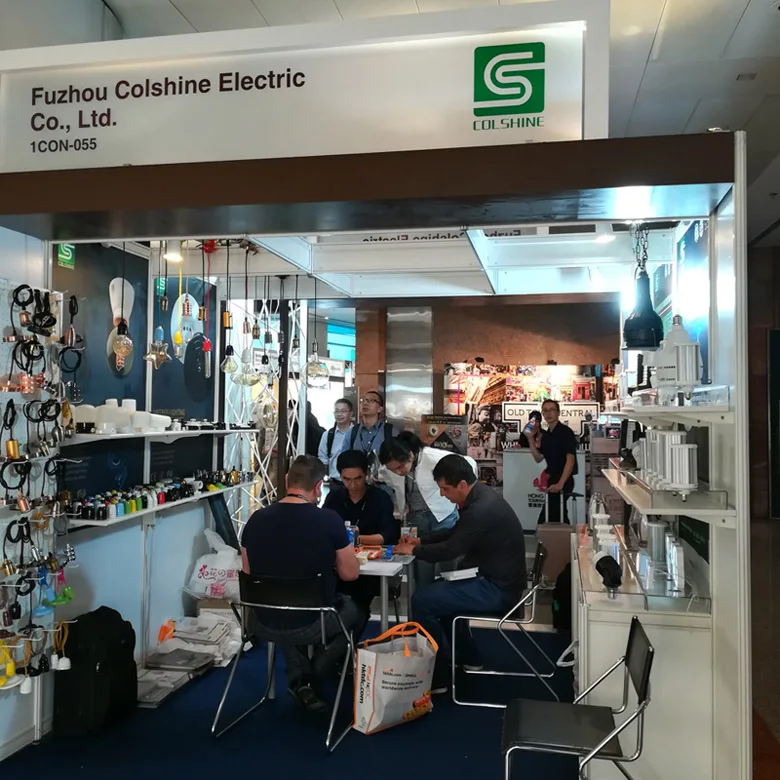
Fuzhou Colshine Electric Co., Ltd.
- Manufacturer, Trading Company
- Fujian, China
- Lead time30 days
- Avg. response≤ 6h
Main productsLed Corn Bulbs,Led High Bays,Sauna Lamp,Retro Switch and Socket,Pendant Light
Main marketsEastern Europe(20.00%), Western Europe(20.00%), Southern Europe(20.00%), Northern Europe(15.00%), South America(10.00%), North America(10.00%), Central America(5.00%)

NINGBO SUNNYLUX IMPORT & EXPORT CO., LTD.
- Manufacturer/Factory
- China Zhejiang
- Lead time23 days
- Avg. response≤ 3h
Main productsRubber Tracks, LED Waterproof Light, LED Bulkhead Light, Food Waste Disposal, DC Motor, LED Triproof Lighting Fixture, Safety Helmet, LED Ceiling Light, LED Batten Light, LED Flood Light
Main marketsSouth America,Eastern Europe,Mid East,North America,Southeast Asia,Eastern Asia,Oceania,Western Europe,Africa
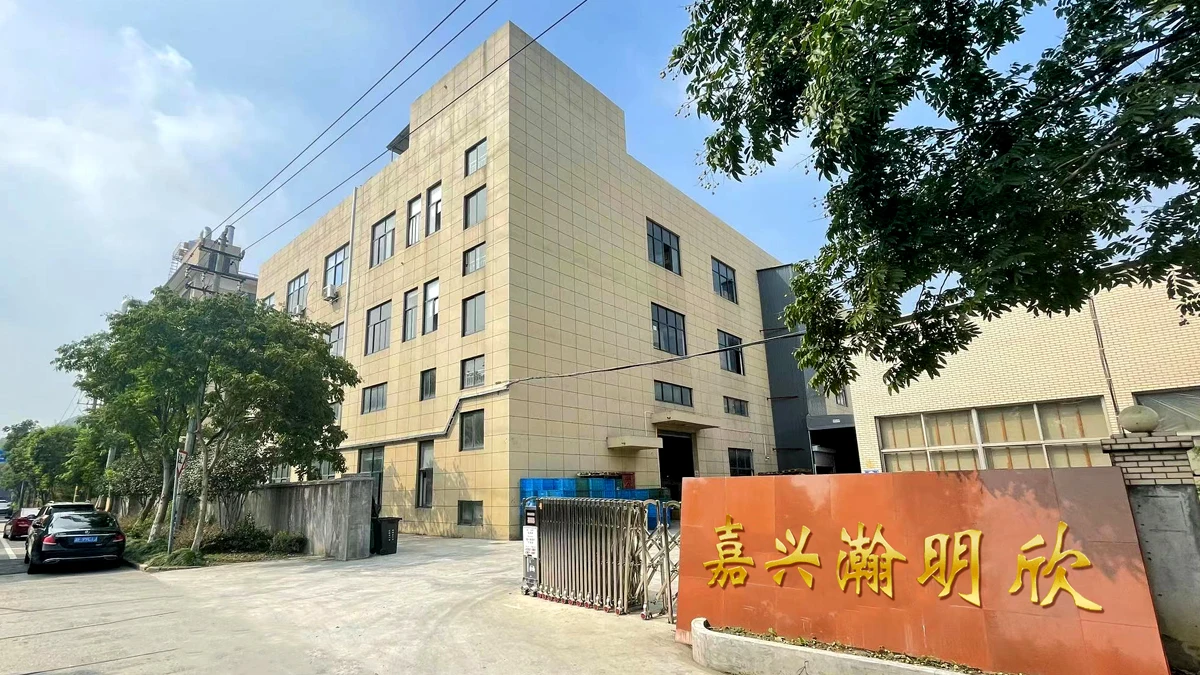
Jiaxing Hamis Import & Export Co., Ltd.
- Manufacturer, Trading Company
- Zhejiang, China
- Lead time25 days
- Avg. response≤ 3h
Main productsIndoor Lighting,Commercial & Industrial Lighting,Holiday Lighting,Outdoor lighting,Professional Lighting
Main marketsAfrica(15.00%), Mid East(10.00%), Southeast Asia(10.00%), Domestic Market(10.00%), Eastern Asia(10.00%), North America(8.00%), South America(8.00%), Central America(7.00%), Oceania(7.00%), Southern Europe(6.00%), Northern Europe(4.00%), South Asia(3.00%), Eastern Europe(1.00%), Western Europe(1.00%)

DongGuan Qishi GuangYao Lighting Factory
- Verified by BV
- Combined
- China Guangdong
- Lead time15 days
- Avg. response≤ 2h
Main productsLED Fridge Bulbs, LED Sign Bulbs, LED Refrigerator Bulbs, LED Auto Lamps, LED Car Lights, LED Decoration Lamps, LED Motorcycle Light, LED Bulbs, LED Lamps, LED Strip Light
Main marketsSouth America,Europe,North America

LED E14 Filament Light, LED T25 Filament Decoration Lamps, LED T25 Ancient E14 Bulbs
$0.50 - $1.00
MOQ: 1000 Pieces

$1.00 - $2.00
MOQ: 1000 Pieces

LED Filament T24 Bulb for Refrigerator Lamps, LED Classical T24 E14 Base, LED Vintage Light
$0.50 - $1.00
MOQ: 1000 Pieces


LED Filament Bulb T20 in E17 Base, LED Classical T20 Vintage Bulbs LED E17 Lamps
$0.50 - $1.00
MOQ: 1000 Pieces

Zhongshan SIBOJING Lighting Co. ,Ltd.
- Verified by SGS
- Combined
- China Guangdong
- Lead time15 days
- Avg. response≤ 5h
Main productsLED Bulb, LED Lamp, LED Spot Light, LED Wall Light, LED G9 Bulb, MR16 Bulb, Outdoor Wall Lamp, LED Lighting
Main marketsNorth America


No Flicker 3000K LED Filament Bulb 2W 4W 6W 8W 10W Glass Indoor Vintage LED Bulb
$0.28 - $0.30
MOQ: 500 Pieces
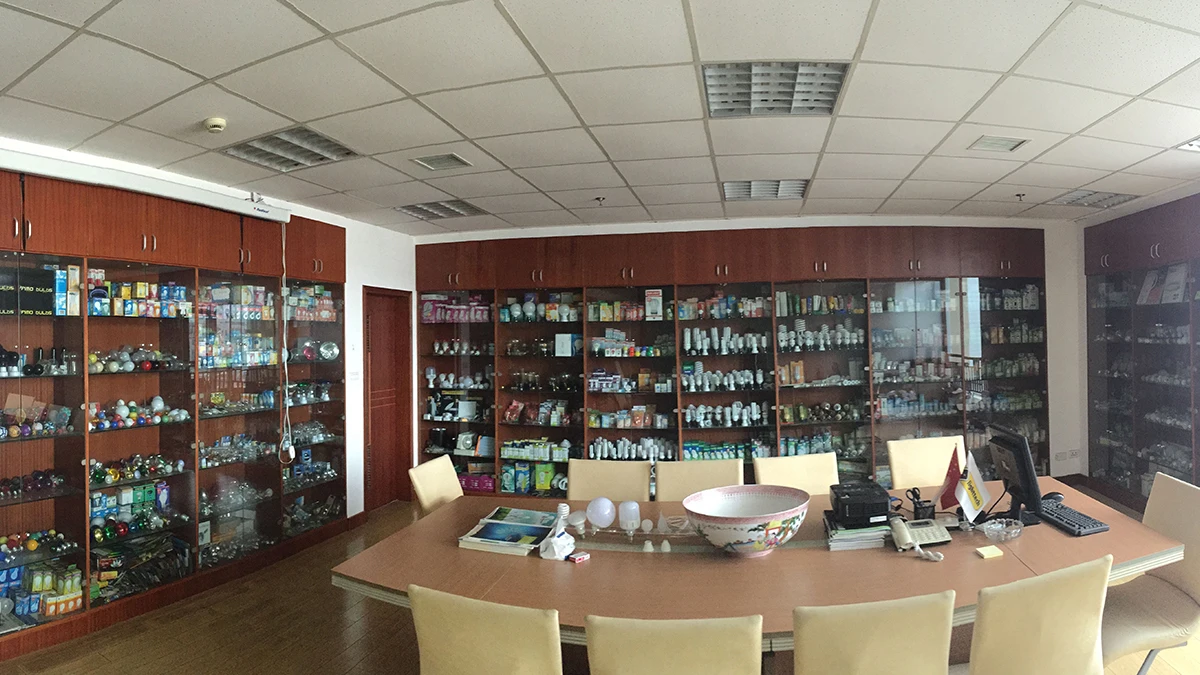
Jiaxing Bingsheng Lighting Appliance Co., Ltd.
- Manufacturer, Trading Company
- Zhejiang, China
- Lead time30 days
- Avg. response≤ 5h
Main productsSMD LED LAMP,LED FILAMENT LAMP,ENERGY SAVING LAMP,ECO Halogen LAMP,Halogen LAMP
Main marketsWestern Europe(11.11%), Eastern Asia(11.11%), Mid East(11.11%), Oceania(11.11%), Africa(11.11%), Southeast Asia(11.11%), Eastern Europe(11.11%), South America(11.11%), North America(11.11%)
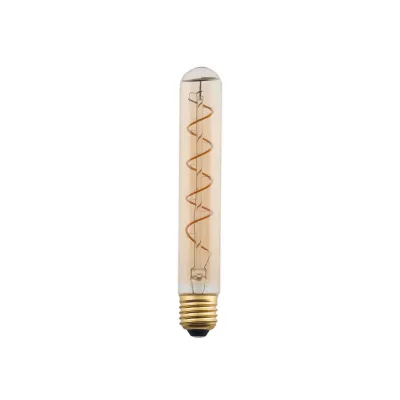
T36 5W Decoration Led Bulb Amber Filament LED Bulb Vintage Lamp AC85-265V E27/B22 Led Dimmable
$0.97 - $2.54
MOQ: 3 Minimum

Yangzhou Yihang Photoelectric Technology Co., Ltd.
- Verified by TUVRHEINLAND
- Trading Company
- China Jiangsu
- Lead time30 days
- Avg. response≤ 6h
Main productsLighting, Lamp, Germicidal Lamp, LED, LED Bulb, Commercial Light, Specialty Lighting, Solar Cell, Solar Panel, Solar Light
Main marketsSouth America,Africa,Others(foreignTradeCapacity.exportBusinessCapacityMarketOther),Southeast Asia/ Mideast,Domestic,Europe,Australia


OEM Brand LED Filament Bulb St64 220-240V 4W 6W 8W E27 Vintage Light Bulb
$0.30 - $2.00
MOQ: 5000 watt


Ningbo Weixin Houseware Co., Ltd.
- Trading Company
- China Zhejiang
- Lead time30 days
- Avg. response≤ 8h
Main productsLED Garlands, LED Flood Lights, LED Decoration Lights, LED Night Lights
Main marketsSouth America,Africa,Southeast Asia/ Mideast,Europe,North America






Comprehensive Sourcing Guide
Starry Vintage LED Filament Bulb Supplier Concentration and Factory Types
The current supplier landscape for starry vintage led filament bulbs shows a distinct concentration of manufacturing and trading entities within China, specifically in the Zhejiang and Guangdong provinces. Fact-based observations indicate that suppliers in Zhejiang often operate as trading companies, manufacturers, or group corporations, offering a diverse range of products including LED bulbs, panel lights, and decorative lamps. These entities frequently list capabilities such as OEM and ODM services, suggesting a flexible production environment capable of handling custom branding requests for vintage-style filament designs. The presence of specific product evidence, such as the SN-F-ST64 model, confirms that these facilities are actively producing the exact retro aesthetic required for this category.
In contrast, suppliers located in Guangdong, particularly in the Jiangmen area, appear to specialize more heavily in decorative lighting solutions like string lights and festive decorations. These factories often hold certifications such as BSCI, ISO 9000, and ISO 14000, indicating a focus on social compliance and environmental management alongside product quality. The product evidence for this region highlights items like the MZL-A21-01 starry bulb, which features specific attributes like a 12-inch size and warm white color temperature. Buyers should note that while Zhejiang suppliers may offer a broader trading network, Guangdong factories often provide direct manufacturing control for specialized decorative items, requiring verification of their specific production lines to ensure they can meet the unique filament requirements of the starry vintage design.
How to Verify Starry Vintage LED Filament Bulb Suppliers
Verification of suppliers for starry vintage led filament bulbs requires a rigorous check of their system certifications and third-party verification status. Available data confirms that some suppliers hold ISO 9001 certification, which is a critical baseline for quality management systems in lighting manufacturing. Additionally, specific suppliers have undergone CTI verification, a third-party assessment that adds a layer of credibility regarding their operational stability and product claims. Buyers must explicitly request to see the current validity of these certificates rather than relying on general claims, as the presence of ISO 9001 does not automatically guarantee that every specific product line, such as the 12W residential filament bulb, meets the same rigorous standards.
Beyond certifications, the response time and verification status of the supplier provide immediate indicators of their operational readiness. The observed response times vary significantly, with some suppliers showing a response time of 9.39 hours while others in different regions respond in approximately 4.31 hours. A faster response time often correlates with a more active sales team and better communication channels, which is essential when discussing custom specifications for vintage bulbs. Buyers should also verify the "is_verified" status directly on the platform, ensuring that the supplier has passed the necessary background checks. It is crucial to confirm that the supplier's main products align with the specific starry vintage aesthetic, as some manufacturers may list general LED bulbs but lack the specific filament technology required for the retro look.
What to Compare Across Starry Vintage LED Filament Bulb Suppliers
When evaluating potential partners, buyers must compare lead times and minimum order quantities (MOQ) to determine supply chain feasibility. The data reveals a wide disparity in lead times, ranging from 23 days for some suppliers to 120 days for others, which directly impacts inventory planning and project timelines. Similarly, MOQs vary substantially, with some suppliers requiring orders as low as 100 units for specific decorative items, while others demand 5,000 or even 10,000 units for standard filament bulbs. This variation means that a buyer seeking a small batch of starry vintage bulbs for a boutique hotel might find a Guangdong supplier with a 100-unit MOQ more suitable than a Zhejiang trading company with a 5,000-unit threshold.
Price and product specifications are equally critical dimensions for comparison across the supplier base. The observed price range for these bulbs spans from approximately $0.50 to $2.22 per unit, depending on the wattage, glass type, and customization level. For instance, a 4W dimmable bulb may be priced differently than a 15W high-power version, and the inclusion of features like gradual changing light or specific beam angles can influence the final cost. Buyers should also compare the warranty terms, which range from 2 to 3 years in the available data, and the specific product attributes such as input voltage and color temperature. A comprehensive comparison requires aligning these technical and commercial variables with the buyer's specific budget and quality expectations to avoid selecting a supplier that offers the lowest price but fails to meet the required performance standards.
Common Starry Vintage LED Filament Bulb Sourcing Risks
One significant risk in sourcing starry vintage led filament bulbs involves the inconsistency of product specifications and the potential for mismatched expectations regarding customization. While many suppliers list "Customization: Available," the actual implementation of custom designs, such as specific filament patterns or glass finishes, can vary widely in execution. The product evidence shows different models like the SN-F-ST64 and SN-F-A60, which have distinct dimensions and lumen outputs. If a buyer assumes that all suppliers can produce identical vintage aesthetics without verifying the specific mold or filament arrangement, they risk receiving products that do not match the intended design, leading to costly returns or rejections.
Another critical risk is the variability in response times and lead times, which can disrupt project schedules and inventory management. The data indicates that some suppliers have a lead time of 120 days, which is exceptionally long for time-sensitive retail projects, while others offer 23 days. This discrepancy can lead to stockouts if a buyer relies on a supplier with a longer lead time without adequate buffer planning. Furthermore, the variation in response times, from under 5 hours to nearly 10 hours, suggests that communication delays could occur, potentially slowing down the resolution of technical issues or the approval of samples. Buyers must mitigate these risks by establishing clear communication protocols and confirming realistic delivery schedules before placing any orders.
Starry Vintage LED Filament Bulb Regional Sourcing and Logistics
Sourcing starry vintage led filament bulbs from China involves navigating logistics from two primary manufacturing clusters: Zhejiang and Guangdong. Suppliers in Zhejiang are often structured as trading companies or group corporations, which may offer consolidated shipping options but could introduce additional layers in the supply chain. In contrast, suppliers in Guangdong, particularly in Jiangmen, are frequently direct manufacturers specializing in decorative lighting and string lights. This regional distinction is vital for logistics planning, as direct factory shipments from Guangdong might offer more transparent tracking for specialized items like the starry filament bulbs, whereas trading companies in Zhejiang might aggregate goods from multiple sources before shipping.
Logistics planning must also account for the specific packaging and product standards observed in the region. The product evidence indicates that items are often packed in color boxes or white boxes, with some suppliers using carton packaging for larger orders. The physical dimensions of the bulbs, such as the 64142mm standard for the ST64 model or the 125175mm for the G125, influence how efficiently they can be palletized and shipped. Buyers should verify the origin details, such as "Cn" or "Guangdong Jiangmen," to ensure accurate customs documentation and to anticipate any regional shipping constraints. Understanding these regional nuances allows buyers to optimize freight costs and ensure that the delicate filament structures arrive without damage during transit.
Starry Vintage LED Filament Bulb Commercial Terms and Order Planning
Commercial terms for starry vintage led filament bulbs vary significantly based on the supplier's location and product type, requiring careful negotiation of payment and delivery conditions. The data shows that some suppliers offer prices as low as $0.50 per unit for basic models, while others charge up to $2.22 for high-power or customized versions. Buyers must clarify whether these prices include packaging costs, such as the color boxes mentioned in the product attributes, and whether they cover the specific warranty terms, which range from 2 to 3 years. Understanding the full scope of the price is essential to avoid hidden costs that could erode profit margins, especially when dealing with high-volume orders that might trigger different pricing tiers.
Order planning must also consider the specific MOQs and lead times to ensure a smooth procurement cycle. With MOQs ranging from 100 to 10,000 units, buyers need to align their order quantities with their sales forecasts to avoid overstocking or understocking. The lead times, which can extend up to 120 days for some suppliers, necessitate early planning and potentially staggered ordering strategies to maintain inventory levels. Additionally, buyers should verify the input voltage requirements, such as 220V or 85-265V, to ensure compatibility with their target markets. By carefully analyzing these commercial terms and aligning them with logistical realities, buyers can construct a robust order plan that minimizes risk and maximizes the efficiency of their sourcing operations for starry vintage led filament bulbs.
FAQs
What is the typical lead time for these bulbs?
The typical lead time observed is 23 days for some suppliers and 120 days for others. Buyers should verify the specific timeline with the manufacturer before placing an order to ensure it meets project schedules.
What is the minimum order quantity required?
Minimum order quantities vary significantly, ranging from 100 units to 10,000 units depending on the specific product model. Some listings require 5,000 units while others accept orders as low as 100 pieces for special designs.
Are these bulbs available with customization options?
Yes, customization is available for many of the vintage filament bulb models listed. Buyers can request specific wattages, packaging, or design modifications to suit their unique requirements through the supplier's OEM or ODM services.
What certifications do the suppliers hold?
Suppliers hold various certifications including ISO 9001, ISO 9000, ISO 14000, BSCI, CE, and RoHS. Verification status is confirmed by CTI for some entities, ensuring adherence to international quality and safety standards.
Where are these manufacturers located?
Manufacturers are primarily located in China, specifically in Zhejiang and Guangdong provinces. Buyers should confirm the exact city, such as Jiangmen, to assess logistics costs and shipping times for their specific sourcing needs.
What is the price range for these bulbs?
Prices range from approximately 0.50 to 2.22 per unit depending on wattage and specifications. Specific models like the 12W A60 bulb start around 1.41, while other variants may cost up to 2.22 per piece.
How quickly do suppliers respond to inquiries?
Response times vary, with some suppliers responding in about 4 hours and others taking nearly 10 hours. Buyers should check the specific response time metric for each supplier to ensure timely communication during the sourcing process.