Moisture Wicking Compression Underwear Suppliers and Manufacturers
Source Moisture Wicking Compression Underwear from 17 verified suppliers. Compare lead times, MOQs, certifications, and response rates to find the right partner. Contact suppliers directly to request samples and pricing details; review the available evidence before requesting comparable quotations from suitable candidates.
Suppliers List

PUYANG SELFAIDING INDUSTRIAL CO., LTD.
- Verified by SGS
- Manufacturer
- China Henan
- Lead time15 days
- Avg. response≤ 3h
Main productsAdult Bib, Pet Pad, Underpad, Baby Bib, Protective Panties, Washable Sanitary Pad, Compression Stockings, Patient Care Clothing, Pet Nest, Pet Toy


High Quality Absorption Incontinence Protective Underwear with a Insert Pad
$1.19 - $1.29
MOQ: 2000 Pieces
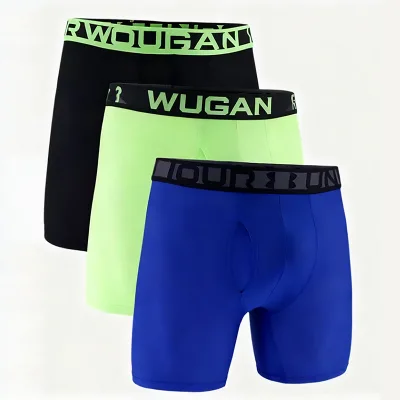
Zhongshan Wugan Clothing Co., Ltd.
- Verified by Intertek
- Manufacturer, Trading Company
- Lead time40 days
- Avg. response≤ 3h
Main productsBoxer, T-shirt, Hoodie, Warm Clothing
Main marketsNorth America(40%), Domestic Market(40%), Northern Europe(14%)

Hangzhou Longwin Industry Limited
- Verified by SGS
- Trading Company,Manufacturer/Factory
- China Zhejiang
- Lead time15 days
- Avg. response≤ 6h
Main productsHome Cleaning, Domestic Appliances, Auto and Motorcycle and Bicycle, Fiberglass Products, Battery, Clothing, Furniture, Tools, Machine, Building
Main marketsSouth America,Eastern Europe,Mid East,North America,Southeast Asia,Eastern Asia,Oceania,Western Europe,Africa
Dongguan Senfeng Trading Co., Ltd.
- Verified by TUVRHEINLAND
- Trading Company
- China Guangdong
- Lead time15 days
- Avg. response≤ 1h
Main productsWomen's Underwear, Women's Shapewear, Women's Bra, Women's Panties, Women's Belt, Women's Clothes, Men's Briefs, Women's Bodysuit
Main marketsOthers(foreignTradeCapacity.exportBusinessCapacityMarketOther)

- Verified by CTI
- Trading Company
- China Beijing
- Lead time23 days
- Avg. response≤ 8h
Main productsMerino Wool Underwear, Sweatproof Undershirt, Briefs & Boxer, Socks, Thermal Underwear
Main marketsSoutheast Asia/ Mideast,Domestic,Europe,Australia,North America

Jiangmen Ruixi Clothing Trading Co., Ltd.
- Verified by TUVRHEINLAND
- Trading Company
- China Guangdong
- Lead time15 days
- Avg. response≤ 14h
Main productsUnderpants, Cotton Underwear
Main marketsDomestic


Hip Lifting High Waisted Underwear Made of Pure Cotton Breathable Triangle Pants
$0.40 - $0.50
MOQ: 1000 Pieces

Wujiang Hailihong Textile Co., Ltd.
- Verified by CTI
- Combined
- China Jiangsu
- Lead time15 days
- Avg. response≤ 10h
Main productsKnitted Textiles, Chemical Fibers, Home Textiles, Clothing and Accessories, Swim Trunks, T-Shirt, Hawaiian Shirt, Beach Pants, Bikini, Hoodie
Main marketsAfrica,Southeast Asia/ Mideast,East Asia(Japan/ South Korea),Domestic,Europe,Australia,North America

GUANGXI BEILIU MORNING TEXTILE CO.,LTD
- Verified by TUVRHEINLAND
- Manufacturer
- China Guangxi
- Lead time15 days
- Avg. response≤ 4h
Main productsShapewear, Underwear, Body Wear, Women's Underwear, Kid's Underwear, Pajamas, Bra, Bras

- Verified by CTI
- Trading Company
- China Anhui
- Lead time23 days
- Avg. response≤ 1h
Main productsFurniture, Home Furniture
Main marketsSoutheast Asia/ Mideast

Efirsty Enterprise (Anhui) Co., Ltd.
- Verified by TUVRHEINLAND
- Trading Company
- China Anhui
- Lead time30 days
- Avg. response≤ 7h
Main productsLeggings Yoga Pants Swimwear, Swimsuit
Main marketsSouth America,Southeast Asia/ Mideast,East Asia(Japan/ South Korea),Europe,Australia,North America

High Elasticity Four-Layer Leak-Proof Comfortable Absorption Menstrual Period Underwear
$3.33 - $3.85
MOQ: 2 piece


Solid Color Ice Silk Seamless MID-Waist Physiological Pants Breathable Quick-Drying and Leak-Proof
$1.39 - $2.19
MOQ: 5 Pieces
- Verified by TUVRHEINLAND
- Trading Company
- China Fujian
- Lead time23 days
- Avg. response≤ 6h
Main productsYoga Set, Pet Supplies, Sneakers, Sportswear, Underwear, Swimsuit, Sports Equipment, Packaging, Outdoor Product, Solar Energy
Main marketsSoutheast Asia/ Mideast


Skin Friendly Odor Resistant Customization Cotton Leak-Proof Menstrual Underwear
$10.00
MOQ: 10 Pieces


Shanghai Jspeed Industry Co., Ltd.
- Verified by BV
- Trading Company
- China Shanghai
- Lead time60 days
- Avg. response≤ 5h
Main productsMen/Women Swimwear, Underwear, Bra, Socks, Men/Women Pants, Men/Women Jackets, Dress, Sportwear, Skirt, Shirt
Main marketsEurope


Silk Comfortable and Breathable Lightweight Low Waist Triangle Underpants
$0.90 - $2.50
MOQ: 200 Pieces

Quanzhou Topone New Materials Technology Development Co., Ltd
- Verified by BV
- Trading Company,Manufacturer/Factory
- China Fujian
- Lead time0 days
- Avg. response≤ 3h
Main productsDiaper Material, Baby Diaper, Sanitary Napkin Material, Sanitary Napkin, Wet Wipes, Adult Diaper, Under Pads

Shantou Cosman Clothing Co., Ltd.
- Verified by SGS
- Trading Company
- China Guangdong
- Lead time23 days
- Avg. response≤ 5h
Main marketsDomestic

Fujian Putian Licheng Paper Industry Co., Ltd.
- Verified by TUVRHEINLAND
- Combined
- China Fujian
- Lead time23 days
- Avg. response≤ 19h
Main productsDiaper, Baby Diaper, Adult Diaper, Under Pad, Pet Diaper, Sanitary Napkin, Pet Pad, Panty Liner
Main marketsOthers(foreignTradeCapacity.exportBusinessCapacityMarketOther),Europe

Adult XXL Incontinence Underwear, Overnight Comfort Absorbency, Leak Protection, Xx-Large
$0.15 - $0.23
MOQ: 50000 Pieces

Protective Underwear with High Absorbency for Adult Incontinence Care, Large, Unisex,
$0.15 - $0.22
MOQ: 50000 Pieces

Jiangmen Neiyishe Garment Co., Ltd
- Verified by CTI
- Combined
- China Guangdong
- Lead time15 days
- Avg. response≤ 25h
Main productsUnderwear, Women Underwaer, Panty, Lace Underwear, Thong, Period Underwear, Plush Underwear
Main marketsDomestic

Guangzhou Manchifen Garment Co., Ltd.
- Verified by TUVRHEINLAND
- Combined
- China Guangdong
- Lead time15 days
- Avg. response≤ 5h
Main productsBra, Underpants, Underwear, Thongs, Panties, Boxer Brief, Mommy Pants
Main marketsDomestic


Comprehensive Sourcing Guide
Moisture Wicking Compression Underwear Supplier Concentration and Factory Types
The current supplier landscape for Moisture Wicking Compression Underwear reveals a concentration of manufacturing capabilities primarily within China, with specific facility locations noted in Henan and Zhejiang provinces. These regions host factories that list main products including adult bibs, protective panties, and various compression stockings, indicating a specialized cluster for functional apparel. Some facilities operate strictly as manufacturers, while others function as hybrid entities combining manufacturing with trading company roles. This distinction is critical because a pure manufacturer often provides direct control over the production line for custom compression garments, whereas a trading company might aggregate goods from multiple sources. The presence of ODM and OEM capacities in the supplier data confirms that these factories are equipped to handle custom designs, from fabric blends to specific compression levels required for athletic or medical use.
When evaluating the factory type, buyers must look beyond the company classification to understand the actual production scope. The observed data shows suppliers offering diverse product lines ranging from sports socks to incontinence protective underwear, suggesting that many facilities possess versatile machinery capable of handling different textile requirements. For Moisture Wicking Compression Underwear, the ability to process materials like polyester and elastane blends is essential. Buyers should verify if the factory's primary focus aligns with their specific needs, as a facility specializing in pet pads might have different quality controls than one dedicated to high-performance athletic wear. The existence of established certifications like ISO9001:2015 among these manufacturers provides a baseline for quality management systems, but the specific factory type determines the agility and depth of customization available for compression garment orders.
How to Verify Moisture Wicking Compression Underwear Suppliers
Verification of suppliers for Moisture Wicking Compression Underwear requires a rigorous check of third-party audit reports and system certifications. The available data indicates that some suppliers hold ISO9001:2015 certificates, which validates their quality management processes, while others have undergone verification by agencies such as SGS or Intertek. These external validations are crucial for confirming that the factory's claims about production standards and material safety are accurate. Buyers should request current audit reports to ensure that the facility maintains compliance with international standards, particularly for garments intended for close skin contact or medical support. The presence of specific certifications like BSCI or General Certificate of Conformity (GCC) further demonstrates a commitment to ethical labor practices and product safety, which are non-negotiable for reputable sourcing.
Beyond certifications, the response time and verification status of a supplier serve as immediate indicators of their operational reliability. Data shows response times ranging from approximately 2.87 to 3 hours, which suggests a level of responsiveness that can facilitate quick communication regarding sample requests or order adjustments. However, a fast response does not guarantee product quality, so buyers must cross-reference this metric with the supplier's verification badge. A supplier marked as verified by a recognized agency like Intertek offers a higher degree of confidence than one without such a designation. Buyers should also examine the supplier's main product list to ensure they have a history of producing similar items, such as compression stockings or athletic underwear, rather than just listing them as a secondary offering. This historical evidence of product capability is a stronger predictor of success than a generic company profile.
What to Compare Across Moisture Wicking Compression Underwear Suppliers
Comparing suppliers requires a detailed analysis of key operational metrics such as lead time, minimum order quantity, and pricing structures. The observed data reveals significant variation in lead times, with some suppliers offering 15-day delivery windows while others require up to 40 days. This difference can drastically impact inventory planning and time-to-market for new product launches. Similarly, minimum order quantities (MOQ) vary widely, ranging from 100 pieces for certain athletic boxers to 2000 pieces for specialized incontinence underwear. Buyers must align these MOQs with their sales forecasts to avoid overstocking or incurring excessive per-unit costs. Pricing is another critical variable, with unit costs fluctuating based on material composition and order volume, necessitating a clear comparison of price ranges across different product models.
In addition to logistical metrics, the specific product attributes and customization capabilities must be compared to ensure the final output meets design specifications. Suppliers offer varying material compositions, such as 88% polyester with 12% elastane or 95% cotton with 5% spandex, which directly affects the moisture-wicking and compression performance of the garment. The ability to provide samples, indicated by some suppliers offering 7-day sample lead times, allows buyers to test fabric quality and fit before committing to a large order. Furthermore, the availability of ODM and OEM services, along with the capacity for custom logo placement and packaging, differentiates suppliers who can fully support a brand's unique identity. Buyers should create a comparison matrix that weighs these technical and commercial factors to identify the partner best suited for their specific product requirements and business scale.
Common Moisture Wicking Compression Underwear Sourcing Risks
One of the primary risks in sourcing Moisture Wicking Compression Underwear is the potential mismatch between claimed material properties and actual product performance. Suppliers may list features like "moisture wicking" or "breathable" without providing detailed fabric test results or certifications for these specific claims. Without verified data on the fabric's ability to manage moisture or maintain compression levels over time, buyers risk receiving products that fail to meet consumer expectations. The variation in product origins, such as items listed as originating from Zhejiang versus Guangdong, can also introduce inconsistencies in quality control standards. Buyers must demand specific test reports for fabric composition and performance to mitigate the risk of receiving substandard goods that could damage their brand reputation.
Another significant risk involves the reliability of the supply chain and the consistency of delivery schedules. While some suppliers advertise short lead times of 15 days, others indicate a 40-day window, creating uncertainty for production planning. This variability can lead to stockouts or delayed market entry if the supplier fails to meet the agreed-upon timeline. Additionally, the complexity of custom orders, such as those requiring specific logo placements or unique packaging, increases the likelihood of errors during production. If a supplier lacks the necessary equipment or expertise for custom processing, the final product may not match the approved sample. Buyers should establish clear contractual terms regarding penalties for late delivery and quality deviations to protect their interests and ensure that the supplier remains accountable for meeting all specified requirements throughout the manufacturing process.
Moisture Wicking Compression Underwear Regional Sourcing and Logistics
Sourcing Moisture Wicking Compression Underwear from China involves navigating specific regional logistics and manufacturing clusters. The available data points to facilities located in Henan and Zhejiang provinces, which are known for their textile and apparel manufacturing capabilities. These regions offer a dense network of suppliers, but buyers must verify the exact location of the factory to assess shipping costs and transit times accurately. The proximity of the factory to major ports can significantly influence logistics efficiency and overall costs. For instance, a facility in Zhejiang might have easier access to Shanghai ports compared to one in Henan, potentially reducing freight expenses and delivery times. Understanding the geographic distribution of suppliers helps buyers optimize their supply chain strategy and select partners that align with their logistical constraints.
Logistics planning also requires careful consideration of packaging and shipping standards to ensure product integrity during transit. The observed product data indicates specific packing methods, such as individual polybag packaging or bulk carton shipments, which can affect how goods are handled and stored. Buyers should confirm that the supplier's packaging meets their requirements for protection against moisture and damage, especially for compression garments that may lose their shape if compressed improperly. Additionally, the origin of the product, whether listed as Zhejiang or Guangdong, impacts the customs clearance process and applicable tariffs. Buyers must work with freight forwarders to understand the specific documentation and regulatory requirements for importing apparel from these regions. Proper logistics planning ensures that the supply chain remains efficient and that products arrive in optimal condition for retail or distribution.
Moisture Wicking Compression Underwear Commercial Terms and Order Planning
Commercial terms for Moisture Wicking Compression Underwear orders must be clearly defined to manage financial expectations and operational risks. The data shows a wide range of pricing, from approximately $1.19 to $7.90 per unit, depending on the product type and order volume. Buyers should negotiate based on these price ranges while considering the impact of MOQs on unit costs. Lower MOQs, such as 100 pieces, often come with higher per-unit prices, whereas larger orders can secure more favorable rates. It is essential to clarify whether the quoted price includes all costs, such as packaging, labeling, and shipping, to avoid unexpected expenses later in the process. Understanding the payment terms and escrow options provided by the platform can also help secure the transaction and protect the buyer's funds until the goods are delivered as specified.
Order planning for this category requires a strategic approach to inventory management and production scheduling. Given the varying lead times of 15 to 40 days, buyers must plan their orders well in advance to ensure timely availability for sales seasons. The ability to request samples with a 7-day lead time allows for early validation of product quality, which is a critical step in the planning process. Buyers should also consider the supplier's capacity for handling rush orders or scaling production if demand increases unexpectedly. Establishing a clear communication channel for updates on production status and potential delays is vital for maintaining control over the supply chain. By integrating these commercial and logistical factors into a comprehensive order plan, buyers can minimize risks and ensure a smooth transition from sourcing to market launch.
FAQs
What is the typical lead time for compression underwear orders?
Lead times vary by supplier and product complexity. Some manufacturers offer a 15-day lead time for standard orders, while others may require up to 40 days for customized runs. Buyers should confirm specific timelines based on their order volume and customization needs before placing an order.
What are the minimum order quantities for these products?
Minimum order quantities depend on the specific item and supplier. For example, some compression socks require 500 pairs, while protective underwear might need 2000 units. Athletic boxers can sometimes be ordered in smaller batches of 100 pieces. Always verify the MOQ with the specific supplier.
Which certifications do these manufacturers typically hold?
Manufacturers often hold ISO9001:2015 certification for quality management. Some suppliers also possess BSCI, 16 CFR 1610, or General Certificate of Conformity. Verification agencies like SGS or Intertek may also validate supplier credentials. Buyers should request current certificates to ensure compliance with safety and quality standards.
Where are these compression underwear manufacturers located?
Suppliers are primarily located in China, with facilities in Henan, Zhejiang, and Guangdong provinces. Product origins listed often include Zhejiang or Guangdong. Buyers should check the specific factory location for each product to understand shipping logistics and potential regional advantages in manufacturing capabilities.
Do suppliers offer OEM and ODM services for compression wear?
Yes, many manufacturers provide both OEM and ODM services. Some suppliers specialize in sample processing, graphic processing, and customized on-demand production. Buyers can often request custom logos, specific fabric blends, and unique designs. Confirming the scope of customization is essential before finalizing any agreement.
What is the average response time for supplier inquiries?
Response times vary among suppliers, with some averaging around 2.87 hours and others taking approximately 3 hours. Quick responses are crucial for resolving questions about pricing, samples, and production schedules. Buyers should prioritize suppliers with faster response times to ensure efficient communication throughout the sourcing process.
What materials are used in moisture-wicking compression underwear?
Common materials include polyester blends with elastane, such as 88% polyester and 12% elastane. Some products feature essential tech mesh or cotton-spandex jersey for comfort. Waterproof layers and absorbent pads are also used in protective underwear. Buyers should review product specifications to ensure the material meets their performance requirements.