Fat Tire Chopper Bicycle Suppliers and Manufacturers
Explore 27 verified options for Fat Tire Chopper Bicycle suppliers and manufacturers in China. Compare locations, lead times, certifications, and prices to find the right partner. Contact suppliers directly to request quotes and verify specifications; review the available evidence before requesting comparable quotations from suitable candidates.
Suppliers List

- Verified by SGS
- Trading Company
- China Hebei
- Lead time30 days
- Avg. response≤ 5h
Main productsBike, Kids Bike, Balance Bike, Bicycle, Mountain Bike, Bicycle Parts, Baby Tricycle, Baby Motorcycle, Baby Walker, Baby Car
Main marketsSouth America,Africa,Southeast Asia/ Mideast,Europe

- Verified by TUVRHEINLAND
- Trading Company,Manufacturer/Factory
- China Tianjin
- Lead time45 days
- Avg. response≤ 12h
Main productsMountain Bike, Electric Bicycle, Folding Bike, City Bike, Road Bike, Electric Scooter, Adult Tricycle, Kids Bike, Baby Tricycle, Baby Stroller
Main marketsSouth America,Eastern Europe,Mid East,North America,Southeast Asia,Eastern Asia,Oceania,Western Europe,Africa

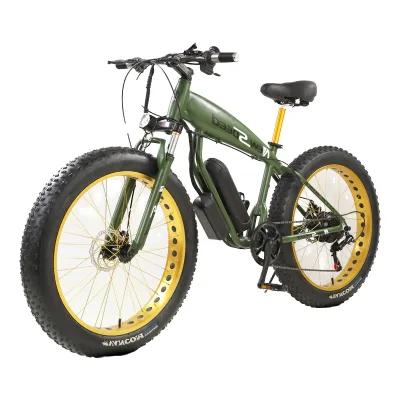
Fat Tire Chopper Electric Bike Bicycle/Fat Tire Ebike 1000W/Fat Tire Electric Bike 750W
$200.00 - $500.00
MOQ: 10 pcs

Electric Bicycle Adult Chopper Bike/Electric Bicycle Bike/Electric Bicycle Cheap
$200.00 - $500.00
MOQ: 10 pcs

China Electric Bicycle Electric Bicycle Wholesale/Chopper Electric Bicycles
$200.00 - $500.00
MOQ: 10 pcs

Electric Bike China/Electric Bike Chopper Bike Bicycle/Electric Bike China Tianjin
$200.00 - $500.00
MOQ: 10 pcs


Fat Tyre MID Drive Step Through Electric Bike/Fat Woman Chopper Bike Bicycle Electric Bike
$200.00 - $500.00
MOQ: 10 pcs

Guangzhou Yiso Ebike Co., Ltd.
- Trading Company,Manufacturer/Factory
- China Guangdong
- Lead time45 days
- Avg. response≤ 3h
Main productsE-Bike, Folding E-Bike, Mountain E-Bike, City E-Bike, Electric Bike, Mini E Bike, Electric Bike Parts, E-Bike Conversion Kits, Folidng E Bike, Electric Mountain Bike
Main marketsSouth America,Eastern Europe,Mid East,North America,Southeast Asia,Eastern Asia,Oceania,Western Europe,Africa


$379.00 - $479.00
MOQ: 10 piece


MTB Bicycle 26 Inch 36V Chopper Bikes Electric Mountain Bike for Adult
$290.00 - $390.00
MOQ: 10 piece

Hebei Jiangwo Trading Co., Ltd.
- Manufacturer, Trading Company
- Hebei, China
- Lead time10 days
- Avg. response≤ 2h
Main productsKids Bike,Mountain Bike,Road Bike,Ride on car,kids balance bike
Main marketsMid East(30.00%), South America(20.00%), Oceania(20.00%), Western Europe(10.00%), North America(10.00%), Northern Europe(10.00%)

- Trading Company,Manufacturer/Factory
- China Tianjin
- Lead time45 days
- Avg. response≤ 13h
Main productsMountain Bike, Electric Bicycle, Folding Bike, City Bike, Kids Bike, Baby Tricycle, Adult Tricycle, Road Bike, Electric Scooter
Main marketsSouth America,Eastern Europe,Mid East,North America,Southeast Asia,Eastern Asia,Oceania,Western Europe,Africa


2020 Best Selling Electric Chopper Bike Bicycle Fat Tire Foldable 500W 60 V
$200.00 - $500.00
MOQ: 10 pcs

Baby Boy Chopper Bottle BMX Bike Bicycle for Kids Four Wheel Cycle Cycling
$21.00 - $28.00
MOQ: 100 pcs


2021 Bicystar Brand Electric Chopper Fat Bike Cycle 29 Inch Bicycle 1500 W for Men for Sale
$200.00 - $500.00
MOQ: 10 pcs

Wholesale 48V 500W 26' 4.0 Bici Elettrica Electric Fat E Bike with Chopper
$200.00 - $500.00
MOQ: 10 pcs
Hangzhou Guanhao Bicycle Industrial Co., Ltd.
- Manufacturer, Trading Company
- Zhejiang, China
- Lead time40 days
- Avg. response≤ 8h
Main productsBike,Electric Bike
Main marketsNorth America(60.00%), Western Europe(16.00%), South America(10.00%), Eastern Europe(5.00%), Southeast Asia(5.00%), South Asia(2.00%), Oceania(2.00%)
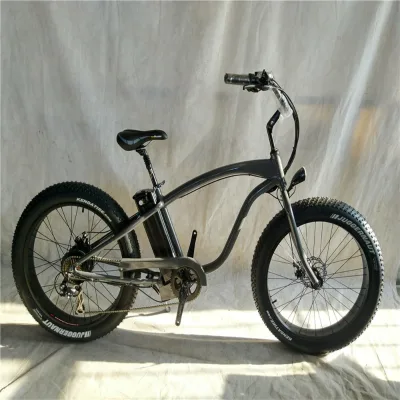
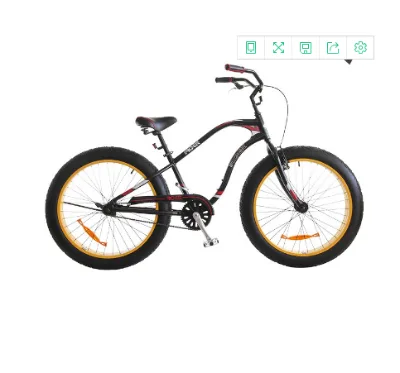
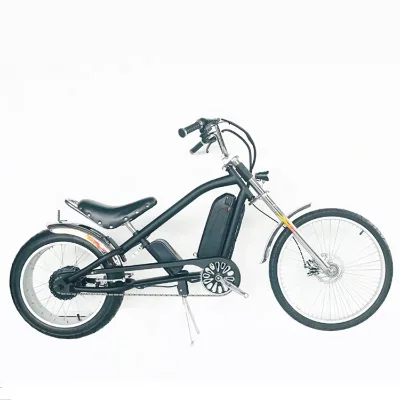
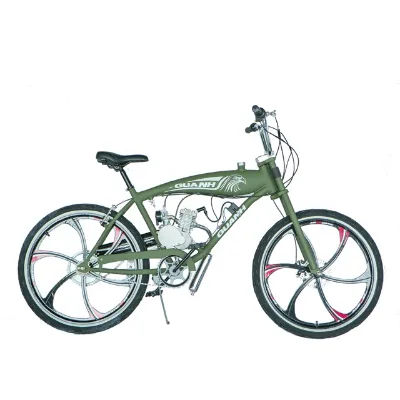
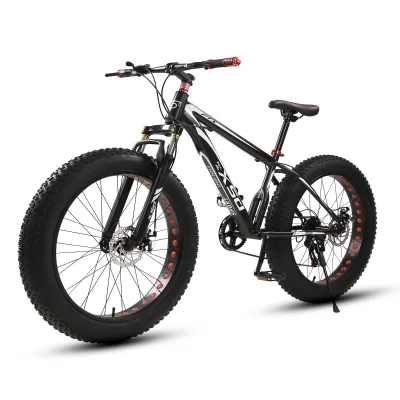
2020 Popular 26" Fat Tire Bike Bike Snow Bike Bicycle
$98.00 - $108.00
- Verified by TüVRheinland
- Trading Company
- Lead time40 days
- Avg. response≤ 3h
Main productsBicycle And Bicycle Parts, Ebike And Ebike Parts
Main marketsMid East(44%), South America(18%), North America(12%)

JinHua YiFei Electric Technology Co., Ltd.
- Manufacturer/Factory
- China Zhejiang
- Lead time30 days
- Avg. response≤ 25h
Main productsE-Bicycle, E-Tricycle, E-Scooter
Main marketsSouth America,Eastern Europe,Mid East,North America,Southeast Asia,Eastern Asia,Oceania,Western Europe,Africa


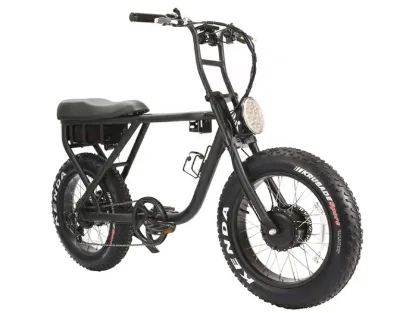
Best High Quality 20inch Fat Tire Bike with High Power and Beautiful Shape
$520.00 - $700.00
MOQ: 1 Pieces


Qingdao Ueasy Technology Co., Ltd.
- Verified by SGS
- Trading Company
- China Shandong
- Lead time23 days
- Avg. response≤ 8h
Main productsE-Bike, Electric Bike, Electric Bicycle, Electric Scooter, Electric Motobike, Electric Tricycle, Electric Vehicle, Electric Motorcycle, Scooter, Electric Mobility Scooter
Main marketsSouth America,Africa

Perfect Fat Tire Popular Chopper Electric Bicycle with Big Panel Top Removable Lithium Battery
$585.00 - $615.00
MOQ: 5 Pieces

Ebike 20 Inch 500W Full Suspension Fat Tyre E-Bike Chopper Fat Tire Electric Bike
$585.00 - $615.00
MOQ: 5 Pieces

Factory Supply 350W Electric Bike 2 Seat Chopper Electric Bicycle with Removeable Battery
$99.00 - $170.00
MOQ: 10 Pieces


Factory Adult Electric Chopper Ebike Rear 48V 350W Carbon Steel 16inch Electric Bicycle
$99.00 - $170.00
MOQ: 10 Pieces
Zunyi City Erma Cross-Border E-Commerce Co., Ltd.
- Trading Company
- Guizhou Province, China
- Lead time0 days
- Avg. response≤ 4h
Main productsBike,Road bike,Mountain bike,E-bike,Snow bike
Main marketsWestern Europe(15.00%), Southern Europe(10.00%), Northern Europe(10.00%), North America(9.00%), Domestic Market(8.00%), South America(8.00%), Eastern Asia(7.00%), Eastern Europe(7.00%), South Asia(6.00%), Central America(5.00%), Mid East(4.00%), Oceania(4.00%), Southeast Asia(4.00%), Africa(3.00%)

Guangzong Shuanglong Bicycle Industry Co., Ltd.
- Manufacturer
- China Hebei
- Lead time30 days
- Avg. response≤ 13h
Main productsMountain Bike, Children Bicycle, Bicycle, Bicycle Parts
Main marketsSouth America,Africa,Southeast Asia/ Mideast

Shandong Jingpin Electric Vehicle Technology Co., Ltd.
- Verified by TUVRHEINLAND
- Combined
- China Shandong
- Lead time15 days
- Avg. response≤ 3h
Main productsElectric Bicycle, Electric Tricycle, Electric Scooter
Main marketsDomestic
- Trading Company
- Jiangsu, China
- Lead time30 days
- Avg. response≤ 1h
Main productsElectric Bicycle, Mountain Bike, Electric Scooter
Main marketsNorth America(20.00%), Southern Europe(20.00%), Western Europe(15.00%), Northern Europe(15.00%), Eastern Europe(15.00%), Mid East(15.00%)
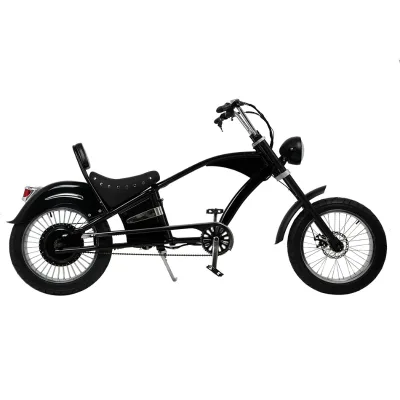
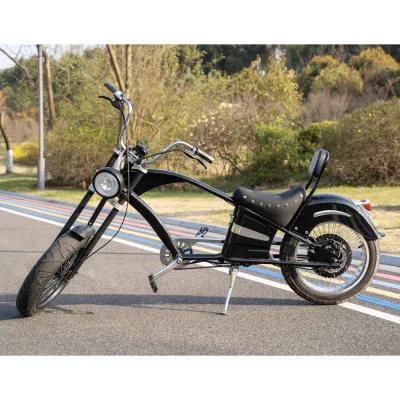
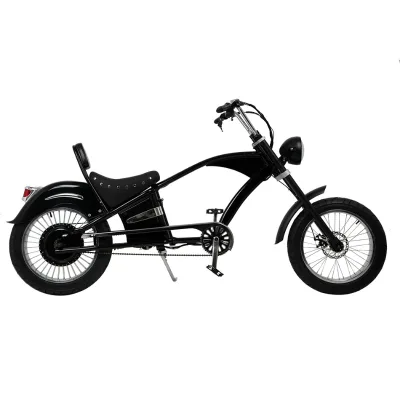
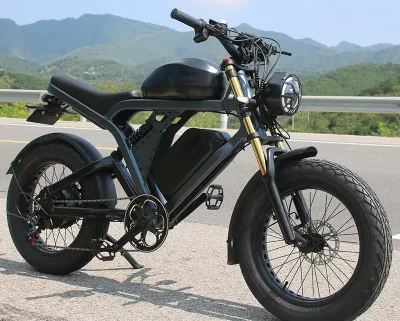
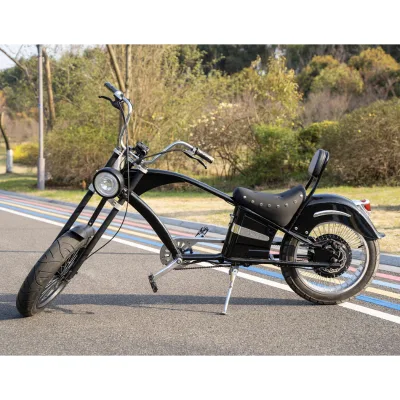
$728.35 - $936.75
MOQ: 1 Minimum
Linyi Youyuan Vehicle Industry Co., Ltd.
- Verified by BV
- Combined
- China Shandong
- Lead time30 days
- Avg. response≤ 4h
Main marketsDomestic

Changzhou Merry Ebike Co., Ltd.
- Verified by CTI
- Combined
- China Jiangsu
- Lead time30 days
- Avg. response≤ 13h
Main productsElectric Bicycle, E Bike, Scooter, Bicycle, E Bicycle, E Scooter, China Scooter, EEC Scooter, Electric Bike, En15194
Main marketsSouth America,Africa,Domestic,Europe,North America
BTWO Intelligent Technology Co., Ltd.
- Trading Company
- Jiangsu, China
- Lead time20 days
- Avg. response≤ 10h
Main productsBike,Electric Bike,Electric Scooter,Electric Bike Parts
Main marketsWestern Europe(45.00%), South America(20.00%), North America(10.00%), Southern Europe(5.00%), Northern Europe(5.00%), Eastern Europe(5.00%), Eastern Asia(5.00%), Southeast Asia(5.00%)

- Verified by BV
- Combined
- China Jiangsu
- Lead time45 days
- Avg. response≤ 6h
Main productsE-Bike
Main marketsEurope,North America

Changzhou Yamasaki Motorcycle Co., Ltd.
- Manufacturer/Factory
- China Jiangsu
- Lead time75 days
- Avg. response≤ 12h
Main productsMotorcycle, Scooter, Tricycle, Electric Scooter, Electric Motorcycle, Electric Tricycle
Main marketsEastern Europe,Mid East,North America,Western Europe,Africa
Tianjin Averil Bicycle Co., Ltd.
- Trading Company
- Tianjin, China
- Lead time45 days
- Avg. response≤ 11h
Main productsElectric Bicycle, Bicycles, Electric Tricycles, Electric Scooters
Main marketsNorth America(30.00%), South America(15.00%), Oceania(10.00%), Western Europe(10.00%), Eastern Europe(10.00%), Southern Europe(6.00%), Northern Europe(6.00%), Mid East(6.00%), Southeast Asia(6.00%), Eastern Asia(1.00%)
Hainan Daruixin Import and Export Trade Co., Ltd
- Verified by TUVRHEINLAND
- Trading Company
- China Hainan
- Lead time23 days
- Avg. response≤ 1h
Main productsElectric Bike, Electric Bicycle, Electric Scooter, Mountain Bike, Kids Bike
Main marketsSoutheast Asia/ Mideast,Europe
Jinhua Qidian Vehicle Co., Ltd.
- Verified by TüVRheinland
- Manufacturer, Trading Company
- Lead time0 days
- Avg. response≤ 2h
Main productsElectric Bike, Electric Motorcycle, Electric Wheelchair
Main marketsOceania(50%), North America(20%), Western Europe(10%)

WUYI QIDE INDUSTRY AND TRADE CO., LTD.
- Verified by CTI
- Trading Company
- China Zhejiang
- Lead time30 days
- Avg. response≤ 5h
Main productsDirt Bike, ATV, Quad, Pocket Bike, Go Kart, Chopper, Scooter, Electric Bike, Mini Bike, Motorcycle
Main marketsSoutheast Asia/ Mideast,North America
Hebei New Speed Technology Group Co., Ltd.
- Verified by SGS Group
- Manufacturer, Trading Company
- Lead time15 days
- Avg. response≤ 3h
Main productsAdult Bicycle, Children Bicycle, Electronic Scooter, Kids Electric Car, Electric Bicycle
Main marketsNorth America(52%), South America(15%), Southeast Asia(7%)
Linyi Huanyu Jindong New Energy Technology Co., Ltd.
- Verified by TUVRHEINLAND
- Manufacturer
- China Shandong
- Lead time15 days
- Avg. response≤ 9h

2 Wheels Electric Bike Manufacturers in China Adult Chopper Bike E-Time 350W Kit Controller Battery
$103.00 - $149.00
MOQ: 20 Pieces


Hebei Hongchi Bicycles Co., Ltd
- Verified by BV
- Manufacturer
- China Hebei
- Lead time15 days
- Avg. response≤ 8h
Main productsChainwheel&Crank, Bicycle Parts, Bicycle Accessories, Children Bike, Children Toy, Scooter, Stroller, Electric Car, Saddle, Basket


2022 Electric Bicycle Fat Tire Power 350W Motor City E-Bike
MOQ: 1000 Pieces

Kids Bike Quality Children Bike Hot Sale in South American
MOQ: 100 Pieces

Wuxi Eternal Bliss Alloy Casting & Forging Co., Ltd.
- Verified by BV
- Trading Company
- China Jiangsu
- Lead time23 days
- Avg. response≤ 3h
Main productsCasting, Forging, Machine, Aluminium Casting, Cobalt Casting, Bronze Casting
Main marketsSouth America,Africa,Southeast Asia/ Mideast,East Asia(Japan/ South Korea),Domestic,Europe,Australia,North America

Jinhua Otmar Technology Co., Ltd.
- Verified by BV
- Group Corporation
- China Zhejiang
- Lead time45 days
- Avg. response≤ 24h
Main productsElectric Bike, Electric Tricycle, Trailer
Main marketsSouth America,Africa,Southeast Asia/ Mideast,East Asia(Japan/ South Korea),Europe,Australia,North America


China OEM ODM 26inch Chopper Dirt Ebike Rear Drive Road Electric Bike
$650.00 - $1200.00
MOQ: 10 Pieces












Comprehensive Sourcing Guide
Fat Tire Chopper Bicycle Supplier Concentration and Factory Types
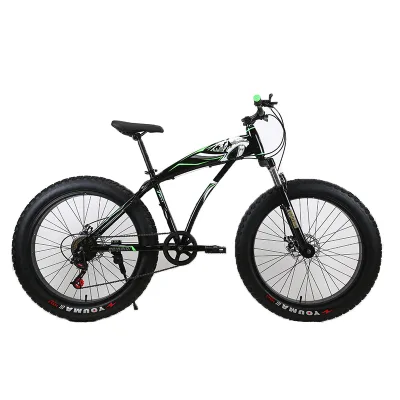
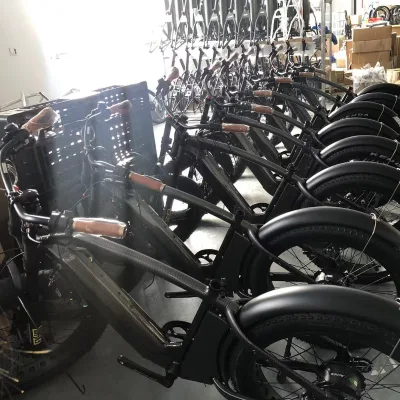
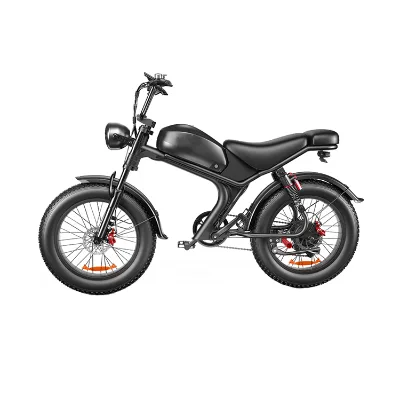
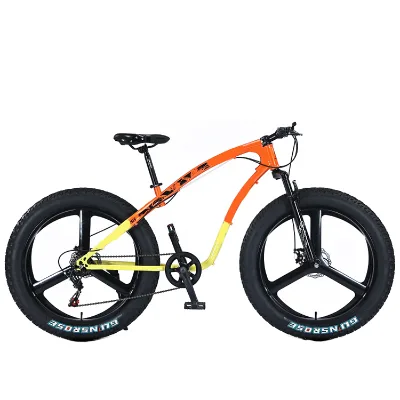
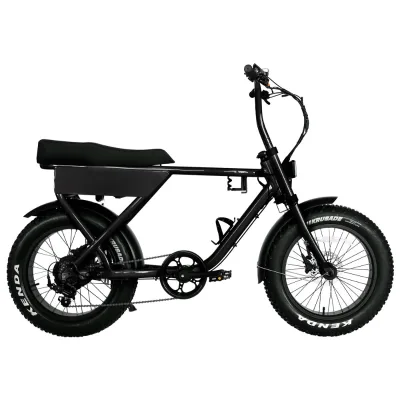
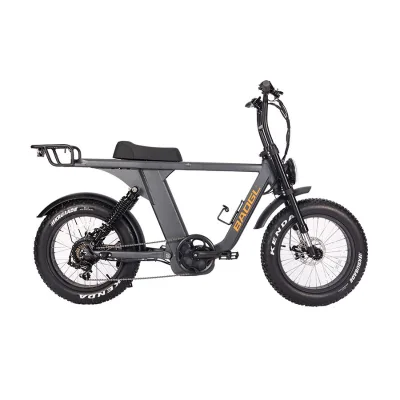
Sourcing for the Fat Tire Chopper Bicycle category is heavily associated with northern China, and supplier results in this category commonly reference Hebei and Tianjin as operating locations. These neighboring regions sit within a broader bicycle manufacturing belt where frame welding, painting, wheel building and tire supply are all commercially available within short distances. When a supplier profile lists a location, treat it as a starting point for cluster identification rather than a guarantee of where production happens. A trading company registered in one province may coordinate fabrication in another, so buyers should ask directly where the chopper frames, fat tires and finishing work are actually performed before assuming the listed location equals the factory floor.
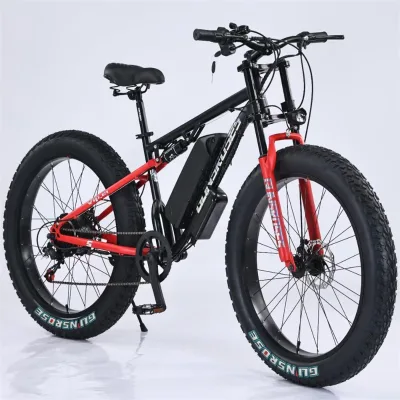
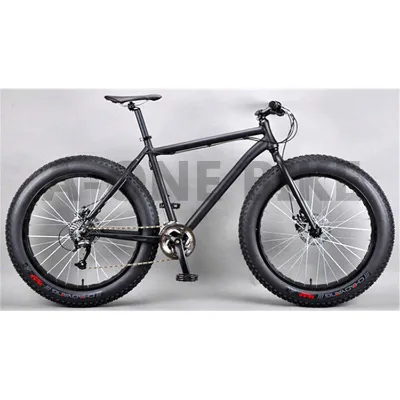
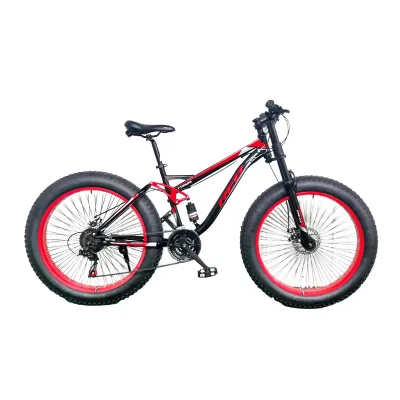
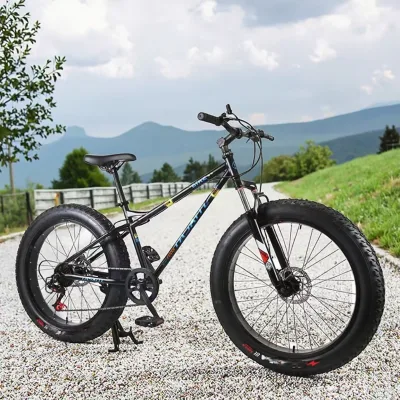
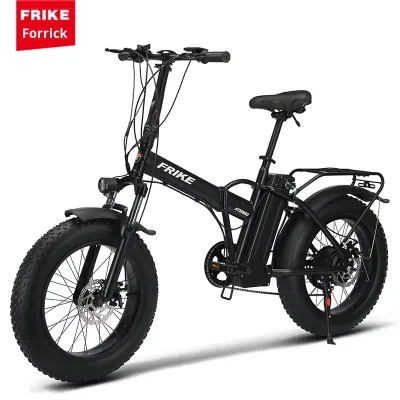
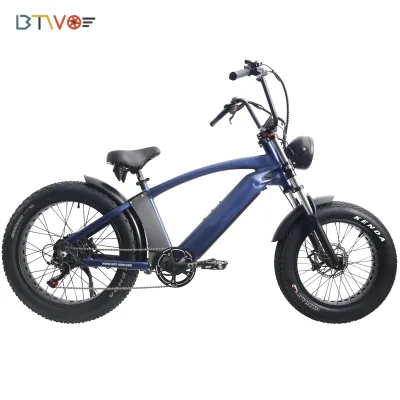
Supplier types in this category typically split between manufacturers and trading companies, and some profiles combine both roles. The product listings observed span conventional fat tire mountain bikes, chopper-style cruisers and electric chopper variants, which signals that many suppliers treat chopper bicycles as one line within a wider bike portfolio rather than a dedicated specialty. This matters for capability assessment: a supplier whose main products include mountain bikes, kids bikes, tricycles and parts may have broad assembly capacity but variable experience with chopper-specific geometry, elongated frames and wide 20-inch or 26-inch fat tires. Distinguish factories that weld and paint in-house from assemblers who buy frames externally, and confirm which model applies to your target specification before requesting samples.
How to Verify Fat Tire Chopper Bicycle Suppliers
Verification should begin with the credentials a supplier profile displays, then move to evidence you request yourself. In this category, some suppliers show third-party verification badges such as SGS or TÜV Rheinland, and some list management system certifications such as ISO 9001 or BSCI. These are meaningful screening signals, but they describe the company at a point in time and do not certify any specific chopper bicycle model. For electric chopper variants, product listings may display CE marking as a product-level attribute; verify the certificate number, scope and issuing body directly, because a general company badge is not a substitute for a valid declaration covering the exact motor, battery and charger configuration you intend to order.
Beyond documents, verify operational reality. Ask whether the entity is a factory, a trading company or both, and reconcile the answer against the company type shown on the profile and the product origin fields in listings, which in this category sometimes reference Tianjin. Request a video call walkthrough of the welding and assembly areas where chopper frames are produced, and confirm the supplier can produce the exact wheel sizes, frame geometries and braking systems in your specification. For buyers using escrow or platform-protected payment, check that the quoted entity name matches the bank account and business license. Discrepancies between the listing name, license and receiving account are among the most reliable early warning signs of a broker or misrepresented supplier.
What to Compare Across Fat Tire Chopper Bicycle Suppliers
Build a comparison table from the attributes suppliers actually display, and record gaps as unknowns rather than assuming they are unfavorable. Useful dimensions here include lead time, minimum order quantity, average response time, location, company type, verification badges, system certifications and main product lines. In observed listings, lead times for non-electric fat tire and chopper bikes cluster around 30 days, while suppliers carrying electric chopper models quote around 45 days, reflecting longer component procurement for batteries and motors. Response times vary widely between profiles, and a supplier answering in hours versus more than ten hours can materially change how quickly specification questions, sample issues and shipment problems get resolved during a production run.
Product-level data often reveals more than company labels. Compare listed specifications such as wheel size, frame size, gear count, fork material, braking system, frame material and packing format, and note which suppliers publish complete attribute sets versus sparse listings. Some chopper and fat tire models in this category are listed with customization available, including custom colors and logos, which is essential if you plan private-label branding. MOQs observed in listings range from 10 pieces for certain electric chopper bikes to 200 pieces for pedal models, so align minimums with your channel volume before shortlisting. Finally, compare whether main products cluster around fat and chopper bicycles specifically or spread across unrelated categories, since focus often correlates with consistent quality in this niche.
Common Fat Tire Chopper Bicycle Sourcing Risks
The most common risk in this category is specification drift between sample and bulk production. Chopper bicycles depend on distinctive frame geometry, extended forks and wide tires, and suppliers juggling many bike lines may substitute components when the specified part is unavailable. Listings in this category sometimes state standards only loosely, such as a generic steel frame note, without naming steel grade or tube thickness. Lock the bill of materials into the purchase contract: tire size and tread, rim material, fork specification, brake type, gearing, paint process and packaging format. Observed listings reference 85% SKD packing in cartons, which affects assembly labor at destination and should be agreed explicitly, including whether tools and instructions are included.
Compliance risk is concentrated in electric chopper variants. Listings may advertise wattage classes in marketing keywords while the attribute table states a different wattage range, so reconcile motor power, battery voltage and battery type against the certification documents for the destination market before deposit. Quality risk also appears in finishing: fat tires are heavy, and weak spoke tension or inadequate rim quality shows up as warranty claims. Mitigate with pre-shipment inspection covering weld integrity, tire seating, brake function and carton drop testing. Finally, beware of price quotes that look inconsistent with comparable listings, since unusually low pricing on chopper models often signals downgraded frames, thinner tires or omitted brake components that only an inspection will catch.
Fat Tire Chopper Bicycle Regional Sourcing and Logistics
Because credible suppliers in this category reference Hebei and Tianjin, logistics planning should account for northern China's export infrastructure. Tianjin is a major container port, and suppliers listing Tianjin as product origin can typically move finished bicycles to vessel loading with minimal inland cost, while Hebei-based production may add a short inland trucking leg. Confirm the quoted price basis, such as FOB versus EXW, so you know whether inland freight to the port is included. Bicycles ship at low commercial density because of their bulk, so carton dimensions matter: listings in this category reference SKD packing at roughly 85% assembly, which reduces carton size but transfers final assembly work to your warehouse or distributor.
Match the packing format to your market's capabilities before ordering. Semi-knocked-down chopper bikes need handlebar, front wheel and pedal installation plus brake and gear adjustment, which requires trained labor and basic tools at destination; fully assembled delivery increases carton volume and freight cost substantially. For electric chopper variants, batteries classify as dangerous goods for air freight and are normally shipped by sea under applicable battery regulations, so confirm packing, labeling and documentation with your forwarder early. Lead times observed range from about 30 days for pedal models to around 45 days for electric versions; add sample iteration, production and inland transit buffer when planning seasonal retail windows, and book vessel space in advance during peak export periods.
Fat Tire Chopper Bicycle Commercial Terms and Order Planning
Commercial terms should be structured around the deposit, balance and inspection sequence. A common approach is a deposit with the balance due after pre-shipment inspection passes, which keeps leverage with the buyer until quality is confirmed. Some supplier profiles indicate platform escrow or trade assurance style protections; when available, route the transaction through them and confirm that the protected amount, shipment deadline and specification sheet are all attached to the order. For customization, agree in writing on logo application method, color references using a physical or digital standard, and who owns any molds or tooling created for your chopper frame design, since reorders depend on that clarity.
Order planning should reconcile MOQ, price breaks and reorder cadence. Observed listings show MOQs of 200 pieces for pedal fat tire and chopper models and 10 pieces for certain electric chopper bikes, with unit prices in listings ranging from the high sixty-dollar range for steel-frame snow-style bikes to the low ninety-dollar range for chopper models, and electric variants quoted as wide ranges from roughly two hundred to five hundred dollars depending on configuration. Treat listed prices as negotiation anchors rather than final costs, since configuration, packaging and order size all move them. Plan a pilot order at or near minimum quantity, use it to validate sample-to-bulk consistency, then scale with framework pricing agreed for repeat orders. Confirm lead time in the contract with a stated late-delivery remedy, and align reorder timing with observed production windows of 30 to 45 days.
FAQs
What is the typical MOQ for fat tire chopper bicycles?
Listed MOQs commonly start at 200 pieces for standard steel-frame fat tire chopper models, while some electric chopper bike listings accept orders of 10 pieces. MOQ often depends on customization level, wheel size, and whether the bike ships fully assembled or in SKD cartons. Confirm the exact MOQ for your chosen configuration before requesting a quotation.
What lead time should I expect for bulk chopper bicycle orders?
Lead times in current listings range from about 30 days for non-electric fat tire chopper bikes to around 45 days for some suppliers, with one listing stating 30-40 days for production and delivery. Actual timing depends on order quantity, customization such as custom colors or logos, and the shipping method you arrange from China.
How much do fat tire chopper bicycles cost at wholesale?
Wholesale prices in the current results range from roughly 67.50 to 92 US dollars per unit for pedal chopper and fat tire models. Electric chopper bike versions list between 200 and 500 US dollars depending on wattage and battery specifications. Final pricing varies with order volume, frame material, and customization requirements, so request quotes for your exact specification.
Are customization options available for chopper bike orders?
Yes, customization is marked as available on most Fat Tire Chopper Bicycle listings. Suppliers commonly offer customized colors, custom logos, and OEM or ODM services, with one factory also operating its own bicycle brand. Wheel sizes of 20 inch and 26 inch, gear configurations such as 21 speed, and braking systems can usually be specified when ordering.
What specifications do typical 20 inch fat tire chopper models have?
A representative 20 inch listing features a steel frame, 20x4.0 fat tires, alloy rims, 21-speed gearing, disc brakes, and a 38mm suspension fork. The bikes are not foldable, ship 85% SKD packed one piece per carton, and support customized colors and logos. Confirm the full specification sheet and sample before committing to a bulk order.
Which supplier certifications should I verify before ordering?
Current suppliers show third-party verification through SGS and TUV Rheinland, and one factory holds BSCI and ISO 9001 system certifications. Electric chopper models list CE certification with 48V lithium battery systems. Always request valid, dated certificate copies, confirm they match the legal entity you contract with, and verify scope covers the products you plan to import.
Where are Fat Tire Chopper Bicycle suppliers located in China?
Suppliers in the current results are based in Hebei and Tianjin, two regions known for bicycle manufacturing clusters and component supply chains. Tianjin-origin products appear across several listings, including mountain, hybrid, cruiser, and chopper bike categories. Location affects factory visit logistics, component sourcing depth, and domestic freight costs to Chinese ports, so factor this into planning.
Do suppliers offer electric versions of fat tire chopper bikes?
Yes, listings include fat tire chopper electric bikes with 48V lithium batteries, brushless motors, aluminum alloy frames, disc brakes, and a stated range of 31 to 60 km per charge. Wattage claims vary across listing keywords, including 750W and 1000W references, so verify the certified motor rating. Electric versions typically carry a higher MOQ of 10 pieces and 200 to 500 dollar pricing.