Cycling Suit Suppliers and Manufacturers in China
Source 23 verified suppliers for custom Cycling Suit apparel. Compare key dimensions including lead times, MOQs, certifications, and response rates. Review product specs and request quotes to streamline your procurement process; review the available evidence before requesting comparable quotations from suitable candidates.
Suppliers List

Xiamen Junmao Technology Co., LTD
- Verified by BV
- Combined
- China Fujian
- Lead time30 days
- Avg. response≤ 4h
Main productsFootball Kit, Sportswear, Football Equipment, Gym Wear, Yoga Set, Sports Products
Main marketsAfrica,Southeast Asia/ Mideast,Europe,Australia,North America

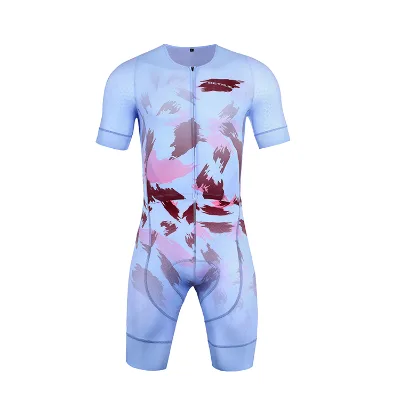
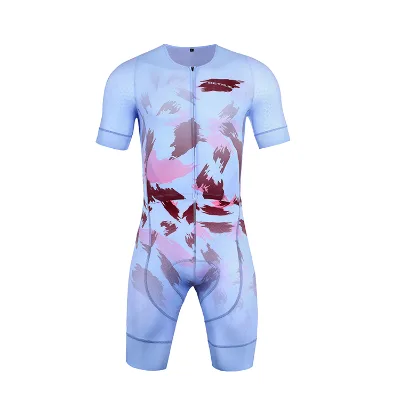
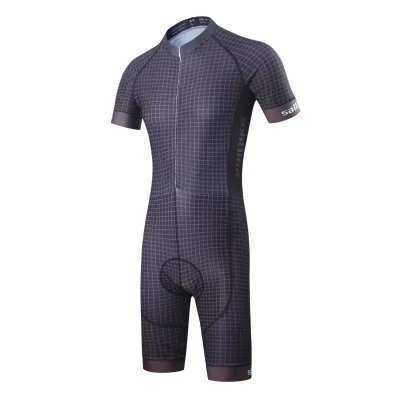
Triathlon Short-Sleeved Cycling Suit Tights Cycling Clothing Cycling Jumpsuit
$16.50 - $20.00
MOQ: 2 Pcs

Spring and Summer Short-Sleeved One-Piece Cycling Suit Women's Road Competition Slim Cycling Suit
$16.50 - $20.00
MOQ: 2 Pcs

New Women's Short-Sleeved Cycling Suit Quick-Dry Breathable Mountain Bike Cycling Suit
$16.50 - $20.00
MOQ: 2 Pcs

Cycling One-Piece Set Mountain Road Bike Racing Suit Quick-Drying UV Protection Sportswear
$16.50 - $20.00
MOQ: 2 Pcs


Times Chensheng (Xiamen) Trading Co., Ltd.
- Trading Company,Manufacturer/Factory
- China Fujian
- Lead time45 days
- Avg. response≤ 6h
Main productsJacket, Beach Shorts, Hoodies, Sports Wear, T-Shirt, Kids Wear, Casual Shorts, Swimming Wear, Sweater, Sport Bar
Main marketsSouth America,Eastern Europe,Mid East,North America,Southeast Asia,Eastern Asia,Oceania,Western Europe,Africa
Shenzhen Cyclingbox Sportswear Co., Ltd.
- Verified by SGS Group
- Trading Company
- Lead time15 days
- Avg. response≤ 3h
Main productsCycling Jerseys, Triathlon Clothing, Cycling Pants, Mountain Bike Clothing, Running Clothing
Main marketsNorth America(30%), Eastern Europe(15%), Western Europe(15%)
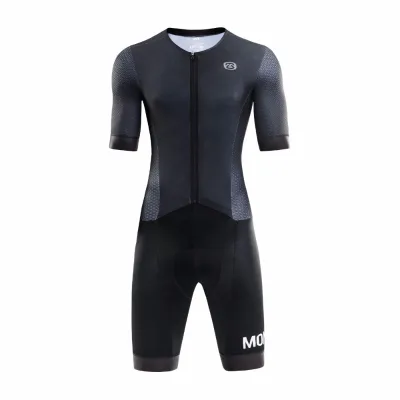
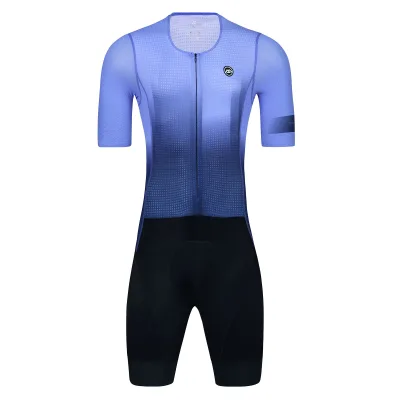
Custom High Performance Cycling Skin Suit Bike Speed Suit for Club With Your Own Logos
$38.81 - $51.06
MOQ: 10

Lu'an Tianer Garment Co., Ltd.
- Verified by SGS
- Combined
- China Anhui
- Lead time15 days
- Avg. response≤ 9h
Main marketsSoutheast Asia/ Mideast,Europe,Australia

$15.30 - $16.20
MOQ: 1 Pieces


$11.00 - $15.00
MOQ: 5 Pieces


Xiamen Crownway Apparel Co., Ltd.
- Verified by TUVRHEINLAND
- Trading Company
- China Fujian
- Lead time30 days
- Avg. response≤ 5h
Main productsOutdoor/Ski/Waterproof/Down Jackets, Hiking/ Camping/Waterproof/Ski Pants, Yoga/Gym/Fitness Wear, Active Pants&Shorts, Hoody&Sweatshirt, Beachwear, Underwear, Cycling Wear/Running Wear, Equestrian Clothing/Breeches, Safety/Security Workwear
Main marketsSoutheast Asia/ Mideast,Europe,North America

Short-Sleeved Cycling Outfit Suit Summer Moisture Wicking Breathable Bicycle Cycling Clothing
$10.10 - $16.80
MOQ: 200 Pieces

Custom Winter Mens Mountain Bike Bicycle Clothing Waterproof Plus Size Cycling Suits
$10.00 - $16.00
MOQ: 10 Pieces

$37.00 - $45.00
MOQ: 2 Pieces

$12.00 - $20.00
MOQ: 100 Pieces


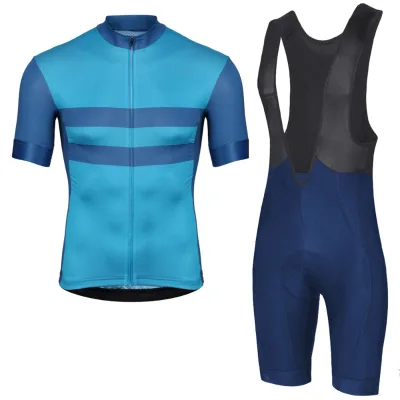
Custom Men Sport Bike Clothing Cycling Jersey Suit Bicycle Shirts Bib Shorts MTB Bike Cycling Set
$9.90 - $15.38
MOQ: 100 Pieces
Guangzhou Tewsn Sports Co., Ltd.
- Verified by Intertek
- Manufacturer, Trading Company
- Lead time10 days
- Avg. response≤ 6h
Main productsCycling Wear, Bib Shorts&Tights, Triathlon Suit, Cycling Arm Sleeves, Cycling Gloves
Main marketsEastern Europe(50%), North America(17%), Southeast Asia(17%)

Dongguan Wintofree Athletic Sports Co,Ltd.
- Manufacturer/Factory
- China Guangdong
- Lead time23 days
- Avg. response≤ 4h
Main productsSportswear, Fishing Wear, Cycling Wear, Football Jersey, Baskeball Jersey, Arm Sleeve, Baseball Jersey, Ice Hockey Jersey, Yoga/Gym Fitness
Main marketsSouth America,Eastern Europe,Mid East,North America,Southeast Asia,Eastern Asia,Oceania,Western Europe,Africa

$18.00 - $30.00
MOQ: 1 Pieces

Full Zipper Cycling Skin Suit Bike Team Bespoke Bicycle Speed Suit Men Custom Triathlon Suit
$18.00 - $30.00
MOQ: 1 Pieces


Wholesale Manufacture OEM Custom High Quality Cycling Suit Speed Tops Cycling Body Suit for Man
$18.00 - $30.00
MOQ: 1 Pieces


Xiamen Ibestop Sport Co., Ltd.
- Trading Company, Distributor/Wholesaler
- Fujian, China
- Lead time10 days
- Avg. response≤ 4h
Main productscycling wear,Hoodies&Sweatshirt,T Shirt,training&jogging wear,Triathlon wear
Main marketsWestern Europe(20.00%), Southeast Asia(20.00%), North America(20.00%), South America(9.00%), Southern Europe(8.00%), Oceania(5.00%), Northern Europe(5.00%), South Asia(5.00%), Eastern Europe(5.00%), Central America(3.00%)
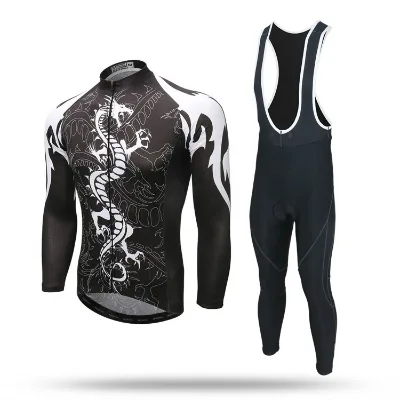
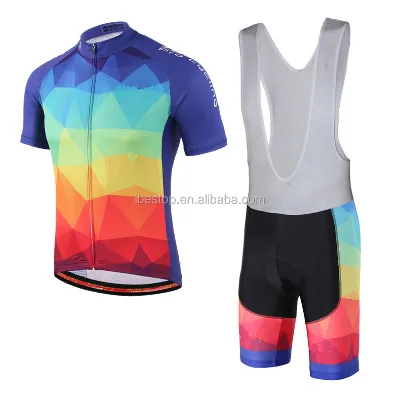
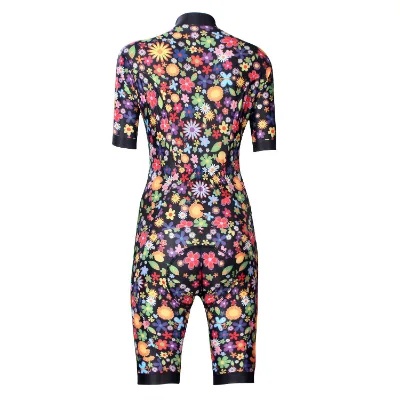
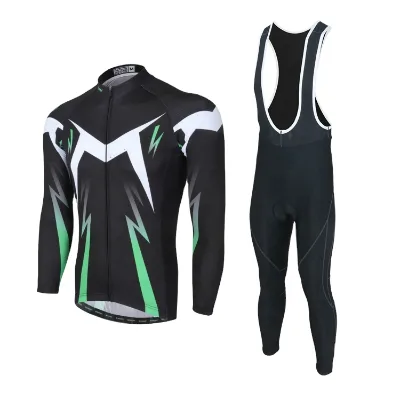
Custom Design Cycling Triathlon Suit Cycling Triathlon Set
$26.00 - $29.50
Guangzhou Betrue Sporting Goods Co., Ltd.
- Verified by Intertek
- Manufacturer, Trading Company
- Lead time30 days
- Avg. response≤ 3h
Main productsCycling Jersey, Cycling Shorts, Cycling Jacket, Triathlon Suit, Running Wear

Dongguan Monkey Clothes Co., Ltd.
- Verified by SGS
- Combined
- China Guangdong
- Lead time15 days
- Avg. response≤ 5h
Main marketsEurope,North America

Custom Cycling Suits Aero Race Cutting Design Sportswear Set Cycling Clothing
$11.00 - $15.00
MOQ: 10 piece


Wholesale Breathable Cycling Clothing Short Sleeve Wear Bike Jersey Custom Cycling Jersey
$11.00 - $15.00
MOQ: 10 piece

$11.00 - $15.00
MOQ: 10 piece

Quick Dry Woman Men Cycling Jersey Coolmax Bicycle Wear Comfortable Bike Clothes
$11.00 - $15.00
MOQ: 10 piece

Unisex Customizable ODM Cycling Jerseys Short Sleeve Bike Shirt Men's Cycling Uniform
$11.00 - $15.00
MOQ: 10 piece
Shantou Karool Sportswear Co., Ltd.
- Trading Company
- Guangdong, China
- Lead time9 days
- Avg. response≤ 8h
Main productsCycling Wear,Running Wear,Triathlon Wear,Yoga wear,Wrestling Suit
Main marketsWestern Europe(20.00%), North America(20.00%), Oceania(20.00%), Southeast Asia(5.00%), Southern Europe(5.00%), Northern Europe(5.00%), Central America(5.00%), South America(5.00%), Eastern Asia(5.00%), Mid East(5.00%), Africa(5.00%)
- Manufacturer, Trading Company
- Lead time旺季: "1 - 100":7,"101 - 500":10,"501 - 1000":15,"> 1000":"To be negotiated", 淡季: "1 - 100":7,"101 - 500":10,"501 - 1000":15,"> 1000":"To be negotiated"
- Avg. response≤ 3h
Main productsCustom Flags And Banners, Promotion Gifts, Promotion Apparel And Accessories, Advertising Display, Fashion Accessories

Yibin Haixun Machinery Technology Co., Ltd.
- Verified by SGS
- Manufacturer/Factory
- China Sichuan
- Lead time23 days
- Avg. response≤ 3h
Main productsSwimming Goggles, Goggles, Ski Goggles, Cycling Goggles, Protective Goggles, Wrist Guard; Knee Pad, Basketball Glasses, Gymnastics Gloves, Sports Shoes, Sportswear
Main marketsSouth America,Eastern Europe,Mid East,North America,Southeast Asia,Eastern Asia,Oceania,Western Europe,Africa

Guangzhou RJ Clothing Co., Ltd.
- Verified by SGS
- Trading Company
- China Guangdong
- Lead time15 days
- Avg. response≤ 3h
Main productsT-Shirt, Sportwears, Hoodie, Men Women Gym Wear, Fitness Wear, Joggers, Shorts, Sports Bra, Leggings, Yoga Wear
Main marketsEurope,North America

Sport Wear Matches Events OEM ODM Private Label Muscle Support Cycling Skinsuit
$5.00 - $18.00
MOQ: 100 Pieces

Sport Wear Team Training Matches Events Wholesale Custom Moisture Wicking Cycling Skinsuit
$5.00 - $18.00
MOQ: 100 Pieces

Sport Wear Sports Teams OEM ODM Private Label Muscle Support Cycling Skinsuit
$5.00 - $18.00
MOQ: 100 Pieces

Sport Wear Team Training Matches Events Wholesale Custom Cooling Cycling Skinsuit
$5.00 - $18.00
MOQ: 100 Pieces

Sport Wear Team Orders OEM ODM Factory Direct Aerodynamic Cut Cycling Skinsuit
$5.00 - $18.00
MOQ: 100 Pieces

Sport Wear Custom Teamwear OEM ODM Private Label Moisture Wicking Cycling Skinsuit
$5.00 - $18.00
MOQ: 100 Pieces
Guangzhou Tewsn Sports Co., Ltd.
- Manufacturer, Trading Company
- Lead time旺季: "1 - 10":15,"11 - 100":20,"> 100":"To be negotiated", 淡季: "1 - 10":15,"11 - 100":20,"> 100":"To be negotiated"
- Avg. response≤ 4h
Main productsCycling Jerseys,Cycling Bib Shorts,Triathlon Suit,Cycling Sets,Cycling Windbreaker
Meizhou Xiaolin Houseware Co., LTD.
- Manufacturer, Trading Company
- Guangdong, China
- Lead time15 days
- Avg. response≤ 3h
Main productscycling suit,cycling Jackets,cycling Bib shorts,cycling gloves,cycling socks
Main marketsNorth America(15.00%), Northern Europe(10.00%), Southeast Asia(10.00%), Mid East(10.00%), Oceania(10.00%), Domestic Market(5.00%), South Asia(5.00%), Southern Europe(5.00%), Africa(5.00%), Central America(5.00%), Western Europe(5.00%), Eastern Asia(5.00%), Eastern Europe(5.00%), South America(5.00%)
Nanchang KingShine Garment Limited
- Verified by TüVRheinland
- Manufacturer, Trading Company
- Jiangxi, China
- Lead time30 days
- Avg. response≤ 4h
Main productsT-Shirts, Tank Top, Polo Shirts, Hoodies, Pants
Main marketsNorth America(65%), Western Europe(10%), Northern Europe(9%)
Guangzhou Healy Apparel Co., Ltd.
- Verified by SGS Group
- Manufacturer, Trading Company
- Lead time35 days
- Avg. response≤ 3h
Main productsSoccer Wear, Basketball Wear, Tracksuit, T-shirt, Windbreaker
Main marketsMid East(31%), North America(25%), Western Europe(22%)

Xiamen Richtex Garments Co., Ltd
- Manufacturer/Factory
- China Fujian
- Lead time45 days
- Avg. response≤ 8h
Main productsSports Wear, Gym Wear, Swimwear, Hoodie, Underwear, Baby Wear, Pajamas, Lingerie, Shape Wear, Outdoor Jacket
Main marketsSouth America,Mid East,North America,Southeast Asia,Eastern Asia,Oceania,Western Europe,Africa

Men Cycling Wear Set Sublimated Cycling Jersey Shirt and Pants Tracksuit
$11.00 - $12.00
MOQ: 1000 Pieces

Breathable Men's Cycling Jersey Sportswear Clothing Set for Bike Bicycle Riding
$5.50 - $11.50
MOQ: 1000 Pieces

$12.00 - $13.00
MOQ: 1000 Pieces

$12.00 - $13.00
MOQ: 1000 Pieces


2021 Men Summer Cycling Jersey Breathable Pad Cycling Bib Shorts MTB Road Bike Clothing Cycling Set
$11.00 - $12.00
MOQ: 1000 Pieces
Guangzhou Kuwo Sports Goods Co., Ltd.
- Manufacturer, Trading Company
- Guangdong, China
- Lead time0 days
- Avg. response≤ 8h
Main productsCycling Jersey; Cycling Shorts; Running T Shirt; MTB Clothing; Polo
Main marketsNorth America(35.00%), Western Europe(25.00%), Oceania(15.00%), Eastern Europe(7.00%), Central America(5.00%), Mid East(5.00%), Southeast Asia(5.00%), South America(3.00%), South Asia(0.00%), Eastern Asia(0.00%), Southern Europe(0.00%), Northern Europe(0.00%), Africa(0.00%), Domestic Market(0.00%)

Changzhou Huari Steel Ball Co., Ltd.
- Verified by BV
- Combined
- China Jiangsu
- Lead time30 days
- Avg. response≤ 11h
Main productsSteel Ball, Chrome Steel Ball, Stainless Steel Ball, Carbon Steel Ball, Deep Groove Ball Bearing, Aluminium Ball, Copper Ball, Brass Ball, Plated Balls, Retainer
Main marketsDomestic

Laoling Hairui Garment Co., Ltd.
- Verified by SGS
- Combined
- China Shandong
- Lead time23 days
- Avg. response≤ 8h
Main productsSportswear, Yoga Wear
Main marketsDomestic

Shanghai Genstex International Co., Ltd.
- Verified by TUVRHEINLAND
- Trading Company
- China Shanghai
- Lead time15 days
- Avg. response≤ 8h
Main productsCycling Wear, Insulated Jacket, Sports Wear, Gloves, Ski Wear, Merino Wool Wear, Accessories
Main marketsEurope,North America




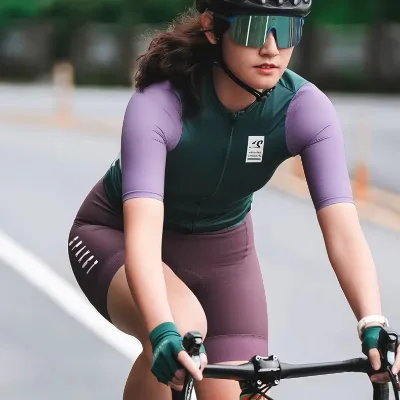
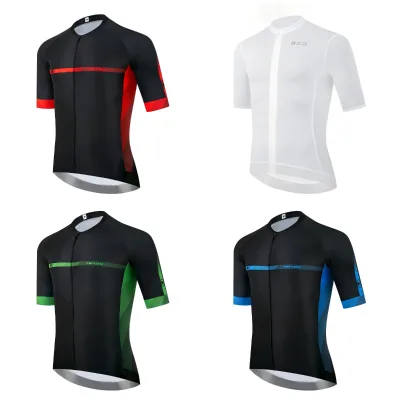
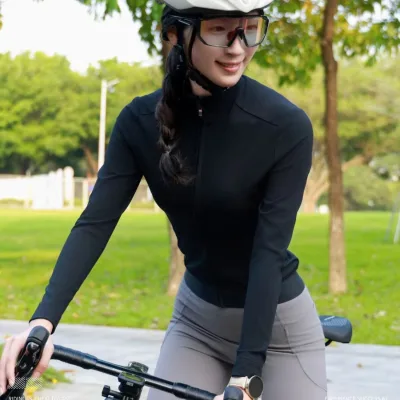
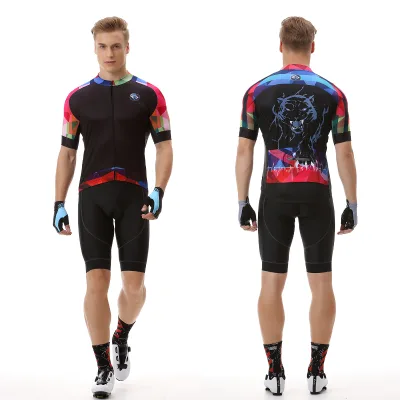


Comprehensive Sourcing Guide
Cycling Suit Supplier Concentration and Factory Types
Current data indicates a concentration of suppliers in China, specifically within the Fujian province, which serves as a primary manufacturing hub for cycling suits and related sportswear. These facilities often operate as combined entities, functioning as both manufacturers and trading companies to streamline the supply chain. This dual role allows them to offer a broad range of products, including football kits, gym wear, and specialized cycling equipment like triathlon suits and road racing gear. The presence of these combined entities suggests a flexible production environment capable of handling diverse order sizes and customization requests.
When evaluating the factory types, buyers should look for suppliers that explicitly state their capacity for Original Design Manufacturing (ODM) and Original Equipment Manufacturing (OEM). Some suppliers in the current results demonstrate capabilities for light customization, sample processing, and graphic processing, which are critical for brands needing unique designs. Others may focus on established own brands or offer OEM services for club logos. It is essential to verify if the supplier's main products align with your specific needs, such as women's cycling suits, men's road racing gear, or unisex mountain bike clothing, as the product mix varies significantly between different factory profiles.
How to Verify Cycling Suit Suppliers
Verification is a critical step in ensuring the reliability of a Cycling Suit supplier, and buyers should prioritize those with third-party validation from recognized agencies. In the current market data, some suppliers display verification badges from organizations like BV or SGS Group, which serve as an initial indicator of operational legitimacy. These verifications often confirm that the company has undergone audits regarding their business scope, production capabilities, and compliance with basic safety standards. However, buyers must understand that a verification badge is a snapshot in time and should be cross-referenced with other due diligence steps before committing to a large order.
Beyond third-party badges, buyers should scrutinize the specific certifications listed in the supplier's profile, such as BSCI, ISO 9000, ISO 9001, ISO 20000, or QC 080000. These standards indicate a commitment to quality management systems, social compliance, and chemical safety, which are particularly relevant for sportswear involving direct skin contact. For instance, a supplier listing ISO 9001 certification suggests a structured approach to quality control, while BSCI certification points to adherence to ethical labor practices. Buyers should request copies of these certificates and verify their validity dates to ensure the supplier maintains current compliance standards rather than relying on outdated credentials.
What to Compare Across Cycling Suit Suppliers
When comparing potential partners, the response time is a key metric for assessing communication efficiency and operational readiness. Data shows response times varying from approximately 3 hours to nearly 6 hours, with some suppliers achieving a response time of 3.99 hours. A faster response time often correlates with a more active sales team and a higher likelihood of resolving issues quickly during the negotiation phase. Buyers should prioritize suppliers who demonstrate consistent responsiveness, as this often reflects the overall management style and the availability of technical staff to answer specific questions about fabric composition or sizing charts.
Lead time and Minimum Order Quantity (MOQ) are equally critical factors that define the feasibility of an order. Current observations reveal lead times ranging from 15 days to 45 days, with some suppliers offering expedited sample processing within 7 days. The MOQ also varies significantly, with some suppliers requiring as few as 2 pieces for trial orders, while others demand 200 or even 500 units. Buyers must align these constraints with their inventory strategy; a low MOQ supplier is ideal for testing new designs, whereas a supplier with a longer lead time but lower unit cost might be better for established product lines. Comparing these metrics side-by-side helps identify the supplier that best fits the specific volume and speed requirements of the project.
Common Cycling Suit Sourcing Risks
One significant risk in sourcing cycling suits involves the discrepancy between product descriptions and actual material composition. While many listings specify fabrics like Spandex, Nylon, and Polyester, the exact blend ratios and quality grades can vary between batches. Some products list "Picture Show" for colors, which implies that the actual dye lot may differ from the digital representation. Buyers must request physical samples to verify the fabric weight, stretch recovery, and breathability, as these attributes are crucial for performance gear. Relying solely on digital images or text descriptions without physical verification can lead to receiving products that do not meet the performance standards required for competitive cycling or fitness activities.
Another risk is the inconsistency in customization capabilities and the potential for intellectual property issues. While many suppliers claim to support custom logos, labels, and packaging, the execution quality can vary. Some listings indicate support for sublimation printing or heat-transfer printing, but the durability of these prints after washing is not always guaranteed. Additionally, suppliers offering OEM services with "OEM Brand" labels may have varying levels of discretion regarding brand protection. Buyers should explicitly define the scope of customization in the contract and request proof of previous work to ensure the supplier can deliver the specific branding and technical features required without compromising the integrity of the design or the safety of the garment.
Cycling Suit Regional Sourcing and Logistics
The primary sourcing region identified in the current data is China, with specific mentions of Fujian and Guangdong provinces as key manufacturing locations. These regions have developed robust supply chains for sportswear, offering access to raw materials like synthetic fibers and specialized knitting machinery. When sourcing from these areas, buyers should be aware that the "Place of Origin" listed on product pages may vary, with some items originating from Guangdong while others come from Fujian. This regional variation can impact shipping costs and transit times, so buyers should confirm the specific factory location before finalizing logistics arrangements to ensure accurate freight calculations.
Logistics planning must also account for the specific packaging standards provided by the supplier. Product attributes often list packing details such as "Carton" or "One Piece / Poly Bag," which directly influence the volume and weight of the shipment. For example, some items are packed individually in poly bags with a gross weight of 0.300 kg, while others are consolidated into cartons with dimensions like 505050 cm. Understanding these packaging specifications is vital for calculating container load efficiency and estimating freight costs. Buyers should request detailed packing lists and dimensions to optimize their shipping strategy, ensuring that the cargo is protected during transit while maximizing the utilization of shipping containers to reduce per-unit logistics costs.
Cycling Suit Commercial Terms and Order Planning
Commercial terms regarding pricing and payment structures are fundamental to successful order planning. The current market data shows a wide range of price points, with some cycling suits listed between $4.90 and $20.00, while high-performance triathlon suits can range from $38.80 to $51.00. These price variations are driven by factors such as fabric complexity, customization level, and order volume. Buyers should not assume a single price point applies to all products; instead, they must request a detailed quotation that breaks down costs based on the specific model, quantity, and customization requirements. Understanding the price floor and ceiling helps in budgeting and negotiating effectively with the supplier.
Order planning must also integrate the specific production capabilities and sample policies of the supplier. Some suppliers offer a 7-day sample order lead time, which is invaluable for rapid prototyping and design validation. However, full production lead times can extend to 45 days, requiring careful timeline management to meet launch deadlines. Buyers should plan their order cycle by accounting for the sample approval phase, the production lead time, and the shipping duration. Additionally, verifying the supplier's capacity for light customization or graphic processing ensures that the final product meets brand standards. A well-structured order plan that aligns sample timelines with production schedules minimizes the risk of delays and ensures a smooth transition from design to delivery.
FAQs
What is the price range for cycling suits?
Cycling Suit prices vary significantly based on customization and material quality. Basic options start around $4.90 per unit, while premium triathlon skinsuits can reach up to $51.06. Buyers should expect costs to increase with complex sublimation printing, specific fabric weights, and detailed logo placements on sleeves or backs.
What is the minimum order quantity for these suits?
Minimum order quantities depend heavily on the supplier type and customization level. Some manufacturers accept orders as low as two pieces for sample testing, while others require 10 units for OEM services. Standard bulk orders often start at 200 or 500 pieces, so buyers must verify specific MOQs before committing.
How long does production take for cycling suits?
Production lead times typically range from 15 to 45 days depending on the supplier. Some factories offer rapid 15-day turnaround for standard items, while others require 30 or 45 days for complex OEM orders. Buyers should confirm sample lead times, which may be available within seven days for quick prototyping.
What materials are used in cycling suits?
Most cycling suits utilize durable blends of Spandex, Nylon, and Polyester to ensure stretch and breathability. Some specific jerseys use Nylon for lightweight performance, while skinsuits often feature 220-gram Spandex/Polyester mixes. These fabrics provide quick-drying, anti-UV, and anti-bacterial properties suitable for road, mountain, and triathlon cycling activities.
Can I customize logos and branding on the suits?
Yes, most suppliers support full customization including logos, labels, and packing. Options include heat-transfer printing and sublimation for detailed designs. Buyers can place logos on the front, back, or sleeves. OEM and ODM services are widely available, allowing for unique team names, specific colors, and custom sizing requirements.
Where are these Cycling Suit suppliers located?
Suppliers are primarily located in China, with specific manufacturing hubs in Fujian and Guangdong provinces. These regions are known for their established sportswear infrastructure. Buyers sourcing from these locations benefit from established supply chains for synthetic fabrics and specialized cycling apparel manufacturing capabilities.
Are the suppliers verified for quality assurance?
Many suppliers hold third-party verification badges such as BV and SGS Group certifications. Additionally, factories often possess ISO 9001, BSCI, and QC 080000 system certifications. These credentials indicate adherence to international quality management standards and ethical manufacturing practices, providing buyers with greater confidence in product consistency.