Recyclable Art Paper Jewelry Pouch Suppliers and Manufacturers
Explore 31 verified options for Recyclable Art Paper Jewelry Pouch from Hong Kong and Guangdong. Compare response times, lead times, certifications, and pricing to source efficiently. Contact suppliers directly to request samples; review the available evidence before requesting comparable quotations from suitable candidates.
Updated
Suppliers List
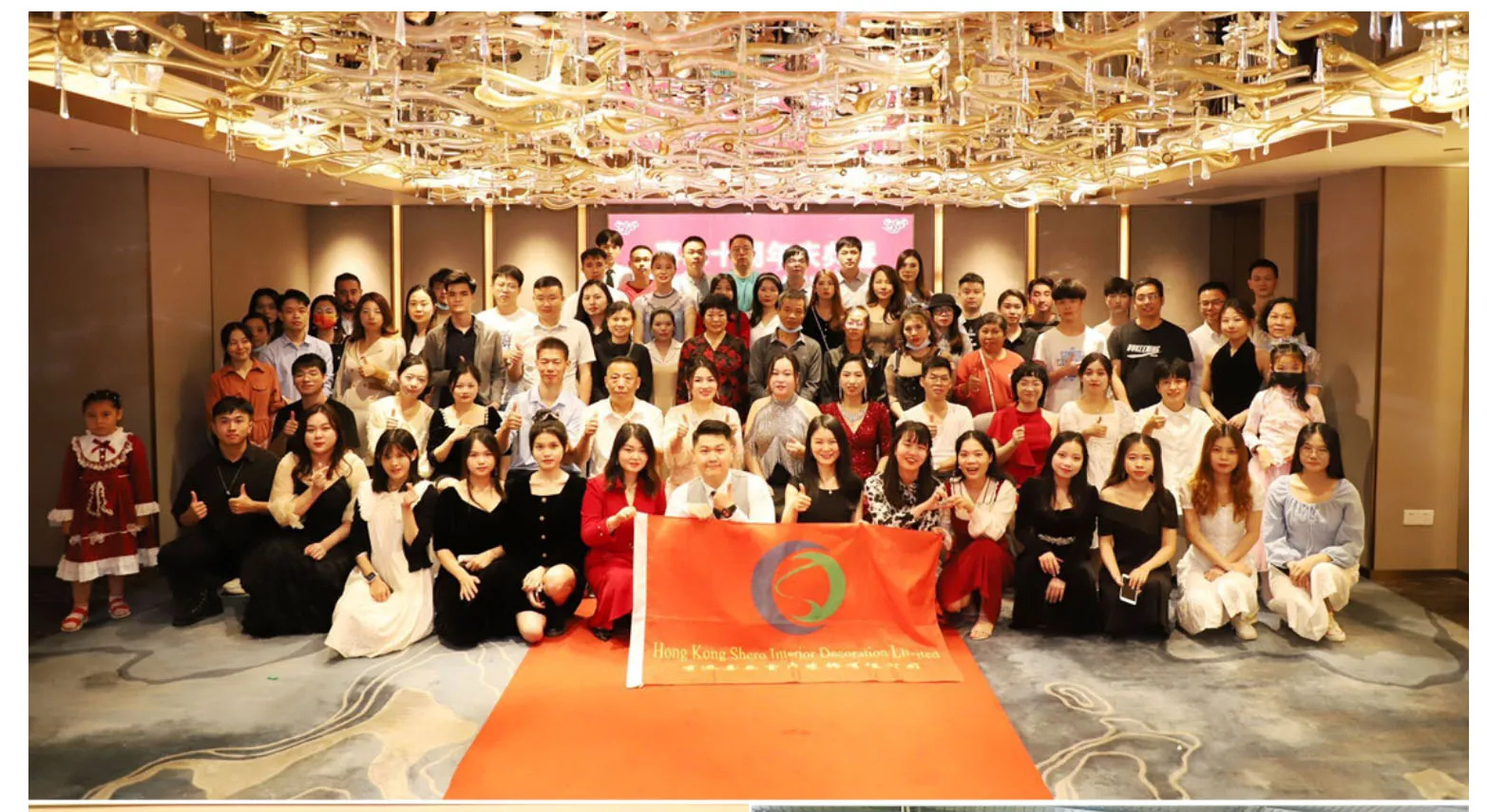
Hong Kong Shero Interior Decoration Limited
- Trading Company
- Hong Kong S.A.R.
- Lead time15 days
- Avg. response≤ 2h
Main productsShowcase, Jewelry Showcase, Store Fixture, Display Cabinet, Kiosk
Main marketsNorth America(40.00%), South America(15.00%), Eastern Europe(10.00%), Mid East(10.00%), Africa(5.00%), Southeast Asia(5.00%), Northern Europe(4.00%), Eastern Asia(3.00%), Oceania(2.00%), Central America(2.00%), South Asia(1.00%), Western Europe(1.00%), Southern Europe(1.00%), Domestic Market(1.00%)
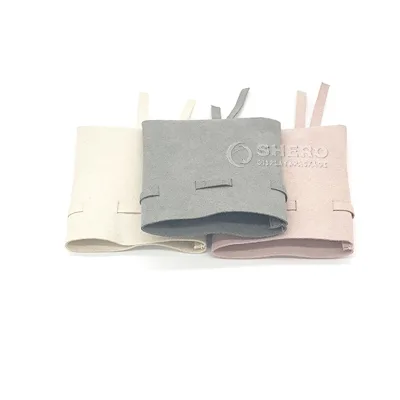
$0.26 - $0.35
MOQ: 1000 pieces
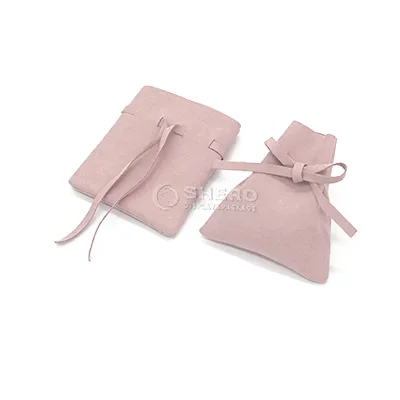
$0.26 - $0.35
MOQ: 1000 pieces
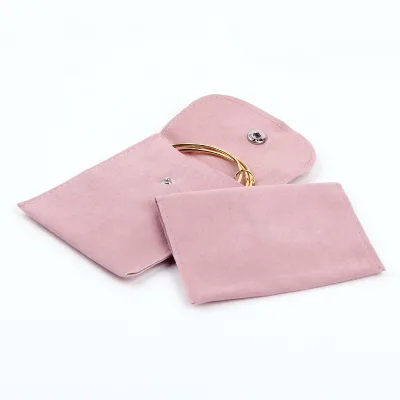
$0.15 - $0.30
MOQ: 1000 pieces
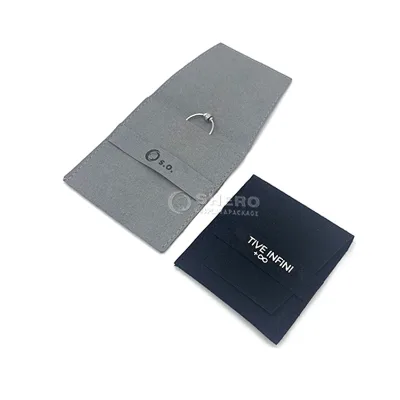
Microfiber Jewelry Pouch for Ring Pendant Bangle Storage Custom Hot Stamped Envelope Jewelry Pouch
$0.3638 - $0.4671
MOQ: 1000 pieces
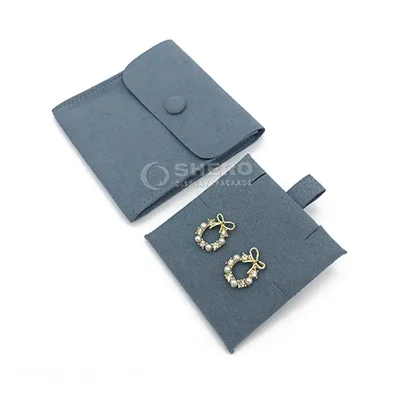
Luxury Jewelry Pouch Travel Velvet Earring Pouch Jewelry Pouch With Insert Pad
$0.2695 - $0.3638
MOQ: 1000 pieces
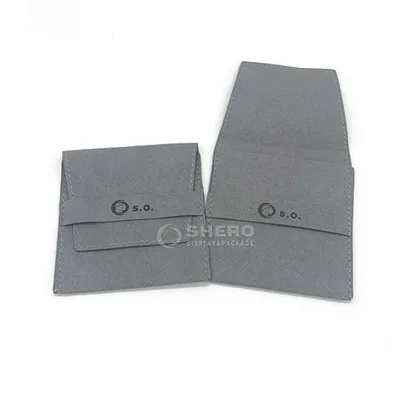
High End Jewelry Pouch Dust Bag Necklace Bracelet Packaging Envelope Bag Hot Stamp Deboss Logo
$0.35 - $0.45
MOQ: 1000 pieces

Shenzhen Hengda Xin Jewelry Co., Ltd.
- Verified by BV
- Combined
- China Guangdong
- Lead time15 days
- Avg. response≤ 3h
Main productsJewelry, Stainless Steel Fittings, Stainless Steel Jewelry, Necklace, Bracelet, Stud Earrings, Ring, Pendant, Fashion Jewelry, Fashion Accessories
Main marketsSoutheast Asia/ Mideast,East Asia(Japan/ South Korea),Domestic,Europe,Australia,North America
Shenzhen Baishun Packing Products Co., Ltd.
- Manufacturer, Trading Company
- Lead time旺季: "1 - 500":8,"501 - 1000":10,"1001 - 3000":12,"> 3000":"To be negotiated", 淡季: "1 - 500":8,"501 - 1000":10,"1001 - 3000":12,"> 3000":"To be negotiated"
- Avg. response≤ 2h
Main productsCotton Pouch, Velvet Pouch, Jute Pouch, Dust Bags, Jewelry Pouch
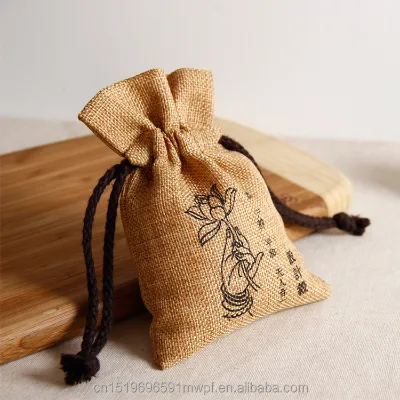
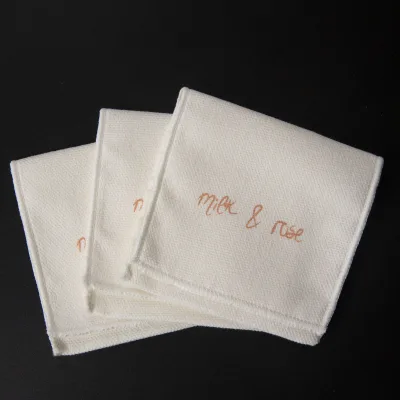
$0.256 - $0.6437
MOQ: 300 pieces
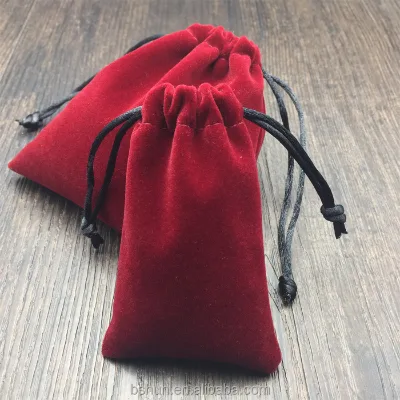
Small Jewelry Velvet Pouch for Wedding Ring Pack
$0.19 - $0.55

- Verified by TUVRHEINLAND
- Manufacturer/Factory
- China Guangdong
- Lead time15 days
- Avg. response≤ 4h
Main productsPatches, Badges, Woven Labels, Hang Tag, Lanyard, Gift Pouch, Promotional Caps, Promotonal Bracelet, Keychain, Bracelet
Main marketsSouth America,Eastern Europe,Mid East,North America,Southeast Asia,Eastern Asia,Oceania,Western Europe,Africa


High-End Customized Jewelry Packaging Pouch for Velvet Jewellery Pouch Bag with Logo Jewelry Pouch
$0.25 - $0.86
MOQ: 500 Pieces


Guangzhou Blf Packing Co., Ltd.
- Verified by TUVRHEINLAND
- Combined
- China Guangdong
- Lead time15 days
- Avg. response≤ 9h
Main productsPaper Bag, Paper Box, Gift Box, Non Woven Bag, Book, Tag, Sticker, Air Freshener, Cards, Jewelry Box
Main marketsOthers(foreignTradeCapacity.exportBusinessCapacityMarketOther),Europe,North America

Custom Logo Jewelry Lock The Pocket Gift Paper Jewelry Packaging Pouch with Logo
$0.25 - $0.65
MOQ: 500 Pieces


Hangzhou Fuhan Packaging Co., Ltd.
- Verified by TüVRheinland
- Manufacturer, Trading Company
- Lead time30 days
- Avg. response≤ 2h
Main productsGift Packaging Boxes, Envelopes, Paper Boxes, Paper Bags, Jewelry Packaging
Main marketsNorth America(60%), Eastern Europe(10%), Western Europe(10%)

Dongguan Chengsheng Gloves Purification Technology Co.,Ltd.
- Verified by TUVRHEINLAND
- Combined
- China Guangdong
- Lead time15 days
- Avg. response≤ 3h
Main productsCotton Gloves, Microfiber Cleaning Cloth, Kinesiology Tape, Arthritis Gloves, Sports Gloves
Main marketsEast Asia(Japan/ South Korea)
Shenzhen Juwo Packing Products Co., Ltd.
- Verified by SGS Group
- Manufacturer, Trading Company
- Lead time0 days
- Avg. response≤ 5h
Main productsJewelry Bags, Jewelry Box, Dust Bags, Hair Bags, Shopping Bags
Main marketsNorth America(25%), Oceania(19%), Eastern Europe(10%)

Shenzhen Jiademi Culture Co., Ltd.
- Manufacturer, Trading Company, Distributor/Wholesaler
- Guangdong, China
- Lead time7 days
- Avg. response≤ 11h
Main productsFashion Jewelry,Earring,Bracelet,Ring,Necklace
Main marketsNorth America(40.00%), South America(30.00%), Eastern Europe(20.00%), Northern Europe(10.00%)

Wuxi Kingda Microfiber Fabric Co., Ltd.
- Combined
- China Jiangsu
- Lead time15 days
- Avg. response≤ 5h
Main productsBeach Towel, Microfiber Cloth
Main marketsEast Asia(Japan/ South Korea),Domestic,Europe,North America

Wing Chun Packaging Product(Shenzhen)Co., Ltd
- Verified by BV
- Manufacturer/Factory
- China Guangdong
- Lead time23 days
- Avg. response≤ 2h
Main productsPrinting Gift Packaging, Bag, Paper Gift Box, Rigid Box, Paper Gift Bag, Shopping Bog, Www. Wing-Chun. COM. HK
Main marketsSouth America,Eastern Europe,Mid East,North America,Southeast Asia,Eastern Asia,Oceania,Africa


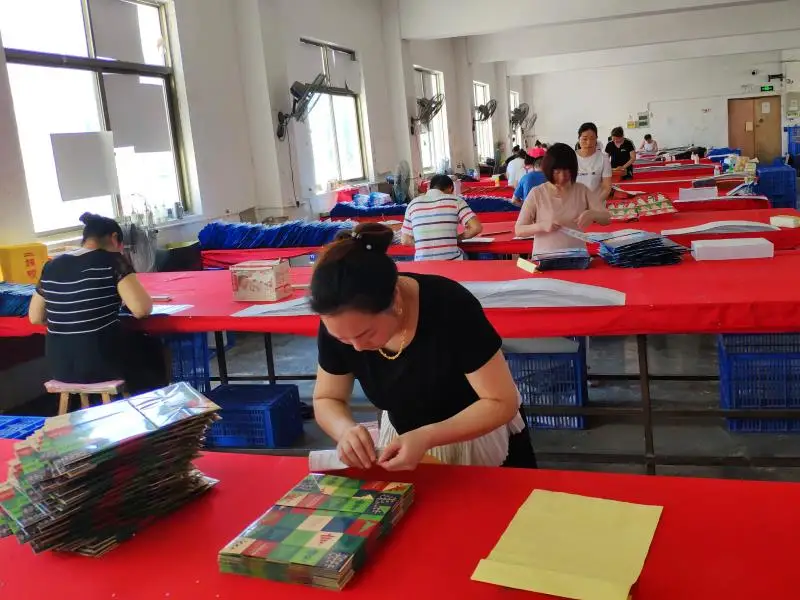
2026 Jewelry Packaging Box Paper Jewelry Packaging Pouch Jewelry Packaging Box and Bag
$0.90 - $1.90
MOQ: 500 Pieces
Yiwu Bangdi Packaging Products Co., Ltd.
- Trading Company
- Zhejiang, China
- Lead time15 days
- Avg. response≤ 2h
Main productsJewelry Packaging, Beauty Products Packaging, Gift Box, Gift Bag, Mailer Packaging
Main marketsNorth America(45.00%), Central America(12.00%), Eastern Asia(10.00%), Eastern Europe(10.00%), Mid East(10.00%), Northern Europe(8.00%), Oceania(3.00%), South America(2.00%)
Henan Chenmo Packaging Co., Ltd.
- Verified by Intertek
- Manufacturer, Trading Company
- Lead time30 days
- Avg. response≤ 1h
Main productsOrganza Bags, Jute Bags, Velvet Bags , Gift Bags, Stain Bags
Shenzhen Haojunxin Packaging Products Co., Ltd.
- Verified by SGS Group
- Manufacturer, Trading Company
- Lead time0 days
- Avg. response≤ 2h
Main productsTextile Packaging Bag, Gift Bag Packaging Bag, Watch or Jewelry Gift Bag, Daily Necessities Dust Bag, Tote Bag
Main marketsDomestic Market(30%), Southeast Asia(20%), Mid East(10%)

Zhangzhou Taki Industry and Trade Co., Ltd
- Verified by BV
- Manufacturer/Factory
- China Fujian
- Lead time23 days
- Avg. response≤ 6h
Main productsPackaging Paper Bag, Packaging Paper Box, Products Box, Fold Boutique Gift Box, Shopping Paper Bag, Fruit Packaging Cartons Box, Kraft Paper Bags Food Bag, Plastic Box Pet PVC Boxes, Paper Sleeves with Brand Design, One-Stop Packaging Supplier
Main marketsSouth America,Eastern Europe,Mid East,North America,Southeast Asia,Eastern Asia,Oceania,Western Europe,Africa


Customized Wholesale Paper Bags Shopping Gift Bags/Kraft Paper Bags Jewelry Packaging
$0.35 - $0.50
MOQ: 500 Pieces

Danyang Flanders Textile Co., Ltd.
- Manufacturer, Trading Company
- Jiangsu, China
- Lead time12 days
- Avg. response≤ 8h
Main productsMicrofiber Cloth,Piece-dyed cloth,Microfiber Pouch,Spray lens cleaner,Microfiber Glove
Main marketsNorth America(70.00%), Eastern Europe(9.00%), Northern Europe(8.00%), Western Europe(6.00%), Africa(3.00%), South Asia(2.00%), Mid East(1.00%), Eastern Asia(1.00%)
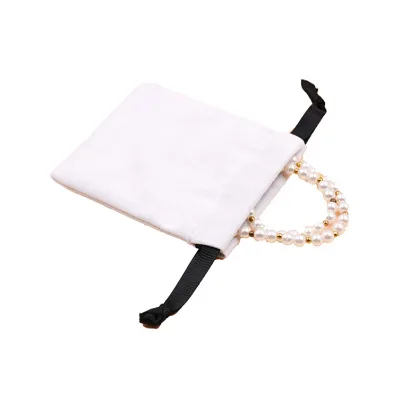
Custom White Ecological Cotton Jewellery Pouch Packaging Bag Jewelry Pouch With Logo
$0.15 - $0.22
MOQ: 1000 pieces
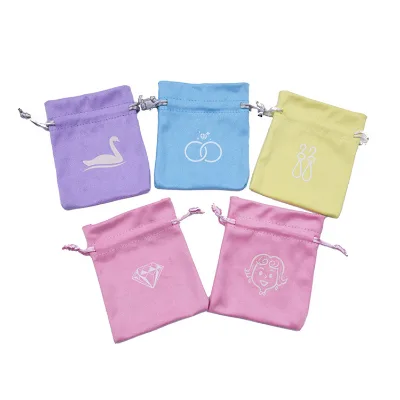
Customizable logo Jewelry Pouch Drawstring Packaging Gift Bag for Jewelry Business
$0.30 - $0.40
MOQ: 1000 pieces
Meijei Label & Printing Co., Ltd.
- Verified by TüVRheinland
- Manufacturer, Trading Company
- Lead time12 days
- Avg. response≤ 4h
Main productsPaper Bag, Hang Tag, Paper Box, Woven Label, Wrapping Peper
Main marketsNorth America(18%), Western Europe(15%), Mid East(11%)
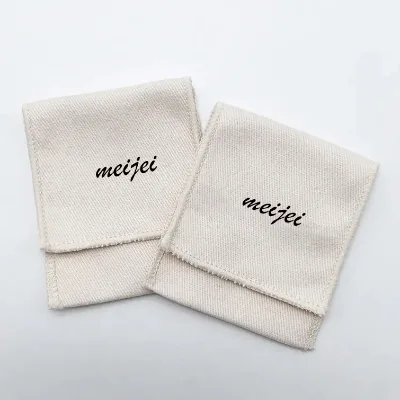
$0.20 - $0.90
MOQ: 500 pieces
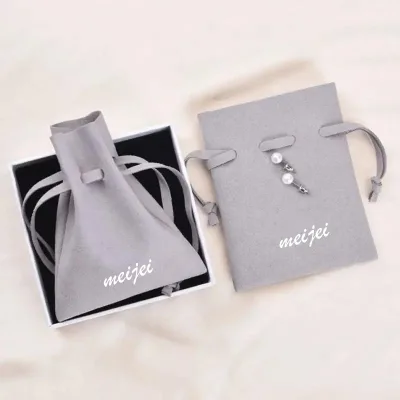
$0.20 - $0.95
MOQ: 100 pieces
Shenzhen Fanany Packing Products Co., Ltd.
- Manufacturer, Trading Company
- guangdong, China
- Lead time15 days
- Avg. response≤ 2h
Main productsvelvet pouch,suede pouch,cotton pouch,burlap pouch,linen pouch
Main marketsNorth America(30.00%), Southern Europe(10.00%), Northern Europe(10.00%), Western Europe(10.00%), South Asia(10.00%), Southeast Asia(10.00%), Eastern Europe(10.00%), Domestic Market(5.00%), Oceania(5.00%)
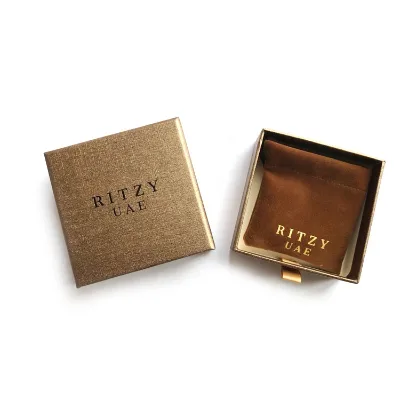
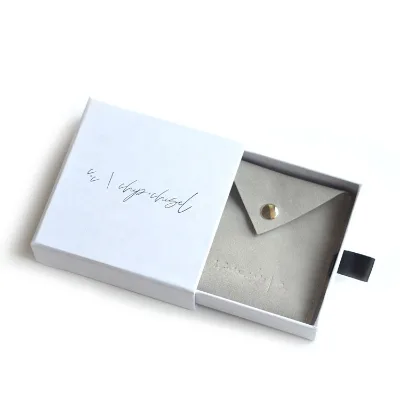
Custom Small Velvet Jewelry Necklace Earring Bangle Drawstring Pouch with Paper Drawer Box Packaging
$0.40 - $0.98
MOQ: 500 Minimum
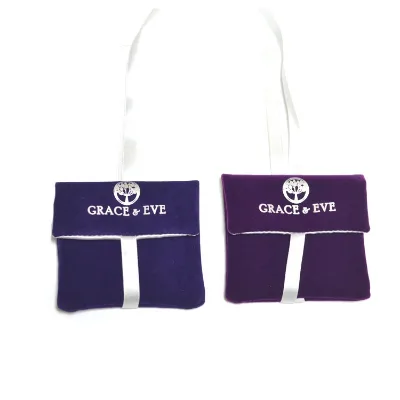
Small Size Creative Gift Jewelry Bag High Quality Custom Printed Velvet Jewelry Pouch for Earring
$0.3668 - $1.0269
MOQ: 500 Minimum

Guangzhou Weiye Color Printing Co., Ltd.
- Verified by BV
- Combined
- China Guangdong
- Lead time15 days
- Avg. response≤ 3h
Main productsPaper Box, Packing Box, Paper Bag, Gift Bag, Picture Album, PVC/Pet Box, Envelope, Sticker, Hag Tag, Red Packets/Greeting Card
Main marketsEurope

Chinese Manufacture Fashion Colorful Designed Art Paper Bag for Jewelry
$0.225 - $0.524
MOQ: 500 Pieces


Qingdao Chenghaoda Science and Technology Co., Ltd.
- Verified by BV
- Manufacturer/Factory
- China Shandong
- Lead time15 days
- Avg. response≤ 16h
Main productsCustom Packaging Paper Bag, Custom Packaging Paper Box, Corrugated Carton/Gift Box, Custom Notebook, Decorative Books, Book/Booklet/Brochure/Catalog/Magazine Printing, Disposable Dishware
Main marketsNorth America,Eastern Asia,Western Europe


Hot Selling Cotton Bags Reusable All Packaging Bags Cotton Drawstring Jewelry Pouch Bag
$0.18 - $0.25
MOQ: 300 Pieces

Shenzhen Marvel Electronic Co., Ltd.
- Verified by TUVRHEINLAND
- Trading Company
- China Guangdong
- Lead time15 days
- Avg. response≤ 9h
Main productsCustom Jewelry, Silver Jewelry, Earring, Necklace, Bracelet, Nose Ring, Jewelry Set, Fashion Jewelry, Brooch
Main marketsEurope,North America
Nanchang Huitongcheng Import And Export Co., Ltd.
- Trading Company
- Jiangxi, China
- Lead time10 days
- Avg. response≤ 2h
Main productsPaper Bags,Gift Box
Main marketsDomestic Market(90.00%), Eastern Asia(5.00%), Northern Europe(5.00%)
Shenzhen Jinhongjue Trading Co., Ltd.
- Verified by SGS Group
- Trading Company
- Lead time15 days
- Avg. response≤ 1h
Main productsJewelry Box, Paper Bag, Silver Jewelry, Jewelry Display Props
Main marketsNorth America(45%), Domestic Market(15%), South America(5%)
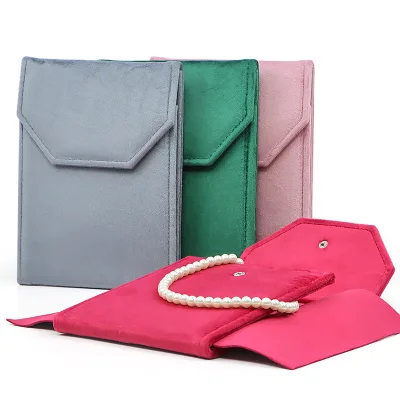
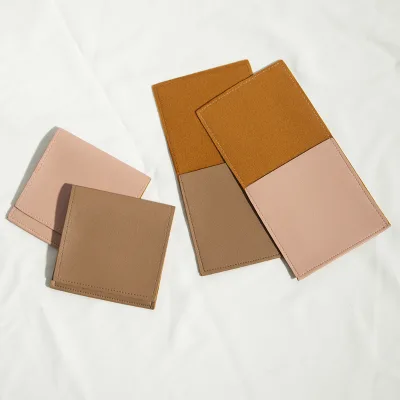
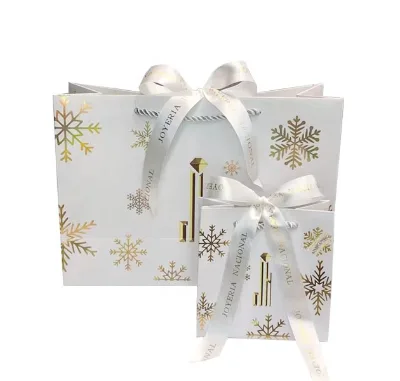
Wholesale Custom Jewelry Gift Bags Suitable for Jewelry Packaging Can Be Customized LOGO
$0.65 - $0.89
MOQ: 500 pieces

Shanghai Hongyun Packaging Co., Ltd.
- Verified by TUVRHEINLAND
- Trading Company,Manufacturer/Factory
- China Shanghai
- Lead time15 days
- Avg. response≤ 4h
Main productsPaper Box, Gift Box, Packaging Box, Cartons, Paper Bags, Stickers, Hang Tags, Labels, Food Bags, Shopping Bags
Main marketsSouth America,Eastern Europe,Mid East,North America,Southeast Asia,Eastern Asia,Oceania,Western Europe,Africa

Quanzhou Changyi Crafts Gifts Limited
- Verified by TUVRHEINLAND
- Manufacturer/Factory
- China Fujian
- Lead time23 days
- Avg. response≤ 6h
Main productsBallpoint Pen, Silicone Bracelet, Name Card Holder, Luggage Tag, Gift Set, Mobile Phone Accessory, Passport Cover, Ceramic Coaster, Gift Bag, Gift Box
Main marketsSouth America,Mid East,North America,Southeast Asia,Eastern Asia,Oceania,Western Europe,Africa


$0.05 - $0.10
MOQ: 10000 Pieces


Hot Selling Drawstring Jewelry Cotton Pouch Creative White Leaves Gift Bag
$0.48 - $0.65
MOQ: 100 Pieces

Custom Bag Jewelry Package Bags Drawstring Velvet Small Envelope Jewelry Suede Velvet Pouch
$0.30 - $0.50
MOQ: 500 Pieces

Wuhan Eco Faith Packing Co., Ltd.
- Manufacturer/Factory
- China Hubei
- Lead time23 days
- Avg. response≤ 6h
Main productsFabrics Drawstring Bag, Cotton Bags, Satin Bag, Velvet Bag, Organza Bag, Jute Bag, Jewelry Bag, Non-Woven Bag, Thermal Bag, Gift Box
Main marketsSouth America,Eastern Europe,Mid East,North America,Southeast Asia,Eastern Asia,Oceania,Western Europe,Africa

Xiamen Top Green Bags Co., Ltd.
- Verified by SGS
- Trading Company,Manufacturer/Factory
- China Fujian
- Lead time45 days
- Avg. response≤ 5h
Main productsCooler Bags, Sports Bags, Apron, Promotional Bag, Waist Bag, Shoulder Bag, Travel Bags, Cosmetic Bag, Laptop Bag, Pencil Bag
Main marketsSouth America,Eastern Europe,North America,Southeast Asia,Eastern Asia,Oceania,Western Europe,Africa

Promotional Velvet Pouches for Jewellery Bag Drawstring Velvet Jewelry Pouch Jewellery Pouch
$0.10 - $0.45
MOQ: 500 Pieces


Shantou Kaicheng Craft Co., Ltd.
- Verified by BV
- Combined
- China Guangdong
- Lead time15 days
- Avg. response≤ 7h
Main productsJewelry Box, Jewelry Organizer, Cosmetic Bags, Watch Box, Jewelry Packaging Box, Jewelry Storage Pouch, Wooden Jewelry Box, Velvet Jewelry Box, Musical Jewelry Box, Make up Bags
Main marketsSouth America,Africa,Southeast Asia/ Mideast,East Asia(Japan/ South Korea),Europe,Australia,North America


New Arrival Blue Purple Premium Velvet Zipper Rectangle Jewelry Storage Pouches Bags
$3.50 - $4.90
MOQ: 100 units

Customized Logo PU Leather Velvet Pouch Jewelry Gift Bag Storage Jewellery Drawstring Bag
$0.85 - $0.98
MOQ: 100 units


New Arrival Gift Cotton Canvas Jewellery Cosmetic Storage Pouch Bag with Drawstring
$0.59 - $0.89
MOQ: 100 units

Qingdao Chenghaoda Science and Technology Co., Ltd.
- Verified by BV
- Manufacturer/Factory
- China Shandong
- Lead time23 days
- Avg. response≤ 16h
Main productsRFID Card, NFC Card, Pcv Card, RFID Wristbands, RFID Sticker/Tag
Main marketsSouth America,Eastern Europe,Mid East,North America,Southeast Asia,Eastern Asia,Oceania,Western Europe,Africa


$0.36 - $0.45
MOQ: 100 Pieces
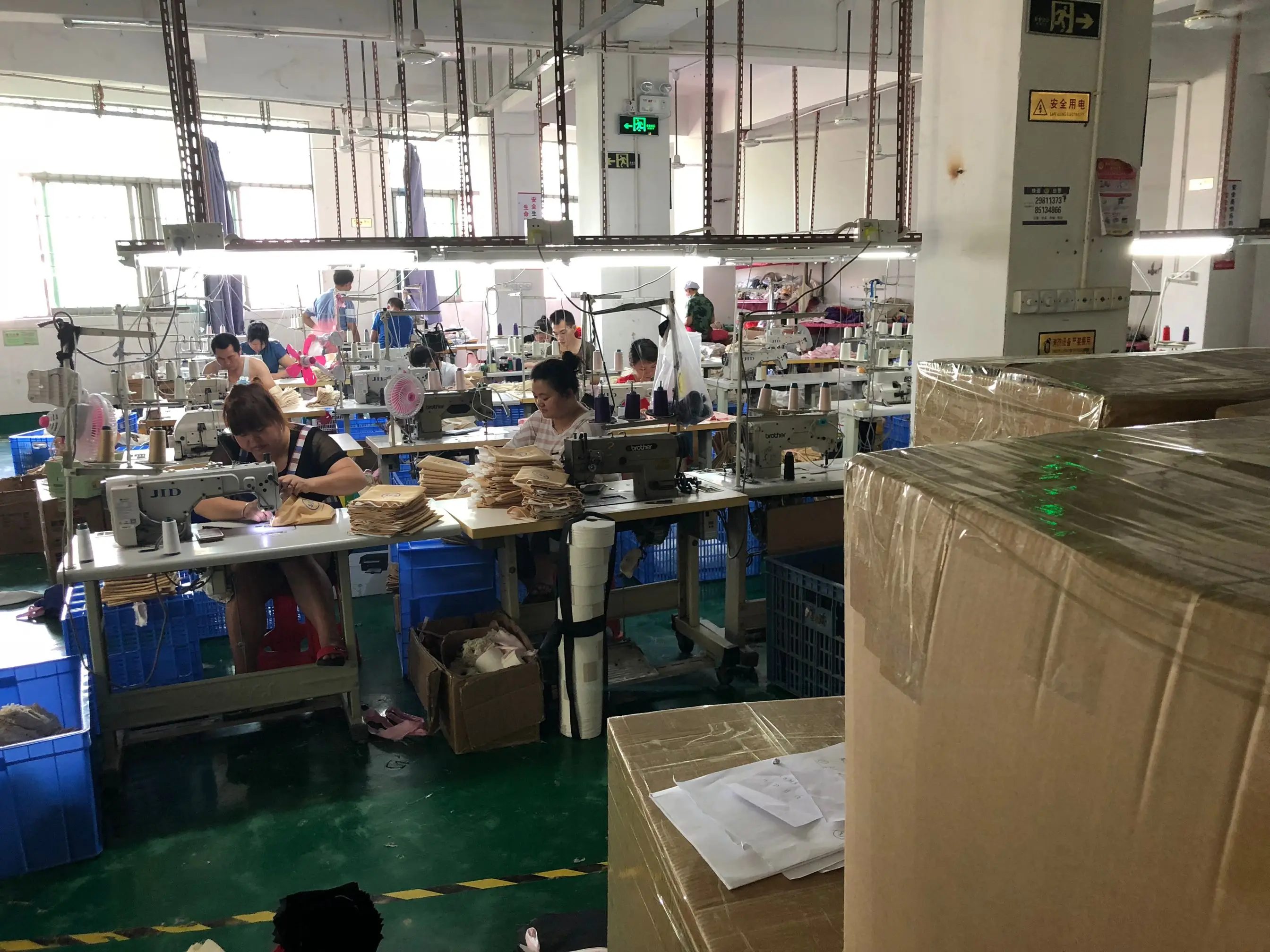
Guangzhou Liangyou Trading Co., Ltd.
- Manufacturer, Trading Company, Distributor/Wholesaler
- Guangdong, China
- Lead time20 days
- Avg. response≤ 2h
Main productsCotton Pouch,Velvet Pouch,Jute Pouch,Satin Pouch,Leather Pouch
Main marketsNorth America(35.00%), Oceania(10.00%), Eastern Europe(10.00%), South America(10.00%), Domestic Market(5.00%), Southern Europe(5.00%), Northern Europe(5.00%), Central America(5.00%), Western Europe(5.00%), Southeast Asia(5.00%), Africa(5.00%)
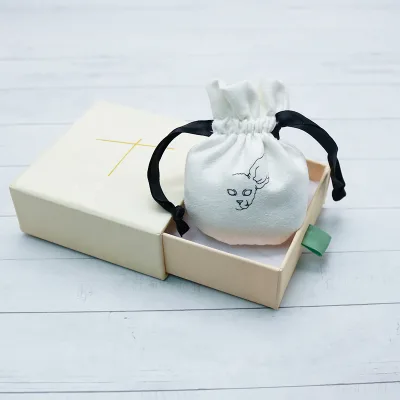
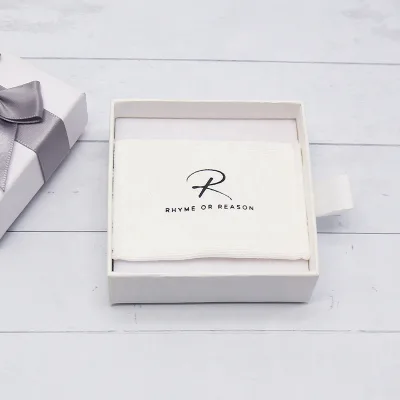
Customized white canvas envelope pouch small ring pouches for packing canvas jewelry bag
$0.5135 - $1.0254
MOQ: 500 pieces

Anhui Magic Industry Co., Ltd.
- Verified by SGS
- Manufacturer/Factory
- China Anhui
- Lead time98 days
- Avg. response≤ 7h
Main productsCanvas Bag, Tote Bag, Backpack, Shoulder Bag, Drawstring Bag, Cosmetic Bag, Customize Bag, Sports Bag, Shopping Bag, Cooler Bag
Main marketsSouth America,Eastern Europe,Mid East,North America,Southeast Asia,Eastern Asia,Oceania,Western Europe,Africa




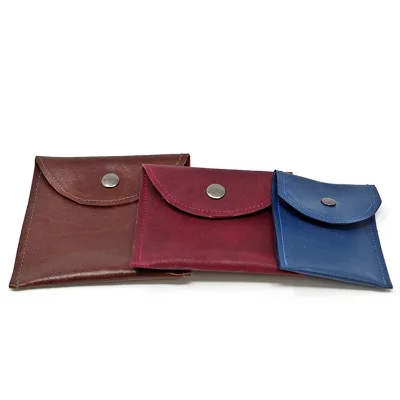
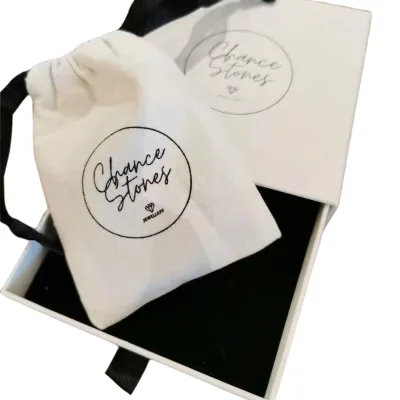
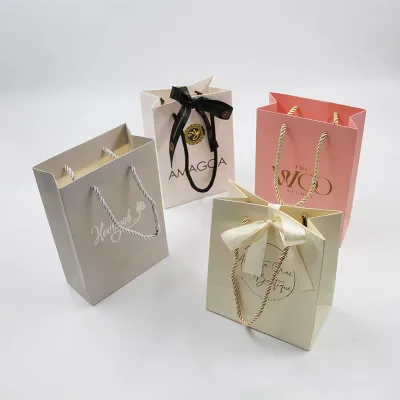


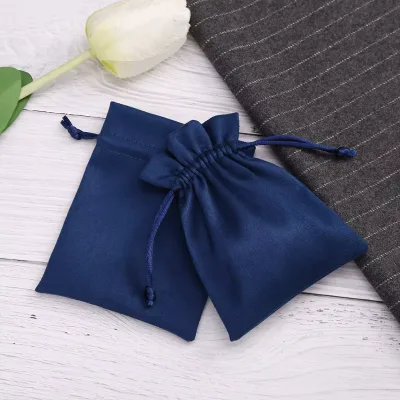
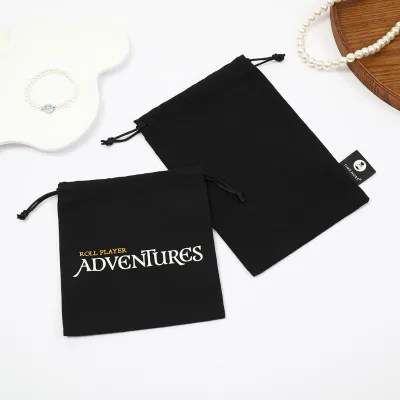
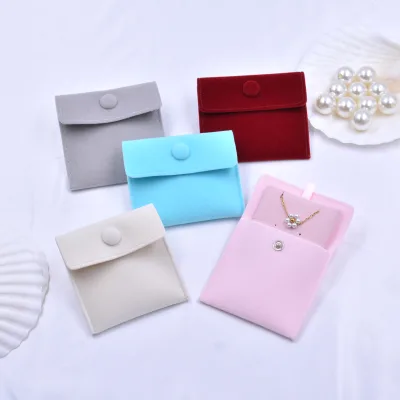
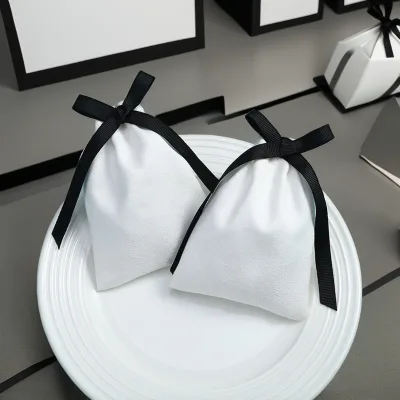
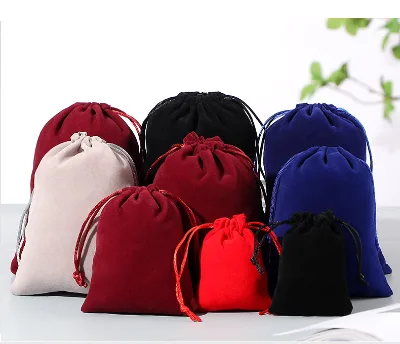
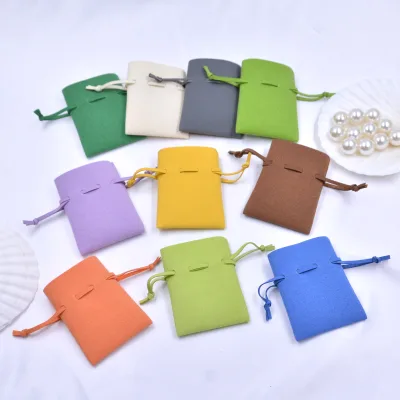
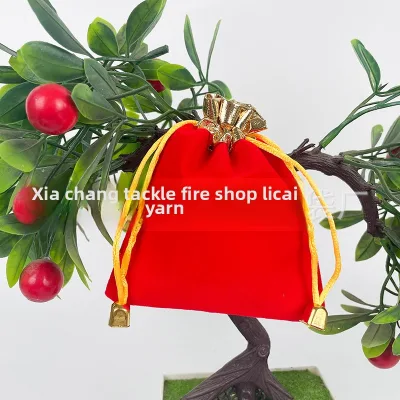
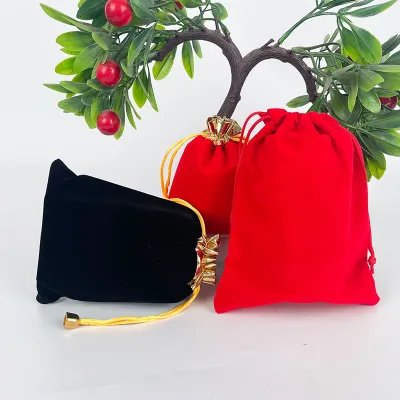
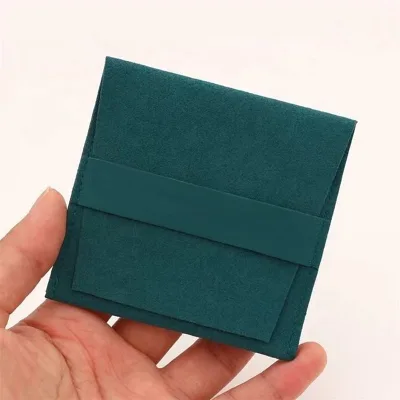




Comprehensive Sourcing Guide
Recyclable Art Paper Jewelry Pouch Supplier Concentration and Factory Types
The sourcing landscape for recyclable art paper jewelry pouches reveals a distinct concentration of manufacturing capabilities within specific geographic clusters, particularly in China’s Guangdong province. This region serves as a critical hub for textile and packaging production, offering suppliers who specialize in materials such as jute, velvet, and microfiber. While the specific keyword emphasizes art paper, the available data indicates that many suppliers in this cluster offer a broader range of pouch materials, including recyclable jute and velvet options. Buyers should recognize that the term "art paper" may sometimes overlap with cardboard or paper-based packaging solutions, as evidenced by suppliers listing Paper/Cardboard as a primary material for jewelry containers. Understanding this material flexibility is essential, as many factories in Guangdong are equipped to handle both textile-based pouches and rigid paper-based boxes, allowing for versatile sourcing strategies. The presence of these manufacturers in Guangdong suggests a mature supply chain with established logistics networks, which can significantly impact lead times and shipping costs for international buyers.
Supplier types in this sector vary from pure manufacturers to combined entities that function as both factories and trading companies. This hybrid model is common in the jewelry packaging industry, where some suppliers possess in-house production lines for items like organza bags and velvet pouches while also trading other goods. For buyers seeking recyclable art paper pouches, identifying whether a supplier is a direct manufacturer or a trading company is crucial for negotiating price and ensuring quality control. Direct manufacturers often provide more transparency regarding material sourcing and production processes, which is vital for verifying the recyclability claims of the product. Trading companies, on the other hand, may offer a wider variety of designs and customization options by aggregating products from multiple factories. Buyers should carefully review the company type listed in supplier profiles to determine if the entity has direct control over the manufacturing process. This distinction affects not only the unit price but also the ability to implement custom specifications, such as specific logo printing techniques or unique structural designs for the pouches.
How to Verify Recyclable Art Paper Jewelry Pouch Suppliers
Verifying the legitimacy and capability of suppliers requires a multi-layered approach that goes beyond simple profile reviews. Buyers should prioritize suppliers who hold recognized third-party verifications, such as BV (Bureau Veritas) certification, which provides an additional layer of trust regarding the company’s operational standards. In the current market, some suppliers display ISO9001:2015 certification, indicating a commitment to quality management systems that can be particularly important for consistent production of recyclable materials. However, certification alone is not sufficient; buyers must also examine the supplier’s response time and communication efficiency. A response time of approximately two days is a common benchmark, but faster responses often correlate with more professional and organized procurement processes. It is advisable to initiate contact with multiple suppliers to gauge their responsiveness and willingness to provide detailed information about their recyclable art paper sourcing and production capabilities. This initial interaction can reveal much about the supplier’s professionalism and their ability to handle custom orders effectively.
Beyond certifications and response times, buyers should scrutinize the specific product attributes and customization options offered by each supplier. Look for clear indications of logo printing methods, such as silkscreen printing, gold foil, or embossing, which are commonly available for jewelry pouches. The availability of customization options, including size adjustments and material choices, is a strong indicator of a supplier’s flexibility and manufacturing competence. Additionally, check for evidence of past performance, such as product keywords that mention "recyclable" or "eco-friendly" features, although buyers must verify these claims independently. Some suppliers list specific materials like jute or microfiber, which may be alternatives to art paper but still meet sustainability goals. Buyers should request samples to physically assess the quality of the recyclable materials and the durability of the pouches. This hands-on verification is critical, as visual descriptions on a website may not accurately reflect the texture, weight, or actual recyclability of the art paper used in the final product.
What to Compare Across Recyclable Art Paper Jewelry Pouch Suppliers
When evaluating multiple suppliers, buyers must compare key commercial and operational metrics to identify the most suitable partner for their needs. One of the most critical factors is the Minimum Order Quantity (MOQ), which can vary significantly across different suppliers. Some suppliers may offer low MOQs, such as 2 pieces or 50 pieces, which are ideal for testing new designs or small batch orders. In contrast, other suppliers may require higher MOQs, such as 1000 pieces, which are more suitable for large-scale production runs. Understanding these MOQ differences is essential for budget planning and inventory management. Buyers should also compare the price ranges for similar products, noting that prices can fluctuate based on material complexity, customization requirements, and order volume. For instance, simple pouches may start at very low price points, while more intricate designs with multiple printing layers will command higher prices. This price comparison should be done carefully, ensuring that the quoted prices include all relevant costs, such as packaging and shipping, to avoid hidden expenses later in the procurement process.
Lead times and production capacity are another vital area for comparison, as they directly impact the buyer’s ability to meet market demand. Suppliers may have different lead times depending on the season and order size, with some offering faster turnaround times for smaller orders and longer times for larger batches. Buyers should inquire about specific lead times for their required order volume to ensure timely delivery. Additionally, comparing the main products offered by each supplier can help identify those with specialized expertise in jewelry packaging. Suppliers who focus primarily on jewelry pouches and related accessories may offer better quality and more innovative designs than general trading companies. It is also important to compare the customization options available, such as the ability to accept custom orders and the variety of logo printing techniques offered. Suppliers who provide flexible customization options can better meet the unique branding needs of different jewelry lines. By systematically comparing these factors, buyers can make informed decisions that balance cost, quality, and delivery speed.
Common Recyclable Art Paper Jewelry Pouch Sourcing Risks
One of the primary risks in sourcing recyclable art paper jewelry pouches is the potential discrepancy between claimed sustainability features and actual material composition. Buyers must be cautious of suppliers who use vague terms like "eco-friendly" or "recyclable" without providing specific details about the materials used. For example, while some suppliers offer jute or velvet pouches that are naturally recyclable, art paper pouches may involve coatings or laminates that hinder recyclability. Buyers should request detailed material specifications and, if possible, third-party testing reports to verify the recyclability claims. Another risk is the inconsistency in product quality, particularly when dealing with suppliers who have high response times or limited verification status. Inconsistent quality can lead to customer dissatisfaction and returns, which can be costly and damaging to brand reputation. To mitigate this risk, buyers should order samples from multiple suppliers and conduct rigorous quality checks before placing large orders. This includes assessing the strength of the pouches, the clarity of logo printing, and the overall finish of the product.
Another significant risk is the lack of transparency in pricing and additional costs. Some suppliers may quote low initial prices but add hidden fees for customization, packaging, or shipping later in the process. Buyers should ensure that all costs are clearly outlined in the quotation, including any charges for sample production, mold fees, or logo setup. Additionally, there is a risk of supply chain disruptions, particularly if the supplier relies on a single source for raw materials or has limited production capacity. Buyers should assess the supplier’s production capacity and backup plans to ensure they can meet demand during peak seasons. It is also important to verify the supplier’s payment terms and security measures, such as the use of escrow services, to protect against fraud. By identifying and addressing these risks early in the sourcing process, buyers can build a more resilient and reliable supply chain for their recyclable art paper jewelry pouches. This proactive approach helps minimize potential losses and ensures a smoother procurement experience.
Recyclable Art Paper Jewelry Pouch Regional Sourcing and Logistics
Sourcing recyclable art paper jewelry pouches from specific regions, such as Guangdong in China, offers distinct logistical advantages due to the area’s mature manufacturing infrastructure. Guangdong is a major hub for textile and packaging production, providing suppliers with easy access to raw materials and skilled labor. This concentration of suppliers facilitates efficient production and reduces lead times, as materials can be sourced locally and products can be manufactured quickly. Additionally, the region’s well-developed logistics network, including major ports and shipping routes, enables cost-effective and timely delivery to international markets. Buyers should consider the shipping options available from these regions, such as DHL, UPS, FedEx, and EMS, which offer various speeds and price points. Understanding the shipping costs and transit times is crucial for planning inventory and meeting customer demand. Buyers should also be aware of any regional trade regulations or tariffs that may impact the cost of importing these products, and factor these into their overall procurement strategy.
The proximity of suppliers to major shipping hubs can also influence the flexibility of logistics arrangements. Suppliers in Guangdong often have experience in handling international shipments and can provide guidance on packaging and documentation requirements. This expertise can help buyers avoid common logistical pitfalls, such as customs delays or damaged goods. Furthermore, the competitive nature of the regional market often leads to better service levels, as suppliers strive to differentiate themselves through reliable shipping and customer support. Buyers should leverage this by negotiating favorable shipping terms and requesting tracking information for all shipments. It is also advisable to establish clear communication channels with the supplier’s logistics team to address any issues that may arise during transit. By understanding the regional logistics landscape, buyers can optimize their supply chain and ensure that their recyclable art paper jewelry pouches arrive on time and in good condition. This strategic approach to logistics can enhance overall operational efficiency and customer satisfaction.
Recyclable Art Paper Jewelry Pouch Commercial Terms and Order Planning
Effective order planning for recyclable art paper jewelry pouches requires careful attention to commercial terms, including payment methods and contract details. Suppliers may offer various payment options, such as TT (Telegraphic Transfer), PayPal, or Western Union, each with its own advantages and risks. Buyers should choose a payment method that provides adequate security and aligns with their financial policies. It is also important to negotiate clear terms regarding order modifications, cancellations, and refunds, especially for custom orders. Understanding these terms helps prevent disputes and ensures a smooth transaction process. Additionally, buyers should consider the supplier’s return and warranty policies, although these are less common in the packaging industry. By establishing clear commercial terms upfront, buyers can protect their interests and build a more transparent relationship with their suppliers. This clarity is essential for maintaining trust and ensuring that both parties are aligned on expectations.
Lead time management is another critical aspect of order planning, as it directly impacts the buyer’s ability to meet market demand. Buyers should work with suppliers to establish realistic lead times based on order volume and production capacity. It is advisable to build in buffer time to account for potential delays, such as material shortages or quality issues. Regular communication with the supplier throughout the production process can help identify and resolve issues early, minimizing the risk of delays. Buyers should also plan for seasonal fluctuations in demand, as lead times may vary during peak seasons. By proactively managing lead times and commercial terms, buyers can ensure a steady supply of recyclable art paper jewelry pouches and maintain customer satisfaction. This strategic approach to order planning helps optimize inventory levels and reduces the risk of stockouts or overstocking. Ultimately, effective commercial terms and order planning are key to building a resilient and efficient supply chain for jewelry packaging products.
FAQs
What materials are used for recyclable jewelry pouches?
Suppliers offer pouches made from velvet, microfiber, organza, and jute. Some options feature art paper or cardboard for rigid packaging. Buyers can select exterior materials like velvet or microfiber with microfiber or silk linings. These materials provide dust protection and a premium feel for storing rings, necklaces, and earrings securely.
What is the minimum order quantity for custom pouches?
MOQs vary significantly by supplier and material type. Some manufacturers require a minimum of 1000 pieces for standard velvet or microfiber pouches. Others offer lower thresholds, such as 50 pieces or even 2 pieces for specific art paper or organza items. Buyers should verify the exact MOQ with the supplier before placing an order.
How long does production take for jewelry pouches?
Lead times depend on order volume and season. For smaller batches under 500 pieces, production typically takes 8 days. Orders between 501 and 1000 pieces may require 10 days, while larger quantities over 3000 pieces are negotiated individually. Standard lead times for other suppliers are around 15 days regardless of volume.
Can I customize the logo on the jewelry pouch?
Yes, most suppliers accept customized logos using various methods. Options include hot stamping, embossing, silkscreen printing, gold foil, and embroidery. Buyers can choose from natural, ivory, black, blue, pink, or red colors. Customization is available for velvet, microfiber, and jute materials to match brand identity.
What is the price range for jewelry pouches?
Prices range from $0.10 to $0.47 per piece depending on material and customization. Basic art paper or cardboard pouches start around $0.10. Velvet and microfiber options typically cost between $0.15 and $0.35. Premium items with complex printing or specific linings may reach up to $0.47 per unit.
Where are these jewelry pouch suppliers located?
Suppliers are primarily located in Hong Kong S.A.R. and Guangdong, China. Manufacturers in Guangdong offer direct factory pricing and ODM/OEM capabilities. Hong Kong-based trading companies provide diverse product ranges including store fixtures and display cabinets. Buyers can filter results by location to find suppliers closest to their shipping needs.
Are the suppliers verified and certified?
Some suppliers hold ISO9001:2015 certification and undergo BV verification. These credentials indicate adherence to quality management standards. Buyers should check the verification status on the supplier profile. Certified suppliers often provide more reliable production processes and consistent product quality for bulk jewelry packaging orders.