Recyclable Acrylic Banknote Protector Suppliers and Manufacturers
Compare 27 verified suppliers offering Recyclable Acrylic Banknote Protector options with varying lead times, MOQs, and certifications. Review response times and customization capabilities to select the right partner for your needs; review the available evidence before requesting comparable quotations from suitable candidates.
Suppliers List

Foshan Languo Chuangyijia Technology Co., Ltd.
- Verified by BV
- Combined
- China Guangdong
- Lead time15 days
- Avg. response≤ 12h
Main productsAcrylic, Custom Acrylic Box, Plastic Basket, Phto Frame, Pop Clips, Floor Display Stand, Plastic Brochure Holder, Custom Sign Holder, Shelf Data Strips, PVC Data Strips
Main marketsSouth America,Africa,Southeast Asia/ Mideast,East Asia(Japan/ South Korea),Domestic,Europe,Australia,North America

Dongguan Hande Plastic Technology Co., Ltd.
- Manufacturer/Factory
- China Guangdong
- Lead time45 days
- Avg. response≤ 8h
Main productsPP Foam File Folders, PP Foam Sheets, PP Foam Clipboard, PP Foam Expanding File, China Marking Crayon Pencil, PP Foam Display Book, PP Foam Lever Arch File, PP Foam Notebook, Stationery Accessories, Stationery Products
Main marketsSouth America,Mid East,North America,Southeast Asia,Eastern Asia,Oceania,Western Europe,Africa

Kunshan Yijiao Decorative Engineering Co., Ltd.
- Combined
- China Jiangsu
- Lead time15 days
- Avg. response≤ 3h
Main productsLED Sign Letter, Light Box, Channel Letter, Metal Sign, Luminous Sign Letter, Waterproof Sign, LED Lighting Letters, Shopfront Signage, Acrylic Letters, 3D Illuminated Sign
Main marketsDomestic,Europe,Australia,North America
Ningbo Tyj Industry and Trade Co., Ltd
- Verified by BV
- Combined
- China Zhejiang
- Lead time30 days
- Avg. response≤ 5h
Main marketsDomestic

- Verified by BV
- Manufacturer/Factory
- China Fujian
- Lead time15 days
- Avg. response≤ 25h
Main productsWater Bottle, Kitchen Ware, Shoes, Plastic Product, Bag, Toy
Main marketsSouth America,Eastern Europe,Mid East,North America,Southeast Asia,Eastern Asia,Oceania,Western Europe,Africa
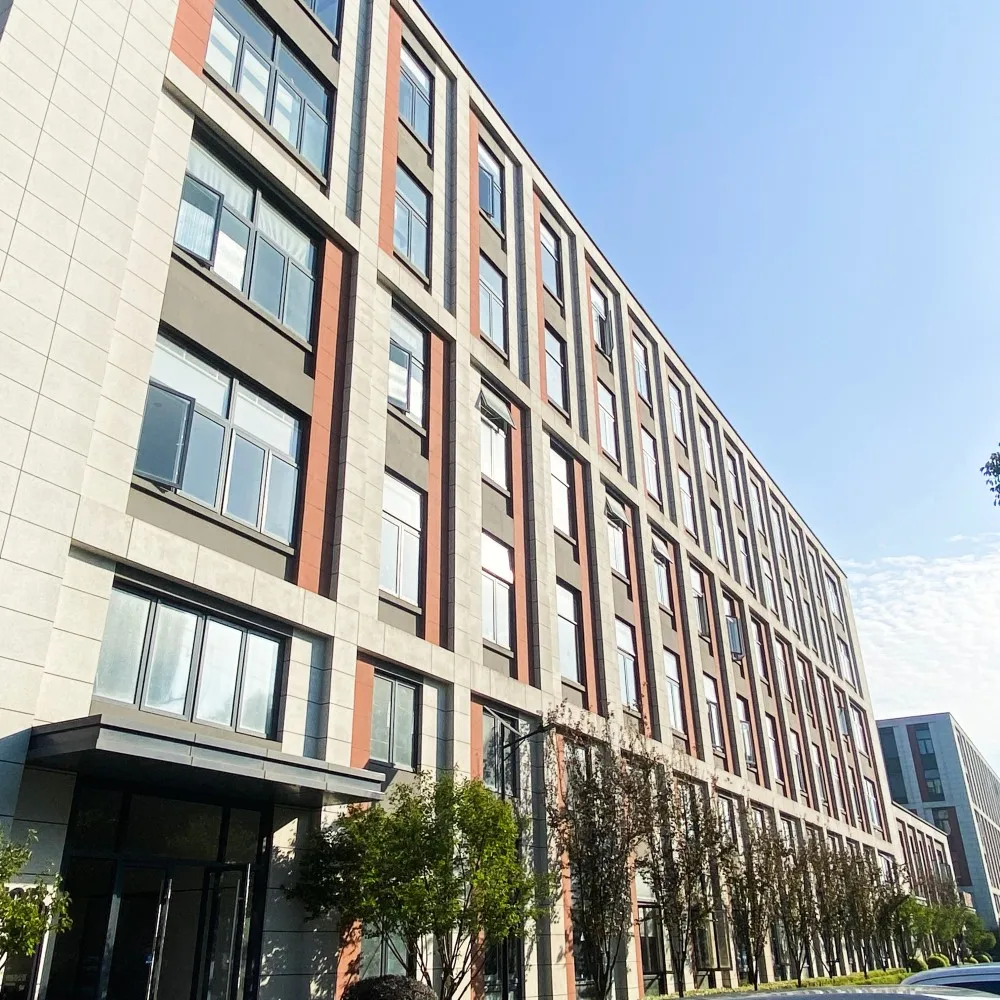
Changzhou Jierui Automotive Parts Co., Ltd.
- Manufacturer, Trading Company
- Jiangsu, China
- Lead time10 days
- Avg. response≤ 1h
Main productsPolycarbonate/acrylic windshield,Polycarbonate / acrylic custom processing,Polycarbonate sheets,Acrylic sheets,Auto parts
Main marketsNorth America(50.0%), Western Europe(30.0%), Northern Europe(20.0%)
Shenzhen Yuda Crafts Co., Ltd.
- Manufacturer, Trading Company
- Lead time旺季: "1 - 200":14,"> 200":"To be negotiated", 淡季: "1 - 200":14,"> 200":"To be negotiated"
Main productsMahjong Tiles, Mahjong Rack With Pusher, Mahjong Shuffler Card, Pop Protector, Acrylic Display Rack
Wenzhou Xybp Cultural Supplies Co., Ltd.
- Verified by SGS
- Combined
- China Zhejiang
- Lead time30 days
- Avg. response≤ 5h
Main productsAcrylic Photo Frame, Acrylic Display Stand, Acrylic Display, Acrylic Ornaments, Acrylic Sign Holder, Acrylic Box
Main marketsSoutheast Asia/ Mideast,Europe,North America
Hangzhou Gelvshi Supply Chain Management Co., Ltd.
- Verified by TüVRheinland
- Trading Company
- Lead time0 days
- Avg. response≤ 3h
Main productsCard Sleeves, Deck Box, Acrylic Display Case, Toploader, Card Binder
Main marketsNorth America(40%), Eastern Europe(18%), Eastern Asia(18%)
Shenzhen De Yuan Zheng Trade Co., Ltd.
- Manufacturer, Trading Company, Distributor/Wholesaler
- Guangdong, China
- Lead time15 days
- Avg. response≤ 7h
Main productsKeychain,Bottle Opener,Fridge magnet,Wine Stopper,Coin Capsule
Main marketsNorth America(60.0%), Northern Europe(15.0%), Southern Europe(15.0%), Western Europe(10.0%)

Shenzhen Yingyi Best Gifts Co., Ltd.
- Manufacturer/Factory
- China Guangdong
- Lead time15 days
- Avg. response≤ 11h
Main productsAcrylic Display, Acrylic Bird Feeder, Acrylic Photo Frames, Pokemon Acrylic Case, Acrylic Box, Acrylic Shelf, Acrylic Pet Products, Acrylic Dispenser, Acrylic Shoe Box, Acrylic Display Stand
Main marketsEastern Europe,Mid East,North America,Southeast Asia,Eastern Asia,Oceania,Western Europe,Africa
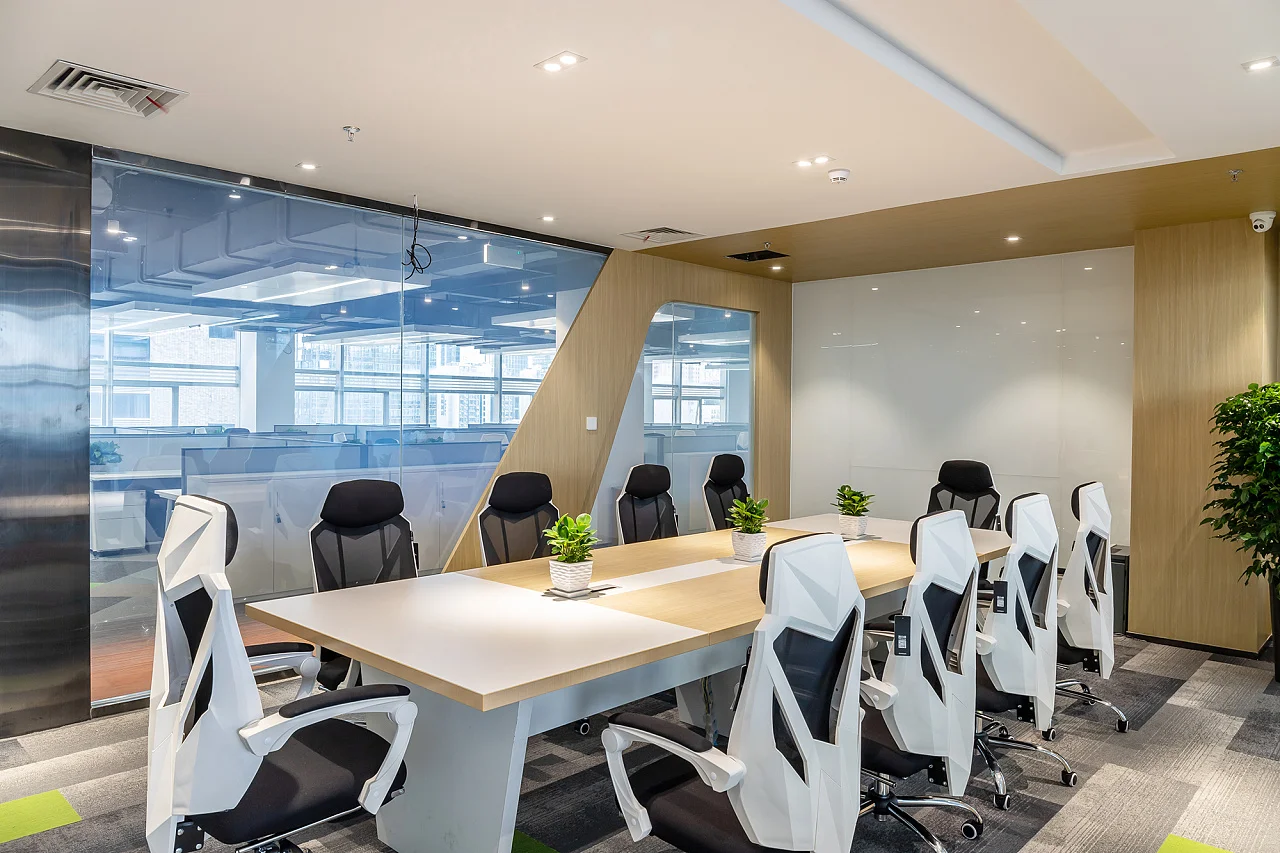
Wenzhou Ainy Crafts And Gifts Co., Ltd.
- Trading Company
- Zhejiang, China
- Lead time10 days
- Avg. response≤ 3h
Main productsEternal Rose,Acrylic Display,Coin,Christmas Gift
Main marketsNorth America(85.0%), Western Europe(10.0%), Southeast Asia(5.0%)
DG Continent Fame PKG Co., LTD
- Verified by TUVRHEINLAND
- Combined
- China Guangdong
- Lead time15 days
- Avg. response≤ 6h
Main productsCard Sleeves, Magnetic Card Holder, Toploaders, Trading Card Pages, Trading Card Albums, Grading Card Slab, Card Deck Boxes, Vinyl Record Sleeves, Comic Book Bags, Baseball Display Cases
Main marketsNorth America
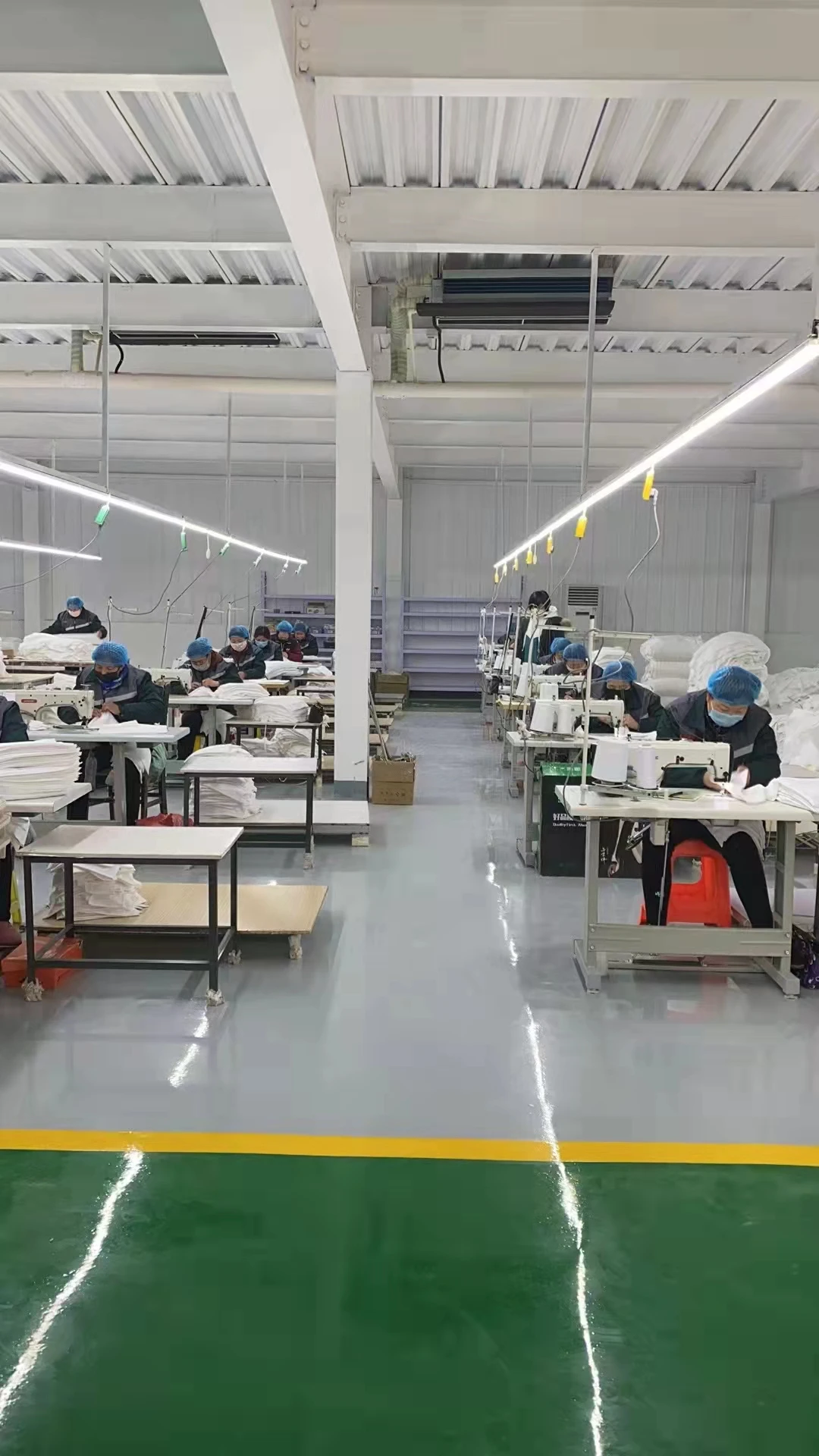
Shenzhen Yiban Trade Co., Ltd.
- Manufacturer, Trading Company
- Guangdong, China
- Lead time15 days
- Avg. response≤ 5h
Main productsoffice supplies,home supplies,packing bags,Paper Product,Printing
Main marketsOceania(30.0%), Western Europe(30.0%), North America(30.0%), Domestic Market(5.0%), Southeast Asia(5.0%)
Wenzhou Hanwen Crafts Co., Ltd.
- Trading Company
- Zhejiang, China
- Lead time10 days
- Avg. response≤ 3h
Main productsplastic box,plastic bottle,coin capsule,plastic stands,coin slabs
Main marketsSouth Asia(10.0%), Southeast Asia(10.0%), Mid East(10.0%), South America(10.0%), Eastern Asia(10.0%), North America(8.0%), Western Europe(7.000000000000001%), Eastern Europe(6.0%), Southern Europe(6.0%), Domestic Market(5.0%), Oceania(5.0%), Northern Europe(5.0%), Central America(5.0%), Africa(3.0%)
Cangnan Daylightwalker Craft & Gift Manufacture
- Manufacturer
- Zhejiang, China
- Lead time10 days
- Avg. response≤ 8h
Main productspackaging,souvenirs,stickers,plastic product,promotions
Main marketsWestern Europe(11.11%), Northern Europe(11.11%), Central America(11.11%), Southern Europe(11.11%), Eastern Europe(11.11%), South America(11.11%), North America(11.11%), Southeast Asia(7.000000000000001%), Mid East(6.0%), Africa(5.0%), South Asia(1.2%), Domestic Market(1.0%), Oceania(1.0%), Eastern Asia(1.0%)

Xiamen Le Young Imp. & Exp. Co., Ltd
- Verified by BV
- Trading Company,Manufacturer/Factory
- China Fujian
- Lead time23 days
- Avg. response≤ 3h
Main productsLeather Folder, Trave Wallet, Leather Notebook, Leather Compendium, Leather Portfolio, Leather Diary, Leather Journal, Hotel Supply, Leather Card Holder, Leather Wallet
Main marketsSouth America,Eastern Europe,Mid East,North America,Southeast Asia,Eastern Asia,Oceania,Western Europe,Africa
Guangzhou Yujia Industrial Co., Ltd.
- Verified by SGS
- Combined
- China Guangdong
- Lead time15 days
- Avg. response≤ 2h
Main productsPU Leather, PVC Bar Mat, Mouse Pad, Wallets, Rubber Muse Pad, Men's Wallet, Passport Holder, Handbags, Wrist Keyboard Mat
Main marketsDomestic

Custom PU Leather Credit Card Holder Portable Protection Coin Covers Key Holder
$5.15 - $5.55
Moq: 500


Dongguan Yapu Stationery Packaging Products Co., Ltd.
- Verified by TüVRheinland
- Manufacturer, Trading Company
- Lead time15 days
- Avg. response≤ 5h
Main productsPP Page, Toploader Binder, Card Binder, PU Album, Page Protector
Main marketsSouth America(30%), North America(20%), Southern Europe(10%)

- Verified by TUVRHEINLAND
- Trading Company
- China Zhejiang
- Lead time15 days
- Avg. response≤ 3h
Main productsLanyard, Promotional Gift, Baseball Cap, Bags, T-Shirt, Ceramic Mug, Sport Water Bottle, PU Toys
Main marketsEurope,Australia,North America


Promotional Gift Bank Card Holder for Mobile, Mobile Back Side Money Bag, Card Bag
$0.12 - $0.25
Moq: 1000

Guangzhou CF Leather Co., Ltd.
- Verified by SGS
- Combined
- China Guangdong
- Lead time30 days
- Avg. response≤ 22h
Main productsBag, Luxury Handbag, Women Handbag, Handbag
Main marketsAfrica,Domestic,Europe
Cangnan Mei Li Stationery Co., Ltd.
- Verified by Intertek
- Manufacturer, Trading Company
- Lead time15 days
Main productsName Tag, Lanyard
Main marketsDomestic Market(50%), Eastern Asia(20%), North America(15%)

DONGGUAN SENGTOR PLASTICS PRODUCTS CO., LTD
- Combined
- China Guangdong
- Lead time15 days
- Avg. response≤ 2h
Main productsCard Sleeves, Card Box, Card Binder, Inner Pages, Biodegradable Bag, Mask
Main marketsEast Asia(Japan/ South Korea),Europe,North America
Dongguan Yibecs Mechinery & Equipment Co., Ltd.
- Verified by SGS
- Manufacturer
- China Guangdong
- Lead time15 days
- Avg. response≤ 13h
Main productsPolyester Lanyard, Dog Hook, Lanyard Accessories, Lanyard Heat Transfer Machine, Lanyard Ultrsonic Welding Machine
Main marketsEurope,North America

Soft Transparent PVC Card Protector Clear Soft Waterproof ID Badge Card Holder
$0.04 - $0.07
Moq: 1000

Cangnan Kelin Arts And Crafts Co., Ltd.
- Verified by SGS Group
- Manufacturer, Trading Company
- Lead time10 days
- Avg. response≤ 4h
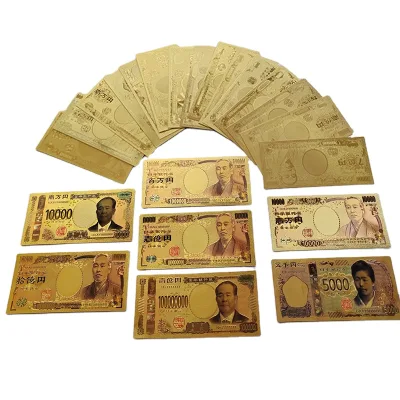
Main productsGold Banknote, Anime Coin, Gold Rose
Main marketsNorth America(26%), Eastern Europe(15%), Domestic Market(13%)
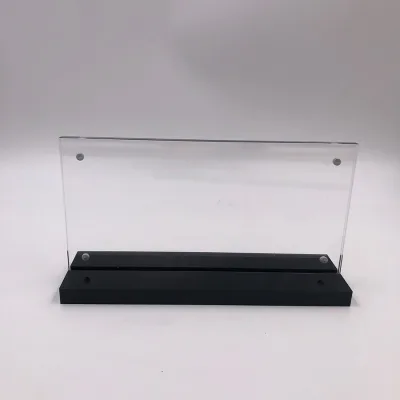
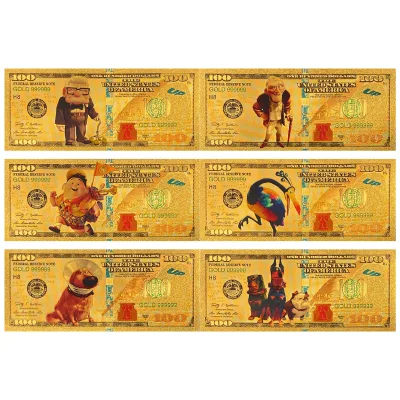
6 Designs Eco Card Anime UP Plastic Gold Foil Plated Banknote for Collection Gift
$0.31 - $0.90
Moq: 100
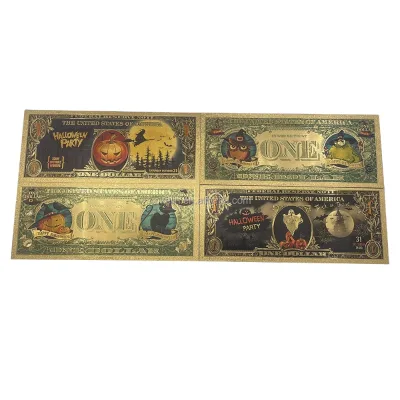
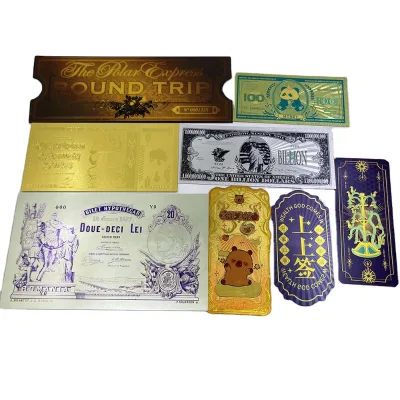
Customize Your Design Souvenir Card Bookmark Color Gold Plated Polymer Banknotes
$0.31 - $0.76
Moq: 500
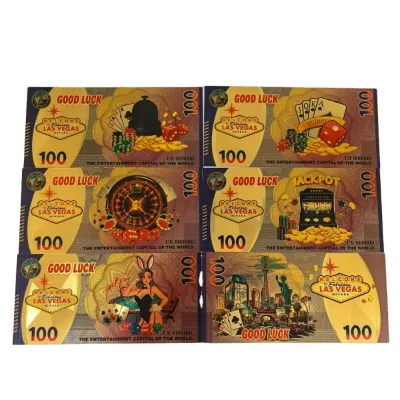

Xiamen Miss Home Gifts Limited
- Trading Company,Manufacturer/Factory
- China Fujian
- Lead time15 days
- Avg. response≤ 25h
Main productsLanyards, ID Badge Accessories, Pocket Ashtrays, Bespoke Metal Gifts, Promotional Products
Main marketsEastern Europe,North America,Oceania,Western Europe

Ningbo Rainma Stationery Co., Limited.
- Verified by TUVRHEINLAND
- Trading Company,Manufacturer/Factory,Other
- China Zhejiang
- Lead time23 days
- Avg. response≤ 10h
Main productsPaper Notebook and Note Pad, School Stationery, Art Pigments, Ball Pen, Paint Canvas and Canvas Board, Office Stationery, Promotion Gift Stationery, Eraser and Ruler, Marker & Highlighter, Cutter Knife
Main marketsSouth America,Eastern Europe,Mid East,North America,Southeast Asia,Eastern Asia,Oceania,Western Europe,Africa


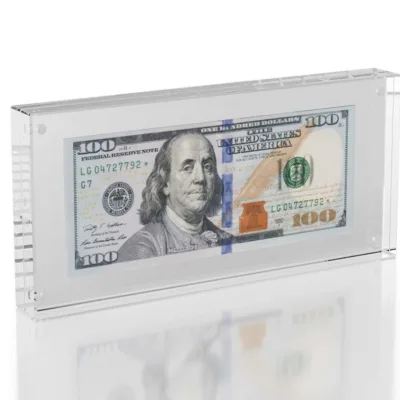
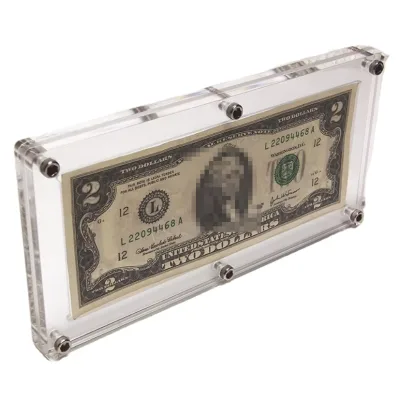
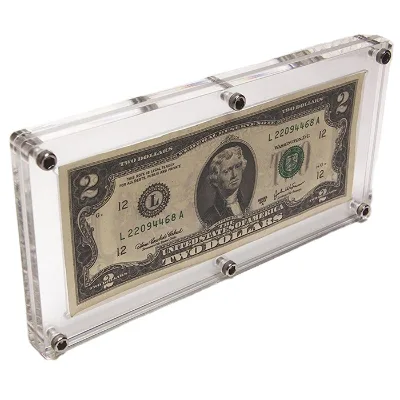
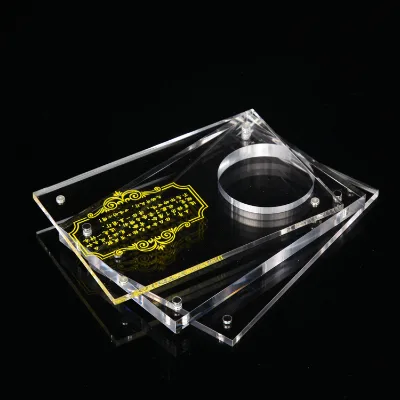


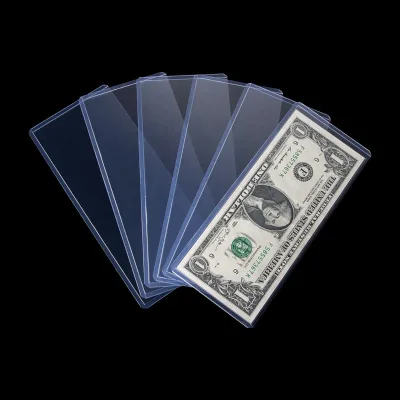
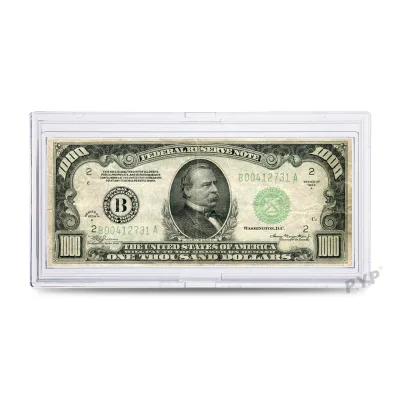

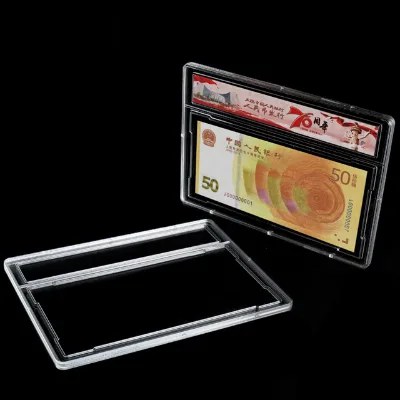


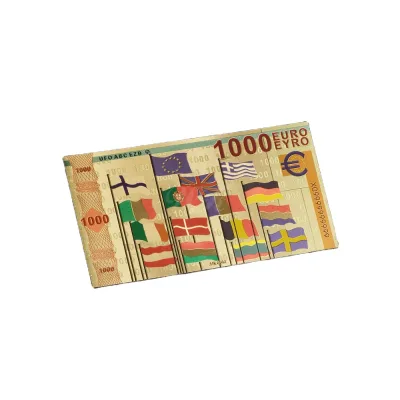








Comprehensive Sourcing Guide
Recyclable Acrylic Banknote Protector Supplier Concentration and Factory Types
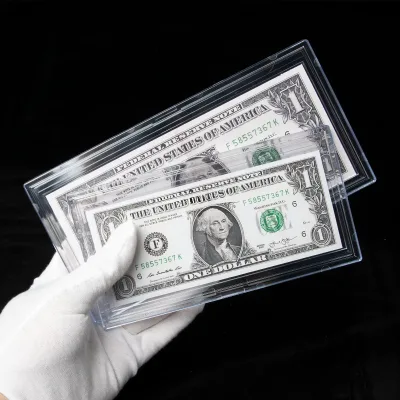
Current data indicates a concentration of manufacturing activity in China, specifically within the Guangdong province, where suppliers offer a diverse range of acrylic products including custom boxes, display stands, and various holders. These facilities often operate as combined entities or manufacturers capable of handling both OEM and ODM requests, suggesting a robust local ecosystem for plastic fabrication. The presence of specific product lines like acrylic name card holders and display racks in the same region implies that the supply chain for raw acrylic materials and finished molding is well-established in this area. Buyers should look for suppliers listing Guangdong as their primary location to access this established cluster, as it correlates with the availability of specialized machinery for acrylic processing.
Factory types in this sector vary from pure manufacturers to combined trading and production entities. Some suppliers explicitly state their capacity for own-brand development alongside OEM and ODM services, indicating a mature production environment capable of customizing designs for specific client needs. The main product lists often include items like plastic baskets, floor displays, and data strips, which share similar manufacturing processes with banknote protectors. When evaluating potential partners, buyers should verify if the supplier is a direct manufacturer or a combined entity, as this distinction impacts the ability to control production costs and quality standards. The presence of BV verification on some suppliers adds a layer of credibility to their operational status, though the specific factory type must be confirmed through direct inquiry rather than assumed from general product listings.
How to Verify Recyclable Acrylic Banknote Protector Suppliers
Verification of supplier legitimacy requires a multi-step approach focusing on third-party credentials and direct communication metrics. The available data shows that some suppliers hold BV verification status, which serves as a baseline indicator of business legitimacy, but this should not be the sole criterion for selection. Buyers must actively request and review specific system certifications, as the current results show a mix of NIL certifications and specific standards like GMP or ISO9001:2015 depending on the facility. It is critical to ask suppliers for their current certification documents rather than relying on general claims, as the absence of a listed certification in initial data does not guarantee the supplier lacks one, nor does its presence guarantee current validity without proof.
Response time and lead time data provide immediate, quantifiable metrics for assessing supplier reliability and operational efficiency. The observed response times range significantly, with some suppliers responding in under three hours while others take over eleven hours, a difference that can impact project timelines and negotiation speed. Lead times also vary widely, with some facilities offering a 15-day turnaround while others require up to 45 days or more. Buyers should use these figures as a benchmark for their own project schedules, requesting specific lead time commitments for their order volume before proceeding. Additionally, verifying the supplier's ability to handle custom sizes and logos, as indicated in product attributes, ensures they possess the technical capability to produce the specific banknote protector design required.
What to Compare Across Recyclable Acrylic Banknote Protector Suppliers
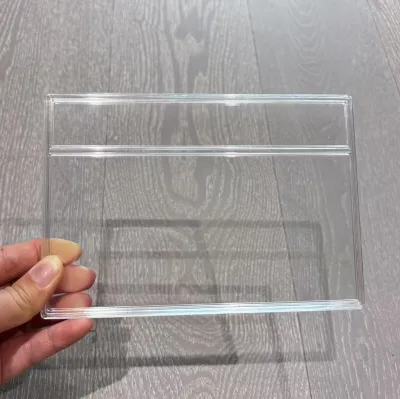
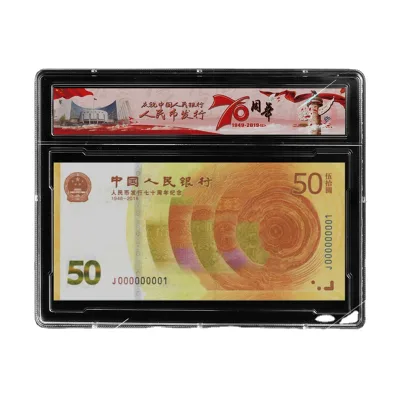
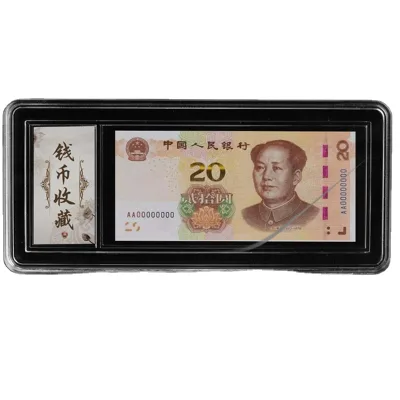
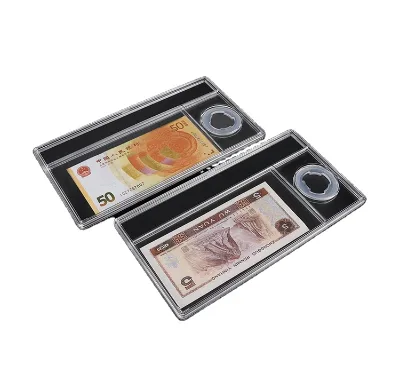
When comparing suppliers, the primary focus should be on the specific product attributes that define the banknote protector, such as material composition, customization options, and minimum order quantities. The data reveals that acrylic is the standard material, with options for custom sizes and logo application being widely available across different product models. Buyers must compare the specific dimensions and standard sizes offered, as some suppliers provide fixed measurements like 4.7x4.7x1.5cm while others offer fully custom specifications. The ability to accept OEM orders and provide custom logos is a common feature, but the specific requirements for these customizations, such as file formats or color matching, should be detailed in the comparison to ensure alignment with brand standards.
Pricing and capacity metrics are equally critical when evaluating multiple suppliers for the same product category. Price ranges observed in the data vary from as low as $0.08 to over $7.00 per unit, heavily influenced by the product complexity, size, and order volume. Buyers should compare the minimum order quantities (MOQ), which range from 200 pieces to 1000 pieces, to determine which supplier aligns with their budget and inventory strategy. Furthermore, the production capacity, indicated by terms like ODM and OEM acceptance, should be weighed against the supplier's stated lead times. A supplier with a lower price but a 45-day lead time may be less suitable than a slightly more expensive option with a 15-day turnaround, depending on the urgency of the procurement need.
Common Recyclable Acrylic Banknote Protector Sourcing Risks
One significant risk in sourcing acrylic banknote protectors is the potential mismatch between advertised capabilities and actual production capacity, particularly regarding customization and material quality. While many suppliers list "Customization: Available" and "OEM: Accept," the specific constraints on these services, such as the complexity of custom molds or the availability of specific acrylic grades, are often not detailed in initial product listings. Buyers face the risk of receiving products that do not meet their exact specifications if they do not explicitly confirm the technical feasibility of their custom requirements before placing an order. The absence of specific certification data for some suppliers further complicates the assessment of product safety and compliance, especially for items intended for commercial or retail display.
Another critical risk involves the variability in lead times and the potential for delays that can disrupt supply chain planning. The data shows lead times ranging from 15 to 45 days, and in some cases, even longer periods for customized orders. Relying on the minimum lead time without accounting for potential production bottlenecks or raw material shortages can lead to missed deadlines. Additionally, the lack of standardized packaging or shipping protocols across different suppliers introduces logistical risks, as some may use standard export cartons while others use color boxes, affecting the final presentation and protection of the goods during transit. Buyers must mitigate these risks by establishing clear communication channels and setting realistic expectations for delivery dates based on the specific supplier's historical performance.
Recyclable Acrylic Banknote Protector Regional Sourcing and Logistics
Sourcing from China, particularly the Guangdong and Jiangsu provinces, offers access to a dense network of acrylic manufacturers, but it also introduces specific logistical considerations that buyers must manage. The concentration of suppliers in these regions means that shipping costs and transit times can be optimized by selecting a supplier within the same province or a nearby logistics hub. However, the distance between the factory and the port of loading can vary, impacting the overall shipping timeline and cost. Buyers should verify the specific origin location of the product, as some listings indicate Dongguan or other specific cities within the broader region, which can influence the efficiency of the export process.
Logistics planning must also account for the specific packaging requirements of acrylic products to prevent damage during transit. The data indicates that suppliers use various packaging methods, including carton boxes and color boxes, which may offer different levels of protection. For fragile items like banknote protectors, ensuring that the packaging is robust enough to withstand international shipping is essential. Buyers should request detailed packaging specifications and potentially negotiate for reinforced packaging if the standard options are deemed insufficient. Additionally, understanding the Incoterms and shipping responsibilities is crucial, as the supplier's location and the chosen shipping method will determine who bears the risk and cost during the transit phase.
Recyclable Acrylic Banknote Protector Commercial Terms and Order Planning
Commercial terms for acrylic banknote protectors often revolve around flexible pricing structures and clear minimum order quantity requirements. The observed price ranges suggest that unit costs decrease with higher volumes, making it essential for buyers to calculate the optimal order size that balances cost efficiency with inventory holding costs. Suppliers typically require a specific MOQ, ranging from 200 to 1000 units, which serves as a threshold for production feasibility. Buyers should plan their orders to meet or exceed these thresholds to secure the best possible pricing and ensure that the supplier is willing to initiate production without additional setup fees.
Order planning must also incorporate the supplier's response time and lead time to ensure timely delivery. The variation in response times, from under three hours to over eleven hours, can significantly impact the speed of the negotiation and order confirmation process. Buyers should prioritize suppliers with faster response times to maintain momentum in the procurement cycle. Furthermore, the lead time, which can range from 15 to 45 days, must be factored into the overall project timeline, including time for quality inspections and shipping. Establishing a clear schedule that accounts for these variables is vital to avoid delays and ensure that the banknote protectors are available when needed for the intended exhibition or retail display.
FAQs
Are acrylic banknote protectors recyclable?
Acrylic banknote protectors are made from polymethyl methacrylate, a thermoplastic that can be recycled through specialized industrial processes. However, standard curbside recycling programs often do not accept this material. Buyers should verify local recycling capabilities or contact suppliers about take-back programs to ensure proper disposal and environmental compliance for their inventory.
What is the minimum order quantity for acrylic holders?
Minimum order quantities for acrylic holders vary by supplier and product type. Some suppliers require a minimum of 200 units for standard acrylic business card holders, while others may require 500 or 1000 units for specialized items like coin storage slabs or sheet protectors. Buyers should confirm specific MOQs with individual suppliers before placing orders.
How long does production take for custom acrylic items?
Production lead times for custom acrylic items typically range from 15 to 45 days depending on the supplier and order complexity. Some manufacturers offer faster turnaround times of around 15 days, while others with larger capacities or more complex customization requirements may require up to 45 days. Buyers should confirm lead times during the inquiry phase.
Can I customize the logo on acrylic holders?
Yes, most acrylic holder suppliers offer customization options including custom logos. Many manufacturers accept OEM orders and allow buyers to add their branding to products like business card holders or display stands. Buyers should provide logo files and specifications during the inquiry process to ensure accurate reproduction and compliance with supplier printing capabilities.
What is the price range for acrylic display holders?
Prices for acrylic display holders vary based on size, thickness, and customization. Small business card holders may cost between $0.30 and $0.40 per unit, while larger brochure holders can range from $1.50 to $7.00 per unit. Buyers should request detailed quotations including shipping costs to understand the total landed cost for their specific requirements.
Are acrylic holders suitable for indoor display use?
Acrylic holders are primarily designed for indoor display use. Product specifications typically indicate indoor usage for items like business card holders, brochure displays, and sign holders. The material provides clarity and durability for indoor environments but may not withstand outdoor weather conditions. Buyers should verify usage specifications to ensure suitability for their intended display location.