Recyclable Grey Board Shoe Box with Handle Suppliers and Manufacturers
Source Recyclable Grey Board Shoe Box with Handle from 27 verified suppliers in China. Compare grounded dimensions including Shanghai and Guangdong locations, CTI and SGS verification, lead times, and MOQs. Request quotes to compare pricing and customization options; review the available evidence before requesting comparable quotations from suitable candidates.
Updated
Suppliers List

Shanghai Woods Packaging Co., Ltd.
- Verified by CTI
- Combined
- China Shanghai
- Lead time15 days
- Avg. response≤ 10h
Main productsGift Box, Paper Box, Carton Box, Pizza Box, Paper Gift Box, Carton Cardboard Box
Main marketsAustralia,North America

Recyclable Green Shipping Boxes Packaging Box Custom Shoe Boxes with Logo
$0.11 - $0.78
MOQ: 500 Pieces


Recyclable Custom-Colored Printing Corrugated Paper Box for Shoe Packaging
$0.29 - $0.59
MOQ: 500 Pieces


Chansun Pack Printing Group Limited
- Verified by SGS
- Combined
- China Guangdong
- Lead time15 days
- Avg. response≤ 7h
Main productsCorrugated Box, Perfume Paper Box, Folding Paper Box, Makeup Paper Box, Paper Bag, Cardboard Box, Manual/Children's Book, Blister/Play Card
Main marketsDomestic
Shanghai Forests Packaging Group Co., Ltd.
- Verified by Intertek
- Manufacturer, Trading Company
- Lead time3 days
- Avg. response≤ 3h
Main productsPackaging Box, Pizza Box, Beer Packaging Box, Fruit Packaging Box, Gift Box
Main marketsNorth America(23%), Oceania(20%), Western Europe(16%)
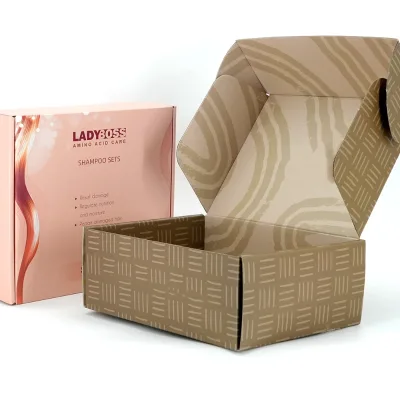
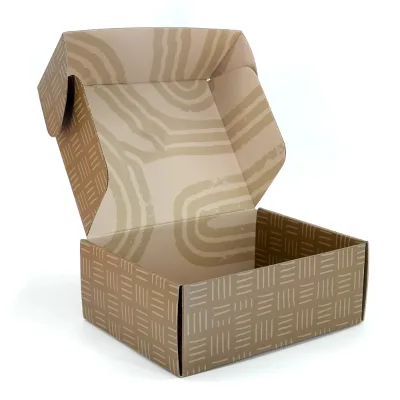
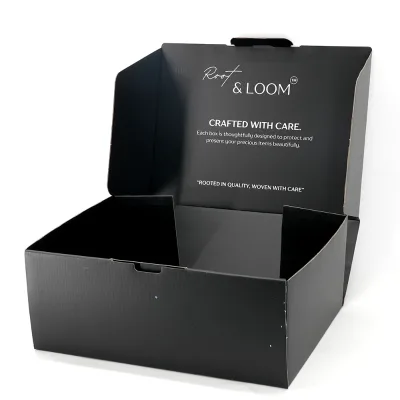
$0.26 - $0.56
MOQ: 500 pieces

$0.1692 - $0.4835
MOQ: 500 pieces
Sunsky Packaging (Shenzhen) Co., Ltd.
- Verified by TüVRheinland
- Manufacturer, Trading Company
- Lead time0 days
- Avg. response≤ 2h
Main productsShipping Box, Mailer Box, Fruit Box, Shoe Box, Color Box
Main marketsNorth America(25%), Domestic Market(20%), Northern Europe(15%)
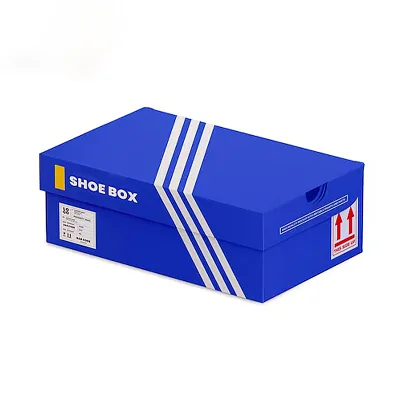
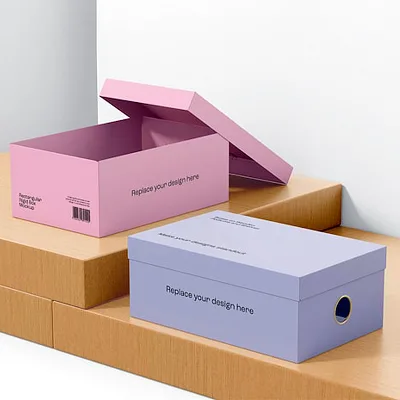
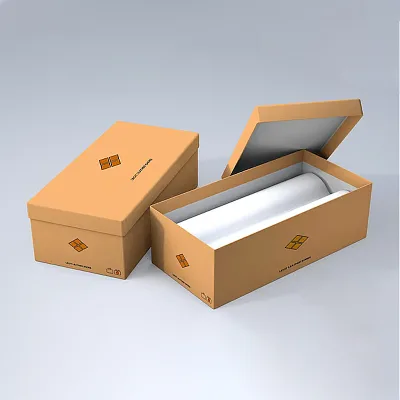
$0.06 - $1.33
MOQ: 500 pieces
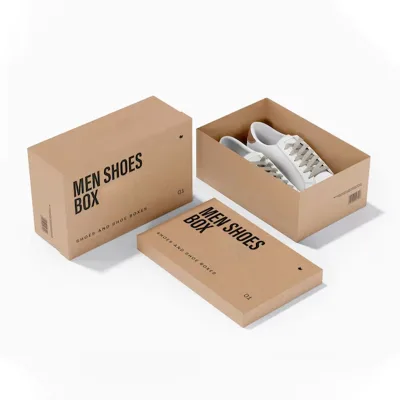
Ningbo Changxingjia Import And Export Limited
- Manufacturer, Trading Company
- Lead time旺季: "1 - 10000":30,"> 10000":"To be negotiated", 淡季: "1 - 10000":30,"> 10000":"To be negotiated"
- Avg. response≤ 1h
Main productsPackaging Bag, Paper Bag, Non Woven Bag, Paper Box, Thermal Bag
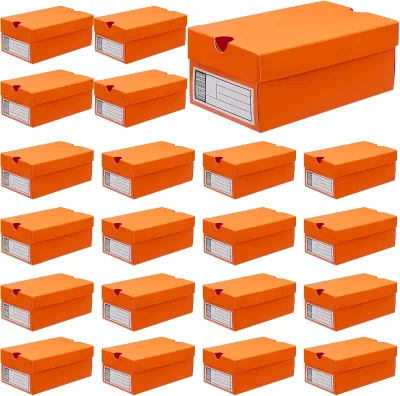
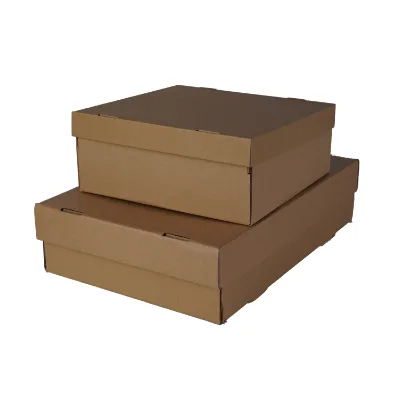
High Quality Custom Eco-friendly Corrugated Boxes for Shoes, Packaging and Branding
$0.1027 - $0.3084
MOQ: 1000 pieces

- Verified by BV
- Trading Company
- China Zhejiang
- Lead time30 days
- Avg. response≤ 14h
Main productsMop with Bucket, Spray Mop, Cleaning Brush, Shoe Rack, Flat Mop, Mop Cloth
Main marketsSoutheast Asia/ Mideast,Europe,North America

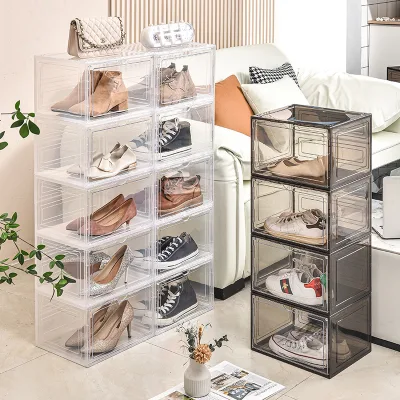
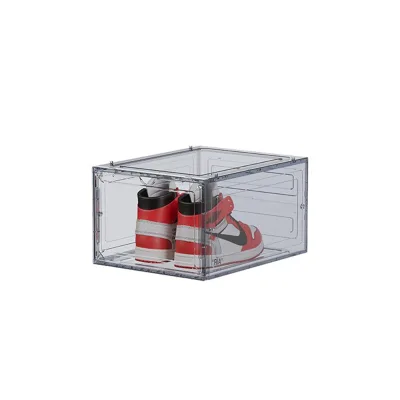
Drawer Style Clear Shoe Box Stackable for Heel and Flat Shoe Storage Shoe Box
$0.42 - $0.46
MOQ: 500 Pieces

Clear Stackable Shoe Box with Durable Plastic for Long - Term Use Shoe Box
$0.42 - $0.46
MOQ: 500 Pieces

Multi - Grid Clear Shoe Box Stackable for Home and Closet Storage Shoe Box
$0.42 - $0.46
MOQ: 500 Pieces

Jinhua Saving Industry and Trade Co. Ltd
- Verified by SGS
- Manufacturer
- China Zhejiang
- Lead time15 days
- Avg. response≤ 10h
Main productsNon-Woven Storage Box, Non-Woven Storage Bag, Laundry Bag, Cloth Storage Box, Foldable Storage Box, Storages Basket

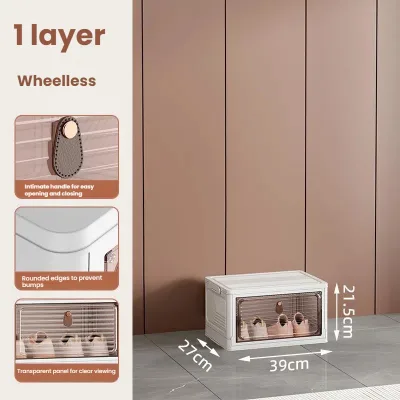
Clear Cover Foldable Shoe Storage Organizer Fabric Shoe Storage Box with Handle
$3.07 - $3.63
MOQ: 1008 Pieces


Dongguan Pomall Packaging Product Co.,Ltd
- Verified by CTI
- Combined
- China Guangdong
- Lead time15 days
- Avg. response≤ 6h
Main productsPaper Box, Chocolate Box, Gift Box, Packaging Box, Jewelry Box, Cosmetic Box, Perfume Box, Wine Box
Main marketsSoutheast Asia/ Mideast
Yiwu Modern Jincheng Commodity Co., Ltd.
- Trading Company
- Zhejiang, China
- Lead time35 days
- Avg. response≤ 6h
Main productsKitchenware,Storage products,Daily necessities,Kitchen utensils,Tools
Main marketsSouth America(50.00%), North America(30.00%), Eastern Europe(20.00%)
Guangzhou Igiftbox Printing & Packaging Co., Ltd.
- Verified by SGS Group
- Trading Company
- Lead time15 days
- Avg. response≤ 2h
Main productsPaper Box, Gift Box, Packaging Box, Paper Bags, Printing Services
Main marketsNorth America(30%), South America(10%), Oceania(10%)

Shanghai Forests Packaging Group Co., Ltd.
- Verified by CTI
- Combined
- China Shanghai
- Lead time15 days
- Avg. response≤ 10h
Main productsPaper Gift Box, Carton Cardboard Box, Gift Box, Paper Box, Carton Box, Cardboard Box, Corrugated Box, Packaging Box, Paper Packaging, Paper Carton
Main marketsDomestic,Europe,North America
- Verified by TüVRheinland
- Manufacturer, Trading Company
- Lead time45 days
- Avg. response≤ 5h
Main productsPlastic Shoe Box, Dresser Storage Chest, Storage Box, Under Sink Organizer, Laundry Bag
Main marketsNorth America(25%), Eastern Europe(20%), Southeast Asia(10%)
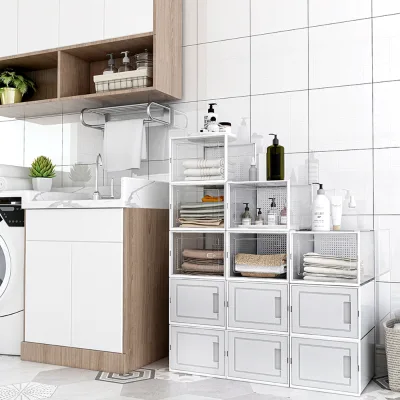
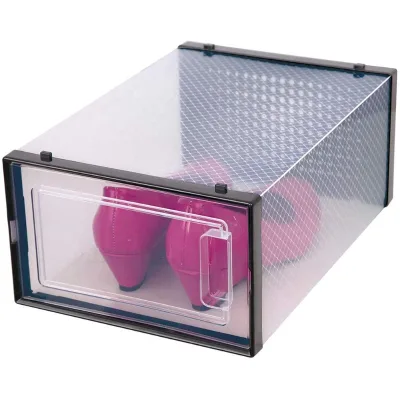
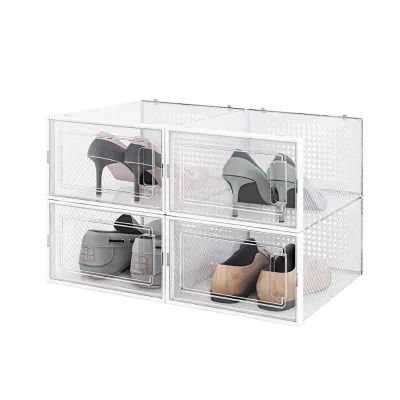
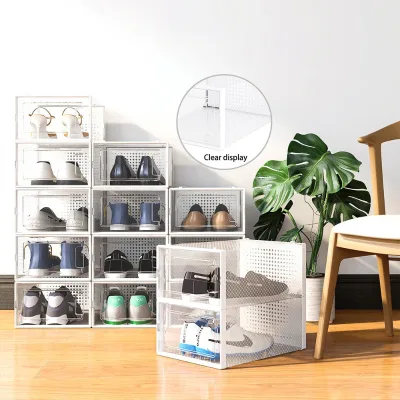
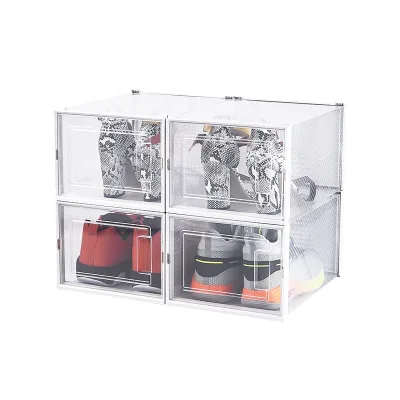
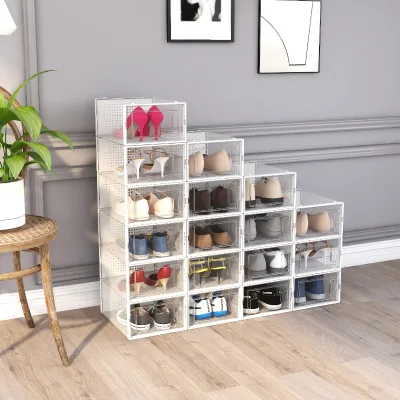
Custom logo Shoe Box Plastic Drop Front Shoe Box Custom Shoe Box With Logo
$1.86 - $2.26
MOQ: 2000 pieces

Guangzhou Igiftbox Printing & Packaging Co., Ltd
- Verified by SGS
- Trading Company
- China Guangdong
- Lead time15 days
- Avg. response≤ 6h
Main productsPaper Gift Box, Paper Box, Paper Bags, Gift Box, Packaging Box, Chocolate Box, Cosmetic Box, Sticker Label, Cardboard Box, Book Printing
Main marketsSouth America,Southeast Asia/ Mideast,Europe,North America


Custom Made Boxes with Logo for Shoes Simply Design Cardboard Shoe Boxes for Sale
$0.52 - $1.45
MOQ: 500 Pieces


Shanghai Coffe Packing Group Co., Ltd.
- Verified by CTI
- Combined
- China Shanghai
- Lead time15 days
- Avg. response≤ 7h
Main productsPaper Gift Box, Carton Cardboard Box, Gift Box, Paper Box, Carton Box, Cardboard Box, Corrugated Box, Packaging Box, Paper Packaging, Paper Carton
Main marketsDomestic,Europe,Australia,North America
Shantou Hongxing Commodity Co., Ltd.
- Verified by Intertek
- Manufacturer, Trading Company
- Lead time25 days
- Avg. response≤ 3h
Main productsPlastic Daily-Used Household Products
Main marketsSouth Asia(20%), South America(19%), Mid East(18%)

Zhangzhou Taki Industry and Trade Co., Ltd
- Verified by BV
- Manufacturer/Factory
- China Fujian
- Lead time23 days
- Avg. response≤ 6h
Main productsPackaging Paper Bag, Packaging Paper Box, Products Box, Fold Boutique Gift Box, Shopping Paper Bag, Fruit Packaging Cartons Box, Kraft Paper Bags Food Bag, Plastic Box Pet PVC Boxes, Paper Sleeves with Brand Design, One-Stop Packaging Supplier
Main marketsSouth America,Eastern Europe,Mid East,North America,Southeast Asia,Eastern Asia,Oceania,Western Europe,Africa

$0.30 - $0.75
MOQ: 500 Pieces

Wholesale Label Folding Box White High Quality Packaging Foldable Gift Shoe Box
$0.98 - $1.80
MOQ: 1000 Pieces

Chung Lam Blister Company Limited
- Verified by SGS
- Combined
- China Guangdong
- Lead time30 days
- Avg. response≤ 8h
Main productsBlister Packaging, Blister Folding Boxes, Packing Box, Plastic Packing, Blister Tray, Plastic Cylinder, Plastic Shoebox, Electronic Thermoforming Packaging Products, Food Blister Packaging
Main marketsDomestic
Shanghai Woods Packaging Co., Ltd.
- Manufacturer, Trading Company
- Lead time旺季: "1 - 500":5,"501 - 1000":7,"1001 - 2000":10,"> 2000":"To be negotiated", 淡季: "1 - 500":5,"501 - 1000":7,"1001 - 2000":10,"> 2000":"To be negotiated"
- Avg. response≤ 3h
Main productsPackaging Box, Packing Bag, Cardboard Boxes, Custom Packaging Box, Mailing Box
Jinjiang Huilong Carton Co., Ltd.
- Manufacturer
- Fujian, China
- Lead time15 days
- Avg. response≤ 6h
Main productsCorrugated Carton,Waxed Carton,lid and base box,color printing box,Gift box
Main marketsDomestic Market(61.00%), North America(26.00%), Oceania(13.00%)

Changchun Jida Logistics Equipment Co., Ltd.
- Manufacturer, Trading Company
- Jilin, China
- Lead time20 days
- Avg. response≤ 4h
Main productsCage,Pallet,Container,Bins,Plastic Box
Main marketsMid East(15.00%), North America(12.00%), Eastern Europe(11.00%), Western Europe(10.00%), Northern Europe(10.00%), South America(10.00%), Southeast Asia(10.00%), South Asia(8.00%), Central America(5.00%), Eastern Asia(5.00%), Southern Europe(4.00%)
Ningbo Jiangbei Dayooh E-Commerce Co., Ltd.
- Trading Company
- Zhejiang, China
- Lead time30 days
- Avg. response≤ 6h
Main productsPlastic Shoes Box, Shoes Box, Toy Figure Display Case, Lint Remover, Foldable Clothes Wardrobe
Main marketsNorth America(70.00%), South America(10.00%), Southeast Asia(10.00%), Eastern Asia(5.00%), Mid East(5.00%)

Shantou Eastcross Technology Co., Ltd
- Verified by SGS
- Combined
- China Guangdong
- Lead time45 days
- Avg. response≤ 5h
Main productsGift Box, Storage Box, Courragate Box, Jewelry Box, Skincare Product Box, Office Storage
Main marketsEurope
Jiangyin Qiwei International Trade Co., Ltd.
- Trading Company
- Jiangsu, China
- Lead time10 days
- Avg. response≤ 2h
Main productsPlastic storage,Cotton rope handicraft,Storage supplies
Main marketsNorth America(40.00%), Mid East(20.00%), Southeast Asia(20.00%), Eastern Europe(20.00%)
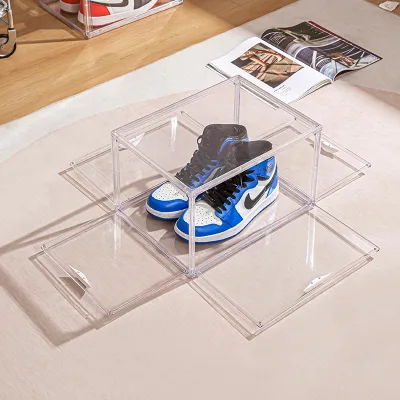
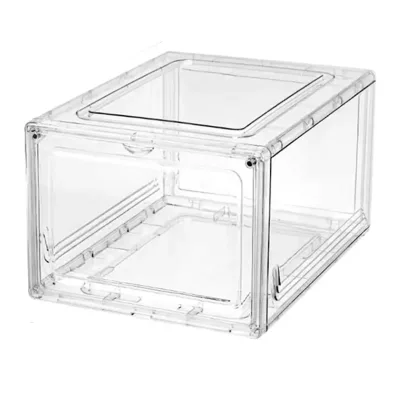
$2.4296 - $2.6886
MOQ: 10 pieces

Shandong Ruifu Trading Co., Ltd.
- Verified by SGS
- Trading Company
- China Shandong
- Lead time15 days
- Avg. response≤ 6h
Main productsPackaging Box, Custom Packaging, Paper Box, Paper Bag, Perfume Box, Tractor, Safe Box, Jewelry Box, Custom Box, Clothing Box
Main marketsSoutheast Asia/ Mideast

Huizhou Green Foil Insulation Co., Ltd.
- Verified by BV
- Combined
- China Guangdong
- Lead time15 days
- Avg. response≤ 2h
Main productsCooler Bag, Gift Bag, Gift Box, Insulated Bag, Color Printed Box, Jewelry Box, Paper Bag, Paper Box, Packaging Box, Insulated Mailer
Main marketsEast Asia(Japan/ South Korea),Europe,North America
Shenzhen Kuaihong Industrial Co., Ltd.
- Manufacturer, Trading Company
- Guangdong, China
- Lead time25 days
- Avg. response≤ 3h
Main productsMould,Plastic Injection Mold,Plastic Injection Molding Parts,Injection Molding Service,Product Assembly
Main marketsNorth America(45.00%), Oceania(10.00%), Western Europe(10.00%), Eastern Asia(10.00%), Eastern Europe(10.00%), Southeast Asia(10.00%), Northern Europe(5.00%)
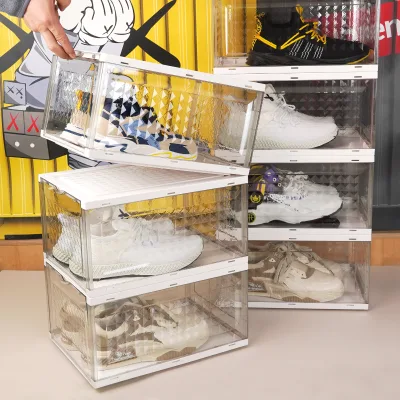
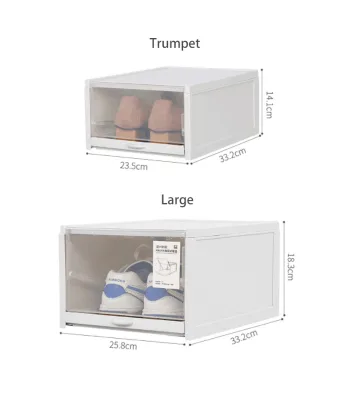
Custom Wholesale Foldable Easy to Install Sports Shoes Shoe Box Dustproof Shoe Box
$3.07 - $4.03
MOQ: 10 pieces

Hangzhou Iforest Electronic Commerce Co., Ltd.
- Verified by BV
- Trading Company
- China Shanghai
- Lead time23 days
- Avg. response≤ 6h
Main productsPaper Box, Paper Bag, Paper Tube
Main marketsSouth America,Southeast Asia/ Mideast,Domestic,Europe,Australia,North America







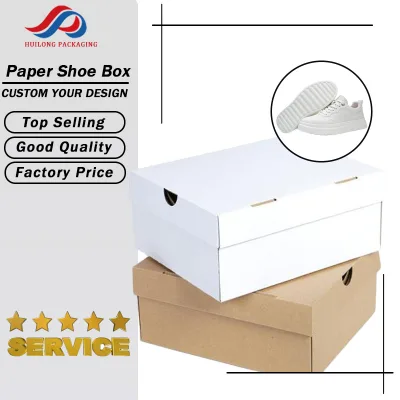
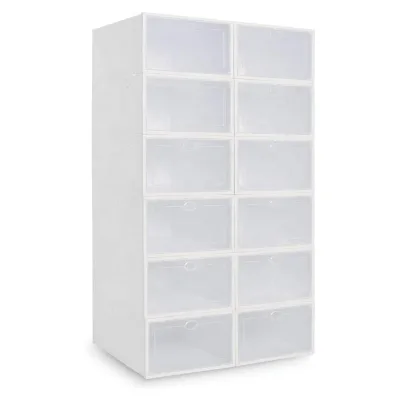
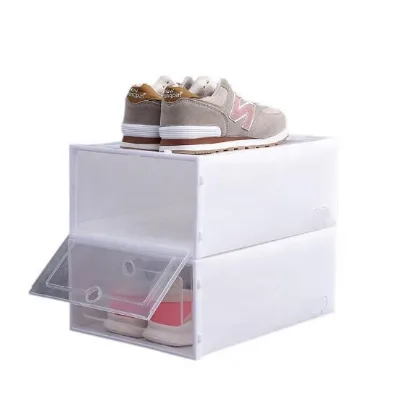
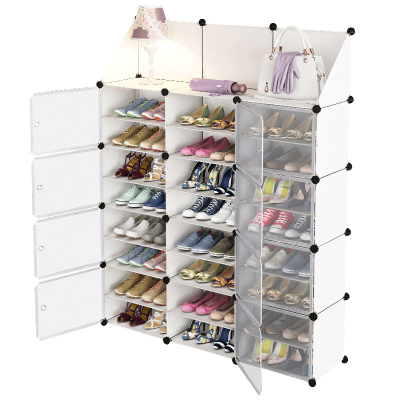


Comprehensive Sourcing Guide
Recyclable Grey Board Shoe Box with Handle Supplier Concentration and Factory Types
The sourcing landscape for recyclable grey board shoe boxes with handle features a distinct geographic concentration in China, specifically within the Shanghai and Guangdong provinces. Suppliers located in Shanghai often operate as combined entities, blending trading capabilities with manufacturing oversight, which allows them to manage complex custom orders while maintaining direct control over production quality. These Shanghai-based facilities frequently highlight their ability to produce a wide array of paper packaging solutions, including gift boxes, carton boxes, and specialized shoe packaging, indicating a mature industrial ecosystem capable of handling diverse structural requirements. The presence of verified verification statuses, such as CTI, suggests that these suppliers have undergone third-party inspections to confirm their operational legitimacy and production capacity. Buyers looking for suppliers in this region should expect a high density of companies that specialize in corrugated and grey board materials, leveraging the local supply chain for raw paper stocks and printing services. This concentration facilitates faster communication and potentially lower logistics costs for regional shipments, as the infrastructure for exporting paper-based packaging is well-established. The focus on combined company types implies that buyers may interact with a single point of contact that coordinates both design and physical production, streamlining the initial stages of the sourcing process.
In contrast, suppliers based in Guangdong, particularly around Guangzhou, often present a different operational profile, with some holding SGS verification and emphasizing eco-friendly and foldable packaging solutions. These Guangdong-based factories frequently list main products that include corrugated boxes, perfume paper boxes, and manual books, suggesting a versatile manufacturing base that can adapt to various packaging needs beyond just shoe boxes. The response times observed in this region can be notably faster, with some suppliers demonstrating rapid engagement capabilities, which is crucial for buyers who need quick prototyping or urgent order fulfillment. The diversity in supplier types, ranging from pure manufacturers to combined trading and manufacturing entities, offers buyers flexibility in how they structure their partnerships. Some suppliers may focus heavily on OEM and ODM services, allowing for significant customization of the shoe box structure, handle design, and printing finishes. This variety means that buyers must carefully assess whether a supplier’s primary strength lies in high-volume standard production or in flexible, custom-driven manufacturing. Understanding these regional and structural differences is essential for aligning supplier capabilities with specific project requirements, whether the priority is cost efficiency, speed, or bespoke design integration.
How to Verify Recyclable Grey Board Shoe Box with Handle Suppliers
Verifying suppliers for recyclable grey board shoe boxes with handle requires a multi-layered approach that goes beyond simple profile reviews. Buyers should prioritize suppliers who hold recognized third-party verification badges, such as CTI or SGS, as these indicate that an independent agency has audited the company’s business license, factory conditions, and operational scope. For instance, some suppliers in Shanghai are verified by CTI, while those in Guangdong may carry SGS credentials, providing a baseline of trust regarding their legal existence and manufacturing claims. However, verification badges alone are not sufficient; buyers must also scrutinize the specific product evidence provided to ensure it aligns with their technical requirements. This involves checking if the supplier’s listed products explicitly mention grey board materials, handle attachments, and recyclable certifications. The presence of detailed product attributes, such as paper type, weight capability, and customization options, serves as a strong indicator of technical competence. Buyers should request samples that match the exact specifications they intend to order, paying close attention to the structural integrity of the handle and the quality of the grey board finish. This hands-on verification step is critical because online descriptions may not fully capture the tactile and functional qualities of the packaging.
Additionally, buyers should assess the supplier’s responsiveness and communication efficiency as a proxy for their operational reliability. Response times, such as the 6.83 hours observed for some Guangdong suppliers or 9.80 hours for Shanghai-based entities, can indicate how quickly a supplier can address inquiries, provide quotations, or resolve issues. A faster response time often correlates with a more organized internal workflow and better customer service practices. Buyers should also look for evidence of past performance, such as detailed product keywords and application lists that demonstrate experience with similar industries like cosmetics, electronics, or apparel. Suppliers that list specific usage scenarios, such as gifts, cosmetics, or electronic products, are likely to have refined their packaging solutions for diverse market needs. Furthermore, verifying the supplier’s ability to provide necessary documentation, such as material safety data sheets or recycling certificates, is essential for compliance with international standards. Buyers should not rely solely on the supplier’s self-reported claims but should ask for verifiable proof of their capabilities, including factory photos, video tours, or references from existing clients. This thorough verification process helps mitigate the risk of partnering with unreliable suppliers and ensures that the final product meets both quality and sustainability expectations.
What to Compare Across Recyclable Grey Board Shoe Box with Handle Suppliers
When evaluating multiple suppliers for recyclable grey board shoe boxes with handle, buyers must systematically compare key operational metrics to identify the most suitable partner. One critical dimension is the minimum order quantity (MOQ), which can vary significantly between suppliers. For example, some suppliers may require an MOQ of 500 units, while others might set the threshold at 1000 units or higher. This difference can impact the buyer’s inventory management and cash flow, especially for new product launches or smaller batch orders. Buyers should also compare lead times, as production schedules directly affect time-to-market. Some suppliers may offer a lead time of 15 days, while others might specify a range of 12-15 working days after deposit receipt. Understanding these timelines helps buyers plan their supply chain more effectively and avoid delays. Additionally, response speed is a vital factor, with some suppliers demonstrating quicker engagement times, which can be crucial for resolving design queries or negotiating terms. Buyers should also examine the range of main products offered by each supplier to ensure they have the necessary expertise in grey board packaging. Suppliers that specialize in a broader range of paper boxes may offer more integrated solutions, whereas those with a narrow focus might provide deeper specialization.
Price is another essential comparison point, but it should be analyzed in conjunction with other factors rather than in isolation. Price ranges for similar products can vary, with some suppliers offering prices as low as $0.10 per unit and others charging up to $1.50 per unit. These variations often reflect differences in material quality, printing complexity, handle construction, and order volume. Buyers should request detailed quotations that break down costs for materials, printing, and assembly to understand the value proposition of each supplier. Furthermore, comparing the customization options available is crucial, as some suppliers may offer extensive ODM and OEM services, including custom logos, specific paper types, and unique structural designs. Buyers should also look at the supplier’s capacity for large-scale production, indicated by supply ability metrics, to ensure they can handle peak demand periods. Additionally, comparing the payment terms and accepted methods, such as L/C, T/T, or PayPal, can provide insights into the supplier’s financial flexibility and risk management practices. By systematically comparing these dimensions, buyers can make informed decisions that balance cost, quality, and service, ultimately selecting a supplier that best aligns with their strategic objectives and operational needs.
Common Recyclable Grey Board Shoe Box with Handle Sourcing Risks
Sourcing recyclable grey board shoe boxes with handle involves several inherent risks that buyers must proactively manage to ensure a smooth procurement process. One significant risk is the potential mismatch between sample quality and mass production output. Suppliers may provide high-quality samples that do not reflect the consistency of their larger production runs, leading to discrepancies in material thickness, handle durability, or printing accuracy. This risk is particularly acute when dealing with suppliers who have limited quality control processes or who outsource certain production steps. Buyers should mitigate this by implementing strict quality assurance protocols, including pre-shipment inspections and third-party testing services. Another common risk is the variability in lead times, which can be affected by raw material shortages, production bottlenecks, or logistical delays. Suppliers may quote optimistic lead times that do not account for unforeseen disruptions, resulting in delayed deliveries and potential stockouts for the buyer. To address this, buyers should establish clear communication channels and request regular production updates to monitor progress and identify potential issues early. Additionally, buyers should consider including penalty clauses in their contracts for late deliveries to incentivize timely performance.
Another critical risk is the lack of transparency regarding material sourcing and sustainability claims. While suppliers may advertise their products as recyclable or eco-friendly, buyers must verify these claims through independent certifications and material documentation. False or misleading sustainability claims can damage a brand’s reputation and lead to regulatory issues in certain markets. Buyers should request detailed information about the paper sources, recycling processes, and any relevant environmental certifications to ensure compliance with their sustainability goals. Furthermore, there is a risk of intellectual property infringement if suppliers reuse designs or logos without proper authorization. Buyers should ensure that their designs are protected and that suppliers adhere to strict confidentiality agreements. Additionally, currency fluctuations and changes in shipping costs can impact the final landed cost of the products, affecting profit margins. Buyers should monitor market trends and consider hedging strategies to manage these financial risks. By identifying and addressing these common risks through thorough due diligence, robust contracts, and active supply chain management, buyers can minimize disruptions and ensure a successful sourcing outcome for their recyclable grey board shoe boxes with handle.
Recyclable Grey Board Shoe Box with Handle Regional Sourcing and Logistics
The geographic location of suppliers plays a pivotal role in determining logistics efficiency and overall sourcing costs for recyclable grey board shoe boxes with handle. Suppliers located in Shanghai, China, benefit from proximity to major international shipping ports, which can facilitate faster and more cost-effective export logistics. This region’s established infrastructure for paper packaging manufacturing often translates into streamlined supply chains for raw materials and finished goods. Buyers sourcing from Shanghai-based suppliers may experience shorter transit times to key global markets, reducing the risk of delays and improving inventory turnover. Additionally, the concentration of combined trading and manufacturing entities in Shanghai allows for easier coordination of complex orders, as suppliers can manage both production and logistics internally. This integration can simplify communication and reduce the likelihood of errors in shipping documentation or packaging specifications. Buyers should also consider the local expertise in handling export regulations and customs clearance, which can further enhance the efficiency of the logistics process. By leveraging the logistical advantages of the Shanghai region, buyers can optimize their supply chain and reduce the overall cost of goods sold.
In contrast, suppliers in Guangdong, particularly around Guangzhou, offer alternative logistical benefits, often with faster response times and a focus on eco-friendly packaging solutions. The Guangdong region is known for its vibrant manufacturing ecosystem and proximity to major consumer markets in Southeast Asia and beyond. Buyers sourcing from this region may find it easier to access suppliers who specialize in foldable and compact packaging designs, which can reduce shipping volume and lower freight costs. The faster response times observed in Guangdong suppliers can also facilitate quicker decision-making and problem-solving during the logistics phase. However, buyers should be aware of potential variations in port congestion and shipping availability, which can impact delivery schedules. To mitigate these risks, buyers should work closely with their suppliers to plan shipments well in advance and consider using multiple shipping routes or carriers. Additionally, buyers should evaluate the supplier’s experience with international logistics, including their ability to handle customs documentation and ensure proper packaging for long-distance transport. By carefully assessing the logistical implications of sourcing from different regions, buyers can make informed decisions that balance cost, speed, and reliability, ensuring a smooth and efficient supply chain for their recyclable grey board shoe boxes with handle.
Recyclable Grey Board Shoe Box with Handle Commercial Terms and Order Planning
Effective commercial terms and strategic order planning are essential for managing the procurement of recyclable grey board shoe boxes with handle successfully. Buyers
FAQs
What does a Recyclable Grey Board Shoe Box with Handle typically cost?
Quoted prices for comparable custom paper shoe boxes generally fall between roughly $0.10 and $1.50 per unit, depending on size, board thickness, printing coverage, and handle type. Volume discounts apply at higher quantities, and simple single-color designs sit at the lower end. Request itemized quotes covering material grade, finishing, and freight so total landed cost is clear before ordering.
What is the usual minimum order quantity for custom shoe boxes with handles?
Listed MOQs for custom printed shoe boxes commonly start at 500 pieces, with some suppliers requiring 1,000 pieces per design. The minimum varies with box size, printing method, and whether custom tooling or plates are needed. If you need fewer units for a trial run, ask whether mixed sizes can share one production run to meet the threshold more economically.
How long does production take for custom grey board shoe boxes?
Stated lead times for corrugated and cardboard shoe boxes range around 12 to 15 working days after the deposit is received, with some suppliers listing about 15 days overall. Sampling usually adds extra time before mass production starts. Confirm whether the quoted lead time begins at deposit, artwork approval, or sample sign-off, and factor in shipping time to your destination.
Which printing and finishing options are available on recyclable shoe boxes?
Common options include CMYK and Pantone color printing on one or two sides, plus embossing, glossy lamination, and matte lamination. Handles, ribbons, drawstrings, plastic handles, and PVC windows can be added as accessories. Colors are typically customizable to your brand specification, so supply artwork in vector format and request a pre-production sample to verify color accuracy before the full run.
Can I get eco-friendly materials for a shoe box with a handle?
Yes, many listings specify recycled materials or recyclable corrugated and kraft paper construction, with some products explicitly marketed as recycled cardboard shoe boxes. Ask for the specific board grade, recycled content percentage, and any relevant compliance documentation for your market. Also confirm whether inks, laminations, and adhesives affect recyclability, since heavy coatings can limit how the finished box is processed.
How can I verify a shoe box supplier before placing an order?
Check whether the supplier holds third-party verification, such as CTI or SGS audit status, and review listed certifications like ISO or HACCP where relevant. Compare response times, stated production capacity, and main-product fit with your requirement. Request business license details, ask for references or samples, and use secure payment terms such as escrow or letters of credit for initial orders.
Where are the main production hubs for custom shoe boxes with handles?
Shanghai and Guangdong are prominent sourcing locations in the supplier results, with Guangzhou appearing as an origin for kraft shoe boxes and Shanghai for corrugated paper boxes. Both regions offer customization and export packing, typically in export cartons or sea freight packaging. Compare suppliers in both areas on price, lead time, and capacity, since quotes can differ even for similar specifications.
What customization details should I confirm before ordering?
Confirm box dimensions, board thickness or flute type, handle material and attachment method, number of printed sides, and surface finish. Most listings accept custom orders and OEM service, with sizes described as middle, customized, or square-shaped. Provide dielines and artwork early, agree on a signed sample, and verify packing method, whether plates or export cartons, so units arrive undamaged.