Recyclable Kraft Paper Cake Box Suppliers and Manufacturers
Find 26 verified suppliers offering recyclable kraft paper cake boxes with customizable sizes and materials. Compare response times, lead times, certifications, and pricing to source packaging for food and gifts effectively; review the available evidence before requesting comparable quotations from suitable candidates.
Updated
Suppliers List

Shanghai Woods Packaging Co., Ltd.
- Verified by CTI
- Combined
- China Shanghai
- Lead time15 days
- Avg. response≤ 10h
Main productsGift Box, Paper Box, Carton Box, Pizza Box, Paper Gift Box, Carton Cardboard Box
Main marketsAustralia,North America
Shanghai Xingbangpai Paper Products Packaging Co., Ltd.
- Trading Company
- Shanghai, China
- Lead time15 days
- Avg. response≤ 5h
Main productspaper cup,plastic cup,paper box,paper bag,stickers
Main marketsMid East(40.00%), North America(40.00%), Western Europe(20.00%)

Xiamen Luckypack Paper Products Co., Limited
- Verified by TUVRHEINLAND
- Manufacturer/Factory
- China Fujian
- Lead time30 days
- Avg. response≤ 8h
Main productsPaper Cup, Biodegradable Tableware, Disposable Cup, Food Box
Main marketsEastern Europe,North America,Southeast Asia

Shanghai Forests Packaging Group Co., Ltd.
- Verified by CTI
- Combined
- China Shanghai
- Lead time15 days
- Avg. response≤ 10h
Main productsPaper Gift Box, Carton Cardboard Box, Gift Box, Paper Box, Carton Box, Cardboard Box, Corrugated Box, Packaging Box, Paper Packaging, Paper Carton
Main marketsDomestic,Europe,North America

Cheap Price Custom Logo Printing Recycle Kraft Paper Cake Box Cake Cupcake Packaging Food Box
$0.32 - $1.43
MOQ: 500 Pieces

Recyclable Paper Box Cake Box Candy Box Cupcake Box with Customize Printing
$0.23 - $0.43
MOQ: 500 Pieces


Tonglu East Printing & Knitting Co., Ltd.
- Manufacturer, Trading Company
- Zhejiang, China
- Lead time15 days
- Avg. response≤ 19h
Main productspaper Box,Gift Box,paper package,corrugate boxes,packing printing
Main marketsDomestic Market(30.00%), Western Europe(30.00%), Southern Europe(8.00%), Eastern Europe(8.00%), Northern Europe(5.00%), North America(5.00%), Central America(3.00%), South Asia(2.00%), South America(2.00%), Mid East(2.00%), Eastern Asia(2.00%), Africa(2.00%), Southeast Asia(1.00%)

- Verified by CTI
- Manufacturer/Factory
- China Zhejiang
- Lead time23 days
- Avg. response≤ 13h
Main productsPaper Bag, Gift Bag, Paper Shopping Bag, Package Bag, Gift Box, Packaging Bag, Packaging Box, Party Supplies, Greeting Card, Wrapping Paper
Main marketsSouth America,Eastern Europe,North America,Western Europe

Cake Box Recyclable Food Grade White Kraft Paper Cupcake Dessert Cookie Boxes
$0.05 - $0.15
MOQ: 500 Pieces

Recyclable Wholesale Custom Logo Kraft Paper Bakery Dessert Packaging Cake Box
$0.12 - $0.31
MOQ: 500 Pieces

Qingzhou Glory Packaging Material Co., Ltd.
- Verified by BV
- Trading Company
- China Shandong
- Lead time30 days
- Avg. response≤ 8h
Main productsAluminium Foil Paper, PE Coated Paper/Printing Paper, Food Packaging Bag, Paper Shopping Bag, Non Woven Bag, Plastic Shopping Bag, Other Packaging Bags
Main marketsAustralia

Dongguan Welm Eco Packaging Tech Co., Ltd.
- Verified by BV
- Combined
- China Guangdong
- Lead time30 days
- Avg. response≤ 3h
Main productsPizza Box, Gift Box, Burger Box, Takeaway Box, Kraft Paper Bag, Greaseproof Paper, Gift Paper Bag, Fries Box, Mailer Box, Fried Chicken Box
Main marketsSouth America,Africa,Others(foreignTradeCapacity.exportBusinessCapacityMarketOther),Southeast Asia/ Mideast,Europe,Australia,North America

Custom Recycle Kraft Paper Cake Bakery Pastry Cupcake Packaging Box with Plastic Clear Windows
$0.10 - $1.00
MOQ: 3000 Pieces

Eco-Friendly Custom Printed Logo Recyclable Food Grade Portable Cake Paper Box
$0.05 - $0.08
MOQ: 10000 Pieces

Custom Biodegradable Cake Dessert Pastry Kraft White Cardboard Paper Box
$0.10 - $1.00
MOQ: 3000 Pieces


- Manufacturer, Trading Company
- Guangdong, China
- Lead time15 days
- Avg. response≤ 5h
Main productsCustom Printed Boxes,Mailer& shipping Boxes,Paper Food Package,Custom Rigid Gift Boxes,Custom Paper Bags
Main marketsNorth America(30.00%), Western Europe(25.00%), Northern Europe(15.00%), Southeast Asia(10.00%), Oceania(10.00%), Domestic Market(5.00%), Mid East(5.00%)
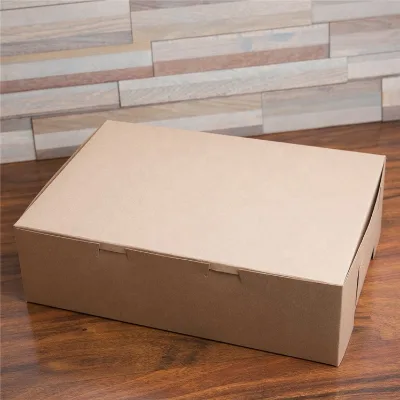
Wholesale Custom Cookie Food Box Packaging Kraft Paper Cardboard Rectangle Cake Boxes
$0.10 - $0.50
MOQ: 500 Minimum
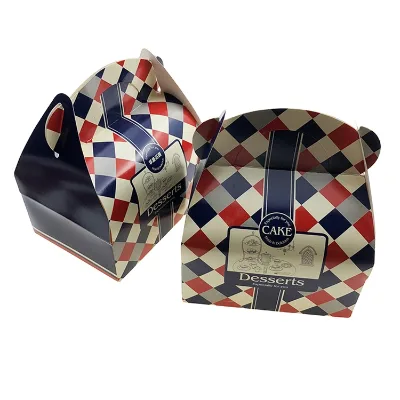
Factory Price Multiple Colors Bakery Cardboard Paper Box Cake Paper Box With Handle
$0.1557 - $0.518
MOQ: 500 Minimum

Weifang Meijia Package Co., Ltd.
- Verified by TUVRHEINLAND
- Manufacturer/Factory
- China Shandong
- Lead time23 days
- Avg. response≤ 8h
Main productsMetallized Paper, Metallized Film, Tipping Paper, Cigarette Materials, Cigarette Inner Frame Paper, Cigarette Pack, Laminated Paper, Alu Foil Paper, Lamianted Film
Main marketsEastern Europe,Mid East,Western Europe
- Manufacturer, Trading Company
- Zhejiang, China
- Lead time15 days
- Avg. response≤ 6h
Main productspaper box,cake board,paper bag,pizza box,cake box
Main marketsMid East(10.00%), Oceania(10.00%), Northern Europe(10.00%), Central America(10.00%), Eastern Europe(10.00%), South America(10.00%), North America(10.00%), Southern Europe(5.00%), Southeast Asia(5.00%), Domestic Market(5.00%), South Asia(5.00%), Eastern Asia(5.00%), Western Europe(3.00%), Africa(2.00%)
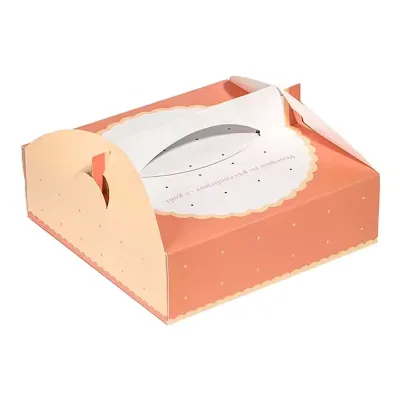
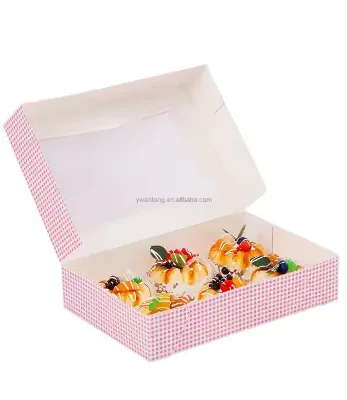
$0.05 - $0.25
MOQ: 3000 Minimum
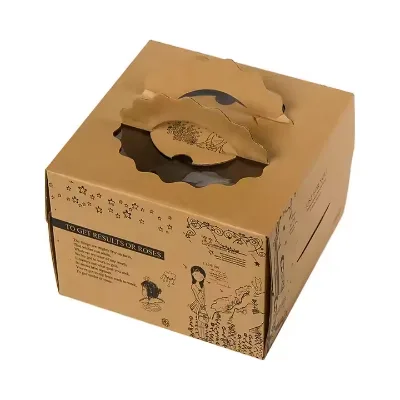
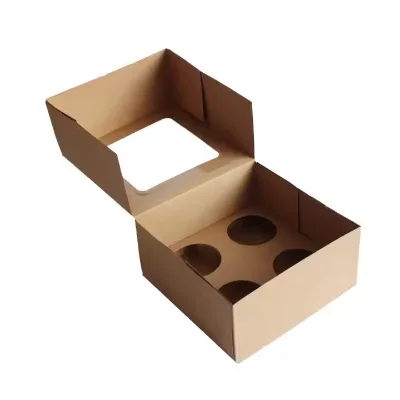
Kraft Paper Cake Box - Birthday Cake Packaging with Customizable Insert for Party Cakes
$0.15 - $0.20
MOQ: 3000 Minimum

Hefei Baide Packaging Technology Co., Ltd.
- Verified by SGS
- Trading Company
- China Anhui
- Lead time15 days
- Avg. response≤ 7h
Main productsDisposable Paper Cup, Paper Takeaway Box, Paper Food Packaging and Box, Paper Bag, Soup Container, Paper Bowl, Ice Cream Cup, Fast Food Packaging, Street Food Packaging
Main marketsEurope,North America


Eco-Friendly Brown Kraft Paper Takeaway Box Food Packaging Sandwich Cake Box
$0.02 - $0.05
MOQ: 30000 piece

Wholesale Cookie Biscuit Box Recyclable Bakery Cake Dessert Egg Tart Paper Box
$0.01 - $0.04
MOQ: 30000 piece

Baking Cake Packaging Paper Box Triangle Kraft Paper Sandwich Box with Window
$0.02 - $0.05
MOQ: 30000 piece

Customized Disposable Eco-Friendly White Cardboard Cake and Dessert Box
$0.02 - $0.05
MOQ: 30000 piece

Custom Eco-Friendly Disposable Food Paper Box with Window for Dessert Cake Packaging
$0.01 - $0.04
MOQ: 30000 piece

Qingdao Yide Shine Industry Co., Ltd.
- Verified by SGS
- Manufacturer/Factory
- China Shandong
- Lead time15 days
- Avg. response≤ 3h
Main productsPaper Bag, Kraft Paper Bag, Non Woven Bag, Craft Paper Bag, Value Bag, Shopping Bag, PE Bag, Paper Napkin, Take Away Food Bag, Hanburger Box
Main marketsSouth America,Eastern Europe,Mid East,North America,Southeast Asia,Eastern Asia,Oceania,Western Europe,Africa
Qingdao Chumup Printing Packaging Co., Ltd.
- Verified by TüVRheinland
- Manufacturer, Trading Company
- Lead time0 days
- Avg. response≤ 2h
Main productsCorrugated Color Box, Folding Booklet Brochure, Handbag, Color Box
Main marketsEastern Europe(40%), North America(15%), Western Europe(15%)
Hebei Chiyin Packaging Materials Co., Ltd.
- Manufacturer, Trading Company
- Hebei, China
- Lead time10 days
- Avg. response≤ 5h
Main productsPaper Boxes, Paper Bags, A4 Paper, Vellum, Paper Cup Fan
Main marketsNorth America(40.00%), Mid East(30.00%), Southeast Asia(30.00%)
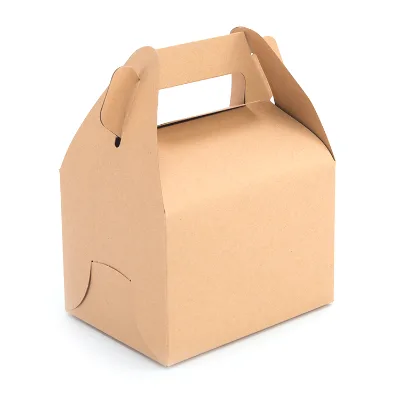
$1.3383 - $2.265
MOQ: 100 pieces
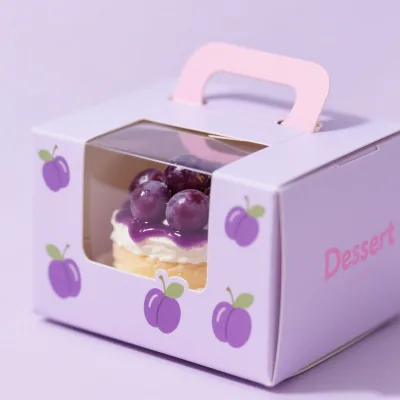
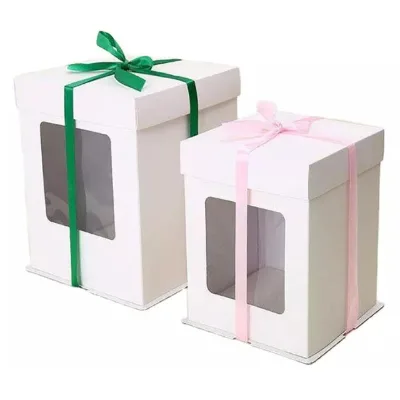
Zhejiang KaiPuQi New Materials Technology Co., Ltd.
- Manufacturer, Trading Company
- Zhejiang, China
- Lead time15 days
- Avg. response≤ 4h
Main productsPET & PETG RESIN,PLASTIC CUPS & LIDS,PAPER CUPS & LIDS,PLASTIC STRAWS,PLASTIC EGG TRAY
Main marketsSoutheast Asia(43.00%), North America(20.00%), Western Europe(20.00%), South America(15.00%), Africa(1.00%), Eastern Asia(1.00%)
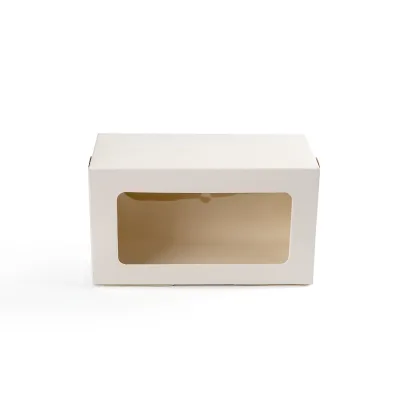
$0.0513 - $0.1025
MOQ: 30 pieces
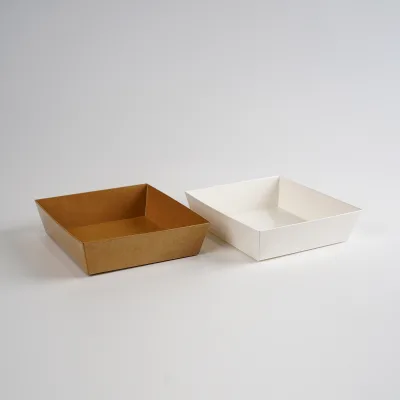
Coated Paper Cake Boxes with Transparent PET Plastic Lid Cheesecake Dessert Packing Box
$0.05 - $0.10
MOQ: 50000 pieces

Guangzhou Mousse Packaging Co., Ltd.
- Verified by SGS
- Trading Company
- China Guangdong
- Lead time30 days
- Avg. response≤ 3h
Main productsPaper Box, Paper Cup, Coffee Cup, Paper Gift Bag, Chocolate Gift Box, Pizza Burger Box, Cake Box, Ice Cream Cup, Takeaway Bag, Paper Bag
Main marketsEurope,North America

$0.06 - $0.50
MOQ: 10000 Pieces

$0.06 - $0.50
MOQ: 10000 Pieces

Wholesale Prices Disposable Customized Recyclable Material White Cardboard Paper Cake Box with Lid
$0.06 - $0.50
MOQ: 10000 Pieces
Guangzhou Shinelee Paper Product Co., Ltd.
- Verified by Intertek
- Manufacturer, Trading Company
- Guangdong, China
- Lead time10 days
- Avg. response≤ 4h
Main productsAdvent Calendar, Gift Box, Cosmetic Box, Food Box, Interactive Box
Main marketsWestern Europe(40%), North America(30%), Southeast Asia(15%)
Anhui Nature Imp. & Exp. Co., Ltd.
- Verified by TüVRheinland
- Trading Company
- Lead time20 days
- Avg. response≤ 2h
Main productsSugarcane Box And Plate, Paper Cup And Bowl, Paper Bag, Cornstarch Box And Plate, Cornstarch Cutlery And CPLA Cutlery
Main marketsNorth America(30%), Southeast Asia(20%), Mid East(20%)

Anhui Nature Imp. & Exp. Co., Ltd.
- Verified by SGS
- Trading Company
- China Anhui
- Lead time15 days
- Avg. response≤ 2h
Main productsBamboo Products, Wooden Products, Multiple Knife Fork & Spoon, Bamboo Scissors Stick, Bamboo Sushi Curtain, Disposable Creative Bead Bamboo Stick, Bamboo Straw, Bamboo Stick, Wooden Cutlery, Wooden Knife Spoon Fork
Main marketsSoutheast Asia/ Mideast,Europe,North America

Kraft Bakery Cake Boxes Disposable Food Packaging Paper Box Cupcake Boxes with Window
$0.001 - $0.002
MOQ: 100 Pieces

Customized Sandwich Packaging Box Cake Box Disposable Paper Dessert Box
$0.001 - $0.089
MOQ: 10000 Pieces
Wenzhou Gaofei Packing Co., Ltd.
- Verified by SGS Group
- Manufacturer, Trading Company
- Lead time10 days
- Avg. response≤ 3h
Main productsPaper Bag, Gift Box, Rollling label&sticker, Corrugated Box, Food Packing Box
Main marketsNorth America(45%), Western Europe(30%), Mid East(20%)
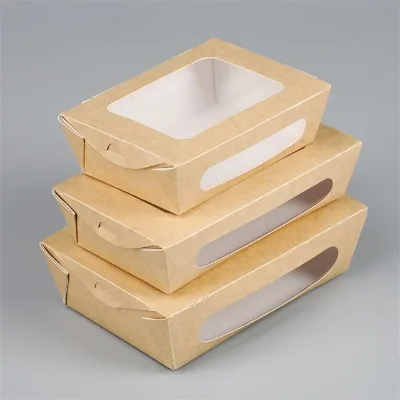
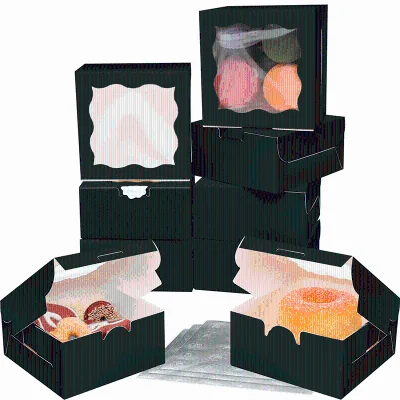
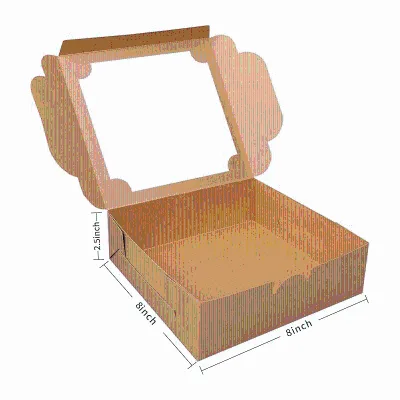
Bakery Custom Cake Boxes Cake Packaging Boxes Bakery Black Cake Box Distributors
$0.01 - $0.03
MOQ: 200
Weifang Fcy Paper Packaging Co., Ltd.
- Verified by TüVRheinland
- Manufacturer, Trading Company
- Lead time0 days
- Avg. response≤ 2h
Main productsPaper Box, Fast Food Box, Fried Chicken Box, Burger Box, Cake Box
Main marketsNorth America(20%), Western Europe(15%), South America(10%)
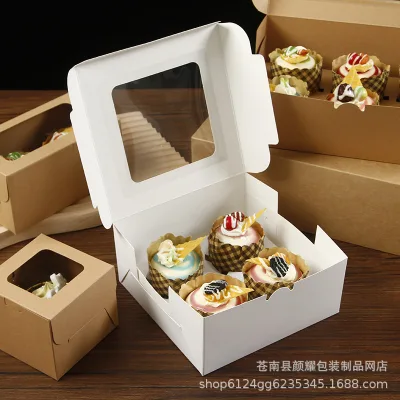
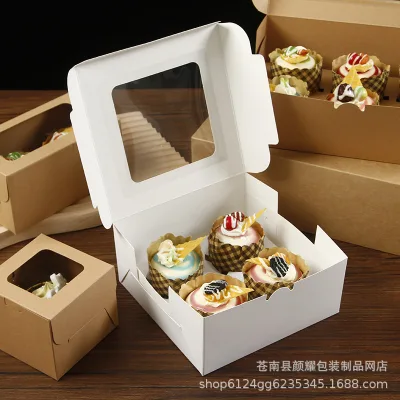
Portable cake box packaging for carrying your delicious treats made of durable paper and cardboard
$0.04 - $0.09
MOQ: 500 pieces
Guangzhou Boxwork Packaging Technology Co., Ltd.
- Manufacturer, Trading Company
- Guangdong, China
- Lead time13 days
- Avg. response≤ 10h
Main productsMailer Box,Rigid Box,Drawer Box,Lid And Base Box,Paper Bags And Cards
Main marketsNorth America(25.00%), Southern Europe(15.00%), Domestic Market(5.00%), South Asia(5.00%), South America(5.00%), Northern Europe(5.00%), Central America(5.00%), Western Europe(5.00%), Eastern Asia(5.00%), Mid East(5.00%), Oceania(5.00%), Africa(5.00%), Southeast Asia(5.00%), Eastern Europe(5.00%)
Baoding Cai Guanjia Commerce & Trade Co., Ltd.
- Verified by SGS Group
- Trading Company
- Lead time30 days
- Avg. response≤ 1h
Main productsPaper Bags, Paper Cups, Paper Boxes, Packaging paper
Main marketsDomestic Market(100%)
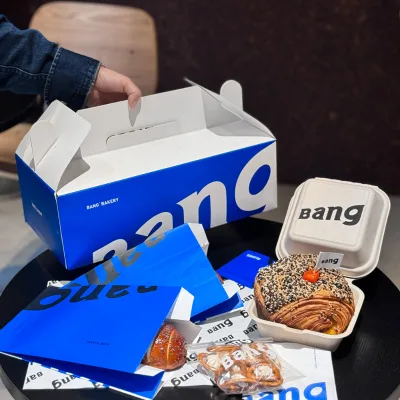
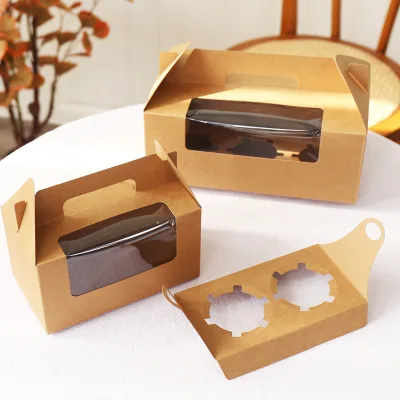
Customized Portable Cake Boxes Disposable Western Pastry Paper Boxes Baking Packaging Boxes
$0.05 - $0.30
MOQ: 1000 pieces
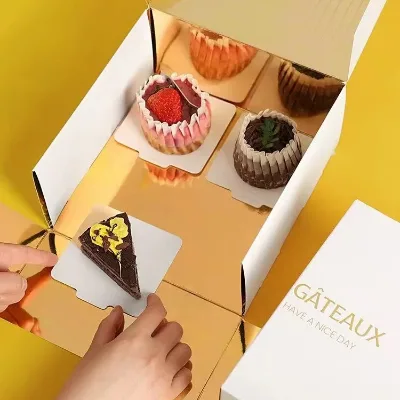
$0.1032 - $0.4132
MOQ: 1000 pieces

EVER GREATER IMP. & EXP. CO., LIMITED
- Verified by TUVRHEINLAND
- Trading Company
- China Zhejiang
- Lead time15 days
- Avg. response≤ 6h
Main productsDisposable Cup, Paper Cup, Pet Cup, PLA Cup, Sleeve, Coaster, Food Packag Box, Pizza Box, Cake Box, Paper Box
Main marketsSoutheast Asia/ Mideast,Europe,Australia,North America
Jiaxing Zhensheng International Trade Co., Ltd.
- Trading Company
- Zhejiang, China
- Lead time0 days
- Avg. response≤ 2h
Main productstote bag,canvas bag,cosmetic bag,backpack,insulated bag
Main marketsDomestic Market(85.00%), Eastern Asia(7.00%), North America(4.00%), Oceania(4.00%)




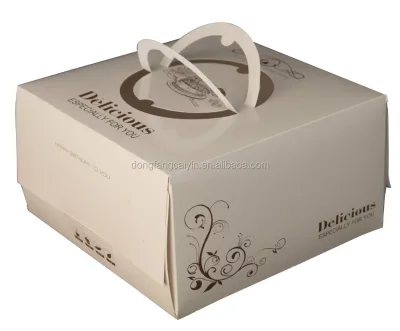
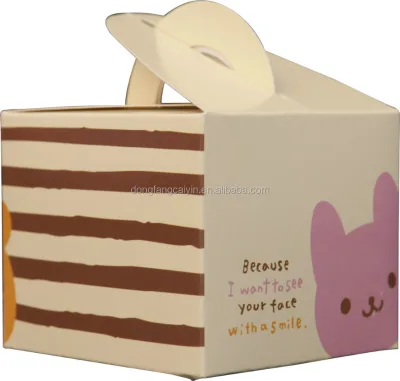
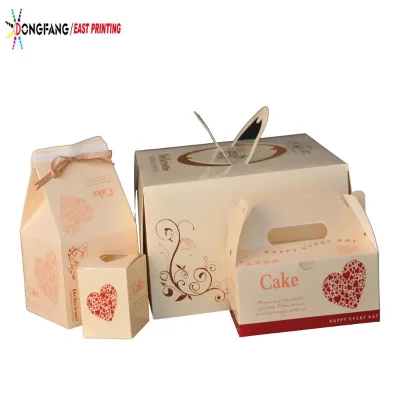



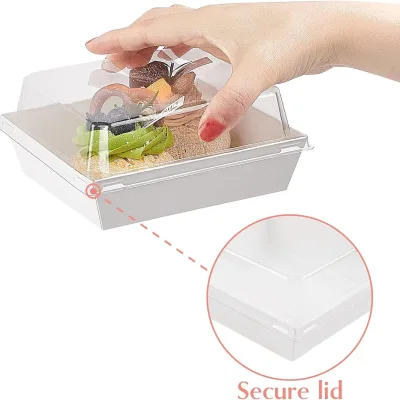
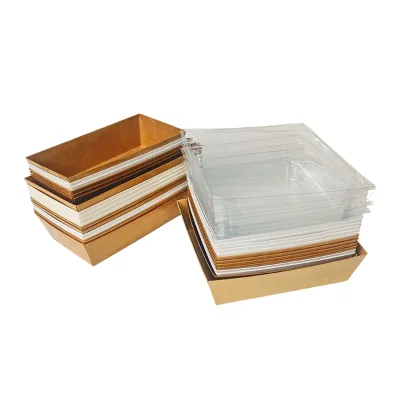
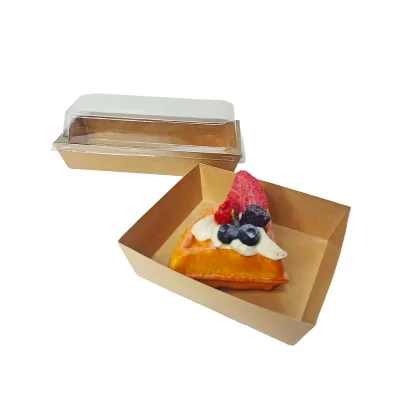
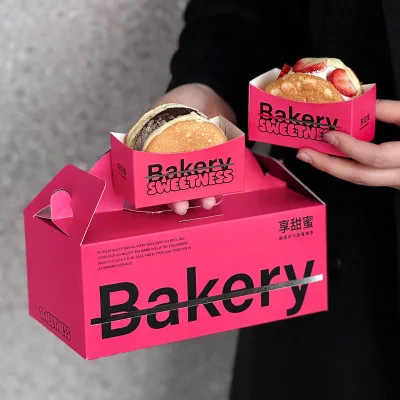


Comprehensive Sourcing Guide
Recyclable Kraft Paper Cake Box Supplier Concentration and Factory Types
The sourcing landscape for recyclable kraft paper cake boxes reveals a distinct concentration of manufacturing and trading entities within specific industrial hubs in China. Current supplier result data indicates that a significant portion of these suppliers are located in Shanghai, China, establishing this region as a primary cluster for paper packaging solutions. This geographic concentration is not accidental; Shanghai serves as a major port and logistics hub, facilitating efficient export operations for lightweight yet voluminous items like cardboard and kraft paper boxes. Buyers evaluating suppliers should recognize that locating vendors in this area often correlates with established supply chains for raw materials such as corrugated paper, ivory board, and kraft paper, which are frequently cited in product attributes. The presence of suppliers in Shanghai suggests a mature ecosystem where packaging manufacturers can leverage proximity to printing facilities and material suppliers to offer competitive lead times and customization options.
Beyond Shanghai, the supplier base includes entities in other regions like Fujian, China, which adds diversity to the manufacturing capabilities available to international buyers. The factory types observed in the current results vary significantly, ranging from combined companies and trading companies to dedicated manufacturers and factories. This diversity impacts the sourcing strategy, as trading companies may offer broader product ranges including paper cups and stickers, while manufacturers might focus more deeply on specific production lines for biodegradable tableware or food boxes. Understanding this mix is crucial because it influences the level of direct control a buyer has over the production process. Manufacturers often provide more transparency regarding raw material sourcing and production capacity, whereas trading companies might offer more flexible order sizes and consolidated shipping solutions. Buyers must assess whether their priority lies in direct factory engagement for quality control or in the logistical convenience provided by trading entities.
How to Verify Recyclable Kraft Paper Cake Box Suppliers
Verification is a critical step in mitigating risk when sourcing recyclable kraft paper cake boxes, as the integrity of the supplier directly impacts product quality and delivery reliability. Current data highlights that suppliers undergo various verification processes, with some holding certifications from recognized third-party inspection agencies such as CTI and TÜV Rheinland. These verifications provide a layer of assurance regarding the supplier’s operational legitimacy and compliance with international standards. Buyers should prioritize suppliers who display these verification badges, as they indicate that an independent body has audited the company’s business license, factory conditions, and quality management systems. It is important to note that verification status can vary, and not all suppliers will have the same level of third-party endorsement. Therefore, buyers must carefully review the specific verification type displayed for each supplier to understand the scope of the audit and the reliability of the information provided.
In addition to third-party verification, buyers should examine the supplier’s response time and communication efficiency as indicators of their operational maturity. The current results show response times ranging from approximately five to ten hours, which serves as a practical metric for assessing how quickly a supplier can address inquiries, provide quotations, or resolve issues. A faster response time often correlates with a more organized sales and customer service team, which is essential for managing complex orders involving customization and logistics. Furthermore, buyers should look for evidence of established business practices, such as clear main product listings and detailed product attributes. Suppliers that clearly define their capabilities, such as offering OEM and ODM services or specifying their use of corrugated paper and ivory board, demonstrate a higher level of professionalism. Buyers are advised to cross-reference these details with the supplier’s verification status to ensure a comprehensive assessment of their credibility before proceeding with any transactions.
What to Compare Across Recyclable Kraft Paper Cake Box Suppliers
When evaluating multiple suppliers for recyclable kraft paper cake boxes, buyers must systematically compare key operational metrics to identify the most suitable partner for their specific needs. One of the most critical factors is the minimum order quantity (MOQ), which varies significantly across the supplier base. Current data indicates MOQs starting at 500 pieces for some suppliers and rising to 1000 pieces for others. This variation allows buyers with smaller initial orders or those testing new markets to find suppliers with lower entry barriers, while larger buyers can leverage higher volume commitments for better pricing. Additionally, lead times are a crucial comparison point, with observed times ranging from 15 to 30 days. Buyers must align these lead times with their inventory planning and sales cycles, ensuring that the supplier can meet their delivery deadlines without compromising quality. Comparing these two metrics helps buyers narrow down their options to suppliers whose operational scale matches their business requirements.
Another vital aspect of comparison is the pricing structure and the range of customization options offered. The current results show price points ranging from as low as $0.10 to $0.64 per unit, depending on the material, printing complexity, and order volume. Buyers should analyze these prices in conjunction with the specified materials, such as kraft paper, corrugated paper, or ivory board, to ensure they are comparing equivalent product specifications. Furthermore, the availability of customization services, including logo printing, embossing, and specific box shapes, should be evaluated. Suppliers that offer extensive customization options, such as two-sided printing or specific surface handling techniques like matte lamination or UV coating, provide greater flexibility for branding. Buyers should also consider the supplier’s main products to ensure they have specialized expertise in paper packaging rather than a generalist approach. By comparing MOQs, lead times, prices, and customization capabilities, buyers can make informed decisions that balance cost, speed, and quality.
Common Recyclable Kraft Paper Cake Box Sourcing Risks
Sourcing recyclable kraft paper cake boxes involves several inherent risks that buyers must actively manage to ensure a successful procurement process. One significant risk is the variability in material quality and sustainability claims. While many suppliers advertise their products as recyclable or biodegradable, the actual composition of the paper, such as the use of corrugated paper versus ivory board, can impact both the environmental footprint and the structural integrity of the box. Buyers must verify that the materials used meet their specific sustainability standards and regulatory requirements, particularly if they are targeting eco-conscious markets. Additionally, the printing process can introduce risks related to ink toxicity and food safety, especially since these boxes are often used for food applications. Buyers should request detailed information about the printing inks and coatings used, ensuring they are compliant with food contact regulations. Without proper verification, there is a risk of receiving products that do not meet legal or brand standards for safety and environmental impact.
Another common risk is the potential for delays in production and shipping, which can disrupt supply chains and lead to stockouts. The observed lead times of 15 to 30 days indicate that production is not instantaneous, and any issues during the manufacturing process can further extend these timelines. Buyers must account for potential bottlenecks, such as raw material shortages or quality control failures, by maintaining open communication with their suppliers and establishing clear milestones. Furthermore, the risk of miscommunication regarding customization details is high, as specifications for box size, shape, and printing can be complex. Buyers should provide detailed technical drawings and specifications to avoid discrepancies between the ordered product and the final delivery. It is also important to consider the risk of logistical challenges, particularly when sourcing from distant locations. Buyers should verify the supplier’s experience with international shipping and their ability to handle customs clearance to ensure smooth delivery to their destination.
Recyclable Kraft Paper Cake Box Regional Sourcing and Logistics
Regional sourcing plays a pivotal role in determining the overall cost and efficiency of procuring recyclable kraft paper cake boxes. The current supplier data highlights a strong concentration of vendors in Shanghai, China, which offers significant logistical advantages due to its status as a major international port. Sourcing from this region can simplify export procedures, as suppliers are likely familiar with the documentation and shipping requirements for international buyers. The proximity to manufacturing hubs in Shanghai and nearby areas like Fujian ensures a steady supply of raw materials, which can help stabilize production schedules and reduce the risk of delays. Buyers should leverage this geographic concentration by requesting quotes from multiple suppliers in the same region to compare shipping costs and transit times. Additionally, suppliers in these areas often have established relationships with freight forwarders, which can lead to more competitive shipping rates and reliable service.
However, buyers must also consider the logistical implications of sourcing from different regions, as transportation costs and lead times can vary significantly. While Shanghai offers robust port infrastructure, other locations may have different logistical profiles that could impact the final delivery cost. Buyers should evaluate the total landed cost, including shipping, insurance, and customs duties, rather than just the unit price of the boxes. Furthermore, the choice of supplier location can affect the ability to conduct factory audits or quality inspections. If a buyer plans to visit suppliers or send third-party inspectors, the accessibility of the supplier’s location is a critical factor. Buyers should also consider the environmental impact of transportation, as shipping from distant locations may increase the carbon footprint of their products. By carefully assessing the logistical advantages and challenges of different sourcing regions, buyers can optimize their supply chain for cost, speed, and sustainability.
Recyclable Kraft Paper Cake Box Commercial Terms and Order Planning
Effective order planning for recyclable kraft paper cake boxes requires a thorough understanding of the commercial terms offered by suppliers. Current data indicates that suppliers offer various payment and order terms, with some accepting custom orders and others having specific MOQs. Buyers must align their order volumes with these terms to avoid unnecessary costs or production delays. For instance, suppliers with an MOQ of 500 pieces may be more suitable for small businesses or initial market tests, while those with an MOQ of 1000 pieces might offer better unit prices for larger orders. Buyers should also consider the supplier’s response time, as faster communication can facilitate quicker negotiations and order confirmation. Additionally, the availability of OEM and ODM services allows buyers to customize products to their specific branding needs, but this may involve additional costs and longer lead times. Understanding these commercial terms is essential for accurate budgeting and inventory planning.
Furthermore, buyers should pay close attention to the pricing structure and any potential hidden costs associated with customization and shipping. The observed price range of $0.10 to $0.64 per unit suggests that prices are highly dependent on factors such as material type, printing complexity, and order volume. Buyers should request detailed quotations that break down these costs to ensure transparency. It is also important to verify the supplier’s packaging details, as proper packaging is crucial for protecting the boxes during transit. Some suppliers use 5-layer E-flute corrugated shipping boxes, which provide robust protection for the products. Buyers should confirm that the packaging method meets their requirements to prevent damage during shipping. Additionally, buyers should establish clear communication channels for post-order support, including handling of defects or delays. By carefully planning their orders and understanding the commercial terms, buyers can minimize risks and ensure a smooth procurement process for their recyclable kraft paper cake boxes.
FAQs
What is the price range for recyclable kraft paper cake boxes?
Prices typically range from $0.10 to $0.64 per unit depending on customization and material thickness. Specific listings show costs between $0.30 and $0.60 for standard kraft options. Buyers should verify exact pricing based on order volume and specific design requirements before finalizing procurement decisions.
What is the minimum order quantity for these boxes?
Minimum order quantities generally start at 500 units for basic designs. Some suppliers require a minimum of 1000 units for customized or premium packaging solutions. Buyers should confirm the specific MOQ with the supplier to ensure it aligns with their initial production needs and budget constraints.
How long does production take for custom orders?
Standard lead times are approximately 15 days for established suppliers. Some manufacturers may require up to 30 days for complex custom orders or larger volumes. Buyers should confirm the exact production schedule with the supplier to ensure timely delivery for their specific project deadlines.
Are these boxes suitable for food contact applications?
Yes, many listings specify food-grade applications for cake and bakery packaging. Materials include kraft paper and corrugated board designed for safe food contact. Buyers should verify specific food safety certifications and material compliance with local regulations to ensure the packaging meets all necessary health standards.
What customization options are available for these boxes?
Suppliers offer custom printing, logo application, and size adjustments. Options include single or double-sided printing with various finishes like lamination or embossing. Buyers can request specific shapes and sizes to match their brand identity and product requirements while maintaining the recyclable nature of the material.
Where are these suppliers located?
Most suppliers are located in Shanghai, China, with some in Fujian. These regions are known for efficient packaging manufacturing and export logistics. Buyers can expect reliable shipping options from these ports, facilitating international trade and reducing overall logistics costs for global procurement needs.