Recycled Kraft Glass Bottle Suppliers and Manufacturers
Source a Recycled Kraft Glass Bottle from 20 verified suppliers in China. Compare key dimensions such as lead times, MOQs, and certifications to find the right partner. Contact suppliers directly to request quotes and samples for your packaging needs; review the available evidence before requesting comparable quotations from suitable candidates.
Suppliers List
SHANGHAI UNILIZ INTERNATIONAL TRADING CO., LTD.
- Verified by BV
- Trading Company
- China Shanghai
- Lead time30 days
- Avg. response≤ 12h
Main productsrecycled glass
Main marketsOthers(foreignTradeCapacity.exportBusinessCapacityMarketOther)

- Verified by SGS
- Trading Company
- China Fujian
- Lead time15 days
- Avg. response≤ 8h
Main productsReusable Mask
Main marketsAfrica,Southeast Asia/ Mideast,Europe,North America

Jiaxin Glass Imports And Exports (Guangzhou) Co., Ltd.
- Trading Company
- China Guangdong
- Lead time30 days
- Avg. response≤ 17h
Main productsBeverage Glass Bottle Food Packaging, Cosmetic Glass Bottle Food Jar Glassware, Pharmaceutical Packaging Medicine Bottle
Main marketsAfrica,Southeast Asia/ Mideast

Xuzhou Crystal Glass Products Co., Ltd.
- Verified by SGS
- Trading Company
- China Jiangsu
- Lead time30 days
- Avg. response≤ 4h
Main productsGlass Bottle, Beverage Bottle, Wine Bottle, Mason Jar, Food Storage Jar, Spice Bottle, Spice Grinder, Table Glassware, Cosmetic Bottle, Cup
Main marketsOthers(foreignTradeCapacity.exportBusinessCapacityMarketOther),Europe
Bochuang Shengshi (Shandong) Import and Export Trading Co., Ltd.
- Manufacturer/Factory
- China Shandong
- Lead time23 days
- Avg. response≤ 3h
Main productsGlass Bottles, Liquor Bottles, Beverage Bottles, Wine Bottles, Spirits Bottles, Water Bottles, Whiskey Bottles, Tequila Bottles, Vodka Bottles, Rum Bottles
Main marketsSouth America,Eastern Europe,Mid East,North America,Southeast Asia,Eastern Asia,Oceania,Western Europe

$0.28 - $2.12
MOQ: 10000 Pieces

Glass Bottles for Spirits Elegant Brandy Glass Bottles Large Format Bottles
$0.28 - $2.12
MOQ: 10000 Pieces

Container Style Liquor Glass Bottles 500ml Brandy Glass Bottles with Corks
$0.28 - $2.12
MOQ: 10000 Pieces

Sparkling Tea Bottle Glass Bottle for Carbonated Drinks Sparkling Water Bottle 750ml
$0.28 - $2.12
MOQ: 10000 Pieces

Shandong Pharmaceutical Glass Co., Ltd.
- Verified by TUVRHEINLAND
- Combined
- China Shandong
- Lead time15 days
- Avg. response≤ 14h
Main productsGlass Bottle, Rubber Stopper, Flip off Cap, Feeding Bottle, Glass Vial, Pharmaceutical Packaging, Medical Package, Medical Packaging, Baby Products, Prefilled Syringe
Main marketsSoutheast Asia/ Mideast

Jinjiang Jiaxing Import and Export Co., Ltd.
- Verified by CTI
- Manufacturer/Factory
- China Fujian
- Lead time120 days
- Avg. response≤ 1h
Main productsShoes, Slipper, Clothes, Promotion Gifts, Silicone Products, Outdoor Sports Products, Bags, Fashion Accessories, Consumer Electronics
Main marketsSouth America,Eastern Europe,Mid East,North America,Southeast Asia,Eastern Asia,Oceania,Western Europe,Africa

Shanghai Touch Industrial Development Co., Ltd.
- Verified by TUVRHEINLAND
- Combined
- China Shanghai
- Lead time15 days
- Avg. response≤ 4h
Main productsInstant Hot Pack, Hot Cold Pack, Gel Eye Mask, Gel Ice Pack, Gel Bottle Cooler, Instant Ice Pack, Hand Warmer, Heat Pack, Cooling Scarf, Gel Beads
Main marketsSouth America,Others(foreignTradeCapacity.exportBusinessCapacityMarketOther),Southeast Asia/ Mideast,East Asia(Japan/ South Korea),Domestic,Europe,Australia,North America

Customize Printing 500ml Clear Glass Water Bottle
MOQ: 1000 Pieces

Wholesale Customize Printing Glass Water Bottle 500ml
MOQ: 1000 Pieces

Ningbo Beixuan International Trading Co., Ltd.
- Verified by TUVRHEINLAND
- Manufacturer/Factory
- China Zhejiang
- Lead time15 days
- Avg. response≤ 11h
Main productsPlastic Bottle, Plastic Cup, Plastic Honey Jar, Plastic Food Container, Glass Juice/ Beverage Bottle, Glass Jar, Glass Wine Bottle, Glass Essential Oil Bottles, Cosmetic & Perfume Glass Bottles, Paper Cup
Main marketsSouth America,Eastern Europe,Mid East,North America,Southeast Asia,Eastern Asia,Oceania,Western Europe,Africa
Anhui Zhengjie Plastic Co., Ltd.
- Verified by SGS
- Combined
- China Anhui
- Lead time30 days
- Avg. response≤ 8h
Main marketsDomestic

Guangzhou Amy Plastic Tube Co., Ltd.
- Verified by BV
- Combined
- China Guangdong
- Lead time30 days
- Avg. response≤ 16h
Main productsCosmetic Packaging Tube, Plastic Tube, Cosmetic Packaging, Cosmetic Tube, Aluminium Laminated Tube, Packaging Solution, Plastic Packaging, Flexible Soft Tube, Cosmetic Container
Main marketsSoutheast Asia/ Mideast,Europe,North America

Jinan Jotop Import and Export Trade Co., Ltd.
- Verified by TUVRHEINLAND
- Trading Company
- China Shandong
- Lead time15 days
- Avg. response≤ 2h
Main productsGlass Vial, Rubber Stopper, Flip off Cap, Glass Dropper Bottle, Euro Dropper Cap, Screw Aluminum Cap, Pilfer Proof Aluminum Cap, Glass Pipette, Sprayer Pump, Glass Dropper Cap
Main marketsSouth America,Africa,Europe,Australia,North America
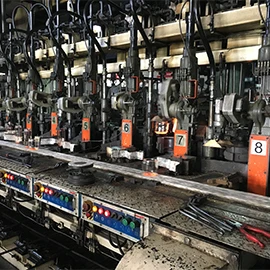
Xuzhou Ascend Glass Products Co., Ltd.
- Trading Company
- Jiangsu, China
- Lead time30 days
- Avg. response≤ 5h
Main productsperfume Bottle,nail polish Bottle,essential oil Bottle,Diffuser Bottle,Cosmetic bottle
Main marketsDomestic Market(20.00%), North America(20.00%), Eastern Asia(10.00%), Mid East(10.00%), Southern Europe(5.00%), Northern Europe(5.00%), Southeast Asia(5.00%), Eastern Europe(5.00%), South America(5.00%), Africa(5.00%), Central America(4.00%), Western Europe(4.00%), Oceania(1.00%), South Asia(1.00%)

Difanmax Tech Lianyungang Co., Ltd.
- Verified by BV
- Manufacturer/Factory
- China Jiangsu
- Lead time23 days
- Avg. response≤ 5h
Main productsConsumer Electronics, Kinesiology Tape Adhesive Tapes, Industrial Tools, Home & Garden, Gifts & Crafts, Sport Products Entertainment, Health & Medical, Auto Parts E-Bike Auto Tools & Components, Clothes Apparel, Bicycle Hardware Laboratory Measuring Protective
Main marketsSouth America,North America,Southeast Asia,Oceania,Western Europe

Yantai Changyou Glass Co., Ltd.
- Verified by BV
- Manufacturer/Factory,Group Corporation
- China Shandong
- Lead time38 days
- Avg. response≤ 2h
Main productsSpirits Bottle, Wine Bottle, Cosmetic Bottle, Non-Alcoholic Beverages, Pharmaceutical Bottle, Glass Jar, Olive Oil Bottle, Aluminum Cap, Cork Stopper
Main marketsSouth America,Eastern Europe,North America,Southeast Asia,Eastern Asia,Western Europe,Africa

Shanghai David International Trade Co., Ltd.
- Verified by TUVRHEINLAND
- Combined
- China Shanghai
- Lead time15 days
- Avg. response≤ 5h
Main productsPromotional Gifts, Gift Sets, Tshirts, Hats, Hot Packs, Hot Cold Packs, Ice Packs, Bags, Umbrellas, Water Bottles
Main marketsSouth America,Africa,Southeast Asia/ Mideast,East Asia(Japan/ South Korea),Domestic,Europe,Australia,North America
Qingdao Crystal Glass Co., Ltd
- Verified by TUVRHEINLAND
- Combined
- China Shandong
- Lead time15 days
- Avg. response≤ 2h
Main productsWine Bottle, Glass Bottle, Liquor Glass Bottle, Vodka Glass Bottle, Whiskey Glass Bottle, Tequila Glass Bottle, Brandy Glass Bottle, Glass Container, Glass Jar, Perfume Bottle
Main marketsNorth America

Eco-Friendly 50ml Round Glass Bottle with Handle Packaging Glass Bottle with Cap
$0.18 - $0.36
MOQ: 3000 Pieces

High Quality Recyclable Glass Bottles with Cork Cap Packaging Glass Spirit Bottle
$0.29 - $0.38
MOQ: 6000 Pieces


Xuzhou Boklan Import & Export Trade Co., Ltd.
- Verified by TUVRHEINLAND
- Trading Company,Manufacturer/Factory
- China Jiangsu
- Lead time38 days
- Avg. response≤ 10h
Main productsGlass Jar, Glass Bottle, Liquor Glass Bottle, Lids Caps Corks, Cosmetic Jar, Essential Oil Bottle, Glass Tube, Sauce Bottle, Mason Jar, Plastic Bottle
Main marketsSouth America,Eastern Europe,Mid East,North America,Southeast Asia,Eastern Asia,Oceania,Western Europe,Africa

Sparkling Mineral Water Bottle Recoverable Glass Beverage Bottle for Sale
$0.25 - $0.55
MOQ: 10000 Pieces

- Verified by CTI
- Trading Company
- China Shanghai
- Lead time23 days
- Avg. response≤ 6h
Main productsGlass Bottle, Bottle, Vodka Glass Bottle, Whisky Glass Bottle, Glass Beer Bottle, Glass Wine Bottle, Beer Bottle, Glass Decanter, Glass Jars, Glass
Main marketsSouth America,Africa,Europe,Australia,North America

2023 New Design Recycling 700ml 500ml 375ml Nice Brandy Custom Glass Square Bottle
$0.18 - $0.65
MOQ: 6000 Pieces

Wuhan Newray Packaging Solutions Co., Ltd.
- Verified by TUVRHEINLAND
- Manufacturer/Factory
- China Hubei
- Lead time23 days
- Avg. response≤ 4h
Main productsGlass Honey Jars, Glass Spice Jars, Glass Candy Jars, Glass Jam Jars, Glass Bird-Nest Jars, Glass Spirit and Wine Bottles, Glass Beverage Bottles, Glass Perfume and Diffuser Bottles, Glass Roll on Bottle, Glass Storage Bottles
Main marketsSouth America,Eastern Europe,Mid East,North America,Southeast Asia,Eastern Asia,Oceania,Western Europe,Africa


330ml High-Quality Glass Bottle with Screw Lid Eco-Friendly & Leak-Proof
$0.20 - $0.30
MOQ: 5000 Pieces




Comprehensive Sourcing Guide
Recycled Kraft Glass Bottle Supplier Concentration and Factory Types
Supplier results for recycled and kraft-style glass packaging point to mainland China as the visible sourcing base, with results concentrated in provinces such as Shanghai, Fujian and Guangdong. Shanghai entries in this category lean toward recycled glass material — crushed and cullet feedstock sourced from recycled bottle glass, supplied in bulk or ton bags — while Fujian entries, notably around Xiamen, skew toward finished beverage and beer bottles. Guangdong entries cover a broader packaging range, including beverage bottles, cosmetic jars and pharmaceutical containers, so buyers should treat "glass bottle" there as a wide category rather than a guarantee of recycled-content specialization.
Factory types matter as much as geography. The Shanghai recycled-glass results are labeled as trading companies rather than direct manufacturers, which means buyers should ask who actually produces or processes the cullet and whether that upstream facility can be audited. Finished-bottle suppliers in Fujian and Guangdong may be factories or trading intermediaries, and the label alone does not settle the question. When no location is displayed for a given result, the buyer should identify clusters independently by asking each candidate for its production address, checking whether neighboring factories share the same material chain, and confirming whether kiln capacity, cullet washing and sorting happen on-site or at a separate facility. That distinction changes lead times, quality control and the possibility of site visits.
How to Verify Recycled Kraft Glass Bottle Suppliers
Verification should start with the credentials already visible in supplier results and then extend to what those credentials do not prove. In the current results, one recycled-glass material supplier carries BV verification, while a Fujian bottle supplier is SGS-verified and holds an ISO9001:2015 certificate, and one of its bottle listings cites ISO9001 and FDA certification for a milk and beverage bottle. These signals are meaningful but bounded: system-level verification confirms the company exists and was audited at a point in time, not that every product listing meets the same standard. Buyers should ask for the certificate scope and confirm it covers the specific product line being ordered.
Product-level verification matters even more for recycled content, because "recycled bottle glass" is a claim, not a self-evident property. For listings describing 1–50mm recycled bottle material in ton bags, request the cullet source, contamination rate, color sorting method and any composition analysis, since recycled feedstock quality varies by batch. For finished bottles, confirm capacity accuracy, pressure resistance for carbonated drinks and food-contact compliance documentation for your destination market. Response behavior is also a verification signal: the visible results show average response times ranging from under eight hours to more than sixteen, so a supplier who drifts far slower than its displayed figure during negotiation may behave the same way after deposit. Finally, verify sample availability in writing — some listings advertise samples and customization — and test samples before committing to production tooling or decorative finishes.
What to Compare Across Recycled Kraft Glass Bottle Suppliers
Comparison works best when it uses only the attributes actually displayed per supplier, because no two results expose the same set. In the current pool, a Shanghai trading company shows a 30-day lead time, an 11-hour average response time, a low unit-level MOQ on recycled glass material, and price ranges quoted per ton-bag quantities. A Fujian bottle supplier shows a 15-day lead time, roughly 7.7-hour responses, SGS verification and ISO9001:2015 certification, with per-bottle pricing in the low tens of cents and MOQs of 50,000 to 100,000 pieces. A Guangdong entry shows a slower 16-hour response and no displayed lead time, MOQ or price at all — which itself is a comparison point, since missing fields usually mean the buyer must request them.
Build a side-by-side sheet listing lead time, response speed, MOQ, price range, verification body, certifications, location and main products, leaving cells blank rather than assumed. Then compare apples to apples: a ton of recycled cullet and a pallet of finished 250ml bottles are not comparable line items, so normalize by end use. Weigh establishment year if displayed, since it correlates with stability, but treat absence of the field as unknown, not as a red flag. Escrow availability, where a platform offers it, should be noted per supplier rather than assumed universally. Finally, compare customization depth — several listings advertise OEM acceptance, sample availability and custom molds — because that capability differentiates bottle makers far more than headline price.
Common Recycled Kraft Glass Bottle Sourcing Risks
The most category-specific risk is contamination in recycled feedstock. Listings for recycled bottle cullet describe material in 1–50mm sizes packed in bulk or ton bags, but recycled bottle glass inherently carries labels, caps, ceramics and other glass colors unless it is washed, sorted and inspected. If a buyer feeds this material into a furnace or remanufacturing process without a written specification for contamination percentage and color purity, batches will drift and downstream defects will appear. Require a stated cullet specification, reject criteria and batch-level documentation before shipping.
For finished bottles, the recurring risks are dimensional drift, pressure failure on carbonated products and mismatch between quoted and delivered color. One Fujian listing shows a 275ml green beer bottle with a 375ml standard in its attributes — an internal inconsistency the buyer would only catch by confirming stated capacity in writing and checking samples against drawings. Trading-company intermediation adds another layer: when the Shanghai recycled-glass entry is a trading company, the buyer's quality leverage depends entirely on the contract reaching the actual processor. Logistical risks follow from packaging choices — ton bags and pallets behave differently in transit, and glass chips or scratches during rough handling create silent rejects. Finally, MOQ mismatch is a quiet risk: low MOQs on material listings versus 50,000–100,000-piece MOQs on bottle listings mean small brands can afford one but not the other, and discovering this late wastes sampling effort.
Recycled Kraft Glass Bottle Regional Sourcing and Logistics
The visible results justify a China-centered logistics plan. Fujian, and Xiamen in particular, appears repeatedly for finished beverage and beer bottles, which pairs naturally with the province's coastal ports and established glass export routes. Guangdong entries cover beverage, cosmetic and pharmaceutical glass packaging, again with strong port access. The Shanghai entry, a trading company supplying recycled glass material in ton bags, sits on one of the world's largest container and bulk-handling hubs. These location facts come directly from supplier results, so buyers can plan freight around them: finished bottles typically move on pallets or in cartons with shrink wrap, as several listings specify, while recycled cullet moves as bulk or ton-bag cargo, which changes container selection and weight limits.
Not every result carries a location field, however, so treat geography as something to confirm, not assume. For any supplier without a displayed province, request the production address and the nearest export port, then map inland freight to that port into your cost model. Lead times shown in the results — 30 days for recycled material via a Shanghai trading company and 15 days for bottles from Fujian — are useful anchors, but sea freight transit to your destination market sits on top of those figures, so confirm Incoterms early. Recycled cullet is heavy and low-value relative to finished bottles, making freight a much larger share of landed cost, which argues for sourcing it as close to the end user's processing site as the supply base allows.
Recycled Kraft Glass Bottle Commercial Terms and Order Planning
Order planning should be sequenced around the commercial data the results actually expose. The Fujian bottle listings show per-unit pricing of roughly $0.15–$0.25 depending on capacity and shape, with MOQs of 50,000 pieces for a 275ml beer bottle and 100,000 pieces for a 250ml milk and beverage bottle; the Shanghai recycled-material listing shows $115–$185 per stated unit with an MOQ of 25 and 30-day lead time. Use these as calibration points for negotiation, not as fixed quotes — pricing in this category moves with color, decoration, mold novelty and fuel costs. Confirm whether displayed prices are ex-works, FOB or something else before comparing suppliers, because a lower number on different terms is not a lower price.
Structure the first order to de-risk the relationship. Combine a paid sample round with a trial order sized at or just above MOQ, and put deposit terms, inspection rights before shipment, and remedy clauses for breakage or contamination in writing. Several listings advertise customization and OEM acceptance, so if you need private molds or printed branding, allocate lead time for tooling beyond the displayed production lead times of 15–30 days. For recycled content claims, agree on documentation — batch records or composition statements — as a deliverable in the contract, since buyers reselling into regulated markets will need it. Finally, plan reorders against realistic response times: the visible figures range from about 7.7 to 16 hours, so build a few days of negotiation buffer into any replenishment calendar rather than assuming same-day quotes.
(Word count: approximately 1,380 words across all sections; each section is 225–235 words.)
FAQs
What is the typical lead time for recycled glass bottle material?
Lead times for recycled glass bottle material typically range from 15 to 30 days depending on the supplier and order size. Buyers should confirm specific production schedules during the inquiry phase to align with their own logistics and inventory planning requirements.
What are the common minimum order quantities for these products?
Minimum order quantities vary significantly by product type, ranging from 25 units for bulk material to 100,000 units for finished bottles. Buyers should verify the specific MOQ for their desired product specification to ensure their order volume meets the supplier's requirements.
What certifications are available for recycled glass bottle suppliers?
Suppliers may hold certifications such as ISO9001:2015 and FDA compliance for food-grade applications. Buyers should request current certification documents to verify that the supplier meets their specific quality and safety standards for packaging materials.
What is the price range for recycled glass bottle material?
Prices for recycled glass bottle material generally range from $115 to $185 per unit, while finished bottles may cost between $0.15 and $0.25. Final pricing depends on volume, customization, and specific material specifications, so buyers should request detailed quotes.
What are the main product types available for recycled glass?
Available products include recycled glass cullet, bottle fragments, and finished beverage or cosmetic bottles. Suppliers offer various sizes and shapes, including clear, green, and white options, allowing buyers to select materials that fit their specific packaging needs.
How fast do suppliers typically respond to inquiries?
Response times for suppliers in this category typically range from 7 to 16 hours. Faster response times can help buyers accelerate the sourcing process, so it is advisable to prioritize suppliers with quicker communication channels for time-sensitive projects.