Recycled Eco-Friendly Chenille Yarn Suppliers and Manufacturers
Find 18 verified suppliers offering Recycled Eco-Friendly Chenille Yarn with ISO 9001 and SA 8000 certifications. Compare response times, lead times, and MOQs to source from factories in Zhejiang and Jiangsu. Request samples to verify quality before placing orders.
Suppliers List

Ningbo Kingeagle Thread & Yarn Industry Co., Ltd.
- Verified by TUVRHEINLAND
- Trading Company,Manufacturer/Factory
- China Zhejiang
- Lead time23 days
- Avg. response≤ 4h
Main productsFeather Yarn, Core Spun Yarn, Mink Yarn, Acrylic Yarn, Wool Blend Yarn, Acrylic Blended Yarn, Wool Yarn, Fancy Yarn, Chenille Yarn, Socks Yarn
Main marketsSouth America,Eastern Europe,Mid East,Southeast Asia,Eastern Asia,Western Europe,Africa

Kingeagle Eco-Friendly 100% Recycled Polyester Knitting Fancy Chenille Yarn
$4.05 - $4.35
MOQ: 1000 kg


Suzhou Hanyun New Material Technology Co., Ltd.
- Verified by TUVRHEINLAND
- Manufacturer/Factory
- China Jiangsu
- Lead time23 days
- Avg. response≤ 3h
Main productsYarn, Recycled Yarn, Polyester Yarn, Nylon Yarn, Poly Yarn, Chemical Yarn, Cotton Yarn
Main marketsSouth America,Eastern Europe,Mid East,North America,Southeast Asia,Eastern Asia,Oceania,Western Europe,Africa


Customized Colorful Recycled Cotton Polyester Weaving Yarn Regenerated Blended Yarn
$1.36 - $1.54
MOQ: 24000 kg


Xingtai Xisibei Cashmere Co., Ltd.
- Trading Company
- Hebei, China
- Lead time15 days
- Avg. response≤ 5h
Main productscashmere yarn,tibetan yak yarn,silky cashmere yarn,blended yarn,cashmerino yarn
Main marketsNorth America(40.00%), Eastern Europe(10.00%), South America(10.00%), Domestic Market(9.00%), Western Europe(8.00%), Northern Europe(5.00%), Southeast Asia(5.00%), Oceania(5.00%), Southern Europe(5.00%), Eastern Asia(2.00%), Central America(1.00%)
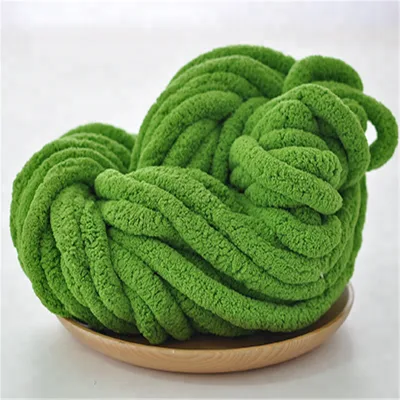
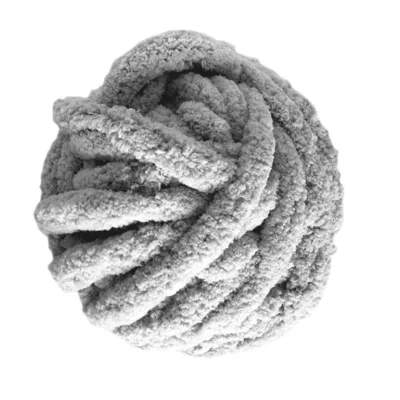
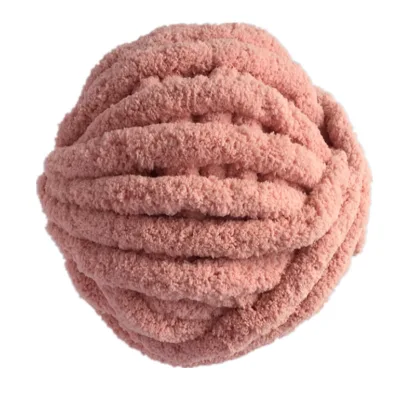
SALE on Vegan Yarn Chunky Chenille Yarn
$1.80 - $1.89

Jiangyin Xuhong International Trade Co., Ltd.
- Trading Company
- Jiangsu, China
- Lead time0 days
- Avg. response≤ 9h
Main productsfancy yarn,hand knitting yarn,scarf yarn,mesh yarn,machine knitting yarn
Main marketsWestern Europe(45.00%), South America(30.00%), Mid East(15.00%), Eastern Europe(10.00%)

Xuzhou Seagor Import and Export Co., Ltd.
- Verified by TUVRHEINLAND
- Combined
- China Jiangsu
- Lead time30 days
- Avg. response≤ 15h
Main productsPolyester Cotton Yarn, Viscose Yarn, Nep Yarn, Core Spun Yarn, Lurex Yarn, Blend Yarn, Tencel Yarn, Grs Yarn, Recycled Yarn, Regenerated Yarn
Main marketsOthers(foreignTradeCapacity.exportBusinessCapacityMarketOther),Europe,North America

Baoding Zhongqing Textile Co., Ltd
- Verified by SGS
- Combined
- China Hebei
- Lead time15 days
- Avg. response≤ 7h
Main productsyarn
Main marketsDomestic

Multi-Purpose Chenille Blended Yarn for Diverse Textile Knitting Yarn and Creative Crochet Yarn
$0.34 - $0.36
MOQ: 1000 Rolls


Ningbo Grantex Textile Co., Ltd
- Verified by BV
- Trading Company,Manufacturer/Factory
- China Zhejiang
- Lead time23 days
- Avg. response≤ 6h
Main productsDTY, FDY, Acy, Monofilament, Feather Yarn, Chenille Yarn, Core Spun Yarn, Spun Yarn
Main marketsSouth America,Eastern Europe,Mid East,Southeast Asia,Eastern Asia,Western Europe,Africa

Shanghai Charmkey Textile Co., Ltd.
- Verified by BV
- Trading Company
- China Shanghai
- Lead time23 days
- Avg. response≤ 7h
Main productsYarn, Blended Yarn, Fancy Yarn, Acrylic Yarn, Cotton Yarn, Wool Yarn, Chenille Yarn, Chunky Yarn, T Shirt Yarn, Polyester Yarn
Main marketsEurope


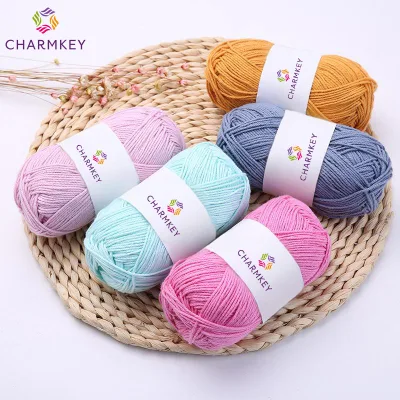
Loop Yarn 100 Polyester Chenille Yarn Fancy New Material Blanket Crochet Yarn
$1.70 - $2.50
MOQ: 10 Pieces


$0.49 - $0.51
MOQ: 1 Pieces


Shanghai Zen-real Textile Technology Co.,Ltd
- Trading Company,Manufacturer/Factory,Other
- China Shanghai
- Lead time45 days
Main productsTextile Functional Raw Materials and Fabrics, Functional Woven Tape& Rope, Special Machinery Accessory Centrifugal Fan
Main marketsSouth America,Eastern Europe,North America,Eastern Asia,Western Europe

Suzhou Chunsheng Environmental Protection Fiber Co., Ltd.
- Verified by TUVRHEINLAND
- Trading Company,Manufacturer/Factory,Other
- China Jiangsu
- Lead time15 days
- Avg. response≤ 7h
Main productsRecycled Yarn, Recycled Nylon, Yarn, Biodegradable Yarn, Functional Yarn, Polyester, RPET, PLA, Monofilament, Ppolyester Yarn
Main marketsSouth America,Eastern Europe,Mid East,North America,Southeast Asia,Eastern Asia,Oceania,Western Europe,Africa
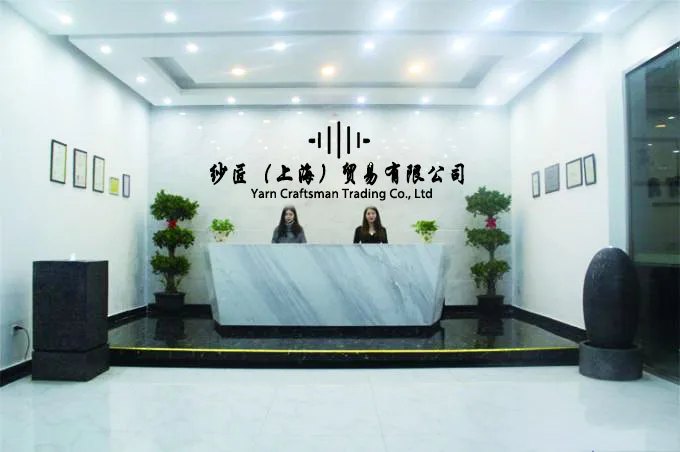
Yarn Craftsman Trading (Shanghai) Co., Ltd.
- Trading Company
- Shanghai, China
- Lead time30 days
- Avg. response≤ 13h
Main productsfancy yarn,woven blanket,wool yarn,knitting tool,baby accessories
Main marketsEastern Asia(40.00%), South America(20.00%), Southern Europe(15.20%), Eastern Europe(13.80%), Domestic Market(10.00%), Southeast Asia(1.00%)
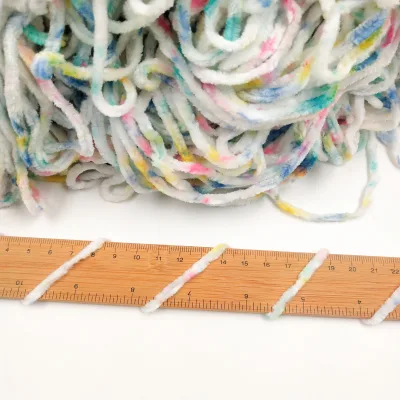
High Quality 100% Polyester Chenille Yarn Dyed Hand Crochet Yarn Fancy Knitting Yarn
$6.12 - $7.65
MOQ: 100 kilograms
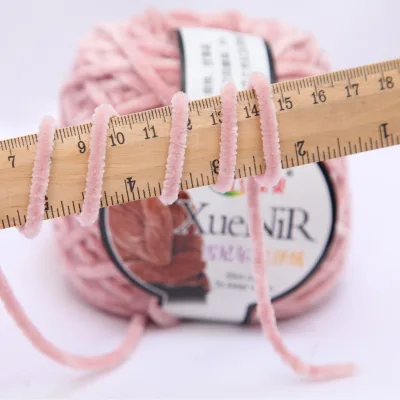
Hot Sale Colored High Quality Polyester Crochet Knitting Yarns Vegan Chenille Yarn 100g Ball
$0.82 - $1.53
MOQ: 2 pieces
Shanghai Charmkey Textile Co., Ltd.
- Trading Company
- Lead time旺季: "1 - 500":15,"> 500":"To be negotiated", 淡季: "1 - 500":15,"> 500":"To be negotiated"
- Avg. response≤ 3h
Main productsChenille Yarn, Polyester Yarn, Acrylic Yarn, Wool Yarn, Blended Yarn

Suzhou Chihe Yarn Textile Technology Co., Ltd
- Verified by SGS
- Trading Company,Manufacturer/Factory
- China Jiangsu
- Lead time23 days
- Avg. response≤ 10h
Main productsRecycled Polyester DTY Yarn, Polyester FDY Yarn, Cotton-Like Yarn, DTY, Nylon 66, Functional Polyester Yarn, Recycled Polyester Elastic Yarn
Main marketsSouth America,Eastern Europe,Mid East,North America,Southeast Asia,Eastern Asia,Oceania,Western Europe,Africa

- Verified by TUVRHEINLAND
- Combined
- China Zhejiang
- Lead time30 days
- Avg. response≤ 7h
Main productsThread, Zipper, Lace, Button, Webbing & Tape, Ribbon, Interlining, Fabric, Tailoring Materials, Hook & Loop
Main marketsSouth America,Africa,Europe,Australia


Acrylic Soft Hand Knitting Yarn Wool Yarn Milk Cotton Yarn
MOQ: 5000 Pieces

Shanghai Hoyia Textile Co., Ltd.
- Trading Company
- Shanghai, China
- Lead time15 days
- Avg. response≤ 6h
Main productshand made yarn,fancy yarn,crochet yarn,knit yarn,yarn
Main marketsDomestic Market(30.00%), Northern Europe(25.00%), Eastern Asia(10.00%), North America(10.00%), South America(5.00%), Central America(4.00%), Eastern Europe(3.00%), South Asia(3.00%)
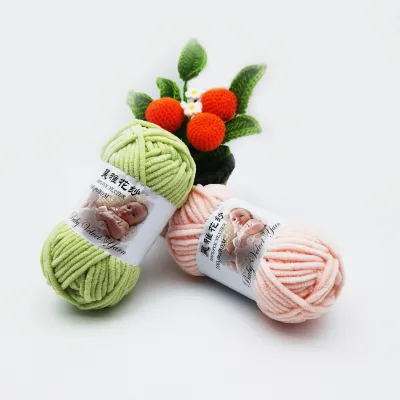
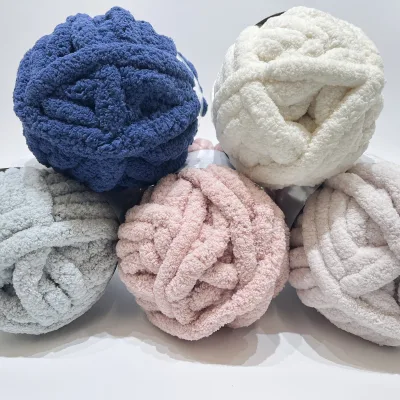
China yarn soft texture 100% Polyester high quality super soft chenille yarn
$1.13 - $1.54
MOQ: 500 pieces

NINGBO FANST IMP.&EXP. CO., LTD.
- Verified by BV
- Trading Company
- China Zhejiang
- Lead time30 days
- Avg. response≤ 16h
Main productsPolyester Yarn, Acrylic Yarn, Knitting Yarn, Acrylic Knitting Yarn, LED Flash Torch, Headlamps, Bicycle Light, LED Work Light, Torches
Main marketsOthers(foreignTradeCapacity.exportBusinessCapacityMarketOther),Southeast Asia/ Mideast,Australia

Shenzhen Huali Textile Co., Ltd.
- Verified by SGS
- Manufacturer/Factory,Group Corporation
- China Guangdong
- Lead time30 days
- Avg. response≤ 3h
Main productsPolyester Yarn, Sewing Thread, Weaving Yarn, Viscose, Filament Yarn, Blended Yarn
Main marketsSouth America,Eastern Europe,Mid East,North America,Southeast Asia,Eastern Asia,Oceania,Western Europe,Africa

Wuhu Lyman Technology Co., Ltd
- Verified by SGS
- Trading Company
- China Anhui
- Lead time15 days
- Avg. response≤ 8h
Main productsFelt, Industrial Felt, Nomex Felt, Needle Felt, Press Felt, Pbo Roller, Papermaking Felt, Pbo Belt, Felt Belt, Fiber
Main marketsSoutheast Asia/ Mideast




Comprehensive Sourcing Guide
Recycled Eco-Friendly Chenille Yarn Supplier Concentration and Factory Types
The current supplier landscape for Recycled Eco-Friendly Chenille Yarn shows a distinct concentration in China, specifically within the Zhejiang and Jiangsu provinces. These regions host a mix of trading companies and manufacturer factories that specialize in producing a wide array of yarn types, including mink yarn, acrylic yarn, and various wool blends. The presence of these facilities indicates a mature textile ecosystem capable of handling complex production requirements for fancy yarns and chenille varieties. Buyers should note that while some entities operate strictly as manufacturers, others function as trading companies that may source from multiple factories to fulfill orders. This dual structure offers flexibility but requires careful verification to ensure the direct source of the material aligns with quality expectations.
When evaluating the factory types, it is essential to distinguish between entities that own their production lines and those that act as intermediaries. The available data confirms that some suppliers possess OEM and ODM capabilities, allowing for custom branding and specific product modifications. For instance, certain manufacturers offer own-brand options alongside standard production, which can be crucial for buyers seeking unique market positioning. However, the distinction between a trading company and a factory is not always immediately apparent in general listings. Buyers must scrutinize the company type designation and cross-reference it with product evidence to confirm whether the supplier controls the manufacturing process or merely facilitates the transaction. This verification step is critical for ensuring supply chain transparency and reliability.
How to Verify Recycled Eco-Friendly Chenille Yarn Suppliers
Verification of suppliers for Recycled Eco-Friendly Chenille Yarn relies heavily on checking specific credentials and third-party validations rather than relying on general claims. The current results indicate that some suppliers hold ISO 9001, SA 8000, QC 080000, and ISO 50001 certifications, which serve as indicators of quality management and social compliance systems. Additionally, verification status from recognized bodies like TÜV Rheinland provides a layer of trust regarding the supplier's operational integrity. Buyers should prioritize suppliers who display these specific certifications and verification badges, as they represent concrete evidence of adherence to international standards. It is important to request current certificates directly from the supplier to ensure they have not expired or been revoked.
Beyond certifications, buyers must assess the supplier's response time and product attributes to gauge their operational readiness. The data shows response times varying between 2.44 and 3.66, which can influence the speed of communication and problem resolution during the sourcing process. A faster response time often correlates with better customer service and more agile supply chain management. Furthermore, examining product attributes such as fiber length, material composition, and customization availability helps confirm the supplier's technical competence. For example, confirming that a supplier offers "Continuous Filament" or "Combination of Short Fibers" as specified in their product details ensures they can meet specific technical requirements. Buyers should verify these details against their own specifications before proceeding with any order.
What to Compare Across Recycled Eco-Friendly Chenille Yarn Suppliers
Comparing suppliers requires a systematic evaluation of key operational metrics such as lead time, minimum order quantity, and pricing structures. The observed data reveals lead times ranging up to 23 days, with delivery windows specified as 7-25 days for certain products. Buyers must compare these timelines against their production schedules to avoid delays. Minimum order quantities also vary significantly, with some suppliers requiring 1000 units while others demand 5000 or even 24000 units. Understanding these thresholds is vital for budgeting and inventory planning, especially for smaller buyers who may need to consolidate orders or negotiate lower MOQs. Pricing differences are equally important, with costs ranging from approximately 1.36 to 6.21 per unit depending on the material and specifications.
In addition to logistical and financial metrics, buyers should compare the main products and customization options offered by each supplier. The current results highlight a diverse range of offerings, including 100% polyester, 100% acrylic, and cotton-polyester blends. Some suppliers provide custom colors and specific yarn structures like ring-spun or open-end, which can be decisive factors in product selection. Buyers should also look for suppliers who explicitly state their ability to handle OEM and ODM projects, as this indicates a higher level of flexibility. By creating a comparison matrix that includes these variables, buyers can objectively assess which suppliers best align with their specific project needs, ensuring they select partners who can deliver the required quality and volume within the desired timeframe.
Common Recycled Eco-Friendly Chenille Yarn Sourcing Risks
One significant risk in sourcing Recycled Eco-Friendly Chenille Yarn involves the potential discrepancy between claimed material composition and actual product quality. While suppliers list materials such as 100% polyester or acrylic, the recycled content and fiber integrity can vary. Buyers must be vigilant about verifying the "Recycled" and "Eco-Friendly" claims through third-party testing or detailed product specifications. The product attributes often mention features like "Anti-Pilling" or "High Strength," but these claims require validation to ensure they hold true in practical applications. Without concrete test results or verified certifications, there is a risk of receiving materials that do not meet the expected performance standards, potentially leading to production failures or customer dissatisfaction.
Another critical risk is the variability in lead times and delivery reliability, which can disrupt supply chains. The data indicates lead times of up to 23 days, but external factors such as raw material shortages or logistical bottlenecks can extend these periods. Buyers should not assume that the stated lead time is guaranteed without a formal agreement. Additionally, the minimum order quantities can pose a financial risk if the buyer overestimates demand or if the market shifts unexpectedly. High MOQs like 24000 units can tie up significant capital and storage space. To mitigate these risks, buyers should establish clear communication channels, request sample approvals before bulk production, and include penalty clauses in contracts for delayed deliveries or non-compliant materials.
Recycled Eco-Friendly Chenille Yarn Regional Sourcing and Logistics
Sourcing from the identified regions in China, specifically Zhejiang and Jiangsu, offers access to a robust textile infrastructure but requires careful logistics planning. These provinces are known for their concentration of yarn manufacturers and trading companies, making them central hubs for this type of product. However, the distance from these manufacturing centers to international ports can impact shipping costs and transit times. Buyers should factor in the time required for inland transportation and customs clearance when calculating the total lead time. Understanding the specific location of the factory within these provinces can help in estimating the efficiency of the supply chain and identifying potential bottlenecks in the logistics network.
Logistics also involve considerations regarding packaging and handling to ensure the yarn arrives in optimal condition. The product evidence shows various packing methods, such as PP bags, cartons, and custom packaging options. Buyers must verify that the packaging is suitable for long-distance shipping and protects the yarn from moisture, dust, and physical damage. For instance, some suppliers offer 2kg per cone or 24kg per PP bag, which may require specific handling equipment at the destination. Additionally, the origin of the product, listed as China, implies that buyers need to be aware of any import regulations or tariffs applicable to textile raw materials in their country. Proper logistics planning ensures that the product arrives on time and in the condition required for further processing.
Recycled Eco-Friendly Chenille Yarn Commercial Terms and Order Planning
Commercial terms for Recycled Eco-Friendly Chenille Yarn often include specific requirements regarding payment, customization, and quality assurance. The data indicates that customization is available for many products, allowing buyers to request specific colors, patterns, and fiber lengths. However, these customizations may come with additional costs or longer lead times, which must be factored into the order planning. Buyers should clarify the terms for sample provision, as some suppliers offer samples while others may charge for them. Understanding the pricing structure, including the minimum and maximum price points, is essential for budgeting and negotiating favorable terms with the supplier.
Order planning must also account for the minimum order quantities and the flexibility of the supplier to accommodate changes. With MOQs ranging from 1000 to 24000 units, buyers need to assess their inventory needs carefully to avoid overstocking or understocking. The ability to accept OEM and ODM orders suggests that suppliers are willing to work closely with buyers to meet specific requirements, but this requires clear communication and detailed specifications. Buyers should also consider the response time of the supplier, as a slower response can delay the entire order process. By establishing a comprehensive order plan that includes these variables, buyers can ensure a smooth transaction and minimize the risk of misunderstandings or delays in the supply chain.
FAQs
What is the price range for Recycled Eco-Friendly Chenille Yarn?
Recycled Eco-Friendly Chenille Yarn prices typically range from $4.05 to $4.35 per unit for polyester variants. Acrylic options are priced between $6.11 and $6.21. Blended cotton and polyester yarns offer lower entry points starting around $1.36. Buyers should verify specific costs based on order volume and customization requirements before finalizing procurement decisions.
What is the minimum order quantity for these yarns?
Minimum order quantities vary significantly by product type. Chenille yarns generally require a minimum of 1000 kilograms. Recycled cotton polyester blends may have higher thresholds, such as 24000 kilograms for certain customized options. Some specific weaving yarns accept lower minimums around 500 kilograms. Buyers must confirm exact MOQs with suppliers to ensure alignment with their production schedules.
How long does delivery take for recycled chenille yarn orders?
Delivery times for recycled chenille yarn orders typically span seven to twenty-five days. The overall supplier lead time averages around twenty-three days. These timelines depend on production capacity and customization needs. Buyers should confirm specific delivery windows with their chosen supplier to align with their manufacturing schedules and avoid potential delays in their supply chain operations.
Are these suppliers verified and certified for quality assurance?
Many suppliers are verified by TUV Rheinland and hold ISO 9001 certification. Additional certifications include SA 8000, QC 080000, and ISO 5001. These credentials indicate adherence to quality management and social responsibility standards. Buyers should request current certification documents to verify compliance with their specific sustainability and quality requirements before placing large orders.
What materials are used in Recycled Eco-Friendly Chenille Yarn?
Recycled eco friendly chenille yarns are primarily made from 100% recycled polyester or 100% acrylic. Some options blend cotton with polyester for enhanced texture. These materials are processed using ring spun or open end techniques. The yarns feature properties like high elasticity, anti-pilling, and breathability, making them suitable for knitting, weaving, and hand crafting applications.
Can suppliers provide custom colors and OEM services?
Most suppliers offer customization services including custom colors and OEM production. Buyers can request specific color matches and packaging options. The suppliers support both OEM and ODM models to meet unique brand requirements. This flexibility allows buyers to tailor the yarn specifications to their exact product needs while maintaining the eco-friendly characteristics of the recycled materials.