Recycled Materials Shopping Bags Suppliers and Manufacturers
Compare 22 verified suppliers offering Recycled Materials Shopping Bags with varying lead times, certifications, and customization options. Review response times, MOQs, and product attributes to select the right partner for your sourcing needs today; review the available evidence before requesting comparable quotations from suitable candidates.
Suppliers List

Lianyungang Yuede Packaging New Materials Co., Ltd.
- Verified by TUVRHEINLAND
- Combined
- China Jiangsu
- Lead time30 days
- Avg. response≤ 2h
Main productsPackaging Materials
Main marketsNorth America


Compostable Bag for Eco-Friendly Grocery Shopping and Customization Options
$1.57 - $1.72
MOQ: 3000 kg

Fujian Angel Nonwoven Fabric Tech Co., Ltd.
- Verified by SGS
- Manufacturer
- China Fujian
- Lead time15 days
- Avg. response≤ 9h
Main productsNonwoven Fabric, Disposable Bed Sheet, Meltblown, Nonwoven Bag, Mattress Cover, Earloop/Nose Wire for Mask, PLA/Pet Nonwoven Fabric, Landscape Cover, Weed Control, TNT Table Cloth
Main marketsSoutheast Asia/ Mideast,Europe


Biodegradable Shopping Bag: Environmentally Conscious Tote for Sustainable Shopping
$0.07 - $0.15
MOQ: 1000 Pieces


Guangzhou Fu Li Ya Industry Co., Ltd.
- Verified by TUVRHEINLAND
- Combined
- China Guangdong
- Lead time30 days
- Avg. response≤ 13h
Main productsShopping Bag, Promotional Bag, Canvas Bag, Polyester Bag, Cotton Bag, Tote Bag, Non Woven Bag, Garment Bag, Cooler Bag, Hand Bag
Main marketsEurope,North America


Ecofriendly Recycled Canvas Shopping Bag
MOQ: 3000 Pieces

XIAMEN J-MAX INDUSTRY AND TRADE CO., LTD.
- Trading Company,Manufacturer/Factory
- China Fujian
- Lead time45 days
- Avg. response≤ 7h
Main productsSustainable Bags, Foldable Bags, Shopping Bags, Cooler Bags, Travel Bags, Backpack, ...etc
Main marketsSouth America,Eastern Europe,Mid East,North America,Southeast Asia,Eastern Asia,Oceania,Western Europe

Guangzhou Blf Packing Co., Ltd.
- Verified by TUVRHEINLAND
- Combined
- China Guangdong
- Lead time15 days
- Avg. response≤ 14h
Main productsPaper Bag, Paper Box, Gift Box, Non Woven Bag, Book, Tag, Sticker, Air Freshener, Cards, Jewelry Box
Main marketsOthers(foreignTradeCapacity.exportBusinessCapacityMarketOther),Europe,North America
Qingdao Fullsun Biotechnology Packaging Co., Ltd
- Verified by BV
- Combined
- China Shandong
- Lead time15 days
- Avg. response≤ 18h
Main productsBiodegradable Bag
Main marketsNorth America


Wholesale Customized Environmentally Biodegradable Plastic Shopping Bags
$0.03 - $0.05
MOQ: 50000 Pieces

Sichuan Fennidi Trading Co., Ltd
- Verified by BV
- Trading Company
- China Sichuan
- Lead time30 days
- Avg. response≤ 2h
Main productsCanvas Bag, Tote Bag, Shopping Bag, Customized Bag, Sports Bag, Non Woven Bag, Cosmetic Bag, Womens Shoes, Fashion Shoes
Main marketsSouth America,Africa,Others(foreignTradeCapacity.exportBusinessCapacityMarketOther),Southeast Asia/ Mideast,East Asia(Japan/ South Korea),Europe,North America

High Quality Recycled Canvas Bag Large Capacity Reinforced Handle Shopping Bag
$0.97 - $1.65
MOQ: 100 pieces


Customizable Reusable Non-Woven Tote Bag Eco-Friendly Shopping Bag Promotional Bag
$0.54 - $0.97
MOQ: 1000 pieces

Shanghai David International Trade Co., Ltd.
- Verified by TUVRHEINLAND
- Combined
- China Shanghai
- Lead time15 days
- Avg. response≤ 8h
Main productsPromotional Gifts, Gift Sets, Tshirts, Hats, Hot Packs, Hot Cold Packs, Ice Packs, Bags, Umbrellas, Water Bottles
Main marketsSouth America,Africa,Southeast Asia/ Mideast,East Asia(Japan/ South Korea),Domestic,Europe,Australia,North America

Jinjiang Jiaxing Supply Management Co., Ltd.
- Verified by TUVRHEINLAND
- Trading Company
- China Fujian
- Lead time30 days
- Avg. response≤ 1h
Main productsEVA Clogs, Flip Flop, Shoe Charms, Shopping Bags, Wristbands, Gifts, Promotional Gifts, Slipper, Sport Cap, Ball
Main marketsNorth America

Wenzhou Guanmin Import and Export Co., Ltd.
- Verified by BV
- Trading Company,Manufacturer/Factory
- China Zhejiang
- Lead time120 days
- Avg. response≤ 6h
Main productsShopping Bag, Cooler Bag, Notebook, Pen, Color Pencil, Lanyard, Beach Ball, Umbrella, Sunshade, Air Freshener
Main marketsSouth America,Eastern Europe,Mid East,North America,Southeast Asia,Eastern Asia,Western Europe

Xiamen Top Green Bags Co., Ltd.
- Verified by SGS
- Trading Company,Manufacturer/Factory
- China Fujian
- Lead time45 days
- Avg. response≤ 5h
Main productsCooler Bags, Sports Bags, Apron, Promotional Bag, Waist Bag, Shoulder Bag, Travel Bags, Cosmetic Bag, Laptop Bag, Pencil Bag
Main marketsSouth America,Eastern Europe,North America,Southeast Asia,Eastern Asia,Oceania,Western Europe,Africa


Custom Fashion Shopper Tote Reusable Recycled Eco Fabric Nonwoven Shopping Bag
$0.52 - $0.57
MOQ: 500 Pieces

Promotional PP Nonwoven Recyclable Carry Bag Non Woven Fabric Shopping Bag
$0.19 - $0.40
MOQ: 500 Pieces

Plastic RPET Material Eco-Friendly Custom Promotional Reusable Tote Shopping Bag with Logos
$0.37 - $0.52
MOQ: 500 Pieces

Qingdao Yide Shine Industry Co., Ltd.
- Verified by SGS
- Manufacturer/Factory
- China Shandong
- Lead time15 days
- Avg. response≤ 4h
Main productsPaper Bag, Kraft Paper Bag, Non Woven Bag, Craft Paper Bag, Value Bag, Shopping Bag, PE Bag, Paper Napkin, Take Away Food Bag, Hanburger Box
Main marketsSouth America,Eastern Europe,Mid East,North America,Southeast Asia,Eastern Asia,Oceania,Western Europe,Africa
Weifang Dafeng Packaging Co., Ltd.
- Verified by BV
- Trading Company,Manufacturer/Factory
- China Shandong
- Lead time23 days
- Avg. response≤ 5h
Main productsPP Woven Bag, BOPP Woven Bag, Weed Mat, FIBC Bag, PP Woven Fabric Roll
Main marketsSouth America,Mid East,North America,Africa
Hangzhou Langjie Technology Co., Ltd.
- Verified by TUVRHEINLAND
- Trading Company
- China Zhejiang
- Lead time15 days
- Avg. response≤ 4h
Main productsNon-Woven Bag, Paper Box, Laminated Bag, Thermal Insulation Bag, Paper Bag, Canvas Bag, Notebook, Clothing Dust-Proof Bag, Sticker, Cosmetics Bag
Main marketsDomestic,North America

Shanghai Touch Industrial Development Co., Ltd.
- Verified by TUVRHEINLAND
- Combined
- China Shanghai
- Lead time15 days
- Avg. response≤ 6h
Main productsInstant Hot Pack, Hot Cold Pack, Gel Eye Mask, Gel Ice Pack, Gel Bottle Cooler, Instant Ice Pack, Hand Warmer, Heat Pack, Cooling Scarf, Gel Beads
Main marketsSouth America,Others(foreignTradeCapacity.exportBusinessCapacityMarketOther),Southeast Asia/ Mideast,East Asia(Japan/ South Korea),Domestic,Europe,Australia,North America
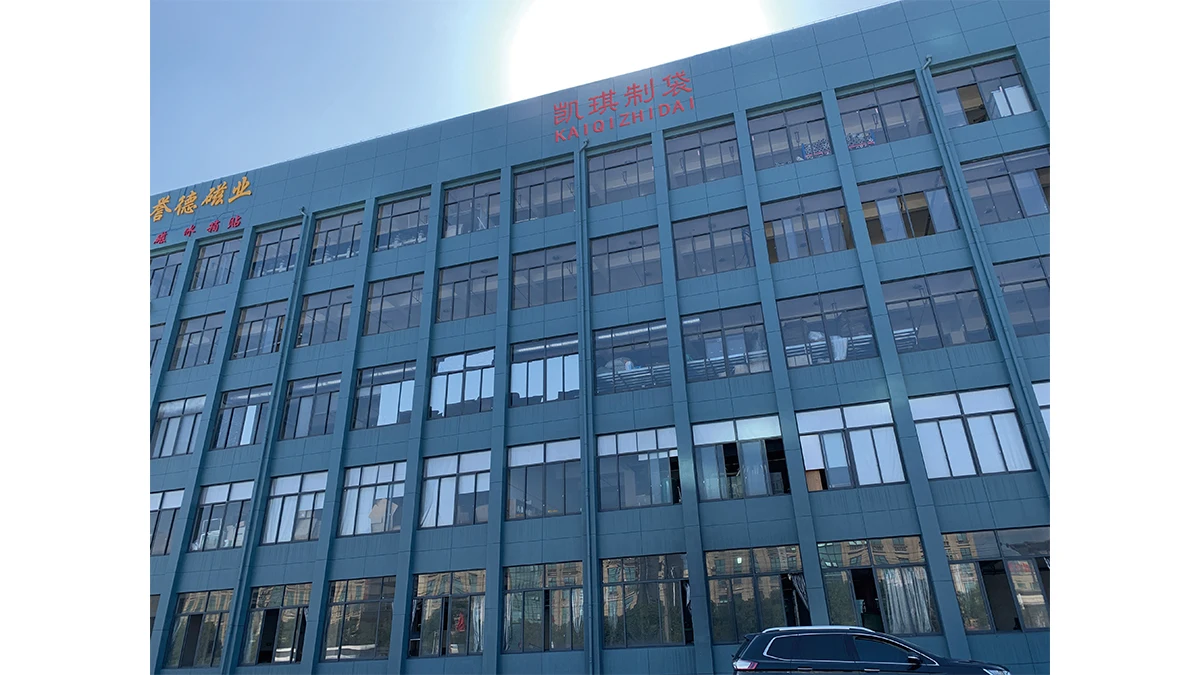
Wenzhou Kaiqi Bag Manufacturing Co., Ltd.
- Manufacturer
- Zhejiang, China
- Lead time30 days
- Avg. response≤ 2h
Main productsCanvas Bag; Drawstring Bag; Cooler Bag; Non-woven Bag; Jute Bag
Main marketsNorth America(35.00%), Western Europe(20.00%), Oceania(20.00%), Southern Europe(5.00%), Eastern Europe(5.00%), South America(5.00%), Northern Europe(5.00%), Southeast Asia(5.00%)
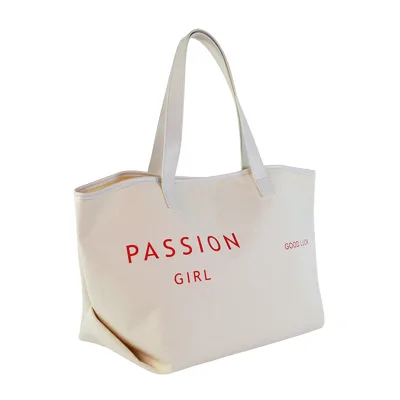
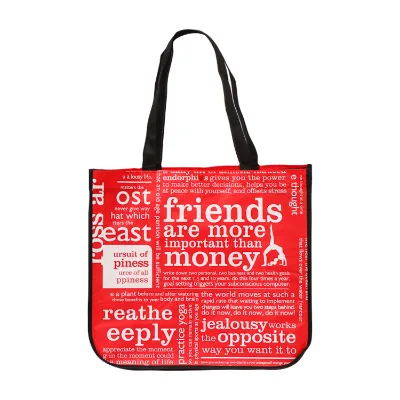
High Quality Eco Friendly Recycle Shopping Bag Non Woven Bag Tote With Custom Logo
$0.38 - $0.79
MOQ: 100
Wenzhou Lvlin Bag Making Co., Ltd.
- Verified by SGS
- Combined
- China Zhejiang
- Lead time15 days
- Avg. response≤ 4h
Main productsNonwoven Bag, Canvas Bag, Tote Bag, PP Woven Bag, Jute Bag
Main marketsDomestic
Laizhou Pairuike Crafts Co., Ltd.
- Manufacturer/Factory
- China Shandong
- Lead time45 days
- Avg. response≤ 4h
Main productsBusiness Scope: Processing and Selling Hand-Wove, PLA Non Woven Bag, RPET Woven Bag, PP Woven Bag, Lamination Non Woven Bag, Non Woven Bag
Main marketsSouth America,Eastern Europe,Mid East,North America,Southeast Asia,Eastern Asia,Oceania,Western Europe,Africa


Environmentally Friendly RPET Laminated Shopping Bag as a Promotional Gift
$0.25 - $0.55
MOQ: 2000 Pieces

OEM Customized RPET Recyclable Fabric Eco Friendly Reusable Ecological Shopping Tote Bag
$0.25 - $0.55
MOQ: 2000 Pieces

Zhangzhou Taki Industry and Trade Co., Ltd
- Verified by BV
- Manufacturer/Factory
- China Fujian
- Lead time23 days
- Avg. response≤ 5h
Main productsPackaging Paper Bag, Packaging Paper Box, Products Box, Fold Boutique Gift Box, Shopping Paper Bag, Fruit Packaging Cartons Box, Kraft Paper Bags Food Bag, Plastic Box Pet PVC Boxes, Paper Sleeves with Brand Design, One-Stop Packaging Supplier
Main marketsSouth America,Eastern Europe,Mid East,North America,Southeast Asia,Eastern Asia,Oceania,Western Europe,Africa


Tote Bags Custom Printed Recyclable Fabric Non Woven Shopping Bags with Logo
$0.30 - $0.45
MOQ: 5000 Pieces
- Verified by BV
- Trading Company
- China Zhejiang
- Lead time30 days
- Avg. response≤ 9h
Main productsTextile, Zipper, Lace, Elastic, Ribbon, Thread, Tape, Fabric, Interlining, Button
Main marketsSouth America,Africa,Europe


Promotional Waterproof Gift Bag Large Capacity Shopping Bag Non-Woven Fabric Bags
$0.04 - $0.08
MOQ: 1000 Pieces
Hangzhou Initi Imp&Exp Co., Ltd.
- Verified by SGS
- Combined
- China Zhejiang
- Lead time30 days
- Avg. response≤ 7h
Main productsTote Bag, Cotton Bag, Canvas Bag, Drawstring Bag, Garment Bag, Cooler Bag, Cosmetic Bag, Shaker Bottle, Felt Bag, Corduroy Bag
Main marketsSoutheast Asia/ Mideast,East Asia(Japan/ South Korea),Europe,Australia,North America

Qingzhou Glory Packaging Material Co., Ltd.
- Verified by BV
- Trading Company
- China Shandong
- Lead time30 days
- Avg. response≤ 8h
Main productsAluminium Foil Paper, PE Coated Paper/Printing Paper, Food Packaging Bag, Paper Shopping Bag, Non Woven Bag, Plastic Shopping Bag, Other Packaging Bags
Main marketsAustralia


Customized Recycle Organic Cotton Canvas Tote Shopping Bag with Print Logo Promotional
$0.50 - $1.50
MOQ: 1000 Pieces


Comprehensive Sourcing Guide
Recycled Materials Shopping Bags Supplier Concentration and Factory Types
Current data indicates a concentration of suppliers in China, specifically within the Jiangsu and Fujian provinces, which serve as primary manufacturing clusters for packaging materials and nonwoven fabrics. These regions host a mix of combined trading companies and direct manufacturers capable of producing eco-friendly and biodegradable shopping bags. The presence of facilities in Jiangsu suggests a strong focus on plastic-based solutions, including PE and recycled plastic variants, while Fujian-based entities often specialize in nonwoven fabrics like PP and PLA blends. Buyers should verify if a supplier's stated location aligns with their specific material requirements, as the supply chain for recycled plastics differs significantly from that of natural fiber or nonwoven alternatives.
Factory types vary from combined entities offering both trading and manufacturing services to pure manufacturers holding specific system certifications like ISO9001:2015. Some suppliers list capabilities for ODM, OEM, and own-brand production, indicating flexibility in customizing bag shapes, sizes, and printing processes. When evaluating these entities, buyers must distinguish between a trading company that aggregates products and a factory that controls the production line, as this distinction impacts lead times and quality control. The available evidence shows suppliers offering diverse product attributes, from vest bags to handled totes, suggesting that the manufacturing base is versatile but requires careful vetting to ensure the specific recycled material claims are backed by actual production capacity.
How to Verify Recycled Materials Shopping Bags Suppliers
Verification of supplier credibility relies heavily on third-party audit reports and specific certification documents rather than general claims. Current records show some suppliers hold TUVRHEINLAND verification status, while others possess SGS verification or ISO9001:2015 system certifications. These credentials provide a baseline for assessing the supplier's operational stability and adherence to quality management standards. Buyers should request the full audit report to confirm that the facility's scope includes the specific recycled materials they intend to source, ensuring the certification is not merely a general business license but a targeted validation of their manufacturing processes.
Beyond certifications, buyers must scrutinize the supplier's response time and product evidence to gauge reliability. Data indicates response times ranging from approximately 1.94 hours to over 8 hours, which can signal the efficiency of their communication channels and sales support. A faster response often correlates with a more active and organized procurement team, though it does not guarantee product quality. Additionally, examining the detailed product attributes, such as specific thickness measurements, weight limits, and printing processes like heat transfer or offset printing, helps verify that the supplier has the technical capability to produce the exact specifications required. Buyers should cross-reference these technical details with the supplier's claimed main products to ensure alignment between their marketing and actual output.
What to Compare Across Recycled Materials Shopping Bags Suppliers
When comparing suppliers, the primary differentiators include lead times, minimum order quantities (MOQ), and pricing structures, all of which vary significantly across the market. Lead times observed in the data range from 15 days to 30 days, influencing how quickly a buyer can restock inventory or meet seasonal demand. MOQs are equally diverse, with some suppliers requiring as few as 2,000 units while others demand volumes up to 300,000 units. This variance means buyers must align their order volume with the supplier's capacity; a small business might find the 2,000-unit threshold more accessible, whereas large retailers may negotiate better rates with suppliers offering lower per-unit costs at higher volumes.
Pricing and customization options form another critical comparison point, with unit costs fluctuating based on material type and order size. Evidence shows price ranges from as low as $0.015 to over $1.50 per unit, depending on whether the product is a simple vest bag or a complex custom-shaped tote. Buyers should compare the cost implications of customization features such as logo printing, specific thicknesses, and unique shapes. Furthermore, the availability of free samples, though sometimes subject to freight charges, allows for physical verification of the recycled material quality before committing to a large order. Evaluating these factors holistically ensures that the selected supplier offers the best balance of cost, speed, and flexibility for the specific project requirements.
Common Recycled Materials Shopping Bags Sourcing Risks
One significant risk involves the discrepancy between marketing claims of "recycled" or "biodegradable" materials and the actual product composition. Some product listings describe items as biodegradable while simultaneously listing plastic types like PE, which may not decompose as expected without specific industrial conditions. Buyers must verify the exact material composition, such as whether the bag is made from 100% PP, PLA, or a blend, and request test reports to confirm biodegradability or compostability claims. Relying solely on product keywords like "Eco-Friendly" without concrete evidence can lead to receiving products that do not meet regulatory standards or customer expectations for sustainability.
Another risk pertains to the consistency of quality and the reliability of the supply chain, particularly regarding lead times and packaging standards. While some suppliers offer a 15-day lead time, others may take 30 days, and delays can occur if the supplier faces raw material shortages or production bottlenecks. Additionally, packaging details vary, with some suppliers using standard export cartons while others offer custom woven bag packaging. Inconsistent packaging can lead to product damage during transit or increased logistics costs. Buyers should explicitly define packaging requirements and include penalties for delays in their contracts to mitigate these risks, ensuring that the final delivery matches the agreed-upon specifications and timeline.
Recycled Materials Shopping Bags Regional Sourcing and Logistics
Sourcing from China, specifically the Jiangsu and Fujian provinces, offers access to a robust manufacturing ecosystem but requires careful logistics planning. The concentration of suppliers in these regions means that shipping costs and transit times will be influenced by the specific port of origin and the distance to the buyer's destination. Buyers should calculate the total landed cost, including freight charges, which may be separate from the product price even if samples are offered for free. Understanding the geographic location of the factory helps in estimating the time required for goods to reach the port and subsequently the final destination, allowing for more accurate inventory planning.
Logistics also involve managing the complexity of international shipping regulations, particularly for eco-friendly products that may have specific import requirements. Different regions may have varying standards for biodegradable materials, and buyers must ensure that the products comply with local laws in their target market. The use of standard export cartons or custom packaging can impact the efficiency of container loading and the overall shipping volume. Buyers should work with freight forwarders who are experienced in handling packaging materials to optimize space and reduce costs. Additionally, verifying the supplier's ability to handle export documentation and customs clearance is essential to prevent delays at the border and ensure a smooth supply chain flow.
Recycled Materials Shopping Bags Commercial Terms and Order Planning
Commercial terms for Recycled Materials Shopping Bags often include specific conditions regarding customization, payment, and sample policies. Many suppliers offer customization for logos, shapes, and printing processes, but these services may come with higher MOQs or longer lead times. Buyers should clarify the cost implications of these customizations, as some suppliers charge extra for tooling or setup fees. Additionally, sample policies vary, with some offering free samples while requiring the buyer to cover freight charges. Understanding these terms upfront prevents unexpected costs and ensures that the sample received accurately represents the final bulk order quality.
Order planning must account for the variability in MOQs and lead times to maintain a steady supply chain. With MOQs ranging from 2,000 to 300,000 units, buyers need to forecast their demand accurately to avoid overstocking or stockouts. Lead times of 15 to 30 days require advance planning, especially for seasonal products or promotional campaigns. Buyers should establish a relationship with suppliers who can provide consistent lead times and communicate proactively about any potential delays. By aligning order quantities with production capabilities and scheduling shipments well in advance, buyers can mitigate risks and ensure a reliable flow of Recycled Materials Shopping Bags to meet market demands.
FAQs
What is the minimum order quantity for recycled shopping bags?
Minimum order quantities vary by product type. Some options require 2,000 pieces, while others need 3,000 or 10,000 units. Higher volume orders like 300,000 pieces are available for specific custom-shaped recycled plastic bags. Buyers should check specific product listings for exact thresholds.
How long does it take to receive recycled shopping bag orders?
Lead times depend on the supplier and product specifications. Available options include a 15-day delivery window for nonwoven fabric bags and a 30-day window for other packaging materials. Buyers should confirm specific timelines with suppliers before placing orders to ensure timely delivery.
Are suppliers for recycled bags verified by third parties?
Yes, several suppliers hold third-party verification credentials. Some are verified by TÜV Rheinland, while others carry SGS certification. Additionally, manufacturers may hold ISO9001:2015 system certifications. These verifications help ensure quality standards and reliability in the supply chain for eco-friendly products.
What customization options exist for recycled shopping bags?
Customization is widely available for logos, shapes, and printing processes. Buyers can request heat transfer, watermark, or offset printing methods. Thickness, size, and packaging details can also be tailored. Many suppliers offer free samples, though freight charges may apply for these custom prototypes.
Where are manufacturers of recycled shopping bags located?
Manufacturers are primarily located in China, specifically in Jiangsu and Fujian provinces. These regions specialize in producing packaging materials, nonwoven fabrics, and biodegradable bags. Buyers can source from combined companies or dedicated manufacturers within these specific Chinese locations for various bag types.
What is the price range for recycled shopping bags?
Prices vary significantly based on material and order volume. Costs can range from as low as 0.015 dollars per unit up to 1.72 dollars per unit. Specific pricing depends on factors like thickness, customization, and whether the bag is made from recycled plastic or nonwoven fabric materials.
How quickly do suppliers respond to inquiries about bags?
Response times vary among different suppliers in the network. Some suppliers respond within approximately 1.94 hours, while others may take around 8.32 hours. Buyers should expect these ranges when contacting suppliers for quotes or technical details regarding recycled shopping bag specifications.