Recycled Tinplate Cigarette Packaging Suppliers and Manufacturers
Compare 23 verified suppliers offering Recycled Tinplate Cigarette Packaging with varying lead times, MOQs, and certifications. Review dimensions, response times, and material specs to select a partner. Contact suppliers directly to request quotes; review the available evidence before requesting comparable quotations from suitable candidates.
Suppliers List
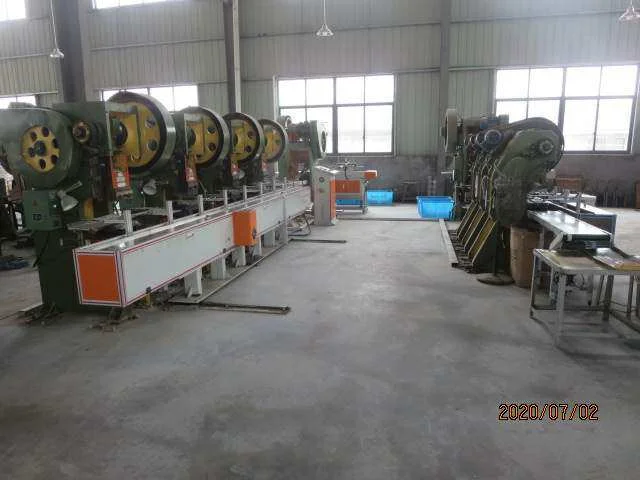
Hangzhou Kairu Packaging Co.,ltd.
- Trading Company
- Zhejiang, China
- Lead time20 days
- Avg. response≤ 2h
Main productsTin Box,Metal Box,Tin Can,Metal Can,Tin
Main marketsNorth America(30.00%), Domestic Market(10.00%), South America(10.00%), Northern Europe(8.00%), Eastern Europe(5.00%), Southeast Asia(5.00%), Central America(5.00%), Western Europe(5.00%), Eastern Asia(5.00%), Mid East(5.00%), Oceania(5.00%), Africa(5.00%), Southern Europe(2.00%)

Dongguan City Weimei Can(Manufactory) Co., Ltd.
- Manufacturer
- China Guangdong
- Lead time30 days
- Avg. response≤ 21h
Main productsTin Container, Tin Box, Tin Bucket, Tin Coaster, Tin Badge, Tin Tray, Tin Sign, Tin Pencil Case, Tin Clock, Tin Photo Frame
Main marketsEast Asia(Japan/ South Korea),Europe,North America

Metal Cigarette Tin Box Cigar Tin Can Tobacco Air Tight Packaging Tin Box
$0.40 - $0.45
MOQ: 5000 Pieces


Cigarette Cigar Tin Box Tobacco Tin Can Metal Tin Gift Packaging Tin Box
$0.20 - $0.25
MOQ: 5000 Pieces

Round Metal Cigarette Cigar Tin Tobacco Empty Tin Can Tobacco Packaging Tin Box
$0.38 - $0.43
MOQ: 5000 Pieces

Rectangle Cigarettetin Cigar Tin Can Tobacco Empty Metal Tin Tobacco Tin Packaging Cigarette Tin Box
$0.11 - $0.16
MOQ: 5000 Pieces

$0.18 - $0.23
MOQ: 5000 Pieces

Guangzhou Tianyi Metal Products Co., Ltd.
- Manufacturer
- Guangdong, China
- Lead time25 days
- Avg. response≤ 3h
Main productstin box,tin can,tin case,tin packaging,tinplate products
Main marketsDomestic Market(25.00%), North America(20.00%), Western Europe(20.00%), Eastern Asia(10.00%), Eastern Europe(5.00%), Southern Europe(5.00%), Northern Europe(5.00%), South America(5.00%), Southeast Asia(5.00%)

SG Packaging (Dongguan) Co., Ltd.
- Verified by SGS
- Combined
- China Guangdong
- Lead time15 days
- Avg. response≤ 6h
Main productsPackaging Materials, Packaging Molds, Packaging Equipment, Gift Box, Carton Box, Paper Bag, Insert Card, Corrugated Box, Plastic Tape, Poly Bag
Main marketsAfrica,Southeast Asia/ Mideast,East Asia(Japan/ South Korea),Europe,Australia,North America


$0.30 - $0.59
MOQ: 3000 Pieces


- Verified by SGS Group
- Manufacturer, Trading Company
- Lead time25 days
- Avg. response≤ 2h
Main productsTin box, Tin can, Cosmetic Tin Box, Food Tin Box, Gift Tin Box
Main marketsSoutheast Asia(58%), Mid East(18%), Western Europe(10%)
Dongguan Mingsheng Can Making Co., Ltd.
- Verified by Intertek
- Manufacturer, Trading Company
- Lead time20 days
- Avg. response≤ 2h
Main productsTin Box, Tin Can, Metal Tray, Ice Bucket, Metal Advertising Plate
Main marketsNorth America(20%), Southeast Asia(15%), Mid East(15%)

Weifang Meijia Package Co., Ltd.
- Verified by TUVRHEINLAND
- Manufacturer/Factory
- China Shandong
- Lead time23 days
- Avg. response≤ 9h
Main productsMetallized Paper, Metallized Film, Tipping Paper, Cigarette Materials, Cigarette Inner Frame Paper, Cigarette Pack, Laminated Paper, Alu Foil Paper, Lamianted Film
Main marketsEastern Europe,Mid East,Western Europe

Cigarette Paper Box Packets Cardboard Durable Tobacco Cigarette Packaging Paper Box
$0.05 - $0.50
MOQ: 100000 Pieces


$0.05 - $0.50
MOQ: 100000 Pieces

Printing Pattern Design Custom Smoking Case Empty Tobacco Box Paper Packaging Cigarette Boxes
$0.05 - $0.50
MOQ: 100000 Pieces

- Combined
- China Guangdong
- Lead time30 days
- Avg. response≤ 7h
Main productsTin Can
Main marketsSouth America,Africa,Southeast Asia/ Mideast,East Asia(Japan/ South Korea),Domestic,Europe,Australia,North America

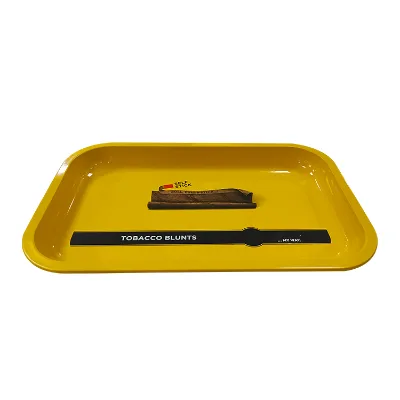
Tinplate Cigarette Tray Cheap Small or Large Tin Tray Raw Metal Tin Serving Tray Printing
$1.18 - $1.29
MOQ: 5000 Pieces


Richer Industry (Shanghai) Co., Ltd.
- Trading Company,Manufacturer/Factory
- China Shanghai
- Lead time23 days
- Avg. response≤ 13h
Main productsRolling Paper, White Mf/Mg Colored Tissue Paper, Custom Printed Tissue Paper, Gift Bag Gift Box, Thermal Label, Kraft Paper Bag, Release Paper, Silicone Paper
Main marketsSouth America,Eastern Europe,North America,Southeast Asia,Eastern Asia,Oceania,Western Europe,Africa
Dongguan Changcheng Cans Co., Ltd.
- Verified by Intertek
- Manufacturer, Trading Company
- Lead time30 days
- Avg. response≤ 2h
Main productsTin Box, Tin Can
Main marketsDomestic Market(60%), North America(14%), Mid East(12%)
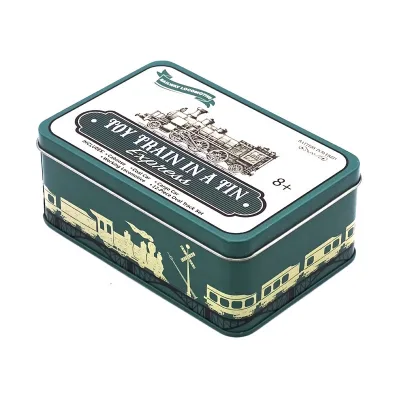
$0.29 - $0.35
MOQ: 3000 pieces
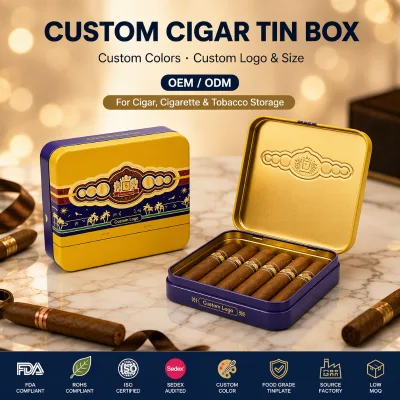
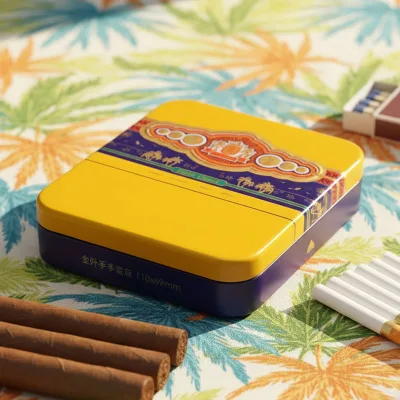
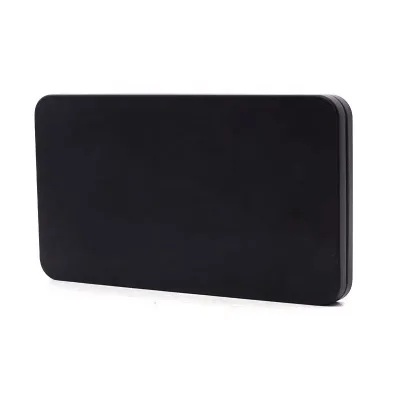
Wholesale Custom Portable Metal Boxes Tin Packaging for Cigars and Cigarettes for Pocket Carrying
$0.30 - $0.46
MOQ: 3000 pieces

Guangzhou Binhao Technology Co., Ltd.
- Verified by TUVRHEINLAND
- Manufacturer/Factory
- China Guangdong
- Lead time23 days
- Avg. response≤ 10h
Main productsTipping Paper, Aluminum Foil Paper, BOPP/PVC Film, Tear Tape, Cigarette Cardboard Paper, Inner Frame, Shisha Packaging Materials, Automatic Packaging Machine
Main marketsSouth America,Eastern Europe,Mid East,North America,Southeast Asia,Eastern Asia,Oceania,Western Europe,Africa


Cigarette Cardboard Box/Cases with Offset Printing in Different Color Tobacco Packaging
$0.24 - $0.26
MOQ: 50000 Sets

Recycled Material Cigarette Box Packaging Custom Printing Available for Cigarette Manufacturers
$0.24 - $0.26
MOQ: 50000 Sets

Custom Cigarette Packaging Box with Lamination Scratch Resistant Surface
$0.24 - $0.26
MOQ: 50000 Sets

Cardboard Paper Cigarette Box Blank Packaging for Cigarettes Stamping Print Handling
$0.24 - $0.26
MOQ: 50000 Sets

Custom Printed Cigarette Packaging Boxes High-Quality Cardboard Cigarette Box
$0.24 - $0.26
MOQ: 50000 Sets
Dongguan City Xinyu Tin Can Manufactory Co., Ltd.
- Manufacturer, Trading Company
- Lead time旺季: "1 - 3000":31,"> 3000":"To be negotiated", 淡季: "1 - 3000":31,"> 3000":"To be negotiated"
- Avg. response≤ 2h
Main productsTin Box, Tin Can

- Trading Company
- Hong Kong S.A.R.
- Lead time90 days
- Avg. response≤ 19h
Main productsFilter Rods,Cigarette Paper,Cigarette Box,Tipping Paper,Aluminum Foil Paper
Main marketsNorth America(30.00%), Eastern Europe(20.00%), Southeast Asia(20.00%), Mid East(10.00%), Africa(10.00%), South America(10.00%)

Shenzhen Banana Times Technology Co., Ltd.
- Verified by BV
- Trading Company
- China Guangdong
- Lead time15 days
- Avg. response≤ 5h
Main products510 Cartridge, Vape Filling Machine, Disposable Vape Pen, Vape Battery, E Juice, Vape Pod, OEM Packaging, Cartridge Filling Machine, Vape Box, E Cigarette
Main marketsEurope,North America

Recyclable Personalized Design OEM Custom Printed Empty Paper Cigarette Box Packaging
$0.26 - $0.45
MOQ: 10000 Pieces

Recyclable Personalized Design Custom Printed Empty Paper Cigarette Box Packaging
$0.26 - $0.45
MOQ: 10000 Pieces

$0.26 - $0.45
MOQ: 10000 Pieces


$0.26 - $0.45
MOQ: 10000 Pieces

Dongguan Rongzheng Metal Can Co., Ltd.
- Verified by SGS Group
- Manufacturer, Trading Company
- Lead time30 days
- Avg. response≤ 1h
Main productsCandy/Chocolate Tin Box, Tea Tin Box, Cookie Tins , Cosmetics Tin Box, Wine/Coffee Tin Box
Main marketsDomestic Market(50%), Southern Europe(20%), North America(10%)

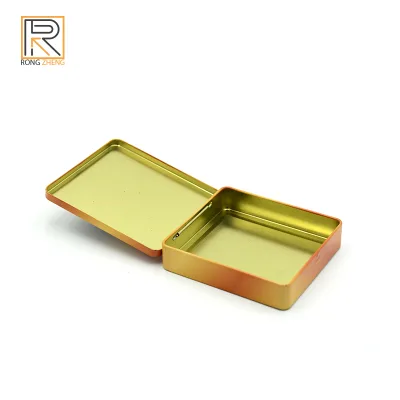
Wholesale Custom Portable Metal Boxes Tin Packaging for Cigars and Cigarettes for Pocket Carrying
$0.64 - $0.87
MOQ: 3000 pieces

AnHui Genuine Paper Packing Co.,LTD.
- Verified by SGS
- Combined
- China Anhui
- Lead time30 days
- Avg. response≤ 4h
Main productsTipping Paper
Main marketsDomestic

Factory Wholesale Portable Smoking Cardboard Paper Cigarette Case Printing Cigarette Box
$0.01 - $0.02
MOQ: 100000 Pieces

Custom Offset Printing Different Colors Cardboard Paper Tobacco Cigarette Box
$0.01 - $0.02
MOQ: 100000 Pieces

Custom Print Logo Empty Cigarette Case Fold Blank Cardboard Cigarette Boxes
$0.01 - $0.02
MOQ: 100000 Pieces

Shanghai Ruitu New Materials Technology Co., Ltd.
- Verified by SGS
- Manufacturer/Factory
- China Shanghai
- Lead time0 days
- Avg. response≤ 25h
Main productsLaser Matellized Paper, Laser Matellic Paper, Holographic Transfer Paper, Hologram Transfer Paper, 3D Hologram Paper
Main marketsMid East,North America,Western Europe,Africa


Premium Cigarette Packaging with Versatile Laminated Converted Paper Board
$1850.00 - $5000.00
MOQ: 1 Tons

Custom Metalized Film for Versatile Cigarette Packaging Options
$0.10 - $0.35
MOQ: 10000 Square Meters

High-Quality Film for Custom Cigarette Packaging with Advanced Lamination
$0.10 - $0.35
MOQ: 10000 Square Meters
Shenzhen Betterlife Technology Co., Ltd.
- Verified by Intertek
- Trading Company
- Lead time5 days
- Avg. response≤ 6h
Main productsPackaging, Accessories, Plastic Tube, Mylar Bag
Main marketsWestern Europe(45%), North America(15%), Eastern Europe(10%)
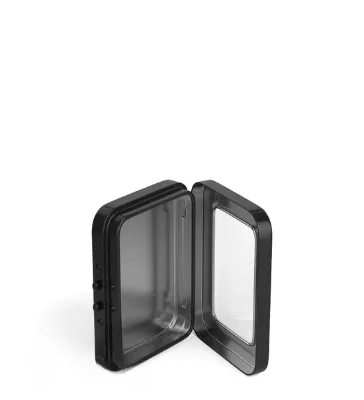
$0.30 - $0.40
MOQ: 5000 pieces
- Verified by SGS Group
- Manufacturer, Trading Company
- Lead time30 days
- Avg. response≤ 4h
Main productsTin Box
Main marketsDomestic Market(31%), North America(20%), Eastern Europe(10%)

Shenzhen Yi Ann Technology Co., Ltd
- Verified by SGS
- Trading Company
- China Guangdong
- Lead time15 days
- Avg. response≤ 16h
Main productsMylar Bags /Perforated Boxes, Custom Boxes/Cartridge Boxes/Corrugated Box, Package Boxes/Plastic Bags/Bags, Boxes/Jars/Tins/Tube/Slide Box/Machines, Regular Paper Box/Tablets Box/None-Zip Bags, Child Lock Box/Plastic Blister Box/Diecut Bags, Double Cover Box/Regular Zip Bags/Stickers, Handle Box/Inside-Child Lock Zip Bags/Prerolls, Magnet Box/Outside-Child Lock Zip Bags/Cans, Hanging Hole Box/Eight-Side Sealed Bag/Molds
Main marketsNorth America

Packing Box Custom Paper Empty Cigarette Packs Boxes Smoke Cigars Tobacco Ca Carton Box
$0.10 - $0.15
MOQ: 100 Pieces


Guangdong Min Sun Environmental Protection Packaging Technology Co., Ltd.
- Verified by SGS
- Manufacturer
- China Guangdong
- Lead time15 days
- Avg. response≤ 2h
Main productsPlastic Packaging Products, Printed Plastic Products, Film Rolls, Laminated Plastic Packaging Products, Food Packaging Bag, Industry Packaging Bag, Medicine Use Packaging Bag, Shrink Label, Gravure Printing Products, Custom Packaging Service
Main marketsEurope,North America

Excellent Printing Tobacco Packaging Bag with Self-Adhesive for Reseal
$0.06 - $0.07
MOQ: 10000 Pieces


Cangnan Shengju Smoking Factory
- Verified by SGS
- Combined
- China Zhejiang
- Lead time23 days
- Avg. response≤ 14h
Main productsCigarette Roling Paper, Olling Trays, Grinder, Cigar Cutter, Metal Pipes, Water Pipe, Asthrays, Cigarette Rolling Machine, Metal Smoking Pipe, Lighter
Main marketsDomestic

- Verified by BV
- Trading Company
- China Beijing
- Lead time30 days
- Avg. response≤ 2h
Main marketsEurope







Comprehensive Sourcing Guide
Recycled Tinplate Cigarette Packaging Supplier Concentration and Factory Types
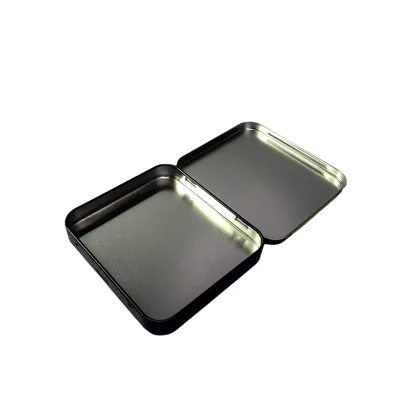
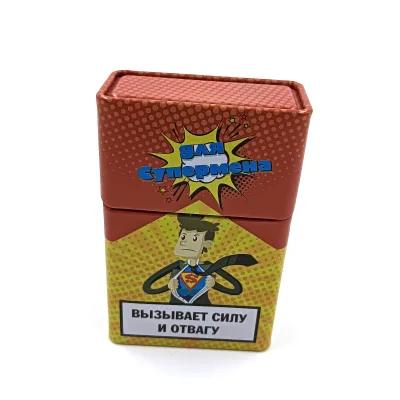
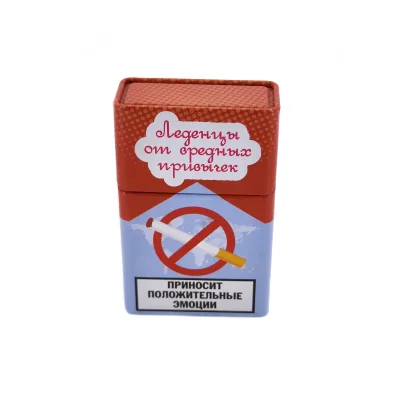
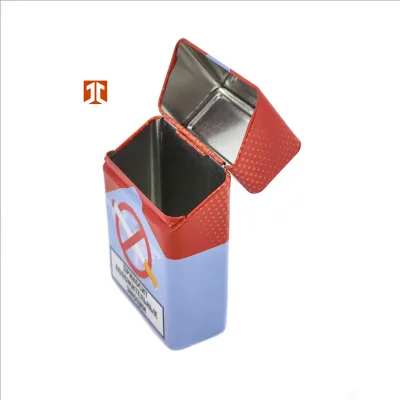
Current data indicates a concentration of suppliers in Zhejiang, China, with specific product evidence pointing to origins in Dong Guan, Guangdong. These regions host both trading companies and manufacturers offering tin boxes, metal cans, and specialized tobacco packaging solutions. The available records show a mix of company types, where some entities operate as trading companies while others function as direct manufacturers with in-house capabilities. This distinction is critical because manufacturers often provide direct control over the production process, whereas trading companies may aggregate products from various factories. The presence of suppliers in these specific Chinese provinces suggests established industrial clusters for metal packaging, though buyers must verify the exact factory location for each specific order rather than assuming all listed entities are located in the same facility.
When evaluating the factory type, buyers should look for explicit statements regarding their operational model. Some suppliers list main products that include tin containers, coasters, and photo frames, indicating a broader metal packaging focus, while others specialize strictly in cigarette tins. The evidence shows that certain manufacturers offer ODM and OEM capacities, which implies they can handle custom designs and branding requests. However, not all suppliers in the search results display this capacity, and some may only offer standard stock items. It is essential to confirm whether a supplier is a direct factory or a middleman by checking their company type designation and asking for proof of their manufacturing facilities. This verification ensures that the buyer understands who controls the production timeline and quality standards for the recycled tinplate materials.
How to Verify Recycled Tinplate Cigarette Packaging Suppliers
Verification begins with confirming the physical location and the specific product attributes listed in the supplier's catalog. Evidence shows that some products originate from Zhejiang, China, while others are listed with origins in Dong Guan, Guangdong. Buyers must cross-reference these location claims with the supplier's business license and factory address to ensure accuracy. Additionally, the material composition is a key verification point; specific product data indicates the use of 0.23mm tinplate, which can be customized or sourced as recycled material. Buyers should request material test reports to confirm the recycled content percentage and ensure the tinplate meets food-grade or safety standards if the packaging is intended for direct contact with tobacco products.
Certifications and testing results provide another layer of verification for supplier credibility. The available data lists certifications such as CE, BSCI, Sedex, Brc, and ISO, alongside testing for FDA, LFGB, En71-3, and BPA compliance. These credentials are vital for ensuring that the packaging meets international safety and ethical standards. However, buyers must not assume these certifications apply to every product or every supplier without explicit confirmation. It is necessary to ask for valid, up-to-date certificates and verify their authenticity through the issuing bodies. Furthermore, checking the response time, which varies from 2 to over 20 hours in the data, can indicate the supplier's operational efficiency and willingness to engage in the verification process. A slow response may signal a lack of direct communication channels or a reliance on intermediaries.
What to Compare Across Recycled Tinplate Cigarette Packaging Suppliers
Comparing suppliers requires a detailed analysis of lead times, minimum order quantities, and response speeds to determine operational fit. The data reveals significant variation in lead times, ranging from 20 days to 30 days, which directly impacts inventory planning and delivery schedules. Similarly, minimum order quantities (MOQ) differ substantially, with some suppliers requiring 1,000 pieces while others demand 5,000 or even 10,000 units. Buyers must align these MOQs with their projected sales volume to avoid excessive inventory costs or production delays. Response times also vary, with some suppliers replying within 2 hours and others taking over 20 hours, affecting the speed of negotiation and problem resolution during the sourcing process.
Price and customization capabilities are equally critical comparison factors. The observed price ranges for similar products span from approximately $0.17 to $0.85 per unit, influenced by factors such as printing methods, material thickness, and order volume. Buyers should compare these prices against the specific customization requirements, such as embossing, offset lithography, or specific color finishes like glossy or shiny surfaces. Some suppliers offer OEM services with customizable logos and designs, while others may have limited options. Additionally, the main products listed by each supplier can indicate their specialization; a supplier focusing on a wide range of tin items might offer more flexibility than one specializing solely in cigarette tins. Evaluating these dimensions holistically helps buyers identify the most cost-effective and reliable partner for their specific needs.
Common Recycled Tinplate Cigarette Packaging Sourcing Risks
One significant risk involves the discrepancy between claimed material quality and actual product specifications. While some product data mentions "recycled materials" and "high quality," the specific percentage of recycled content is often not explicitly detailed in the initial listings. Buyers face the risk of receiving packaging that does not meet their sustainability goals or regulatory requirements if the recycled content is not verified through third-party testing. Furthermore, the material thickness, listed as 0.23mm in some cases, may vary between batches or suppliers, potentially affecting the durability and structural integrity of the final tin box. Without rigorous quality control measures, inconsistencies in material quality can lead to product failures or customer dissatisfaction.
Another risk pertains to the reliability of lead times and the potential for production delays. The data shows lead times ranging from 20 to 30 days, but these estimates can be optimistic and subject to change based on raw material availability, factory workload, or logistical challenges. If a supplier fails to meet the agreed-upon delivery date, it can disrupt the buyer's supply chain and sales schedule. Additionally, the variation in response times suggests that communication gaps may occur, leading to misunderstandings regarding order specifications or changes. Buyers must mitigate these risks by establishing clear communication protocols, setting realistic expectations, and including penalty clauses for delays in their contracts. Regular progress updates and on-site inspections can also help ensure that production stays on track and meets quality standards.
Recycled Tinplate Cigarette Packaging Regional Sourcing and Logistics
Sourcing from regions like Zhejiang and Guangdong offers access to established manufacturing clusters, but logistics planning is essential for managing costs and delivery times. The proximity of these regions to major ports facilitates efficient export, yet buyers must account for the specific shipping routes and transit times associated with their destination. The data indicates that suppliers in these areas have varying lead times, which can be influenced by local infrastructure and seasonal factors. Buyers should work with freight forwarders who have experience in handling metal packaging to ensure that the heavy and potentially bulky items are shipped safely and cost-effectively. Understanding the logistics network of the supplier's region helps in predicting potential bottlenecks and planning for contingencies.
Customs and import regulations also play a crucial role in regional sourcing decisions. Different countries have varying requirements for metal packaging, particularly regarding safety standards and labeling. Buyers must ensure that the supplier's products comply with the regulations of the destination market, including any specific requirements for recycled materials. The presence of certifications like CE, BSCI, and FDA in the data suggests that some suppliers are already aligned with international standards, but buyers should verify that these certifications are valid for their specific import region. Additionally, packaging for export, such as the single package sizes noted in the data, must be optimized to maximize container space and minimize damage during transit. Proper planning of regional logistics ensures a smooth flow of goods from the factory to the final destination.
Recycled Tinplate Cigarette Packaging Commercial Terms and Order Planning
Commercial terms, including payment methods and escrow services, are fundamental to securing a successful transaction. While the data does not explicitly detail escrow availability for all suppliers, buyers should prioritize platforms or suppliers that offer secure payment options to protect their financial interests. Negotiating favorable payment terms, such as a deposit followed by a balance upon shipment, can help manage cash flow and reduce risk. It is also important to clarify the Incoterms, such as FOB or CIF, to determine who is responsible for shipping costs and insurance. Clear commercial terms prevent misunderstandings and ensure that both parties have a shared understanding of their obligations throughout the order lifecycle.
Order planning must account for the specific MOQs and lead times observed in the supplier data to avoid stockouts or overstocking. With MOQs ranging from 1,000 to 10,000 units, buyers need to forecast demand accurately to determine the optimal order size. Planning for lead times of 20 to 30 days allows for buffer time to address any production issues or shipping delays. Additionally, buyers should consider the customization process, which may require additional time for design approval and sample production. By integrating these factors into a comprehensive order plan, buyers can streamline their procurement process and ensure a steady supply of high-quality Recycled Tinplate Cigarette Packaging. Regular review and adjustment of the order plan based on market trends and supplier performance will further enhance the efficiency of the sourcing strategy.
FAQs
What is the price range for Recycled Tinplate Cigarette Packaging?
Prices for these metal tins typically range from $0.17 to $0.85 per unit depending on customization and volume. Lower-cost options around $0.17 are available for plain designs, while premium printed versions cost up to $0.85. Buyers should expect tiered pricing based on order quantity and specific material thickness requirements.
What is the minimum order quantity for custom tin boxes?
Minimum order quantities vary significantly by supplier and product type. Some manufacturers accept orders as low as 1,000 pieces for standard rectangular tins. Others require a minimum of 5,000 units for specialized air-tight or hinged designs. Buyers must verify the specific MOQ with each supplier before placing an order.
How long does production take for these metal tins?
Production lead times generally range from 20 to 30 days after order confirmation. Suppliers in Zhejiang typically offer faster turnaround times around 20 days. Manufacturers in Guangdong may require up to 30 days for complex customizations. Buyers should confirm exact timelines during the quotation phase to ensure timely delivery.
What certifications are available for food-grade tin packaging?
Many suppliers provide certifications including FDA, LFGB, BRC, and BSCI for food safety and ethical manufacturing. Some products also meet EN71-3 and BPA-free standards for consumer safety. Buyers should request valid certification documents to verify compliance with international food packaging regulations before finalizing procurement agreements.
Can I customize the size and printing on these tins?
Yes, most suppliers offer full customization for size, shape, and printing. Standard sizes include 65x22x95mm and 95x60x23mm, but dimensions can be tailored. Printing options include CMYK offset lithography and embossing for logos. Buyers can submit custom designs for OEM production to match specific brand requirements.
What is the response time for supplier inquiries?
Supplier response times vary, with some companies responding within 2 hours. Others may take up to 20 hours to reply to initial inquiries. Faster response times often indicate higher operational efficiency. Buyers should prioritize suppliers with quick response metrics to streamline the sourcing and negotiation process effectively.