Recycled Corrugated Cardboard Cat Toy Suppliers and Manufacturers
Compare 16 verified suppliers of recycled corrugated cardboard cat toys based on location, lead time, and certification. Review product specifications like ISO standards and MOQs to select the right partner for your sourcing needs; review the available evidence before requesting comparable quotations from suitable candidates.
Suppliers List

QINGDAO EAST LISHENG IMPORT AND EXPORT CO., LTD
- Verified by TUVRHEINLAND
- Trading Company
- China Shandong
- Lead time15 days
- Avg. response≤ 12h
Main productsSilica Gel, Bentonite, Silica Gel Crystals Cat Litter, Silica Gel Plates, Pine Wood Litter, Decolor Silica Gel Sand, Blue Silica Gel, Column Chromatography Silica Gel, Paper Cat Litter, Tofu Cat Litter
Main marketsEast Asia(Japan/ South Korea),Domestic,Europe

- Verified by SGS
- Trading Company
- China Zhejiang
- Lead time15 days
- Avg. response≤ 14h
Main productsPet Harness, Pet Collar, Pet Leash, Pet Feeder, Pet Carries, Pet Toy, Pet Bed, Pet Grooming, Pet Accessories
Main marketsEurope,Australia

Jiang-house Co-operated Co., Limited
- Verified by BV
- Manufacturer/Factory
- China Guangdong
- Lead time23 days
- Avg. response≤ 6h
Main productsPersonal Planner, Journals, Agenda, Baby Book, File Folder, Ring Binder, Notebook, Wedding Book, Paper Box, Board Game
Main marketsEastern Europe,North America,Western Europe

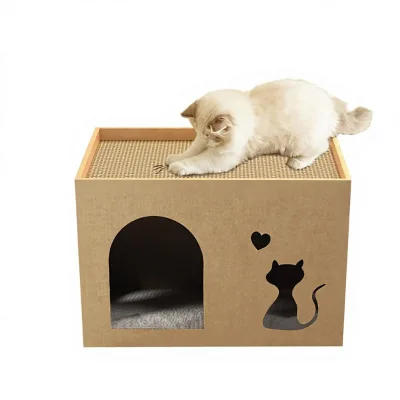
Recycled Corrugated Cardboard Scartching Cat Toy with Catnip Cat Scratching Board
$0.59 - $0.66
Moq: 500


Shandong Haifang International Trade Co., Ltd.
- Verified by BV
- Combined
- China Shandong
- Lead time30 days
- Avg. response≤ 5h
Main productsCat Litter, Bentonite Cat Litter, Tofu Cat Litter, Mixed Cat Litter, Crushed Cat Litter, Pet Products, Cat Sand, Cat Litter Clumping, Pet Food, Cat Litter Suppliers
Main marketsNorth America

ASunpro Light Industrial Products Inc.
- Trading Company,Manufacturer/Factory
- China Shandong
- Lead time30 days
- Avg. response≤ 1h
Main productsPet House, Pet Bed, Pet Supplies, Hanger, Cat Scratcher, Cat Tree, Stretch Wrapping Machine, Pet Cleaning and Beauty Appliance
Main marketsSouth America,Eastern Europe,Mid East,North America,Southeast Asia,Eastern Asia,Oceania,Western Europe,Africa


Wholesale Eco-Friendly Corrugated Cardboard Cat Scratcher Luxury Bed Indoor Cat Toys
$2.00 - $3.00
Moq: 5000

Beijing Hite Cinda Import And Export Co., Ltd.
- Trading Company
- Beijing, China
- Lead time30 days
- Avg. response≤ 4h
Main productsCat Tree,Cat Scratcher,Cardboard scratcher,Cat Condo,Pet Carrier
Main marketsWestern Europe(35.0%), Eastern Asia(30.0%), North America(10.0%), Domestic Market(10.0%), Eastern Europe(5.0%), Southern Europe(5.0%), Northern Europe(5.0%)
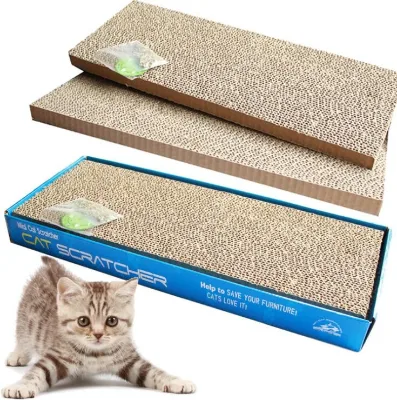
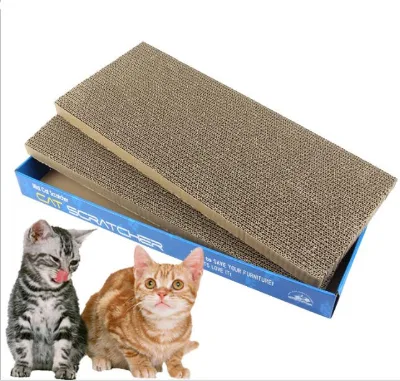
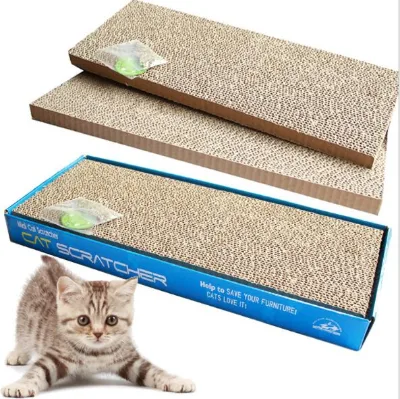
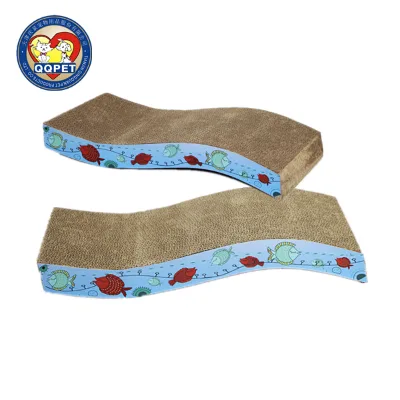
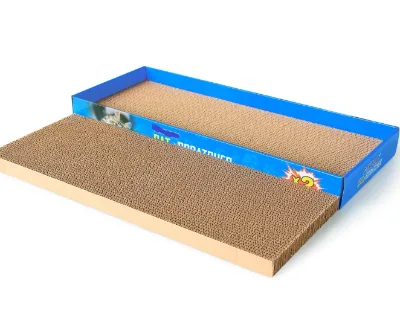
High Quality Scratching Cardboard Cat Toy
Contact supplier
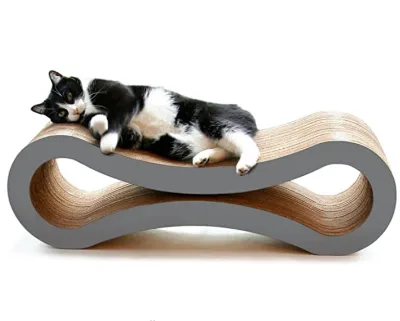
2Packs Corrugated Cat Scratcher Cat Scratching Toy
Contact supplier

Nanjing Qixiang Tengda Intelligent Technology Co., Ltd
- Verified by BV
- Manufacturer/Factory
- China Jiangsu
- Lead time23 days
- Avg. response≤ 2h
Main productsCat Litter, Cat Litter Box, Cat House/Beds, Cat Scratchers, Pet Bowls
Main marketsNorth America,Southeast Asia,Eastern Asia,Oceania,Western Europe

Haisen Huachong (Shandong) Pet Products Co., Ltd.
- Verified by SGS
- Combined
- China Shandong
- Lead time15 days
- Avg. response≤ 2h
Main productsTofu Cat Litter, Bentonite Cat Litter, Silicone Cat Litter, Crushed Tofu Cat Litter, Cat Food, Dog Food, Pet Toys, Pet Accessories, Cat Climbing Stands, Pet House
Main marketsSoutheast Asia/ Mideast,Domestic

Tianjin Smart Pets Technology Co., Ltd.
- Verified by BV
- Manufacturer/Factory
- China Tianjin
- Lead time23 days
- Avg. response≤ 3h
Main productsPet Products, Pet Accessories, Pet Supply, Pet Food, Dog Food, Cat Food, Pet Snack, Cat Litter, Pet Training Pad, Pet Treat
Main marketsSouth America,Eastern Europe,Mid East,North America,Southeast Asia,Eastern Asia,Oceania,Western Europe,Africa

- Verified by TUVRHEINLAND
- Trading Company
- China Zhejiang
- Lead time0 days
- Avg. response≤ 12h
Main productsCat Litter Box, Pet Feeder, Pet Toy, Pet Cloth, Pet Bed, Pet Carrier, Storage Bucket, Plastic Storage, Storage Rack, Lunch Box

Haisen Pet Technology (Inner Mongolia) Co., Ltd.
- Verified by SGS
- Combined
- China InnerMongolia
- Lead time15 days
- Avg. response≤ 4h
Main productsCat Litter, Pet Food, Pet Supplies
Main marketsSouth America,Africa,Southeast Asia/ Mideast,East Asia(Japan/ South Korea),Europe,North America

OEM Textures Design Durable Corrugated Cardboard Oval Shape Cat Scratcher Toys
$1.39 - $2.18
Moq: 1000


Custom Luxury Reversible Arch Rectangle Pet Lounge Cat Cardboard Scratcher Toys
$0.65 - $0.71
Moq: 1000
NINGBO JIUCHUANG COMMODITY CO.,LTD
- Manufacturer
- Zhejiang, China
- Lead time15 days
- Avg. response≤ 16h
Main productsCat Cardboard House,Doodle Paper House,Paper Display Shelve,Greeting Card,Stationery Gifts
Main marketsDomestic Market(65.0%), Northern Europe(15.0%), North America(10.0%), Eastern Asia(10.0%)

Hangzhou Tianyuan Pet Products Co., Ltd.
- Verified by TUVRHEINLAND
- Combined
- China Zhejiang
- Lead time30 days
- Avg. response≤ 10h
Main productsPet Beds, Cat Trees, Pet Products, Pet Accessories, Pet Supplies, Pet Collar, Pet Toy, Pet Brush, Pet Bowl, Pet Clothes
Main marketsEurope,North America

- Verified by TUVRHEINLAND
- Trading Company
- China Zhejiang
- Lead time15 days
- Avg. response≤ 12h
Main productsWooden Toy, Outdoor Product, Kitchen Item, Personal Care Tool, Painting Set, Disk Rack, Yoga, Garden
Main marketsSouth America,Europe,North America
Dongguan Deep Power Technology Company Limited
- Trading Company
- Guangdong, China
- Lead time15 days
- Avg. response≤ 6h
Main productsSports Supplies,Entertainment Products,Sports Device,Pet products,Pet Supplies
Main marketsNorth America(45.0%), Western Europe(15.0%), Mid East(15.0%), Oceania(10.0%), Eastern Europe(5.0%), South America(5.0%), Southeast Asia(5.0%), Africa(5.0%)
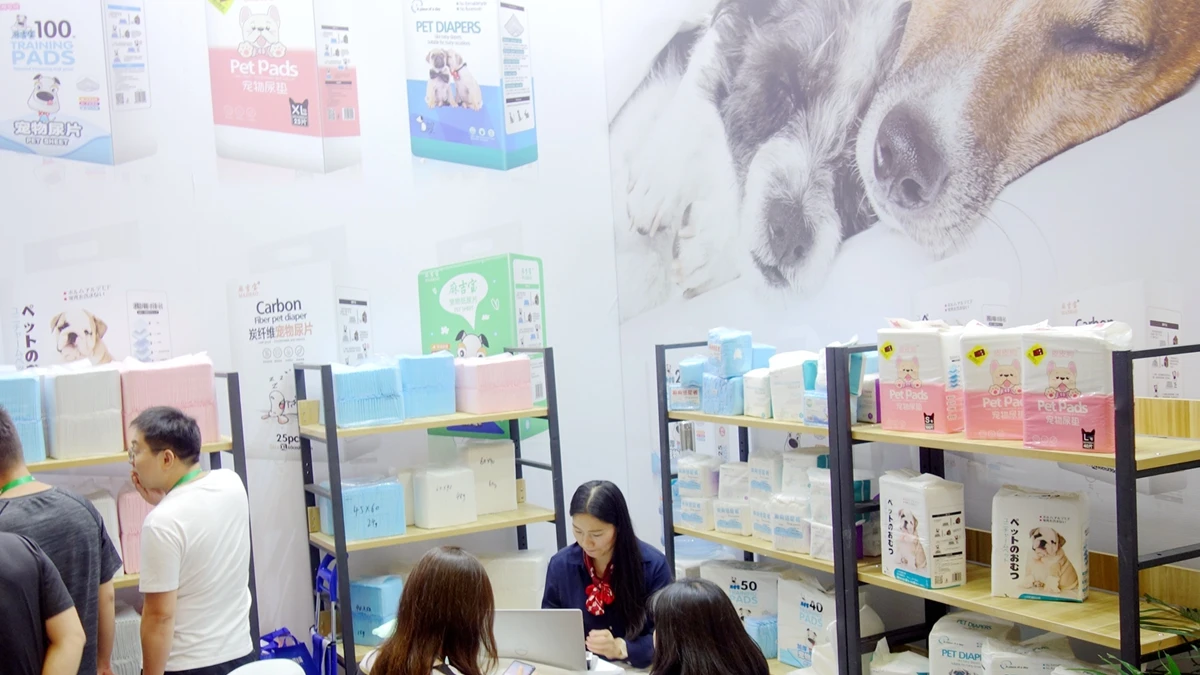
- Trading Company
- Jiangsu, China
- Lead time21 days
- Avg. response≤ 15h
Main productsPet Pad,Dog Diaper,Toilet Paper,Cat Litter,Dog Leash
Main marketsSouth Asia(100.0%), Domestic Market(100.0%), Eastern Asia(25.0%), South America(15.0%), North America(15.0%), Southeast Asia(10.0%), Southern Europe(5.0%), Northern Europe(5.0%), Central America(5.0%), Western Europe(5.0%), Eastern Europe(5.0%), Mid East(5.0%), Africa(4.0%), Oceania(1.0%)




Comprehensive Sourcing Guide
Recycled Corrugated Cardboard Cat Toy Supplier Concentration and Factory Types
Current data indicates a concentration of suppliers in China, specifically within the Shandong and Zhejiang provinces. Shandong-based entities often list main products including silica gel, bentonite, and various cat litter types, while also offering corrugated paper cat scratching boards. Zhejiang suppliers frequently focus on pet harnesses, collars, leashes, and feeders alongside corrugated cardboard toys. This geographic clustering suggests that buyers seeking recycled corrugated cardboard cat toys should prioritize regions where pet product manufacturing is established, as these areas often possess the necessary raw material supply chains for paper-based products.
Factory types in this sector vary between trading companies and manufacturers capable of ODM and OEM services. Some suppliers explicitly state they accept OEM and ODM orders, indicating in-house design and production capabilities for custom-sized or branded cat scratching posts. Others operate primarily as trading companies, sourcing products from various factories to offer a broader catalog. Buyers must distinguish between these models, as trading companies may offer faster access to diverse SKUs, while manufacturers might provide more control over material quality and customization for recycled cardboard specifications.
How to Verify Recycled Corrugated Cardboard Cat Toy Suppliers
Verification is a critical step when sourcing recycled corrugated cardboard cat toys, as not all suppliers possess the same level of third-party validation. Some suppliers in the current results hold TUVRHEINLAND verification, while others display SGS certification. These credentials provide a baseline of trust regarding the supplier's business legitimacy and operational standards. Buyers should prioritize suppliers with these specific verification badges to ensure that the entity is a registered and audited business, reducing the risk of dealing with fraudulent intermediaries.
Beyond verification badges, buyers should examine product attributes and certifications listed for specific items. Several products in the search results display ISO and RoHS certifications, which are relevant for pet safety and environmental compliance. The presence of these certifications on product pages suggests that the supplier adheres to specific quality and safety standards for their cardboard toys. However, buyers must verify that these certifications apply to the specific recycled cardboard products they intend to purchase, as certifications may sometimes be listed for a broader range of pet supplies rather than the specific toy model.
What to Compare Across Recycled Corrugated Cardboard Cat Toy Suppliers
When evaluating suppliers, buyers should compare key operational metrics such as lead time, minimum order quantity (MOQ), and response time. Current data shows lead times ranging from 15 days, with response times varying between 11.56 and 13.66 units. These figures help buyers estimate how quickly they can receive inventory and how responsive a supplier is to inquiries. A shorter lead time and faster response time are generally preferable for maintaining agile supply chains, especially when dealing with seasonal pet product demands.
Price and MOQ are also essential comparison points that vary significantly across different suppliers. Some listings show prices as low as $0.54 per unit with an MOQ of 400, while others list prices around $10.00 with an MOQ of 500. Buyers must align these figures with their budget and volume requirements. Additionally, customization options differ; some suppliers offer logo printing and custom sizes, while others provide non-customized standard products. Comparing these variables helps buyers identify the most cost-effective and flexible partner for their specific business needs.
Common Recycled Corrugated Cardboard Cat Toy Sourcing Risks
One significant risk involves the variability in material quality and durability of recycled cardboard products. While some products are described as having high strength and strong abrasion performance, others may lack detailed specifications regarding the thickness or density of the cardboard. Buyers should be cautious of suppliers who do not provide clear details on the "Extra Thick Cardboard" feature or specific dimensions like 40cm or 43026040mm. Without these specifics, the final product may not meet the durability expectations required for active cat toys.
Another risk is the inconsistency in customization capabilities and branding options. Some suppliers explicitly state that logo printing is available, while others list it as "Without Logo Printing" or "Non-Customized." This inconsistency can lead to confusion if a buyer assumes a supplier can provide branded packaging or custom designs when they cannot. Additionally, the presence of "OEM & ODM" acceptance varies, meaning some suppliers may not be able to produce unique designs or modify existing molds, limiting the buyer's ability to differentiate their product line in the market.
Recycled Corrugated Cardboard Cat Toy Regional Sourcing and Logistics
Sourcing from China, particularly from Shandong and Zhejiang provinces, offers access to a robust network of pet product manufacturers. These regions are known for their manufacturing clusters, which can facilitate efficient logistics and lower shipping costs for bulk orders. However, buyers must account for the distance and potential transit times associated with shipping from these inland and coastal provinces. Understanding the specific origin, such as Qingdao in Shandong, helps in estimating freight costs and delivery schedules more accurately.
Logistics planning should also consider the packaging standards provided by suppliers. Many listings indicate that products are packed in cartons or boxes, with specific dimensions like 522625cm or 53 cm * 36 cm * 24 cm. These details are crucial for calculating container loading efficiency and overall shipping volume. Buyers should verify if the packaging is robust enough to protect the cardboard toys during transit, as damaged goods can lead to returns and additional costs. Coordinating with suppliers on packaging requirements ensures that the products arrive in sellable condition.
Recycled Corrugated Cardboard Cat Toy Commercial Terms and Order Planning
Commercial terms regarding payment and order planning are vital for managing cash flow and inventory levels. Buyers should review the minimum order quantities, which range from 50 to 1200 units depending on the supplier and product type. Lower MOQs, such as 50 units, allow for smaller initial orders and reduced risk, while higher MOQs may offer better unit pricing but require larger capital investment. Understanding these thresholds helps buyers plan their initial stock levels and future reordering schedules effectively.
Establishment years and company types also influence commercial terms and reliability. While specific establishment years are not always listed, the presence of verification badges like TUVRHEINLAND or SGS often correlates with a longer operational history. Buyers should inquire about the supplier's track record and ask for references to gauge their reliability. Additionally, confirming the availability of escrow services or secure payment methods can protect the buyer's funds until the goods are delivered as specified, ensuring a smoother transaction process for recycled corrugated cardboard cat toys.
FAQs
What is the typical lead time for corrugated cardboard cat toys?
The typical lead time for these products is 15 days based on current supplier data. Buyers should verify specific delivery schedules with individual vendors as production capacity varies. Some suppliers may offer expedited options depending on order volume and customization requirements.
What certifications do these cat scratching boards hold?
Many products carry ISO and RoHS certifications to ensure safety and environmental compliance. Specific items may also feature additional quality standards depending on the manufacturer. Buyers should request current certification documents to confirm that the products meet their regional regulatory requirements before placing orders.
What is the minimum order quantity for these toys?
Minimum order quantities range from 50 to 1200 units depending on the specific product model and supplier. Some standard items require as few as 50 pieces while bulk orders often start at 500 or 1000 units. Buyers must check the exact MOQ for each item to plan their inventory effectively.
Are these cat toys available with custom logo printing?
Custom logo printing is available on many corrugated cardboard cat toys from various suppliers. Some options allow for full customization while others may offer non-customized versions. Buyers should confirm logo printing capabilities and associated costs with the supplier before finalizing their design specifications.
Where are the manufacturers of these cat toys located?
Manufacturers are primarily located in China, specifically in Shandong and Zhejiang provinces. These regions are known for producing pet supplies and cardboard products. Buyers should verify the exact city and factory address to assess shipping logistics and potential tariffs for their specific import needs.
What is the price range for these cat scratching boards?
Prices for these products range from 0.54 to 10.00 USD per unit depending on size and features. Specific models like the 40cm board may cost around 5.00 USD while larger climbing frames can reach higher price points. Buyers should request detailed quotes to understand the final cost including shipping.
How quickly do suppliers typically respond to inquiries?
Supplier response times vary, with some averaging around 11 to 14 hours for initial contact. Faster response times often indicate higher availability and better communication channels. Buyers should expect varying reply speeds and may need to follow up to ensure timely processing of their sourcing requests.