Refillable Portable Glass Roller Bottle Suppliers and Manufacturers
Source 21 verified suppliers for Refillable Portable Glass Roller Bottle options. Compare key dimensions including location, lead time, MOQ, response time, and certifications. Review product specifications and pricing to identify suitable partners for your packaging needs; review the available evidence before requesting comparable quotations from suitable candidates.
Suppliers List
Wuhan Newray Packaging Solutions Co., Ltd.
- Verified by TUVRHEINLAND
- Manufacturer/Factory
- China Hubei
- Lead time23 days
- Avg. response≤ 3h
Main productsGlass Honey Jars, Glass Spice Jars, Glass Candy Jars, Glass Jam Jars, Glass Bird-Nest Jars, Glass Spirit and Wine Bottles, Glass Beverage Bottles, Glass Perfume and Diffuser Bottles, Glass Roll on Bottle, Glass Storage Bottles
Main marketsSouth America,Eastern Europe,Mid East,North America,Southeast Asia,Eastern Asia,Oceania,Western Europe,Africa
Akuiman (Guangzhou) Packaging Products Co., Ltd.
- Verified by SGS Group
- Trading Company
- Guangdong, China
- Lead time7 days
- Avg. response≤ 2h
Main productsCosmetic Packaging, Glass Bottle, Plastic Bottle, Jar, Paper Boxes
Main marketsNorth America(40%), South America(10%), Eastern Europe(10%)
Zibo Chuangxinzhe International Trade Co., Ltd
- Verified by TUVRHEINLAND
- Trading Company
- China Shandong
- Lead time15 days
- Avg. response≤ 3h
Main productsGlass Bottle, Glass Jar, Bottle, Glass Storage Jar, Glass Tube, Mason Jar, Food Jar, Dropper Bottle, Empty Candle Jars, Perfume Bottle
Main marketsSouth America


3ml/6ml Color Roller Ball Bottles 10ml/12ml Glass Octagonal Bottles/Cosmetics Travel Bottles
$0.02 - $0.39
Moq: 10000

Shangyu Shengruisi Packaging Co., Ltd.
- Verified by CTI
- Combined
- China Zhejiang
- Lead time60 days
- Avg. response≤ 6h
Main productsRoll on Bottle, Roller Bottle, Airless Bottle, Perfume Bottle, Essential Oil Bottle, Cosmetic Packaging, Plastic Bottle, Make up Series, Pet Bottle, Cosmetic Jar
Main marketsSouth America,Southeast Asia/ Mideast,East Asia(Japan/ South Korea),Europe,Australia,North America


Sustainable Bamboo Glass Roll-On Container 15ml Refillable for Travel & Home Use
$0.98 - $1.00
Moq: 20000


Ningbo Beixuan International Trading Co., Ltd.
- Verified by TUVRHEINLAND
- Manufacturer/Factory
- China Zhejiang
- Lead time15 days
- Avg. response≤ 11h
Main productsPlastic Bottle, Plastic Cup, Plastic Honey Jar, Plastic Food Container, Glass Juice/ Beverage Bottle, Glass Jar, Glass Wine Bottle, Glass Essential Oil Bottles, Cosmetic & Perfume Glass Bottles, Paper Cup
Main marketsSouth America,Eastern Europe,Mid East,North America,Southeast Asia,Eastern Asia,Oceania,Western Europe,Africa

Xuzhou Yanjia Glassware Co., Ltd.
- Verified by BV
- Trading Company,Manufacturer/Factory
- China Jiangsu
- Lead time0 days
- Avg. response≤ 5h
Main productsGlass Bottle, Glass Jar, Honey Jar, Wine Bottle, Jam Jar, Juice Bottle, Glass Candle Jar, Tin Lid, Bottle Cap, Perfume Bottle
Guangdong Ever Bright Pack Co., Ltd.
- Trading Company
- Guangdong, China
- Lead time25 days
- Avg. response≤ 5h
Main productsMolded Glass Bottles,Aluminum Perfume Bottles,Aerosol Cans,Nasal Inhaler Stick,Cosmetic Tubes
Main marketsNorth America(90.0%), Southeast Asia(5.0%), South America(5.0%)
Xuzhou Sheenland Glass Products Co., Ltd.
- Verified by CTI
- Trading Company
- China Jiangsu
- Lead time45 days
- Avg. response≤ 5h
Main productsGlass Bottle, Glass Jar, Glass Container
Main marketsSouth America,Africa,Southeast Asia/ Mideast,East Asia(Japan/ South Korea),Domestic,Europe,Australia,North America


Customizable Logo Portable 10ml Glass Roll-on Bottle Tapered Essential Oil Bottle
$0.15 - $0.45
Moq: 500


Jinhua Allies Import and Export Co., Ltd.
- Verified by SGS
- Manufacturer/Factory
- China Zhejiang
- Lead time23 days
- Avg. response≤ 5h
Main productsCanister, Container, Bottle, Cosmetic, Make up, Plastic Packaging, Eyeshadow, Palette, Box, Compact Case
Main marketsSouth America,Mid East

Shandong Well Pack Industry Co., Ltd
- Verified by TUVRHEINLAND
- Trading Company
- China Shandong
- Lead time30 days
- Avg. response≤ 6h
Main productsLiquor Bottle, Beer Bottle, Glass Jar, Nail Polish Bottle, Water Bottle, Spirits Bottle, Wine Bottle
Main marketsEurope,North America

Xuzhou Crystal Glass Products Co., Ltd.
- Verified by SGS
- Trading Company
- China Jiangsu
- Lead time30 days
- Avg. response≤ 5h
Main productsGlass Bottle, Beverage Bottle, Wine Bottle, Mason Jar, Food Storage Jar, Spice Bottle, Spice Grinder, Table Glassware, Cosmetic Bottle, Cup
Main marketsOthers(foreignTradeCapacity.exportBusinessCapacityMarketOther),Europe


10ml Glass Roll on Bottles Gradient Color Roller Bottles with Stainless Steel Balls
$0.20 - $1.00
Moq: 5000

- Verified by CTI
- Trading Company
- China Zhejiang
- Lead time30 days
- Avg. response≤ 3h
Main productsAirless Bottle, Glass Bottle, Comb, Cosmetic Packaging, Food Packaging, Sprayer, Lotion Pump Machine, Gift, Roll on Ball
Main marketsAfrica,Southeast Asia/ Mideast


Durable Plastic Roller Ball Bottle for Smooth and Effortless Application Experience
$0.10 - $0.11
Moq: 5000

Hebei Shengjin Package Co., Ltd.
- Verified by TUVRHEINLAND
- Manufacturer/Factory
- China Hebei
- Lead time0 days
- Avg. response≤ 2h
Main productsGlass Bottle, Cosmetic Bottle, Perfume Bottle, Dropper Bottle, Pill Bottle
Main marketsSouth America,Eastern Europe,Mid East,North America,Southeast Asia,Eastern Asia,Oceania,Western Europe,Africa


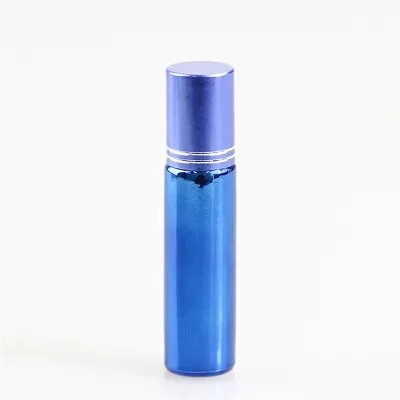
Empty Glass Gradient Blue Bottle with Steel Plastic Roller Ball for Essential Oil
$0.16 - $0.23
Moq: 10000

Shenzhen Bright Glassware Co., Ltd.
- Verified by SGS
- Manufacturer/Factory
- China Guangdong
- Lead time23 days
- Avg. response≤ 8h
Main productsGlassware, Candle Jar, Glass Candle Holder, Reed Diffuser Bottle, Glass Perfume Bottle, Drinkware, Food Storage Jar, Candle Lid, Packaging Gift Box
Main marketsNorth America,Oceania,Western Europe


30ml 50ml Glass Roller Bottle Body Fluid Personal Care Glass Roller Bottle with Cap
$0.40 - $0.60
Moq: 3000
Xuzhou Selead Packaging Material Co., Ltd.
- Verified by SGS
- Trading Company
- China Jiangsu
- Lead time15 days
- Avg. response≤ 7h
Main productsGlass Bottle, Plastic Bottle, Water Bottle, Glass Jar, Mason Jar, Wine Bottle, Cosmetic Bottle, Beverage Bottle, Glass, Candle Holder
Main marketsAfrica,Southeast Asia/ Mideast,Europe,North America
Shenyang Jingrui Import And Export Co., Ltd.
- Trading Company
- Liaoning, China
- Lead time0 days
- Avg. response≤ 2h
Main productsplastic bottle,glass bottle,Airless Pump Bottle,lotion bottle,cream bottle
Main marketsSoutheast Asia(15.0%), Eastern Europe(15.0%), South America(15.0%), North America(15.0%), Southern Europe(5.0%), Northern Europe(5.0%), Central America(5.0%), Western Europe(5.0%), Eastern Asia(5.0%), Mid East(5.0%), Oceania(5.0%), Africa(5.0%)
Xuzhou Honghua Glass Technology Co., Ltd.
- Verified by CTI
- Combined
- China Jiangsu
- Lead time15 days
- Avg. response≤ 3h
Main productsGlass Bottle, Glass Jar, Candle Jar, Lunch Box, Glassware, Class Cup
Main marketsSouth America,Africa,Others(foreignTradeCapacity.exportBusinessCapacityMarketOther),Southeast Asia/ Mideast,East Asia(Japan/ South Korea),Domestic,Europe,Australia,North America


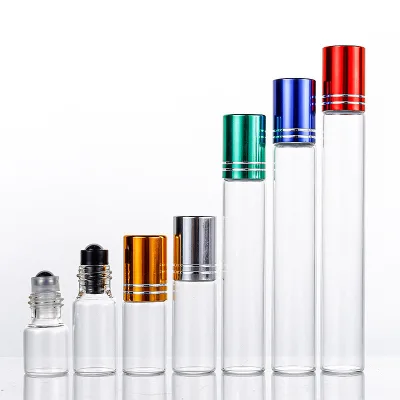
Multi Capacity Glass Roller Bottles From 6ml to 15ml with Detailed Size Specifications
$0.30 - $0.50
Moq: 1000
Guangzhou Best Packaging Products Co., Ltd
- Verified by SGS
- Trading Company
- China Guangdong
- Lead time30 days
- Avg. response≤ 13h
Main productsChild Proof Jar, Glass Bottle, Glass Jar, Cosmetic Jar, Cosmetic Bottle, Serum Bottle, Glass Vial
Main marketsNorth America

Wuxi Sunmart Science and Technology Co., Ltd.
- Verified by BV
- Combined
- China Jiangsu
- Lead time15 days
- Avg. response≤ 3h
Main productsFoam Pump, Fine Mist Spray Pump, Lotion Pump, Pen Atomizers, Cream Spray Pump, Perfume Atomizers, Foam(Soap) Pump Trigger Spray Pump, Regular Spray Pumps Nasal Sprayers Oral, Droppers and Glass Pipettes, Plastic Caps
Main marketsDomestic,Europe,Australia,North America

HANG ZHOU KOSMETEK INDUSTRY CO., LTD.
- Verified by CTI
- Trading Company,Manufacturer/Factory
- China Zhejiang
- Lead time23 days
- Avg. response≤ 25h
Main productsTrigger Sprayer, Lotion Pump, Mist Sprayer, Foam Pump, Nail Polish Bottle, Perfume Sprayer, Pet Preforms, Nail Polish Pump, Plastic Cap, Pet Bottles
Main marketsSouth America,Eastern Europe,Mid East,North America,Southeast Asia,Eastern Asia,Oceania,Western Europe,Africa

Zibo Timestone International Co., Ltd.
- Manufacturer/Factory
- China Shandong
- Lead time45 days
- Avg. response≤ 14h
Main productsCeramic Dinnerware, Ceramic Mugs, Stainless Steel Bottles Mugs and Tumblers, Glass Bottles Mugs and Tumblers, Dinnerware, Tableware, Glassware, Kitchenware, Household Items, Ceramic Granding Balls and Filters
Main marketsSouth America,Eastern Europe,Mid East,North America,Southeast Asia,Eastern Asia,Oceania,Western Europe,Africa






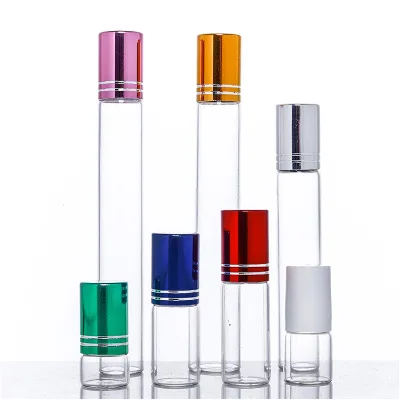


Comprehensive Sourcing Guide
Refillable Portable Glass Roller Bottle Supplier Concentration and Factory Types
China dominates the supply base for refillable portable glass roller bottles, and the current results point to glass-producing provinces such as Hubei, Guangdong and Shandong as active sourcing locations. The Hubei entry is a manufacturer/factory whose main products include glass perfume and diffuser bottles and glass roll-on bottles alongside honey, spice and jam jars, which signals a broad glass-forming operation rather than a single-product workshop. A Guangdong entry is registered as a trading company covering cosmetic packaging, glass bottles, plastic bottles, jars and paper boxes, so it can consolidate rollers with complementary packaging. A Shandong entry lists glass bottles, jars, dropper bottles and perfume bottles among its main products. Treat these three provinces as examples of where glass packaging capability clusters, not as a complete map.
When cluster information is not displayed, identify concentrations yourself: search the category, record the province of each verified listing, and weight your shortlist toward provinces that appear repeatedly with factory-type profiles. Distinguish factory from trading company early, because it changes who controls tooling, decoration and quality fixes. Factories in this category often support OEM and ODM; one entry also lists "own brand" capability. Trading companies add value through multi-item consolidation, for example pairing roller bottles with caps, cartons or paper boxes. Neither model is inherently better; what matters is whether the counterpart can genuinely influence molding, glass quality and printing.
How to Verify Refillable Portable Glass Roller Bottle Suppliers
Verification on a B2B platform starts with the badges shown on the listing. In the current results, one supplier is verified by TUVRHEINLAND and holds ISO 9001, ISO 14001 and ISO 20000 system certifications; another carries SGS Group verification with a CE certification; a third shows no system certification at all. Do not treat the absence of a displayed certificate as proof of a problem, but do treat it as a prompt to request documents directly, including scope of certification (does the certificate cover glass packaging manufacture, or only part of the operation?), certificate number, issuing body and expiry date, and to confirm them with the issuer where possible.
Beyond documents, verify operational substance. Ask for business licence details, factory address and photos or a live video walkthrough of the glass lines, annealing lehr and decoration workshop, since roller bottles require consistent glass wall thickness and ball seating. Request product-specific evidence: a recent third-party test report for the actual bottle, or a written statement of which standards the bottle can be tested against, rather than a generic claim. Confirm whether the supplier offers free samples; one listed product states "Free Samples: Yes," which makes physical validation inexpensive. Finally, check responsiveness as a practical signal: displayed response times in these results range from roughly two to nearly three hours, and a supplier who replies slowly during pre-sale is unlikely to improve after payment.
What to Compare Across Refillable Portable Glass Roller Bottle Suppliers
Build a comparison sheet using only attributes actually displayed, and mark missing values "to confirm" rather than guessing. Useful platform-level dimensions in these results include lead time (23 days for one supplier, 15 for another, 7 for a trading company), response time (about 2 to 2.8 hours), location, company type, verification body, system certification, main products and R&D capacity such as OEM, ODM or own-brand support. Note that establishment year and escrow status are legitimate comparison fields on many listings, but they are not shown for every supplier here, so confirm them per supplier rather than assuming.
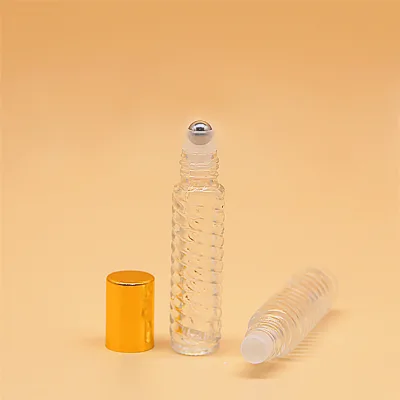
Then compare product-level attributes, which often differ within one supplier's catalogue. One listed 5ml frosted roller bottle spans 5–50ml capacities, glass material, rollerball closure, spray cap options, clear/frosted/painted coloring, silk-screen and decal decoration, customization, MOQ of 5,000 pieces and a unit price range of roughly $0.20–$0.38. A 30ml amber roller bottle from a trading company shows a $0.11–$0.15 range at an MOQ of 200, while a 12ml bamboo-glass roller starts around $0.13 at 1,000 pieces. A clear 5ml roll-on from Shandong shows $0.02–$0.28 at an MOQ of 100,000. Compare like with like: capacity, closure, decoration and quantity all move the price, so normalize quotes to the same spec before ranking suppliers.
Common Refillable Portable Glass Roller Bottle Sourcing Risks
The most frequent risk in this category is spec drift between sample and production. A frosted or painted 5ml roller approved as a sample may arrive in production with a different coating thickness, a rollerball that leaks or drags, or a cap that loosens in transit. Because these bottles are small, light items, freight damage and ball-seating failures are easy to miss in carton-level inspection. Mitigate by freezing a golden sample, specifying glass thickness, ball material (glass versus plastic roller, which one listing explicitly calls out), cap torque and coating adhesion, and by inspecting an AQL sample from the first production run, not just the pre-production sample.
Lead-time and MOQ mismatch is the second cluster of risk. Displayed lead times range from 7 to 23 days and product lead times as short as 5–7 days after payment, but these figures rarely include decoration, drying, or peak-season queue. One Shandong product carries an MOQ of 100,000 pieces, which is efficient for unit cost but risky for a first order or an untested design; other listings show MOQs of 200, 1,000 or 5,000. Ordering a large first batch to hit a low unit price concentrates all your quality risk in one shipment. Also watch for certification gaps: one supplier shows no system certification, so test reports for food-adjacent or skin-contact use must be requested explicitly rather than assumed from platform verification.
Refillable Portable Glass Roller Bottle Regional Sourcing and Logistics
The provinces visible in these results each suggest a different logistics profile. Guangdong suppliers sit close to major southern export ports and to cosmetics-packaging ecosystems, which suits buyers consolidating roller bottles with plastic components, jars or paper boxes from one trading company. Shandong is a traditional glass-manufacturing base, and the Shandong entry here lists dropper bottles, mason jars and perfume bottles broadly, with an automatic inspection system claimed for its roll-on product. Hubei sits more centrally, and the manufacturer there shows a 23-day lead time, which may partly reflect inland positioning; confirm the actual port of loading and whether inland trucking to a coastal port is included in quoted terms.
For logistics planning, roller bottles are dense, fragile cargo. Standard export carton or pallet packing is offered in several listings, with one supplier also offering individual boxes and custom boxes; individual boxing raises cost but sharply reduces breakage claims. Confirm carton dimensions, pieces per carton, gross weight and stacking limits so you can compute container utilization, since small 5–10ml bottles often leave container space unused if packed loosely. Ask which Incoterms the supplier quotes (FOB versus EXW changes who arranges inland trucking) and which ports they habitually ship from. For air-freight replenishment of refillable glass with liquid inside later, note that filled bottles face different rules than empty glass, so plan empty-bottle shipments for production and fill locally.
Refillable Portable Glass Roller Bottle Commercial Terms and Order Planning
Commercial terms should be negotiated against the displayed anchors, not accepted at face value. Price ranges in these results run from about $0.02–$0.28 on a high-volume clear 5ml roll-on, $0.11–$0.15 on 30ml amber rollers, roughly $0.13 on bamboo-glass 12ml rollers, and $0.20–$0.38 on decorated 5ml frosted bottles. The spread tells you that decoration, capacity, closure type and volume drive price more than supplier identity. Get tiered quotes at your realistic volumes, specify what decoration is included (silk screen, decal or spray are all mentioned in listings), and confirm whether mold or setup charges apply for custom colors or logos, since customization is listed as available but rarely free.
Order planning should sequence risk. Place a paid sample or small pilot order first, exploiting low MOQs where offered, such as 200 or 1,000 pieces, before committing to a 5,000- or 100,000-piece run. Align payment schedule with milestones rather than paying everything upfront, and record the agreed lead time as days after payment plus a stated decoration period. Confirm packaging mode (carton, pallet, individual or custom boxes) and mark each carton with the model code, such as the model identifiers shown in listings, so reorders reproduce the exact spec. Finally, agree on a defect-handling clause covering leakage, ball-seating failure and coating defects, with photographic evidence and a defined remedy window, before the first bulk shipment departs.
FAQs
What is the typical lead time for manufacturing glass roller bottles?
Manufacturers generally require 5 to 23 days to produce orders after receiving payment. Specific timelines depend on the supplier's location and current production capacity. Some factories in China offer faster turnaround times for standard items, while custom designs may extend the schedule. Buyers should confirm exact dates before placing bulk orders to ensure timely delivery.
What are the common minimum order quantities for these bottles?
Minimum order quantities typically range from 200 to 100,000 pieces per supplier. Smaller trading companies may accept orders as low as 200 units, whereas large manufacturers often require 5,000 or more. Higher volumes usually result in lower unit prices. Buyers should verify the specific MOQ with each supplier to align with their budget and storage capabilities.
Are free samples available for glass roller bottles?
Yes, many suppliers offer free samples for their glass roller bottle products. This allows buyers to evaluate material quality, closure fit, and overall finish before committing to a large purchase. While the sample itself may be free, shipping costs are often borne by the buyer. It is advisable to request samples from multiple vendors to compare quality standards.
What certifications do these glass bottle suppliers hold?
Verified suppliers often hold ISO 9001, ISO 14001, and ISO 20000 system certifications. Some products may also carry LFGB or CE marks depending on the region and application. Third-party verification by groups like TÜV Rheinland or SGS adds an extra layer of trust. Buyers should request valid certificates to ensure compliance with international quality and safety standards.
What is the price range for empty glass roller bottles?
Unit prices for glass roller bottles generally range from $0.02 to $0.38. The final cost depends on capacity, glass thickness, color, and customization options like silk screen printing. Bulk orders significantly reduce the per-unit price. Buyers should compare quotes from multiple suppliers to find the best value that meets their specific design and quality requirements.
Can suppliers provide OEM and ODM services?
Most manufacturers offer both OEM and ODM services for glass packaging. Buyers can customize bottle shapes, colors, and closure types to match their brand identity. Logo printing via silk screen or decal decoration is widely available. Suppliers with strong R&D capabilities can also assist in developing unique designs. This flexibility supports brand differentiation in competitive markets.