Reflective Film Suppliers and Manufacturers in China
Explore 17 verified Reflective Film suppliers offering Engineering Grade, High Intensity, and Diamond Grade options with ISO 9001 and CE certifications. Compare lead times, MOQs, and response rates to source materials like PET or Acrylic Reflective Film for road signage or temporary signs.
Updated
Suppliers List

Fujian Xinli Yuan Reflective Material Co., Ltd.
- Verified by TUVRHEINLAND
- Combined
- China Fujian
- Lead time23 days
- Avg. response≤ 12h
Main productsReflective Film, Reflective Printing Material, Reflective Sheeting, Reflective Tape, Reflective Sticker, Reflective Product, Reflective, Photo Luminescent Film, Reflective Sign, Reflective Safety Sign
Main marketsDomestic
Jinjiang Lianxing Reflective Material Co., Ltd.
- Verified by Intertek
- Manufacturer, Trading Company
- Lead time6 days
- Avg. response≤ 1h
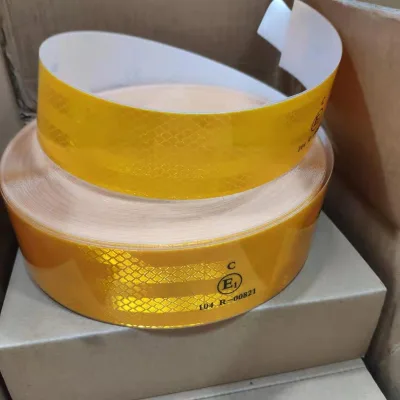
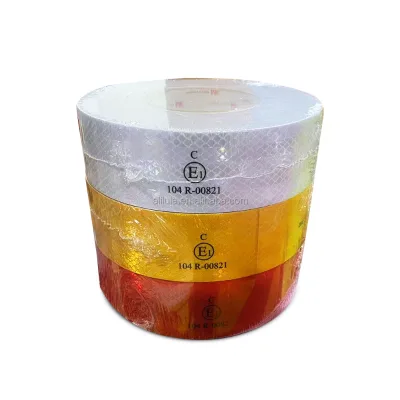
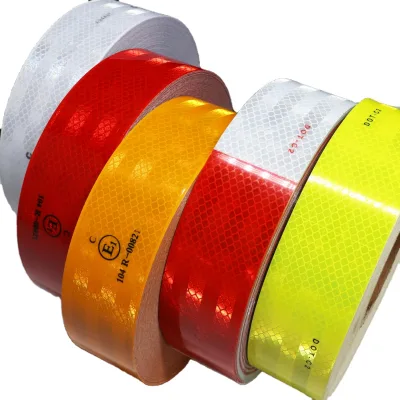
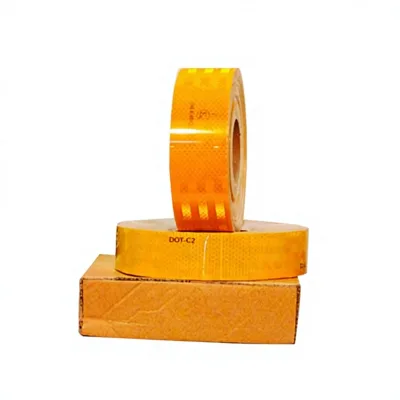
Main productsDiamond Grade Prismatic Reflective Sheeting (Full-cube Grade) , Super Engineering Grade Prismatic Reflective Sheeting, High Intensity Grade Prismatic Reflective Sheeting, Photoluminescent Film, Reflective Vehicle Conspicuity Tape for Truck & Trailer
Main marketsDomestic Market(60%), South America(20%), Eastern Asia(9%)
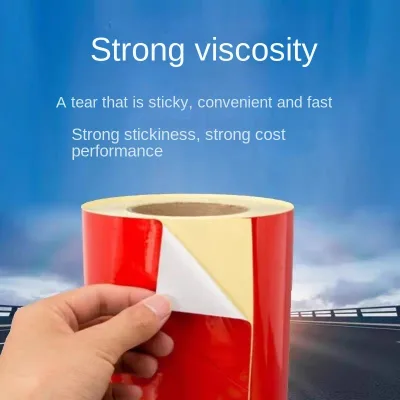
$8.0598 - $8.6646
MOQ: 100 square
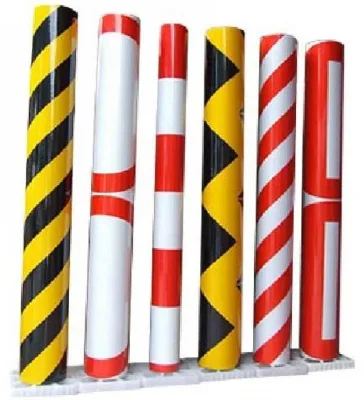
$6.0344 - $19.94
MOQ: 100 Minimum
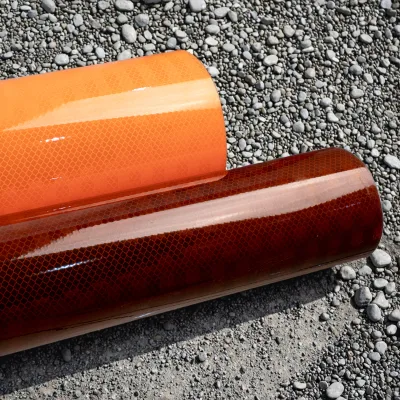
$6.0509 - $19.9954
MOQ: 100 Minimum
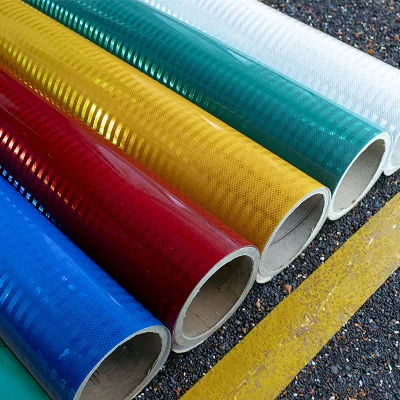
$8.0374 - $8.6407
MOQ: 100 square

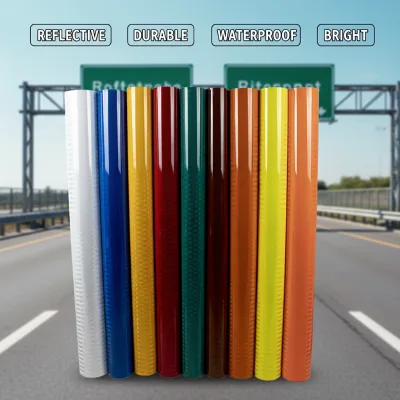

Quanzhou Dingfei Reflective Material Co., Ltd.
- Verified by TUVRHEINLAND
- Combined
- China Fujian
- Lead time30 days
- Avg. response≤ 3h
Main productsRoll up Sign, Traffic Cone Reflective Tape, Reflective Stickers, Tail Lift Flag, Reflective Sheeting, Reflective Tape for Clothing, Reflective Streamer, Reflective Material
Main marketsDomestic

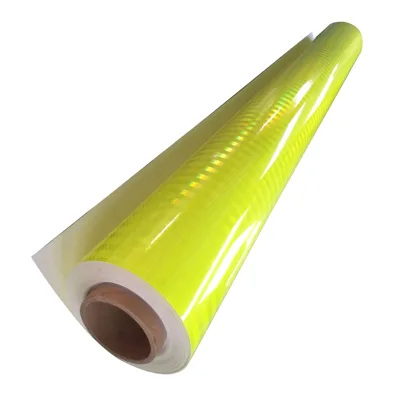
Self-Adhesive Reflective Vinyl Sheeting Prismatic Reflective Film
$8.00 - $10.00
MOQ: 1000 square meters


- Verified by BV
- Combined
- China Fujian
- Lead time23 days
- Avg. response≤ 4h
Main productsLicense Plate, Number Plate, Car Plate, Car Accessory, Advertising Plate, Aluminum Plate, Hydraulic Press Machine, Hot Stamping Machine
Main marketsSouth America,Africa,Southeast Asia/ Mideast,Australia,North America
Quanzhou Dingfei Reflective Material Co., Ltd.
- Verified by TüVRheinland
- Manufacturer, Trading Company
- Lead time7 days
- Avg. response≤ 2h
Main productsReflective Tape For Vehicles, Picket Pocket For Mining, Roll Up Sign And sheeting, Traffic Cone Sleeve, Tail Lift Flag
Main marketsWestern Europe(69%), Oceania(16%), North America(7%)
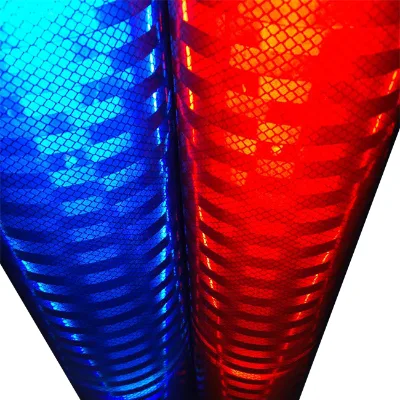
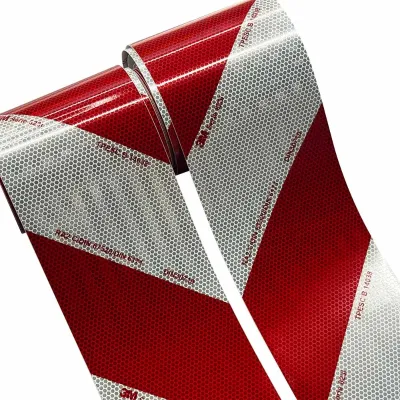
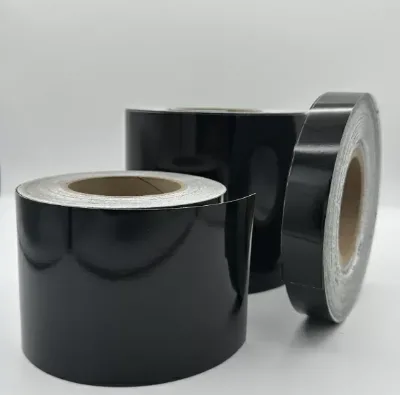
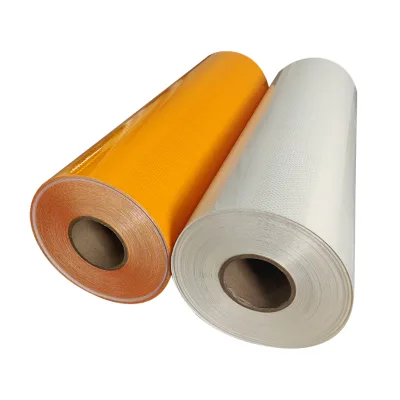
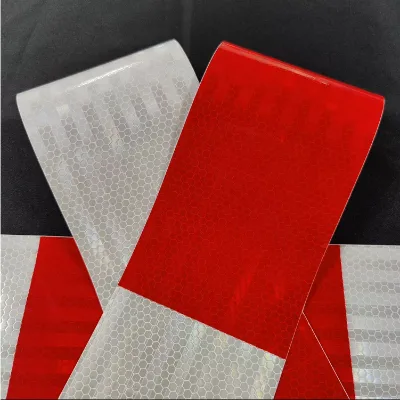
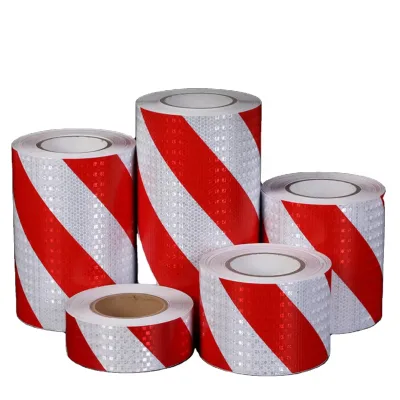
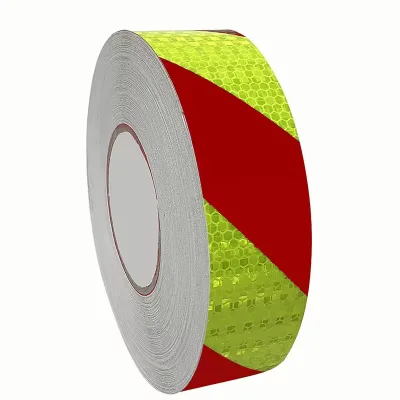
Self-Adhesive Red and White Reflective Strip Flexible Adhesive Film for Safety Applications
$0.8413 - $1.2829
MOQ: 1 pieces
Beijing Youchao Business Co., Ltd.
- Verified by SGS Group
- Manufacturer, Trading Company
- Lead time0 days
- Avg. response≤ 3h
Main productsTraffic Warning Products
Main marketsNorth America(15%), South America(15%), Eastern Europe(10%)
Anhui Alsafety Reflective Material Co., Ltd.
- Manufacturer
- Anhui, China
- Lead time10 days
- Avg. response≤ 2h
Main productsreflective tape,reflective sheeting,reflective film,conspicuity tape,reflective material
Main marketsDomestic Market(31.00%), North America(15.00%), South America(14.00%), Western Europe(6.00%), Northern Europe(5.00%), Mid East(5.00%), Central America(4.00%), Oceania(4.00%), Eastern Asia(4.00%), Africa(4.00%), Southern Europe(3.00%), Eastern Europe(2.00%), Southeast Asia(2.00%), South Asia(1.00%)
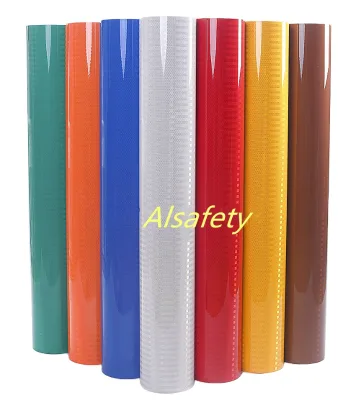
Alsafety Factory Custom Engineering Grade Reflective Film Road Reflective Sheeting Film for Traffic
$6.1661 - $8.22
MOQ: 50 square

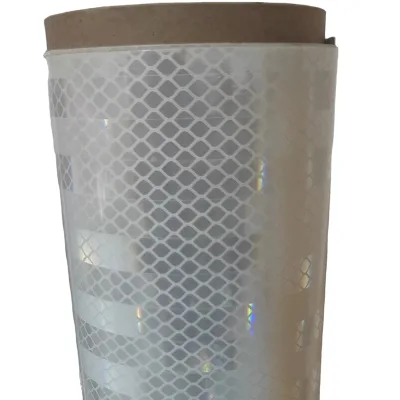


Wenzhou Xiangying Reflective Materials Science Technology Co., Ltd.
- Verified by CTI
- Trading Company,Manufacturer/Factory
- China Zhejiang
- Lead time23 days
- Avg. response≤ 21h
Main productsReflective Tape, Reflective Film, Reflective Sticker, Reflective Traffic Signs, Reflective Snap Bands, Photoluminescent Film, Car Plate, Reflective Road Traffic Cone, Warning Tape
Main marketsSouth America,Eastern Europe,Mid East,North America,Southeast Asia,Eastern Asia,Oceania,Western Europe,Africa


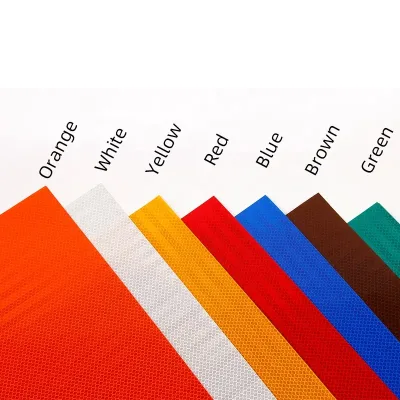
Available (Color / Printing) Red/Yellow (Support Custom) Radium Film Price Reflective Vinyl
$12.00 - $16.00
MOQ: 480 Rolls

1.22*45.7m Big Size Roll Solid Color Reflective Film/Sheeting for Outdoors Traffic/Road Safety Sign
$220.00 - $526.00
MOQ: 1 Rolls

Wenzhou Xiangying Reflective Materials Science Technolgy Co., Ltd.
- Verified by SGS Group
- Manufacturer, Trading Company
- Lead time15 days
- Avg. response≤ 7h
Main productsReflective Sheeting, Photoluminescent Sheeting, Anti-Slip Tape, Warning Tape, Aluminum Board
Main marketsNorth America(35%), Southern Europe(20%), Mid East(10%)

Fujian Yejinghui Optical Technology Co., Ltd.
- Verified by SGS
- Combined
- China Fujian
- Lead time15 days
- Avg. response≤ 2h
Main productsReflective Tape, Reflective Sheeting, Glow in The Dark Vinyl, Glow in The Dark Tape, Photoluminescent Vinyl, Photoluminescent Tape, Glow in The Dark Film, Reflective Vinyl, Glow in The Dark Sticker, Vehicle Conspicuity Tape
Main marketsSoutheast Asia/ Mideast,East Asia(Japan/ South Korea),Domestic,Europe
Anhui Angran Green Technology Co., Ltd.
- Verified by SGS Group
- Manufacturer, Trading Company
- Lead time7 days
- Avg. response≤ 2h
Main productsPhotoluminescent Anti Slip Stair Nosing/, Fire Signs, Reflective Signs, Custom Signs, Photoluminescent Safety Warning Signs
Main marketsDomestic Market(40%), North America(30%), Western Europe(20%)
Dongguan Cheng Wei Reflective Material Co., Ltd.
- Verified by SGS Group
- Manufacturer, Trading Company
- Lead time14 days
- Avg. response≤ 2h
Main productsReflective Fabric, Reflective Band, Reflective Tape, Reflective Sticker, Reflective Film
Main marketsWestern Europe(30%), Southeast Asia(16%), Northern Europe(12%)
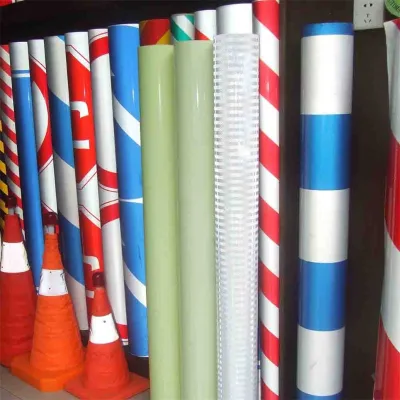
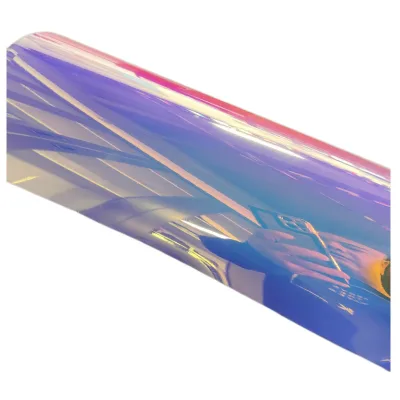
Cheap Glow in the Dark Luminous Self-adhesive rainbow Reflective Film for Car Sticker
$4.8518
MOQ: 50 Minimum
Water Transfer Printing Infrared Heating Reflective Fabric rainbow Film
$2.8593 - $8.1706
MOQ: 5 Minimum

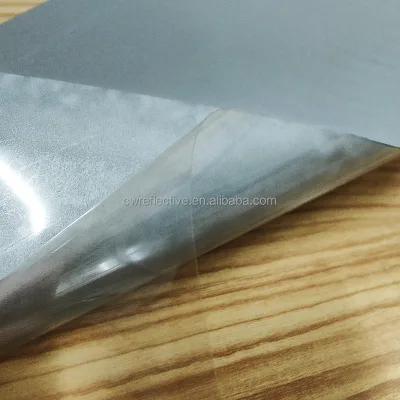

- Verified by SGS
- Trading Company
- China Zhejiang
- Lead time15 days
- Avg. response≤ 18h
Main productsCar Mat, Car Air Freshener, Car Seat Cover, Steering Wheel Cover, Car Phone Holder, Car Roof Tent, Car Sunshade, Jerry Can
Main marketsEurope,Australia

Manufacturers Promote Fire Safety Black Yellow Red Road Traffic Reflective Film
$2.31 - $2.97
MOQ: 370 Pieces

High-Quality Traffic Road Super Engineering Grade National Standard Classii Reflective Film
$6.28 - $7.06
MOQ: 160 Pieces
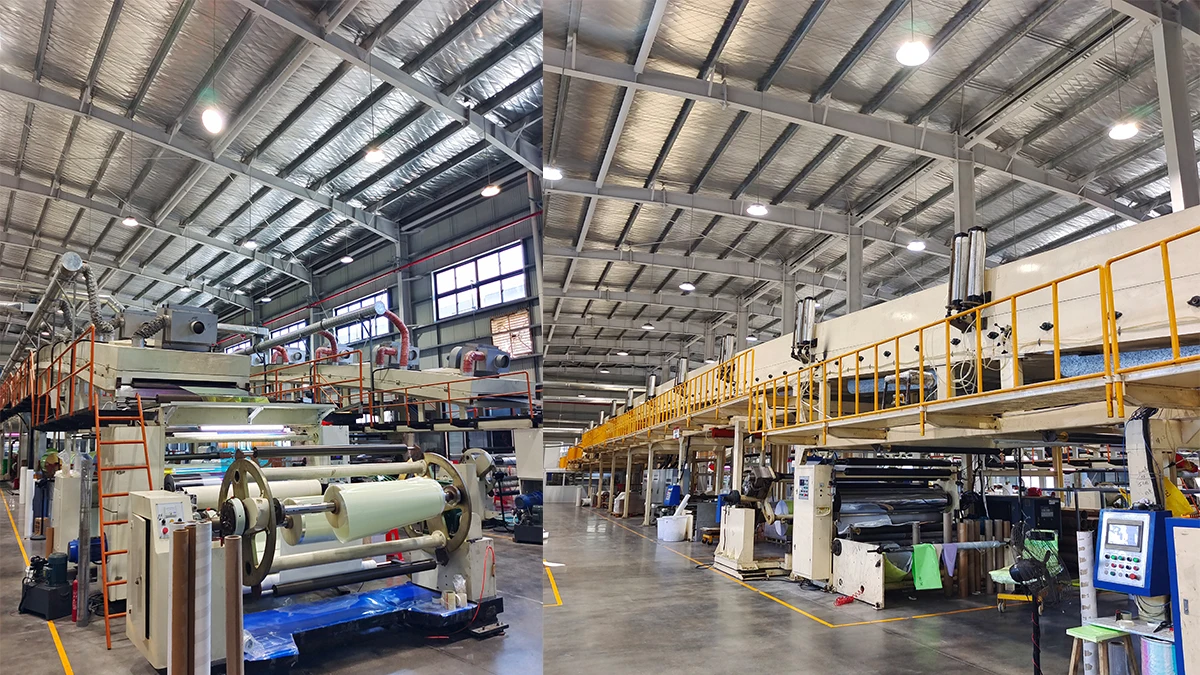
Jinjiangshi Jinyida Reflective Material Co., Ltd.
- Manufacturer
- Fujian, China
- Lead time0 days
- Avg. response≤ 1h
Main productsreflective sheeting,reflective tape,reflective sticker,photoluminescence vinyl,luminescent tape
Main marketsDomestic Market(45.00%), Mid East(15.00%), North America(15.00%), South America(10.00%), Western Europe(5.00%), Southern Europe(5.00%), Northern Europe(5.00%)
Shanghai Huipu Adhesive Technology Co., Ltd.
- Manufacturer, Trading Company
- Lead time旺季: "1 - 1000":31,"> 1000":"To be negotiated", 淡季: "1 - 1000":31,"> 1000":"To be negotiated"
- Avg. response≤ 4h
Main productsPVC Tape, OPP Tape, Cloth Tape, Masking Tape, Anti-slip Tape
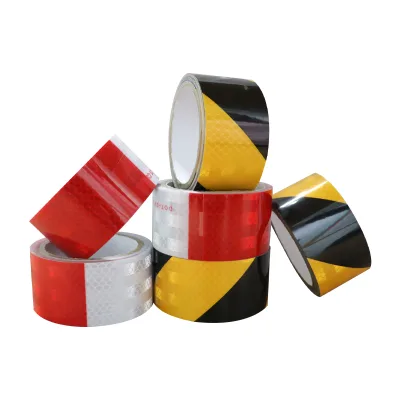
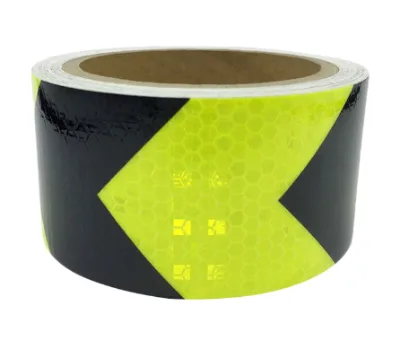
Safety High Intensity Prismatic Rainbow Printing Quality Flame Retardant Reflective Tape
$0.512 - $1.5329
MOQ: 500 pieces
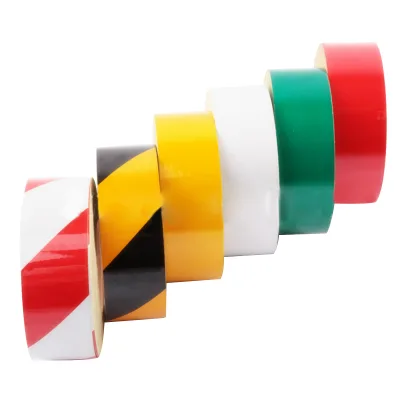
Hunan Kangtuo Import & Export Limited Company
- Manufacturer, Trading Company
- Hunan, China
- Lead time35 days
- Avg. response≤ 4h
Main productsReflective Fabric,Pet reflective training products,Reflective Heat Transfer Vinyl,Heat Transfer logo,Glow In The Dark Materials
Main marketsNorthern Europe(30.00%), North America(20.00%), Central America(20.00%), Eastern Europe(20.00%), Domestic Market(10.00%)
Guangdong New Vision Film Co., Ltd.
- Manufacturer, Trading Company
- Lead time旺季: "1 - 100":7,"> 100":"To be negotiated", 淡季: "1 - 100":7,"> 100":"To be negotiated"
- Avg. response≤ 3h
Main productsAutomotive Window Film, Commercial Window Film, Paint Protection Film, Headlight Film, Safety and Security Film







Comprehensive Sourcing Guide
Reflective Film Supplier Concentration and Factory Types
The current supplier landscape for Reflective Film reveals a distinct concentration of manufacturing and trading entities within specific industrial regions, with China Fujian emerging as a notable hub for production. This geographic clustering suggests a mature supply chain ecosystem where raw material availability, specialized processing capabilities, and logistical infrastructure converge to support high-volume output. Buyers evaluating potential partners should recognize that suppliers located in these established clusters often benefit from shared expertise in materials science, particularly regarding the engineering of prismatic and retroreflective technologies. The presence of both manufacturers and trading companies in these areas indicates a diverse market structure, allowing buyers to choose between direct factory engagement for cost efficiency or trading partners for broader product aggregation and simplified communication. Understanding this concentration helps in assessing the reliability of supply chains, as regional hubs often maintain consistent quality control standards due to competitive pressures and established industry norms.
Supplier types vary significantly, ranging from pure manufacturers with dedicated R&D facilities to combined entities that handle both production and distribution. Many suppliers in this sector offer OEM and ODM services, indicating a flexibility to customize products according to specific client requirements, such as altering dimensions, adhesive properties, or reflective grades. The availability of services like sample processing and graphic processing further underscores the adaptability of these factories to meet niche market demands. Buyers should carefully distinguish between suppliers who primarily trade third-party goods and those who possess in-house production capabilities, as this distinction impacts lead times, quality assurance processes, and the ability to implement custom specifications. The verification status of suppliers, such as those certified by TÜV Rheinland or Intertek, provides an additional layer of confidence regarding their operational legitimacy and adherence to international business standards. This verification is crucial for mitigating risks associated with unverified entities, ensuring that the chosen partner has undergone rigorous third-party assessments of their business practices and manufacturing capabilities.
How to Verify Reflective Film Suppliers
Verifying the authenticity and capability of Reflective Film suppliers requires a multi-faceted approach that goes beyond basic company profiles. Buyers should prioritize suppliers who have undergone third-party verification processes, such as those conducted by TÜV Rheinland or Intertek, as these audits provide independent confirmation of business legitimacy and operational standards. These verification badges serve as a critical indicator of a supplier’s commitment to transparency and compliance, reducing the risk of engaging with fraudulent or unreliable entities. Additionally, examining the supplier’s certification portfolio, including ISO 9001 and CE marks, offers insight into their adherence to quality management systems and safety standards. These certifications are not merely decorative; they reflect a structured approach to production control, documentation, and continuous improvement, which are essential for maintaining consistent product quality in the Reflective Film industry. Buyers should request copies of these certificates and verify their validity through the issuing bodies to ensure they are current and applicable to the specific products being sourced.
Beyond certifications, assessing the supplier’s response time and communication efficiency is vital for establishing a reliable partnership. A quick response time, such as one day or less, indicates a well-organized customer service team that is likely to provide timely support throughout the procurement process. This responsiveness is particularly important when addressing technical queries, negotiating terms, or resolving issues that may arise during production or shipping. Buyers should also evaluate the supplier’s ability to provide detailed product information, including material specifications, application guidelines, and customization options. Suppliers who proactively share comprehensive data demonstrate a higher level of professionalism and expertise, which can facilitate smoother transactions and better alignment with buyer requirements. Furthermore, checking for evidence of past performance, such as client testimonials or case studies, can provide additional assurance of the supplier’s reliability and capability to deliver on their promises. This holistic verification process helps buyers build a robust supplier base, minimizing risks and enhancing the overall sourcing experience.
What to Compare Across Reflective Film Suppliers
When evaluating multiple Reflective Film suppliers, buyers must systematically compare key operational metrics to identify the most suitable partner for their specific needs. Lead time is a critical factor, as it directly impacts inventory management and project timelines. Suppliers with shorter lead times, such as six days, offer greater flexibility and faster turnaround, which is advantageous for urgent orders or just-in-time manufacturing strategies. In contrast, longer lead times may indicate higher production complexity or lower capacity, requiring buyers to plan ahead more carefully. Minimum Order Quantity (MOQ) is another essential comparison point, as it influences cost efficiency and inventory holding costs. Suppliers with lower MOQs, such as ten or one hundred units, provide greater accessibility for small-scale buyers or those testing new markets, while higher MOQs may be necessary to achieve optimal pricing tiers. Buyers should align these metrics with their production volume and cash flow constraints to ensure a balanced approach to sourcing.
Price and customization capabilities also play a significant role in supplier selection. The price range for reflective films varies widely based on material type, grade, and specifications, with costs ranging from less than one dollar to over one hundred dollars per unit depending on the product. Buyers should compare unit prices alongside MOQs to calculate the total cost of ownership, considering factors such as shipping, tariffs, and handling fees. Additionally, the availability of customization options, such as specific sizes, colors, or adhesive types, can differentiate suppliers in a competitive market. Suppliers offering OEM services and flexible processing methods, such as silk-screen printing or custom cutting, provide greater value for buyers with unique requirements. Response time is another comparative metric, with faster responses indicating a more responsive and attentive supplier. By systematically evaluating these dimensions, buyers can make informed decisions that balance cost, quality, and service, ensuring they select a supplier that aligns with their strategic objectives and operational requirements.
Common Reflective Film Sourcing Risks
Sourcing Reflective Film involves several inherent risks that buyers must proactively manage to ensure successful procurement outcomes. One significant risk is the variability in product quality, which can arise from differences in material composition, manufacturing processes, and quality control standards. Reflective films are critical for safety applications, such as road signage and traffic markings, where performance consistency is paramount. Buyers must ensure that suppliers adhere to strict quality standards and provide evidence of product testing and certification. Failure to verify these aspects can lead to substandard products that do not meet regulatory requirements or perform adequately in real-world conditions, resulting in costly replacements and potential liability issues. Additionally, the risk of miscommunication regarding product specifications is high, especially when dealing with international suppliers. Buyers must clearly define requirements for material type, grade, size, and adhesive properties to avoid receiving products that do not match their needs.
Another common risk is the reliability of supply chain logistics, which can be disrupted by factors such as port congestion, customs delays, or transportation issues. Buyers should assess the supplier’s experience in handling international shipments and their ability to provide accurate tracking and documentation. Delays in delivery can disrupt production schedules and lead to increased costs, making it essential to choose suppliers with robust logistical capabilities. Furthermore, the risk of financial fraud or non-delivery is a concern, particularly when dealing with new or unverified suppliers. Buyers should utilize secure payment methods, such as escrow services, to protect their funds until the goods are received and verified. It is also important to be aware of the risk of intellectual property infringement, especially when sourcing customized products. Buyers should ensure that suppliers respect intellectual property rights and have appropriate agreements in place to protect their designs and specifications. By identifying and mitigating these risks, buyers can enhance the security and reliability of their sourcing operations.
Reflective Film Regional Sourcing and Logistics
The geographic location of suppliers significantly influences logistics costs, lead times, and overall supply chain efficiency. Suppliers located in China Fujian, for instance, benefit from proximity to major ports and established manufacturing infrastructure, which can facilitate faster shipping and lower transportation costs. Buyers should consider the logistical advantages of sourcing from these regions, as they often have well-developed networks for exporting goods to international markets. However, buyers must also account for potential challenges such as customs clearance procedures, import duties, and regulatory compliance in their destination countries. Understanding the specific logistical requirements of the target market is essential for avoiding delays and additional costs. Additionally, the choice of shipping method, whether by sea, air, or express courier, will impact lead times and costs. Sea freight is generally more cost-effective for large volumes but involves longer transit times, while air freight offers speed at a higher price. Buyers should evaluate these options based on their urgency and budget constraints.
Logistics planning also involves coordinating with freight forwarders and ensuring that all necessary documentation is prepared accurately. Buyers should work with suppliers who have experience in international trade and can provide comprehensive shipping documentation, including commercial invoices, packing lists, and certificates of origin. This documentation is crucial for customs clearance and compliance with import regulations. Furthermore, buyers should consider the packaging of the Reflective Film, as improper packaging can lead to damage during transit. Suppliers typically use carton or hard paper tube packaging to protect the rolls, but buyers should verify that the packaging meets their specific requirements for protection and handling. Insurance coverage is another important aspect of logistics planning, providing financial protection against loss or damage during shipment. By carefully managing these logistical factors, buyers can ensure that their Reflective Film orders arrive on time, in good condition, and in compliance with all regulatory requirements, thereby minimizing disruptions and enhancing supply chain resilience.
Reflective Film Commercial Terms and Order Planning
Effective order planning for Reflective Film requires a thorough understanding of commercial terms, including pricing structures, payment conditions, and delivery schedules. Buyers should negotiate clear terms that specify the price per unit, minimum order quantities, and any applicable discounts for larger volumes. It is essential to clarify whether the quoted prices include shipping, insurance, and taxes, as these factors can significantly impact the total cost. Payment terms, such as advance payment, letter of credit, or escrow, should be agreed upon to ensure financial security for both parties. Buyers should also establish a realistic timeline for order placement, production, and delivery, taking into account the supplier’s lead time and any potential delays. This planning helps in managing inventory levels and avoiding stockouts or excess inventory. Additionally, buyers should consider the flexibility of the supplier’s production capacity, especially if they anticipate fluctuations in demand. Suppliers with robust R&D capabilities and customization options can better accommodate changing requirements, providing greater agility in the supply chain.
Contractual agreements should also address quality assurance, warranty, and dispute resolution mechanisms. Buyers should specify the expected quality standards and testing procedures, ensuring that the supplier is accountable for meeting these requirements. Warranty terms should cover defects in materials and workmanship, providing recourse in case of non-conforming products. Dispute resolution clauses should outline the process for addressing conflicts, including mediation or arbitration, to ensure a fair and efficient resolution. Furthermore, buyers should consider the long-term relationship with the supplier, evaluating their commitment to continuous improvement and customer service. Suppliers who demonstrate a proactive approach to communication and problem-solving are more likely to be reliable partners in the long run. By carefully planning commercial terms and order processes, buyers can establish a stable and efficient sourcing strategy, minimizing risks and maximizing value. This strategic approach ensures that the procurement of Reflective Film aligns with the buyer’s operational goals and financial objectives, fostering a sustainable and productive business relationship.
FAQs
What is the price range for Reflective Film?
Reflective Film prices vary significantly based on grade and material. Engineering grade options start around $0.87 per unit, while high intensity prismatic films range from $8.20 to $124.00. Commercial grade acrylic materials are priced between $53.28 and $118.41. Buyers should verify specific costs for their required quantity and customization needs.
What is the minimum order quantity for Reflective Film?
Minimum order quantities depend on the specific product type. Engineering grade film requires a minimum of 1000 units. High intensity prismatic film has an MOQ of 56 units. Advertising grade acrylic film allows orders as low as 1 unit. Standard reflective stickers typically require a minimum of 100 units for purchase.
How long does delivery take for Reflective Film?
Lead times for Reflective Film vary by supplier capability. Standard production lead times are approximately 23 days. Some suppliers with faster processing capabilities offer a lead time of just 6 days. Buyers requiring urgent delivery should confirm specific timelines with the manufacturer before placing orders to ensure timely receipt.
Where are Reflective Film manufacturers located?
Most Reflective Film suppliers are located in Fujian, China. Specific manufacturing origins include Shishi, Fujian. The products are generally exported from China. Buyers sourcing these materials should expect shipments originating from this region, which is a major hub for reflective safety materials and signage production.
What certifications do Reflective Film suppliers have?
Suppliers often hold ISO 9001 and CE certifications. Verification is conducted by agencies such as TÜV Rheinland and Intertek. These credentials indicate adherence to quality management standards. Buyers should request current certification documents to verify compliance with international safety and manufacturing standards for their specific Reflective Film requirements.
What materials are used in Reflective Film?
Reflective films are primarily made from PET or Acrylic materials. Engineering grade films often use PET, while high intensity and advertising grades frequently utilize Acrylic. The material choice affects durability, reflectivity, and application suitability. Buyers should select PET for cost-effective temporary signs or Acrylic for higher durability and intensity.
What is the service life of Reflective Film?
The service life of Reflective Film is typically 10 years for many grades. Some specific products, like certain engineering grade films, are rated for 7 years of outdoor durability. Buyers should check the specific product attributes for the expected lifespan. Longer service life ensures better long-term value for road signage and safety applications.