Eco-Friendly Child Resistant Jar Suppliers and Manufacturers
Compare 11 verified suppliers offering Eco-Friendly Child Resistant Jar options from Guangdong and Zhejiang. Review response times, lead times, certifications, and pricing to select the right partner. Contact suppliers directly to request samples and confirm MOQ requirements; review the available evidence before requesting comparable quotations from suitable candidates.
Suppliers List
Guangzhou Best Packaging Products Co., Ltd.
- Manufacturer, Trading Company
- Guangdong, China
- Lead time0 days
- Avg. response≤ 6h
Main productsglass bottle,glass jar,plastic bottle,plastic jar,child proof packaging
Main marketsNorth America(20.00%), South America(15.00%), Central America(10.00%), Eastern Europe(10.00%), Domestic Market(5.00%), South Asia(5.00%), Southern Europe(5.00%), Northern Europe(5.00%), Southeast Asia(5.00%), Western Europe(5.00%), Eastern Asia(5.00%), Mid East(5.00%), Africa(5.00%)

Ningbo Pack Imp. & Exp. Co., Ltd.
- Verified by SGS
- Trading Company,Manufacturer/Factory
- China Zhejiang
- Lead time30 days
- Avg. response≤ 6h
Main productsAluminum Jar, Aluminum Bottle, Tin Box, Glass Dropper Bottle, Glass Tube, Paper Box, Paper Tube, Plastic Pop Top Tube, Plastic Bottle, Silicone Gummy Mold
Main marketsSouth America,Eastern Europe,Mid East,North America,Southeast Asia,Eastern Asia,Oceania,Western Europe,Africa

Anhui Avantis Packaging Technology Co., Ltd.
- Verified by CTI
- Trading Company
- China Anhui
- Lead time23 days
- Avg. response≤ 5h
Main productsGlass Bottle, Glass Container, Rolling Tray, Mylar Bag, Rolling Cone Tube, Plastic Joint Tubes, Glass Tube, Hinged Cap Vials, Child-Resistant Packaging, Sitz Bath
Main marketsSouth America,Africa,Southeast Asia/ Mideast,Europe,Australia,North America


$0.10 - $0.20
MOQ: 10000 Pieces


Qingdao Xinte Packaging Co., Ltd.
- Verified by TUVRHEINLAND
- Trading Company,Manufacturer/Factory
- China Shandong
- Lead time15 days
- Avg. response≤ 6h
Main productsGlass Jar, Glass Bottles, Plastic Bags, Perfume Bottle, Dropper Bottles, Paper Box, Tin Box, Glass Syringe, Glass Tubes, Plastic Bottle
Main marketsSouth America,Eastern Europe,North America


Eco-Friendly Child Resistance Lid Glass Jar for Organic Microgreen Seed Storage
$0.33
MOQ: 1000 Pieces


6ml Airtight Jar Silicone Jar Glass Concentrate Container Child Resistant Flower Jars
$0.12 - $0.13
MOQ: 5000 Pieces

Qingdao Kush Packaging Co., Ltd.
- Verified by SGS
- Trading Company,Manufacturer/Factory
- China Shandong
- Lead time23 days
- Avg. response≤ 4h
Main productsPlastic Packaging Bag, Child Resistant Jar, Concentrate Jar, Glass Syringe, Tin Box, Paper Box, Dropper Bottle, Cartridge Packaging, Preroll Packaging, Rolling Paper
Main marketsSouth America,Eastern Europe,North America,Oceania,Western Europe,Africa


5ml Clear Glass Concentrate Container Jar with Child Resistant Screw Lid
$0.10 - $0.25
MOQ: 2000 Pieces

China Manufacturer 5ml Clear White Black Concentrate Container Small Childproof Glass Jar
$0.07 - $0.20
MOQ: 500 Pieces

1 Oz Clear Child Resistant Glass Jar with Black White Lid for Flowers or Concentrates
$0.15 - $0.25
MOQ: 500 Pieces

Anhui Good Growing Technology Co., Ltd.
- Verified by SGS
- Trading Company
- China Anhui
- Lead time30 days
- Avg. response≤ 2h
Main productsPre Roll Tube, Child Proof Box, Child Resistant Jar, Mylar Bag, Smell Proof Bag, Flower Oil Bottle, Rolling Tray, Herb Grinder, Smoking Set, Ashtray and Other Products
Main marketsSouth America,Southeast Asia/ Mideast,Europe,North America

$0.20 - $0.25
MOQ: 1000 Pieces

Custom 1oz 2oz 3oz 4oz Round Airtight Concentrate Childproof Glass Jar with Child Resistant Lid
$0.20 - $0.35
MOQ: 1000 Pieces

1oz 2oz 3oz Child Resistant Containers Jar Black Airtight Glass Herb Jars
$0.15 - $0.35
MOQ: 1000 Pieces

Custom Child-Resistant Black UV Protected Small Glass Jars with Screw Cap Lids
$0.08 - $0.18
MOQ: 1000 Pieces

Custom Airtight Concentrate Jar Childproof Glass Jar with Magnifying Lid Factory
$0.22 - $0.35
MOQ: 5000 Pieces

Xuzhou Boklan Import & Export Trade Co., Ltd.
- Verified by TUVRHEINLAND
- Trading Company,Manufacturer/Factory
- China Jiangsu
- Lead time38 days
- Avg. response≤ 9h
Main productsGlass Jar, Glass Bottle, Liquor Glass Bottle, Lids Caps Corks, Cosmetic Jar, Essential Oil Bottle, Glass Tube, Sauce Bottle, Mason Jar, Plastic Bottle
Main marketsSouth America,Eastern Europe,Mid East,North America,Southeast Asia,Eastern Asia,Oceania,Western Europe,Africa


Child Resistant Bottle 15ml Glass Concentrate Jar with Black Lid Air Tight Container
$0.25 - $0.28
MOQ: 5000 Pieces

1oz 2oz 3oz 4oz 5oz Child Resistant Glass Jar Glass Container Concentrate Jar with Cr Lid
$0.18 - $0.43
MOQ: 10000 Pieces

High Quality Container Childproof Glass Jar 2oz 3oz 60ml with Plastic Lid
$0.25 - $0.43
MOQ: 5000 Pieces

ANHUI IDEA TECHNOLOGY CO., LTD
- Verified by TUVRHEINLAND
- Trading Company
- China Anhui
- Lead time23 days
- Avg. response≤ 5h
Main productsGlass Jar, Glass Bottle, Pet Preform, Aluminum Cans, Glass Cup, Bottle Caps Jar Lids, Candle Jars, Perfume Bottle, Cosmetic Bottle
Main marketsSouth America,Africa,Southeast Asia/ Mideast,East Asia(Japan/ South Korea),Europe,Australia,North America

5ml Child Resistant Packaging Clear Glass Concentrate Jar with Black Childproof Lids
$0.08 - $0.19
MOQ: 1000 Pieces

6oz 180ml Child Resistant Cosmetic Glass Jar with Black Childproof Lids
$0.08 - $0.19
MOQ: 1000 Pieces

Guangzhou Best Packaging Products Co., Ltd
- Verified by SGS
- Trading Company
- China Guangdong
- Lead time30 days
- Avg. response≤ 12h
Main productsChild Proof Jar, Glass Bottle, Glass Jar, Cosmetic Jar, Cosmetic Bottle, Serum Bottle, Glass Vial
Main marketsNorth America


Premium 3ml 5ml Smell Proof Concentrate Containers Child Resistant Jars with Labels
$0.25
MOQ: 1000 Pieces


7ml Durable Thick Bottom Shatter Packing Glass Concentrate Jar with Childproof Lid
$0.25
MOQ: 1000 Pieces


Anhui Creative Packaging Technology Co., Ltd.
- Verified by BV
- Trading Company,Manufacturer/Factory
- China Anhui
- Lead time23 days
- Avg. response≤ 5h
Main productsGlass Jars, Glass Bottles, Glass Liquor/Beer/Oil Bottles, Glass Cosmetic/Perfume Bottles, Glass Cup, Candle Jar, Preform, Lids/Cap, Aluminum Cans, Wine Glass
Main marketsSouth America,Eastern Europe,Mid East,North America,Southeast Asia,Eastern Asia,Oceania,Western Europe,Africa
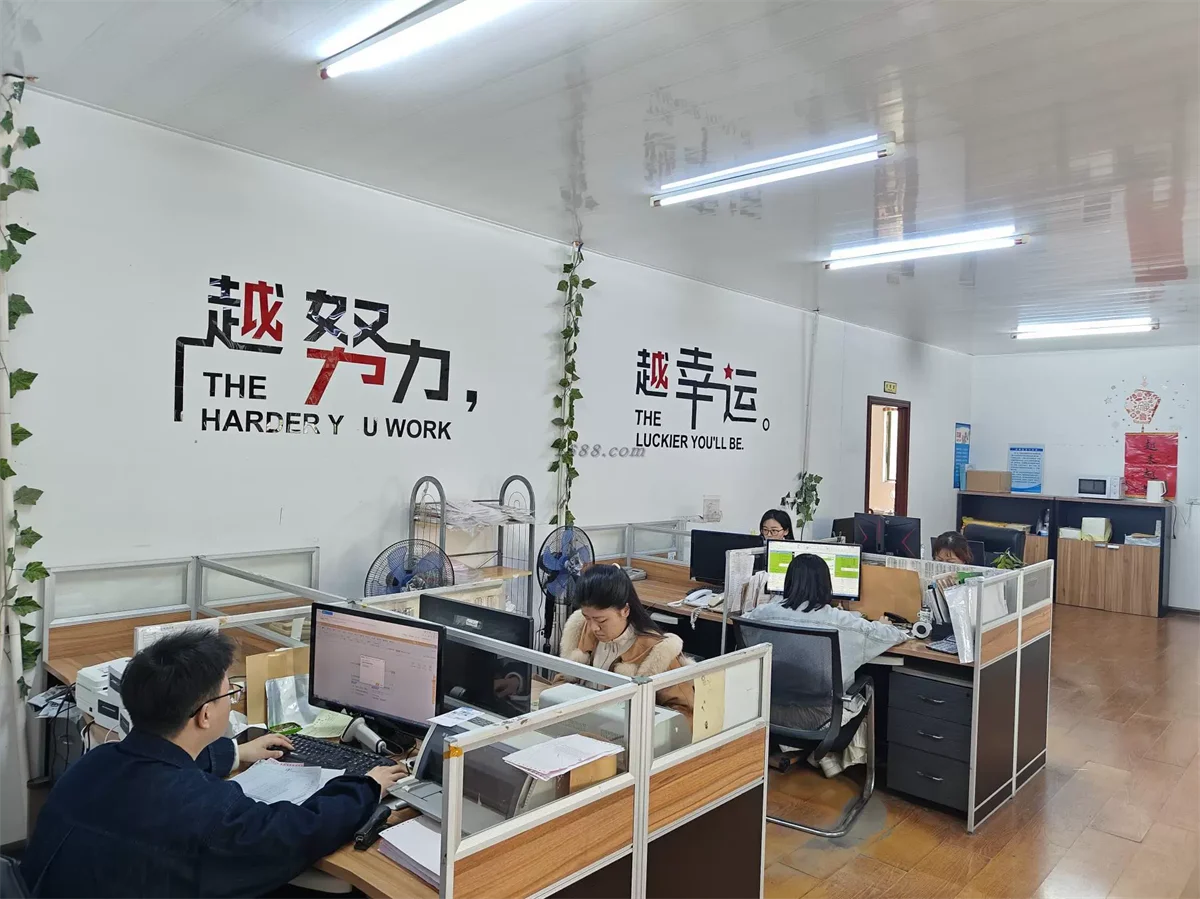
Kingboone (Shenzhen) Technology Co., LTD.
- Manufacturer, Trading Company, Distributor/Wholesaler
- Guangdong, China
- Lead time3 days
- Avg. response≤ 3h
Main productsMylar Bags,Kraft Paper Bags,Food Bags,Paper Box,Stand Up Pouches
Main marketsNorth America(40.00%), Southeast Asia(15.00%), Western Europe(10.00%), Mid East(8.00%), Eastern Europe(6.00%), South Asia(5.00%), Northern Europe(5.00%), Southern Europe(4.00%), South America(3.00%), Eastern Asia(3.00%), Africa(1.00%)


Comprehensive Sourcing Guide
Eco-Friendly Child Resistant Jar Supplier Concentration and Factory Types
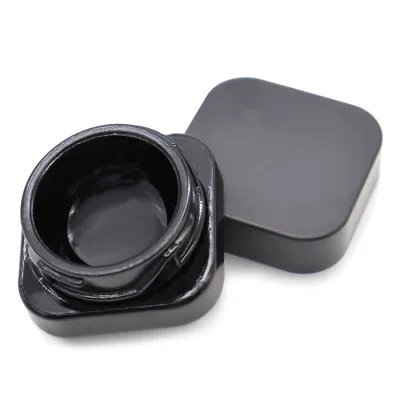
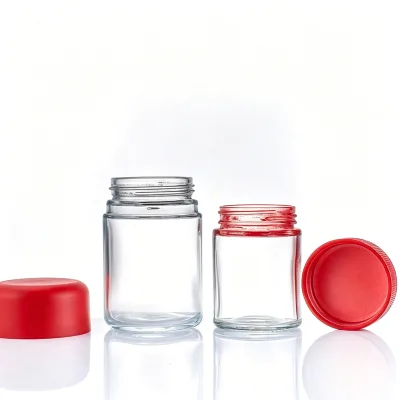
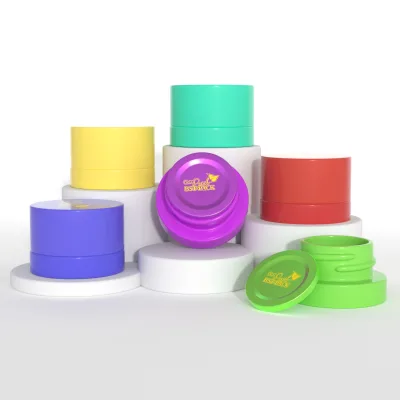
The current supplier landscape for eco-friendly child-resistant jars reveals a distinct concentration of manufacturing activity within Guangdong, China. This region hosts a mix of manufacturers and trading companies that specialize in glass and plastic packaging solutions. Specific product evidence confirms that many suppliers in this cluster produce items such as concentrate jars with child-proof lids, utilizing materials like glass and plastic. The presence of these facilities suggests a mature supply chain capable of handling complex packaging requirements, including specific volume capacities ranging from 3ml to 9ml. Buyers should recognize that this geographic clustering often correlates with established logistics networks and specialized labor pools familiar with glass molding and safety lid assembly.
In addition to the primary Guangdong cluster, other supplier types include trading companies and manufacturers located in Zhejiang, China. These entities often diversify their main product lines to include aluminum jars, tin boxes, and various glass dropper bottles alongside child-resistant containers. The company types observed range from pure manufacturers to hybrid trading firms that may source from multiple factories. This variation means that a single supplier profile might offer both direct manufacturing capabilities and broader sourcing options. When evaluating potential partners, it is crucial to distinguish between a factory that owns the production line and a trading company that aggregates products from various sources, as this distinction impacts quality control and customization flexibility.
How to Verify Eco-Friendly Child Resistant Jar Suppliers
Verification of suppliers requires a rigorous check of their stated credentials against independent third-party data. Some suppliers in the current results display verification badges from organizations like SGS, which serves as a baseline indicator of operational legitimacy. Furthermore, specific facility certifications such as ANSI/ESD and ISO 9001 are visible in the data for certain manufacturers, suggesting adherence to quality management systems and electrostatic discharge standards. Buyers must confirm that these certifications are current and applicable to the specific production of child-resistant packaging, rather than being generic company-wide credentials. The presence of these marks should be cross-referenced with the supplier's actual production capabilities to ensure they are not merely marketing claims.
Beyond certifications, buyers should scrutinize the response time and communication efficiency of potential partners. Data indicates that response times can vary, with some suppliers showing a response time of 6 hours while others demonstrate faster engagement at 5.51 hours. A rapid response often correlates with a more active sales team and better project management, which is vital for custom orders involving specific child-proof mechanisms. Additionally, the availability of samples is a critical verification step; some suppliers explicitly offer samples ranging from 1 to 5 pieces, allowing buyers to physically test the child-resistant features before committing to a larger order. This tangible proof of product functionality is essential for validating safety claims before any financial commitment is made.
What to Compare Across Eco-Friendly Child Resistant Jar Suppliers
When comparing suppliers, the primary focus should be on lead times and minimum order quantities, as these directly impact inventory planning and cash flow. The observed data shows significant variance in lead times, with some suppliers listing a lead time of 30 days while others indicate a lead time of 0, which may imply immediate stock availability or a specific production model. Similarly, minimum order quantities differ, with some aluminum jar suppliers requiring a minimum of 1000 units, whereas glass jar options might have lower thresholds. Buyers must align these constraints with their own demand forecasts to avoid overstocking or facing production delays that could disrupt their supply chain.
Price and material composition are also critical comparison points that vary significantly across the supplier base. Price ranges for glass jars have been observed between 0.15 and 0.25 per unit, while aluminum and tin options show a broader range from 0.05 to 0.50 per unit. These price differences often reflect the material costs, thickness specifications, and the complexity of the child-proof lid mechanism. Buyers should compare the thickness of the glass, which ranges from 2mm to 3mm, and the material of the cap, which can be plastic or glass, to understand the value proposition. Additionally, the availability of customization services, such as logo printing via silk screen or spraying, should be weighed against the base price to determine the total cost of ownership for branded products.
Common Eco-Friendly Child Resistant Jar Sourcing Risks
One significant risk in sourcing these containers is the inconsistency in product specifications and material quality. While some products are described with precise attributes like a 3.0mm thickness and specific color options, others list vague details such as "XX cm" for package size or generic color descriptions. This lack of standardization can lead to receiving products that do not meet the required safety standards or aesthetic expectations. Buyers must be vigilant in requesting detailed technical drawings and material safety data sheets to ensure that the child-resistant features function as intended and that the materials are truly eco-friendly and recyclable as claimed.
Another risk involves the reliability of the supply chain regarding delivery schedules and order fulfillment. The variation in lead times, from immediate availability to 30 days, creates uncertainty in planning. If a supplier promises a short lead time but fails to deliver, it can cause stockouts for the buyer. Furthermore, the reliance on third-party verification for certifications means that buyers must independently confirm the validity of claims like ISO or CE certifications. Without direct verification, there is a risk of engaging with suppliers who may not fully comply with international safety standards for child-resistant packaging, potentially exposing the buyer to regulatory liabilities and brand reputation damage.
Eco-Friendly Child Resistant Jar Regional Sourcing and Logistics
Geographic sourcing decisions are heavily influenced by the location of the manufacturing clusters, with Guangdong and Zhejiang emerging as key hubs in China. Suppliers in Guangdong are noted for their specialization in glass and plastic packaging, offering a dense network of factories capable of producing various jar types. In contrast, suppliers in Zhejiang may offer a broader range of materials, including aluminum and tin, which can be advantageous for buyers seeking diverse packaging solutions. Understanding these regional specializations helps buyers target the right suppliers for their specific material needs, whether they require the transparency of glass or the durability of metal containers.
Logistics planning must account for the shipping distances and potential transit times associated with these regions. While specific shipping costs are not provided in the current data, the location of the suppliers dictates the freight strategy. Buyers sourcing from Guangdong may benefit from proximity to major ports, potentially reducing transit times to international markets. However, the variability in lead times, such as the 30-day window observed for some suppliers, must be factored into the overall logistics timeline. It is essential to coordinate with the supplier to understand their packaging standards, such as single package sizes, to optimize container loading and minimize shipping costs while ensuring the safety of the child-resistant jars during transit.
Eco-Friendly Child Resistant Jar Commercial Terms and Order Planning
Commercial terms for these orders often include specific requirements for customization and payment structures. Many suppliers offer customization services, allowing for custom logos and specific packaging designs, which is a key differentiator in the market. The availability of OEM and ODM capabilities, as noted in the supplier data, indicates that buyers can work with manufacturers to develop unique products tailored to their brand. However, buyers must clarify the terms for sample production, as some suppliers offer free samples while others may charge for the initial units. Understanding these terms is crucial for budgeting the initial development phase of a new product line.
Order planning should also consider the established years and capacity of the suppliers to ensure long-term reliability. While specific establishment years are not explicitly detailed in the current facts, the presence of established certifications and verified statuses suggests a level of operational maturity. Buyers should inquire about the supplier's capacity to handle volume increases, especially given the varying MOQs observed, such as the 1000-unit minimum for aluminum jars. Planning for future growth requires selecting partners who can scale production without compromising the quality of the child-resistant features. Additionally, buyers should verify the escrow options and payment terms to mitigate financial risks, ensuring that funds are released only upon satisfactory delivery of the goods.
FAQs
Where are these child resistant jars manufactured?
Most suppliers listed are located in Guangdong, China, with some operations in Zhejiang. These regions specialize in glass and aluminum packaging. Buyers should verify specific factory addresses before ordering to ensure logistics compatibility and quality control standards.
What is the typical response time for these suppliers?
Suppliers generally respond within 5.5 to 6 hours during business days. This rapid communication helps clarify product specifications quickly. Buyers should expect prompt replies regarding sample availability and pricing tiers for bulk orders of child resistant packaging.
What materials are used for child proof lids?
Lids are commonly made from plastic or glass to ensure safety. Some models feature child proof caps specifically designed for concentrate storage. Buyers can choose between plastic or glass caps depending on their specific product requirements and aesthetic preferences.
What is the minimum order quantity for aluminum jars?
The minimum order quantity for aluminum jars is 1000 pieces. This threshold applies to custom orders for tea, food, or chemical storage. Buyers planning smaller batches should check if suppliers offer alternative options or adjust their order volume accordingly.
Are these jars certified for food safety?
Many products carry ISO, CE, and CIQ certifications for food safety. These standards ensure the packaging meets international requirements for storing tea, food, and chemicals. Buyers should request specific certification documents to verify compliance with their local regulations before purchasing.
How long does it take to receive samples?
Sample availability ranges from 1 to 5 pieces for immediate testing. Lead times for bulk production can extend up to 30 days depending on customization. Buyers should confirm sample shipping costs and production schedules to plan their inventory effectively.
What capacities are available for glass concentrate jars?
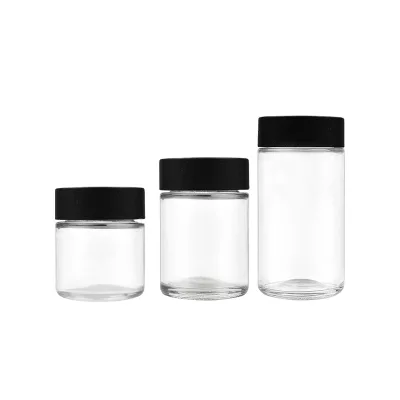
Glass jars come in various capacities including 3ml, 5ml, 7ml, and 9ml. Larger options range from 1oz to 6oz for different storage needs. Buyers can select specific volumes based on their product formulation and packaging requirements for optimal storage solutions.