Retrofit Truck Air Conditioner Suppliers and Manufacturers
Find 21 verified suppliers offering Retrofit Truck Air Conditioner units with ISO 9001 certification and CE standards. Compare response times, lead times, and pricing for 12V and 24V models before requesting quotes; review the available evidence before requesting comparable quotations from suitable candidates.
Updated
Suppliers List

Dezhou Chuangtao Mechanical and Electrical Equipment Co., Ltd.
- Trading Company,Manufacturer/Factory
- China Shandong
- Lead time15 days
- Avg. response≤ 8h
Main productsParking Cooler, Parking Heater, Parking Generator
Main marketsSouth America,Eastern Europe,Mid East,North America,Southeast Asia,Oceania,Africa


12V Air Conditioner DC Air Conditioner Split Truck Air Conditioner Parking Cooler
$222.00 - $242.00
MOQ: 10 Pieces

Xinxiang Coworld Refrigeration Technology Co., Ltd.
- Trading Company,Manufacturer/Factory
- China Henan
- Lead time23 days
- Avg. response≤ 4h
Main productsTruck Refrigeration Unit, Van Refrigeration Unit, Electric Refrigeration Unit, Refrigerated Truck Body, Refrigerated Truck Body Panel, Parking Air Conditioner, Truck Air Conditioner, Bus Air Conditioner, Cold Room, Cold Room Refrigeration Unit
Main marketsSouth America,Eastern Europe,Mid East,North America,Southeast Asia,Eastern Asia,Oceania,Western Europe,Africa


Split Electric Truck Tractor, Excavator and Other Machineries Truck Air Conditioner
$480.00 - $620.00
MOQ: 1 Pieces

Zhengzhou Corunclima Co., Ltd.
- Verified by SGS
- Trading Company
- China Henan
- Lead time15 days
- Avg. response≤ 4h
Main productsTruck Refrigeration Unit, Transport Refrigeration Units, Electric Truck Refrigeration Units, Fully DC Electric Truck Refrigeration Units, Battery Powered Truck Refrigeration Units, Truck Refrigeration Equipment, Electric Apu, Battery Powered Air Conditioner, Idle Free Air Conditioner, No Idle Air Conditioner
Main marketsSouth America,Southeast Asia/ Mideast,Europe,Australia,North America


Truck Mobile Health Vehicle Air Conditioner Reliable Performance for Sale
$1000.00 - $3000.00
MOQ: 1 Pieces


Guangzhou Jiaji Automotive Accessories Co., Ltd.
- Manufacturer, Trading Company
- Guangdong, China
- Lead time15 days
- Avg. response≤ 3h
Main productsMahogany Interior,Car Storage Box,Car Light Interior And Exterior Decoration,Car Insert Mesh Grill,Other Automotive
Main marketsDomestic Market(70.00%), Mid East(18.00%), Southeast Asia(5.00%), Africa(5.00%), North America(2.00%)
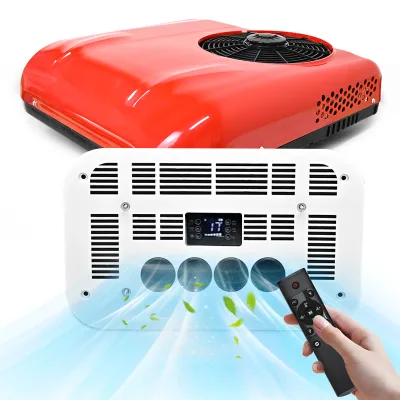
$218.00 - $258.00
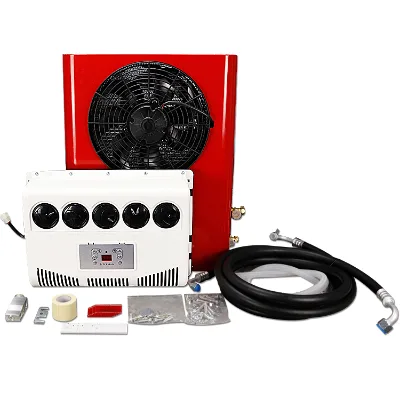
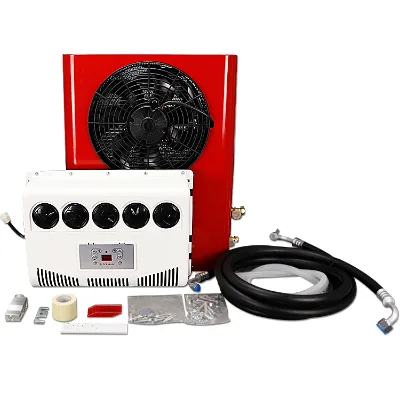
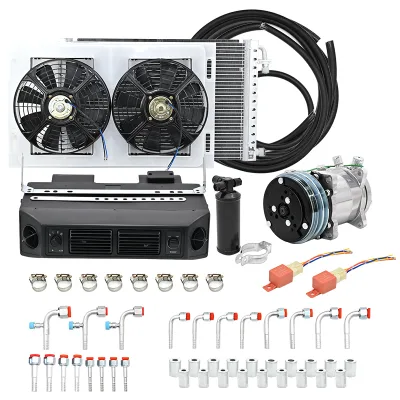
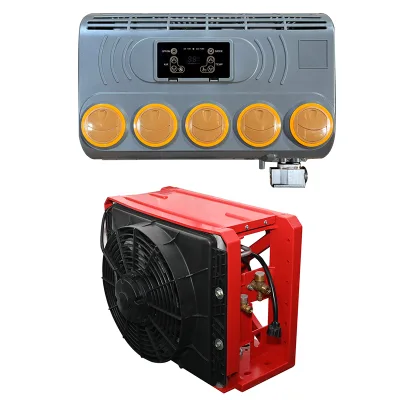
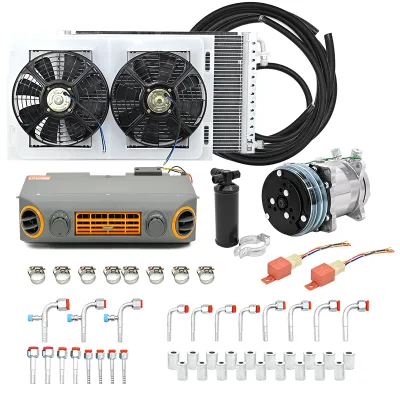

Shandong Furunda New Energy Technology Co., Ltd.
- Verified by TUVRHEINLAND
- Manufacturer
- China Shandong
- Lead time15 days
- Avg. response≤ 1h
Main productsParking Air Conditioner, Car Air Conditioner, Diesel Heater, Parking Heater

Car Air Conditionerpacking Air Conditionerrooftop Air Conditionertruck Air Conditioner
$190.00 - $280.00
MOQ: 10 Pieces

$210.00 - $280.00
MOQ: 10 Pieces


$210.00 - $280.00
MOQ: 10 Pieces

$210.00 - $280.00
MOQ: 10 Pieces

- Trading Company,Manufacturer/Factory,Group Corporation
- China Shandong
- Lead time0 days
- Avg. response≤ 17h
Main productsTruck Air Conditioner, Parking Air Conditioner, Car Fridge, Diesel Heater, Semi Trailer Part, Truck Spare Parts, Screw, Nail, Carbon Fiber, Pdlc Film
Main marketsSouth America,Eastern Europe,Mid East,North America,Southeast Asia,Eastern Asia,Oceania,Western Europe,Africa

$181.00 - $353.00
MOQ: 1 Pieces


Rooftop 12V 24V Truck Sleeper Air Conditioner for Truck and Other Air Conditioning Systems
$181.00 - $353.00
MOQ: 1 Pieces

Rooftop 12V 24V Truck Sleeper Air Conditioner for Truck and Other Air Conditioning Systems Sell
$181.00 - $353.00
MOQ: 1 Pieces
Henan Kingclima Industry Co., Ltd.
- Verified by SGS Group
- Trading Company
- Lead time7 days
- Avg. response≤ 5h
Main productsTruck Air Conditioner, Bus Air Conditioner, Bus AC Parts, Refrigeration Units
Main marketsSouth America(20%), North America(7%), Eastern Europe(7%)
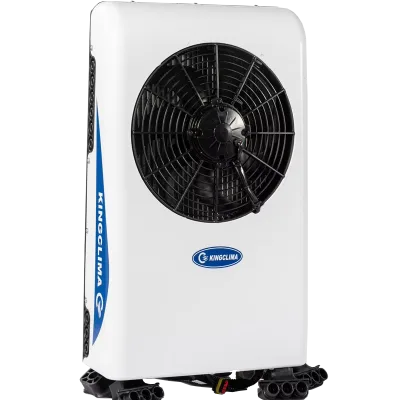
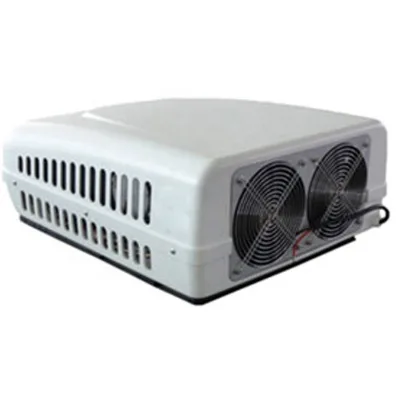
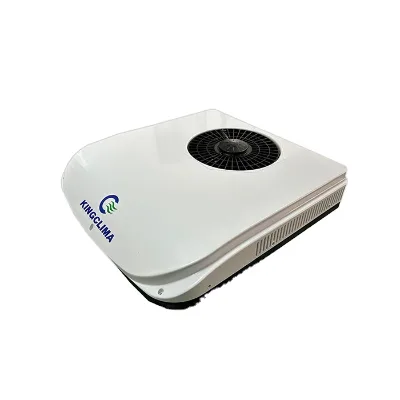
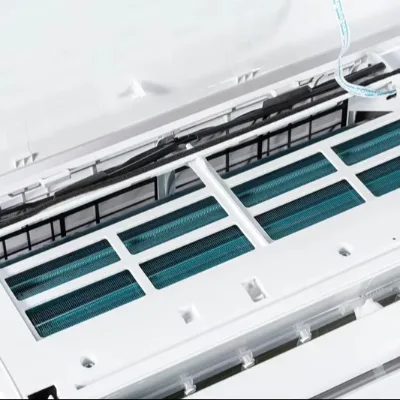
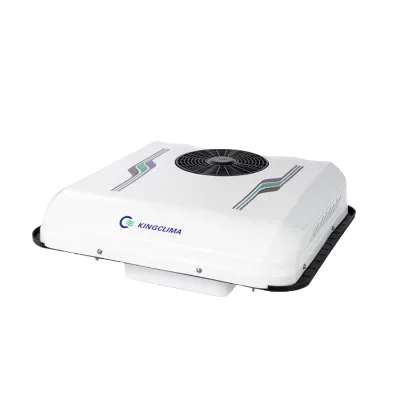
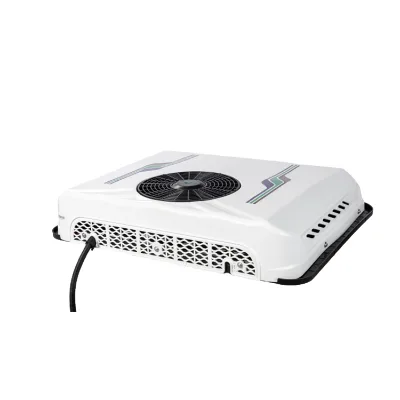
12 Volt 24v Air Conditioner for Truck Tractor Cab Van and Construction Machine
$950.00 - $1000.00
MOQ: 1 Minimum

Guangzhou Yangzhihong Imp and Exp Co., Ltd.
- Verified by CTI
- Trading Company
- China Guangdong
- Lead time15 days
- Avg. response≤ 1h
Main productsTruck Air Conditioner, Car Air Conditioner, Car Parking Heater
Main marketsSouth America,Southeast Asia/ Mideast,Europe


Powerful Truck Air Conditioner with Efficient Refrigeration Technology
$323.64 - $396.27
MOQ: 200 Pieces


High-Performance Truck Air Conditioner with Efficient Refrigeration Solutions
$323.64 - $396.27
MOQ: 200 Pieces

Professional Truck Air Conditioner with Superior Refrigeration Power
$323.64 - $396.27
MOQ: 200 Pieces

Qingdao D & E International Trade Co., Ltd.
- Trading Company
- Lead time旺季: "1 - 1000":31,"1001 - 10000":45,"> 10000":"To be negotiated", 淡季: "1 - 1000":31,"1001 - 10000":45,"> 10000":"To be negotiated"
- Avg. response≤ 2h
Main productsParking Air Conditioners, Parking Heaters and Air Heater Parts, Trucks Fridges, Portable Generator, Engine Parts

Hoyuan (guangzhou) Supply Chain Co., Ltd.
- Manufacturer
- Guangdong, China
- Lead time90 days
- Avg. response≤ 2h
Main productsParking Air Conditioner,Parking Heater,Car Fridges,Portable Air Conditioners,Portable Power Stations
Main marketsSouth America(26.00%), North America(26.00%), Mid East(13.00%), Oceania(7.00%), Africa(7.00%), Eastern Europe(7.00%), Eastern Asia(4.00%), Southeast Asia(4.00%), Domestic Market(1.00%), South Asia(1.00%), Southern Europe(1.00%), Northern Europe(1.00%), Central America(1.00%), Western Europe(1.00%)
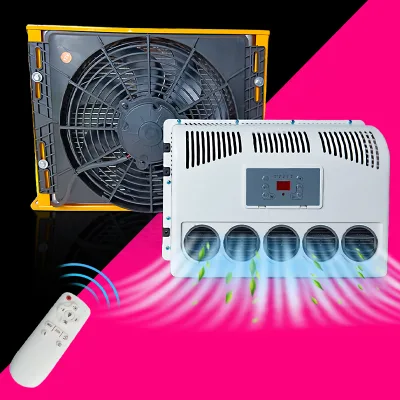
$245.9885 - $287.3716
MOQ: 9 pieces
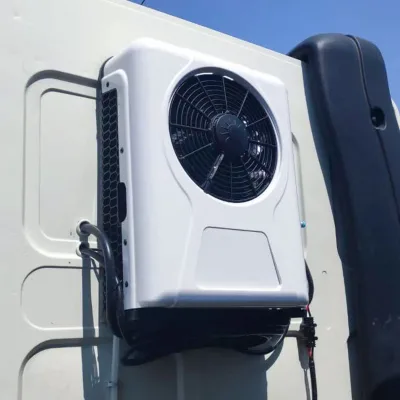
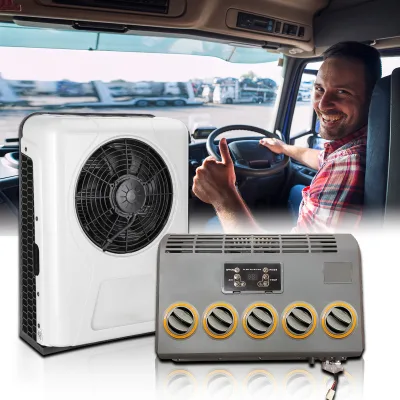
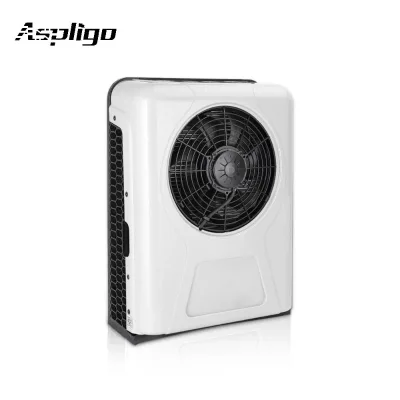
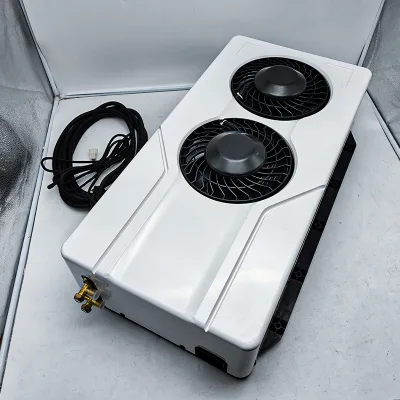
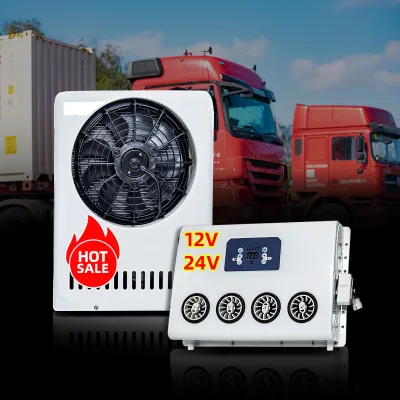
$204.6055 - $245.9885
MOQ: 9 pieces
Henan Lengku New Energy Technology Co., Ltd.
- Verified by TüVRheinland
- Manufacturer, Trading Company
- Lead time7 days
- Avg. response≤ 1h
Main productsParking Air Conditioner, Diesel Air Heater, Car Anti-Skid Chains, Automobile Compressor
Changzhou Holicen New Energy Technology Ltd.
- Verified by Intertek
- Manufacturer, Trading Company
- Lead time40 days
- Avg. response≤ 2h
Main productsParking Air Conditioner, Parking Diesel Heater, Car AC Compressor
Main marketsSoutheast Asia(72%), South America(8%), North America(5%)
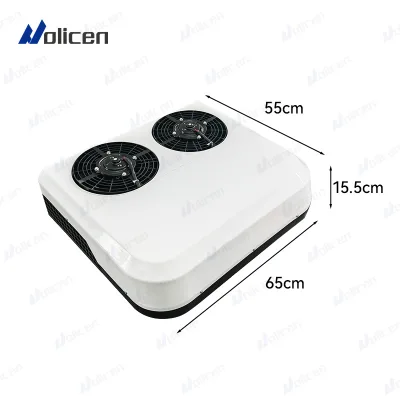
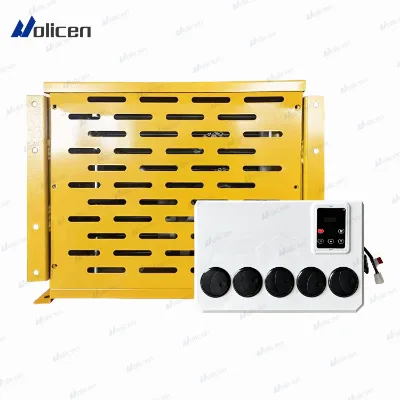
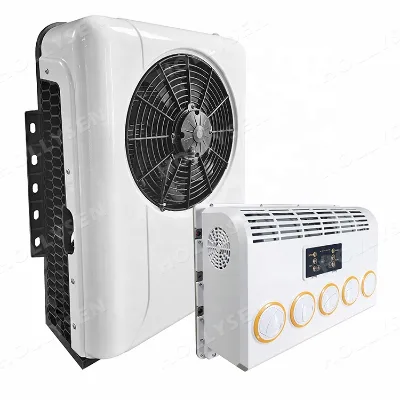
$272.6516 - $314.8356
MOQ: 1 boxes
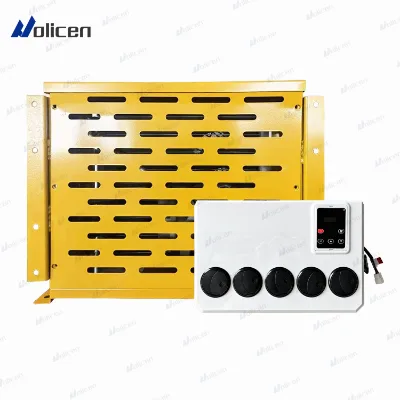
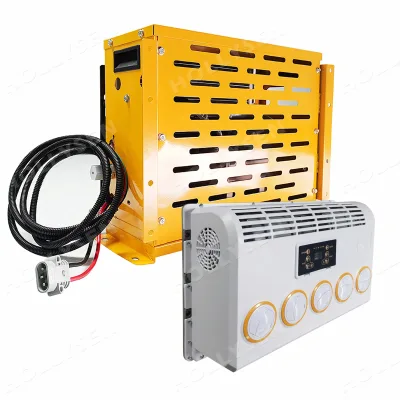
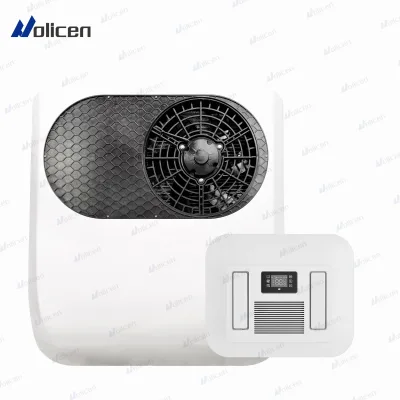
$240.6248 - $266.2235
MOQ: 2 pieces

Qingdao D&E International Trade Co., Ltd.
- Verified by BV
- Trading Company,Manufacturer/Factory
- China Shandong
- Lead time23 days
- Avg. response≤ 5h
Main productsAuto Spare Parts, Truck Sparts Parts, Diesel Heaters, Truck Air Conditioner, Heater Spare Parts for Eberspacher/Webasto
Main marketsSouth America,Eastern Europe,Mid East,North America,Southeast Asia,Eastern Asia,Oceania,Western Europe,Africa

Roof Top Truck Sleeper Air Conditioner for Truck Air Conditioning Systems
$357.00 - $420.00
MOQ: 1 Sets


Guangzhou Clhgo Auto Parts Ltd.
- Trading Company
- Lead time旺季: "1 - 10":7,"11 - 20":15,"> 20":"To be negotiated", 淡季: "1 - 10":7,"11 - 20":15,"> 20":"To be negotiated"
- Avg. response≤ 4h
Main productsRooftop Air Conditioner, Electric Ac Compressor, Ac Condenser, Ac Evaporator, Split Air Conditioner
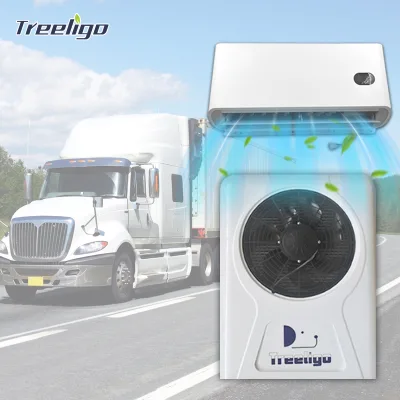
Good Quality 12 v Truck Van Cabin Ac air Conditioner Truck Air Conditioner Caravan Air Conditioner
$230.00 - $260.00
MOQ: 2 pieces
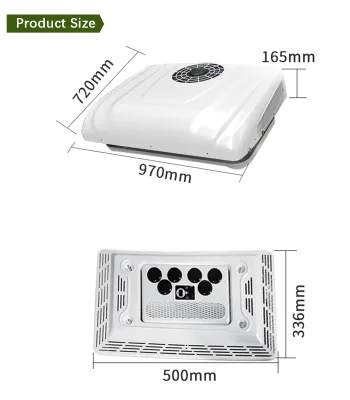
New Energy Roof Top Vehicle Truck 24v Truck Sleeper air Conditioner
$256.00 - $289.00
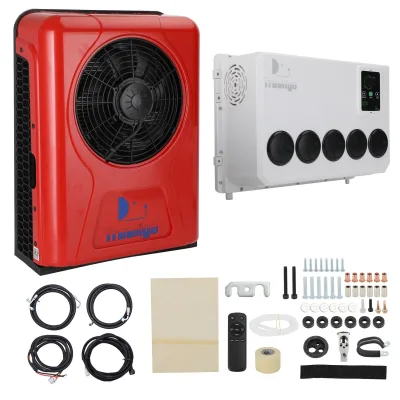
12 V Universal Truck Camper Van Electric Automotive Split Air Conditioner
$220.00 - $250.00
MOQ: 2 pieces
Zibo Zhongcheng Auto Parts Co., Ltd.
- Trading Company
- Shandong, China
- Lead time0 days
- Avg. response≤ 2h
Main productsParking Air Conditioner,RV Air Conditioner,Truck Air Conditioner,Automotive Air Conditioner,Diesel Parking Heater
Main marketsDomestic Market(40.00%), North America(20.00%), South America(15.00%), Mid East(5.00%), Southeast Asia(5.00%), Eastern Asia(5.00%), Central America(3.00%), South Asia(3.00%), Oceania(2.00%), Africa(2.00%)
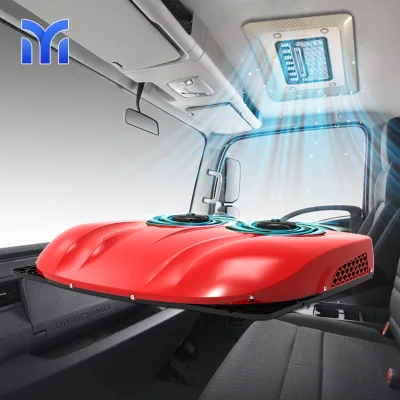
$279.3327 - $320.7143
MOQ: 1 pieces
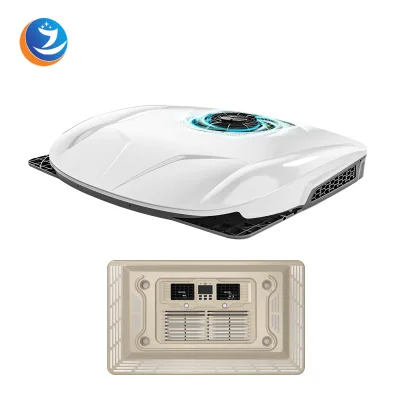
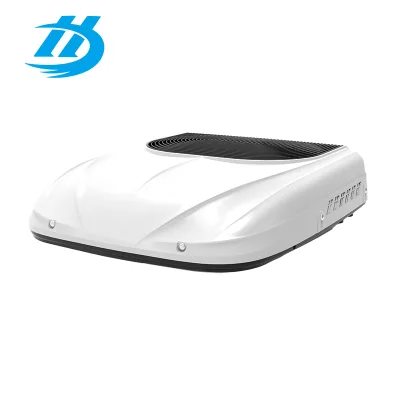
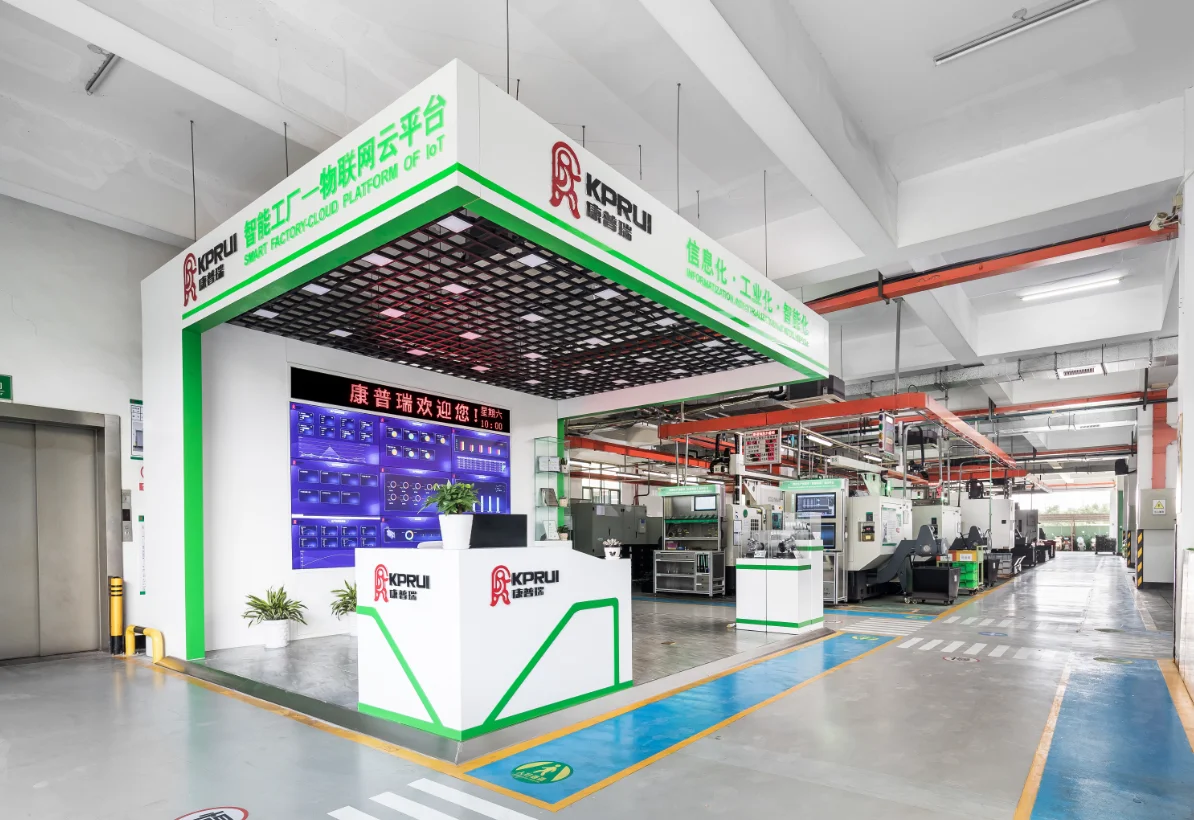
Changzhou Kangpurui Automotive Air-Conditioner Co., Ltd.
- Manufacturer, Trading Company
- Jiangsu, China
- Lead time40 days
- Avg. response≤ 1h
Main productsAuto ac compressor,Parking air conditioner,Auto air conditioner parts,Auto ac condenser,Auto ac evaporator
Main marketsDomestic Market(60.00%), Southeast Asia(15.00%), North America(5.00%), Western Europe(5.00%), Eastern Asia(5.00%), Mid East(5.00%), South America(5.00%)
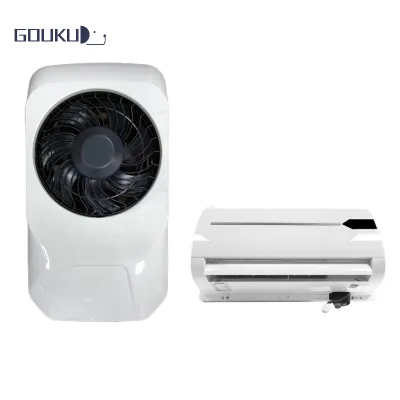
Guangzhou Goku Information Tech Co., Ltd.
- Verified by SGS Group
- Trading Company
- Lead time30 days
- Avg. response≤ 6h
Main productsCar Refrigerator, Diesel Heater, Electric Scroll Compressor, Rooftop Air Conditioner
Main marketsNorth America(17%), South America(15%), Eastern Europe(10%)

$470.6957 - $503.1941
MOQ: 1 pieces
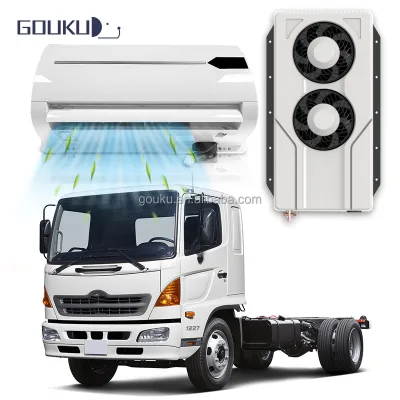

Zhengzhou Huabon Thermo Co., Ltd.
- Verified by BV
- Combined
- China Henan
- Lead time15 days
- Avg. response≤ 3h
Main productstruck air conditioner
Main marketsSouth America,Africa,Southeast Asia/ Mideast,Europe,Australia,North America

Reliable Split Design Air Conditioner - Perfect for Truck Cab Nighttime Use
$225.00 - $325.00
MOQ: 5 Pieces

Quality Tractor and Cab Cooling Tractor Air Conditioner and Air Cooler for Truck Cabin
$225.00 - $325.00
MOQ: 5 Pieces


Qingdao Ogmie Import&Export Co.,Ltd
- Verified by CTI
- Manufacturer/Factory
- China Shandong
- Lead time15 days
- Avg. response≤ 9h
Main productsDiesel Heater, Liquid Heater, Air Conditioner, Parking Heater, Diesel Air Heater, Engine Coolant Heater, Diesel Water Heater, Parking Air Conditioner, Truck Parking Air Conditioner, DC Air Conditioner
Main marketsSouth America,Eastern Europe,North America,Southeast Asia,Eastern Asia,Oceania,Western Europe
Ningbo Bowente Auto Parts Co., Ltd.
- Verified by Intertek
- Trading Company
- Lead time30 days
- Avg. response≤ 7h
Main productsAuto AC Compressor, Parking Air Conditioner, Parking Heater, AC Tools, Auto Fan
Main marketsEastern Europe(40%), South America(36%), Northern Europe(7%)
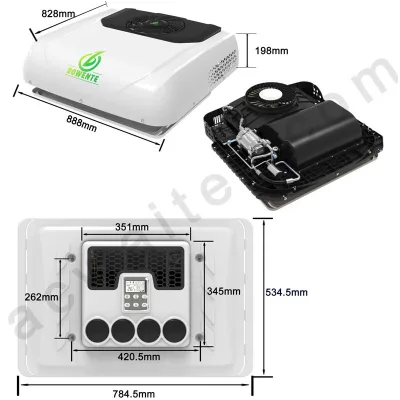
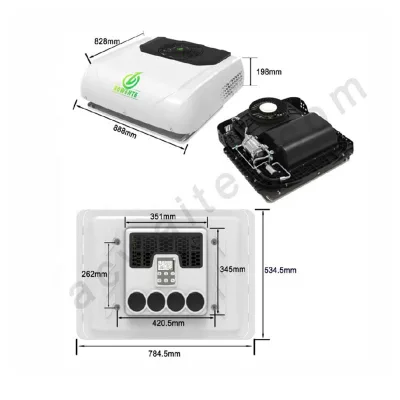
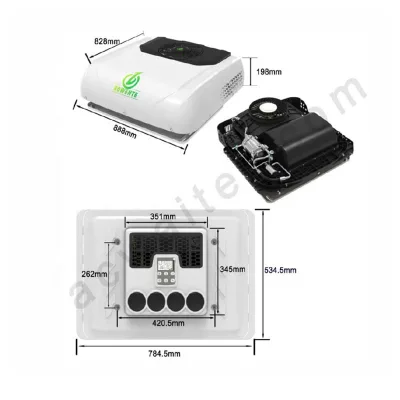
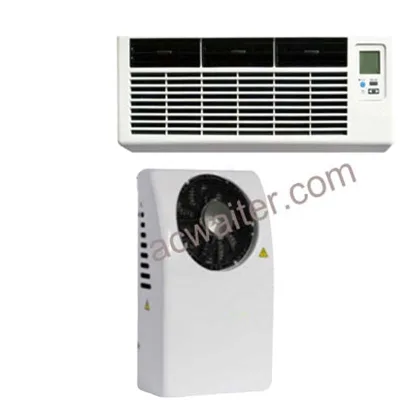
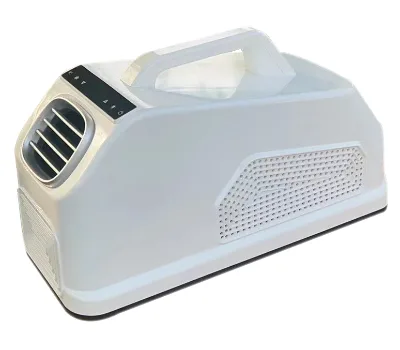
Universal Truck Roof Air Conditioner 12V 2000W Rooftop Air Conditioner AC Unit
$235.59 - $257.77
MOQ: 2 units

Shanghai Nomad Electronics Technology Co., Ltd
- Verified by SGS
- Trading Company
- China Shanghai
- Lead time30 days
- Avg. response≤ 1h
Main productsCar Refrigerator, Car Air Conditioner, Roof Top Tent, Car Accessories, Tent, Camping Accessories, Compressor Fridge, Compressor Air Conditioner, Truck Air Conditioner, Car Electrical Parts
Main marketsDomestic


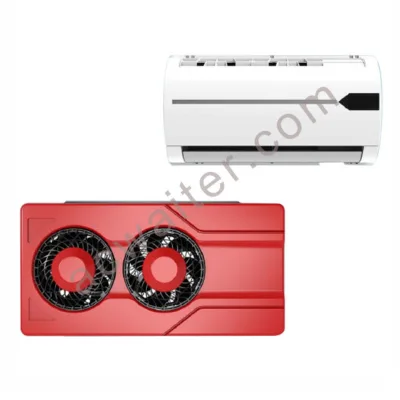
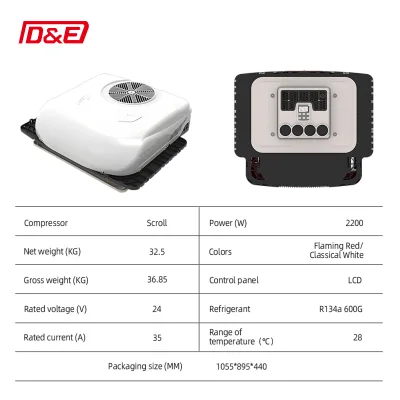
Simple Energy-Saving 12V 24V Truck Air Conditioner with Dual Fan for Trucks
$288.20 - $319.10
MOQ: 1 Pieces




Comprehensive Sourcing Guide
Retrofit Truck Air Conditioner Supplier Concentration and Factory Types
The available data indicates a specific manufacturing cluster located in China Shandong, which serves as a primary hub for suppliers offering parking coolers, parking heaters, and parking generators. This regional concentration suggests that buyers seeking retrofit truck air conditioners should prioritize verifying suppliers with origins in this specific province to ensure access to established supply chains. The presence of both trading companies and manufacturers within this cluster provides a diverse range of sourcing options, allowing buyers to choose between direct factory engagement or intermediary trading services depending on their volume and customization needs.
When evaluating the company types within this region, it is essential to distinguish between entities that operate as pure trading companies and those functioning as manufacturers with their own factories. The observed supplier profiles include those capable of OEM, ODM, and own-brand production, indicating a mature industrial ecosystem in Shandong. Buyers should verify whether a supplier's primary business model aligns with their specific requirements for customization and brand ownership. Understanding this distinction helps in assessing the depth of technical support and the flexibility of production lines available for retrofitting specific truck models with electric air conditioning systems.
How to Verify Retrofit Truck Air Conditioner Suppliers
Verification of supplier credibility begins with checking for recognized system certifications such as ISO 9001, which indicates a baseline commitment to quality management processes. While specific test results for individual units may vary, the presence of CE certification on product attributes serves as a critical indicator of compliance with safety and environmental standards for the European market. Buyers must request current certification documents directly from the supplier to confirm validity, as these credentials are fundamental for ensuring that the retrofit air conditioners meet international safety requirements before installation.
Beyond certifications, assessing the supplier's operational responsiveness is a vital step in the verification process. The observed response time of approximately 7.48 hours suggests a level of engagement that buyers should expect as a standard benchmark for reliable communication. However, this metric should be treated as a reference point rather than a guarantee, as response speeds can fluctuate based on time zones and workload. Buyers should initiate contact to test communication channels and confirm that the supplier can provide detailed technical specifications, such as voltage compatibility and cooling capacity, within a reasonable timeframe to ensure project timelines are not compromised.
What to Compare Across Retrofit Truck Air Conditioner Suppliers
When comparing potential partners, buyers should focus on key operational dimensions including lead times, minimum order quantities, and pricing structures to determine the best fit for their procurement strategy. The data shows lead times of around 15 days, which serves as a useful baseline for planning production schedules, though this duration may vary based on order volume and customization requirements. Additionally, minimum order quantities range from single units to ten units, offering flexibility for different business scales. Buyers must carefully review these thresholds to ensure they align with their inventory needs and cash flow constraints before committing to an order.
Product specifications and pricing are equally critical factors in the comparison process, as they directly impact the total cost of ownership and system performance. Available product attributes indicate cooling capacities ranging from 2800 BTU to 9600 BTU, with prices varying between $168 and $280 depending on the model and features. Buyers should compare these technical details, such as compressor types and voltage options, against their specific truck requirements to ensure compatibility. It is also important to note that while some products offer neutral packing, others may have specific packaging standards, which can affect shipping costs and handling procedures during the logistics phase.
Common Retrofit Truck Air Conditioner Sourcing Risks
One significant risk in sourcing retrofit truck air conditioners involves the potential mismatch between product specifications and actual vehicle requirements, particularly regarding voltage and cooling capacity. The market offers units with varying voltage options, including 12V and 24V systems, and buyers must verify that the selected unit matches the truck's electrical architecture to prevent system failure. Relying solely on general product keywords without confirming specific technical attributes can lead to installation issues, making it imperative for buyers to cross-reference product data sheets with their vehicle's technical manual before finalizing a purchase.
Another critical risk relates to the variability in after-sales support and warranty terms, which are not uniformly guaranteed across all suppliers. While some product attributes list support services, the extent of this support, including repair policies and spare part availability, requires explicit confirmation from the supplier. Buyers should be cautious of suppliers who do not clearly define their after-sales service scope, as this can lead to prolonged downtime if the unit requires maintenance or replacement. Establishing clear communication regarding service protocols and response times for technical issues is essential to mitigate the risk of operational disruptions after the initial installation.
Retrofit Truck Air Conditioner Regional Sourcing and Logistics
Sourcing from the identified cluster in China Shandong offers logistical advantages due to the concentration of manufacturers and the established infrastructure for exporting vehicle parts. The origin data confirms that products are manufactured in this region, which often translates to streamlined shipping processes and potentially lower freight costs for international buyers. However, buyers must verify the specific shipping terms and packaging standards, as some products are listed with neutral packing while others have defined standard dimensions. Understanding these logistical details is crucial for calculating accurate landed costs and ensuring that the units arrive without damage during transit.
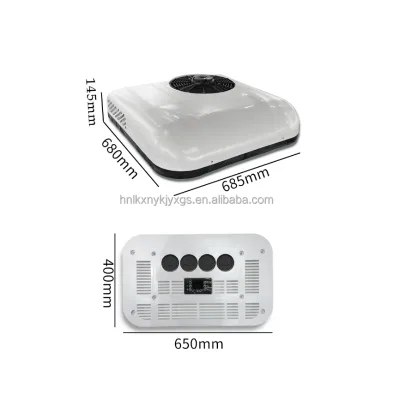
Logistics planning also requires attention to the specific dimensions and weight of the air conditioning units, which can impact freight charges and storage requirements. Product attributes indicate standard sizes such as 593847cm or 633825cm, which buyers should use to estimate container space and handling needs. Additionally, the type of refrigerant used, such as R134A, must be considered in the context of international shipping regulations and local environmental laws. Buyers should confirm that the supplier adheres to all relevant transport regulations for hazardous materials to avoid delays at customs or penalties upon arrival in the destination country.
Retrofit Truck Air Conditioner Commercial Terms and Order Planning
Commercial terms for retrofit truck air conditioners often include flexible minimum order quantities, with some suppliers accepting orders as low as one piece, while others require a minimum of ten units. This variability allows buyers to test the market with smaller orders or commit to larger volumes for better pricing, but it necessitates careful financial planning to optimize inventory levels. Buyers should negotiate pricing tiers based on volume, as the observed price ranges suggest potential for cost savings with increased order sizes. Clear agreement on payment terms and delivery schedules is essential to manage cash flow and ensure timely receipt of goods.
Order planning must also account for the customization options available, such as the ability to request specific branding or modifications to the standard product design. The data indicates that customization is available for many models, which can be a significant advantage for buyers seeking branded solutions or specific technical adaptations. However, customization often extends lead times and may affect the final unit price. Buyers should discuss these requirements early in the negotiation process to ensure that the supplier can meet the desired specifications within the agreed-upon timeframe, thereby avoiding delays in the overall project schedule.
FAQs
What is the price range for retrofit truck air conditioners?
Prices for these units typically range from $168 to $280 per piece. The cost varies based on specific features such as voltage compatibility and cooling capacity. Buyers should check the minimum order quantity as some suppliers require bulk purchases while others allow single unit orders for testing.
What certifications do these truck air conditioners have?
Most available models hold CE certification for safety and compliance. The suppliers also maintain ISO 9001 system certification to ensure quality management standards. These credentials indicate that the manufacturing processes and final products meet established international requirements for vehicle parts and accessories.
What is the lead time for manufacturing these units?
The standard lead time for production is approximately 15 days. This duration allows for the assembly and testing of the air conditioning systems before shipment. Buyers should confirm specific delivery schedules with suppliers to ensure the timeline aligns with their operational needs and project deadlines.
What voltage options are available for these air conditioners?
Units are available in both 12V and 24V DC configurations. This versatility allows them to be installed in various vehicle types, including trucks and RVs. The systems are designed to operate efficiently with the specific electrical requirements of different commercial and personal vehicles.
Where are these truck air conditioners manufactured?
These products are manufactured in China, specifically in the Shandong province. The region is known for its industrial capabilities in vehicle parts and accessories. Buyers can verify the origin details to ensure the products meet their specific sourcing preferences and logistical requirements.
What is the minimum order quantity for these units?
Minimum order quantities vary by supplier, ranging from one piece to ten pieces. Some manufacturers allow single unit purchases for evaluation purposes. Others may require a small batch order to initiate production. Buyers should review the specific MOQ requirements for each product listing.
What is the cooling capacity of these air conditioners?
Cooling capacities typically range from 2800 BTU to 9600 BTU. Higher capacity units are suitable for larger vehicles or more demanding cooling environments. The specific capacity depends on the model and compressor type, allowing buyers to select the appropriate unit for their vehicle size.