Retro Vintage Design Bread Box Suppliers and Manufacturers
Explore 26 verified options for Retro Vintage Design Bread Box products from manufacturers and trading companies. Compare lead times, certifications like REACH and RoHS, and customization capabilities before requesting quotes; review the available evidence before requesting comparable quotations from suitable candidates.
Suppliers List
Xiamen Amoycrafts Industrial Co., Ltd.
- Verified by SGS Group
- Manufacturer, Trading Company
- Lead time45 days
- Avg. response≤ 3h
Main productsCeramic Ware, Drinkware, Resin Ware, Dinnerware, Bar & Wine
Main marketsNorth America(45%), Northern Europe(13%), Eastern Europe(10%)
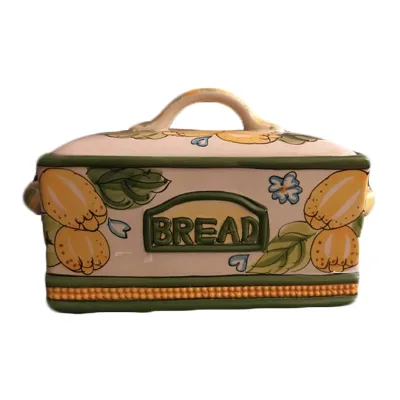
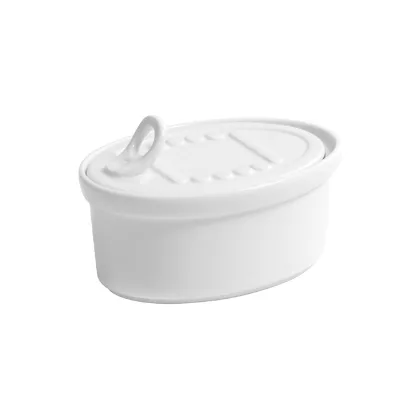
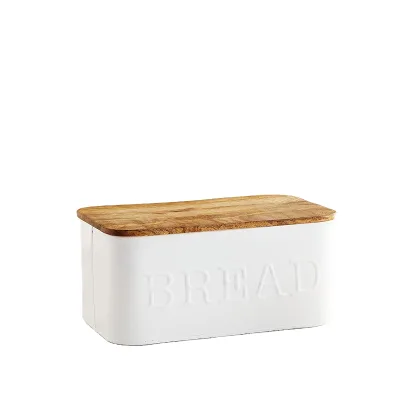
Ceramic White Bread Storage Box Custom Shaped Round Kitchen Baking Bread Bin
$2.67 - $7.54
MOQ: 720 pieces

TAIZHOU HARSOUL IMP. & EXP. CO., LTD.
- Trading Company
- China Zhejiang
- Lead time30 days
- Avg. response≤ 14h
Main productsPromotion Gifts, Promotional Bag, Promotional Jewelry, Promotional Toys, Promotional Stationery, Promotional Plastic Goods
Main marketsOthers(foreignTradeCapacity.exportBusinessCapacityMarketOther),Europe,North America
Jiangmen Weilong Hardware Co., Ltd.
- Verified by TüVRheinland
- Manufacturer, Trading Company
- Lead time30 days
- Avg. response≤ 4h
Main productsBread Box, Canister, Trash Can
Main marketsWestern Europe(40%), North America(25%), Oceania(20%)
Fuzhou Bridge Trading Co., Ltd.
- Verified by TüVRheinland
- Manufacturer, Trading Company
- Lead time45 days
- Avg. response≤ 2h
Main productsCutting Board, Cheese Board, Bamboo Drawer Organizer, Bath Tray, Bamboo Storage Box
Main marketsNorth America(60%), Western Europe(40%)

Shandong Hongbo Packaging Technology Co., Ltd
- Verified by SGS
- Combined
- China Shandong
- Lead time30 days
- Avg. response≤ 7h
Main productsPaper Plate Machine, Baking Paper, Cake Board, Cake Box, Air Fryer Liner, Parchment Paper, Chocolate Box, Paper Plate
Main marketsDomestic

Jiangmen Kamstrong Metal Products Co., Ltd
- Verified by SGS
- Manufacturer/Factory
- China Guangdong
- Lead time45 days
- Avg. response≤ 13h
Main productsToilet Paper Holder, Bread Bin, Step Bin, Ice Bucket, Tissue Holder, Canisters, Trash Can, Waste Bin, Bread Box, Wine Cooler
Main marketsSouth America,Eastern Europe,Southeast Asia,Africa


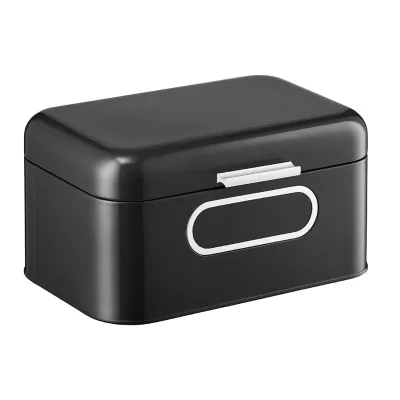
Manufacture Home Kitchen Retro Bread Bin Kitchen Storage Tin Canister Bread Box
$7.93
MOQ: 1000 Pieces


Jiangmen Xiongyi Hardware Products Co., Ltd.
- Verified by Intertek
- Manufacturer, Trading Company
- Lead time30 days
- Avg. response≤ 5h
Main productsStorage Jar
Main marketsWestern Europe(35%), Africa(25%), South America(20%)
Caoxian Shuanglong Arts & Crafts Plant
- Verified by SGS Group
- Manufacturer, Trading Company
- Lead time30 days
- Avg. response≤ 1h
Main productsWooden packaging, Wooden pet products, Wooden holiday decoration, Wooden home decoration, Wooden box
Main marketsDomestic Market(45%), North America(8%), Southeast Asia(8%)

Xiamen Ebei Import & Export Co., Ltd.
- Verified by CTI
- Trading Company,Manufacturer/Factory
- China Fujian
- Lead time45 days
- Avg. response≤ 2h
Main productsEco-Friendly Products, Bamboo Tableware, Bamboo Furniture, Bamboo Kitchenware, Bamboo Office Supply, Bamboo Fibre Products, Biodegradable Products, Bamboo Towel, Solar Energy Products, Bamboo Garden Products
Main marketsSouth America,Eastern Europe,Mid East,North America,Southeast Asia,Eastern Asia,Oceania,Western Europe,Africa
Shenzhen Timlife Industry Limited
- Verified by TUVRHEINLAND
- Manufacturer/Factory
- China Guangdong
- Lead time60 days
- Avg. response≤ 3h
Main productsKitchenware, Homeware, Electrical Appliances
Main marketsSouth America,Eastern Europe,Mid East,North America,Southeast Asia,Eastern Asia,Oceania,Western Europe,Africa

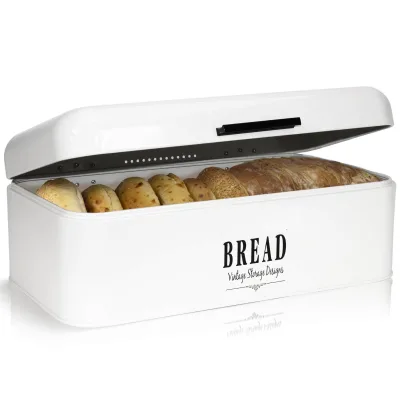
Retro Bread Bin Matal Bread Box Storage Container Brotkasten Chleebak Wholesales
$1.00 - $3.50
MOQ: 1000 Pieces

Caoxian Dongxing Arts And Crafts Co., Ltd.
- Manufacturer, Trading Company
- Shandong, China
- Lead time30 days
- Avg. response≤ 5h
Main productswooden craft,wooden tray,wooden box,wooden home decor,wooden shelf
Main marketsNorth America(50.0%), Eastern Asia(30.0%), Western Europe(20.0%)

- Manufacturer/Factory
- China Fujian
- Lead time45 days
- Avg. response≤ 13h
Main productsBamboo Chopping Board, Bamboo Box, Bamboo Tray, Bamboo Bottle, Bamboo Products, Bamboo Cutlery, Bamboo Plywood, Bamboo Furniture, Bamboo Plate, Bamboo Broom
Main marketsSouth America,Eastern Europe,Mid East,North America,Southeast Asia,Oceania,Western Europe,Africa

Guangzhou Mousse Packaging Co., Ltd.
- Verified by SGS
- Trading Company
- China Guangdong
- Lead time30 days
- Avg. response≤ 4h
Main productsPaper Box, Paper Cup, Coffee Cup, Paper Gift Bag, Chocolate Gift Box, Pizza Burger Box, Cake Box, Ice Cream Cup, Takeaway Bag, Paper Bag
Main marketsEurope,North America

$0.08 - $0.20
MOQ: 10000 Pieces

Custom White Cake Carrying Box for Dessert Display Bread Bakery Packing Box
$0.06 - $0.50
MOQ: 10000 Pieces

Shanghai Woods Packaging Co., Ltd.
- Verified by CTI
- Combined
- China Shanghai
- Lead time15 days
- Avg. response≤ 11h
Main productsGift Box, Paper Box, Carton Box, Pizza Box, Paper Gift Box, Carton Cardboard Box
Main marketsAustralia,North America
Shanghai Cholyn Packing Products Co., Ltd.
- Verified by SGS
- Combined
- China Shanghai
- Lead time30 days
- Avg. response≤ 3h
Main productsPVC/Pet/PP Folding Boxes, Paper Board Folding Boxes, Gift Boxes
Main marketsDomestic
Guangdong Shunfa Colour Printing Co., Ltd.
- Verified by BV
- Combined
- China Guangdong
- Lead time15 days
- Avg. response≤ 10h
Main productsPackaging&Printing, Kraft Paper Tote Bag, Vertical Zipper Bag, Food Packaging Film Roll, Valve Zipper Bag, PE Bag
Main marketsSoutheast Asia/ Mideast,North America

Gift Paper Carton Customized Baking Bread Sandwich Cookies Pastry Takeout Packaging Box
$0.01 - $0.12
MOQ: 30000 Pieces

Brown Artpaper and Transparent Lid Baking Bread Paper Container Gift Packaging Box
$0.01 - $0.12
MOQ: 30000 Pieces
Ningbo Toprank Imp. & Exp. Co., Ltd.
- Verified by Intertek
- Trading Company
- Lead time30 days
- Avg. response≤ 9h
Main productsPlastic Storage Box, Food Storage and Containers, Storage Rack, Cosmetics Storage, Coffee Table
Main marketsNorth America(25%), Eastern Europe(25%), Africa(23%)
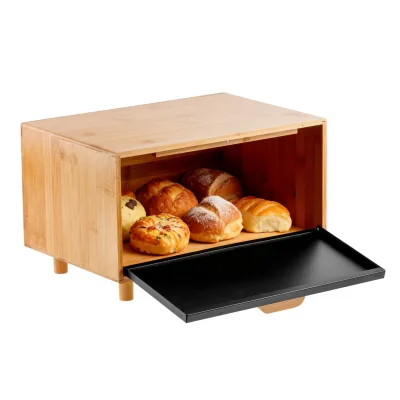
Contact supplier
MOQ: 1000 Minimum

Qingzhou Glory Packaging Material Co., Ltd.
- Verified by BV
- Trading Company
- China Shandong
- Lead time30 days
- Avg. response≤ 5h
Main productsAluminium Foil Paper, PE Coated Paper/Printing Paper, Food Packaging Bag, Paper Shopping Bag, Non Woven Bag, Plastic Shopping Bag, Other Packaging Bags
Main marketsAustralia

NINGBO HAISHU JUDIN PACKING PRODUCTS CO., LTD.
- Verified by CTI
- Combined
- China Zhejiang
- Lead time15 days
- Avg. response≤ 5h
Main productsCup, Paper Cup, Food Packaging, Salad Bowl, Coffee Cup, Plastic Cup, Soup Cup, Take Away Box, Ice Cream Cup, Food Container
Main marketsEurope,North America

Hefei Baide Packaging Technology Co., Ltd.
- Verified by SGS
- Trading Company
- China Anhui
- Lead time15 days
- Avg. response≤ 4h
Main productsDisposable Paper Cup, Paper Takeaway Box, Paper Food Packaging and Box, Paper Bag, Soup Container, Paper Bowl, Ice Cream Cup, Fast Food Packaging, Street Food Packaging
Main marketsEurope,North America

Baking Cake Packaging Paper Box Triangle Kraft Paper Sandwich Box with Window
$0.02 - $0.05
MOQ: 30000 piece

High Quality Bakery Box for Cookie Pastry Dessert Cake Brownie Packaging Box
$0.01 - $0.04
MOQ: 30000 piece

Dongguan Pomall Packaging Product Co.,Ltd
- Verified by CTI
- Combined
- China Guangdong
- Lead time15 days
- Avg. response≤ 5h
Main productsPaper Box, Chocolate Box, Gift Box, Packaging Box, Jewelry Box, Cosmetic Box, Perfume Box, Wine Box
Main marketsSoutheast Asia/ Mideast
- Verified by SGS
- Combined
- China Shandong
- Lead time15 days
- Avg. response≤ 7h
Main productsPaper Box, Children's Book, Packaging Box, Book and Magazine Printing, Flash Card, Color Card, Paper Bag, Blister Card, Brochure, Paper Sleeves
Main marketsDomestic
EVER GREATER IMP. & EXP. CO., LIMITED
- Verified by TUVRHEINLAND
- Trading Company
- China Zhejiang
- Lead time15 days
- Avg. response≤ 5h
Main productsDisposable Cup, Paper Cup, Pet Cup, PLA Cup, Sleeve, Coaster, Food Packag Box, Pizza Box, Cake Box, Paper Box
Main marketsSoutheast Asia/ Mideast,Europe,Australia,North America


Dessert Boxes with Lids Secure and Airtight for Long-Term Freshness Dessert Box
$0.08
MOQ: 3000 Pieces


HUNAN XIEYING PACKAGING CO., LTD.
- Verified by SGS
- Trading Company,Manufacturer/Factory
- China Hunan
- Lead time23 days
- Avg. response≤ 2h
Main productsPaper Cup, Paper Bag, Plastic Cup, Food Container, Paper Box, Plastic Bottle, Sticker, Napkin
Main marketsSouth America,Eastern Europe,Mid East,North America,Southeast Asia,Eastern Asia,Oceania,Western Europe,Africa


Custom Cookie Packaging Boxes, Bakery Box for Cookies, Cardboard 6 Cookies Box
$0.18 - $0.20
MOQ: 5000 Pieces
Fujian Dehua Dome Arts&crafts Co., Ltd.
- Verified by TüVRheinland
- Trading Company
- Lead time60 days
- Avg. response≤ 7h
Main productsCeramic Crafts, Resin Crafts
Main marketsWestern Europe(45%), North America(35%), Mid East(10%)
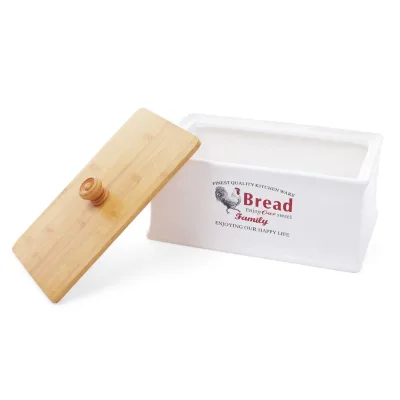
2020 New Design Home Storage Jar Round Ceramic Oval Shape Brot Bread Bin Bread Box with Bamboo Lid
$5.00 - $12.00
MOQ: 1000 Minimum
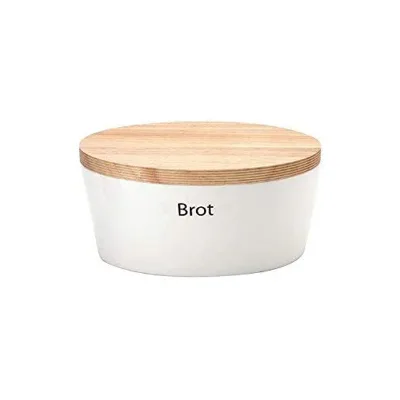
2020 New Design Home Storage Jar Round Ceramic Oval Shape Brot Bread Bin Bread Box with Wooden Lid
Contact supplier
MOQ: 1000

Shanghai Coffe Packing Group Co., Ltd.
- Verified by CTI
- Combined
- China Shanghai
- Lead time15 days
- Avg. response≤ 11h
Main productsPaper Gift Box, Carton Cardboard Box, Gift Box, Paper Box, Carton Box, Cardboard Box, Corrugated Box, Packaging Box, Paper Packaging, Paper Carton
Main marketsDomestic,Europe,Australia,North America


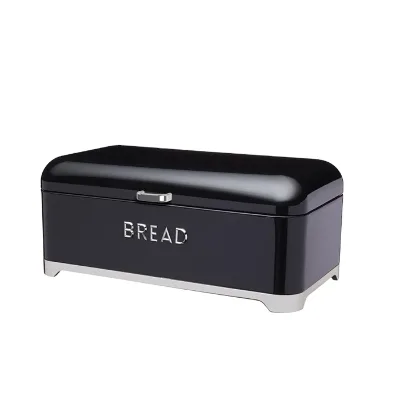






Comprehensive Sourcing Guide
Retro Vintage Design Bread Box Supplier Concentration and Factory Types
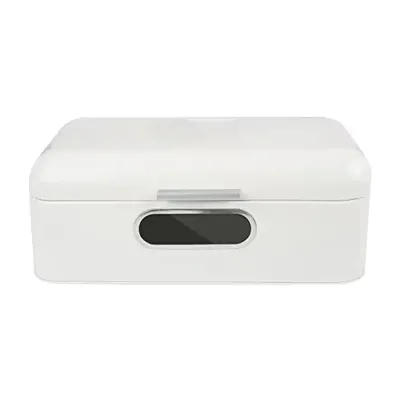
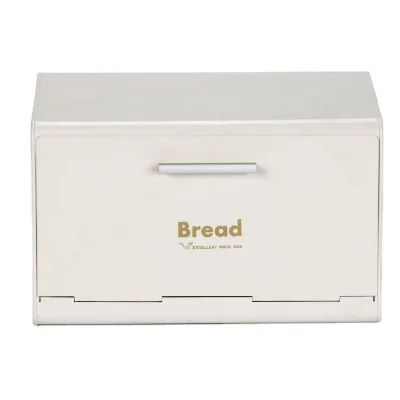
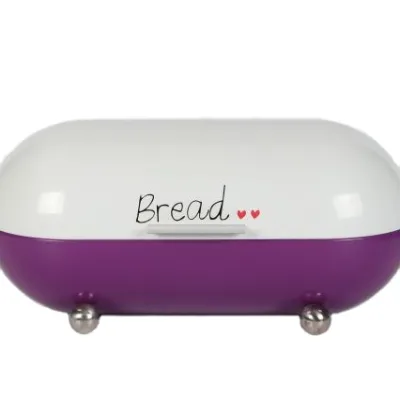
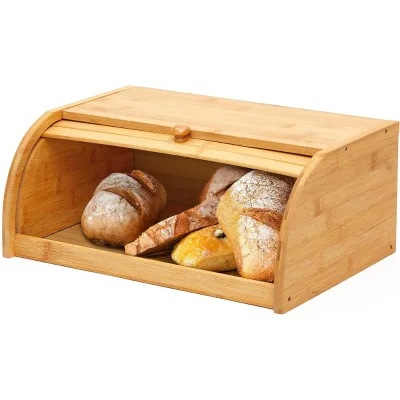
The current supplier landscape for retro vintage design bread boxes reveals a mix of manufacturers and trading companies operating primarily within China. Specific product evidence indicates that ceramic and enamel options originate from Fujian, while iron-based storage solutions are linked to Zhejiang. These regional clusters suggest that buyers seeking ceramic ware should focus on facilities in Fujian, whereas those prioritizing iron or galvanized metal products may find relevant capacity in Zhejiang. The data confirms that suppliers in these areas offer light customization, sample processing, and graphic processing capabilities, which are essential for achieving the specific vintage aesthetic required.
When evaluating the type of entity, it is crucial to distinguish between direct manufacturers and trading companies based on the product evidence provided. Some suppliers list themselves as manufacturers capable of producing items like the Vintage Retro Ceramic Bread Storage Box with a supply ability of 500,000 pieces per month. Others operate as trading companies focusing on promotional goods or broader kitchen storage categories. Buyers must verify if the entity is a manufacturer to ensure direct control over the production process for custom shapes and glazing techniques, or if a trading company is better suited for sourcing a wider variety of materials like iron and enamel from different factories.
How to Verify Retro Vintage Design Bread Box Suppliers
Verification of supplier credibility relies heavily on third-party audit reports and specific system certifications rather than general claims. The available data confirms that certain suppliers hold SGS Group verification status, which serves as a concrete indicator of operational legitimacy. Additionally, system certifications such as REACH, RoHS, and CE are present in the product attributes, indicating compliance with international safety and environmental standards for food-contact materials. Buyers should explicitly request these specific certification documents to confirm that the ceramic, enamel, or iron materials used in the retro vintage design bread boxes meet the necessary regulatory requirements for their target markets.
Beyond certifications, the response time and production capacity data provide tangible metrics for assessing supplier reliability. Evidence shows response times ranging from 3 to 13.48 hours, which can help buyers gauge the efficiency of their communication channels. A supplier with a rapid response time is more likely to handle urgent customization requests or resolve production issues quickly. Furthermore, the presence of detailed product attributes, such as dimensional tolerances of less than ±5mm and weight tolerances of less than ±5%, suggests a high level of quality control. Buyers should verify that the supplier can consistently maintain these tolerances during mass production to ensure the vintage design elements remain precise and consistent across large orders.
What to Compare Across Retro Vintage Design Bread Box Suppliers
Comparing suppliers requires a detailed analysis of minimum order quantities, lead times, and pricing structures to determine the best fit for specific business needs. The data indicates significant variation in MOQs, with ceramic options starting at 500 pieces and iron-based boxes requiring 3,000 pieces. Lead times also differ, with some suppliers offering a 45-day production window while others may have different schedules based on material complexity. Buyers must align these constraints with their inventory planning, ensuring that the chosen supplier can meet the volume requirements without causing stockouts or excessive holding costs.
Pricing and customization capabilities are equally critical factors in the comparison process. Price ranges for ceramic bread boxes vary from approximately $1.85 to $7.54 per unit, depending on the specific design, material, and order volume. Iron bread boxes show a different pricing structure, ranging from $4.00 to $7.00 per unit. Suppliers offering customized packing, logo availability, and specific color options like bronze or white provide greater flexibility for branding. Buyers should compare the total cost of ownership, including the cost of customization and the flexibility of the supply ability, to ensure the selected partner can deliver the retro vintage design bread boxes within the desired budget and timeline.
Common Retro Vintage Design Bread Box Sourcing Risks
One significant risk in sourcing retro vintage design bread boxes involves the inconsistency of material quality and finish, particularly for ceramic and enamel products. The product evidence highlights materials such as ceramic, enamel, and iron, each with unique production challenges. For instance, the glazing technique used on enamel bread boxes must be precise to avoid chipping or color variation, which could detract from the vintage aesthetic. Buyers should verify that the supplier has strict quality control measures in place to maintain the "Eco-Friendly" and decorative features promised in the product attributes, ensuring that the final product matches the visual expectations of the vintage style.
Another risk pertains to the accuracy of logistical details and the reliability of the supply chain. While some suppliers list Xiamen as the port of dispatch, others may have different shipping origins or less transparent logistics networks. The production time of 45 to 55 days is a critical factor that, if delayed, can disrupt the entire supply chain. Additionally, the customization of packaging details, such as safe packing, gift packing, or bulk packing, must be clearly defined to prevent damage during transit. Buyers should confirm the supplier's ability to handle these specific packaging requirements and ensure that the dimensional tolerances are maintained throughout the shipping process to avoid receiving damaged or misshapen units.
Retro Vintage Design Bread Box Regional Sourcing and Logistics
Regional sourcing strategies should focus on the specific manufacturing hubs identified in the product evidence, such as Fujian for ceramic ware and Zhejiang for iron-based products. The data confirms that Fujian is a primary origin for ceramic bread storage boxes, offering a concentration of manufacturers with the necessary expertise in glazing and shaping. Similarly, Zhejiang appears to be a hub for iron and galvanized metal storage solutions. Buyers should prioritize suppliers located in these regions to leverage the local supply chain advantages, which often include better access to raw materials and specialized labor for the specific vintage design techniques required.
Logistics planning must account for the specific ports and shipping methods associated with these regions. The product attributes indicate that Xiamen is a common port of dispatch for ceramic items, which is a major shipping hub in Fujian. For iron products, the logistics network may differ, and buyers should verify the specific port of origin to optimize shipping costs and transit times. The supply ability of 500,000 pieces per month for ceramic items suggests that large-scale orders can be handled efficiently, but buyers must confirm the actual lead time and capacity during peak seasons. Ensuring that the logistics partner is familiar with the specific packaging requirements, such as safe packing for fragile ceramic items, is essential for a smooth delivery process.
Retro Vintage Design Bread Box Commercial Terms and Order Planning
Commercial terms for retro vintage design bread boxes must be carefully negotiated to align with the specific production and shipping requirements. The data shows that production times can range from 45 to 55 days, which is a critical factor in order planning. Buyers should establish clear timelines for sample approval, mass production, and final inspection to avoid delays. Additionally, the availability of customization options, such as logo printing and specific packaging details, should be confirmed in the commercial agreement to ensure that the final product meets the brand's requirements. The supply ability of 500,000 pieces per month indicates that large orders are feasible, but buyers must verify the actual capacity during the ordering phase.
Order planning should also consider the minimum order quantities and pricing tiers to optimize cost efficiency. With MOQs ranging from 500 to 3,000 pieces, buyers need to balance their inventory needs with the financial constraints of the order. The price ranges provided, from $1.85 to $7.54 for ceramic items and $4.00 to $7.00 for iron items, offer a baseline for budgeting. Buyers should negotiate based on these figures while considering the value of customization and the quality of the materials. Ensuring that the commercial terms include clear provisions for quality assurance, such as adherence to the specified dimensional and weight tolerances, is essential for maintaining the integrity of the retro vintage design bread boxes throughout the production and delivery process.
FAQs
What is the typical lead time for retro vintage bread boxes?
Manufacturers generally require 45 days for production, with some suppliers listing a range of 45 to 55 days. This timeline applies to standard ceramic and iron models. Buyers should confirm exact schedules with the supplier before placing orders to ensure timely delivery for their specific requirements.
What is the minimum order quantity for ceramic bread storage boxes?
Minimum order quantities vary by material and supplier. Ceramic options typically require 500 pieces, while custom white enamel versions may need 720 pieces. Iron bread boxes often have higher thresholds, such as 3000 pieces. Buyers should verify the specific MOQ for their chosen design and material.
Are these bread boxes certified for food safety?
Yes, suppliers often hold REACH, RoHS, and CE certifications. These credentials indicate compliance with international safety and environmental standards. Buyers should request valid certificates to verify that the ceramic or iron materials are safe for direct food contact and meet regulatory requirements in their target market.
Can I customize the size and packaging of the bread box?
Customization is widely available for size, packaging, and branding. Suppliers offer customized dimensions, gift packing, and bulk options. Buyers can request specific sizes like S, M, or L, and add their logo. Confirming these details with the manufacturer ensures the final product matches your brand and storage needs.
What is the price range for vintage ceramic bread boxes?
Prices for ceramic bread boxes typically range from $1.85 to $7.54 per unit. The cost depends on the material, size, and customization level. Iron models may fall between $4.00 and $7.00. Buyers should request quotes based on their specific quantity and design requirements to get accurate pricing.
How quickly do suppliers respond to sourcing inquiries?
Response times vary, with some suppliers replying within 3 hours and others taking up to 13.48 hours. Faster response times often indicate higher availability. Buyers should prioritize suppliers with quicker reply rates to ensure efficient communication and faster resolution of any questions regarding product details or order status.