RFID Blocking Travel Passport Holder Suppliers and Manufacturers
Source 18 verified suppliers for RFID Blocking Travel Passport Holder products. Compare key dimensions including location, lead time, MOQ, and certifications. Review specific product attributes and pricing to identify suitable partners for your procurement needs; review the available evidence before requesting comparable quotations from suitable candidates.
Suppliers List

Taizhou Lantiger Travelware Co., Ltd.
- Verified by SGS
- Manufacturer/Factory
- China Zhejiang
- Lead time23 days
- Avg. response≤ 4h
Main productsTravel Accessories, Travel Pillows, Travel Bags, Luggage Straps, Luggage Covers, Tsa Locks, Luggage Scales, Travel Adapters
Main marketsSouth America,Eastern Europe,Mid East,North America,Southeast Asia,Eastern Asia,Oceania,Western Europe,Africa


$1.15 - $1.30
MOQ: 500 Pieces


$1.15 - $1.30
MOQ: 500 Pieces


Quanzhou Chaumet Bags Co., Ltd.
- Verified by BV
- Trading Company,Manufacturer/Factory
- China Fujian
- Lead time60 days
- Avg. response≤ 6h
Main productsSports Bag, Outdoor Bag, Pet Carrier, Diaper Bag, Cooler Bag/Food Delivery Bag, Waterproof Bag, Custom Bags
Main marketsSouth America,Eastern Europe,North America,Oceania,Western Europe


Travel Wallet RFID Blocking Document Organizer Bag Family Passport Holder Passport Bag
$5.65 - $7.56
MOQ: 300 Pieces

Customizable RFID-Blocking Card Holder Waterproof Passport Wallet Family Multi-Compartment Organizer
$4.92 - $5.61
MOQ: 300 Pieces

$4.92 - $5.61
MOQ: 300 Pieces

Xiamen Daysun Industrial Co., Ltd.
- Verified by SGS
- Trading Company
- China Fujian
- Lead time30 days
- Avg. response≤ 4h
Main productsBackpack, Travel Bag, Sports Bag, Laptop Bag, Shopping Bag, Cosmetic Bag, Cooler Bag, RPET Bag, Clothing, Neoprene Case
Main marketsEurope,Australia,North America


Wholesale Travel Document Organizer Credit Cards Case RFID Blocking Passport Holder
$5.99 - $6.78
MOQ: 500 pieces

Guangzhou Zhilun Leather Co., Ltd
- Verified by TUVRHEINLAND
- Combined
- China Guangdong
- Lead time30 days
- Avg. response≤ 9h
Main productsMobile Phone Case, Tablet Case, Mobile Phone Lanyard, Magsafe Card Holder, Leather Wallet Phone Case, Cell Phone Case, Passport Holder, Notebook Cover, Mobile Phone Shoulder Strap, Laptop Case
Main marketsEurope


RFID Blocking Multi-Pocket Passport Organizer Travel Wallet Document Holder
$1.99 - $2.99
MOQ: 300 Pieces


Premium Leather Passport Holder RFID Shielded Travel Wallet Passport Holder
$2.50 - $2.80
MOQ: 200 Pieces

Luxury RFID Blocking Travel Wallet Multi-Functional Passport Cover Holder
$1.99 - $2.99
MOQ: 300 Pieces


Xiamen Le Young Imp. & Exp. Co., Ltd
- Verified by BV
- Trading Company,Manufacturer/Factory
- China Fujian
- Lead time23 days
- Avg. response≤ 3h
Main productsLeather Folder, Trave Wallet, Leather Notebook, Leather Compendium, Leather Portfolio, Leather Diary, Leather Journal, Hotel Supply, Leather Card Holder, Leather Wallet
Main marketsSouth America,Eastern Europe,Mid East,North America,Southeast Asia,Eastern Asia,Oceania,Western Europe,Africa

Leather Airtag Travel Passport Holder Wallet Slim Travel RFID Blocking Passport Cover
$1.95 - $2.59
MOQ: 300 Pieces

Leather Passport Holder Wallet Cover RFID Travel Wallet Passport Ticket Document Holder
$3.05 - $3.99
MOQ: 300 Pieces

Premium Leather Passport Holder Covers Case Waterproof RFID Blocking Travel Passport Wallet
$1.85 - $2.39
MOQ: 300 Pieces

Luxury Leather Passport Cover RFID Blocking Travel Passport Wallet with Card Holders
$2.05 - $2.89
MOQ: 300 Pieces

Passport Holder Cover Wallet for Women RFID Blocking Travel Wallet ID Card Case
$1.62 - $4.69
MOQ: 300 Pieces

RFID Blocking Elastic Bound Leather Passport Holder Personalized Passport Wallet with Logo
$1.95 - $2.79
MOQ: 300 Pieces

Guangzhou Yujia Industrial Co., Ltd.
- Verified by SGS
- Combined
- China Guangdong
- Lead time15 days
- Avg. response≤ 2h
Main productsPU Leather, PVC Bar Mat, Mouse Pad, Wallets, Rubber Muse Pad, Men's Wallet, Passport Holder, Handbags, Wrist Keyboard Mat
Main marketsDomestic

Leather Airtag Travel Passport Holder Wallet Slim Travel RFID Blocking Passport Cover
$2.95 - $5.90
MOQ: 100 Piece


$5.90 - $6.50
MOQ: 500 Pieces


$5.90 - $6.50
MOQ: 500 Pieces

- Verified by SGS
- Trading Company,Manufacturer/Factory,Other
- China Zhejiang
- Lead time38 days
- Avg. response≤ 17h
Main productsBath Mat, Cushion, Wooden Toys, Fitness Equipment, Cosmetic Bag, Luggage, Festival Products, Gym Items, Face Mask, Paracord Bracelet
Main marketsSouth America,Eastern Europe,Mid East,North America,Southeast Asia,Eastern Asia,Oceania,Western Europe,Africa

Promotional Cover Wallet RFID Blocking PU Travel Accessories Passport Holder
$1.80 - $2.00
MOQ: 500 Pieces

Promotional Portable PU Passport Ticket Holder Protector Elastic Band Passport Holder
$1.80 - $2.00
MOQ: 500 Pieces
Hangzhou Jiusi Import And Export Co., Ltd.
- Verified by TüVRheinland
- Trading Company
- Lead time15 days
- Avg. response≤ 3h
Main productsLanyard, Coaster, Luggage Tag, Handfan, Business Gift
Main marketsNorth America(40%), Southern Europe(24%), Western Europe(20%)

Wenzhou Guanmin Import and Export Co., Ltd.
- Verified by BV
- Trading Company,Manufacturer/Factory
- China Zhejiang
- Lead time120 days
- Avg. response≤ 6h
Main productsShopping Bag, Cooler Bag, Notebook, Pen, Color Pencil, Lanyard, Beach Ball, Umbrella, Sunshade, Air Freshener
Main marketsSouth America,Eastern Europe,Mid East,North America,Southeast Asia,Eastern Asia,Western Europe
Shenzhen Bi Bei Maternal & Infant Co., Ltd.
- Verified by SGS Group
- Manufacturer, Trading Company
- Lead time30 days
- Avg. response≤ 2h
Main productsDiaper Bag, Stroller Organizer, Changing Pad, Tool Bags, Cooler Bag
Main marketsDomestic Market(37%), North America(18%), Western Europe(10%)

Xiamen Minghui Import and Export Co., Ltd.
- Verified by BV
- Manufacturer/Factory
- China Fujian
- Lead time30 days
- Avg. response≤ 12h
Main productsBag, Sport Bag, Duffel Bag, Travel Bag, School Bag, Backpack, Rucksack, Laptop Bag, Cosemtic Bag, Document Bag
Main marketsSouth America,Eastern Europe,Mid East,North America,Southeast Asia,Eastern Asia,Oceania,Western Europe,Africa

$4.25 - $5.22
MOQ: 500 Pieces


Fuzhou ADF International CO., LTD.
- Verified by BV
- Trading Company,Manufacturer/Factory
- China Fujian
- Lead time45 days
- Avg. response≤ 4h
Main productsBags, Suitcase, Backpack, Travel Bags, School Bags, Storage Ottoman, Luggage, Cooler Bag, Household Products
Main marketsSouth America,Eastern Europe,Mid East,North America,Southeast Asia,Eastern Asia,Oceania,Western Europe,Africa

Custom Passport Wallet RFID Blocking Passport Card Slots Holder PU Leather Passport Holder
$0.54 - $2.06
MOQ: 1000 Pieces


Multifunctional Waterproof Travel Passport Cover Holder Wallet PU Leather Passport Holder
$0.54 - $2.06
MOQ: 1000 Pieces

Customized Logo Passport Cover PU Leather Travel Wallet Personalized Passport Holder
$0.85
MOQ: 1000 Pieces

Travel Wallet Passport Cover PU Leather Passport Credit ID Card Holder Purse Case
$0.85
MOQ: 1000 Pieces
Shenzhen Yu Chuang Wei Industrial Co., Ltd.
- Verified by TüVRheinland
- Manufacturer, Trading Company
- Lead time30 days
- Avg. response≤ 2h
Main productsCosmetic Bag, Cooler Bag, Diaper Backpack, Travel Bag, Storage Bag
Main marketsDomestic Market(37%), North America(20%), Western Europe(15%)
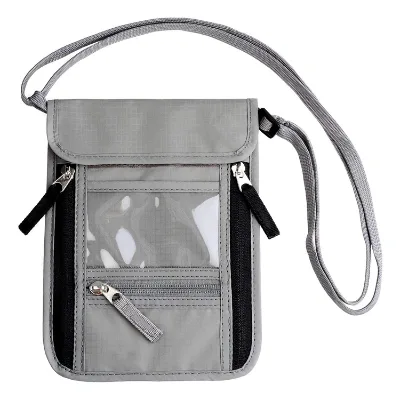
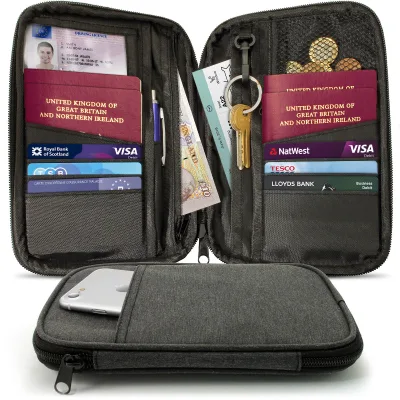
Rfid Blocking Travel Wallet Passport Holder Personal Credit ID Cards Organizer Slim Pouch
$2.21 - $3.88
MOQ: 500 pieces
- Verified by SGS Group
- Manufacturer, Trading Company
- Lead time35 days
- Avg. response≤ 2h
Main productsCooler Bag, Backpack, Travel Bag, Storage Bag, Waist Bag
Main marketsNorth America(60%), Western Europe(12%), Domestic Market(12%)

Guangzhou Modicci Fashion Co., Limited
- Verified by SGS
- Trading Company,Manufacturer/Factory
- China Guangdong
- Lead time45 days
- Avg. response≤ 18h
Main productsHandbag, Backpack, Crossbody, Wallet, Clutch, Purse, Keyring, Jewellery Box, Card Holder, Laptop Backpack
Main marketsSouth America,Eastern Europe,Mid East,North America,Southeast Asia,Eastern Asia,Oceania,Western Europe,Africa

New Anti-Degaussing Multifunctional Passport Holder RFID Travel Passport Bag Document Holder
$3.00 - $5.00
MOQ: 200 Pieces

$3.00 - $5.00
MOQ: 200 Pieces
Shenzhen Brightwell Sports Goods Co., Ltd.
- Manufacturer, Trading Company
- Guangdong, China
- Lead time15 days
- Avg. response≤ 3h
Main productsCosmetic Bag,Tote Bag,Laptop Bag,Backpack,Travel Bag
Main marketsNorth America(50.00%), Mid East(10.00%), Western Europe(10.00%), Northern Europe(5.00%), Southern Europe(5.00%), Oceania(5.00%), South America(5.00%), Eastern Asia(3.00%), Southeast Asia(3.00%), Domestic Market(2.00%), Eastern Europe(2.00%)

Chengdu MIND IOT Technology Co., Ltd.
- Verified by TUVRHEINLAND
- Manufacturer/Factory
- China Sichuan
- Lead time23 days
- Avg. response≤ 4h
Main productsHotel Key Card, RFID Card, NFC Card, Business Card, RFID Tag, RFID Wristbands, RFID Key Fob, RFID Label, Metal Card, Magnetic Stripe Card
Main marketsSouth America,Eastern Europe,Mid East,North America,Southeast Asia,Eastern Asia,Oceania,Western Europe,Africa

Customized Colorful Printing PVC Passport RFID Blocking Sleeve ID Card Holder for Protection Paper
$0.06 - $0.15
MOQ: 500 Pieces

Aluminum Foil RFID Blocking Passport Sleeve Holder for ID Information Protection
$0.06 - $0.15
MOQ: 500 Pieces

$0.06 - $0.15
MOQ: 500 Pieces

Quanzhou Changyi Crafts Gifts Limited
- Verified by TUVRHEINLAND
- Manufacturer/Factory
- China Fujian
- Lead time23 days
- Avg. response≤ 7h
Main productsBallpoint Pen, Silicone Bracelet, Name Card Holder, Luggage Tag, Gift Set, Mobile Phone Accessory, Passport Cover, Ceramic Coaster, Gift Bag, Gift Box
Main marketsSouth America,Mid East,North America,Southeast Asia,Eastern Asia,Oceania,Western Europe,Africa

PU Multifunctional Travel Document Bag Card Holder Passport Holder Passport Cover
$2.21 - $2.43
MOQ: 100 Pieces

Multifunctional Travel Passport Bag Document Cover Customizable Passport Holder
$1.34 - $1.47
MOQ: 100 Pieces

RFID Passport Holder PU Customize Log Can Be Placed SIM Card Passport Cover
$1.80 - $1.93
MOQ: 100 Pieces


New Anti-Magnetic RFID Multi-Function PU Ticket Holder Card Holder Passport Cover
$1.44 - $1.49
MOQ: 100 Pieces

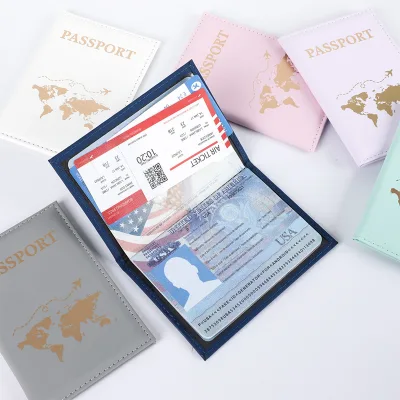
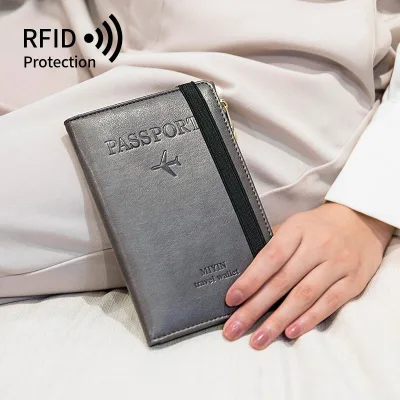



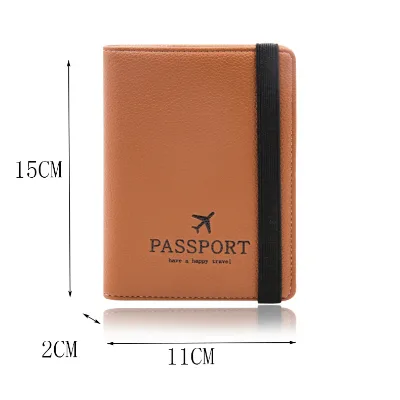
Comprehensive Sourcing Guide
RFID Blocking Travel Passport Holder Supplier Concentration and Factory Types
Current data indicates a concentration of manufacturing activity in China, specifically within the Zhejiang province, where suppliers list Travel Accessories and Luggage Straps as primary outputs. These entities operate primarily as Manufacturer/Factory entities, offering OEM, ODM, and Own Brand capabilities under labels such as ECOTRIP. This regional clustering suggests a specialized supply chain for PU leather goods and RFID blocking technology, though buyers must verify if specific factories in Fujian province, which list Sports Bags and Pet Carriers as main products, also possess the specific tooling for passport holders. The presence of Trading Company and Manufacturer/Factory hybrid types in the results implies that some sourcing channels may involve intermediaries rather than direct production units, requiring careful distinction during the initial screening phase.
Buyers should not assume all listed entities possess identical production capabilities simply because they appear in the same search results. While Zhejiang suppliers explicitly mention RFID Blocking PU Travel Passport Holders, other locations may focus on broader luggage categories without the specific textile or electronic shielding expertise required for secure travel documents. To identify true manufacturing clusters, buyers must request facility audits that confirm the presence of RFID testing equipment and PU leather cutting lines. Relying solely on product titles is insufficient; the physical location of the factory and the specific machinery listed in their capacity reports are the only reliable indicators of a genuine production cluster for this specific item type.
How to Verify RFID Blocking Travel Passport Holder Suppliers
Verification of supplier credentials requires cross-referencing third-party audit reports against the specific product attributes listed in the catalog. Current results show suppliers holding BSCI, ISO 9001, SEDEX, and SA 8000 certifications, with some also displaying TUV and SGS verification marks. However, these certifications apply to the entire factory system and do not automatically guarantee that every passport holder model meets specific RFID shielding standards. Buyers must explicitly request test reports for the specific model numbers, such as ET-7161A or ET-7190, to confirm that the RFID blocking feature functions as claimed and is not merely a marketing label. The presence of an SGS or BV verification badge indicates a baseline level of trust, but it does not replace the need for product-specific validation.
Response time and sample availability serve as practical indicators of a supplier's operational readiness and transparency. Data shows response times ranging from approximately 3.97 to 5.48 hours, with some suppliers offering samples at a charge of 50 USD while others list them as available without cost. A rapid response time suggests a dedicated sales team, but buyers should verify if the sample time of 7-15 days aligns with their project timeline. Furthermore, the distinction between a Trading Company and a Manufacturer/Factory is critical; a trading company may have faster communication but less control over the actual production quality and material sourcing. Buyers should demand a video tour of the production line to confirm that the factory directly handles the RFID shielding process rather than outsourcing it to a third party.
What to Compare Across RFID Blocking Travel Passport Holder Suppliers
When evaluating potential partners, buyers must compare minimum order quantities (MOQ) and unit pricing structures, as these vary significantly across the supplier pool. One supplier offers a MOQ of 100 pieces with a price point of 1.50 USD, while another requires 500 pieces at 1.15 to 1.30 USD, and a third demands 1000 pieces at 2.15 USD. These discrepancies often reflect differences in production scale, material quality, and customization options. For instance, the lower MOQ suppliers may use standard molds, whereas higher volume orders might allow for more complex customization like specific logo embossing or unique color combinations. Buyers should calculate the total landed cost, including shipping and duties, rather than focusing solely on the unit price, as a lower unit cost with a high MOQ may tie up excessive capital.
Lead times and production capacity are equally critical comparison points that affect inventory planning and market responsiveness. The observed lead times range from 23 days to 60 days, a variance that can determine whether a supplier can meet seasonal demand peaks. Suppliers with shorter lead times, such as the 23-day option, may have higher inventory levels of raw materials or more streamlined processes, while those with 60-day lead times might be operating on a make-to-order basis. Additionally, the main product focus of the factory matters; a supplier specializing in Travel Pillows and Luggage Covers may have less capacity for passport holders compared to a factory dedicated to Wallets & Holders. Buyers should align their order volume with the supplier's stated capacity to avoid delays that could disrupt their supply chain.
Common RFID Blocking Travel Passport Holder Sourcing Risks
One significant risk involves the discrepancy between advertised features and actual product performance, particularly regarding RFID blocking efficacy. While many products are described as "RFID Blocking" or "Anti-Theft Blocking," the technical specifications provided in the search results do not always include the specific frequency range or shielding material thickness required for effective protection. Some listings mention "Waterproof" properties, while others explicitly state "Not Waterproof," creating confusion about the durability and protection level of the final product. Buyers must verify that the material, whether PU or Polyester, is tested to block radio frequencies effectively, as unverified claims can lead to security breaches for end-users. Relying on generic product descriptions without requesting independent lab reports is a high-risk strategy.
Another risk stems from inconsistent quality control across different production batches and varying supplier types. The search results indicate a mix of manufacturers and trading companies, each with different standards for quality assurance. For example, one supplier lists a "Handmade" technique, while another uses "Embroidery" or standard manufacturing processes. These differences can lead to inconsistencies in stitching, material thickness, and the integration of the RFID blocking layer. If a supplier is a trading company, they may not have direct oversight of the factory floor, increasing the risk of receiving substandard goods. Buyers should implement strict quality inspection protocols, including pre-shipment inspections, to ensure that the physical product matches the sample and the advertised specifications regarding hardness, style, and material composition.
RFID Blocking Travel Passport Holder Regional Sourcing and Logistics
Sourcing from China, specifically the Zhejiang and Fujian provinces, offers access to a mature supply chain for travel accessories, but logistics planning must account for regional differences in shipping efficiency. Zhejiang-based suppliers often have established export channels for luggage and bags, which can streamline the shipping process for passport holders. However, buyers must verify the specific port of loading and the packaging standards, as some suppliers use "1 PC / Poly Bag" while others utilize "5 Layers AA Thickened Carton Box." The choice of packaging directly impacts the safety of the goods during transit and the efficiency of customs clearance. A supplier in Fujian, which also produces sports bags and cooler bags, might have different logistical partnerships compared to a Zhejiang-focused factory, potentially affecting transit times and freight costs.
Buyers should also consider the impact of regional labor costs and material availability on the final product price and lead time. The concentration of PU leather and polyester manufacturers in these regions can reduce material lead times, but buyers must confirm that the specific raw materials used for the RFID blocking layer are sourced locally or imported. If a supplier relies on imported shielding materials, any disruption in the global supply chain could delay production. Additionally, the distance from the factory to the nearest major port can influence the inland transportation costs included in the final quote. Buyers should request a detailed breakdown of logistics costs to understand the total cost of ownership and ensure that the supplier has the experience to handle international shipping documentation and compliance requirements for travel accessories.
RFID Blocking Travel Passport Holder Commercial Terms and Order Planning
Commercial terms regarding payment, customization, and sample charges require careful negotiation to align with the buyer's financial and operational constraints. The data shows sample charges ranging from 50 USD to free samples, and customization options are widely available but often subject to specific MOQ thresholds. For example, one supplier accepts custom logos with a 500-piece MOQ, while another requires 1000 pieces for similar customization. Buyers must clarify whether the sample fee is deductible from the bulk order and understand the timeline for sample approval before mass production begins. The presence of "Own Brand" capabilities suggests that suppliers can support private labeling, but the specific terms for brand ownership and intellectual property protection should be explicitly defined in the contract.
Order planning must account for the variability in lead times and the potential for production bottlenecks during peak seasons. With lead times ranging from 23 to 60 days, buyers should place orders well in advance of their sales cycles to avoid stockouts. The response time of the supplier, which varies between 3.97 and 5.48 hours, can also impact the speed of order processing and issue resolution. Buyers should establish a clear communication protocol and set expectations for regular production updates to mitigate the risk of delays. Additionally, the use of escrow services or verified payment methods is recommended to protect funds until the goods are shipped and verified. Planning for buffer stock and maintaining a relationship with multiple suppliers can further reduce the risk of supply chain disruptions.
FAQs
What is the minimum order quantity for RFID passport holders?
Minimum order quantities vary by product model. Some suppliers require 100 pieces for specific PU leather models, while others set the threshold at 500 or 1000 pieces depending on customization needs and material choices.
How long does production take for custom RFID passport holders?
Lead times differ based on supplier location and order volume. One manufacturer in Zhejiang reports a 23-day production cycle, whereas another facility in Fujian indicates a longer timeline of up to 60 days for complex orders.
Are these passport holders waterproof and what material is used?
Material and waterproofing depend on the specific item selected. Some PU leather options are explicitly waterproof, while others are not. Materials range from soft PU leather to durable polyester with various stitching techniques.
What certifications do the manufacturers hold for these products?
Suppliers often hold multiple system certifications to ensure quality and ethical standards. Common certifications include BSCI, ISO 9001, SEDEX, and SA 8000. Some products also carry TUV verification alongside standard factory audits.
Can I get a custom logo on the RFID passport holder?
Yes, customization is widely available for most models. Suppliers accept custom logos on PU leather and polyester options. You can often choose from various colors and styles while maintaining the RFID blocking functionality for security.
What is the price range for wholesale RFID passport holders?
Prices vary significantly based on material and order quantity. Unit costs can range from approximately 1.15 to 4.21 dollars. Specific models like black PU leather may have fixed pricing around 2.15 dollars per piece.
Where are the manufacturers of these travel accessories located?
Manufacturers are primarily located in China, specifically in the Zhejiang and Fujian provinces. These regions host factories capable of producing travel accessories, luggage straps, and various types of passport holders with different capabilities.
How quickly do suppliers typically respond to inquiries?
Response times vary among different suppliers on the platform. One manufacturer in Zhejiang has a recorded response time of roughly 4 hours, while another in Fujian shows a response time of approximately 5.5 hours for new inquiries.