Lavender Rose Peppermint Essential Oil Suppliers and Manufacturers
Source Lavender Rose Peppermint Essential Oil from 30 verified suppliers in China. Compare ISO, FDA, and GMP certifications, lead times, and MOQs to find the right partner. Review product specs and request quotes today; review the available evidence before requesting comparable quotations from suitable candidates.
Suppliers List

Jiangxi Baicao Pharmaceutical Co., Ltd.
- Verified by BV
- Combined
- China Jiangxi
- Lead time15 days
- Avg. response≤ 10h
Main productsEssential Oil, Plant Extract, Fragrance Oil, Flavor Oil, Tea Tree Oil, Eucalyptus Oil, Peppermint Oil, Citronella Oil, Pine Oil, Cassia Oil /Cinnamon Oil
Main marketsSoutheast Asia/ Mideast,East Asia(Japan/ South Korea),Europe
Shaanxi Haibo Biological Technology Co., Ltd
- Verified by CTI
- Trading Company
- China Shaanxi
- Lead time15 days
- Avg. response≤ 6h
Main productsPharmaceutical, Dietarysupplement, Food
Main marketsSouth America,Africa,Others(foreignTradeCapacity.exportBusinessCapacityMarketOther),Southeast Asia/ Mideast,East Asia(Japan/ South Korea),Domestic,Europe,Australia,North America


Factory Supply Fragrance Oil Perfume Formula Lavender Essential Oil Lavender Oil
$40.00 - $100.00
Moq: 1

Shenzhen HY Electronic Technology Co., Ltd.
- Verified by SGS
- Manufacturer/Factory
- China Guangdong
- Lead time23 days
- Avg. response≤ 3h
Main productsAroma Diffuser, Humidifier, Essential Oil Diffuser, Essential Oil, Flame Humidifier, Atomizing Diffuser, Scent Oil, Aromatherapy Oils, Fragrance Oils, Waterless Diffuser
Main marketsSouth America,Eastern Europe,Mid East,North America,Southeast Asia,Eastern Asia,Oceania,Western Europe,Africa
Shandong Vianor Pharma Co., Ltd.
- Verified by BV
- Combined
- China Shandong
- Lead time30 days
- Avg. response≤ 3h
Main productsNasal Inhaler Vaporub Stick Aromatherapy Refesh, Pet Care Shampoo Paw Balm Oral Care, Personal Care Household Toothpaste Mouth Wash, Cosmetic Factory Body Care Lotion Hair, Sport Care Pain Relief Muscle Care Spray, Healthy Care Natural Essential Oil Embrocation, Aromatic Stick Medicated Essential Oil Vapo Pad, Healthy Nutrition and Dietary Supplements, Daily Beauty Care Skin Care Body Oil Lube Oil, Patches Pain Relief Blister Plaster Bandage
Main marketsSoutheast Asia/ Mideast,North America
- Verified by SGS
- Manufacturer/Factory
- China Liaoning
- Lead time30 days
- Avg. response≤ 7h
Main productsCosmetic Ingredients, Cosmetic Preservatives, Biocides, Molecular Sieve, Color Developer, Glyoxylic Acid, PARA Nitrobenzoic Acid, Benzoic Acid, 6-Methyluracil, Methyl Salicylate
Main marketsSouth America,Eastern Europe,Mid East,North America,Southeast Asia,Eastern Asia,Oceania,Western Europe,Africa

Suzhou Greenway Biotech Co., Ltd.
- Verified by BV
- Trading Company,Manufacturer/Factory
- China Jiangsu
- Lead time15 days
- Avg. response≤ 7h
Main productsGlutathione, Nmn, Pharmaceutical Intermediates, Cosmetic Materials, Nutritional Supplements
Main marketsSouth America,Eastern Europe,Mid East,North America,Southeast Asia,Eastern Asia,Oceania,Western Europe,Africa
Shenzhen Hygea Technology Co., Ltd.
- Verified by TüVRheinland
- Manufacturer, Trading Company
- Lead time15 days
- Avg. response≤ 6h
Main productsScent Diffuser, Dehumidifier, Aroma Diffuser, Car Diffuser, Essential Oil
Main marketsNorth America(30%), Eastern Europe(18%), Southeast Asia(10%)
Shantou Hongrun Biotechnology Co., Ltd.
- Manufacturer, Trading Company
- Guangdong, China
- Lead time30 days
- Avg. response≤ 11h
Main productsRollerball Essential Oils,Cosmetics
Main marketsEastern Europe(35.0%), North America(15.0%), Central America(15.0%), Western Europe(10.0%), South America(10.0%), Southern Europe(5.0%), Southeast Asia(5.0%), Northern Europe(5.0%)
Ningbo Flow Technology Co., Ltd.
- Verified by SGS
- Trading Company,Manufacturer/Factory
- China Zhejiang
- Lead time15 days
- Avg. response≤ 2h
Main productsAroma Diffuser, Essential Oil Diffuser, Scent Diffuser, Air Humidifier, Electric Incense Burner, Car Incense Burner, Fragrance Diffuser, Car Aroma Diffuser, Light Industry Daily Necessities, Air Purifier
Main marketsSouth America,Eastern Europe,Mid East,North America,Western Europe,Africa
Ji'an Huaxin Natural Plant Co., Ltd.
- Manufacturer
- Jiangxi, China
- Lead time10 days
- Avg. response≤ 3h
Main productsEucalyptus Oil,Cinnamon Oil,essential oil set,Citronella Oil,Peppermint Oil
Main marketsNorth America(35.0%), Western Europe(20.0%), Domestic Market(20.0%), Eastern Asia(5.0%), Southeast Asia(4.0%), Africa(3.0%), South Asia(2.0%), Southern Europe(2.0%), Eastern Europe(2.0%), Northern Europe(2.0%), Mid East(2.0%), South America(2.0%), Central America(1.0%)
Ji'an Qingyuan Wenyuan Spices Co. , Ltd.
- Verified by SGS Group
- Manufacturer, Trading Company
- Lead time5 days
- Avg. response≤ 2h
Main productsAromatherapy essential oil
Main marketsNorth America(40%), Domestic Market(38%), Western Europe(6%)

Guangzhou Dinglin Trading Co., Ltd.
- Trading Company
- Guangdong, China
- Lead time30 days
- Avg. response≤ 3h
Main productsEssential Oil,Shampoo,Facial Cleanser,Soap,Shower Gel
Main marketsNorth America(50.0%), Eastern Europe(25.0%), Western Europe(15.0%), Southeast Asia(10.0%)
Guangzhou Bosha Cosmetics Co., Ltd.
- Verified by SGS Group
- Trading Company
- Lead time7 days
- Avg. response≤ 8h
Main productsCosmetics, Skin Care, Facial Care, Eye Care
Main marketsNorth America(20%), Eastern Europe(15%), Southeast Asia(15%)

Guangzhou Aixin Cosmetic Co., Ltd.
- Verified by TUVRHEINLAND
- Trading Company
- China Guangdong
- Lead time15 days
- Avg. response≤ 5h
Main productsSkin Care, Cosmetic, Face Mask, Beauty, Body Scrub, Face Care, Body Care, Skin Care Product, Mask, Cream
Main marketsDomestic
Enrich Enterprises (Xiamen) Limited
- Verified by Intertek
- Trading Company
- Lead time40 days
- Avg. response≤ 8h
Main productsBath Gift Set, Bath And Body Care Product, Home Fragrance Product, Bath Bomb, Bath Gift Packaging
Main marketsNorth America(75%), Oceania(18%), Eastern Europe(2%)

Xi'an Taima Biological Engineering Co., Ltd.
- Trading Company
- China Shaanxi
- Lead time15 days
- Avg. response≤ 7h
Main productsSuper Concentrated Flavors, Cooling Agent Ws-23, Cooling Agent Ws-27, Cooling Agent Ws-3, Cooling Agent Ws-5, Cooling Agent Ws-12, Sucralose, Ethyl Maltol, Neotame, Advantame
Main marketsSouth America,Africa,Southeast Asia/ Mideast,East Asia(Japan/ South Korea),Domestic,Europe,Australia,North America

Guangzhou Kangmeihui Biotechnology Co., Ltd.
- Trading Company
- China Guangdong
- Lead time15 days
- Avg. response≤ 14h
Main productsSoft Capsule, Hard Capsule, Tablet Candy, Jelly, Oral Liquid, Fitness Underwear, Weight Loss, Whey Protein Powder, Facial Essence, Wipe Hair Essence
Main marketsSoutheast Asia/ Mideast,North America

Changsha Nutra-Y Biotechnology Co., Ltd
- Verified by SGS
- Trading Company
- China Hunan
- Lead time23 days
- Avg. response≤ 1h
Main productsCinnamon Bark Extract, Pine Bark Extract, Flaxseed Extract, Astragalus Root Extract, Magnolia Bark Extract, Milk Thistle Extract, Ginger Root Extract, Ginseng Extract
Main marketsSoutheast Asia/ Mideast,Europe
Ji'an Badaling Spice Co., Ltd.
- Verified by Intertek
- Trading Company
- Lead time3 days
- Avg. response≤ 1h
Main productsEssential Oils, Carrier Oils, Aromatherapy Oils, Fragrance Oils, Spices
Main marketsNorth America(60%), Africa(15%), Mid East(15%)

- Verified by TUVRHEINLAND
- Trading Company
- China Hebei
- Lead time30 days
- Avg. response≤ 7h
Main productsSLES 70%, LABSA 96%, SLS/K12, Soap Noodles, HPMC, Titanium Dioxide, Soy Wax, Aos 35% 92%, Monohydrous/Anhydrous Citric Acid, Petroleum Jelly
Main marketsSoutheast Asia/ Mideast

- Verified by TUVRHEINLAND
- Trading Company
- China Hunan
- Lead time15 days
- Avg. response≤ 9h
Main productsBotanical Extract Herbal Extract, Herbal Ingredients Artemisia, Elderberry Extract Cranberry Extract, Resveratrol Polydatin Polygonum Extract, Myricetin Dihydromyricetin Phloridzin, Neohesperidin Dihydrochalcone Carnosic Acid, Sea Buckthorn Seed Oil Reishi Spore Oil, Echinacea Purpurea Extract Isatis Extract, Zerumbone Mangiferin Rosmarinic Acid, Olive Leaf Extract Oleuropein Maslinic Acid
Main marketsEurope
Guangzhou Mzel Cosmetic Co., Ltd.
- Verified by TüVRheinland
- Trading Company
- Lead time15 days
Main productsEssential Oil, Bath Bombs, Face Serum, Hair Care, Skin Care Product
Main marketsNorth America(65%), Eastern Europe(5%), Western Europe(5%)
Huizhou Yajiali Industrial Co., Ltd.
- Verified by SGS
- Combined
- China Guangdong
- Lead time30 days
- Avg. response≤ 4h
Main productsBath Bomb, Body Butter, Shower Steamers, Body Scrubs, Soap, Bath Salt, Bath Set
Main marketsEurope,North America

Guangdong Vinescents Fragrance Technology Co., LTD
- Verified by BV
- Combined
- China Guangdong
- Lead time23 days
- Avg. response≤ 5h
Main productsAroma Diffuser, Large Space Scent Diffuser Machine, Home Aroma Diffuser, Car Aroma Diffuser
Main marketsSouth America,Africa,Southeast Asia/ Mideast,East Asia(Japan/ South Korea),Europe,Australia,North America


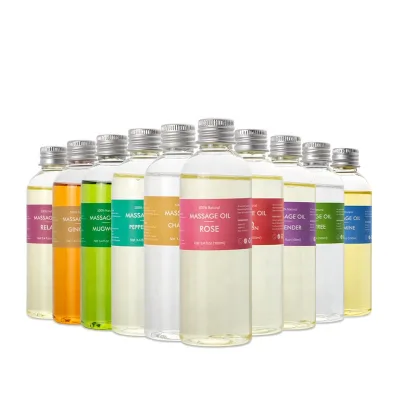
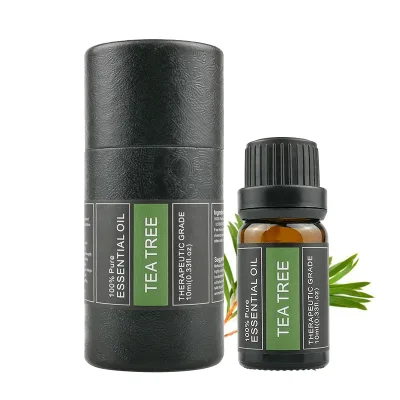
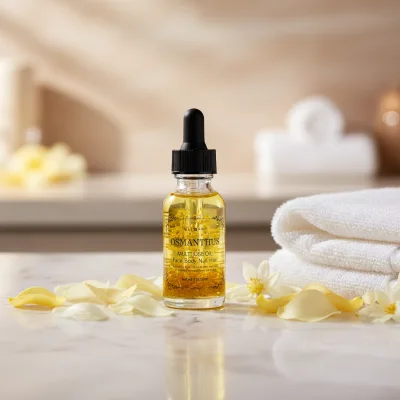
High Quality Essential Oils Manufacturers 100% Pure 500ml Rose Lemon Essential Oil
$40.00 - $43.00
Moq: 50

Pure Natural Rose Essential Oil Price Wholesale Fragrance Oil for Aroma Diffuser
$35.00 - $37.00
Moq: 50


Goodchem Technology Co., Limited
- Verified by BV
- Manufacturer/Factory
- China Shanghai
- Lead time23 days
- Avg. response≤ 4h
Main productsHydrocolloids, Plant Proteins&Fibers, Acidulants, Preservatives, Antioxidants, Sweeteners, Amino Acids&Vitamins, Phosphates, Apis, Probiotics
Main marketsSouth America,Eastern Europe,Mid East,North America,Southeast Asia,Eastern Asia,Oceania,Western Europe,Africa

Good Fortune International Trading (Tianjin) Co., Ltd
- Verified by TUVRHEINLAND
- Manufacturer/Factory
- China Tianjin
- Lead time15 days
- Avg. response≤ 6h
Main productsSupplement, Chemicals, Plant Extracts, Vitamins, Sweeteners, Food Additives, Plant Proteins, Cosmetic Ingredients, Healthy Ingredients, Pharmaceutical Ingredients
Main marketsSouth America,Eastern Europe,Mid East,North America,Southeast Asia,Eastern Asia,Oceania,Western Europe,Africa

Guangzhou Mebamy Cosmetics Co., Ltd.
- Verified by TUVRHEINLAND
- Manufacturer/Factory
- China Guangdong
- Lead time15 days
- Avg. response≤ 5h
Main productsFace Serum, Soap, Face Cream, Sunscreen, Eyelash Growth Serum, Teeth Whitening, Face Mask, Facial Cleanser, Essential Oil, Hair Care Series
Main marketsNorth America,Western Europe
Guangzhou Meinaier Cosmetics Co., Ltd.
- Manufacturer, Trading Company, Distributor/Wholesaler
- Guangdong, China
- Lead time0 days
- Avg. response≤ 4h
Main productsBody lotion,face&body scrub,face mask powder,bath salt,face&body serum
Main marketsAfrica(60.0%), North America(10.0%), South America(10.0%)
Dongguan I-Believe Electronic Appliance Co., Ltd.
- Verified by SGS Group
- Manufacturer, Trading Company
- Lead time10 days
- Avg. response≤ 4h
Main productsUV LED Nail Lamp, Nail Drill, Nail Tips, Nail Accessory, Beauty Instrument
Main marketsNorth America(40%), South America(15%), Domestic Market(15%)

Guangzhou Danjia Cosmetics Co., Ltd.
- Verified by BV
- Manufacturer/Factory
- China Guangdong
- Lead time0 days
- Avg. response≤ 19h
Main productsDizao Facial Masks, Breast Enlarging Cream Slimming Cream, Dizao Foot Mask, Bb Cream, Breast Enlarging/ Hip up /Slimming Cream, Facial Cleanser, Body Lotion, Razor Shaving Cream, Facial Cream, Hand Cream
Main marketsSouth America,Eastern Europe,Mid East,North America,Southeast Asia,Eastern Asia,Oceania,Western Europe,Africa




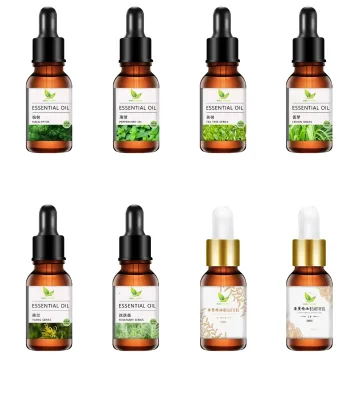
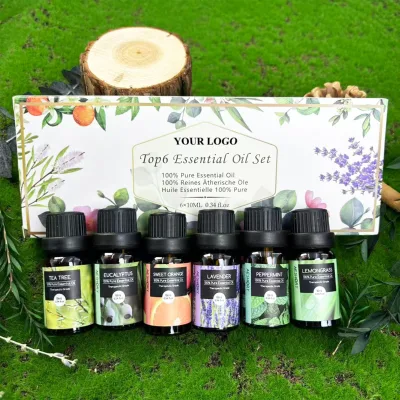
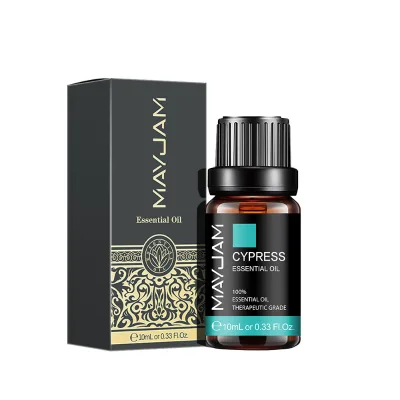
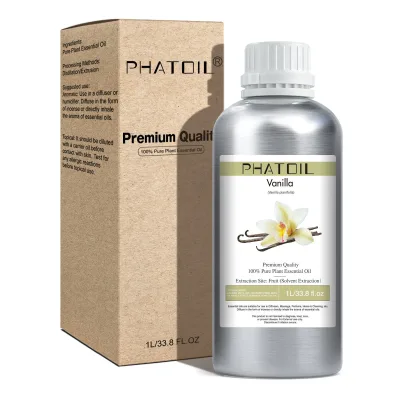
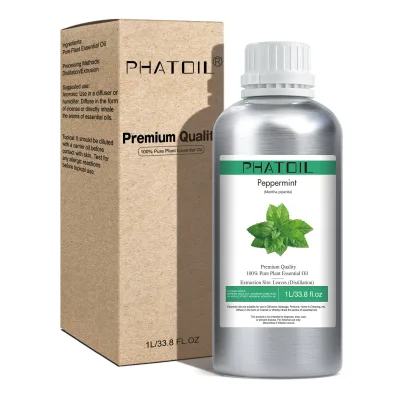
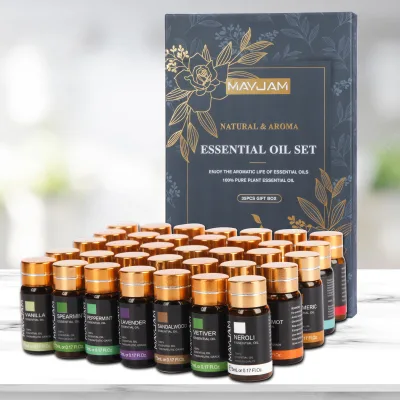



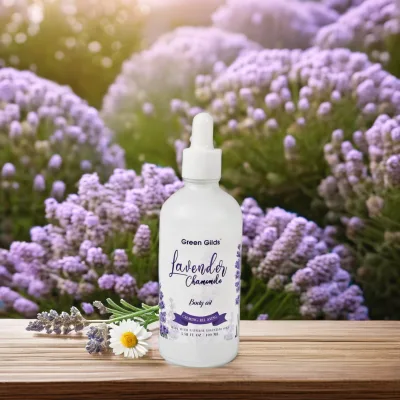



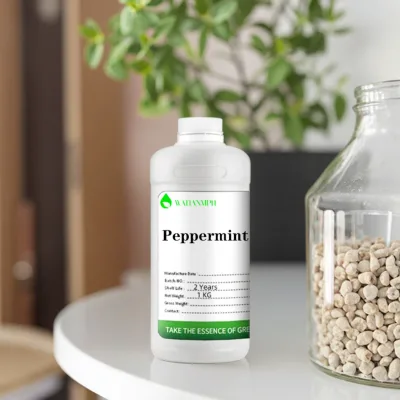
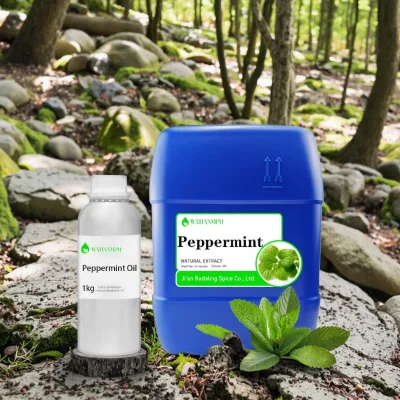
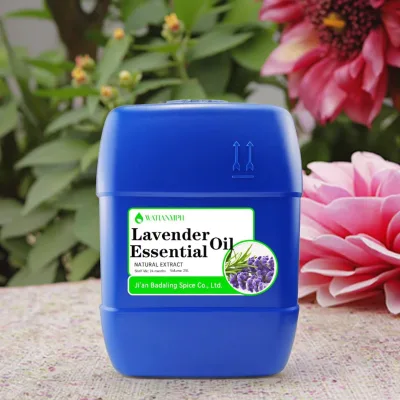
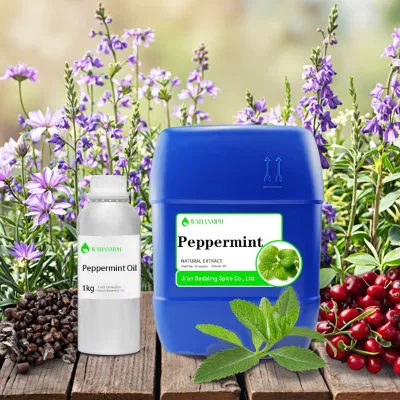






Comprehensive Sourcing Guide
Lavender Rose Peppermint Essential Oil Supplier Concentration and Factory Types
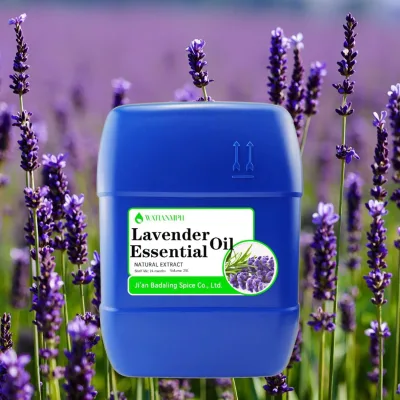
Current data indicates a concentration of suppliers in China Jiangxi, where combined company types offer a mix of manufacturing and trading capabilities. These entities frequently list main products including essential oils, plant extracts, and fragrance oils, suggesting a regional cluster focused on botanical processing. The presence of ODM and OEM capacities alongside own brand development signals that factories in this area can handle custom formulation requests for specific lavender, rose, or peppermint blends. Buyers should verify if the specific facility holds the necessary production licenses for the claimed extraction methods, such as distillation, which is noted in product attributes for peppermint varieties.
In contrast, other regions like China Shaanxi appear to host trading companies specializing in pharmaceutical and dietary supplement supplies. These entities often bridge the gap between raw material producers and end-users, offering products like bulk peppermint oil with diverse application forms ranging from capsules to lotions. When evaluating factory types, it is critical to distinguish between a direct manufacturer with distillation equipment and a trading company that aggregates goods from multiple sources. The verification status, such as BV or CTI, provides a baseline for legitimacy, but the actual production capability must be confirmed through facility audits or detailed product specifications regarding raw materials and processing methods.
How to Verify Lavender Rose Peppermint Essential Oil Suppliers
Verification processes for essential oil suppliers rely heavily on third-party audit reports and system certifications. Available data shows suppliers holding ISO9001:2015 certificates, while product-specific attributes frequently list MSDS, FDA, GMP, and BRC certifications. These documents are essential for confirming that the manufacturing environment meets international safety and quality standards, particularly for oils intended for cosmetic, food, or oral care applications. Buyers must request current copies of these certificates and cross-reference them with the supplier's claimed scope of business to ensure the certifications cover the specific extraction and packaging processes involved.
Beyond documentation, response times and verification badges offer immediate indicators of supplier reliability. Data points reveal response times ranging from approximately 5.93 to 9.35 hours, which can influence the speed of negotiation and issue resolution. A verified status from agencies like BV or CTI adds a layer of trust, but buyers should also scrutinize the specific product evidence provided, such as assay methods like HPLC-MS or UV analysis. These technical details confirm the purity and chemical composition of the lavender, rose, or peppermint oil. Relying solely on a general company verification is insufficient; the specific product attributes must align with the buyer's regulatory requirements for the target market.
What to Compare Across Lavender Rose Peppermint Essential Oil Suppliers
When comparing suppliers, lead times and minimum order quantities (MOQ) are primary differentiators that affect inventory planning and cash flow. Observed lead times can be as short as 15 days, while MOQs vary significantly, ranging from 1 kilogram to 200 units depending on the product grade and packaging. Some suppliers offer flexible options with an MOQ of 1kg for trial orders, whereas others require bulk commitments of 200 units for specific grades. Buyers must align these constraints with their production schedules, ensuring that the supplier can deliver the required volume within the specified timeframe without compromising quality or causing supply chain bottlenecks.
Pricing structures and customization capabilities also require careful comparison across the supplier pool. Price ranges for essential oils can fluctuate based on grade, with some listings showing prices as low as 0.69 per unit while others reach 162.00 for specialized grades. Customization availability is a key factor, as many suppliers explicitly state that they offer OEM and ODM services for blending and packaging. However, the extent of this customization, such as the ability to adjust menthol content or specific fragrance profiles, must be confirmed. Buyers should request detailed quotes that break down costs for raw materials, processing, and packaging to ensure transparency and avoid hidden fees that might arise during the order fulfillment process.
Common Lavender Rose Peppermint Essential Oil Sourcing Risks
One significant risk involves the discrepancy between claimed certifications and actual product attributes. While suppliers may list broad certifications like ISO or FDA, specific product attributes might only guarantee purity for cosmetic use rather than food or oral care applications. For instance, some peppermint oil listings specify usage for cosmetic raw materials, while others include oral care chemicals. This distinction is critical because using a non-food-grade oil in consumable products can lead to regulatory violations and product recalls. Buyers must meticulously review the "Usage" and "Application" fields in product attributes to ensure the oil meets the specific regulatory standards of their destination market.
Another risk pertains to storage conditions and shelf life, which directly impact the quality of the essential oil during transit and storage. Product attributes indicate a shelf life of 24 months, but this is contingent on specific storage conditions, such as keeping the product away from sunlight or in a cool, dry place. If the supplier does not provide clear guidelines on transport conditions, such as the use of liquefied petroleum gas tankers versus automobile fuel, the oil may degrade before reaching the buyer. Additionally, the state of the product, whether liquid or paste, must be verified to ensure it matches the buyer's formulation requirements, as inconsistencies here can disrupt downstream manufacturing processes.
Lavender Rose Peppermint Essential Oil Regional Sourcing and Logistics
Regional sourcing strategies must account for the specific logistics capabilities of suppliers in different Chinese provinces. Data indicates that suppliers in Jiangxi often utilize liquefied petroleum gas tankers for transport, which suggests specialized handling for bulk liquid shipments. In contrast, other suppliers may rely on automobile fuel transport, which could imply different logistical constraints or cost structures. Buyers should verify the transport machine details provided in product attributes to ensure the supplier has the infrastructure to move large volumes of essential oil safely and efficiently, minimizing the risk of leakage or contamination during transit.
Logistics planning also requires attention to delivery times and packaging standards, which vary by region and supplier type. Some listings specify a delivery time of 3 days, while others list a standard lead time of 15 days. Packaging options range from drums to specific weight configurations like 25kg, 50kg, or 200kg drums. Buyers must coordinate these logistics details with their own supply chain requirements, ensuring that the chosen supplier can meet the delivery schedule and packaging specifications. Failure to align these logistical elements can result in delays, increased shipping costs, or the need for repackaging upon arrival, all of which can erode profit margins and disrupt production timelines.
Lavender Rose Peppermint Essential Oil Commercial Terms and Order Planning
Commercial terms for essential oil orders often include specific pricing tiers and payment structures that depend on order volume and customization needs. Prices observed range from 16.64 to 30.00 per unit, with some specialized products reaching 162.00. Buyers should negotiate based on the total volume required, as higher quantities may unlock better pricing or more favorable payment terms. It is also essential to clarify whether the quoted price includes packaging, shipping, and any applicable taxes, as these factors can significantly impact the final landed cost. Clear communication regarding these commercial terms prevents misunderstandings and ensures that the budget aligns with the actual cost of goods.
Order planning must also consider the supply type and service levels offered by the supplier. Many suppliers provide OEM and ODM services, allowing for custom branding and formulation, but these services often come with specific lead times and minimum order requirements. Buyers should plan their orders well in advance to accommodate the production cycle, especially if customization is involved. Additionally, verifying the supply type, such as whether the oil is a pure essential oil or a compound blend, is crucial for product consistency. By aligning order planning with the supplier's capacity and service offerings, buyers can ensure a steady supply of high-quality lavender, rose, and peppermint essential oils that meet their market demands.
FAQs
Where are the essential oil suppliers located?
Suppliers are located in China Jiangxi and China Shaanxi. These regions produce various essential oils including peppermint and rose. Buyers should verify specific factory addresses before placing orders to ensure logistics compatibility.
What certifications do the essential oils hold?
Products hold certifications such as ISO9001:2015, MSDS, FDA, GMP, HACCP, BRC, and RoHS. Specific items may list ISO or other standards. Buyers must check individual product pages for the exact certification documents required for their market.
What is the minimum order quantity for bulk oil?
Minimum order quantities vary by product. Some items require 1kg, while others need 100 units or 200 units. One listing shows an MOQ of 1 unit. Buyers should confirm the specific MOQ for their selected grade and packaging size.
How long does delivery take for these oils?
Lead times and delivery times vary. One product lists a delivery time of 3 days, while general lead times are around 15 days. Response times for suppliers range from 5.93 to 9.35 hours. Buyers should confirm current shipping schedules with the seller.
What is the price range for peppermint essential oil?
Prices range from 0.69 to 30.00 per unit depending on the product type and quantity. Some listings show a fixed price of 16.64 or 162.00. Buyers should request a quote based on their specific volume and packaging requirements to get accurate pricing.
Can suppliers provide custom packaging and branding?
Yes, customization is available for many products. Suppliers offer OEM and ODM services with own brand capabilities. Buyers can request specific packaging like drums or custom labels. Verify the customization details and any additional costs before finalizing the order.
What are the main applications for these essential oils?
Applications include cosmetic raw materials, food additives, hair care, and cleaning products. Oils are used for massage, skincare, and aromatherapy. Some products are suitable for oral care or injection forms. Check the specific usage claims on the product page.