RF Standing Body Contouring Machine Suppliers and Manufacturers
Explore 27 verified options for rf standing body contouring machines with details on location, lead times, and certifications. Compare specifications like CE/ISO13485 standards and response times to select the right partner for your needs; review the available evidence before requesting comparable quotations from suitable candidates.
Updated
Suppliers List
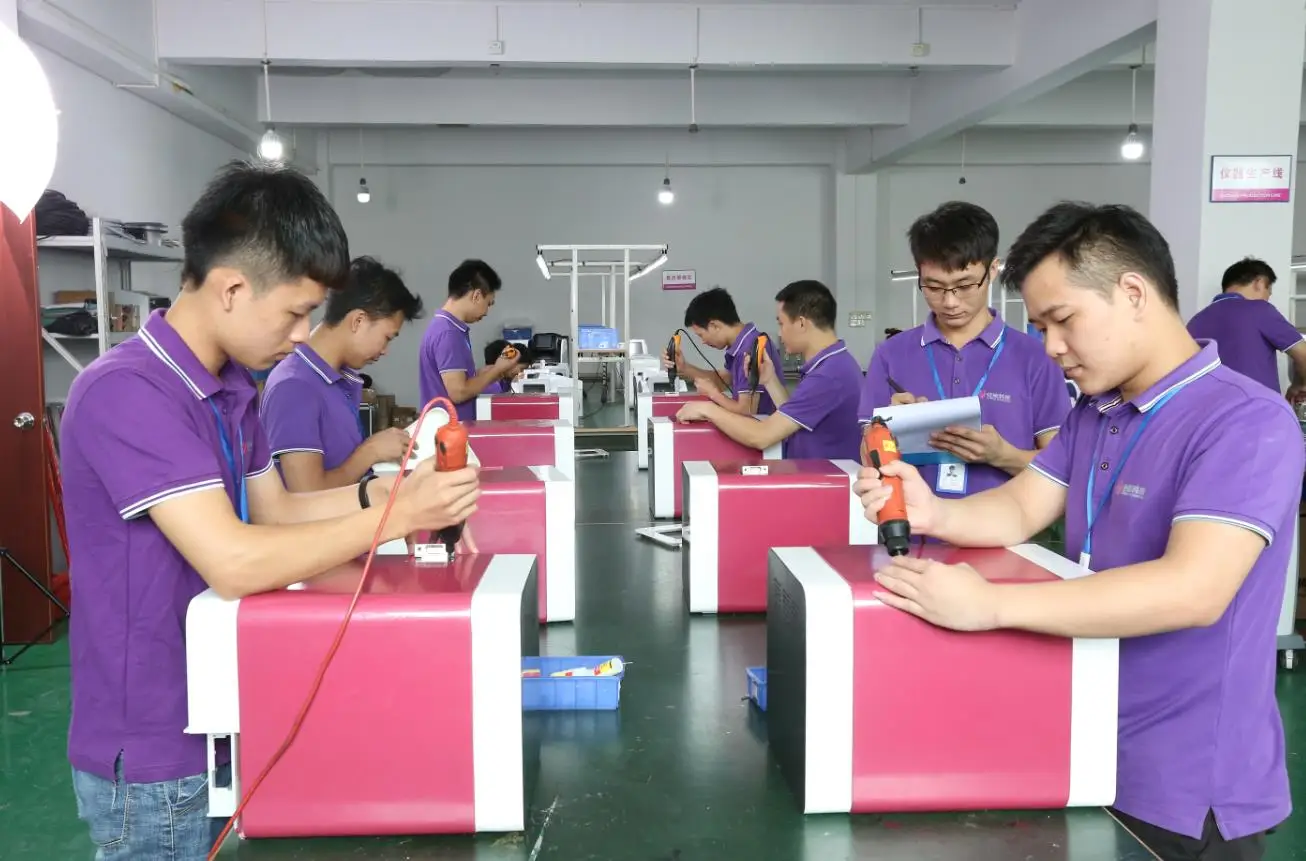
Tianjin Yingsaifu Technology Development Co., Ltd.
- Trading Company
- Tianjin, China
- Lead time21 days
- Avg. response≤ 2h
Main productscavitation machine,diode laser hair removal,roller massage,hydro facial machine,Fat freezing
Main marketsNorth America(49.00%), Western Europe(20.00%), Southern Europe(15.00%), Domestic Market(15.00%), Southeast Asia(10.00%), South America(8.00%), Africa(7.00%), Central America(5.00%), Eastern Europe(5.00%), Northern Europe(3.00%), South Asia(2.00%), Eastern Asia(2.00%), Mid East(1.00%)
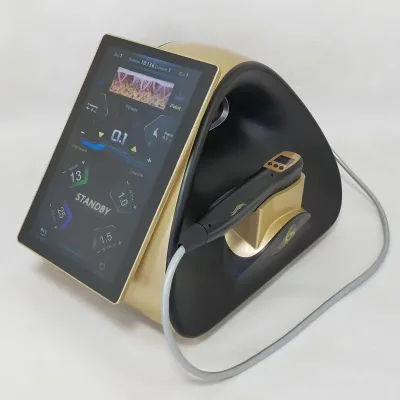
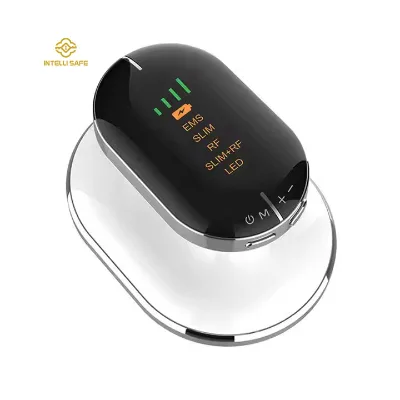
3in1EMS RF Body Shaping Skin Tightening Microcurrent LEd Light Body Contour Machine
$17.0209 - $19.9954
MOQ: 2 sets
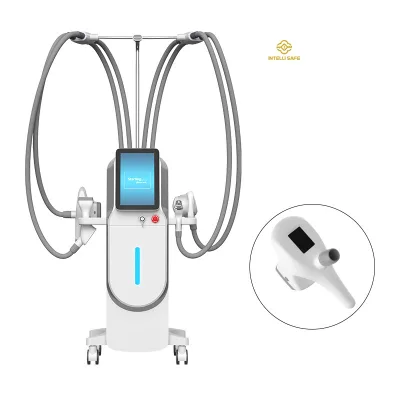
Vacuum RF Slimming Machine Led Light Roller Body Fat Removal Face Skin Vela Body Shape Machine
$2780.00 - $2980.00
MOQ: 1 sets

Shaanxi Jixiya Technology Co., Ltd.
- Manufacturer, Trading Company
- Shannxi, China
- Lead time15 days
- Avg. response≤ 2h
Main productsoffice chair,Dining chair,bar chair,Rocking chair,living room chair
Main marketsOceania(9.00%), Central America(9.00%), Southeast Asia(9.00%), Western Europe(9.00%), South America(9.00%), Southern Europe(9.00%), North America(8.00%), South Asia(6.00%), Africa(6.00%), Eastern Europe(6.00%), Mid East(6.00%), Domestic Market(5.00%), Eastern Asia(5.00%), Northern Europe(4.00%)
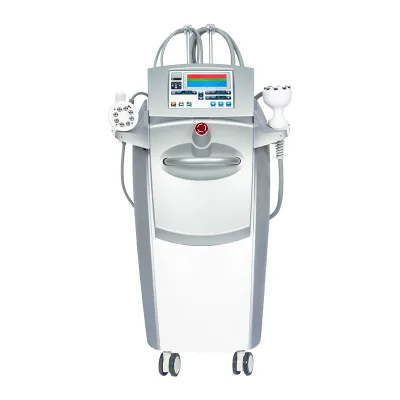
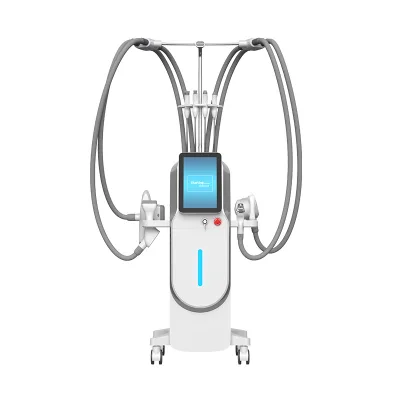
$2899.00 - $3199.00
MOQ: 1 pieces
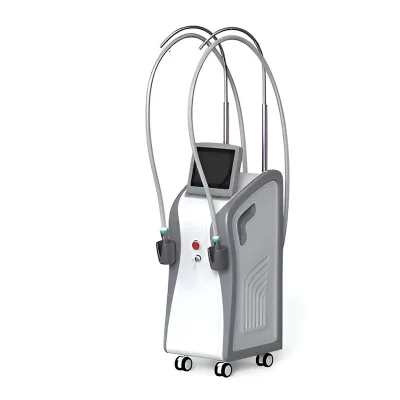
$4305.4049 - $5124.6517
MOQ: 1 pieces
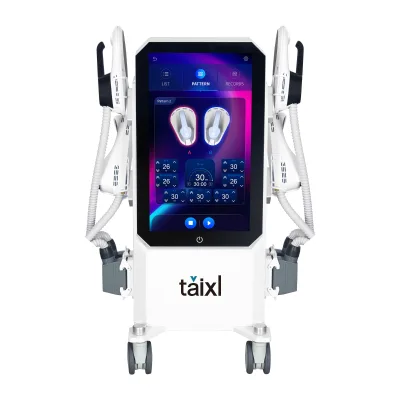
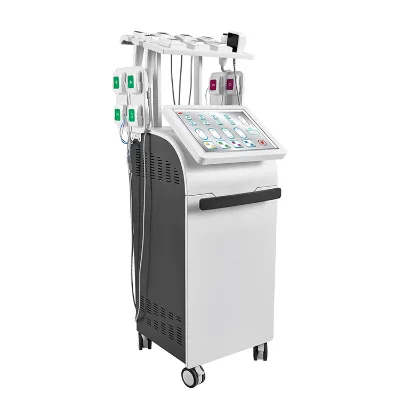
$1895.1855 - $2262.4924
MOQ: 1 Minimum
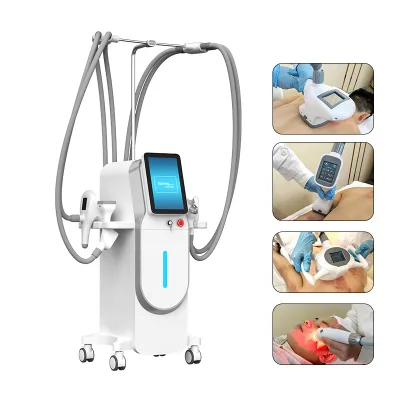
$2649.00 - $2978.00
MOQ: 1 pieces

Shijiazhuang Ruiqi Technology Co., Ltd.
- Verified by TUVRHEINLAND
- Trading Company
- China Hebei
- Lead time15 days
- Avg. response≤ 4h
Main productsPdo Thread, Dermal Filler, Blunt Cannula, Meso Needle, Botulax Filler, Hyaluronic Acid Pen, Hyaluronidase, Fat Dissolve, Numb Cream, Glutathione Injection
Main marketsSouth America,Southeast Asia/ Mideast,East Asia(Japan/ South Korea),Europe,Australia,North America


Deenora RF Skin Tightening and Weight Loss Machine Body Shaping Slimming
$599.00 - $699.00
MOQ: 1 Pieces
Guangzhou Lafo Electronic Technology Co., Ltd.
- Manufacturer, Trading Company
- Guangdong, China
- Lead time5 days
- Avg. response≤ 2h
Main productsbeauty machine,face beauty machine,slimming machine,laser machine,hair removal machine
Main marketsSouth America(40.00%), North America(20.00%), Northern Europe(10.00%), Southeast Asia(10.00%), South Asia(5.00%), Southern Europe(5.00%), Mid East(5.00%), Western Europe(4.00%), Africa(1.00%)
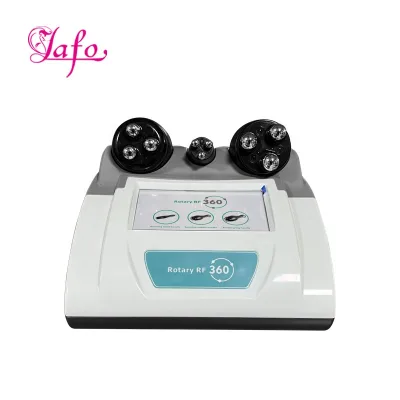
$366.8009 - $469.546
MOQ: 1 sets
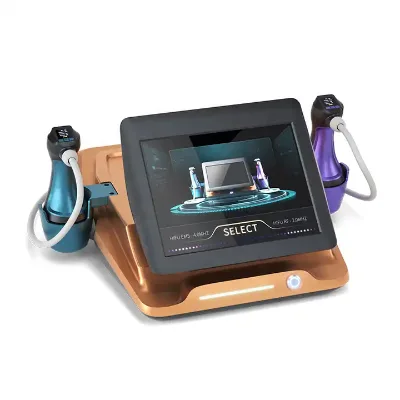
Fat Reduction Body Contouring Hifu Rf Ultrasonic Body Machine Ems Anti-wrinkle Machine Except Hifu
$1100.00 - $1450.00
MOQ: 1 sets
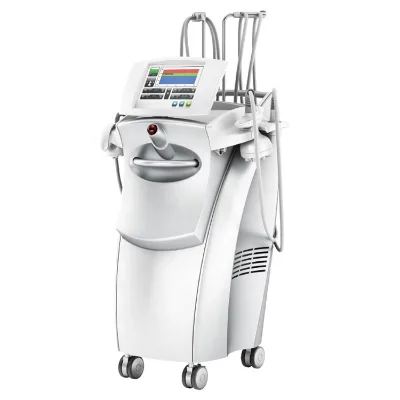
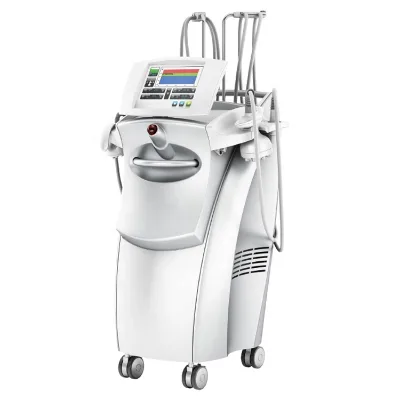
$2300.00 - $2800.00
MOQ: 1 Minimum
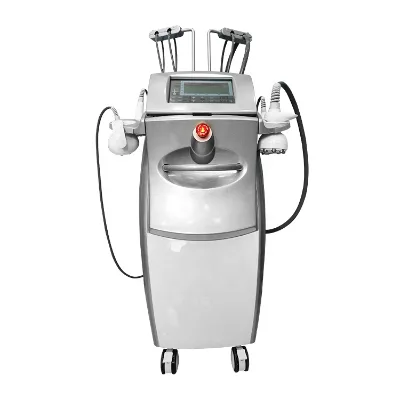
4D Monopolar Vacuum RF Weight Loss Slimming Machine Standing Beauty Equipment for Face Best Price
$2400.00 - $2750.00
MOQ: 1 sets

Guangzhou Beir Electronic Technology Co., Ltd.
- Verified by BV
- Trading Company
- China Guangdong
- Lead time15 days
- Avg. response≤ 10h
Main productsLipolaser, Coolsculpting, Diode Lipolaser, Cryo Lipolaser System, Lipo Laser, Cryolipolysis, E-Light and IPL Beauty Equipment, RF Fractional Skin Tighten, Pressotherapy Lymphatic Drainage, Dermaroller and Micro Needles
Main marketsSoutheast Asia/ Mideast,East Asia(Japan/ South Korea),Europe,Australia,North America

Vacuum Roller Velawell Body Contouring Cavtiation RF Body Shaping Machine
$2300.00 - $3500.00
MOQ: 1 Pieces


Body Contouring Beauty Machine Increase Muscle EMS Slimming Body Shaping Equipment
$2299.00 - $3599.00
MOQ: 1 Boxes

Beauty Equipment Slimming Machine Body Contouring Weight Loss Beauty Instrument
$3899.00 - $6899.00
MOQ: 1 Pieces

Guangzhou Huang Kai Electronic Technology Company Limited
- Verified by TüVRheinland
- Trading Company
- Lead time3 days
- Avg. response≤ 2h
Main products9 In 1 Hot And Cold Plasma Machine, Pressotherapy Cavitation RF Lipo Laser Cryotherapy Machine, EMS Tecar Shockwave Therapy Machine, EMS Muscle Building Slimming Machine, 3 Wave 755/808/1064 Nm Diode Laser Hair Removal Machine
Main marketsNorth America(31%), Western Europe(24%), Eastern Europe(13%)
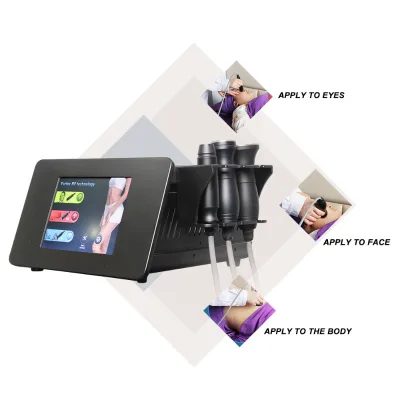
$749.00 - $999.00
MOQ: 1 units
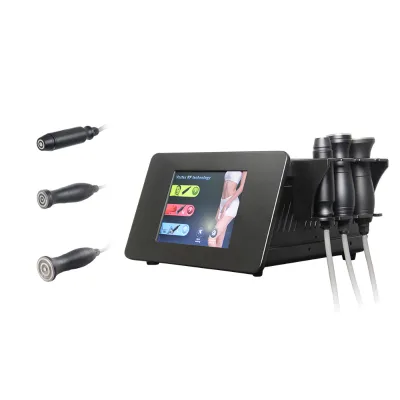
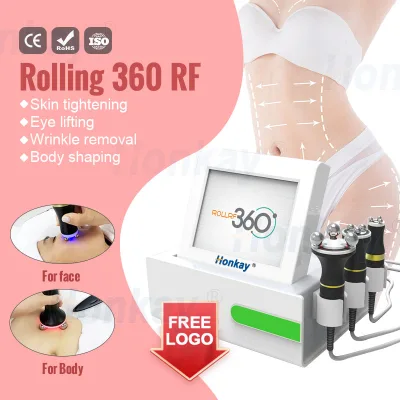
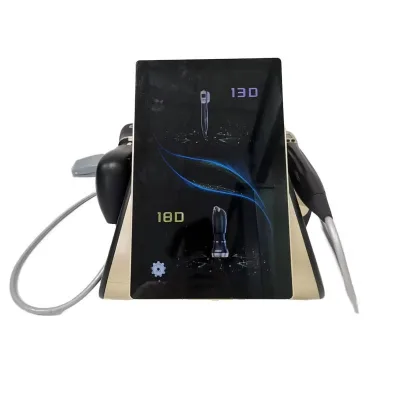
$899.00 - $1199.00
MOQ: 1 sets
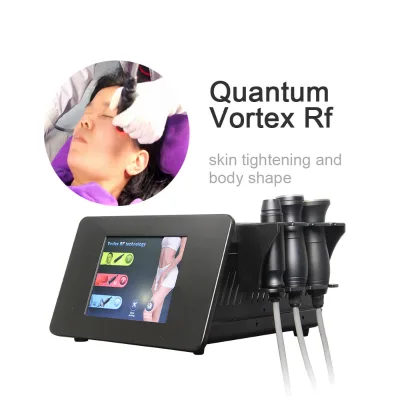
Radio Frequency With Rf Skin Tightening Rf Machine Black Quantum RF Beauty Equipment
$749.00 - $999.00
MOQ: 1 units
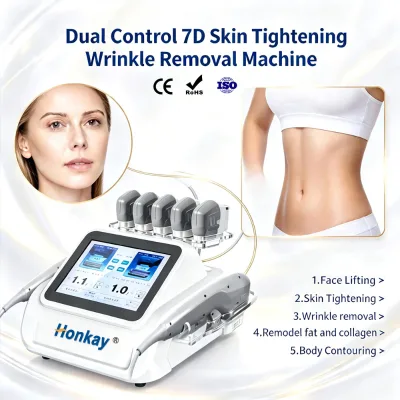

Guangzhou Kya Electronic Co., Ltd.
- Verified by BV
- Combined
- China Guangdong
- Lead time15 days
- Avg. response≤ 1h
Main marketsSouth America,Africa,Southeast Asia/ Mideast,Domestic,Europe,Australia,North America

Professional Body Contouring Machine Skin Firming Face & Body Shaping Beauty Equipment
$2400.00 - $2500.00
MOQ: 1 Pieces

Professional Skin Tightening Body Contouring Machine Face & Body Shaping Beauty Equipment
$2400.00 - $2500.00
MOQ: 1 Pieces

Desktop Skin Tightening Body Contouring Machine Face & Body Shaping Beauty Equipment
$2400.00 - $2500.00
MOQ: 1 Pieces

Multifunctional Skin Tightening Body Shaping Machine Face & Body Contouring Beauty Equipment
$2400.00 - $2500.00
MOQ: 1 Pieces

Standing Dual Frequency RF Skin Tightening Machine Face Lift Collagen Boost Fat Reduction
$4355.00 - $4800.00
MOQ: 1 piece
Jiangmen Feier Electronic Technology Co., Ltd.
- Verified by SGS Group
- Manufacturer, Trading Company
- Lead time0 days
- Avg. response≤ 2h
Main productsVaccum Cavitation Machine, Hydra Oxygen Machine, Muscle Stimulation Machine, Cryo Fat Reduction Machine, Laser Machine
Main marketsNorth America(45%), Western Europe(20%), Southern Europe(10%)

Beijing Sleeper Beauty Technology Co., Ltd.
- Verified by SGS
- Trading Company
- China Beijing
- Lead time15 days
- Avg. response≤ 3h
Main productsDiode Laser Hair Removal Machine, Hydra Skin Clean Machine, Hifu Machine, ND YAG Laser Machine, CO2 Fractional Laser Machine, EMS Slimming Machine, Cryolipolisys Machine, IPL Opt Machine, Picosecond Laser, Skin Zimmer Cooling Machine
Main marketsNorth America

for Sale RF Fat Burning Machine Remove and Muscle Building Body Contouring Machines Price
$1230.00 - $1390.00
MOQ: 1 Set

$1950.00 - $2150.00
MOQ: 1 Set

Vela Slimming Machine Body Shaping Beauty Equipment Skin Tightening Face Neck Contouring Device
$3060.00 - $3360.00
MOQ: 1 Set

$3500.00 - $3700.00
MOQ: 1 Set

$1566.00 - $1766.00
MOQ: 1 Set

Sanhe Wk Electronic Technology Co., Ltd.
- Verified by BV
- Combined
- China Hebei
- Lead time15 days
- Avg. response≤ 2h
Main productsBeauty Equipment, Beauty Devices, Laser Hair Removal Machine, Picoscend Laser, IPL Machine, CO2 Fractional Laser, RF Machine, Hifu Machine, Cryolipolysis Machine, Oxygen Machine
Main marketsDomestic

Commercial Grade 4 Handle EMS & RF Body Contouring Machine for Salon
$4500.00 - $5000.00
MOQ: 1 Pieces

Commercial Use 5000W EMS RF Machine for Beauty Salon and Body Contouring
$4500.00 - $5000.00
MOQ: 1 Pieces
Guangzhou Konmison Electronic Technology Co., Ltd.
- Verified by SGS Group
- Manufacturer, Trading Company
- Lead time3 days
- Avg. response≤ 7h
Main productsSlimming Machine, Hydra Dermabrasion Machine, Anti-wrinkle Machine, Hair Removal & Tattoo Removal Machine, Breast Enlargement Machine
Main marketsNorth America(30%), Eastern Europe(23%), South America(10%)

Beijing ADSS Development Co., Ltd.
- Verified by TUVRHEINLAND
- Combined
- China Beijing
- Lead time15 days
- Avg. response≤ 6h
Main productsHifu, Laser Vaginal Tightening, Digital Syringe Injector, 808nm Diode Laser Hair Remvoal, Fractional RF & Thermal RF, Vacuum Shape, 20MHz RF Thermal, Cryolipolysis Slimming Machine, Cavitation Slimming Machine, Fractional CO2 Laser
Main marketsSouth America,East Asia(Japan/ South Korea),Europe,Australia,North America

Beijing OM Beauty Technology Co., Ltd
- Verified by TUVRHEINLAND
- Trading Company
- China Beijing
- Lead time15 days
- Avg. response≤ 14h
Main productsfractional co2 laser
Main marketsEast Asia(Japan/ South Korea)

Body Contouring Beauty Equipment Skin Tightening Fat Burning Weight Loss Machine
$2500.00 - $4500.00
MOQ: 1 set

Professional Body Contouring Equipment for Effective Aesthetic Solutions
$1000.00 - $2000.00
MOQ: 1 set

Foshan Health Info Technology Co., Ltd.
- Verified by SGS Group
- Trading Company
- Guangdong, China
- Lead time10 days
- Avg. response≤ 4h
Main productsHair Removal Machine, Hifu Machine, Hydrafacial Machine, Fractional CO2 Laser Machine, Laser Tattoo Removal Machine
Main marketsNorth America(25%), South America(10%), Southeast Asia(10%)
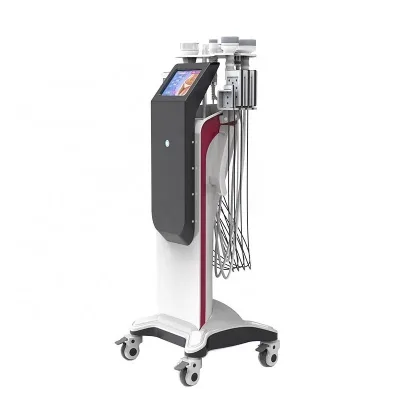
$345.00 - $390.00
MOQ: 1 pieces
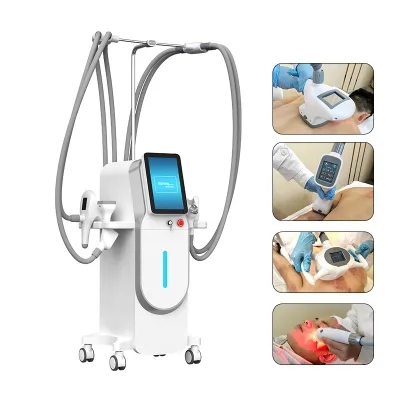
Multifunctional 4-in-1 Slimming Body Shaping Belly Fat Removal Machine Rf Home Salon Use
$2725.4861 - $3034.148
MOQ: 1 sets
Guangzhou Maglev Plasma Beauty Co., Ltd.
- Verified by TüVRheinland
- Manufacturer, Trading Company
- Lead time旺季: "1 - 1":15,"> 1":"To be negotiated", 淡季: "1 - 1":15,"> 1":"To be negotiated"
- Avg. response≤ 3h
Main productsWeight Loss And Beauty Equipment
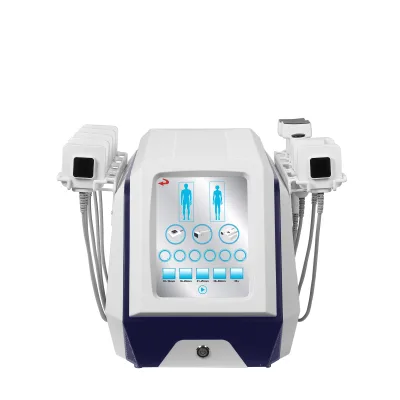
$1699.00 - $1899.00
MOQ: 1 pieces

Beijing Globalipl Development Co., Ltd.
- Verified by TUVRHEINLAND
- Combined
- China Beijing
- Lead time15 days
- Avg. response≤ 8h
Main productsIPL Shr, Hair Removal IPL, Hair Removal Laser, IPL RF Elight YAG Laser Beauty Machine, 808nm Diode Laser Hair Removal Machine, Shr IPL +Diode Laser, Fat Freeze Cryolipolysis Slimming Machine, Ultrasonic Cavitation Slimming Machine, Q Switch ND YAG Laser Tattoo Removal Machine, Fractional CO2 Laser for Scar Removal
Main marketsOthers(foreignTradeCapacity.exportBusinessCapacityMarketOther),Europe,Australia,North America


Multipolar RF Radio Frequency Facial Skin Tightening Beauty Machine for Face and Body
$1500.00 - $1999.00
MOQ: 1 set

Guangzhou RenLang electronic technology Co., LTD
- Verified by CTI
- Combined
- China Guangdong
- Lead time15 days
- Avg. response≤ 7h
Main productsBeauty Machine, Hair Removal Machine, Tattoo Removal Machine
Main marketsEurope
Guangzhou Yinaimei Electronic Technology Co., Ltd.
- Verified by TüVRheinland
- Trading Company
- Lead time0 days
- Avg. response≤ 2h
Main productsEndospheres Machine, Emsculpt Machine, Laser Hair Removal Machine, LPG Slimming Machine, CO2 Fractional Laser Machine
Main marketsDomestic Market(70%), North America(20%), South America(10%)
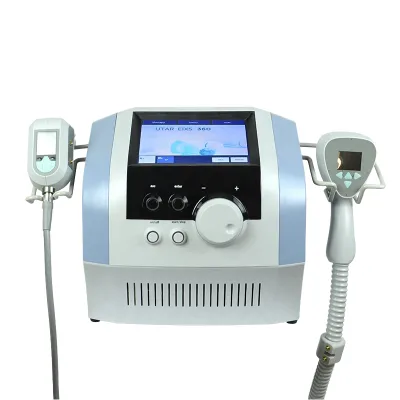
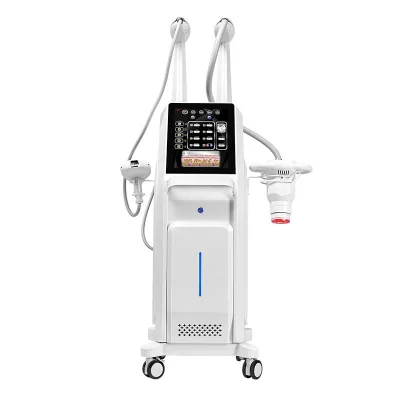
$1773.2399 - $3546.4783
MOQ: 1 sets
Feier Electronic Technology (guangzhou) Co., Ltd.
- Trading Company
- Guangdong, China
- Lead time5 days
- Avg. response≤ 2h
Main productsVacuum Cavitation Machine,Fat Freezing Machine,Vacuum Butt Lifting Machine,Oxygen Jet Facial Machine,Body Sculpting Machine
Main marketsNorth America(40.00%), Southern Europe(10.00%), Western Europe(10.00%), Eastern Europe(10.00%), South America(10.00%), Mid East(5.00%), Northern Europe(5.00%), Southeast Asia(5.00%), Eastern Asia(5.00%)

Guangzhou Huanhong Electronic Technology Co., Ltd.
- Manufacturer, Trading Company
- Guangdong, China
- Lead time7 days
- Avg. response≤ 1h
Main productsPhysical Therapy Equipment,Magnetic Therapy,Tecar therapy,Shockwave Therapy,Weight loss Equipment
Main marketsSouthern Europe(25.00%), North America(25.00%), Eastern Europe(20.00%), Western Europe(10.00%), Mid East(5.00%), Southeast Asia(5.00%), South America(5.00%), Oceania(3.00%), Africa(2.00%)

- Verified by SGS
- Manufacturer/Factory
- China Beijing
- Lead time0 days
- Avg. response≤ 9h
Main productsDiode Laser 808nm/810nm, IPL E-Light, Picolaser Q-Switched ND: YAG Laser, CO2 Fractional Laser, Liposonix System Ultrashape System, Vacuum+RF Body Slimming, Cryolipolysis System, Skin Analyser System, Messotherapy System, Relevant Systems

$2000.00 - $4999.00
MOQ: 1 Sets

Gorgeous Beauty Equipment Manufacture
- Verified by SGS Group
- Trading Company
- Lead time3 days
- Avg. response≤ 2h
Main productsCryolipolysis, Hair Removal Machine, Muscle Stimulation Machine
Main marketsNorth America(48%), Western Europe(20%), Eastern Europe(10%)
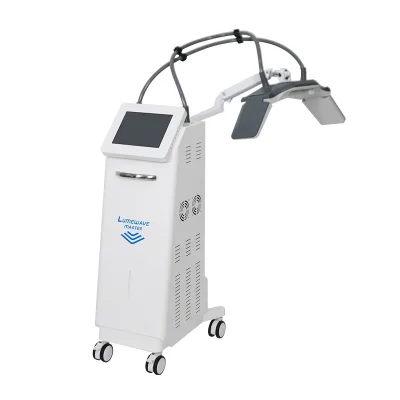
Pain Treatment Body Sculpting Factory Directly Rf Slimming Machine Body Shaping Machine for Salon
$2825.4902 - $2979.6078
MOQ: 1 pieces
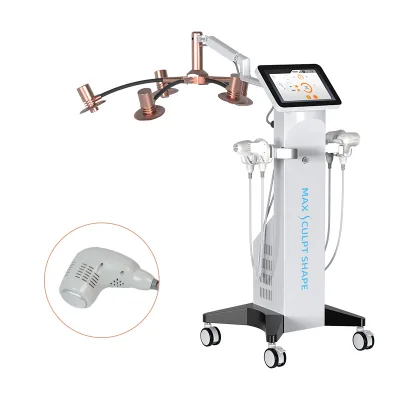
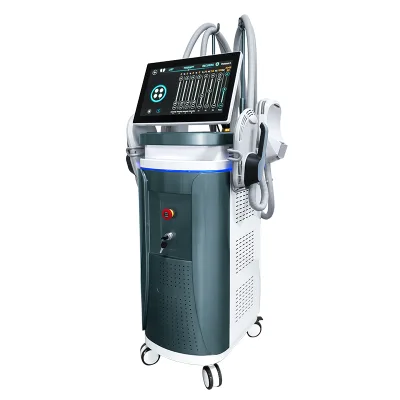
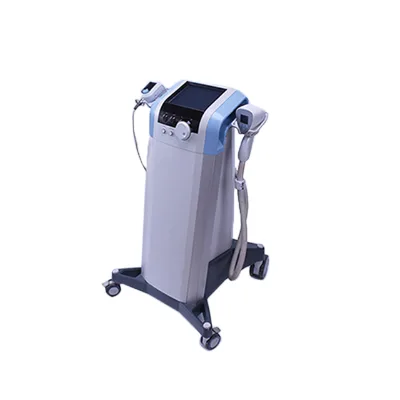
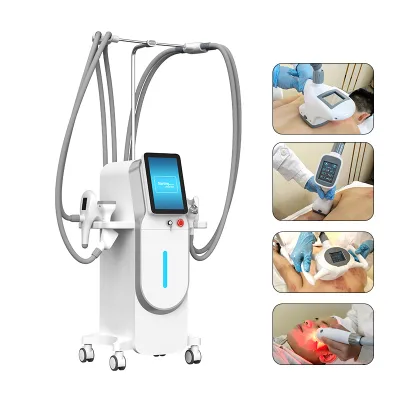
Multifunctional 4-in-1 Slimming Body Shaping Belly Fat Removal Machine RF Home Salon Use
$2722.7451 - $3030.9804
MOQ: 1 sets
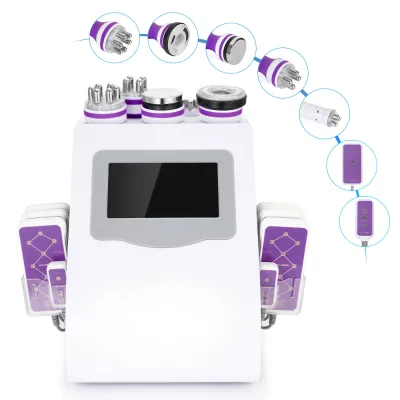
$307.2084 - $512.6985
MOQ: 1 pieces

Shandong Moonlight Electronics Tech Co., Ltd.
- Verified by SGS
- Combined
- China Shandong
- Lead time15 days
- Avg. response≤ 3h
Main productsDiode Laser Hair Removal Hifu Endosphere, Hifu Machine, Laser Hair Rewoval, Beauty Equipment, Hair Removal, IPL Machine, Skin Machine
Main marketsEurope,North America

Slimming Apparatus Face Massager Body Contouring Device Slimming Machine
$2000.00 - $3200.00
MOQ: 1 Pieces

Multi Function Cryo Thermal Machine for Body Slimming Face RF Beauty Machine for Salon Use
$890.00 - $1900.00
MOQ: 1 set

GUANGZHOU KONMISON TECHNOLOGY CO., LIMITED
- Verified by BV
- Trading Company
- China Guangdong
- Lead time30 days
- Avg. response≤ 8h
Main productsBeauty Machine, Beauty Equipment, Slimming Machine, Cavitation Weight Loss Beauty Machine, Skin Care Machine, RF Skin Lifting Rejuvenation Machine, IPL Hair Removal Machine, Laser Hair Removal Machine, LED Facial Mask Beauty Device
Main marketsEurope,Australia

Portable RF Machine 2 Functions for Skin Tightening Body Slimming Machine
$100.00 - $150.00
MOQ: 1 Pieces

Beauty Salon Use Radio Frequency RF Skin Tightening Slimming Machine Body Shaping
$1880.00 - $2480.00
MOQ: 1 Pieces

Beauty Salon Use Radio Frequency RF Skin Tightening Slimming Machine Body Shaping
$1880.00 - $2480.00
MOQ: 1 Pieces

Guangzhou Auro Beauty Equipment Co., Ltd.
- Verified by SGS Group
- Manufacturer, Trading Company
- Lead time5 days
- Avg. response≤ 5h
Main productsFacial Machines, Body Massage Machine, Hifu Machine, Slimming Machine
Main marketsNorth America(15%), Western Europe(15%), Eastern Europe(13%)

Hebei Tuosite Import & Export Trade Co., Ltd.
- Verified by CTI
- Trading Company
- China Hebei
- Lead time15 days
- Avg. response≤ 4h
Main productsBeauty Equipment, Medical Equipment, Skin Care Equipment, Diode Laser Equipment, Hair Removal Equipment, Muscle Building Equipment, Cryolipolysis Equipment, Cavitation Vacuum Equipment, Roller Infrared Massage Cellulite Equipment
Main marketsEurope

Professional 2.45GHz Skin Tightening Machine for Body Contouring and Anti-Cellulite Treatment
$2200.00 - $2800.00
MOQ: 1 Pieces

4-in-1 Non-Surgical Body Contouring Machine Slimming with Vacuum and Roller Technology
$2500.00 - $3500.00
MOQ: 1 Pieces

Guangzhou Zhongke Medical Cosmetic Instrument Co., Ltd.
- Verified by BV
- Combined
- China Guangdong
- Lead time15 days
- Avg. response≤ 1h
Main productsEMS Chair, EMS Body Sculpting Machine, Laser Machine, Hifu Machine, Hair Removal Machine, Skin Analysis Machine, Fat Freezing Machine, Tattoo Machine, Pelvic Floor Chair, Medical Beauty Equipment
Main marketsSouth America,Africa,Southeast Asia/ Mideast,East Asia(Japan/ South Korea),Europe,North America

Standing Facial Belly Back Wrinkle RF Slimming Lifting Anti-Aging Improve Immunity Beauty Machine
$1787.00 - $1882.00
MOQ: 1 Pieces

$1950.00 - $2350.00
MOQ: 1 packs
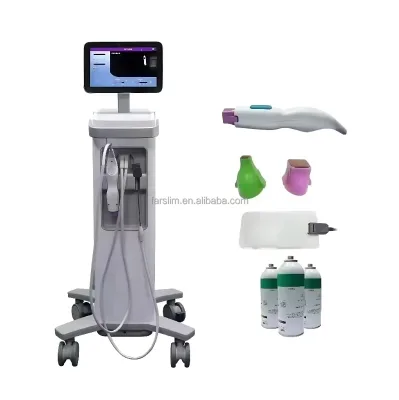
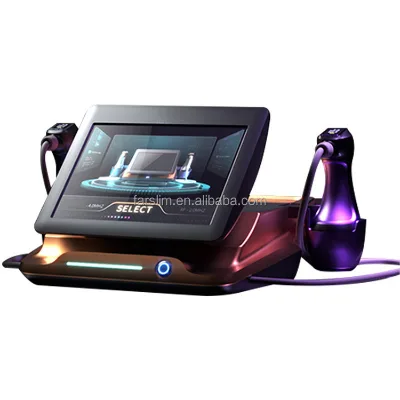
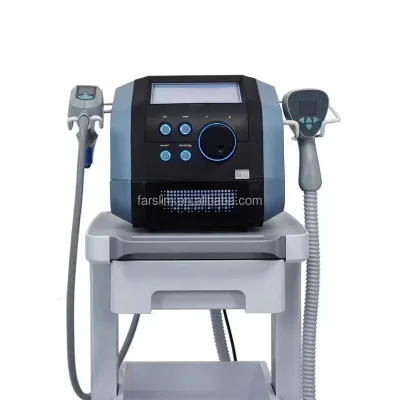


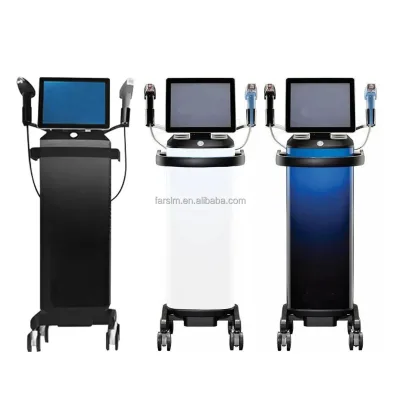
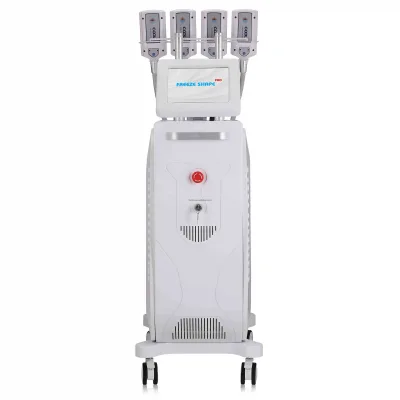
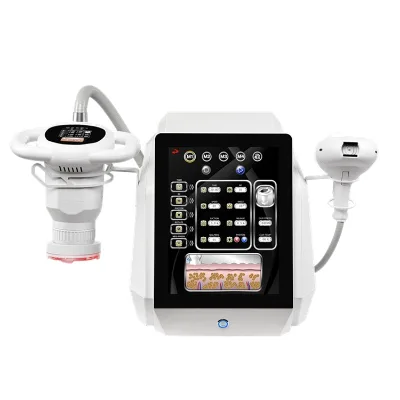
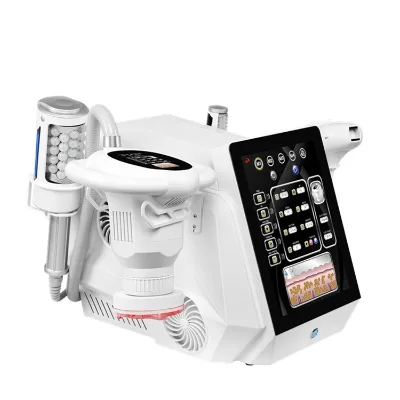
Comprehensive Sourcing Guide
RF Standing Body Contouring Machine Supplier Concentration and Factory Types
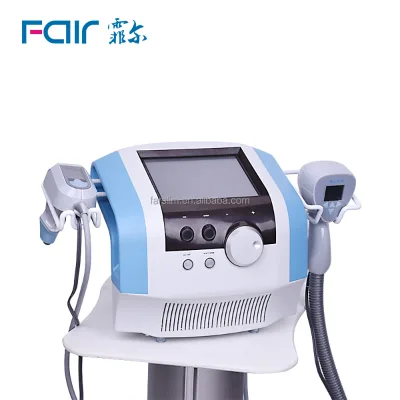
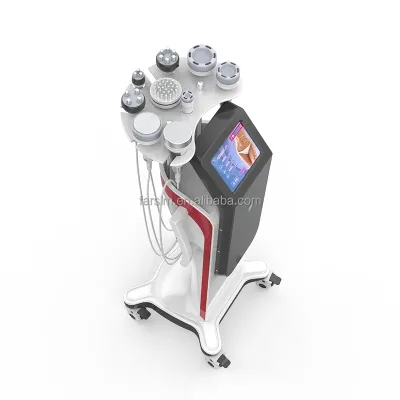
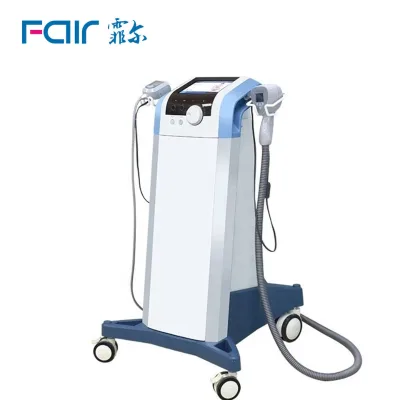
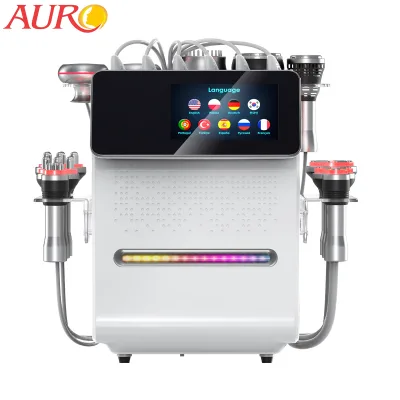
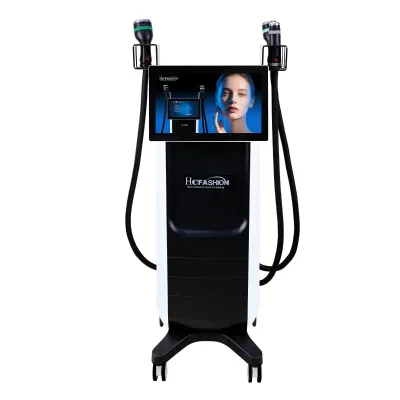
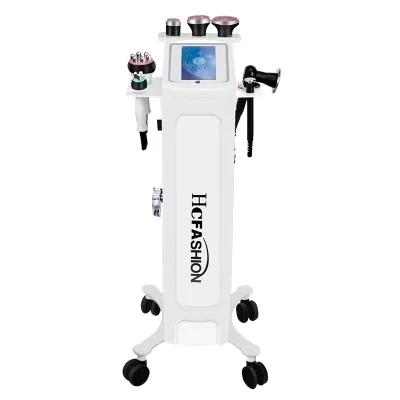
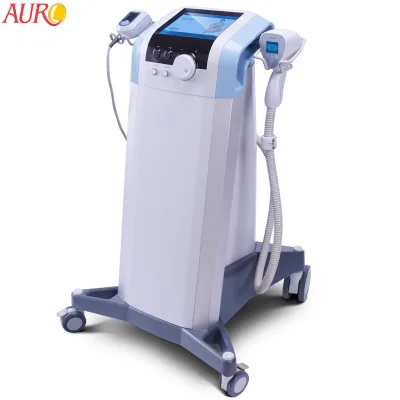
The current supplier landscape for RF standing body contouring machines reveals a distinct mix of manufacturing capabilities and trading structures, primarily concentrated in specific Chinese industrial hubs. Evidence indicates that suppliers are located in regions such as Tianjin and Shaanxi, China, which serve as key nodes for this equipment category. These locations often host a combination of pure manufacturers and trading companies, allowing buyers to access a diverse range of product offerings. The presence of trading companies suggests that some suppliers may aggregate products from multiple factories, potentially offering broader catalogs but requiring careful verification of the actual production source. Conversely, manufacturers listed in these regions typically possess direct control over the assembly and quality assurance processes, which can be critical for complex medical-grade aesthetic devices.
Understanding the company type is essential for evaluating the reliability and pricing structure of potential partners. Suppliers identified as trading companies may offer more flexible order terms and a wider variety of related beauty equipment, such as diode lasers or hydro facial machines, alongside the core RF contouring units. However, buyers must distinguish between these intermediaries and actual factories to ensure they are getting accurate technical support and competitive pricing. The data shows that some entities operate as both manufacturers and trading companies, which can streamline communication but may also blur the lines of accountability. Buyers should prioritize suppliers who can clearly demonstrate their manufacturing capacity, especially for standing-type machines that require robust structural engineering and precise electronic integration.
How to Verify RF Standing Body Contouring Machine Suppliers
Verifying the legitimacy and capability of RF Standing Body Contouring Machine suppliers requires a multi-layered approach that goes beyond basic profile reviews. Buyers should start by examining the supplier’s response time, which serves as an initial indicator of operational efficiency and customer service quality. A rapid response time, such as two hours, suggests a dedicated sales team that is likely well-organized and capable of handling complex inquiries promptly. This metric is particularly important for international buyers who need timely clarification on technical specifications and shipping logistics. Additionally, checking the supplier’s main products can help determine if they are specialized in aesthetic equipment or if RF machines are just one part of a broader, potentially less focused inventory.
Beyond response metrics, buyers must rigorously verify certifications and product attributes to ensure compliance with international safety and quality standards. For instance, some products in this category carry CE certifications, which are crucial for market entry in many regions, while others may display ISO13485, indicating adherence to medical device quality management systems. Buyers should request copies of these certificates and verify their validity with the issuing bodies. Furthermore, examining product details such as the place of origin, warranty terms, and after-sales service provisions provides insight into the supplier’s confidence in their manufacturing quality. Suppliers offering online support and video technical assistance demonstrate a commitment to long-term customer satisfaction, which is vital for expensive standing-type equipment that may require professional installation and maintenance.
What to Compare Across RF Standing Body Contouring Machine Suppliers
When evaluating multiple suppliers, buyers should compare key operational metrics such as lead times, minimum order quantities, and pricing structures to identify the most suitable partner. Lead times vary significantly, with some suppliers offering production completion within fifteen days, while others may require up to twenty-one days. This difference can impact inventory planning and market launch strategies, making it a critical factor for time-sensitive projects. Similarly, minimum order quantities (MOQ) range from single units to higher thresholds, allowing buyers to test the market with small orders or commit to larger volumes for better economies of scale. Understanding these constraints helps buyers align their procurement strategy with their financial and logistical capabilities.
Price comparison should also encompass the total cost of ownership, including warranty coverage and plug type compatibility. The data shows price ranges for various RF devices, with some standing machines priced between two thousand eight hundred and three thousand two hundred dollars, reflecting their commercial-grade nature. Buyers should ensure that the quoted price includes necessary accessories and that the device supports the plug types required in their target market, such as US, EU, or UK standards. Additionally, comparing the features offered, such as skin tightening, weight loss, and anti-aging capabilities, helps determine the value proposition of each supplier. Suppliers offering multifunctional devices with comprehensive warranties provide greater long-term value, reducing the risk of additional repair costs and downtime.
Common RF Standing Body Contouring Machine Sourcing Risks
One of the primary risks in sourcing RF standing body contouring machines is the potential mismatch between advertised specifications and actual product performance. Buyers may encounter suppliers who exaggerate the efficacy of their devices or omit critical technical details, such as the specific frequency ranges or power outputs. This can lead to regulatory compliance issues in the buyer’s home market, where strict regulations govern aesthetic and medical devices. To mitigate this risk, buyers should request detailed technical datasheets and independent test reports that verify the device’s safety and efficacy claims. It is also advisable to order a sample unit before committing to a large bulk order, allowing for thorough testing and validation of the product’s performance.
Another significant risk involves the reliability of after-sales support and spare parts availability. Standing-type machines are complex devices that require regular maintenance and occasional repairs. Suppliers who do not provide clear after-sales service terms, such as online support or video technical assistance, may leave buyers stranded with non-functional equipment. Buyers should verify the supplier’s warranty policy, ensuring it covers both parts and labor for a reasonable duration, typically one year or more. Additionally, checking the supplier’s location and logistics capabilities is crucial, as shipping heavy standing machines can be costly and prone to damage. Buyers should inquire about packaging standards and insurance options to protect their investment during transit.
RF Standing Body Contouring Machine Regional Sourcing and Logistics
Sourcing RF standing body contouring machines from China offers access to a mature supply chain with competitive pricing and advanced manufacturing capabilities. Suppliers in regions like Tianjin and Shaanxi benefit from established industrial clusters that provide easy access to raw materials, skilled labor, and component suppliers. This concentration of expertise can lead to higher quality products and faster production cycles. However, buyers must also consider the logistical challenges associated with importing heavy and bulky equipment. Standing-type machines often require specialized packaging and handling to prevent damage during transit, which can increase shipping costs. Buyers should work with suppliers who have experience in international shipping and can provide reliable freight forwarding services.
Logistics planning should also account for customs clearance and import regulations in the buyer’s destination country. Different regions have varying requirements for the import of aesthetic and medical devices, including specific documentation and labeling standards. Buyers should ensure that their suppliers can provide all necessary export documents, such as commercial invoices, packing lists, and certificates of origin. Additionally, understanding the lead times for shipping is crucial for effective inventory management. Sea freight is often the most cost-effective option for large orders, but it can take several weeks to arrive. Air freight may be faster but is significantly more expensive. Buyers should discuss these options with their suppliers to determine the best balance between cost and speed for their specific needs.
RF Standing Body Contouring Machine Commercial Terms and Order Planning
Effective order planning for RF standing body contouring machines requires careful attention to commercial terms, including payment methods, delivery schedules, and contract clauses. Buyers should negotiate clear payment terms that protect their interests, such as using escrow services or letter of credit arrangements for large orders. These methods provide a layer of security by ensuring that funds are only released upon satisfactory delivery and inspection of the goods. Additionally, buyers should specify the delivery terms, such as FOB or CIF, to clarify who is responsible for shipping costs and insurance. Clear communication of these terms helps avoid disputes and ensures a smooth transaction process.
Contract clauses should also address issues such as quality control, defect resolution, and intellectual property rights. Buyers should include provisions that allow for third-party inspections before shipment, ensuring that the products meet the agreed-upon specifications. In the event of defects or non-conformities, the contract should outline the supplier’s responsibility for repairs, replacements, or refunds. Furthermore, buyers should ensure that the supplier respects intellectual property rights, particularly if custom branding or design modifications are involved. By establishing comprehensive commercial terms and planning orders meticulously, buyers can minimize risks and maximize the value of their investment in RF standing body contouring machines.
FAQs
What is the price range for RF body contouring machines?
Prices for these devices typically range from approximately $1,400 to over $3,100 depending on technology and features. Basic units start around $1,400, while advanced standing models with fractional RF capabilities can cost up to $3,199. Buyers should verify specific pricing based on order quantity and configuration.
What certifications are available for these beauty machines?
Many suppliers offer CE certification for their RF body contouring equipment. Some manufacturers also provide ISO13485 certification for medical-grade standards. Buyers should request valid certificates to ensure compliance with local safety regulations and import requirements before finalizing any purchase agreements.
What is the typical lead time for manufacturing?
Manufacturing lead times generally range from 15 to 21 days for standard orders. This timeframe allows for production and quality checks. Buyers should confirm exact delivery schedules with suppliers, as rush orders or custom configurations may require additional processing time beyond the standard window.
What is the minimum order quantity for these machines?
Minimum order quantities vary by supplier, with some accepting single units while others require a minimum of two pieces. Buyers seeking bulk purchases should verify specific MOQ requirements directly with manufacturers to ensure the order meets their inventory needs and budget constraints effectively.
Where are these machines typically manufactured?
Most RF body contouring machines are manufactured in China, with production hubs located in regions like Tianjin and Guangdong. Buyers should verify the specific place of origin for each product to understand shipping logistics, import duties, and potential regional quality standards associated with the equipment.
What warranty is provided for these devices?
Standard warranties for these beauty machines typically cover one year of operation. This coverage usually includes defects in materials and workmanship. Buyers should review the specific warranty terms provided by the supplier to understand what components are covered and the process for claiming support.