Reversible Non-Stick Electric Contact Grill Suppliers and Manufacturers
Source 20 verified suppliers for the Reversible Non-Stick Electric Contact Grill. Compare grounded dimensions including Zhejiang location, TUVRHEINLAND verification, 30-35 day lead times, and CE/RoHS certifications. Request quotes to evaluate pricing and MOQ options; review the available evidence before requesting comparable quotations from suitable candidates.
Suppliers List

Ningbo Yicheng Technology Co., Ltd.
- Verified by TUVRHEINLAND
- Trading Company
- China Zhejiang
- Lead time30 days
Main productsElectric Grill, Waffle Maker, Air Fryer, BBQ, Food Processor, Kitchenware, Pizza Maker, Multifunction Cooker, Thermomixer, Coffee Grinder
Main marketsEurope


1800W Nonstick Electric BBQ Grill with Heating Adjustment Reversible Griddle
$10.00 - $20.00
MOQ: 1974 Pieces

1800W Double Face Reversible Electric BBQ Griddle Grill with Nonstick Plate
$10.00 - $20.00
MOQ: 1974 Pieces
Shanghai Antronic Electrical Appliance Co., Ltd.
- Verified by TüVRheinland
- Trading Company
- Lead time35 days
- Avg. response≤ 3h
Main productsAir Fryer, Vacuum Cleaner, Steam Iron, Sandwich Maker, Blender
Main marketsEastern Europe(15%), Western Europe(15%), North America(10%)

Guangzhou Foodsense Catering Equipment Co., Ltd.
- Trading Company,Manufacturer/Factory
- China Guangdong
- Lead time23 days
Main productsWestern Kitchen Equipment, Food Processing Machine, Bakery Equipment, Refrigeration Equipment, Bar Beverage Equipment, Stainless Steel Series
Main marketsSouth America,Eastern Europe,Mid East,North America,Southeast Asia,Eastern Asia,Oceania,Western Europe,Africa

High Quality Panini Contact Grill Non-Stick Coating BBQ Grill Electric Contact Grill
$188.00 - $197.00
MOQ: 1 Pieces

Professional Electric Contact Grill CE Electric Commercial Contact Grill
$99.00 - $105.00
MOQ: 1 Pieces


Yichu (Qingdao) Kitchen Equipment Co., Ltd
- Verified by SGS
- Trading Company
- China Shandong
- Lead time45 days
Main productsShowcase, Commercial Refrigerator, Neutral Stainless Steel, Gn Pan, Gas Range, Ice Maker, Meat Ager, Working Table, Wine Cooler, Bottle Cooler
Main marketsSoutheast Asia/ Mideast,Europe,North America
Guangzhou Foodsense Catering Equipment Co., Ltd.
- Trading Company
- Lead time旺季: "1 - 30":30,"> 30":"To be negotiated", 淡季: "1 - 30":30,"> 30":"To be negotiated"
- Avg. response≤ 2h
Main productsFood Processing Machine, Bakery Equipment, Western Kitchen Equipment, Refrigeration Equipment, Bar Beverage Equipment

Guangzhou Zengxing Commercial Equipment Manufacturing Co., Ltd.
- Verified by SGS
- Combined
- China Guangdong
- Lead time15 days
Main productsElectric Fryer, Vacuum Tumbler, Toaster, Gas Fryer, Oil Filter Car, Griddle, Egg Cooker, Gas Ranges, Breading Table, Vacuum Packaging Machine
Main marketsOthers(foreignTradeCapacity.exportBusinessCapacityMarketOther)

Foshan Oushine Technology Co., Ltd.
- Verified by TUVRHEINLAND
- Manufacturer/Factory
- China Guangdong
- Lead time90 days
Main productsAir Fryer, Smokeless Grill, Rice Cooker & Pressure Cooker, Toaster, Coffee Grinder, Raclette Grill
Main marketsSouth America,Eastern Europe,Mid East,North America,Southeast Asia,Eastern Asia,Oceania,Western Europe,Africa


Hot Selling Smokeless Nonstick Multifuaction Electric Grill Pan Electric Griddle BBQ Grill
$36.00 - $42.00
MOQ: 750 Pieces

Portable BBQ Grill Electric Non-Stick Easy Cleaning Electric Barbecue Smokeless Grill
$36.00 - $42.00
MOQ: 750 Pieces

Smokeless Non-Stick Plate Auto Electric Health BBQ Grill Contact Griddle Oven
$30.00 - $50.00
MOQ: 612 Pieces


Guangzhou Nantian Sources Co., Ltd.
- Manufacturer/Factory
- China Guangdong
- Lead time15 days
Main productsKitchen Equipment, Kitchenware, Food Machine, Kitchen Appliance, Glassware, Food Machinery, Bakery Equipment, Dinnerware, Kitchen Utensils, Food Processor
Main marketsSouth America,Mid East,Southeast Asia,Eastern Asia,Oceania,Africa


Commercial Electric Panini Grill, Contact Grill, Top Grooved + Bottom Flat
$200.00 - $230.00
MOQ: 1 Pieces

Commercial Electric Panini Grill, Electric Contact Grill, Top Flat + Bottom Flat
$284.00 - $316.00
MOQ: 1 Pieces


Ningbo Jewin Electrical Appliances Co., Ltd.
- Verified by BV
- Trading Company,Manufacturer/Factory
- China Zhejiang
- Lead time23 days
Main productsAir Fryer, Air Fryer Oven, Water Filter, Water Dispenser, Blender, Stand Mixer, Juicer, Ice Maker, Coffee Maker, Washing Machine
Main marketsSouth America,Eastern Europe,Mid East,North America,Southeast Asia,Eastern Asia,Oceania,Western Europe,Africa


900 Watt Floating Hingesystem Easy to Clean Non Stick Plate Electric Grill
$8.20 - $8.80
MOQ: 3000 Pieces

FOSHAN LIBOSA HOTEL SUPPLIES CO., LTD.
- Manufacturer, Trading Company
- Guangdong, China
- Lead time15 days
- Avg. response≤ 2h
Main productsoven,mixer,proffer,ice maker,cakeshowcase
Main marketsMid East(20.00%), Eastern Europe(10.00%), South America(10.00%), North America(10.00%), Southeast Asia(5.00%), Domestic Market(5.00%), South Asia(5.00%), Southern Europe(5.00%), Northern Europe(5.00%), Central America(5.00%), Western Europe(5.00%), Eastern Asia(5.00%), Oceania(5.00%), Africa(5.00%)
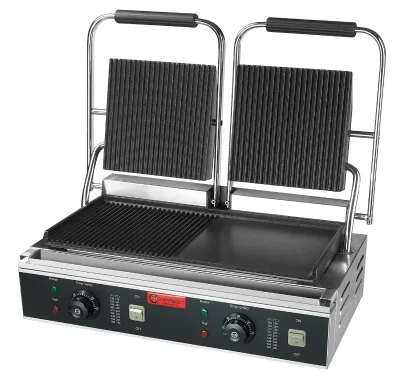
$129.00 - $169.00
MOQ: 1 sets
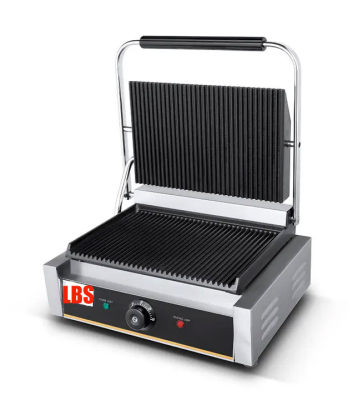
Contact grill press grill electric panini grill
$49.00 - $76.00
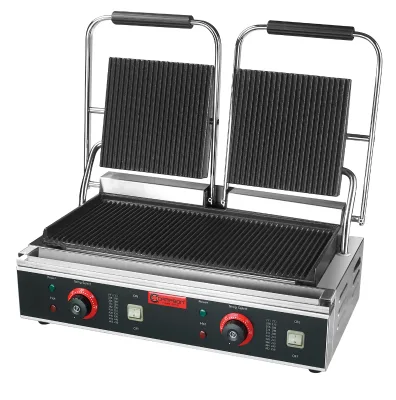

Guangzhou Tailang Industrial Co., Ltd.
- Verified by TUVRHEINLAND
- Combined
- China Guangdong
- Lead time15 days
Main productsDeep Fryer, Popcorn Machine, Crepe Maker, Cotton Candy Machine, Panini Grill, Griddle, Waffle Maker, Fishball Grill, Bain Marie
Main marketsSouth America

Sunbird Technology Development Co., Limited
- Manufacturer/Factory
- China Guangdong
- Lead time45 days
Main productsBBQ Grill, Free Standing Oven, Coffee Maker, Rice Cookers, Induction Cookers, Gas Cookers, Electric Oven, Pizza Oven, Deep Fryer, Bread Maker
Main marketsSouth America,Eastern Europe,Mid East,North America,Southeast Asia,Eastern Asia,Oceania,Western Europe,Africa

Yong Kang E-Jia Cookware Co., Ltd.
- Trading Company,Manufacturer/Factory
- China Zhejiang
- Lead time45 days
Main productsCookware Set, Fry Pan, Electircal Wok, Grill Pan, Juicer, Kitchenware, Kitchen Electrical Appliances
Main marketsSouth America,Eastern Europe,Mid East,North America,Southeast Asia,Eastern Asia,Oceania,Western Europe,Africa


Multifunction Indoor Rectangular Non-Stick Smokeless BBQ 3 in 1 Electric Steak Grill Pan
$7.30 - $9.50
MOQ: 100 Pieces

- Verified by TUVRHEINLAND
- Trading Company
- China Zhejiang
- Lead time15 days
Main productsLED Solar Light, Festival Lights, Table Lamp, LED Grow Lights, LED Light Strip, Smart Lights, LED Light String, Decorative Light, LED Head Light, LED Professional Lights
Main marketsSouth America,Europe,North America


Outdoor 3 Layers Korean Home BBQ Grill Roast Multifunctional Non-Stick Electric Grill
$20.12 - $25.40
MOQ: 50 Pieces

Guangzhou ETON Import & Export Co., Ltd.
- Verified by SGS
- Combined
- China Guangdong
- Lead time30 days
Main productsCandy Floss Machine, Popcorn Machine, Cup Sealing Machine, BBQ Roaster, Electric Fryer, Hot-Dog Roller, Ice Blender, Ice Crusher, Juice Extrctor, Slush Machine
Main marketsSouth America,Europe

Guangzhou Hungstar Electric Appliance Co., Ltd
- Manufacturer, Trading Company
- Guangdong, China
- Lead time0 days
- Avg. response≤ 2h
Main productsRice Cookers,Air Fryers,Kitchen appliances,Household Electric Appliances,Beauty Machine
Main marketsSoutheast Asia(50.00%), North America(30.00%), Western Europe(10.00%), Mid East(10.00%)

Yongkang Tower industrial and Trade Co., Ltd.
- Trading Company
- China Zhejiang
- Lead time30 days
Main productsNail Lamp, Electric Kettle
Main marketsSouth America

Suzhou Rdit Commercial Co., Ltd.
- Trading Company,Manufacturer/Factory
- China Jiangsu
- Lead time45 days
Main productsBBQ Grills, BBQ Gas Grill, Pellet Grill, Patio Heater, Fire Pit, Cooking Grates, Flower Pots, BBQ Grill Tools, BBQ Grill Accessories, Heating Products Accessories
Main marketsSouth America,Eastern Europe,North America,Oceania,Western Europe


2 in 1 Multifunctional Table Top Plate Non Stick Electric Raclette Grill for Cooking and Barbecue
$25.00 - $40.00
MOQ: 500 Pieces
Guangzhou ITO Kitchen Equipment Co., Ltd.
- Manufacturer
- Guangdong, China
- Lead time30 days
- Avg. response≤ 12h
Main productsSlush machine,Ice cream machine,Beverage Dispenser,Fryer,Oven
Main marketsSoutheast Asia(18.00%), South America(16.00%), Mid East(13.00%), Western Europe(12.00%), Northern Europe(8.00%), North America(6.00%), Africa(5.00%), Central America(5.00%), Domestic Market(5.00%), Eastern Europe(4.00%), Oceania(3.00%), South Asia(2.00%), Southern Europe(2.00%), Eastern Asia(1.00%)

Guangdong Jieguan Kitchen Equipment Manufacturing Co., Ltd.
- Combined
- China Guangdong
- Lead time30 days
Main productsCombi Oven, Convection Oven, Fryer, Griddle, Induction Cooker, Coffee Maker, Chicken Rotisserie, Food Warmer, Bain Marie, Pasta Cooker and Cooking Range
Main marketsSouth America,Africa,Others(foreignTradeCapacity.exportBusinessCapacityMarketOther),Europe,Australia
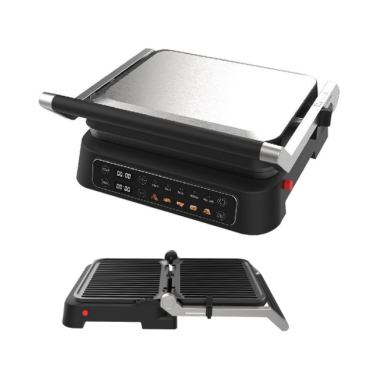
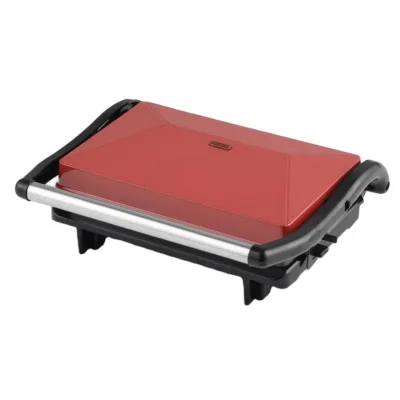
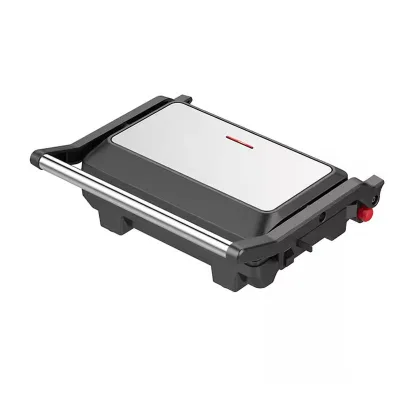


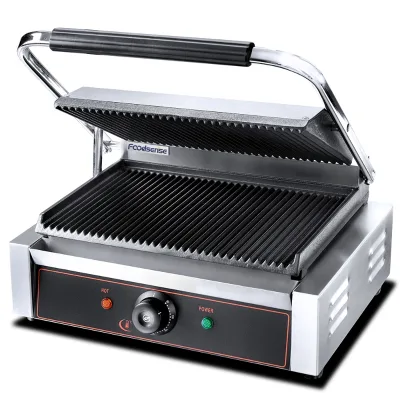
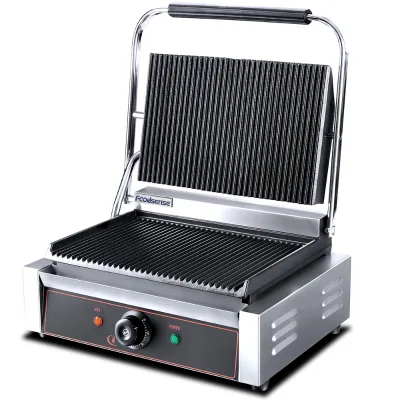


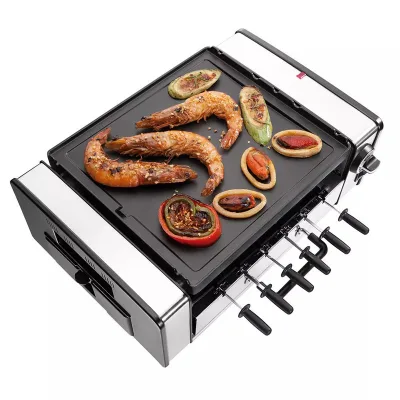
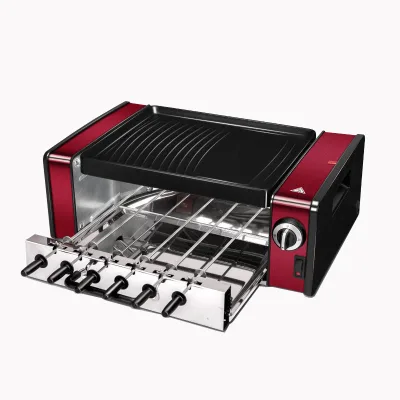


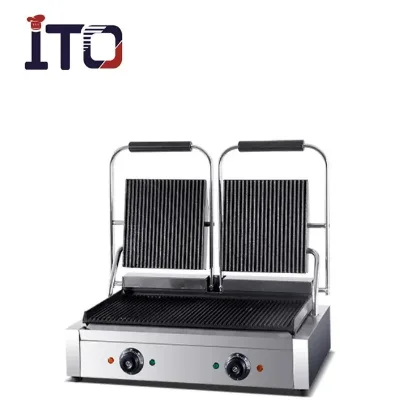
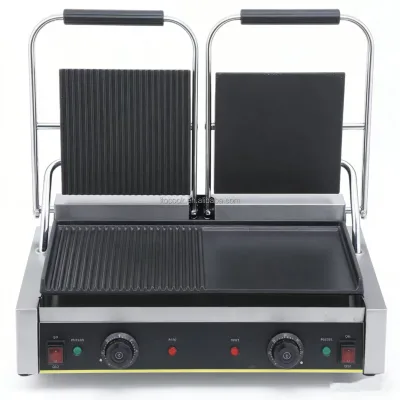


Comprehensive Sourcing Guide
Reversible Non-Stick Electric Contact Grill Supplier Concentration and Factory Types
When you begin mapping the Reversible Non-Stick Electric Contact Grill supply base, the first structural fact worth noting is that the visible supplier results point to Zhejiang, China, as a sourcing location. That province is home to many small kitchen appliance makers, and grill listings in these results sit under categories such as Electric Grills & Electric Griddles and BBQ Grills, confirming that this product straddles two sourcing traditions: kitchen appliance factories and barbecue hardware makers. Before committing, verify whether any given Zhejiang address is a production site or merely a registered office, since registration addresses frequently differ from manufacturing floors.
The second structural fact is supplier type. At least one result self-identifies as a Trading Company rather than a factory, and you should expect the results page to mix both types. Trading companies can be useful when you need to consolidate reversible grills with other appliances — the same supplier lists waffle makers, air fryers, pizza makers and coffee grinders — but a trading intermediary adds a margin layer and may slow engineering communication. Factories typically offer deeper customization of plates, housings and packaging, while trading companies offer breadth. Ask directly whether the entity holds tooling and employs its own QC staff. Because supplier profiles and search results change over time, treat the current mix of factory versus trading labels as a snapshot to re-verify at the start of every sourcing cycle, not as a fixed characteristic of the market.
How to Verify Reversible Non-Stick Electric Contact Grill Suppliers
Verification on this category should start with the platform signals visible in the results. One supplier carries a TÜV Rheinland verification badge, which indicates an independent audit of the company's existence and scope, and another lists system certifications including ETL, CE, LVD, EMC, CB and a Declaration of Conformity. Note the distinction: a verified account badge is about the company, while CE, ETL and similar marks are about products and must be confirmed against the specific grill model and the destination market. A product listing for one contact grill displays GS/CE/RoHS/LFGB in its attribute table, but you should request the actual certificate documents, check scope and expiry, and confirm the certifying body rather than relying on attribute text.
Beyond badges, request evidence tied to reversible grill construction: photos or videos of the hinge mechanism, the two-sided plate set, non-stick coating application and the detachable plate locking method. Because non-stick coating quality is a common failure point, ask which coating brand or food-contact grade is used and request food-contact test reports for the coating itself. Operational verification should include a video factory tour or an in-person audit covering assembly lines, coating spray or lamination stations, and final testing benches where heating elements and thermostats are checked. Confirm the legal entity name on the business license matches the name on your invoice and that export experience with your target market exists. Do not assume every listed supplier has been audited — most results carry no verification badge at all, which makes first-party checks essential before sample payment.
What to Compare Across Reversible Non-Stick Electric Contact Grill Suppliers
Build a comparison table using the attributes actually displayed in supplier results, without assuming every supplier shows every field. Location: the results here cluster in Zhejiang, but confirm each supplier's province individually because freight and cluster access differ. Supplier type: one result is explicitly a Trading Company, so record type per supplier. Lead time: displayed values include 30 and 35 days, which gives you a benchmark band, but confirm whether the clock starts at deposit, at artwork approval or at tooling sign-off. Response time: one supplier shows a 3-hour response figure; others display none, so measure response speed yourself with identical RFQs sent the same day.
Commercial and technical fields to compare side by side: MOQ (results show 1,200, 1,974 and 2,000 pieces across different grill models), unit pricing (listed figures range from about $10.00 to $25.60 depending on model and display features), power configuration (listings show 1800/2000/2200W at 220–240V and a 120V/220–240V variant), plate size, unit weight, packing configuration and gift-box versus carton dimensions. Also compare capability labels: one supplier lists R&D capacities such as sample processing, graphic processing and customized-on-demand work, which matters if you need custom branding or plate patterns. Finally, compare main product ranges — some suppliers focus on grills and BBQ, others on air fryers, sandwich makers and vacuums — since a supplier whose core line matches yours will usually have better tooling and QC routines.
Common Reversible Non-Stick Electric Contact Grill Sourcing Risks
The most category-specific risk is non-stick coating failure. Cheap coatings can degrade after dozens of cooking cycles, peel at plate edges, or fail food-contact migration tests in strict markets. One result honestly lists finishing as "Not Coated" on an aluminum-plate BBQ grill, which tells you coating specifications vary even within this supplier set. Mitigate by specifying coating type, thickness and food-contact compliance in the purchase contract, and by running a cycle-life test on samples before mass production.
Second is the hinge and reversible mechanism. Grills that open 180 degrees and swap plate sets have more moving parts than fixed panini presses; a supplier may quote a grill visually identical to your target model but with a weaker hinge or plates that do not lock positively. Test the opening action, plate removal and drip-tray fit on golden samples. Third is electrical compliance mismatch: many listings default to 220–240V, while North American buyers need 120V versions — one listing does offer a 120V option, but you must confirm it explicitly, including plug type and relevant destination certifications. Fourth is the trading-company opacity risk: a middleman may forward your coating or hinge requirements inaccurately, so insist on direct technical communication with the producing line. Finally, beware attribute drift between listings — one model at $10.00 and another at $25.60 differ in display electronics, not just cosmetics. Confirm exact model numbers (results show models such as GR-160, GR-225, GR-234C/D and GR-323) in your contract to prevent substitution.
Reversible Non-Stick Electric Contact Grill Regional Sourcing and Logistics
The location evidence in these results is limited but concrete: the suppliers shown are in Zhejiang, China. Zhejiang's appliance clusters give buyers practical advantages — dense networks of heating element suppliers, coating applicators, tooling shops and carton makers — which typically shorten the path from sample to mass production for a reversible grill. However, since only one province appears in the current data, do not extrapolate to a full national map; other Chinese provinces also produce contact grills, so widen your search deliberately rather than assuming Zhejiang exhausts the supply base. When results do not reveal a cluster, identify one by triangulating: search the same model keywords across provinces, note where factory (not trading) accounts concentrate, and check which addresses appear on multiple grill listings.
On logistics, the packing data in these results is unusually complete and worth exploiting. Contact grills ship as heavy, awkward units — listed cartons show configurations like one or four pieces per carton, gross weights around 8.5–10.5 kg per carton set, and carton dimensions in the 40 cm range, while one larger reversible griddle measures 530×320×91 mm. Use these figures to calculate palletization and container fill before quoting freight, because plate-overhang and gift-box thickness waste cube quickly. With displayed lead times of 30–35 days, plan order placement so production finishes comfortably ahead of seasonal retail windows, and confirm whether lead time excludes inland trucking and port booking time during peak export season.
Reversible Non-Stick Electric Contact Grill Commercial Terms and Order Planning
Use the displayed commercial data as your negotiation baseline, then verify each figure against your own volume. MOQs in the results run from 1,200 pieces (for a 2000W digital-display contact grill priced at $25.60) up to 2,000 pieces (for a $10.00 stainless steel steak grill), with one reversible BBQ griddle listed at 1,974 pieces — an odd number that may reflect a mold-capacity or packaging constraint. Ask suppliers what sits behind a non-round MOQ; you may be able to adjust plate size or carton quantity to hit a cleaner, cheaper run. Price gaps of this scale ($10.00 versus $25.60) mostly track features — color displays, removable plates, wattage — so normalize quotes to an identical specification sheet before comparing.
On terms, align payment structure and lead time explicitly: results show lead times of 30 and 35 days, so a standard deposit-plus-balance schedule should reference a production window in that range, with the start trigger written into the contract. Confirm what is included — one listing advertises free spare parts and a one-year warranty, which affects your after-sales cost model. Also lock customization scope: several listings state "Customization: Available," and one supplier lists graphic processing among its R&D capacities, so define exactly which custom elements (logo, color, plate pattern, packaging) are included in the quoted price. Finally, request one pre-production confirmation unit, specify inspection timing before balance payment, and plan your first order conservatively at the stated MOQ so you can validate real-world coating durability and hinge reliability before scaling volume.
FAQs
What is the typical minimum order quantity for a Reversible Non-Stick Electric Contact Grill?
Published MOQs for contact grills in these results range from 1,200 to 2,000 units per model. Smaller, simpler griddle-style units often sit near the 1,974 to 2,000 unit range, while display-equipped models start at 1,200 units. Always confirm MOQ in writing before quoting, since it can vary with customization level and packaging requirements.
What power ratings are available for these electric contact grills?
Most listed grills run on 220-240V at 1800W, 2000W, or 2200W, with one reversible griddle model accepting both 120V and 220-240V. This matters because North American buyers need 120V compatibility, while European and Middle Eastern markets use 220-240V. Confirm voltage, frequency of 50-60Hz, and plug type with the supplier before placing an order.
Do these contact grills support customization or OEM branding?
Yes, customization is marked as available on multiple listed models, and one listing shows the brand name as OEM. Typical customization covers graphics, packaging, and product features on demand, including sample processing. Ask each supplier to specify which elements they can modify, the cost implications, and how branding requirements affect the quoted price and lead time.
How long is the usual lead time for these grills?
Lead times shown in the current results are 30 to 35 days. This generally covers production after order confirmation but may exclude sample approval, customization setup, or peak-season queues. Request a written production schedule, clarify when the clock starts, and build in buffer time for shipping and destination-market compliance checks before committing to retail launch dates.
What certifications should I check before importing these grills?
One supplier lists system certifications including ETL, CE, LVD, EMC, and CB with a Declaration of Conformity, and some product listings mention GS, CE, RoHS, and LFGB. Requirements depend on your destination market, so verify which certificates apply to your specific model and market, confirm certificate validity and scope, and request copies during supplier evaluation.
Are third-party verifications available for these suppliers?
Yes, TUV Rheinland verification appears for suppliers in these results, indicating an independent assessment has been performed. Verification is a useful initial filter but not a substitute for your own checks. Consider ordering pre-shipment inspections, confirming business licenses, and testing samples against your market's safety standards before finalizing any large purchase agreement.
How quickly do these suppliers typically respond to inquiries?
One listed supplier reports an average response time of about three hours, though response speed varies across suppliers. Fast replies during sourcing often predict smoother communication during production. Send a detailed technical inquiry covering voltage, certification, and customization needs to each candidate, and compare reply speed and quality as part of your shortlisting process.
What are the price ranges for reversible electric contact grills?
Listed unit prices range from roughly 10 to 25.60 US dollars depending on the model. Basic non-stick griddle models sit near 10 dollars, while grills with digital color displays reach 23.30 to 25.60 dollars. Prices reflect the listed MOQ tiers, so request formal quotations for your target volume, customization level, and packaging before comparing offers.