RFID Blocking Vintage Long Wallet Suppliers and Manufacturers
Compare 19 verified suppliers offering RFID Blocking Vintage Long Wallet options from China Guangdong and Sichuan. Review certifications like BSCI and SEDEX, response times, and lead times before requesting samples or quotes; review the available evidence before requesting comparable quotations from suitable candidates.
Suppliers List

Guangzhou Modicci Fashion Co., Limited
- Verified by SGS
- Trading Company,Manufacturer/Factory
- China Guangdong
- Lead time45 days
- Avg. response≤ 19h
Main productsHandbag, Backpack, Crossbody, Wallet, Clutch, Purse, Keyring, Jewellery Box, Card Holder, Laptop Backpack
Main marketsSouth America,Eastern Europe,Mid East,North America,Southeast Asia,Eastern Asia,Oceania,Western Europe,Africa

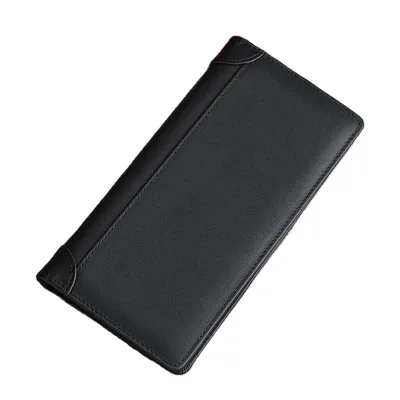
Vintage Custom Genuine Leather Men RFID Protection Blocking Wallet Slim Long Leather Wallet
$10.00 - $20.00
MOQ: 50 Pieces

$10.00 - $20.00
MOQ: 50 Pieces

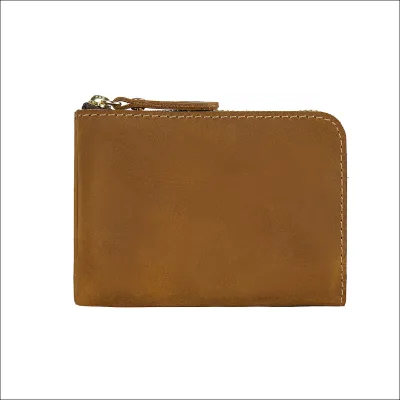
Retro Custom Top Grain Brown Leather Wallet Genuine Cowhide Leather RFID Blocking Wallet for Men
$10.00 - $20.00
MOQ: 50 Pieces

Vintage Custom Logo Genuine Leather Long Purse Genuine Leather Long Wallets for Man
$10.00 - $20.00
MOQ: 50 Pieces

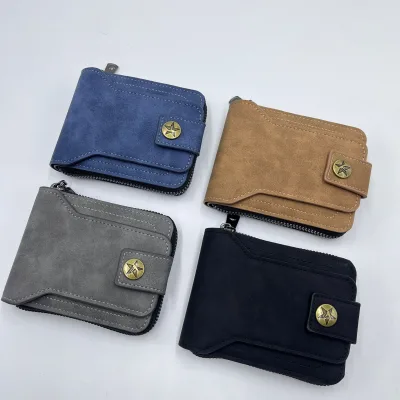
Shiny Vintage Vegan Leather Fashion Wallet Foldover Wallet with Zips and Stamping
$4.00 - $6.00
MOQ: 300 Pieces


Chengdu MIND IOT Technology Co., Ltd.
- Verified by SGS
- Manufacturer/Factory
- China Sichuan
- Lead time23 days
- Avg. response≤ 5h
Main productsSmart Card, IC Card, PVC Card, Paper Card, Prepaid Scratch Card, Magnetic Card, IC Solutions
Main marketsSouth America,Eastern Europe,Mid East,North America,Southeast Asia,Eastern Asia,Oceania,Western Europe,Africa

Dongguan Jianfeng Gifts Company
- Trading Company
- China Guangdong
- Lead time23 days
- Avg. response≤ 7h
Main productsMetal Product, Leather Product, RFID Card Holder, Wallet, Money Clip, Coin Purse, Card Holder, Gifts, Metal Accessories, Wallet Tracker
Main marketsSouth America,Eastern Europe,Mid East,North America,Southeast Asia,Eastern Asia,Oceania,Western Europe,Africa


PU Vintage Leather RFID Aluminum Wallet Credit Card Holder Wallet Card Case
$4.85 - $4.99
MOQ: 50 Pieces


Guangzhou Baiyun District Sanyuanli Gusi Leather Firm
- Trading Company
- Guangdong, China
- Lead time22 days
- Avg. response≤ 23h
Main productsWallet, Cossbody Bags, Passport Holder, Handbags, Belts
Main marketsSouth Asia(25.00%), Mid East(20.00%), Eastern Asia(15.00%), North America(10.00%), South America(10.00%), Africa(10.00%), Eastern Europe(10.00%)

Guangzhou Wangjia Leatherware Co., Ltd.
- Manufacturer/Factory
- China Guangdong
- Lead time30 days
- Avg. response≤ 5h
Main productsWestern Cowboy & Cowgirl Belts, Western Buckles, Buckle Sets, Conchos, Dog Collars & Hat Belts, PU Belts, Leather Belts, PU Handbags, Straw Beach Bags, Wallets
Main marketsSouth America,Eastern Europe,Mid East,North America,Southeast Asia,Eastern Asia,Oceania,Western Europe,Africa

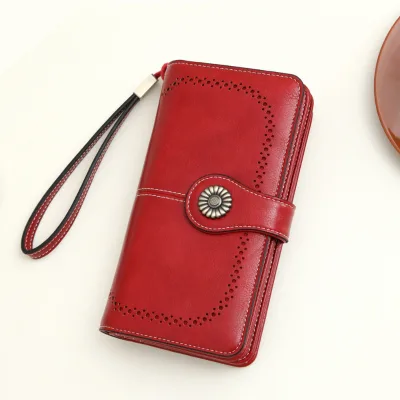
New Style RFID Blocking Large Capacity Lady Long Clutch Purse Leather Women Wallet with Wrist Strap
$7.00 - $7.40
MOQ: 100 Pieces

Small Genuine Leather Wallet for Women, RFID Blocking Credit Card Holder Wallet
$3.30 - $3.60
MOQ: 100 Pieces

Small Wallet for Women Genuine Leather Bifold Compact RFID Blocking Small Womens Wallet
$6.00 - $6.50
MOQ: 100 Pieces

Wholesale Small RFID Blocking Bifold Wallets Men's Leather Wallets Multi Card Holder Wallets for Men
$7.80 - $8.30
MOQ: 100 Pieces


Xiamen Le Young Imp. & Exp. Co., Ltd
- Verified by BV
- Trading Company,Manufacturer/Factory
- China Fujian
- Lead time23 days
- Avg. response≤ 4h
Main productsLeather Folder, Trave Wallet, Leather Notebook, Leather Compendium, Leather Portfolio, Leather Diary, Leather Journal, Hotel Supply, Leather Card Holder, Leather Wallet
Main marketsSouth America,Eastern Europe,Mid East,North America,Southeast Asia,Eastern Asia,Oceania,Western Europe,Africa

Retro Zipper Slim Card Wallet RFID Blocking Genuine Leather Credit Card Holder
$2.45 - $2.89
MOQ: 300 Pieces


RFID Blocking Elastic Bound Leather Passport Holder Personalized Passport Wallet with Logo
$1.95 - $2.79
MOQ: 300 Pieces

Guangzhou Zhilun Leather Co., Ltd
- Verified by TUVRHEINLAND
- Combined
- China Guangdong
- Lead time30 days
- Avg. response≤ 7h
Main productsMobile Phone Case, Tablet Case, Mobile Phone Lanyard, Magsafe Card Holder, Leather Wallet Phone Case, Cell Phone Case, Passport Holder, Notebook Cover, Mobile Phone Shoulder Strap, Laptop Case
Main marketsEurope

Scratchresistant RFID Credit Card Holder Wallet Leather Card Holder Blocking Card Wallet
$1.10 - $1.30
MOQ: 100 Pieces

Retro Style RFID Pocket Wallet Minimalist Slim Cardholder Genuine Leather Credit Passport Holder
$2.50 - $2.80
MOQ: 200 Pieces

JingZhou SynTek Smart Technology Co., Ltd.
- Combined
- China Hunan
- Lead time15 days
- Avg. response≤ 5h
Main productsRFID Cards, RFID Ear Tags, RFID Wristbands, RFID Animal Microchips, iButton Keys, iButton Probe Readers, RFID Keyfobs, RFID Epoxy Keychains, RFID Animal Readers, RFID Reader Writer Duplicators
Main marketsEurope

Shenzhen Chenxi Lingdong Technology Co., Ltd.
- Verified by BV
- Trading Company
- China Guangdong
- Lead time15 days
- Avg. response≤ 11h
Main marketsSoutheast Asia/ Mideast,Europe,North America
Dongguan Vision Sationery Gift Co., Ltd.
- Manufacturer, Trading Company
- Guangdong, China
- Lead time30 days
- Avg. response≤ 3h
Main productspu portfolio folder,Pu Diary,PUorganizer,Leather wallet,Leather card holder
Main marketsWestern Europe(50.00%), Eastern Europe(20.00%), Domestic Market(10.00%), South America(10.00%), Central America(5.00%), South Asia(5.00%)

Wenzhou Fashion Leather Manufacture Co., Ltd.
- Combined
- China Zhejiang
- Lead time30 days
- Avg. response≤ 2h
Main productsBelt, Leather Belt, Fashion Lady Belt, Fashion Man Belt, Fashion Belt, Canvas Belt, PU Belt, Wallet, Purse, Man Wallet
Main marketsSouth America,Europe,North America

Dongguan Zhengyong Leather Co., Ltd.
- Verified by SGS
- Manufacturer
- China Guangdong
- Lead time15 days
- Avg. response≤ 11h
Main productsBelt, Handbags, Bracelet, Wallet, Card Holder, Dog Collar/Leash, Dog Harness, Carrier Bags, Camera Strap Series
Main marketsEurope,North America

RFID Blocking Small Wallets Trifold Ladies' Wallets with Coins Credit Card Pocket
$13.80 - $15.60
MOQ: 50 Pieces

Thin Sophisticated Tri-Fold RFID Blocking Top Grain Leather Wallet for Men
$10.60 - $12.50
MOQ: 50 Pieces


Guangzhou Yujia Industrial Co., Ltd.
- Verified by SGS
- Combined
- China Guangdong
- Lead time15 days
- Avg. response≤ 1h
Main productsPU Leather, PVC Bar Mat, Mouse Pad, Wallets, Rubber Muse Pad, Men's Wallet, Passport Holder, Handbags, Wrist Keyboard Mat
Main marketsDomestic

Woman and Man PU Leather Minimalist Card Holder Wallet Slim RFID Blocking Card Holder Wallet
$5.05 - $6.50
MOQ: 200 Piece

Customized Wallet RFID Blocking ID Credit Card Holder Metal Aluminum Business Card Wallet
$3.50 - $5.50
MOQ: 100 Piece

Men Bifold Cowhide Leather Pocket Wallet with 7 Magnetic Card Slots RFID Blocking Wallet
$3.50 - $5.50
MOQ: 100 Piece

PU Leather Wallet with RFID Blocking Fashion Coin Wallet for Gift Promotions
$3.50 - $5.50
MOQ: 100 Piece

Genuine RFID Blocking Leather Wallet with Flap and Coin Purse for Man PU Card Holder
$3.80 - $5.50
MOQ: 100 Piece

Leather RFID Card Holder Portable Designer Credit Card Holder ID Card Wallet
$3.05 - $3.89
MOQ: 200 Piece

Fujian Yidai Premiums Mfg Co., Ltd.
- Manufacturer/Factory
- China Fujian
- Lead time15 days
- Avg. response≤ 4h
Main productsLanyards, Wristbands, Tube Bandana, Flags, Bags, Luggage Belts, Sport Bags
Main marketsSouth America,Eastern Europe,Mid East,North America,Southeast Asia,Eastern Asia,Oceania,Western Europe,Africa

- Verified by CTI
- Manufacturer/Factory,Group Corporation
- China Zhejiang
- Lead time45 days
- Avg. response≤ 10h
Main productsLuggage, Backpack, Laptop Bags, Tote Bag, Suitcase, Trolley Bag, Men Bags, Messenger Bag
Main marketsEastern Europe,Mid East,North America,Western Europe,Africa

Men's Wallet Genuine Leather Wallet Short RFID Blocking Slim Wallet for Men
$5.66 - $6.60
MOQ: 100 Pieces

Mens Short Wallet Horizontal Wallet Trendy Card Holder Male PU Leather Card Holder
$1.29 - $1.50
MOQ: 100 Pieces

Taizhou Lantiger Travelware Co., Ltd.
- Verified by SGS
- Manufacturer/Factory
- China Zhejiang
- Lead time23 days
- Avg. response≤ 4h
Main productsTravel Accessories, Travel Pillows, Travel Bags, Luggage Straps, Luggage Covers, Tsa Locks, Luggage Scales, Travel Adapters
Main marketsSouth America,Eastern Europe,Mid East,North America,Southeast Asia,Eastern Asia,Oceania,Western Europe,Africa


$1.15 - $1.30
MOQ: 500 Pieces

Jinjiang Jiaxing Supply Management Co., Ltd.
- Verified by TUVRHEINLAND
- Trading Company
- China Fujian
- Lead time30 days
- Avg. response≤ 1h
Main productsEVA Clogs, Flip Flop, Shoe Charms, Shopping Bags, Wristbands, Gifts, Promotional Gifts, Slipper, Sport Cap, Ball
Main marketsNorth America

Guangzhou Kinglaiky Industrial Ltd.,
- Verified by TUVRHEINLAND
- Trading Company
- China Guangdong
- Lead time15 days
- Avg. response≤ 12h
Main productsPromotional Gifts, Pen, Leather Product, Wallet, Keyring, Namecard Holder, Mouse Mat, Flask, Wristband, USB Pen Drive
Main marketsAfrica

Guangzhou CF Leather Co., Ltd.
- Verified by SGS
- Combined
- China Guangdong
- Lead time30 days
- Avg. response≤ 21h
Main productsBag, Luxury Handbag, Women Handbag, Handbag
Main marketsAfrica,Domestic,Europe






Comprehensive Sourcing Guide
RFID Blocking Vintage Long Wallet Supplier Concentration and Factory Types
Current data indicates that suppliers offering RFID blocking vintage long wallets are concentrated in specific manufacturing clusters within China, with Guangdong and Sichuan provinces appearing as verified locations for active listings. In Guangdong, the supply base includes both trading companies and manufacturers capable of producing leather and PU-based wallets, often utilizing OEM and ODM capabilities to customize designs for international buyers. These facilities frequently list main products that encompass a broad range of accessories, including handbags, backpacks, and various wallet styles, suggesting a specialized ecosystem for leather goods. The presence of verified suppliers in this region implies a mature supply chain where raw material sourcing and finished goods assembly are closely integrated.
In contrast, suppliers located in Sichuan may focus on different material compositions, such as aluminum or metal-based RFID protection solutions, though some listings also indicate leather production capabilities. The company types observed range from pure manufacturers to trading companies, each offering distinct advantages regarding direct factory pricing versus flexible sourcing options. Buyers should note that while some entities claim both trading and manufacturing roles, the specific capacity for OEM and ODM services varies significantly between these entities. Understanding whether a supplier is a direct factory or a trading intermediary is crucial, as it impacts the ability to negotiate custom specifications and control production timelines for vintage-style leather goods.
How to Verify RFID Blocking Vintage Long Wallet Suppliers
Verification of supplier credibility relies heavily on third-party audit reports and system certifications rather than self-declared claims. Several suppliers in the current results have undergone verification by SGS, providing a baseline level of trust regarding their business operations and product quality. Additionally, system certifications such as BSCI and SEDEX are present in the profiles of some manufacturers, indicating adherence to social compliance and ethical labor standards. Buyers must request these specific documents directly from the supplier to confirm that the certifications are current and applicable to the specific production lines intended for their order. Relying solely on platform badges without independent verification can lead to discrepancies in actual factory conditions.
Beyond certifications, response time and communication reliability serve as practical indicators of supplier professionalism. Data shows response times varying significantly, with some suppliers averaging under five hours while others take nearly eighteen hours to reply. A faster response time often correlates with better project management and a higher likelihood of resolving issues quickly during the production cycle. Buyers should test communication channels before placing large orders to ensure the supplier can provide the 24/7 fast reply service advertised in their product attributes. Furthermore, checking the supplier's main product list against the specific vintage long wallet requirements ensures they possess the necessary technical expertise and equipment to handle the requested customization, such as silkscreen logos or specific leather treatments.
What to Compare Across RFID Blocking Vintage Long Wallet Suppliers
When evaluating potential partners, buyers must compare lead times, minimum order quantities, and pricing structures to ensure alignment with their business needs. Production lead times for these items can range from 30 to 45 business days after confirmation, with sample lead times typically taking 5 to 7 business days. Some suppliers offer smaller order quantities, with MOQs as low as 50 pieces, while others require minimums of 300 or 500 units. This variation significantly impacts cash flow and inventory planning, especially for new product launches. Buyers should calculate the total cost of ownership, including sample charges which can range from 25 to 50 USD, to determine the most cost-effective partner for their specific volume requirements.
Pricing and material composition are also critical comparison points that vary across the supplier base. Unit prices for leather wallets can range from 10 to 20 USD, whereas PU or aluminum alternatives may be priced between 0.30 and 6.00 USD. The material choice, whether genuine leather, PU, or aluminum, directly influences the final price and the perceived value of the vintage aesthetic. Buyers must verify if the price includes customization costs for logos or special treatments like RFID blocking technology. Additionally, comparing delivery methods and associated costs is essential, as express shipping may take 5 to 7 days while sea freight requires 25 to 30 days. A comprehensive comparison ensures the selected supplier meets both quality expectations and logistical constraints.
Common RFID Blocking Vintage Long Wallet Sourcing Risks
One significant risk involves the discrepancy between advertised materials and actual product composition, particularly regarding leather authenticity. While some listings specify "genuine leather" or "full grain leather," others may use "PU" or synthetic alternatives that mimic the vintage look without the durability. Buyers must request physical samples to verify the material hardness, texture, and RFID blocking functionality before committing to bulk orders. The absence of standardized testing results for RFID performance in the provided data means that buyers cannot assume all listed products offer effective protection without independent verification. Relying on product keywords alone is insufficient for confirming the technical integrity of the RFID blocking feature.
Another risk pertains to quality control consistency and the reliability of the supply chain during peak seasons. Although some suppliers claim pre-production and during-production checks, the actual implementation of these checks varies by facility. The seasonal nature of the products, often categorized for Spring/Autumn, can lead to capacity constraints and delayed shipments if orders are placed too close to peak demand periods. Furthermore, the variability in response times suggests that communication bottlenecks could arise, potentially delaying critical design approvals or production adjustments. Buyers should establish clear quality control protocols and include penalties for delays in their contracts to mitigate these operational risks effectively.
RFID Blocking Vintage Long Wallet Regional Sourcing and Logistics
Geographic location plays a pivotal role in determining shipping costs and delivery timelines for vintage long wallets. Suppliers in Guangdong, a major manufacturing hub, often benefit from proximity to major ports, facilitating efficient sea and air freight options. The data indicates that delivery by express can take 5 to 7 days, while sea freight typically requires 25 to 30 days. Buyers sourcing from Sichuan may face different logistical challenges due to the inland location, potentially affecting transit times and freight costs. Understanding the specific origin of the product, such as Guangzhou or Sichuan, allows buyers to better estimate the total lead time from order confirmation to final delivery at their destination.
Logistics planning must also account for packaging standards and carton specifications to prevent damage during transit. Suppliers often pack items in polybags within cartons, with specific quantities per bundle or carton, such as 100 pieces per bundle or 15 to 20 pieces per carton. These packing details influence the total volume and weight of the shipment, which directly impacts freight charges. Buyers should verify if the supplier offers additional packaging services, such as gift boxes or tissue paper wrapping, which may be required for retail presentation. Coordinating with the supplier on packing requirements early in the process ensures that the goods arrive in optimal condition and comply with the buyer's retail or distribution center standards.
RFID Blocking Vintage Long Wallet Commercial Terms and Order Planning
Commercial terms, including payment structures and deposit requirements, vary significantly among suppliers and must be clearly defined before order placement. Some suppliers require a 30% deposit upon confirmation with the remaining 70% balance due before shipment, while others may have different terms based on the order value or relationship history. Buyers should carefully review these terms to ensure they align with their financial policies and risk tolerance. Additionally, the availability of escrow services or trade assurance can provide an extra layer of security for the transaction, protecting the buyer's funds until the goods are delivered as specified.
Order planning requires a strategic approach to managing sample development and production scheduling. With sample lead times of 5 to 7 business days and production times extending up to 45 days, buyers must account for the entire timeline when planning their inventory replenishment. The ability to accept small orders or negotiate MOQs can help mitigate the risk of overstocking, particularly for new designs. Buyers should also consider the supplier's capacity for monthly new arrivals, which can be up to 100 designs per month, to ensure a steady flow of fresh products. Establishing a clear timeline for sample approval, production, and shipping is essential to avoid delays and ensure the vintage long wallets are available for the intended sales season.
FAQs
What is the typical lead time for these wallets?
Production lead times range from 30 to 45 business days after confirmation. Sample lead times are shorter, typically taking 5 to 7 business days. Delivery by express takes 5 to 7 days, while sea shipping requires 25 to 30 days for arrival.
Are customization options available for vintage wallets?
Yes, customization is available for logos and designs. Suppliers offer silkscreen, gold or silver foil options for branding. You can also request new ideas or trendy styles. OEM and ODM services are acceptable for customizing the product model and features.
What materials are used for RFID blocking wallets?
Materials include genuine leather, top grain leather, and PU leather. Some options feature aluminum for enhanced protection. The hardness is generally medium soft, and colors like black are common. Many colors are available depending on the specific product model selected.
What are the minimum order quantities for these items?
Minimum order quantities vary by product type. Some wallets require 50 pieces, while others need 300 or 500 pieces. Small orders are acceptable for certain models. Always check the specific product attributes to confirm the exact MOQ before placing an order.
Where are these suppliers located and how fast do they respond?
Suppliers are located in China, specifically in Guangdong and Sichuan provinces. Response times vary, with some suppliers replying within 4.97 hours and others taking around 18.26 hours. Most offer 24/7 fast reply services for excellent communication regarding your sourcing needs.
What certifications do the manufacturers hold?
Manufacturers hold various system certifications including BSCI, SEDEX, ISO 9001, and ISO 14001. Some suppliers are verified by SGS. These certifications ensure quality control during production and adherence to international standards for ethical manufacturing and environmental management practices.
How much do vintage RFID wallets typically cost?
Prices range from 0.30 to 20.00 USD depending on the material and model. Leather wallets often cost between 10 and 20 USD, while aluminum or PU options may range from 0.30 to 6.00 USD. Sample charges are 25 USD for small goods and 50 USD for bags.
What payment terms are accepted for these orders?
Standard payment terms include a 30% deposit upon confirmation with the 70% balance to be paid later. Some suppliers accept T/T transfers. Ensure you verify specific payment conditions with the supplier before finalizing the order to avoid any potential disputes or delays.